For the last two decades, Seattle has sought to be nimble and advance climate action while the nation writ-large stalled. Although its ambitions have so far outshone its actual achievements, Seattle is seeking to rectify that via an update of its 2013 Climate Action Plan. City staff across departments are now working to gear up to make the municipal engine churn with more torque toward its climate goals.
Note: This article is part two in a three-part series on Seattle’s Climate Action Plan. Read part one on the history of climate action in Seattle.
The need to accelerate climate action is urgent. In the race to save the Earth from climate catastrophe, the starting gun sounded decades ago, and the world needs to catch up to avoid catastrophe. The Pacific Ocean is all but simmering. The Southwest is in a water crisis. America is hotter than anytime in history. Climate change is accelerating, and humanity has pushed the Earth past seven of nine planet-threatening boundaries.
It will be hard for the global emissions curve to bend fast enough given governments of the world aren’t known for swift action. Making matters worse, some nations are run by out and out climate deniers, like the current Trump administration. Given such obstacles, many researchers have pointed out that if any political entity has the agility to act fast, it’s a city.
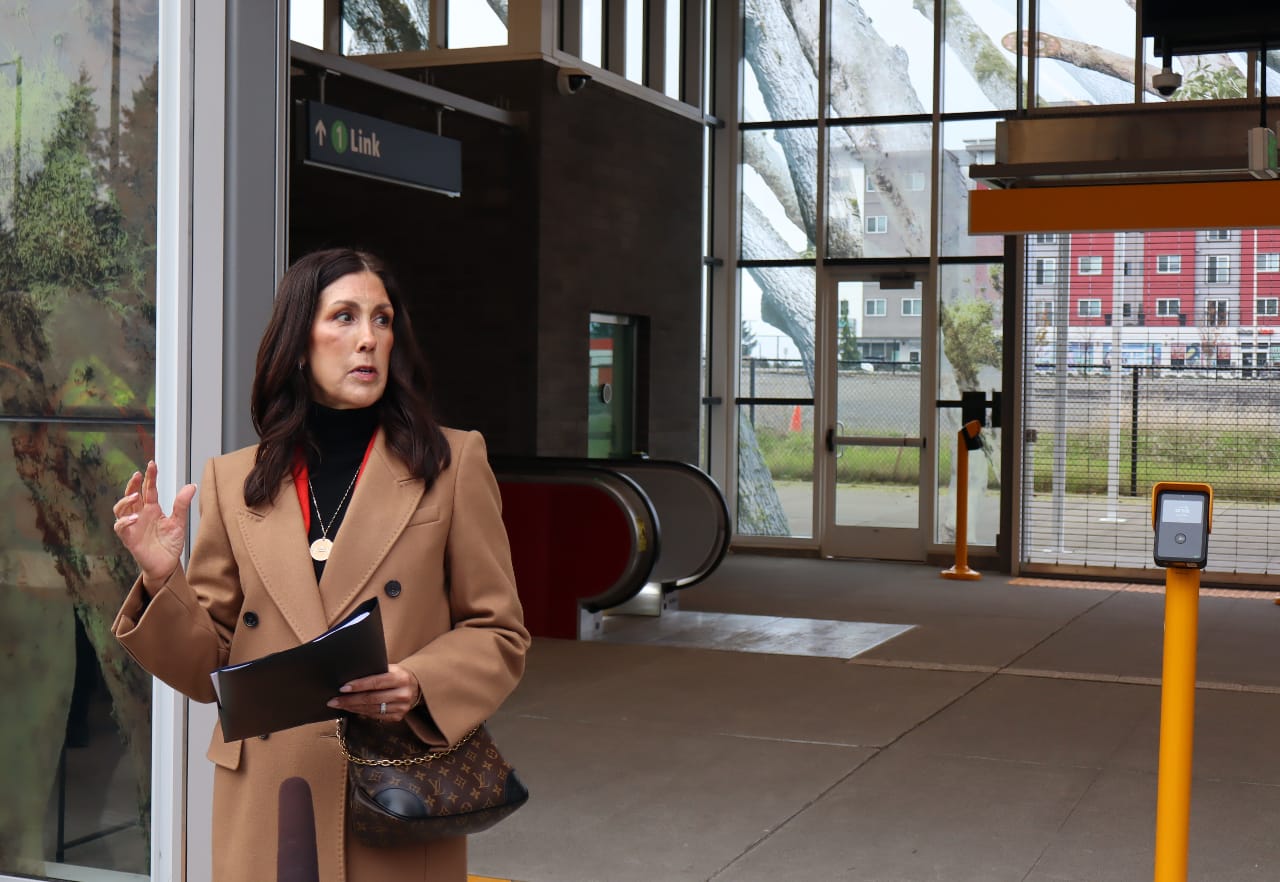
“We’re thinking bold, transformational types of actions at this stage,” said Narita Ghumman, the climate action plan program manager for Seattle's Office of Sustainability and the Environment.
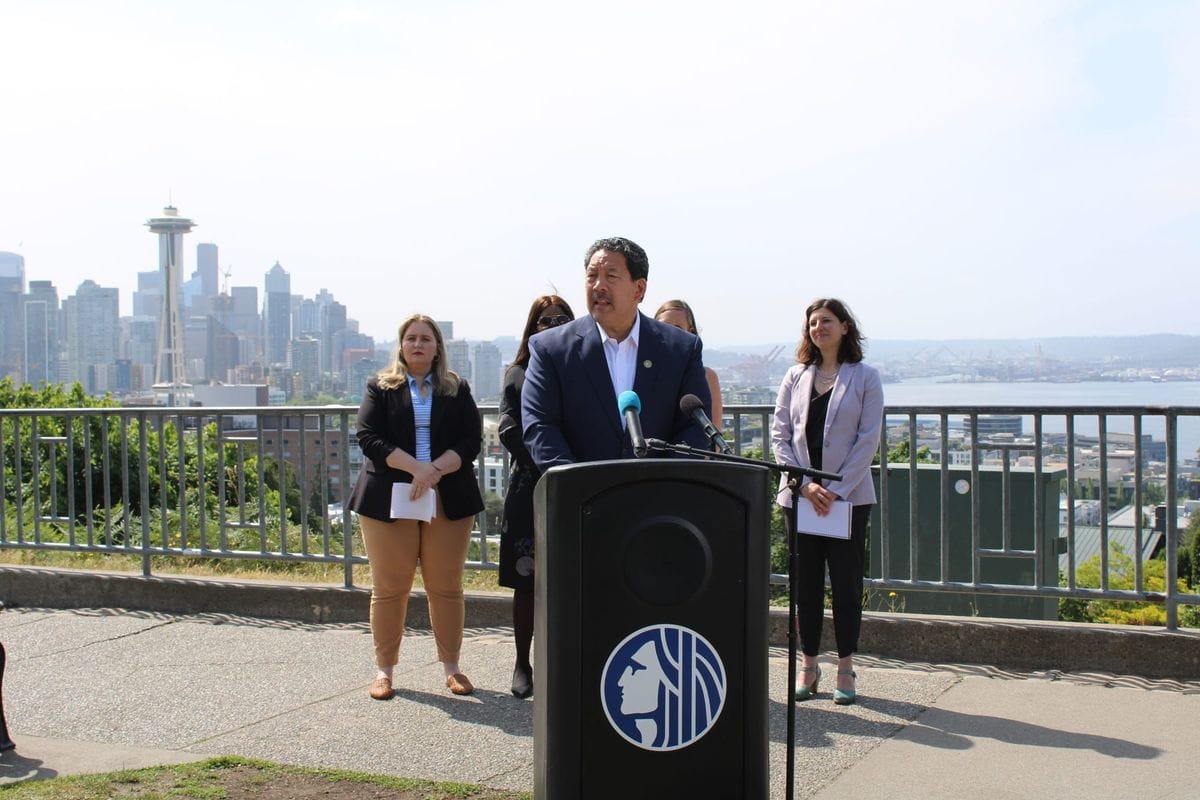
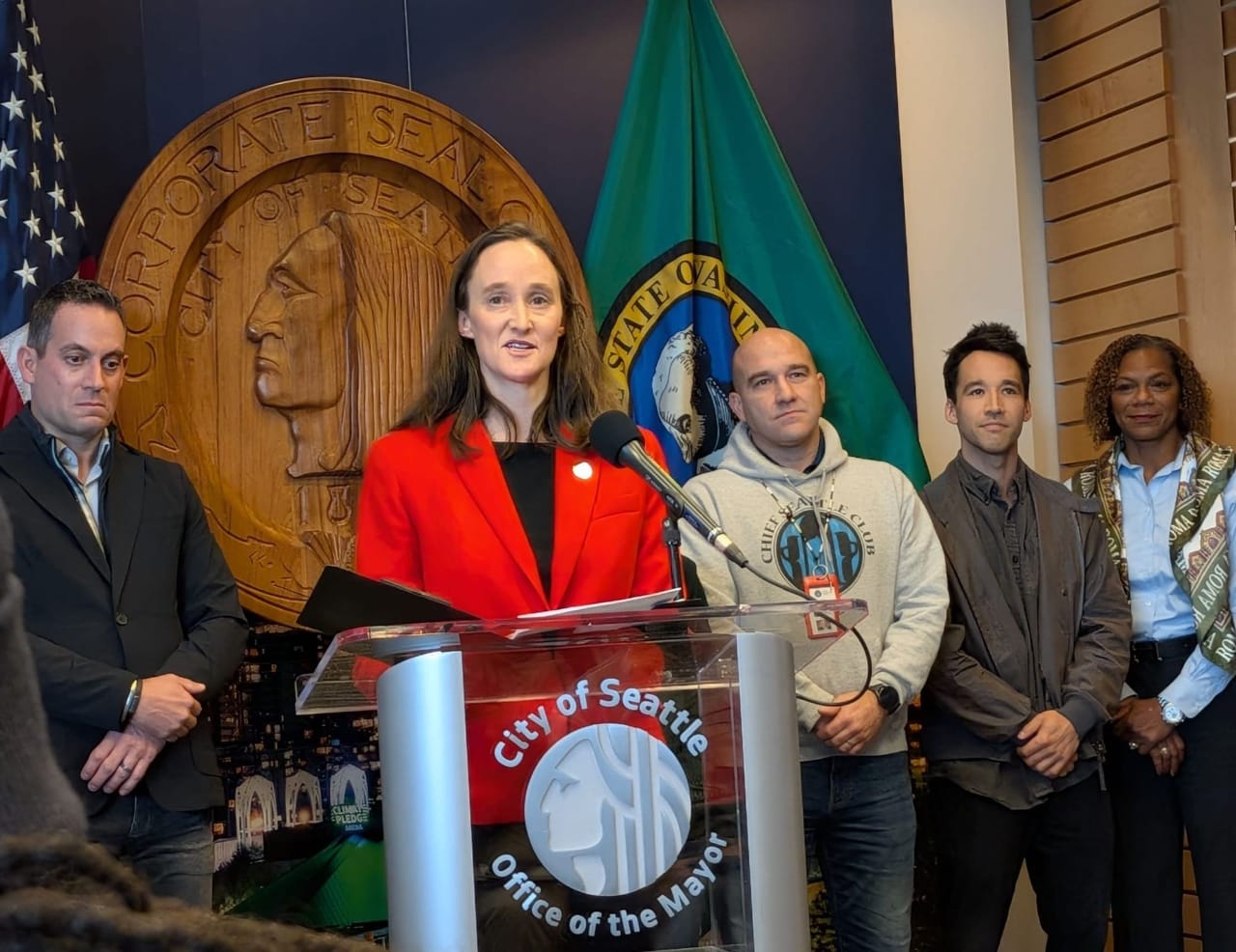
On Earth Day 2025, former Mayor Bruce Harrell issued an executive order to “reduce greenhouse gas emissions, build our green economy, modernize our climate planning to build resilience and adapt to the impacts of a changing climate and meet the scale of the climate emergency.”
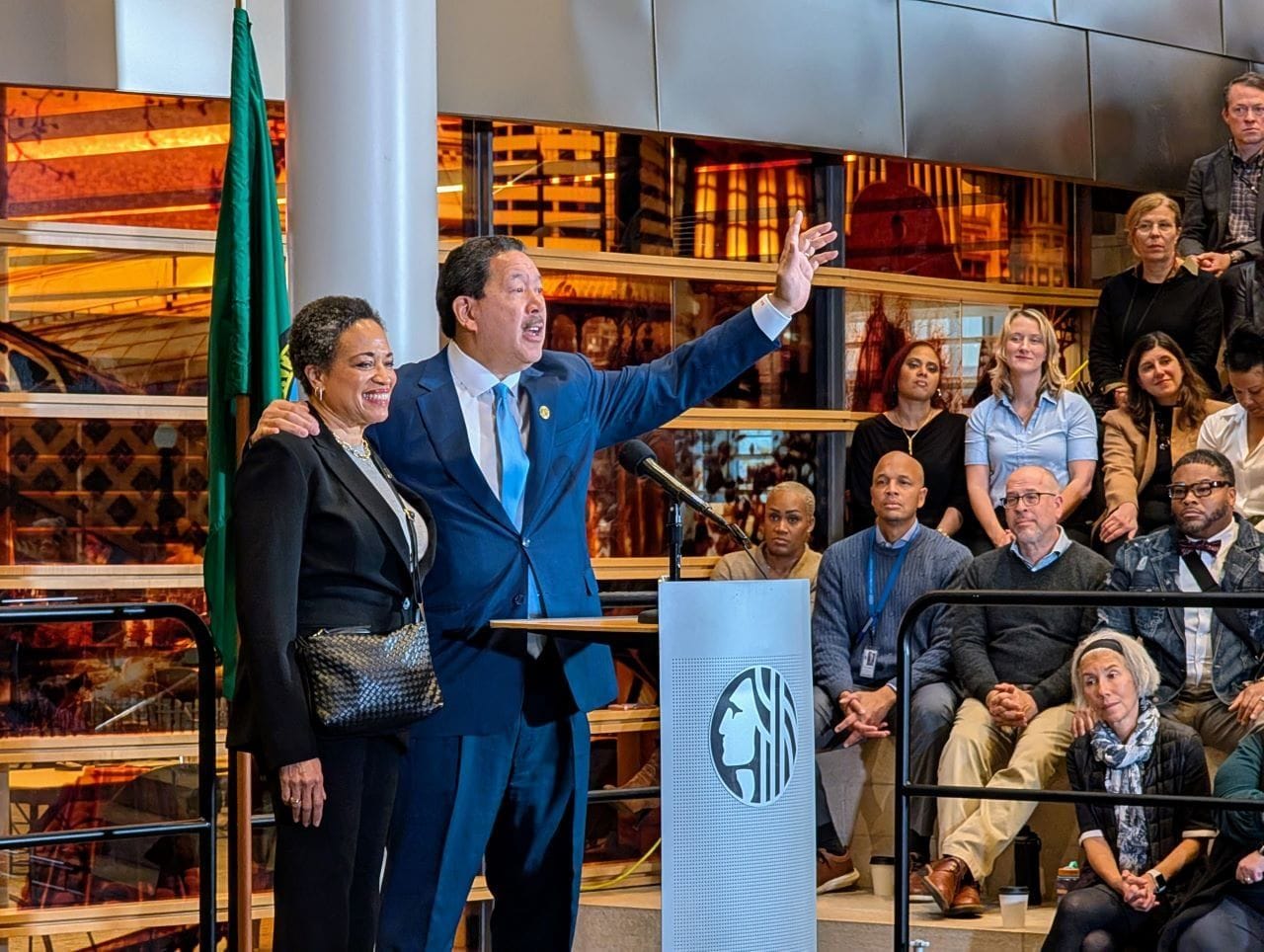
Since then, Ghumman has led a citywide effort through the Office of Sustainability and Environment (OSE) to update Seattle’s climate action plan for the first time since 2013. She kicked off the process in December by convening subject matter experts from 17 departments around the city.
“We’ve kind of gotten to that low-hanging fruit,” Ghumman said of the progress that’s been made since the last update. “And where we need to head is to think of actions that are intersectional and cross-departmental.”
While Seattle did grab some low-hanging fruit and make incremental progress, the city is still falling short of its official climate goals. If Seattle is to fulfill the goals cemented in its 2013 plan, emissions must plunge to 58% by the end of the decade — just three and half years away. The new climate plan is seeking to jumpstart momentum.
The climate workgroup includes not only the usual suspects — OSE, Seattle City Light, Department of Transportation (SDOT), Department of Construction and Inspection.
“We’ve got folks in the room who might not see themselves as doing climate work,” added Ani Krishnan, OSE’s climate data and policy manager. They’ve brought in representatives from departments like Seattle Fire or the Office of Immigrant and Refugee Affairs, people who “are adjacent to the work but ultimately care for and are affected by the outcomes.”
While it was natural for everyone assembled to start thinking about what the city should be doing next to accelerate how fast our emissions are going down, a key starting point in the kickoff was identifying what plans and programs are already underway.
“We know there’s great work happening at the department level,” Ghumman said. “Where can we start creating bridges across the projects and plans that we already have in motion?”
For instance, she pointed to SDOT’s Transit Master Plan; plus, Seattle City Light has its grid modernization plan and transportation electrification plan, and OSE has its Duwamish Valley Action Plan and its own blueprint for electrifying transportation.
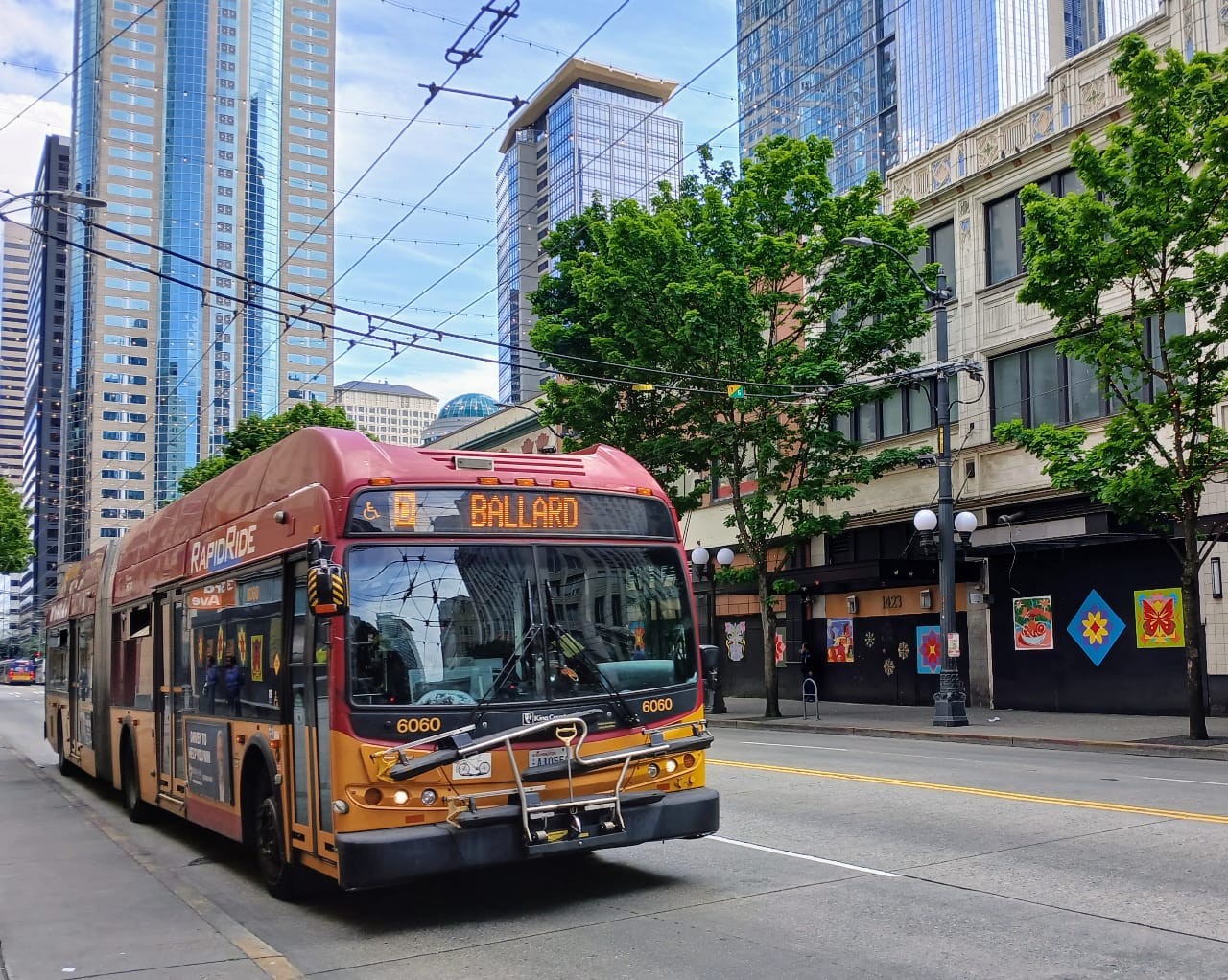
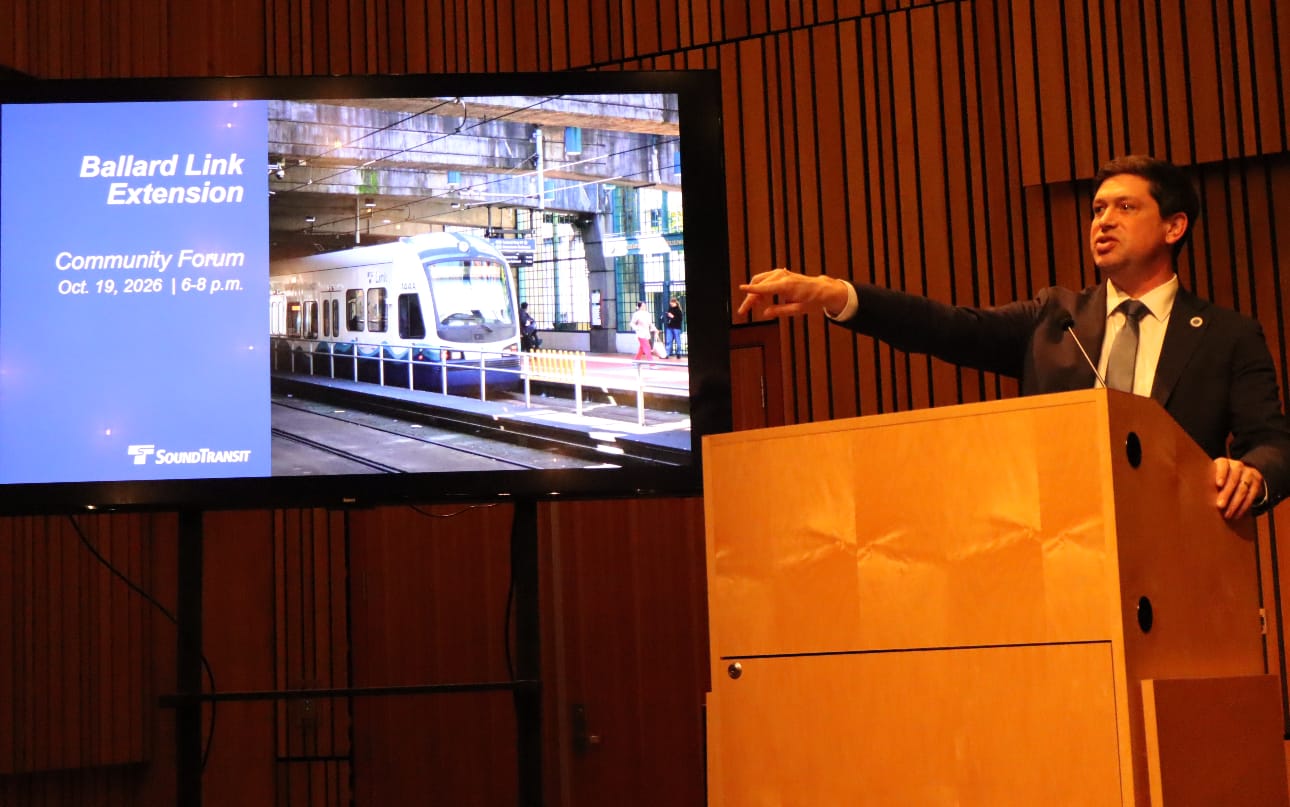
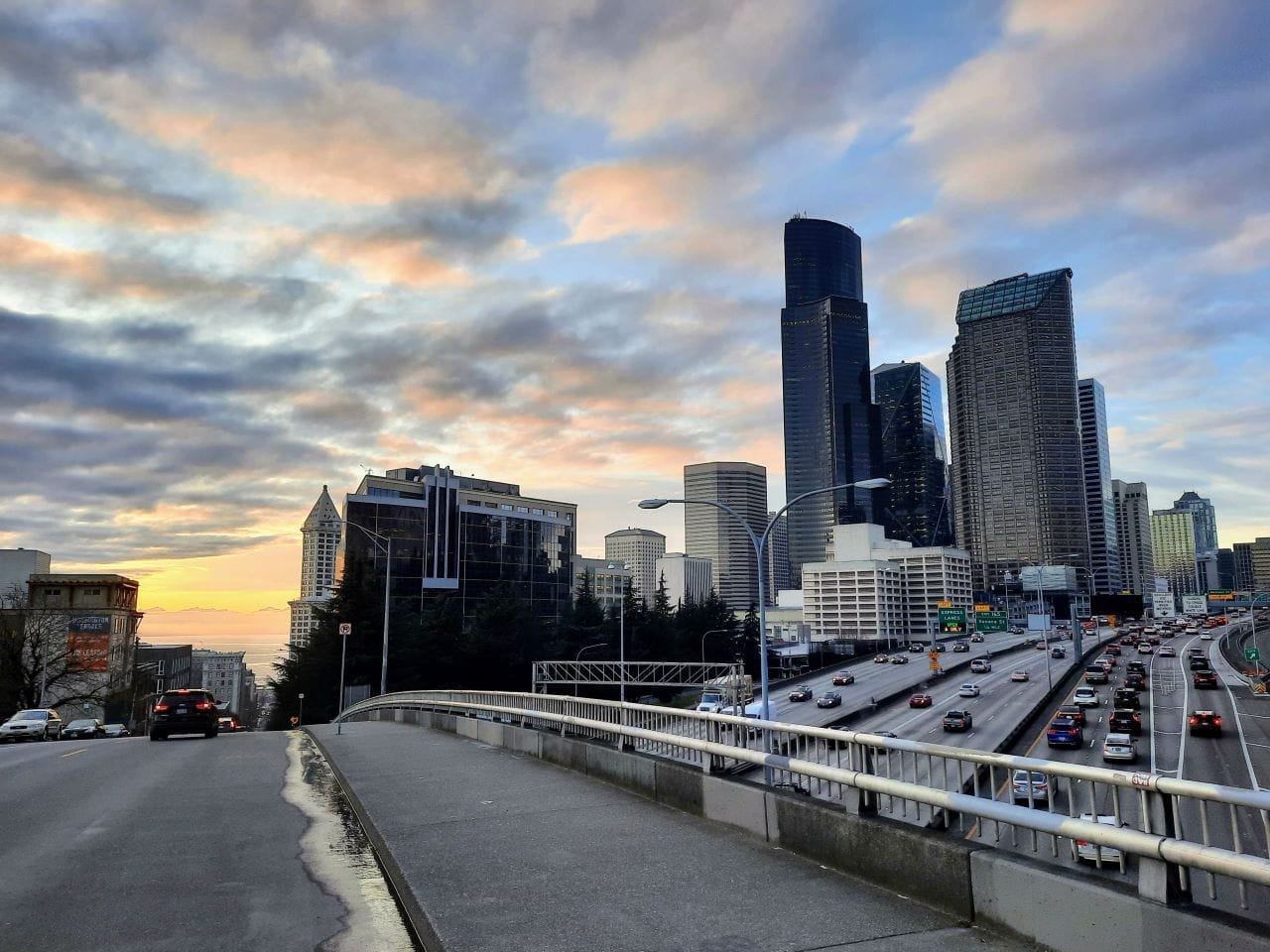
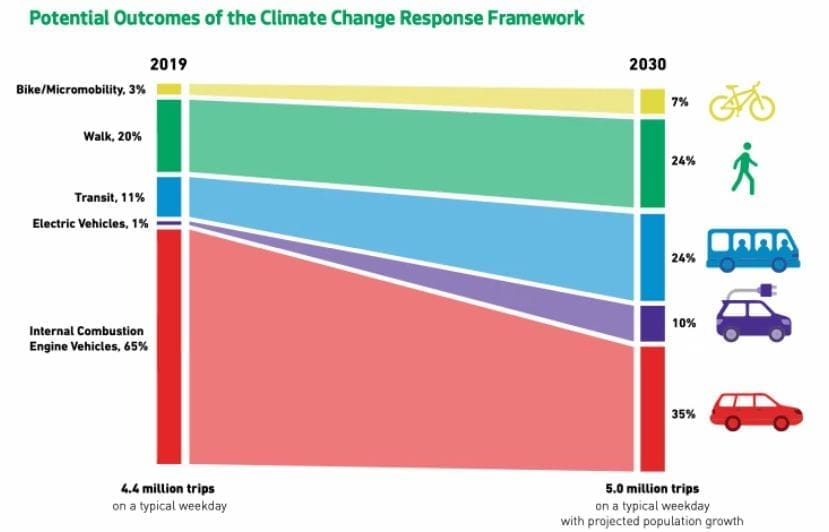
Transportation is Seattle’s number source of climate pollution by a wide margin; so getting transportation policy right will be make or break for the city’s efforts. The city is well short of its targets to shift away from fossil fuel burning cars and toward transit as primary people mover.
In looking at these plans, Ghumman and her colleagues considered what community engagement informed each report and used that to amass the first batch of public feedback to shape the new climate action plan. “What we want to do is make sure that community input is layered into the planning process,” she said. This data also helps OSE strategically engage the public as it continues to seek fresh engagement.
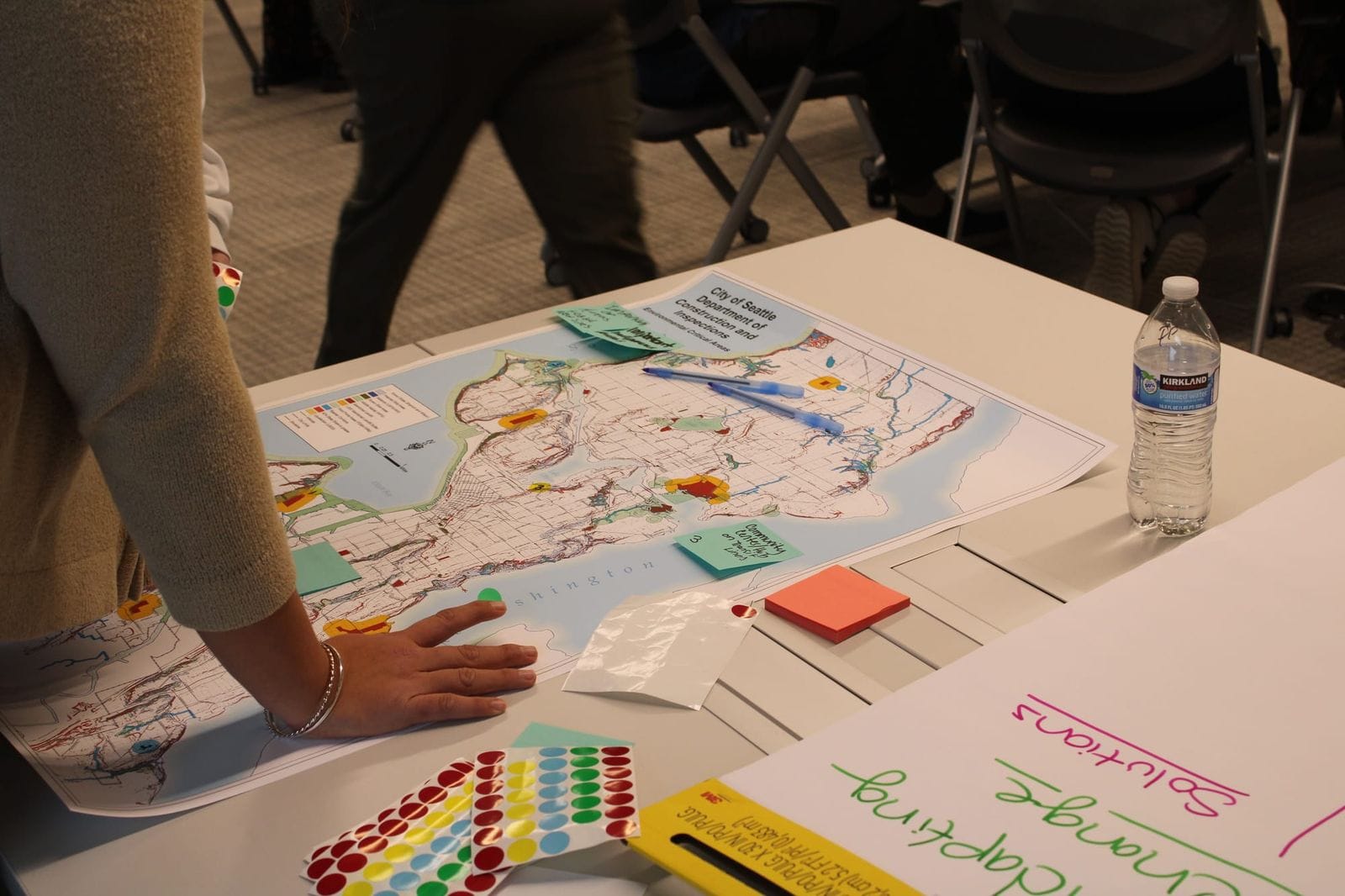
OSE has already contracted with several local organizations to facilitate community assemblies to collect in-depth, targeted ideas from a variety of different key demographics. The MLK County Labor Council, which represents over 150 unions and more than 220,000 workers, engaged with trade workers across the city. The Washington Bus Education Fund gave voice to the city’s youth. Rising Tides convened members of local tribes and urban Indigenous people who belong to bands outside the Greater Seattle Area. And the Seattle Urban League engaged with Black and brown folks who reside on the South End.
“Community assemblies are an exercise in redistribution of power in space,” said Lylianna Allala, the director of OSE. “We're not setting the agenda. We're listening deeply.”
But these assemblies go beyond simply listening. “We're not here to collect comments,” said Camille Gipaya, who organized Urban League’s assembly. “It's not a town hall meeting. We're here to create an actionable item.”
In April, OSE launched a survey that is open until the end of June to collect feedback from Seattleites throughout the city. And this summer, OSE will host a series of regional partner forums to bring together local businesses, philanthropies, academics, environmentalists, nonprofit organizations, and others to identify opportunities for cross-sector collaboration on climate action.
Since the initial action plan was released in 2006, the City’s efforts have focused on reducing emissions to lessen the severity of future warming. Little attention has gone toward preparing for the unavoidable impacts of climate change. The new update will change that with a new focus on resilience and adaptation.
During the initial kickoff meeting, Ghumman brought in experts from the University of Washington Climate Impacts Group and Public Health Seattle-King County to educate staff members in the room on the specific hazards climate change poses to Seattle, so actions can be woven into the plans that focused on preparing communities to withstand these threats. Conversations of adaptation and preparedness surfaced in many of the assemblies.
“We need to make sure neighborhoods are equipped to handle climate resilience, to own it,” Gipaya said.
Still, tracking progress toward climate resilience is a bit elusive and less established.
“The kind of [resilience] work that we're doing oftentimes isn't captured, if we're only using our emissions inventory as our scoreboard,” said OSE’s Krishnan.
Tracking progress in a manner that expands beyond metric tons of carbon dioxide (or CO2) equivalent — a unit of measure that is tied to the main greenhouse gas warming the planet, but hard to fathom for all but the wonkiest of climate wonks — matters for keeping communities engaged and involved in the work of climate action, Allala added: “If we continue to use greenhouse gas emissions as the measurement of impact in an isolated manner, it continues to almost alienate some communities. And when we talk about the impacts of climate change, it makes it a little bit more real and tangible for folks.”
Ultimately, how we keep score also shapes the way the work unfolds. Video games show this best: Sam Alfred, the lead designer of the “anti-city builder” Terra Nil once said during a conference presentation, “Your players will care about whatever metrics you decide to track.”
This is part of why groups like the Seattle Doughnut Economics Coalition matter for thinking about a broader transformation of the city. This grassroots group is pulling together a scoreboard that shows how well the City is performing on 12 different social metrics (like access to housing, healthcare, healthy food, and clean water) and nine different environmental metrics (like climate emissions, biodiversity loss, and water pollution). These kinds of holistic, tangible measures help take climate action beyond the realm of the purely environmental to make it a more systematic strategy that can transform the whole of society, and that’s something that many communities believe is necessary.
During Urban League’s community assembly, Gipaya told attendees, “You can dream.” She shared with them a framework for a “just transition” that could shape a transformation for the way the economy and the whole of society function. Then she asked, “What do you want to see? What do you want to smell? What do you want to feel?”
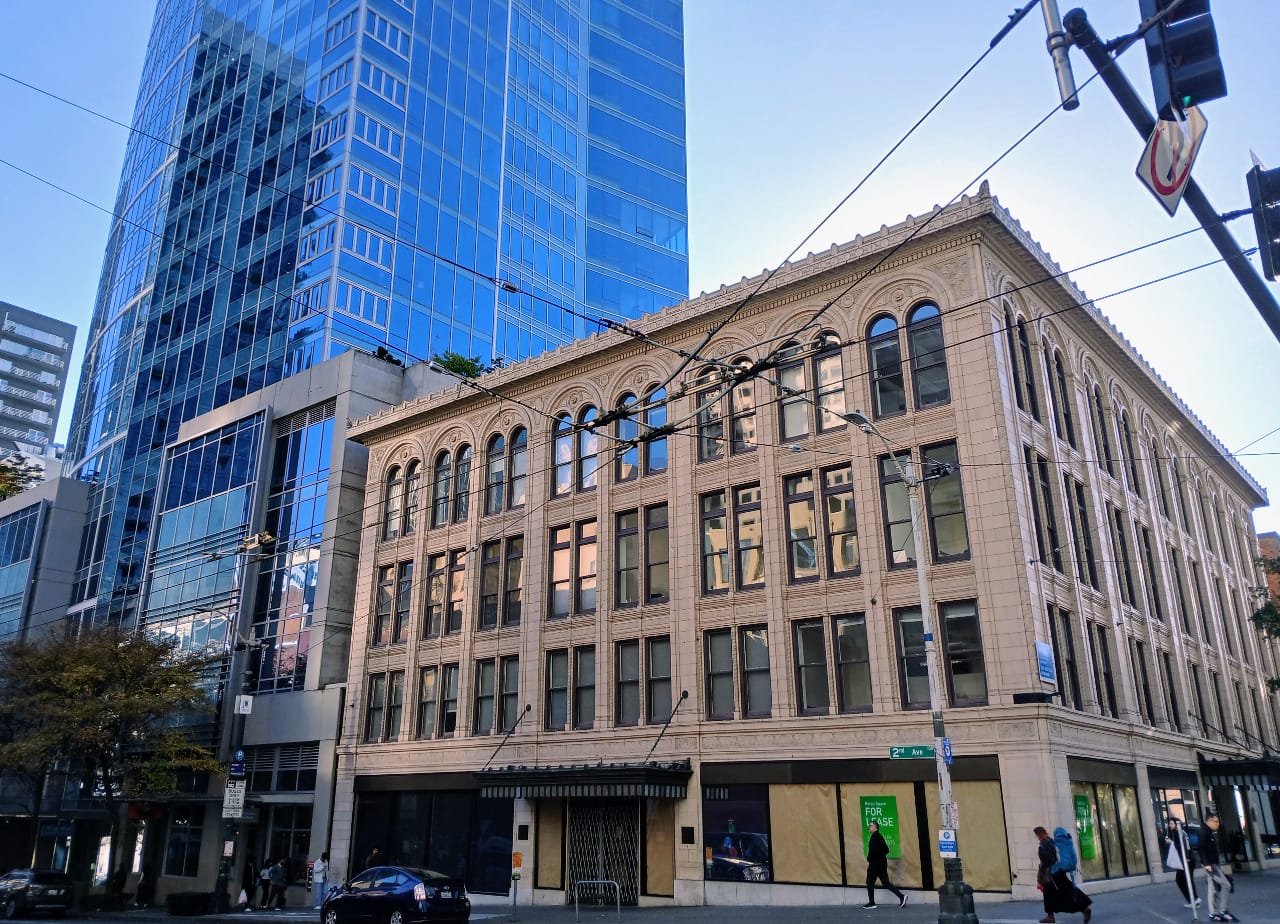
During the assembly facilitated by Rising Tides in December, participants talked about changes they’d like to see in the way Seattle handles its buildings, which is the second biggest source of emissions in the city after transportation. One community member said they often see empty or abandoned buildings when out on walks around the city and dream of seeing those reclaimed and turned into affordable housing and community centers, which would help meet community needs with retrofits that are less carbon-intensive than new construction and less wasteful than demolition.
And an attendee with a background in architecture talked about how new buildings could be designed with practices that bake sustainability into the way it is constructed, operated, and taken down. This could include using construction materials like mycelium insulation and cross-laminated timber, prioritizing passive-house standards to limit energy use, and designing the structures for disassembly and deconstruction so materials can easily be reclaimed and reused.
As similar ideas emerged in Urban League’s earlier assembly, the facilitator Gipaya asked another question: “How do we get there?”
Taking those kinds of dreams and putting them into practice in a planning document poses challenges. “We're trying to strike a balance here of shifting the way that we talk about the work,” Allala said, “while lifting up strategies that are actionable for us.”
“There's a desire to have bold, ambitious goals, and those take time,” she added. “But I think there's also this fire, if you will, to have actionable items in the short term that can show progress.”
Public comment - If you would like to have your voice heard as Seattle updates its Climate Action Plan, OSE released a survey that is open to the public until the end of June.
Disclosure: Reporting for this story was funded by the Seattle Office of Sustainability and Environment, with the understanding that Syris Valentine and The Urbanist will be allowed editorial independence on the contents and language of the published story.
 Syris Valentine