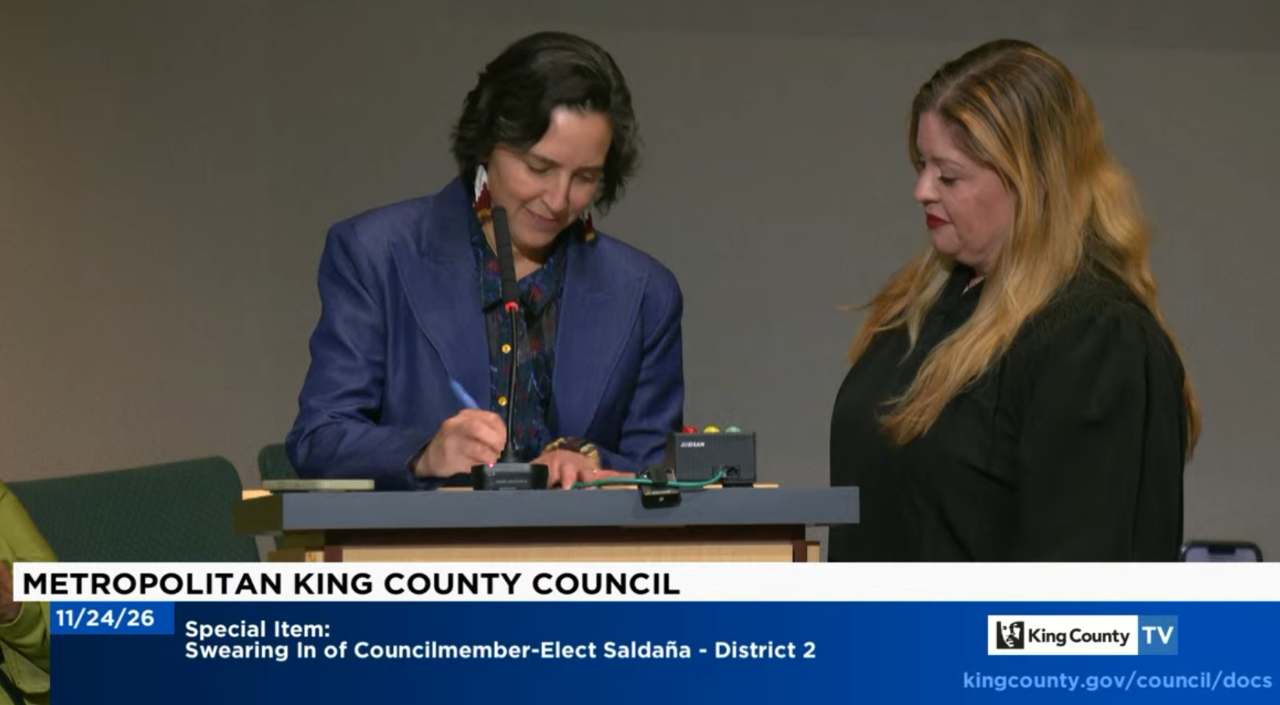
Rebecca Saldaña was sworn in Tuesday as the newest member of the King County Council, a new representative for District 2, which spans South and Central Seattle, Skyway, the U District, and Ravenna. Saldaña took office immediately after this November's election was certified, taking over for Rhonda Lewis, who had been appointed to fill the council seat vacated by King County Executive Girmay Zahilay last fall.
A former state senator who has represented the 37th Legislative District since 2016, Saldaña joins a legislative body that continues to battle an array of challenges, including a growing structural deficit in the county's general fund, escalating costs on capital projects, and a looming fiscal cliff for the state's largest transit agency.
Saldaña campaigned on a populist message of taxing the "ultra-wealthy," but King County is famously constrained in the type of taxes that it can levy. State law bars counties from implementing the type of revenue tools available to Washington cities including taxes on business & occupation, utilities, capital gains, or payroll.
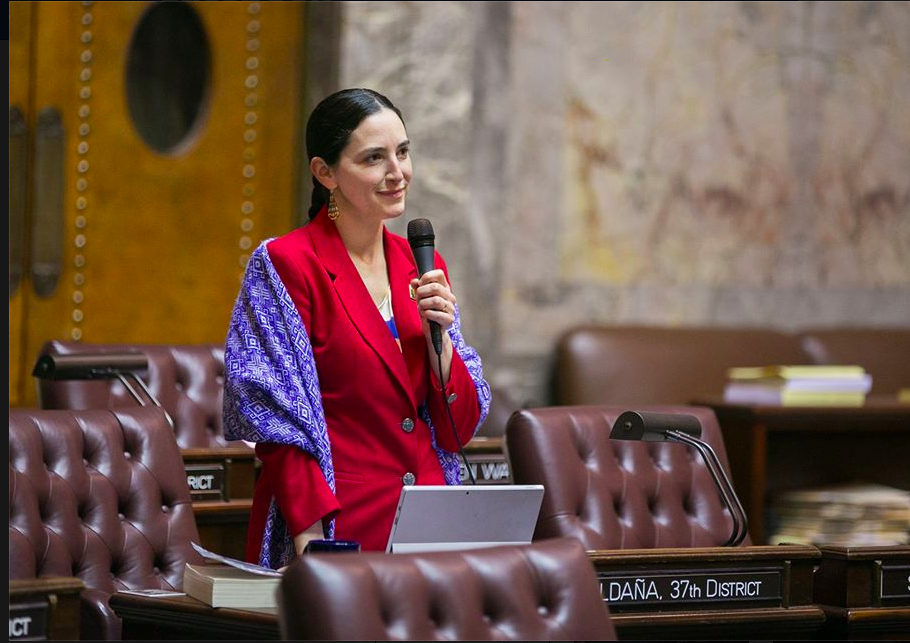
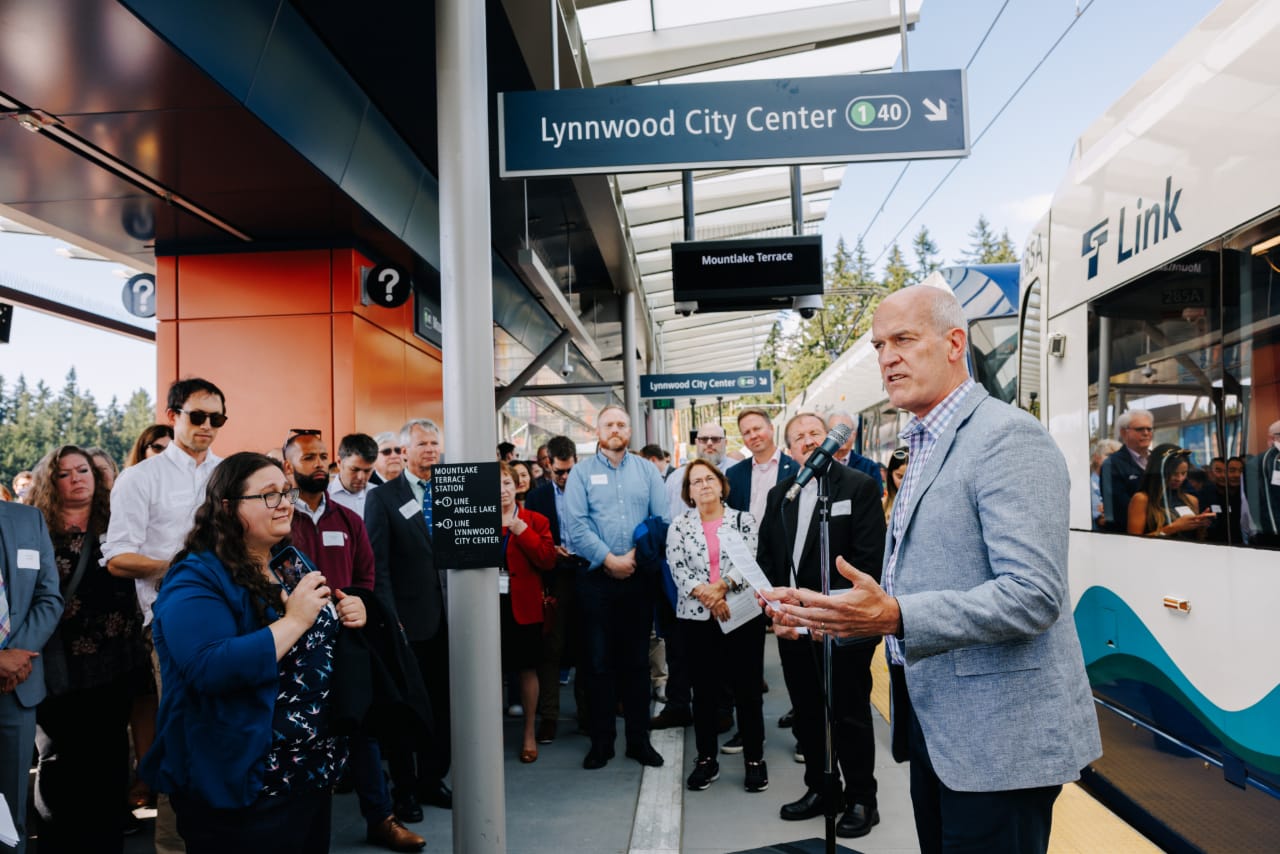
"I want to thank the voters of District 2, who have seen my service and chose to send me to the front lines to make sure we are protecting our local democracy, and making sure that we're demonstrating that when people we believe in people, when we believe in ourselves, we can make government work for all of us, especially and particularly for those that are on the margins," Saldaña said in a speech following her swearing-in.
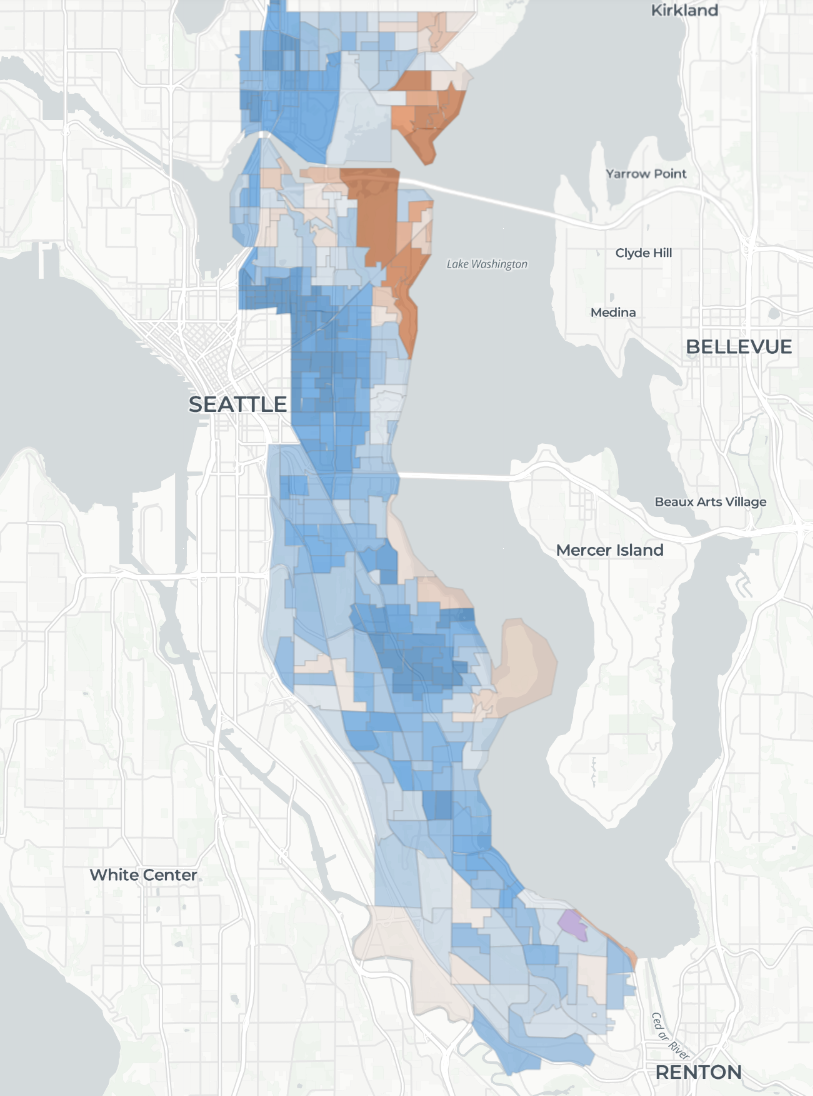
In an election that pitted her against Port of Seattle Commissioner Toshiko Hasegawa, daylight was often hard to discern between the two candidates. Nonetheless, Saldaña was ultimately able to easily consolidate Seattle progressives behind her campaign, earning the endorsements of both The Stranger and The Urbanist (on whose elections committee I serve) – in addition to a slew of state legislators and a majority of labor unions, which won her the sole nod from the MLK Labor Council.
Hasegawa earned the endorsement of the Seattle Times, and ended up only seeing majority support in District 2's wealthier areas including Madison Park, Laurelhurst, and the Rainier Valley's waterfront areas. Hasegawa pulled in endorsements from some big name politicians, including Zahilay and former governors Jay Inslee and Gary Locke.
In the end, Saldaña secured 61.5% of the vote against Hasegawa.
Saldaña is expected to bring an organizer's perspective to the County Council, with a deep background in labor advocacy prior to serving in elected office. She told The Urbanist that her top priorities would be affordable housing, safer and healthier communities, and economic empowerment.
"I want to lower costs and expand opportunity through reliable transit, childcare, infrastructure, and good union jobs," Saldaña wrote in a response to The Urbanist elections committee's questionnaire this summer. "Housing, climate, transit, and public health are deeply connected, and I believe King County must continue leading on progressive revenue so working families are not paying a larger share of their income in taxes than the wealthiest among us."
A year into a shortened three-year term, Executive Zahilay has largely received deference from the County Council on implementing his administration's priorities, including a major restructuring of the Executive's Office that sent many long-time civil servants packing. This week, Zahilay told the Seattle Times that those moves were intended to set up "bigger impacts next year," but so far he has shied away from launching major policy initiatives, apart from signaling support for a countywide housing levy in 2027.
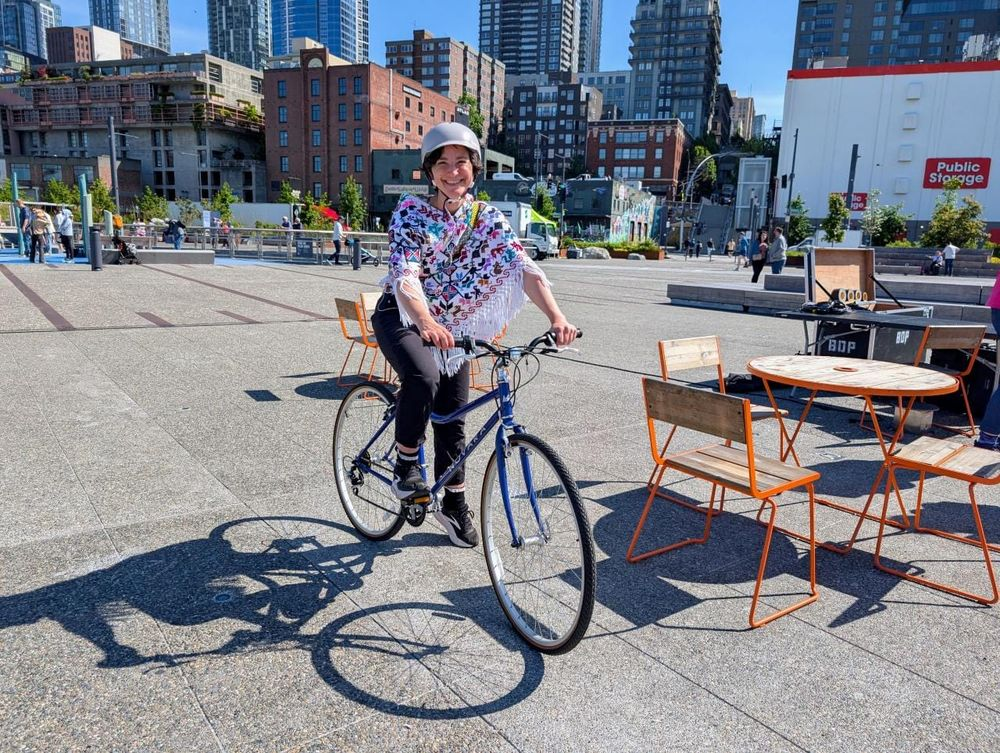
One area where Saldaña has distinguished herself from sitting councilmembers is by pushing back on Zahilay's three-day return-to-office (RTO) mandate, which is slowly being phased in as the County spends on office renovations. The mandate has been unpopular with workers, who argue that county officials aren't providing satisfactory accommodations for individual circumstances.
Saldaña took office just minutes after approval of a supplemental budget that allocates $18.7 million to office renovations at the King County Administration Building and the Dexter Horton Building needed to enable the RTO mandate to continue being implemented.
"I do not support blanket return-to-office mandates that are not grounded in service delivery, worker needs, equity, cost, and operational reality. King County should be a strong public employer that respects workers’ time, family responsibilities, disability accommodations, commute burdens, and recruitment and retention challenges," Saldaña wrote in her Urbanist questionnaire response. "If in-person work improves public access or service delivery, departments should make thoughtful decisions based on operational needs. But broad mandates that create additional workspace costs and reduce flexibility without clear public benefit do not make sense."
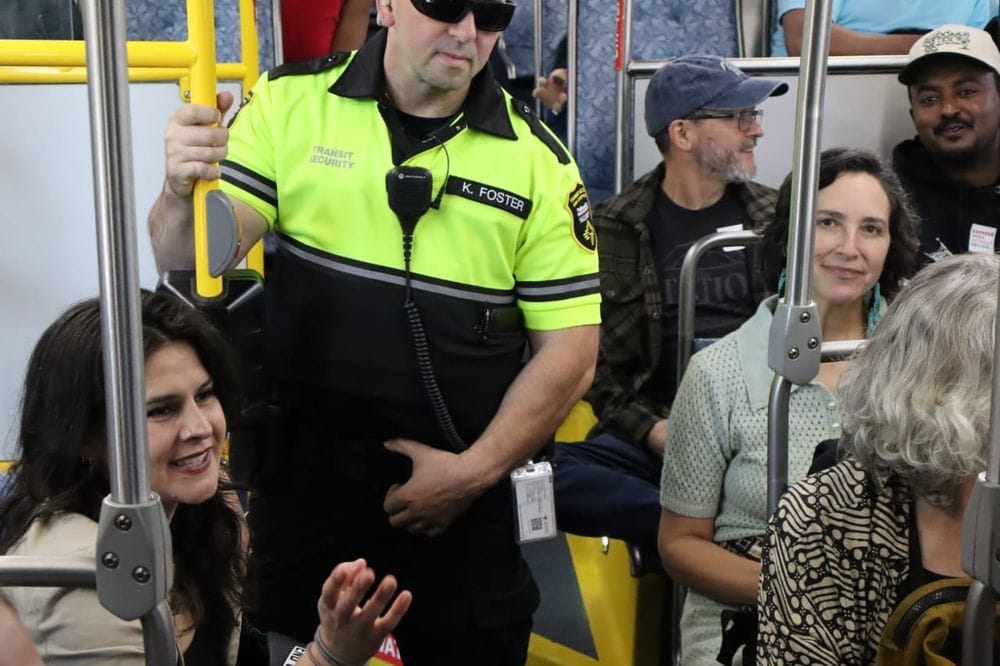
Saldaña's speech on Tuesday sounded a hopeful note, after giving words of praise to Lewis – the first Black woman ever to serve on the King County Council. Saldaña's presence maintains the council as majority female, and increases its Latino/Latina bloc to a full third of councilmembers.
"We can meet people where they're at and not leave them there. We can actually bring everyone in, and it is here in King County that we will be leading and giving hope not only to our neighbors but to our nation and to our world. Our future is now," Saldaña said.
Saldaña concluded her speech Tuesday with the motto of the United Farm Workers of America, a clear nod to the start of her own career as an organizer with Oregon's farmworkers union: "Si se puede."
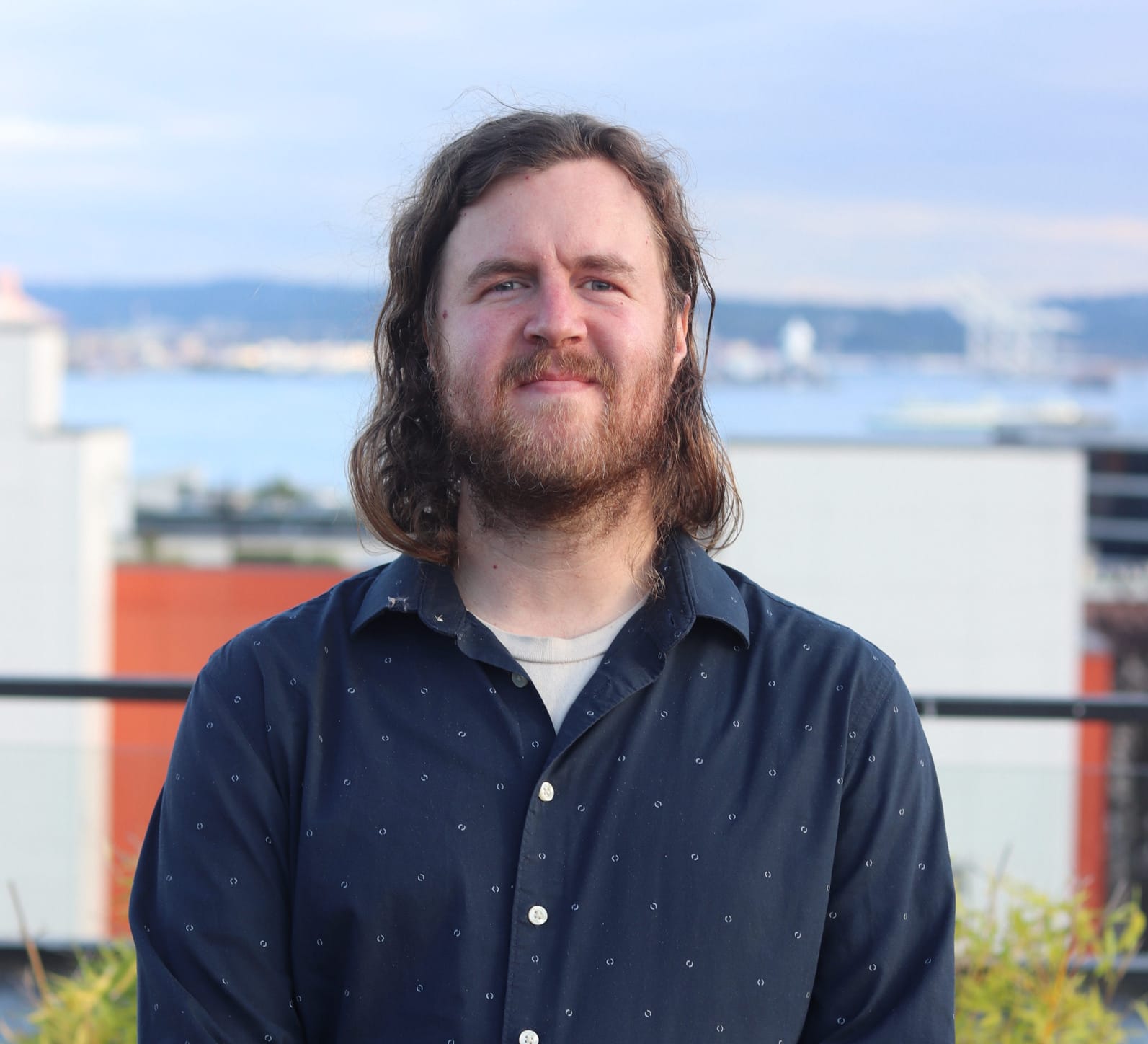
 Ryan Packer
 Ryan Packer