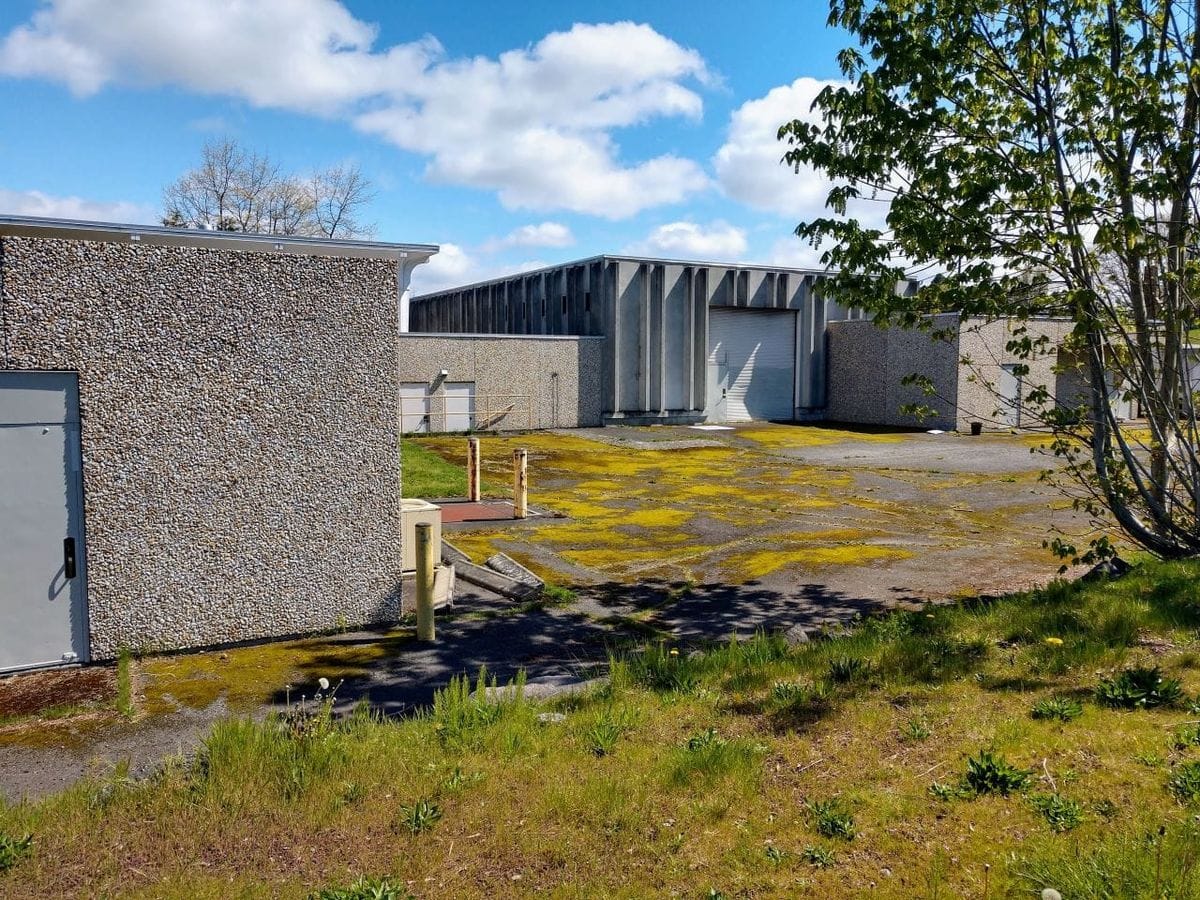
The year is 2018. The City of Seattle is conducting environmental review around a longstanding plan to convert a former federal army base at Fort Lawton, near Discovery Park, into a campus of affordable housing units. The year is 2025. The City of Seattle is still conducting environmental review around building housing at Fort Lawton. The year is 2026...
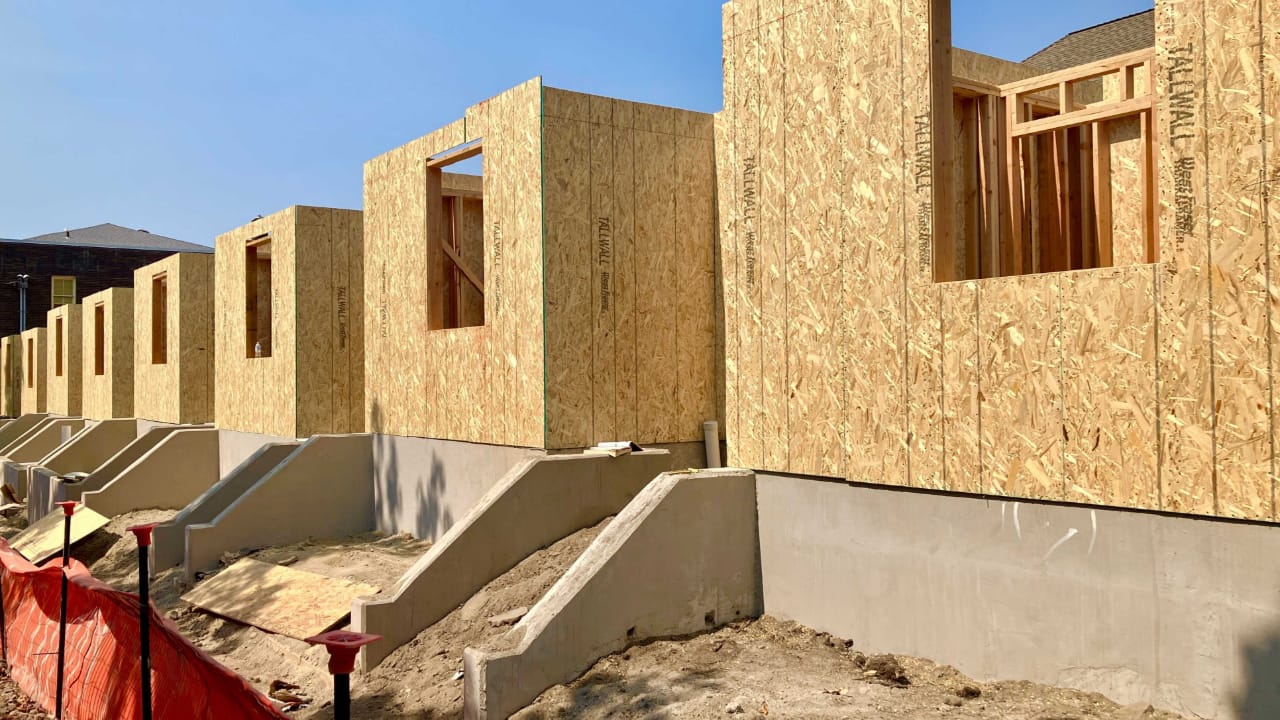
If it seems like the idea of building housing at Fort Lawton looks doomed to be trapped in the same loop forever, evidence to the contrary is hard to come by these days. Last week week, Seattle's Office of Housing released a Draft Supplemental Environmental Impact Statement (DSEIS) for the redevelopment project, which would construct nearly 500 homes on the 34 acres that have been envisioned as a place to build housing since at least 2005.
Coming in at 391 pages, this is now the second DSEIS completed after the City put out an initial 251-page document last year, and held a public hearing that saw housing supporters outnumber opponents to testify in-person at Daybreak Star Cultural Center last April. At the time, the Office of Housing noted that the environmental review was a final step before the city council could take up the issue, something that would start the clock on the City's work to negotiate a final agreement with the U.S. Army to take over the property at a steeply discounted purchase price.
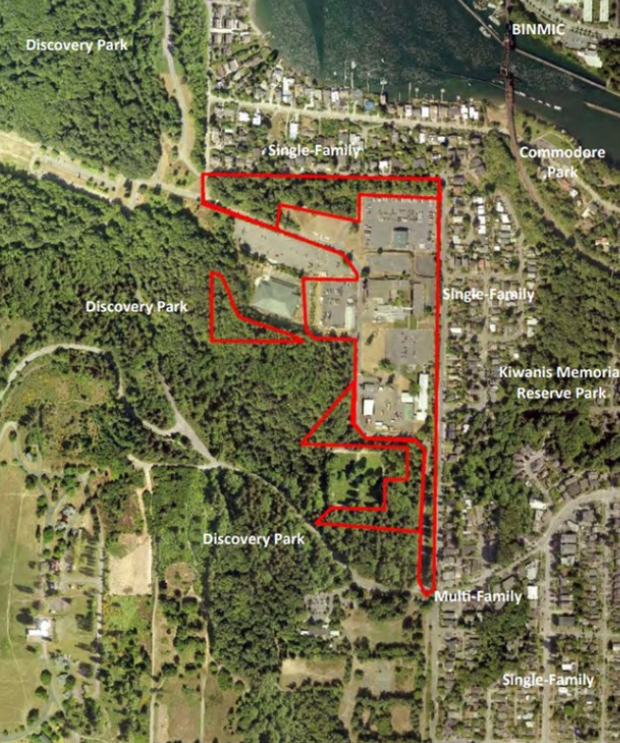
So why redo the DSEIS? At that hearing, critics of the Fort Lawton housing plan howled that the City hadn't seriously considered an alternative to its plan that converted the 34 acres to park space and built the housing somewhere else. Five years earlier, the advocacy group Friends of Discovery Park had filed a lawsuit against an even less ambitious redevelopment plan at Fort Lawton that alleged impacts on the area's heron population, and has argued that expanding park space is in line with the original vision for Discovery Park established decades ago. And that group has continued to make that push.
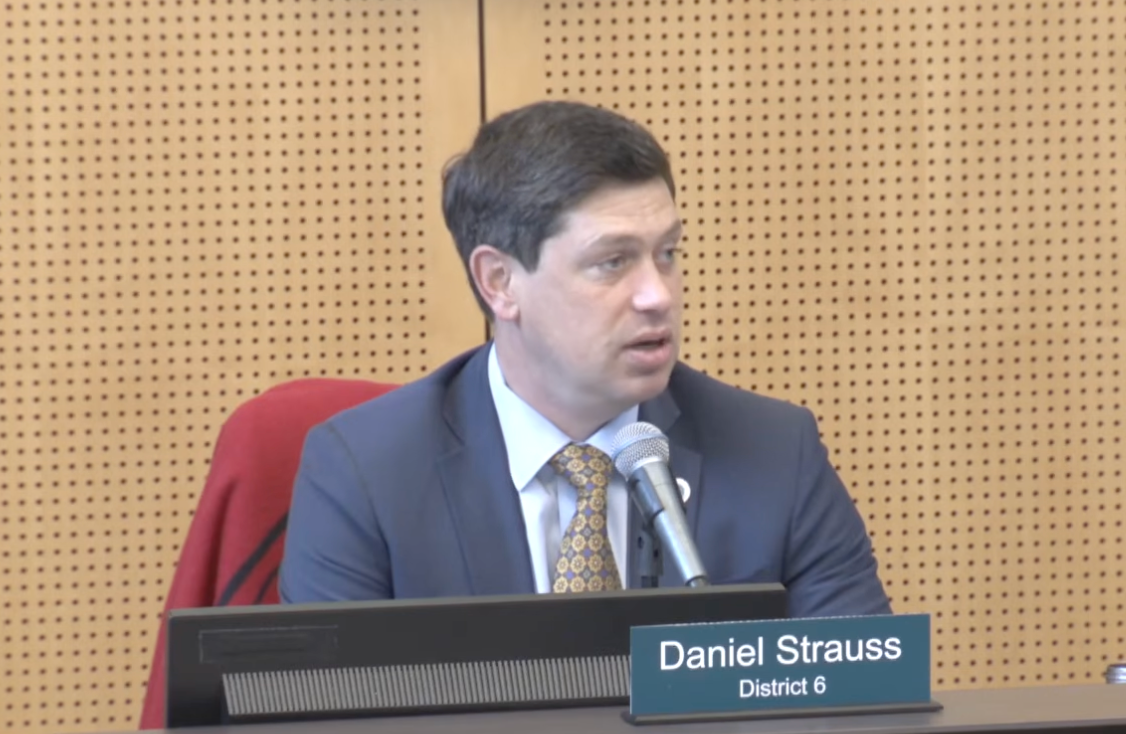
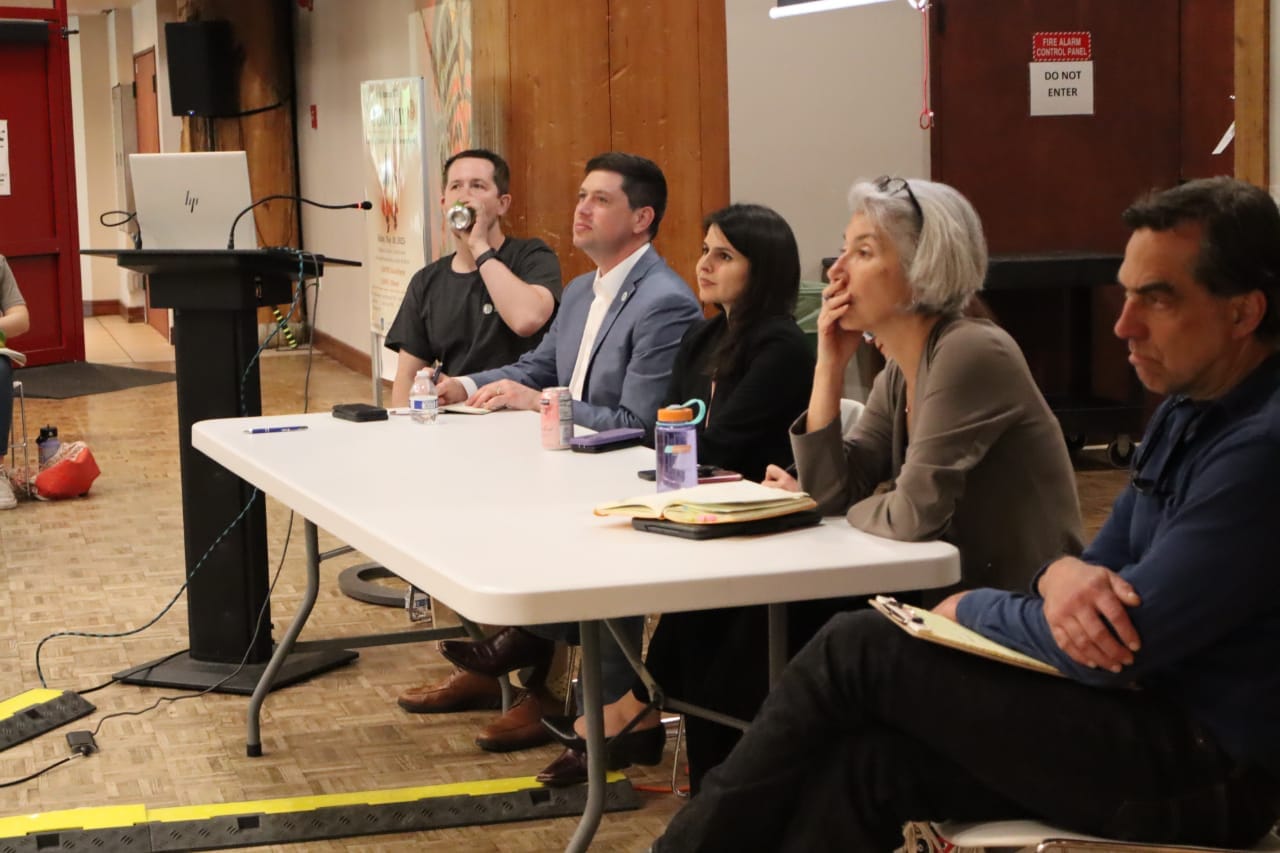
"I am not here to voice opposition to the housing project, but I am here to ask us to remind ourselves that there is a group here that isn't given a voice tonight, and that is all the animals and living creatures," Friends board member (and former D6 council candidate) Pete Hanning said at the hearing, as officials including Councilmembers Alexis Mercedes Rinck and Dan Strauss listened patiently.
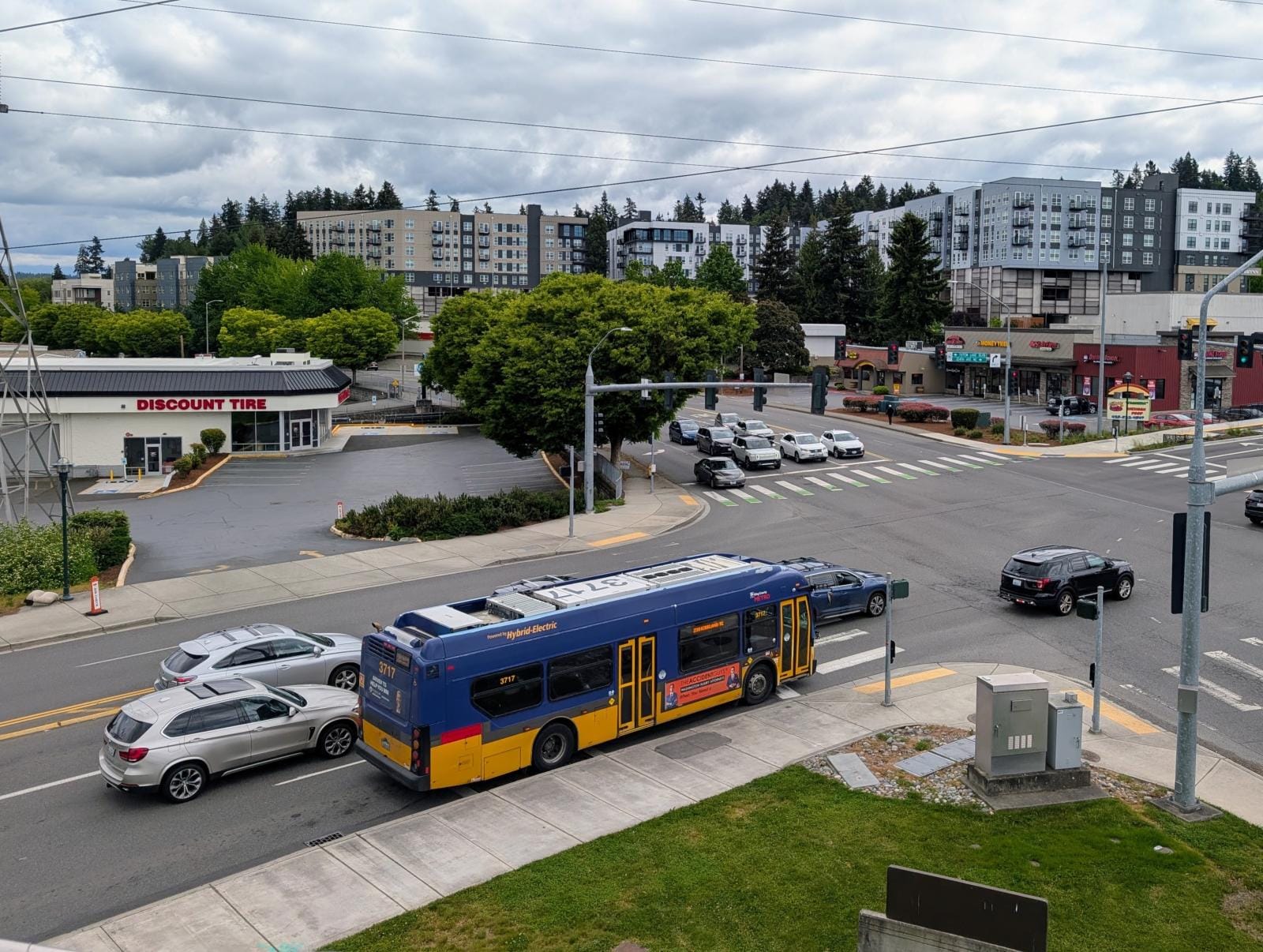
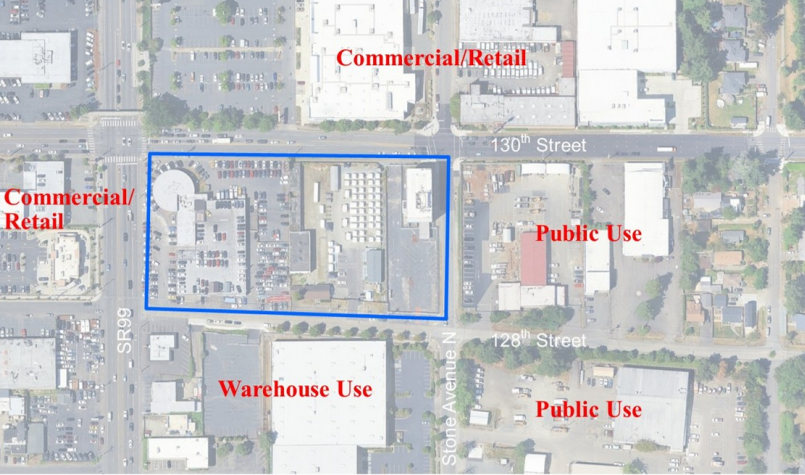
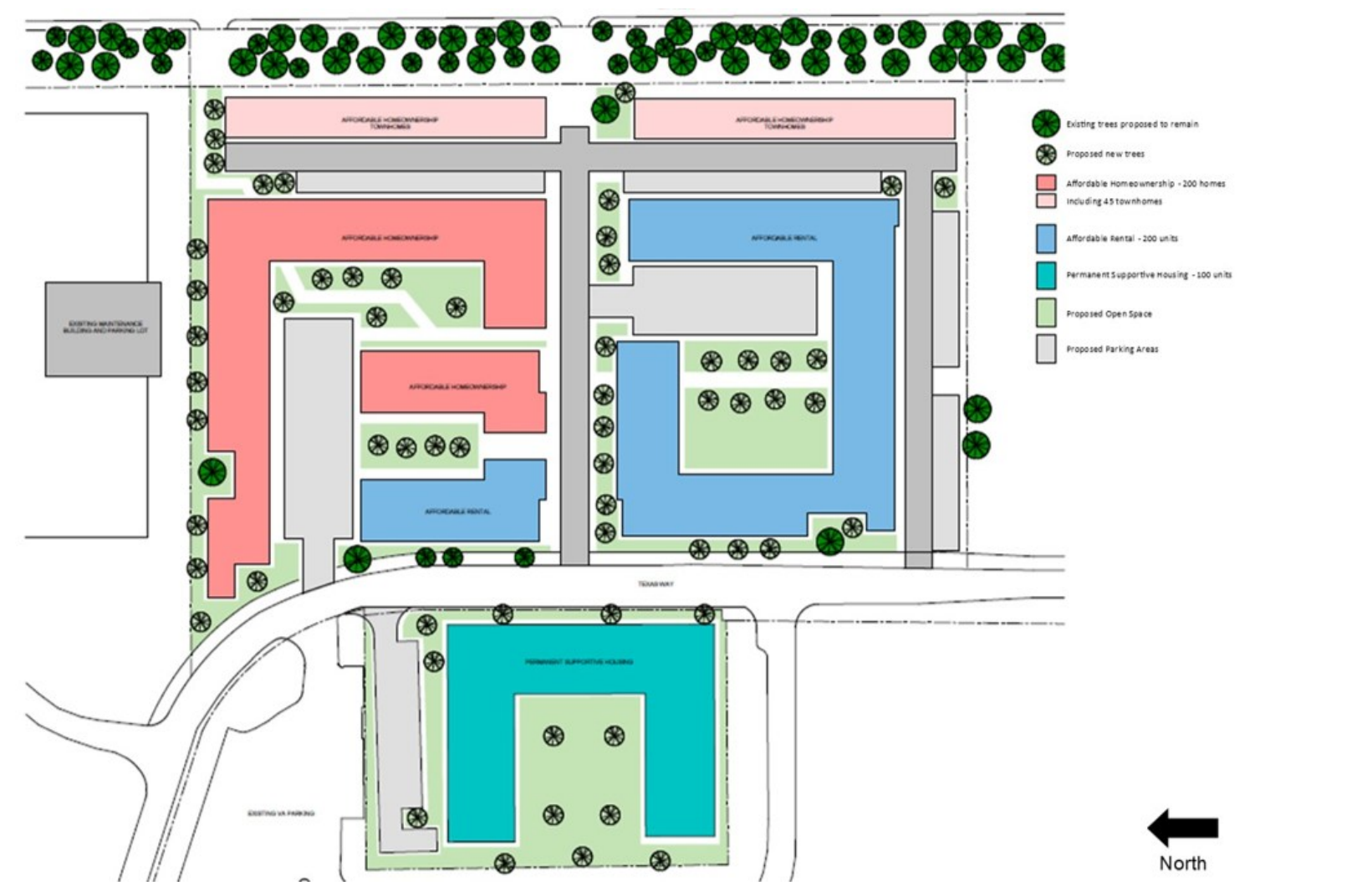
Despite the dozens of other commenters that night urging the City to move forward with its project as quickly as possible, the second DSEIS responds to those criticisms by looking at a wholly new alternative to building 500 units at Fort Lawton – building them on Aurora Avenue instead. That alternative, intended to buttress the city's environmental review against a potential appeal, would utilize a 4.1-acre city-owned parcel at 130th Street, currently home to a tiny house village, a former auto dealer, and four other vacant buildings.
"This second DSEIS incorporates feedback from the first public comment held in April 2025," Office of Housing spokesperson Nona Raybern told The Urbanist last week. "Areas highlighted in grey note the changes from the first DSEIS to this second one. Once public comment closes on September 8, 2026, environmental consultants will produce the final environmental impact statement (publish date yet to be determined)."
As soon as that final analysis is complete, the appeal period will open and the plan can yet again be challenged, potentially repeating 2018 when the initial analysis was appealed by Elizabeth Campbell and the Discovery Park Community Alliance, a process that was famously delayed by the schedule of Campbell's European vacation. Ultimately, the City prevailed in that appeal, at the cost of months of delays and legal costs.
Because the State Environmental Policy Act (SEPA) is primarily concerned with impacts to the current built environment and how to mitigate them, the new Aurora Avenue alternative comes out looking better in a number of respects, given the fact that it would be a compact urban development on a fully developed site. Air quality and noise impacts on the new residents isn't considered, so the two options score similarly in that area. Instead of direct park access, those new residents would instead be located near one acre of "outdoor amenity space."
Bizarrely, the analysis in the new DSEIS concludes there would be no change in "environmental justice conditions" from citing 500 subsidized housing units next to one of the state's most dangerous highways instead of essentially inside Seattle's biggest park. Again, this is the status quo bias inherent in SEPA analysis at work. Of course, there's no study of the impact of not building housing quickly enough in Seattle, nor one on the impact of the environmental review process when it comes to impeding that work.
Studying a new alternative at this juncture isn't a signal that the City is giving up on its plans for housing at Fort Lawton – far from it. Dollars are still being lined up for the Discovery Park site: the federal spending bill signed into law this past February includes $3.1 million for design and infrastructure planning on the project, and the sooner the environmental review process wraps up, the sooner that work can kick into high gear.
Fort Lawton isn't the only project to be mired in delays due to the SEPA process. Just across Salmon Bay, the quest to bridge the Burke-Gilman Trail through industrial Ballard is stuck in an endless loop of its own, with the Seattle Department of Transportation (SDOT) suffering another loss at the Washington Court of Appeals last month that will likely require another environmental impact statement to be completed. While a SEPA reform bill advanced by Councilmember Eddie Lin and signed into law by Mayor Katie Wilson last week is set to reduce delays impacting larger zoning changes, individual projects will continue to be subject to administrative appeal.
The Office of Housing will hold a virtual public comment period on this latest DSEIS for Fort Lawton on Thursday, August 27 at 10 am, which will be followed by an in-person comment period that same day at the Seattle Municipal Tower. Will this be the last public hearing for this project? That's a bet few people would be willing to make.
 Ryan Packer
 Ryan Packer