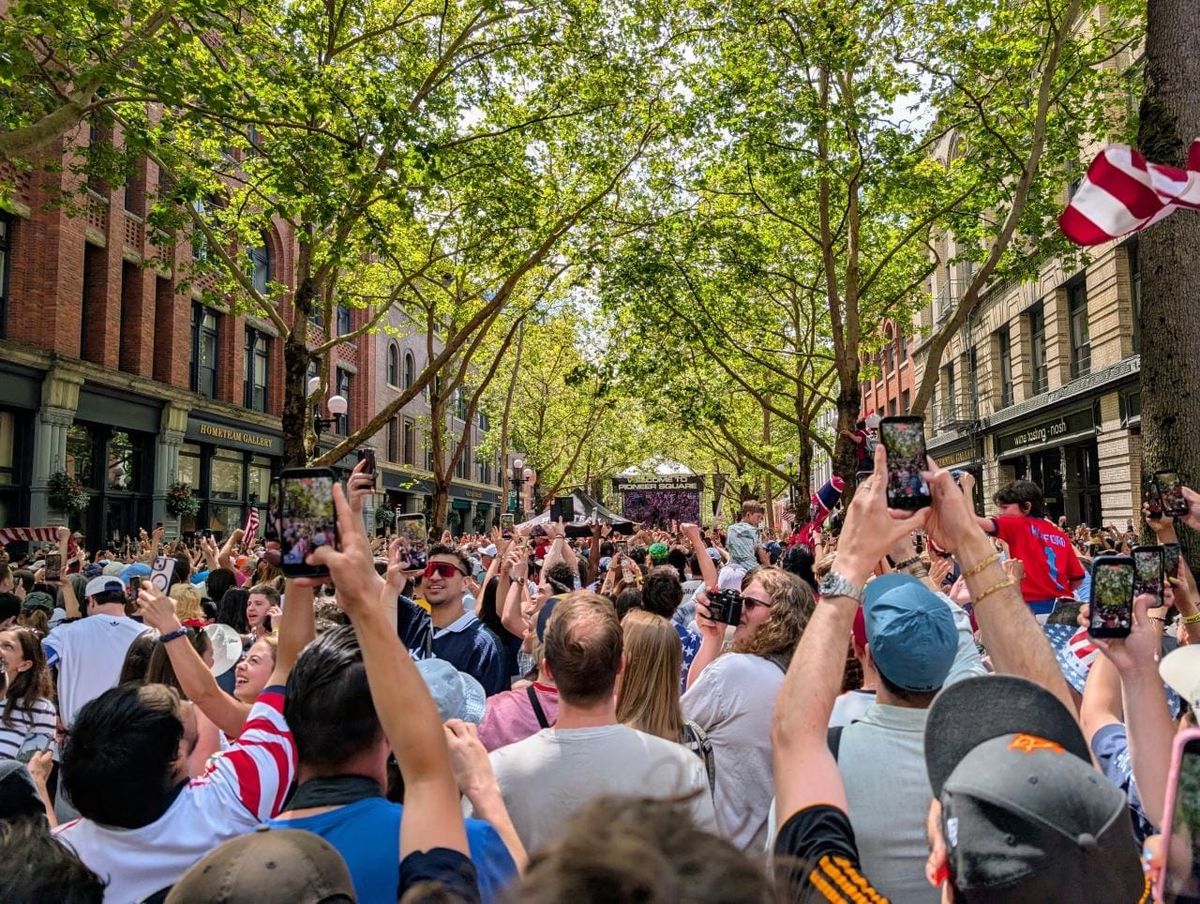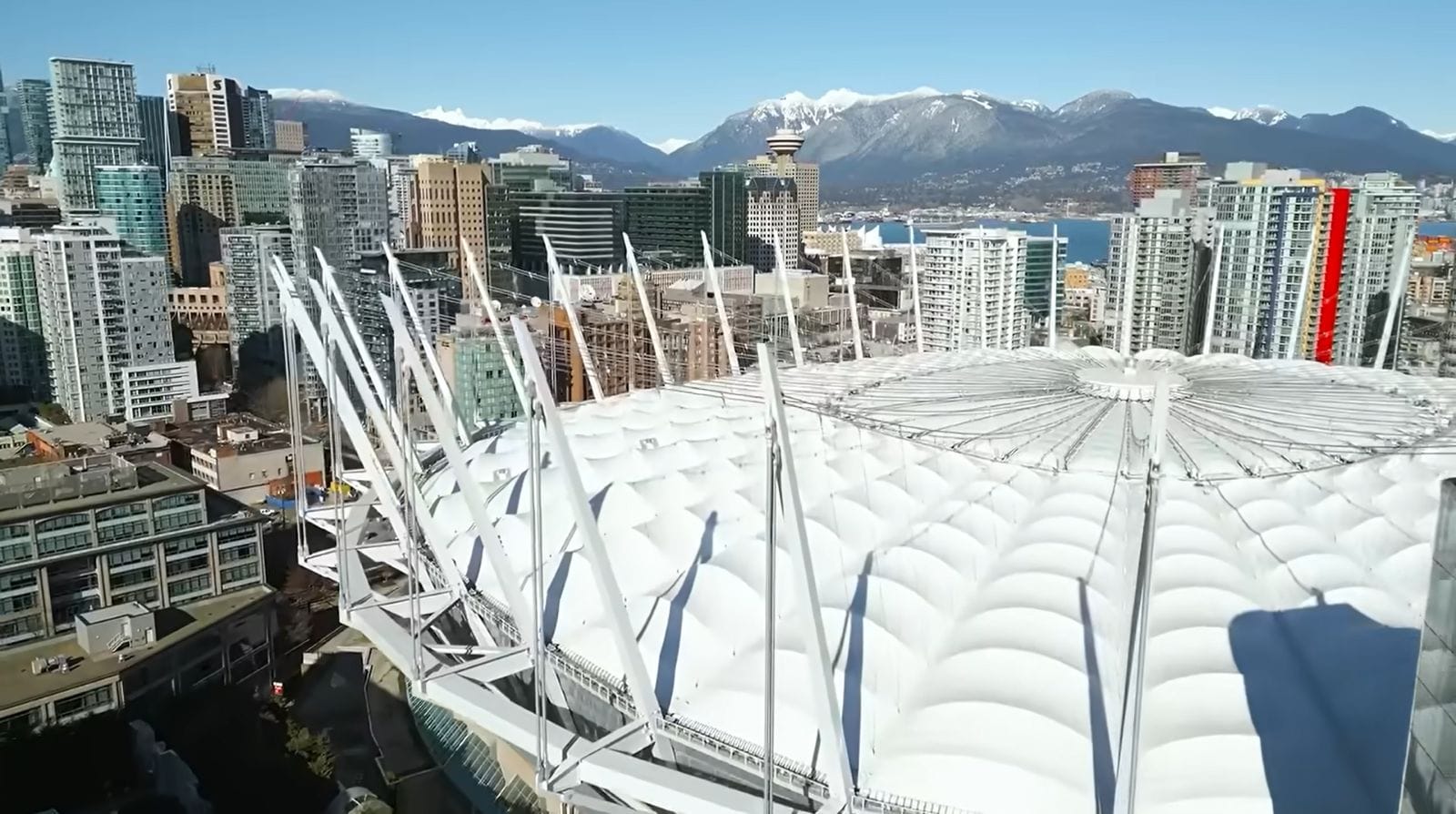
As The Urbanist recently covered, Seattle is excelling at hosting World Cup 2026, a true standout among U.S. peers, many of which have forlorn suburban stadiums in freeway-choked parking craters. Three weeks ago, Ray Delahanty of CityNerd did a video ranking World Cup stadium situations. In it, he pretty well predicted this would happen as far as fan experience. Like Sports Illustrated's ranking, Delahanty put Vancouver, B.C. first and Seattle second, well ahead of other host cities.
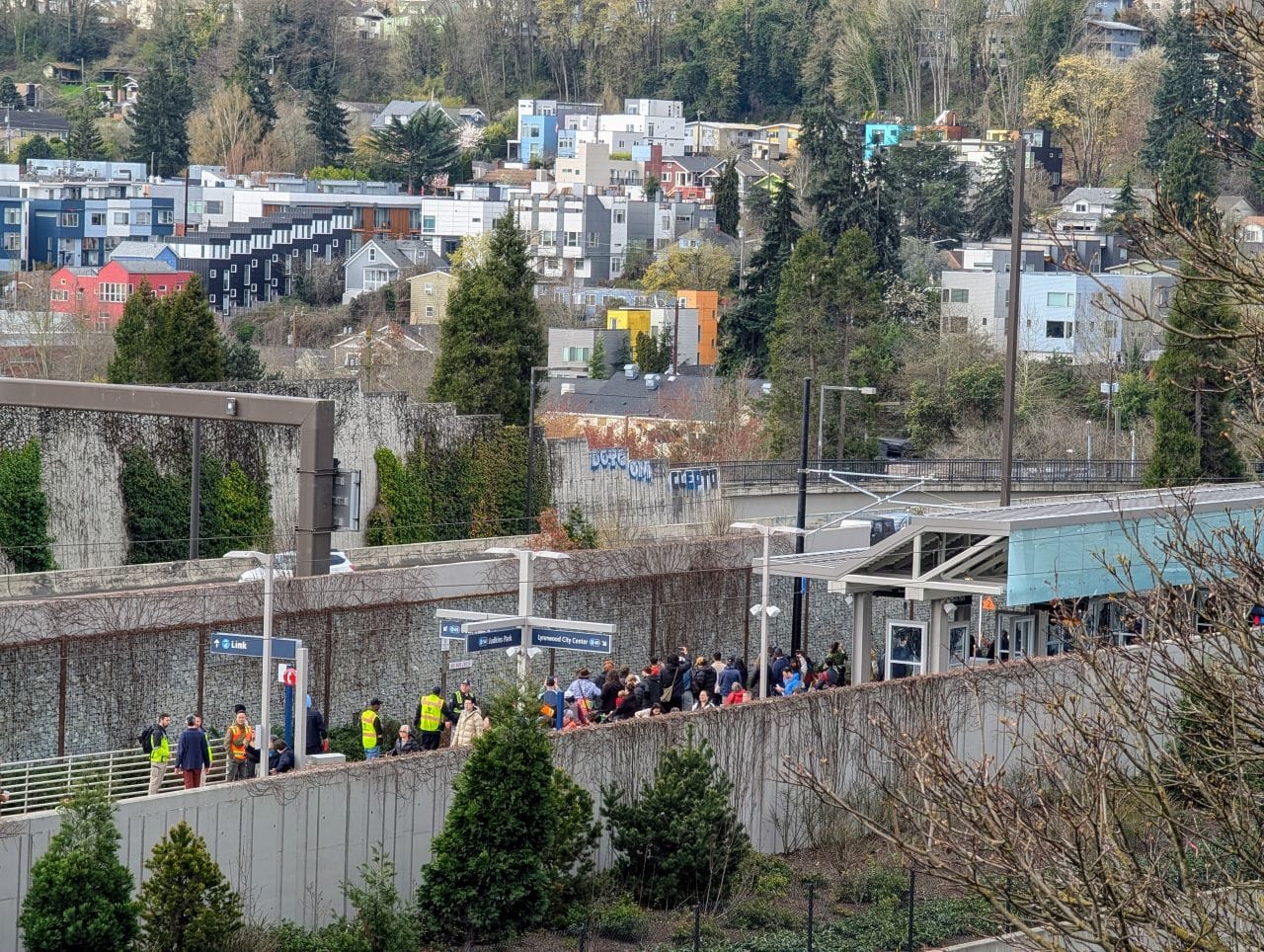
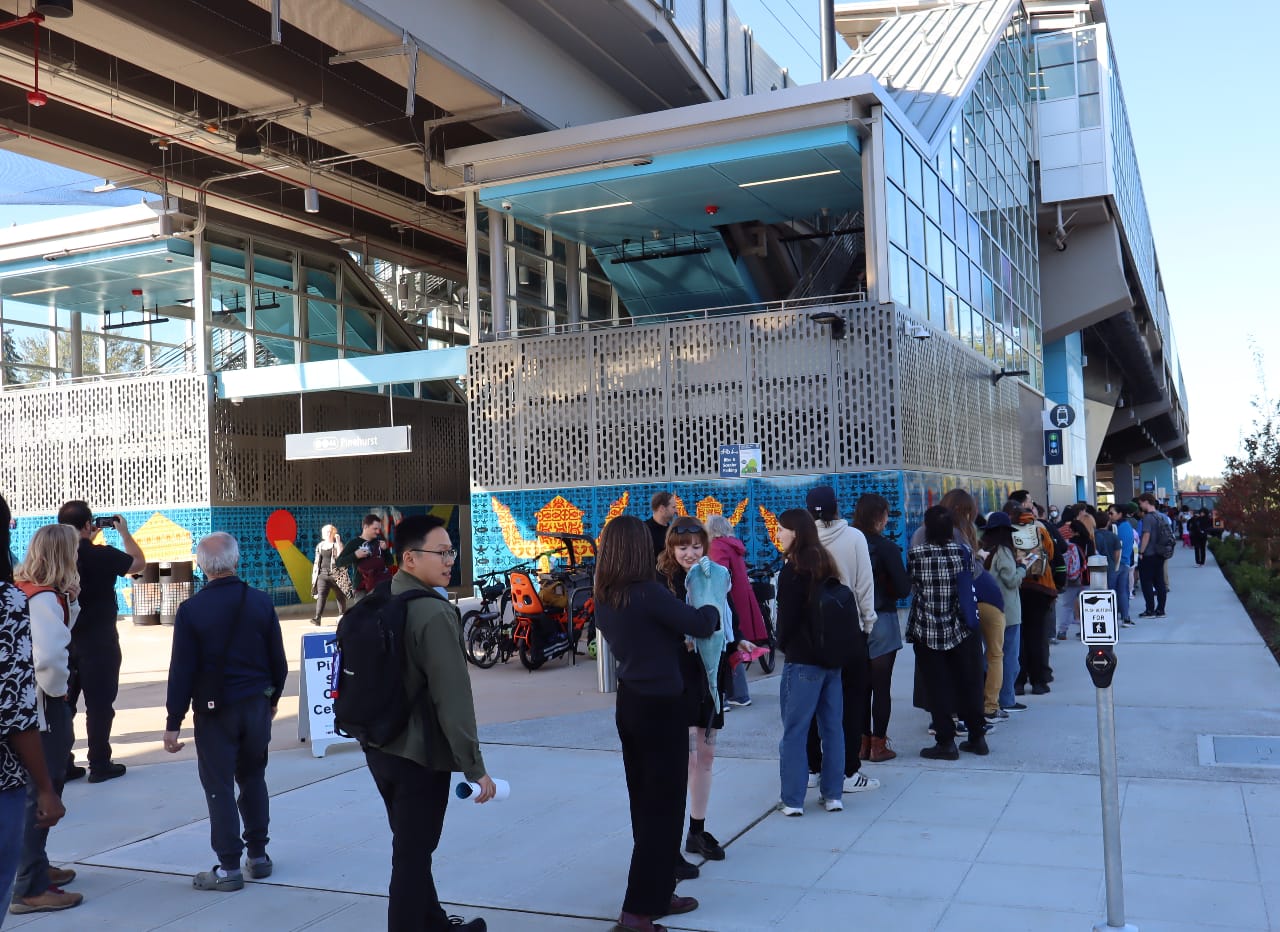
As both our own analysis and Delahanty's agreed, the reason is fairly straightforward, at least for the urbanism-pilled observer: Seattle and Vancouver put their stations in their downtowns in transit-rich, highly walkable areas with plenty of attractions nearby. That makes it easier for fans to get in and out of the stadiums or fan sites and take in all the other amenities a city has to offer – all without getting raked over the coals with surging ridehailing fares or bespoke transit shuttle options that still take a long time to get places of note.
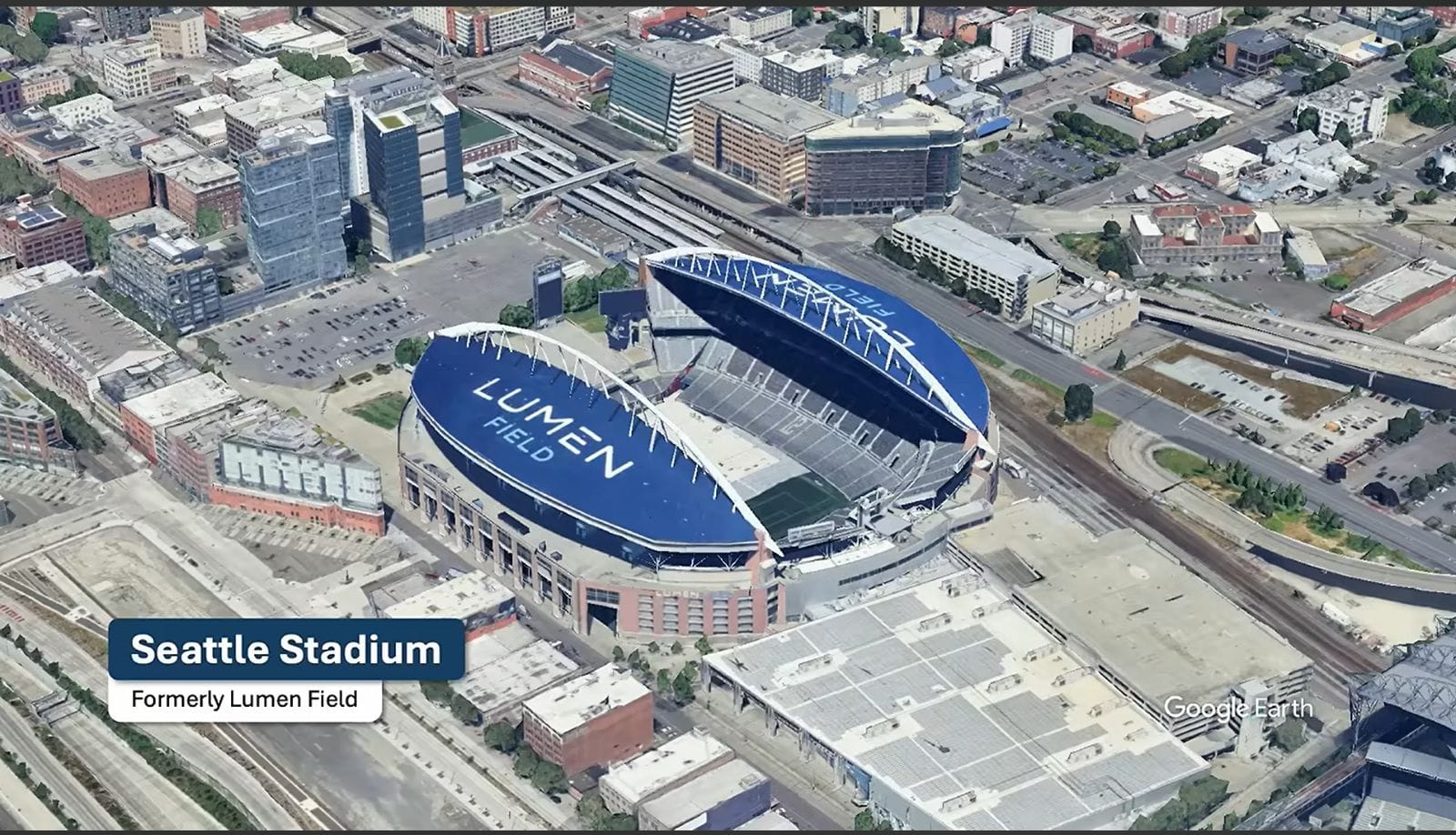
Before the automobile opened up sketchier urban design options, building around proximity and walkability is just how we designed cities. Many U.S. cities have wandered far, far afield though, both metaphorically and literally, with some stadiums pushing 40 miles outside the city center, in the case of the "San Francisco" 49ers' Santa Clara home.
CityNerd's "A Very Unfortunate World Cup 2026 Tier List."
Delahanty titled his video "A Very Unfortunate World Cup 2026 Tier List" as the stadium locations and urban design situations get progressively worse, down to the "F" tier composed of Miami, Boston, and New Jersey's Meadowlands, which oddly was given World Cup final hosting duties despite its urban design horrors. Thankfully, Seattle and Vancouver are happy exceptions. There must be something in the Cascadian water. Pacific Northwest urbanism for the win.
 Doug Trumm