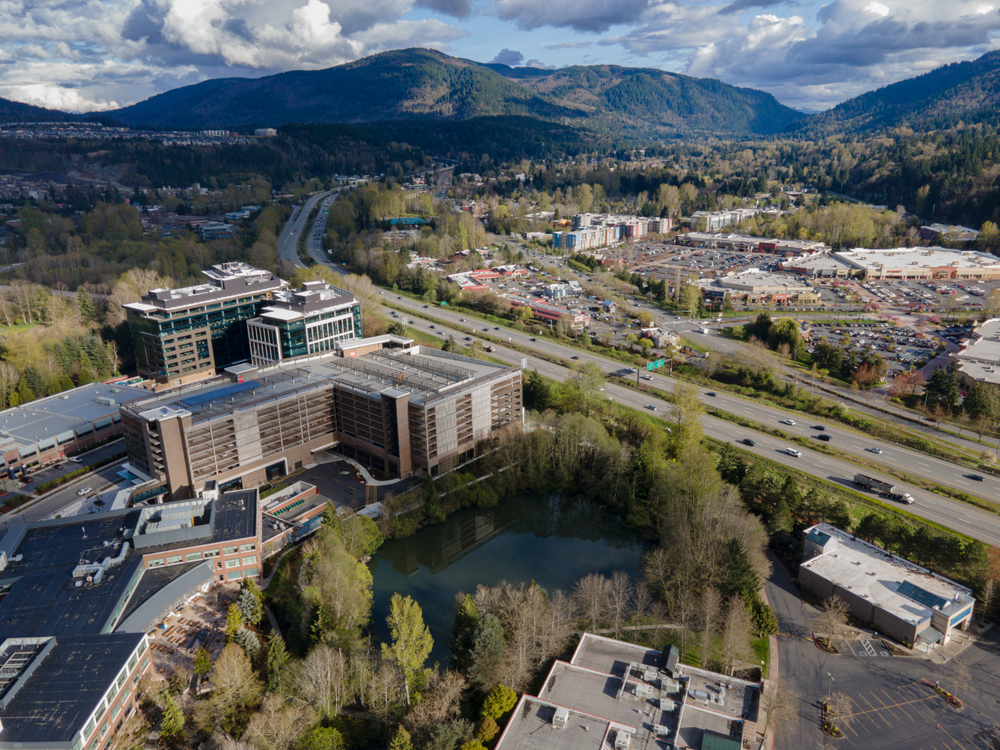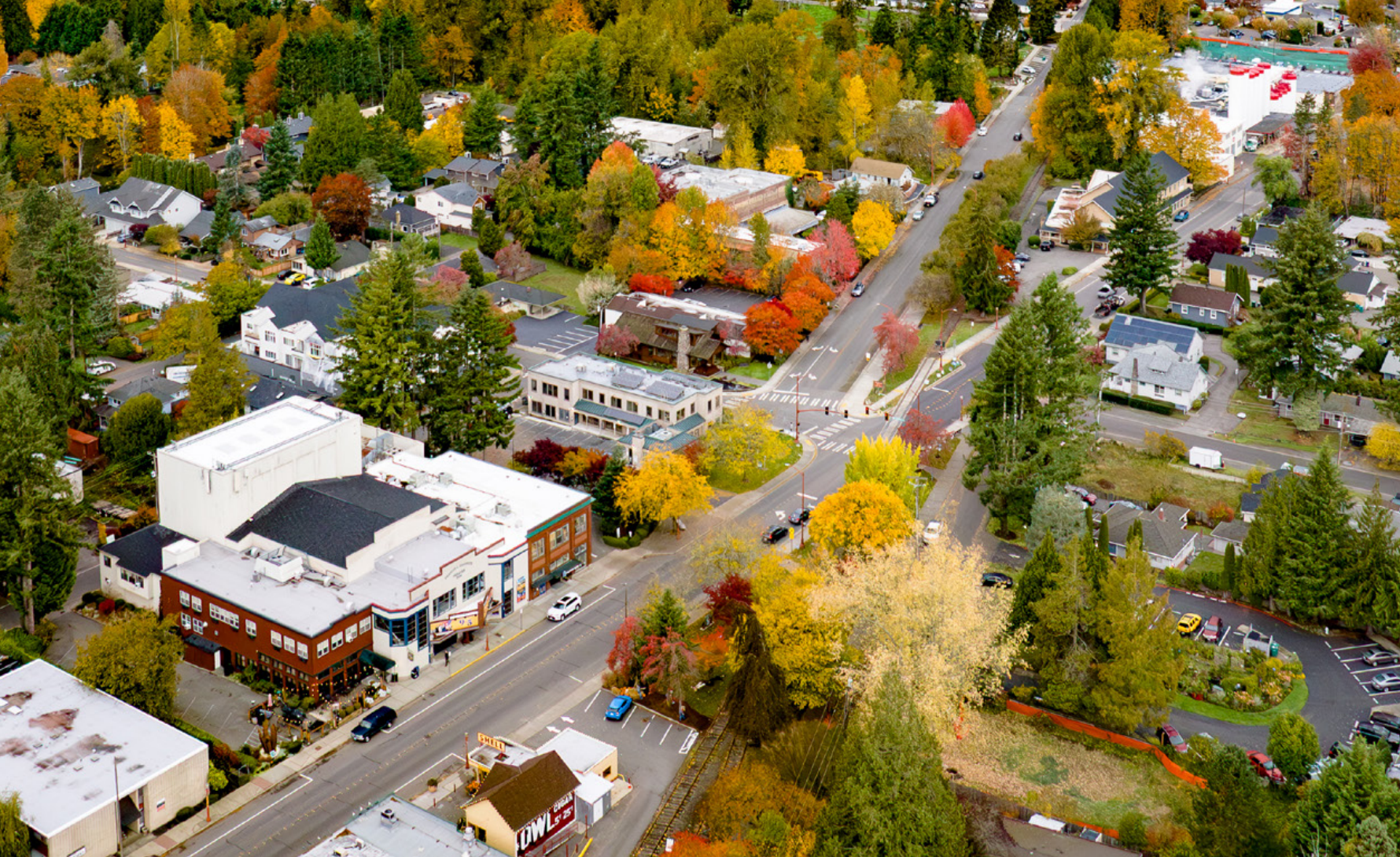
For years, Issaquah has been trying to spur development in its central core, an area dominated by big box stores and surface parking. A cavalcade of planned updates to development standards and building requirements advanced by Issaquah's new mayor is intended to finally start to make a difference, but two city councilmembers are raising concerns around how the process to review and approve those changes is playing out so far.
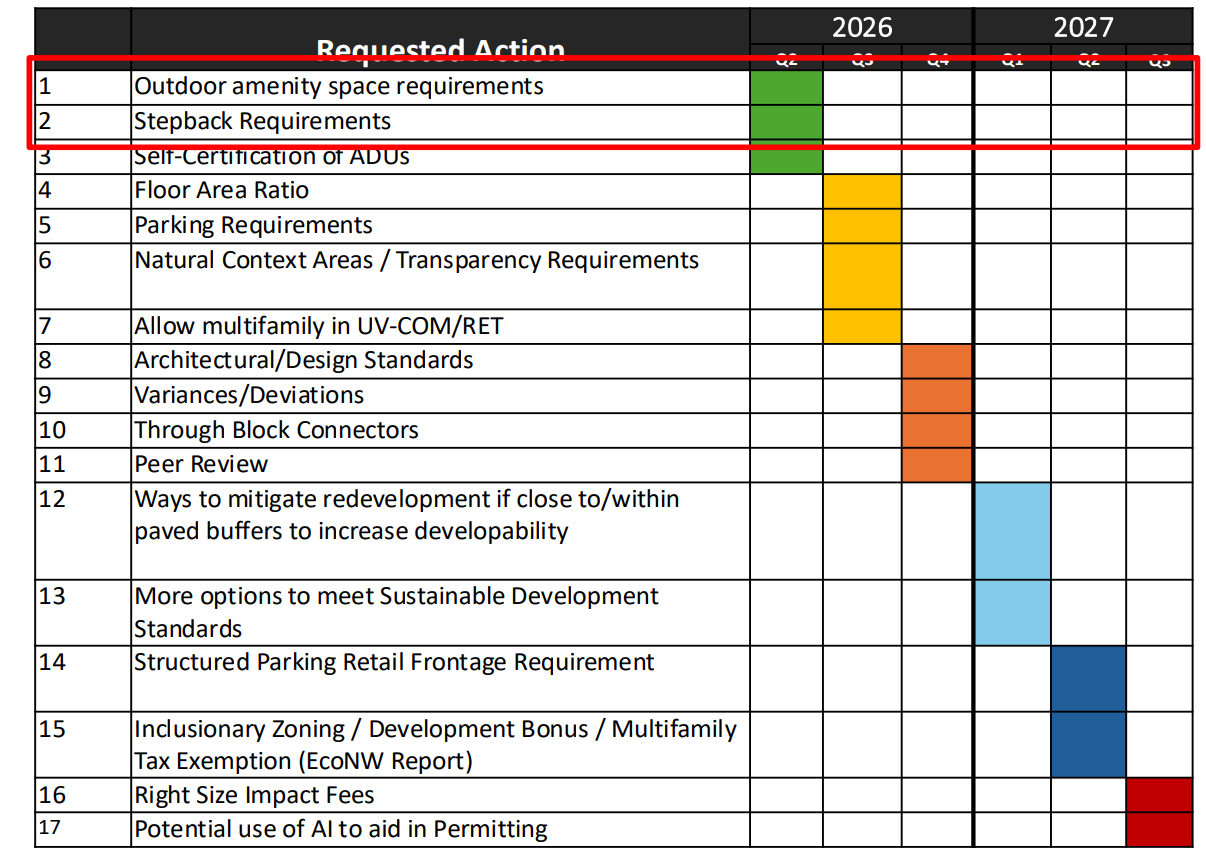
On June 29, the Issaquah City Council approved an ordinance scaling back requirements around outdoor amenity space and building stepbacks in new residential development. The two reforms are just the beginning of a long workplan the council approved in March, put forward by Mayor Mark Mullet's administration in the months since taking office at the beginning of 2026.
Mullet's election definitely represents a change of pace compared to the previous mayor, Mary Lou Pauly, who was more reluctant to look at reducing barriers for housing within Issaquah, particularly aesthetic ones.
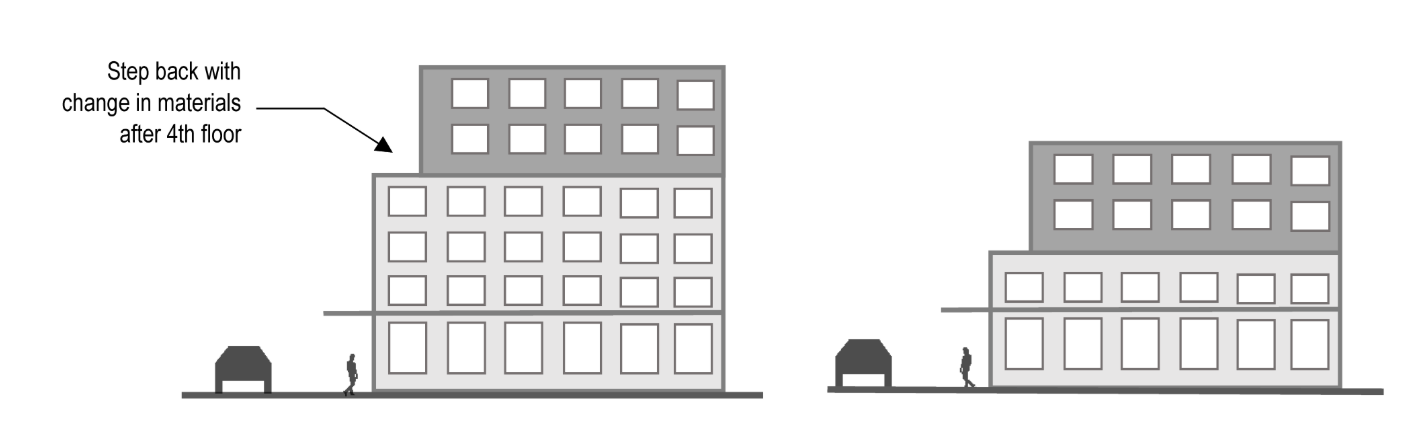
Previously, Issaquah's land use code included prescriptive regulations mandating buildings above five stories tall reduce their size via "stepbacks" – offsetting one part of the building from the other to "foster a graceful transition between the built and natural environments."
Where currently stepbacks have to be added to any portion of a building facing a "natural area," developers will soon only need to provide one setback along a street face, and it will be able to go anywhere between floor two and floor six when this ordinance takes effect.
In addition, residential development had to come with 48 feet of private outdoor amenity space, usually provided in the form of a balcony. In addition to adding costs, balconies add risk of water intrusion, yet the city was making them mandatory for all units. Now, only 30% of planned units will have to provide that much private outdoor space, with small apartment buildings with eight or fewer units exempted.
But the ordinance received two "no" votes, with both councilmembers citing the fact that the council hadn't been given a full range of options that included the elimination of stepbacks entirely. This fall, the council is set to consider architectural design standards more broadly, including a potential "menu of options" that isn't as prescriptive about what a building should look like, but until that happens, these are the regulations that will impact how easy it is to build in Issaquah.
"This is the first one of these that we're talking about, and I think it's really important that we get the process for this right," Councilmember Kevin Nichols said in explaining his planned vote. "We got some flexibility that was added, that's great, but it does still leave substantial stepback requirements in place."
Nichols detailed a deep dive he had done on how stepbacks ended up in Issaquah's code in the first place, research that left him "really concerned."
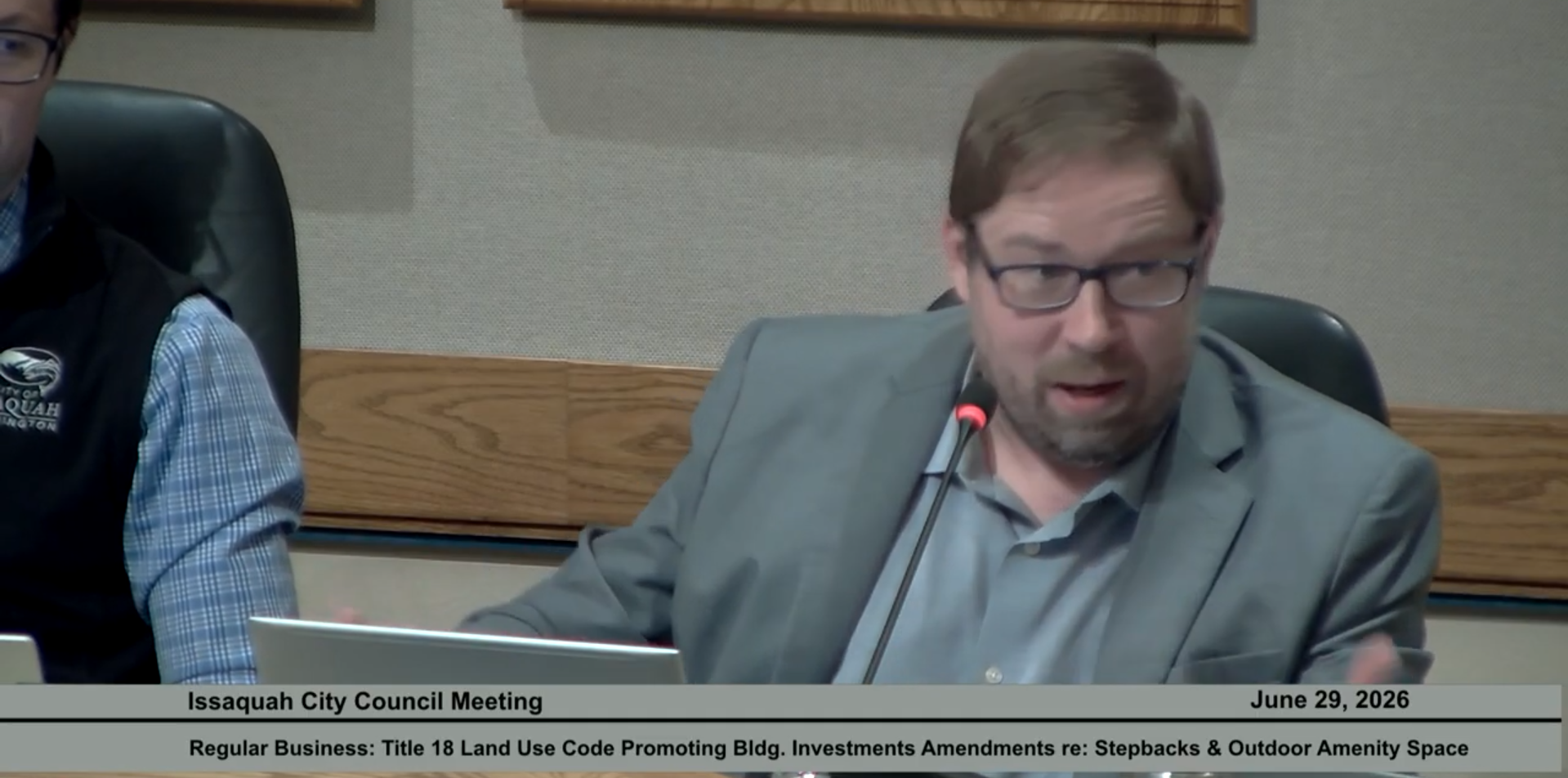
"The first time stepbacks appear in our transcript is a 2017 Development Commission meeting, and there were some troubling comments in it. One commissioner pressed the consultant who was proposing these new rules on exactly this risk that I'm worried about, about costs that I believe we've seen materialize," Nichols said. "He said that design standards like these in aggregate will price people out, and that a place like ours will become 'very self-selective' and a 'boutique' place. The consultant's answer to that was that affordability was 'out of scope.' I don't think affordability should ever be declared out of scope, and that punt on this topic has lasted a decade, and it's in front of us tonight, and I think we really owe it to our residents to get this right."
Nichols was joined by Tola Marts in opposing the ordinance's passage, with both councilmembers suggesting that it be sent back to committee. Marts has long been Issaquah's biggest skeptic of growth and development and an advocate for affordability requirements.
"It seems weird to me to do an interim step if we're going to consider turning the full knob in a few short months," Marts said. "I'm going to be a no tonight, because the path that we're taking right now does not strike me as having the urgency and severity necessary for the housing crisis and affordability crisis we have in the city right now.
The ordinance passed, with five votes in favor.
Last year, the Issaquah Council granted a request from the King County Housing Authority (KCHA) to remove stepback requirements from its planned development near the Issaquah Transit Center. Despite the fact that city officials had been trying to make that project happen since 2016, the requirements for stepbacks would have cost KCHA an additional $1.2 million, thanks to a requirement for utility relocation. Six units would have been completely lost, with another 12 three-bedroom units being downsized to accommodate the change.
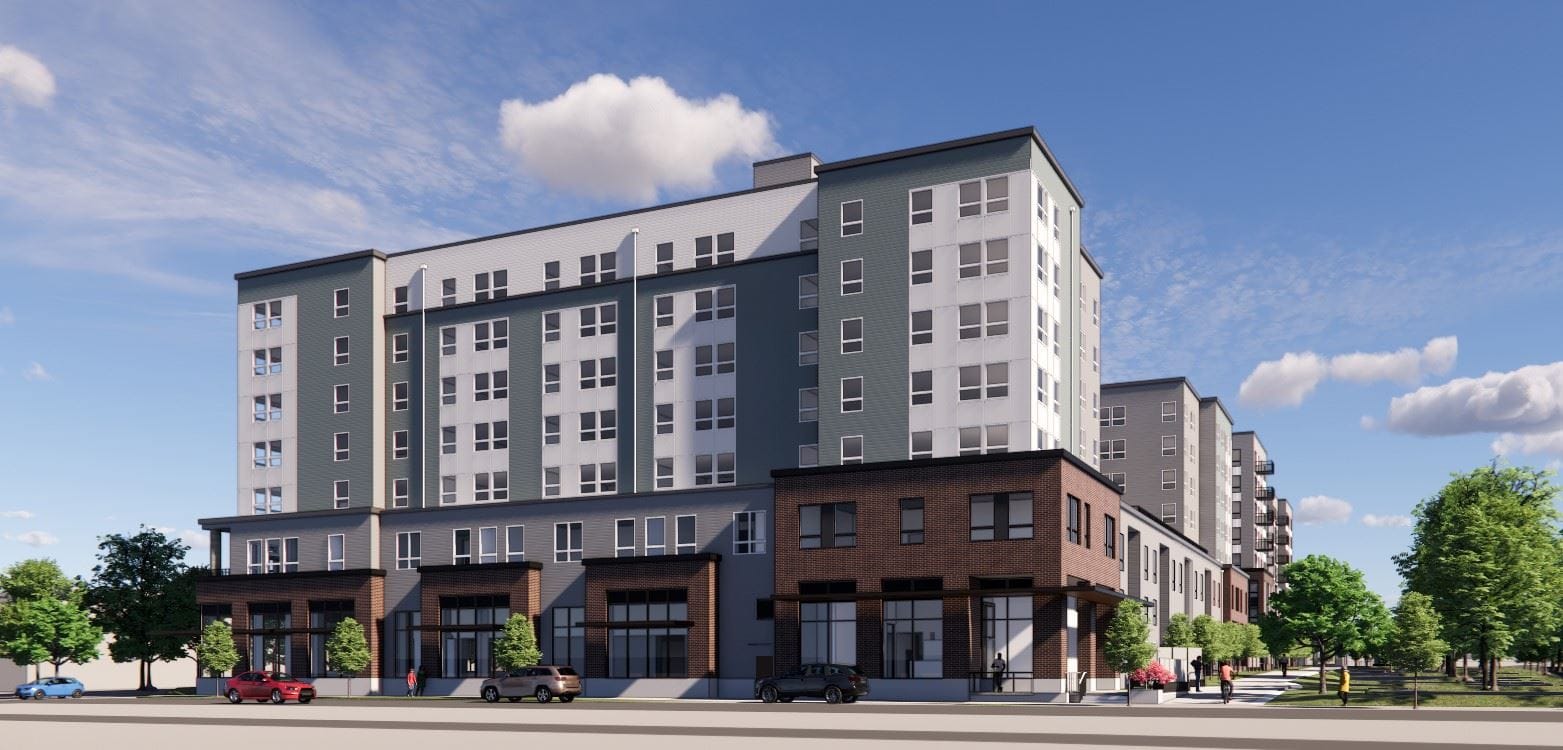
This episode played a major role in getting building stepbacks put on the list of issues that should be reexamined, which Councilmember Kelly Jiang referenced in her comments.
"I think you know the way that we've come to this based on the feedback from KCHA, and kind of seeing the actual cost and impact of it. I think it makes a lot of sense to kind of do this as an interim stop gap, in terms of the potential menu of options," Jiang said, expressing support for taking the interim step before looking at how to give developers much more flexibility in what buildings look like.
Jiang cataloged the history behind Issaquah's intensely restrictive design standards in a 2025 post on her substack account, Cascadian Abundance. That article noted that much of the requirements on the books came in backlash to one apartment building, the Atlas Apartments, which opened a decade ago.
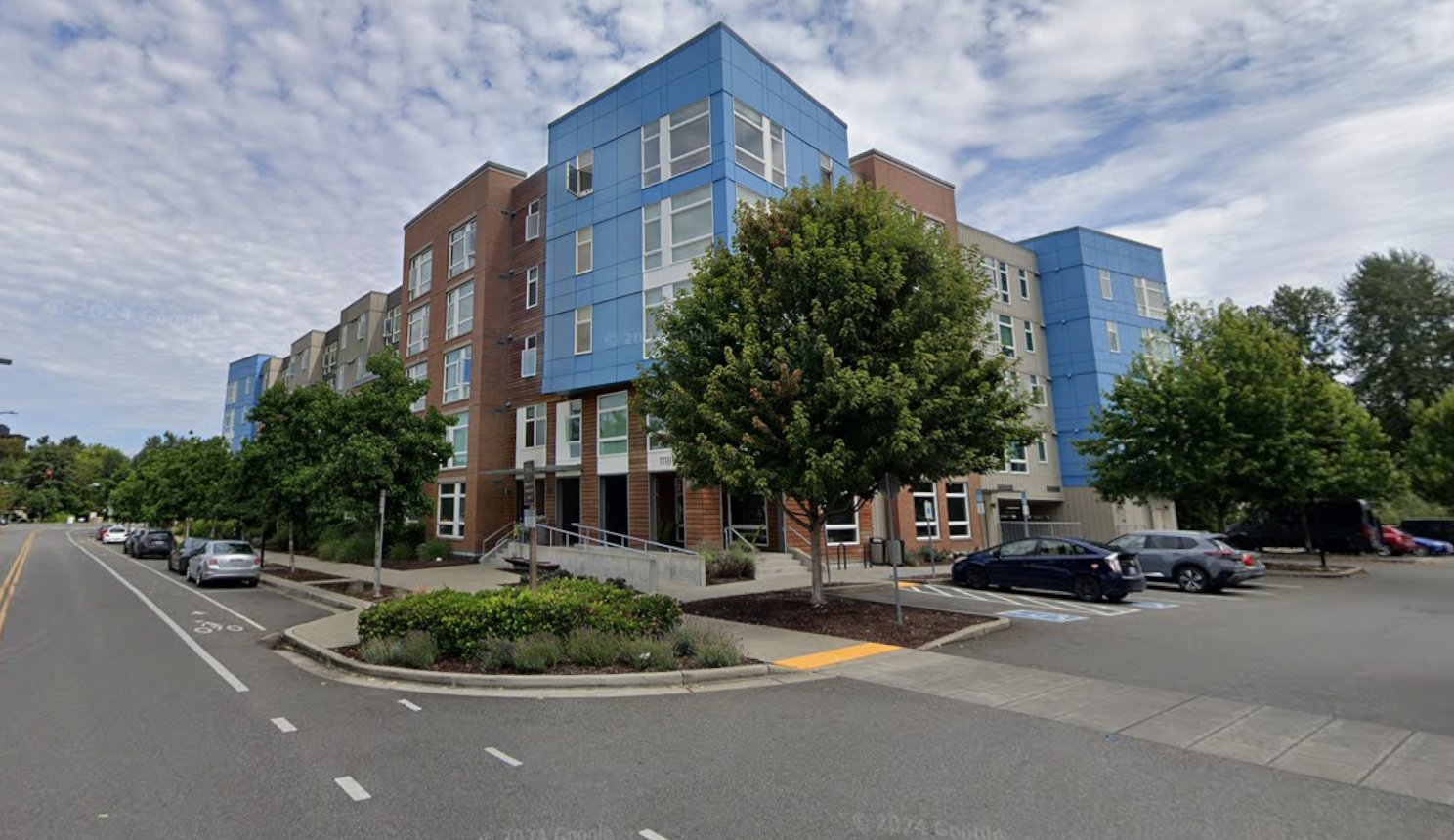
"I think the problem, and this is kind of what you see in Seattle, because they have very strict design regulations, actually, but every building basically looks the same, and it's because everyone has to do all these specific things, and so they've figured out, this is the specific townhome floor plan that meets all the regulations, so we're just going to copy and paste that everywhere," Jiang said. "I think I'm very much looking forward to seeing what we do on that in Q4. That said, I think for this interim period, making the stepbacks less prohibitive by, instead of requiring them at the fifth floor, we can have them anywhere between that section, I think is fine."
The Issaquah Council has seen a fairly rapid transformation over the past 18 months or so, with four of seven council seats changing hands. In addition to Nichols and Jiang, who both won elections last fall, the council in 2026 has appointed Paul Adair and Erika Boyd to fill vacancies left by resignations, with the issue of housing affordability put front-and-center in the appointment process. With that changeover, few city councils on the Eastside look as eager to tackle housing issues – with the possible exception of Bothell.
Mullet, managing the meeting, shied away from weighing in one where he stood in terms of looking at a full repeal of stepback requirements. But he did try and frame the discussions that the Council will be having on the other items on its workplan.
"I think our challenge is every one of those 17 items, you're basically going to say: status quo, which is fairly rigid in Issaquah, progress that makes it easier to build because you're providing additional flexibility and choices, and then there's always going to be the full monty choice, which is just saying we're not regulating this field whatsoever," Mullet said. "This is the first of many of these to come, which I think is going to be our challenge, as we're trying to get through this. But if we want to do it in an efficient, timely manner, we're also going to have to make some difficult votes, where we may not have unanimous consensus, because there's a reason these things haven't changed, is they're not easy to change."
As those future decisions come before the council, the tone has certainly been set when it comes to looking at a full range of options to improve housing affordability and housing choices in Issaquah.
 Ryan Packer
 Ryan Packer