Seattle's first FIFA World Cup game is finally here this afternoon, and the city has been scrambling to get ready. Among the preparations: Lime is gearing up to handle an influx of rides on its dockless shared scooters, gliders, and bikes.
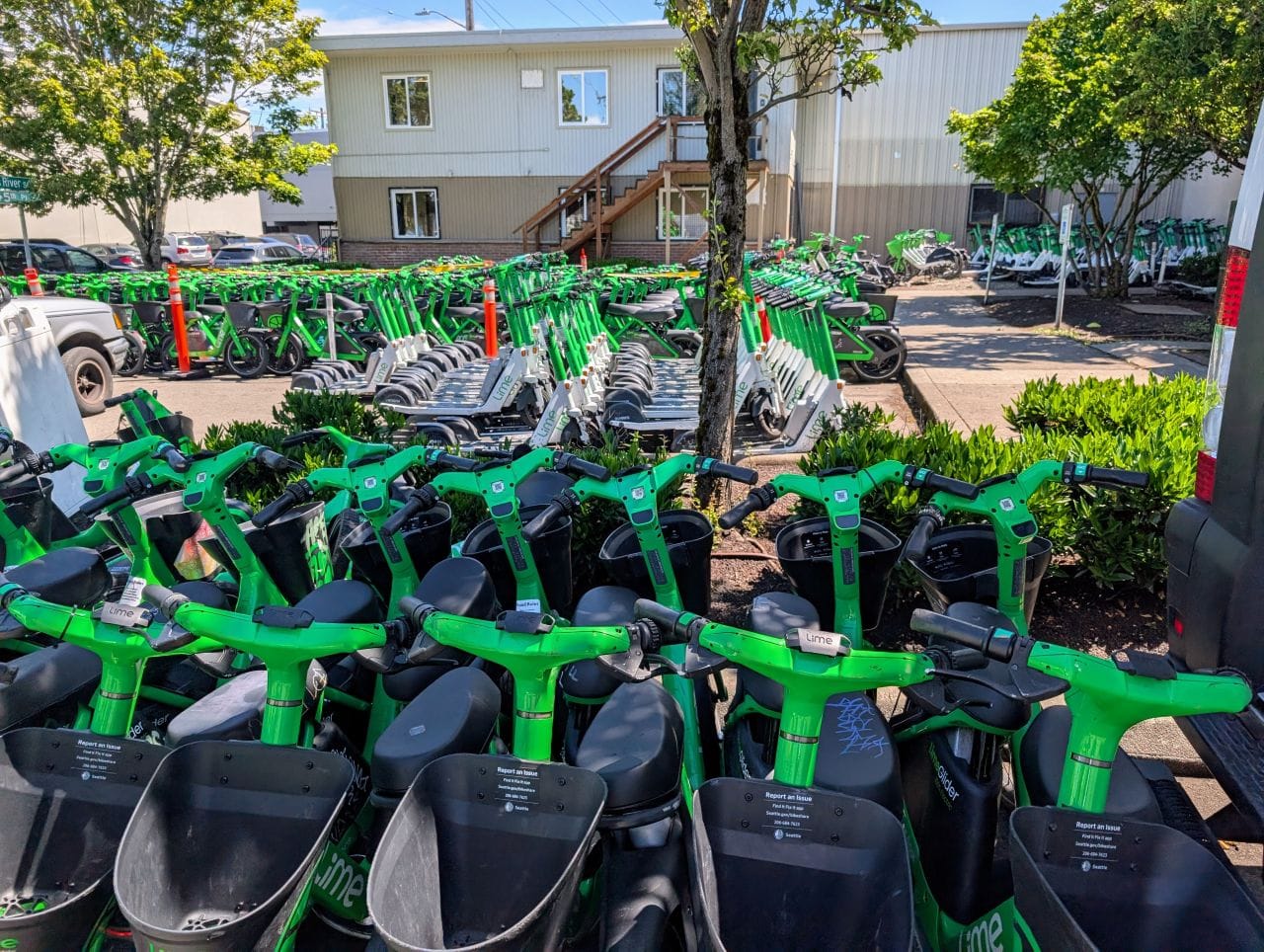
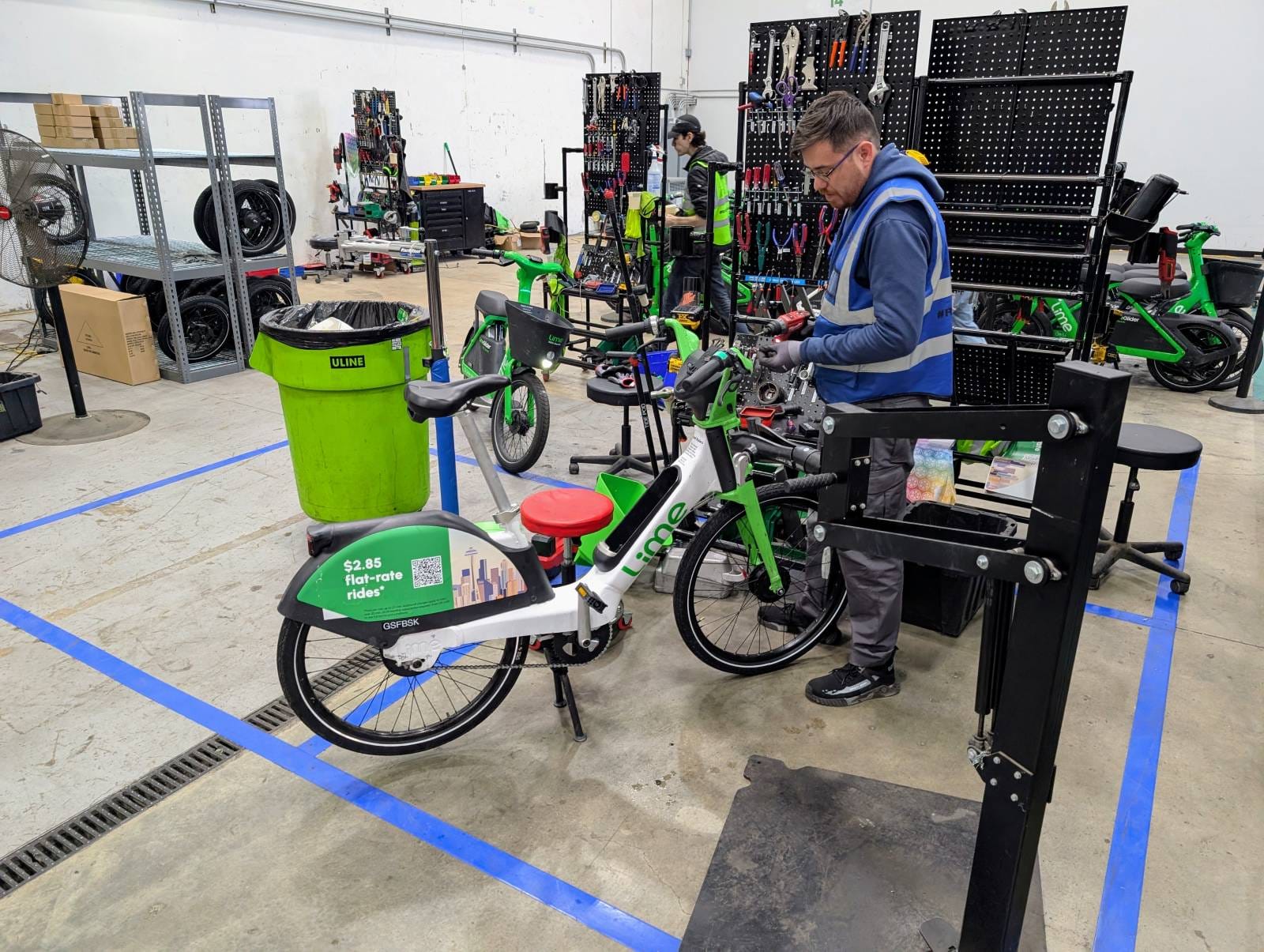
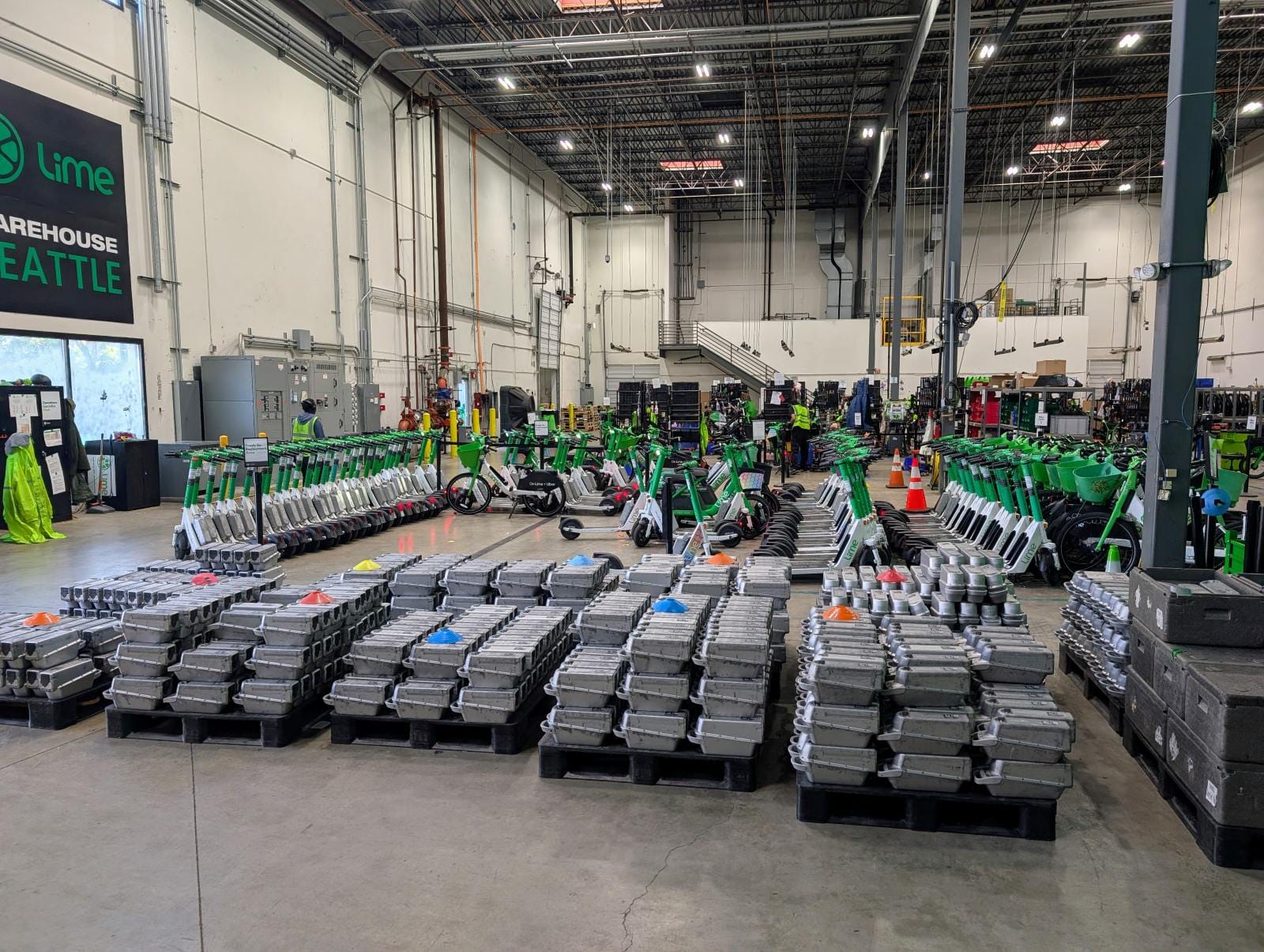
At a media tour at its warehouse earlier this month, Lime shared the steps it was taking, which include increasing staffing to keep their vehicles in service and charged up as much as possible. Lime will also give away 3,000 helmets over the course the World Cup and 5,000 total over the course of 2026 in order to boost safety as ridership surges.
Lime is up against its City-imposed overall vehicle cap; so, it will not be able to expand its deployment of scooters beyond 10,000, or e-bikes beyond its 5,000 cap. But the company could still potentially set a new record ridership over the course of the festivities.
During Seattle's Super Bowl victory parade in February, Lime recorded its highest local ridership day ever, with nearly 60,000 trips. While impressive, Lime baseline has also grown, as ridership has grown to the point where it averaged around 38,000 daily rides for the month of May.
In addition to Seattle, Lime operates in Everett, Shoreline, Redmond, Bothell, Woodinville, and soon Bellevue, with around 17,000 vehicles total across the metro, all handled out of its Georgetown base of operations.
After a number of operators came and went, with Bird the last to wind down local operations this spring after SDOT declined to renew its permit, Lime is the last micromobility company left standing in Seattle.
On June 5, Lime rolled out a Fan Pass that offers up to 90 minutes of riding for $12.99, more than 70% lower than standard pricing. The pass includes free unlocks and flexible use across a five-day window. The offering will be available throughout the busy World Cup time period, extending through July 19.
Parking corrals and match day procedures
After some tough negotiations with Pioneer Square Historic District and other stakeholders, the Seattle Department of Transportation (SDOT) has rolled out more than 200 corrals for parking scooter and bikeshare vehicles near the stadiums and in adjacent areas. Many are temporary.
Local officials have set a goal for 80% of fans to arrive to World Cup matches without a personal vehicle, which is much higher than the typical event when access is allowed in the many thousands of parking stalls in the stadium district.
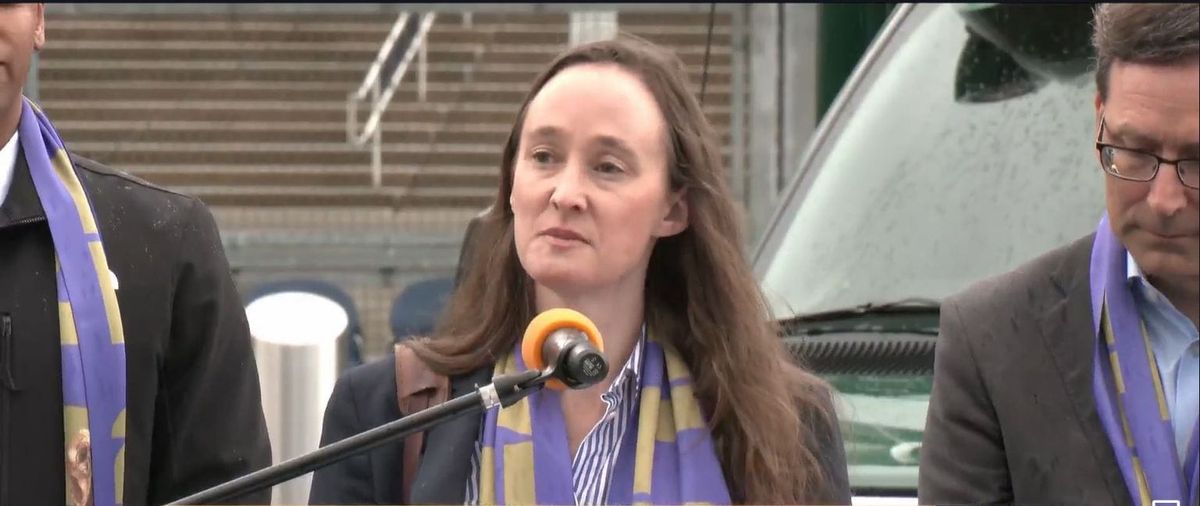
“We appreciate Lime’s efforts to expand mobility options during this summer’s major international events. With significant travel expected between the stadium district, downtown, and the waterfront, well‑coordinated micromobility services play an important role in helping people move safely and efficiently," said Becky Edmonds, SDOT's Shared Mobility Program Manager, in a statement. "Lime’s enhanced operations —including designated parking, on‑site staffing, and real‑time monitoring — support our goals of providing reliable, accessible travel choices for residents and visitors throughout this busy period.”
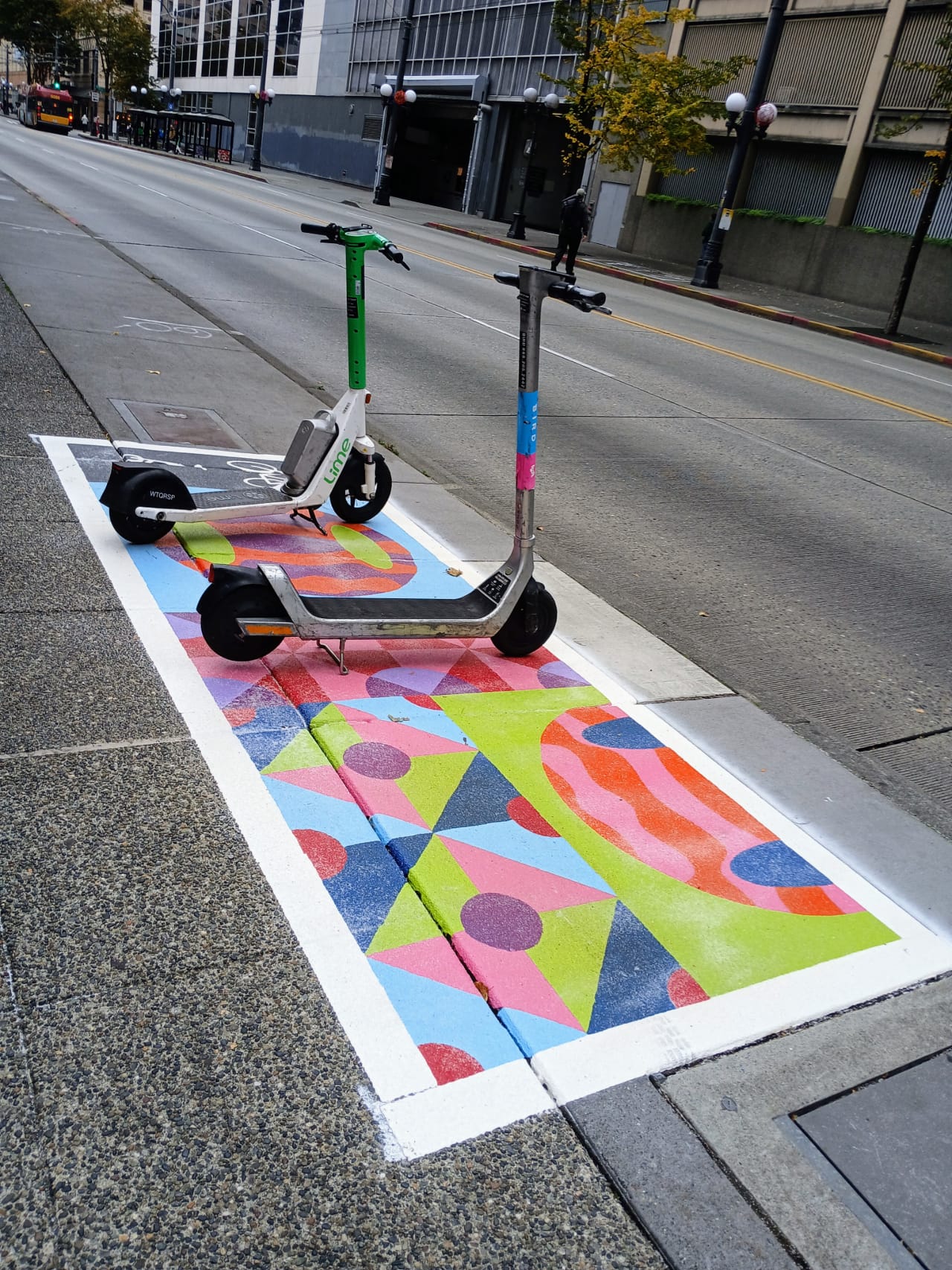
Parker Dawson, Lime's Senior Regional Lead for Government Relations in the Northwest, said the corrals will continue to pay dividends and hoped to see more down the road, to potentially expand use of the model. Limiting shared vehicle parking to designated corrals helps keep sidewalks clear in high-use areas, although Lime says it takes a high density of corrals for the model to work.
"Getting more than 200 completed in time for June was no small feat, given that micromobility is often under-resourced, not just in Seattle, but across the country," Dawson told The Urbanist. "We have been engaging with SDOT for years with the data that we have showing what a park and corral network – not just in downtown or around the stadiums, but across the city – could look like. That could unlock for us an opportunity to realistically, given real rider behaviors – people aren't going to walk long distance after parking to get to their final destination – to be able to unlock mandatory parking zones in high-use areas of the city. It's something we're still very committed to, and we're excited to be moving toward that."
Seattle's event plan is built around expected rider flows between the waterfront, downtown, and the stadium district, helping connect people to matches and event activities while keeping key access routes clear and organized, Lime said.
Lumen Field has been blandly rebranded "Seattle Stadium" for the duration of the World Cup due to stipulations from FIFA, which keeps a tight lid on corporate naming rights and charges a premium. Similarly, Lime officials used various euphemisms and avoided saying "FIFA World Cup" since apparently only paid corporate sponsors are supposed to get that privilege.
Due to security protocols and fan zones taking over some parking lots, the area surrounding the stadium will turn into a parking-free pedestrian zone. Lime vehicles will be allowed in the pedestrian zone, but with speeds capped at 8 miles per hour (13 km/h) by the app.
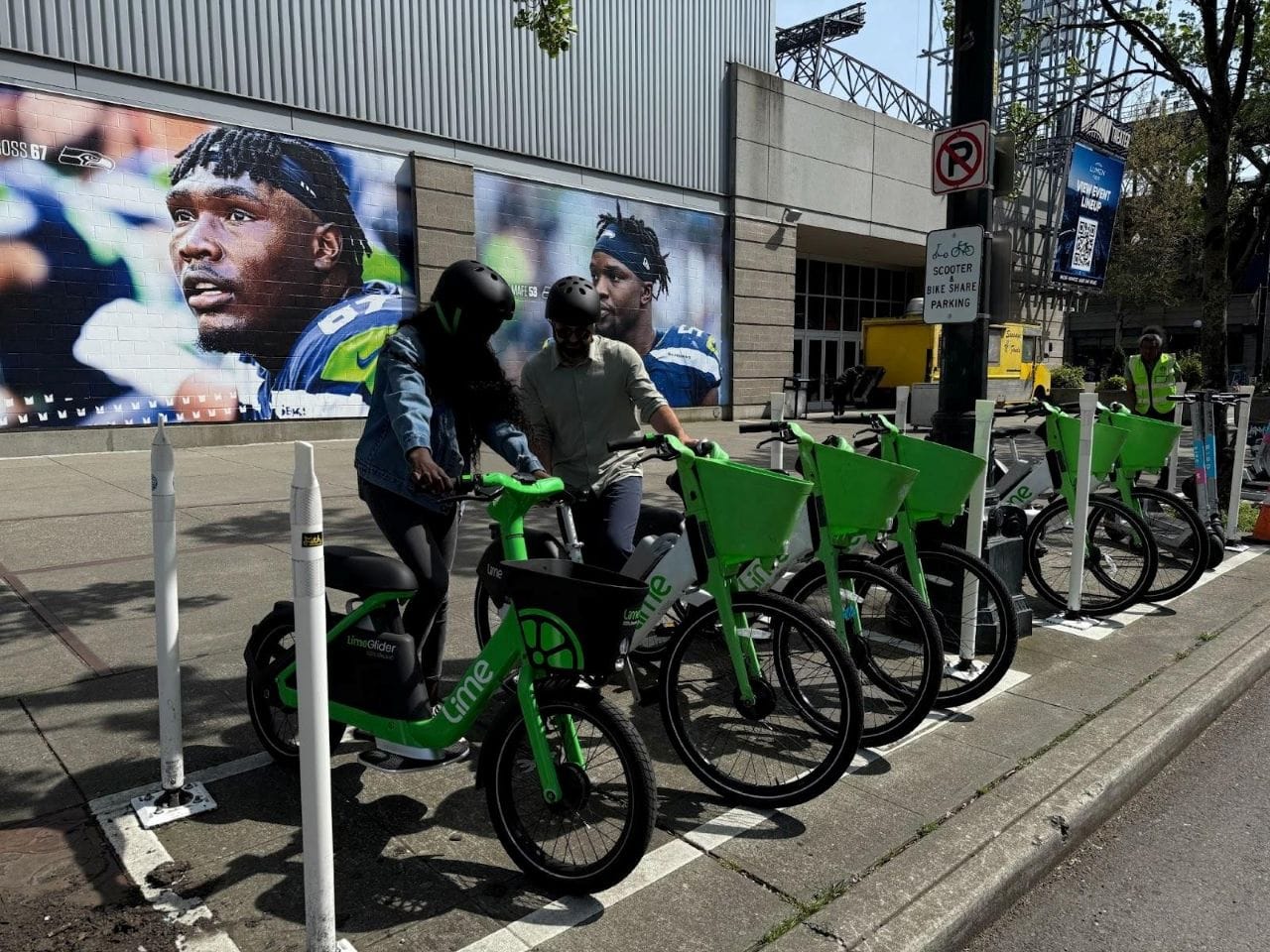
Lime is adding valet parking zones near key event areas, which should be clearly marked, with "on-site Lime staff who can assist with parking and direct riders to event entrances." This is the first time Lime has launched valet parking in Seattle, though the company has used it at similar events, like the Paris Olympics. The valet zones will double as helmet distribution areas.
"For the different tournaments, we'll have helmets at every single valet parking location for egress from the event," Dawson said. "So, as people are leaving the fan zone, they'll be able to collect a helmet at any one of the parking locations."
Between the various functions like valet parking and vehicle rebalancing, Lime is planning of having about 40 staff members on-site in the fan zones.
Riders looking to get a free Lime helmet can check SDOT's customer service center or Seattle libraries and community centers – in addition to match day handouts during the World Cup.
"Throughout the year across Seattle, we also partner with SDOT to get [helmets] in the hands of every customer service center," Dawson said. "We've been talking to them about trying to expand that partnership to make sure that they're available in libraries, community centers, as well. We started partnering last year with the Seattle Housing Authority to be distributing them to local communities."
Early signs are pointing to a potential letdown as far as hopes for record-breaking tourism during World Cup matches. Despite early projections for 750,000 visitors in Seattle for the World Cup, flight bookings to Washington state are down 20% and June hotel bookings are actually down 7% year over year, according to KUOW reporting.
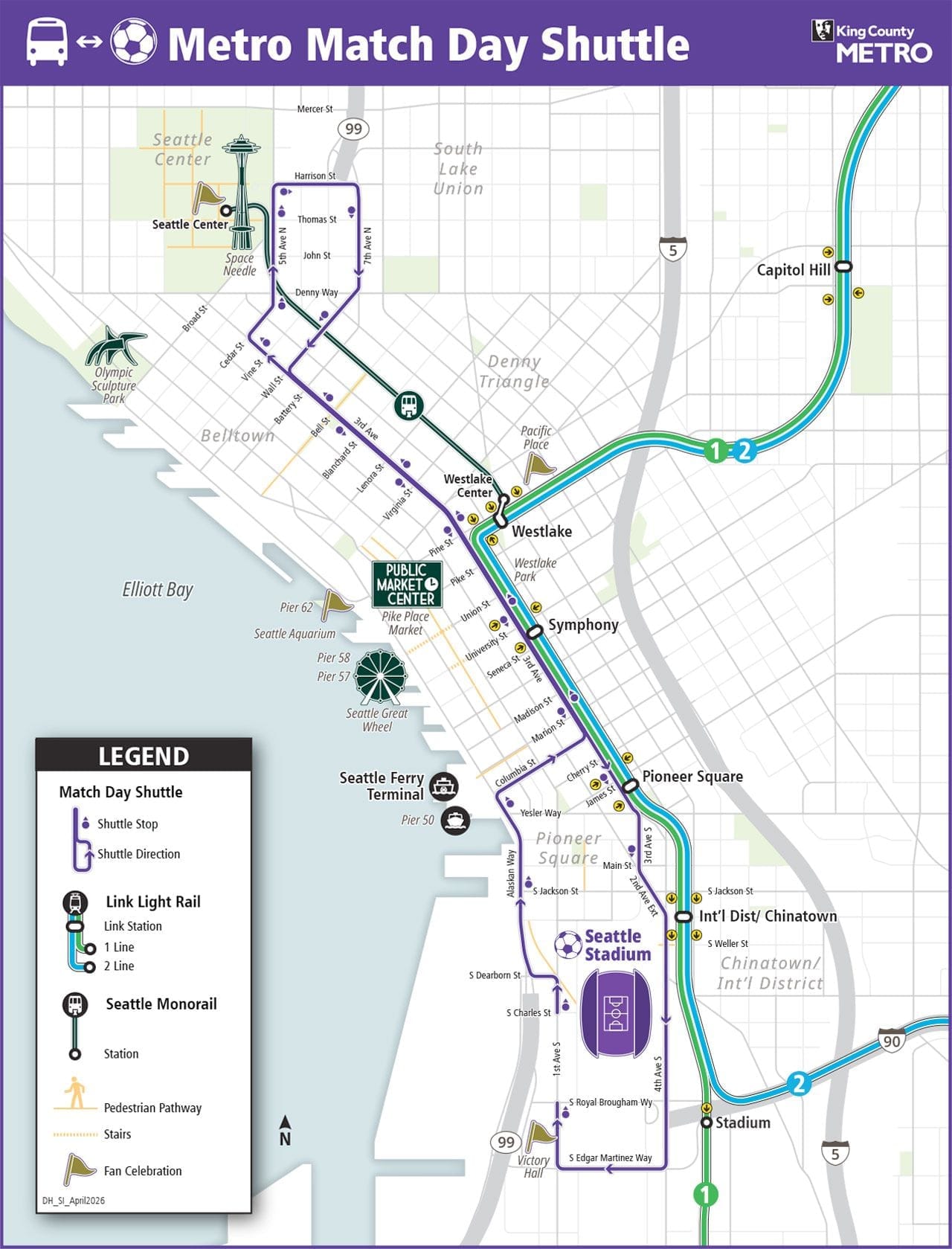
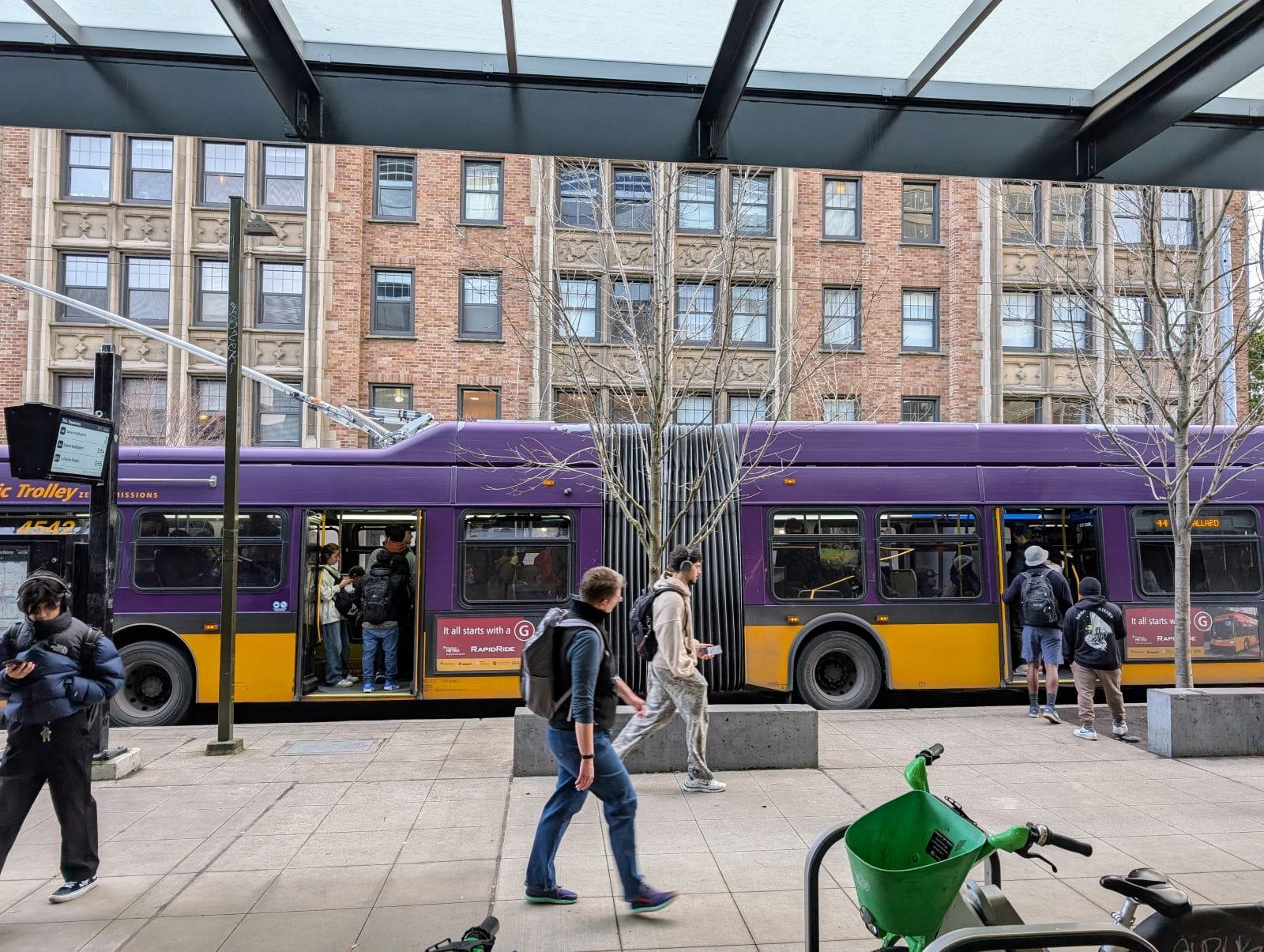
Even with the potential for international tourism to be lower than expected, the region is still gearing up to overcome traffic challenges, with special shuttles and augmented light rail, bus, and water taxi service. Ridership should be high on transit, Lime and other alternatives to driving given expect downtown grid disruptions and the concerted efforts to get commuters to avoid driving downtown. King County Metro has been doing its largest advertising blitz in recent memory, promoting the region's transit offerings and the need to plan ahead for traffic disruptions during World Cup events.
Looking ahead
Some of Lime's features rolled out in time for the World Cup will last much longer the festivities, with the agency already looking ahead to a micromobility program renewal from the City.
Lime recently launched a new vehicle a lower profile bike, that is more similar to its "glider" seated scooter. Brent Vigneault, Lime's general manager for the Pacific Northwest, said features like an ample basket and low step through make it popular with riders.
"[The new bike] looks like a mix between our glider and our bike, but it has a lower center of gravity, a lower step through, making it a more accessible option," Vigneault said. "Also, it has a basket, so, if you're running errands or going to work and need something, a place to put your things, it's a better option for people, and we're already starting to see a high adoption rate for that vehicle type, so we're really excited by that."
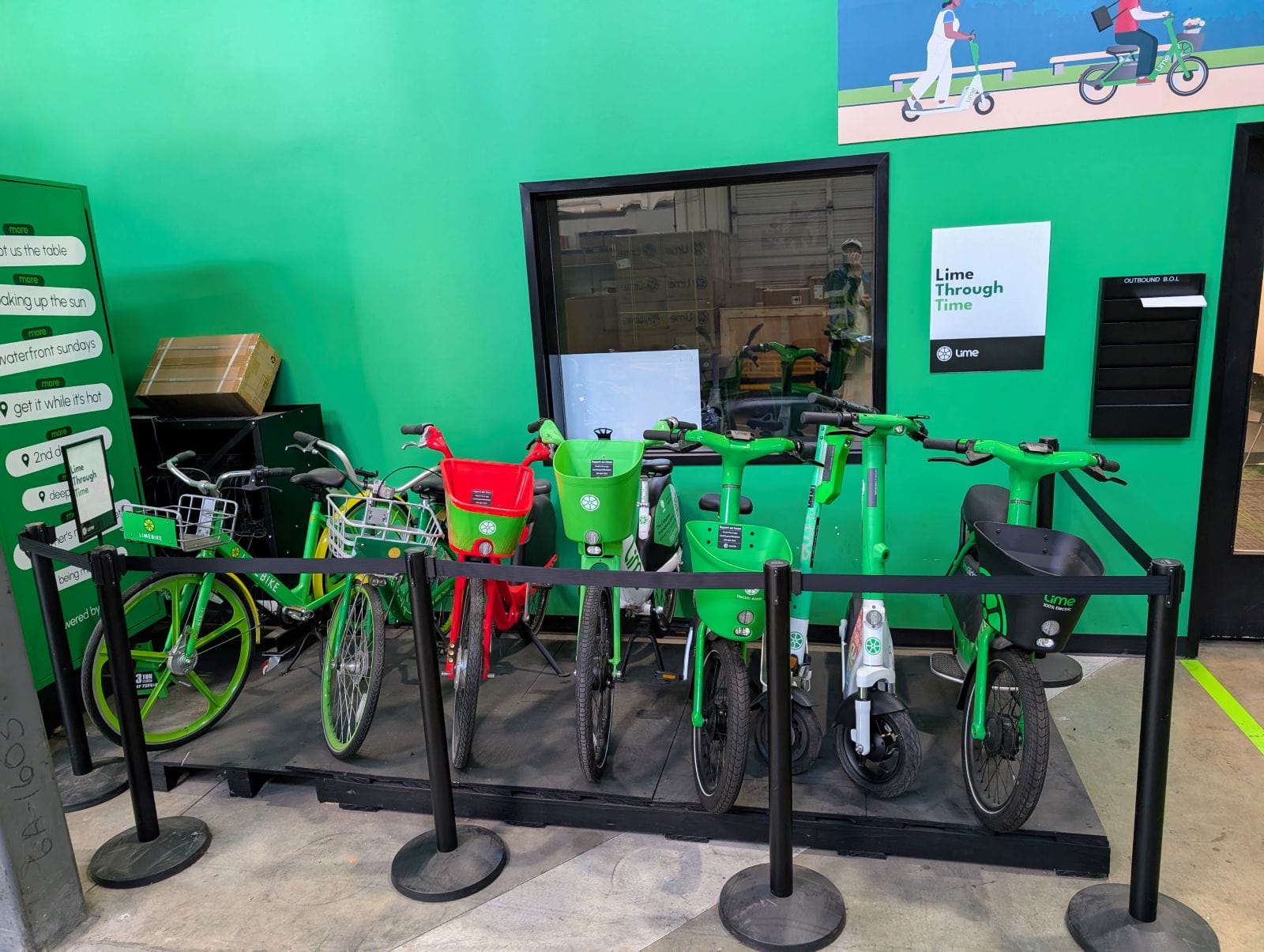
Lime is also rolling out a technology intended to discourage riders from blasting down sidewalks, leading to safety risks and annoyance from pedestrians.
"We're also really excited about the launch of Lime Vision, which is our sidewalk riding detection technology," Vigneault said. "Yeah, that's live on already 3,500 of our standing scooters in the city, and so those are a front-facing downward-facing camera that utilizes AI to detect sidewalk riding and then provides real time audible alerts to riders, telling them to turn. Yeah, so we're really excited by that. That has been live in Seattle for a couple of weeks now, and we're planning on introducing more of our vehicles with that tech as well."
It's not clear yet how much of a deterrent the audible alerts will be to dissuade riders from using sidewalks – or the accuracy rate of the AI at discerning an approved mixed-use path for scooters and bikes from a sidewalk that should be off limits.
Periodically, safety concerns have flared up around scooters, with former Mayor Jenny Durkan one vocal critic. Still, an extension of the program appears a foregone conclusion with how ingrained scooter and bikeshare has become in the broader transportation network. Less clear is if Lime will gets it wish to officially be designated the sole operator in the city, rather than getting that right on a de facto basis through competitors pulling out.
"We have been very grateful to be here since 2017, the first iteration of the program, and time and time again customers have chosen Lime as their preferred means of getting around on micromobility," Dawson said. "We've been very eager to invest... but also we really feel like we've earned a collaborative partnership with with SDOT with the city, and I know coming next year Seattle have an opportunity to update its its program and kind of think on the next iteration of what a program will be through an RFP process, and we're frankly going to be incredibly excited to compete for what we hope can can be a single operator program."
 Doug Trumm
 Doug Trumm