Sunday Video: Putting 12 Urban Freeways Out to Pasture
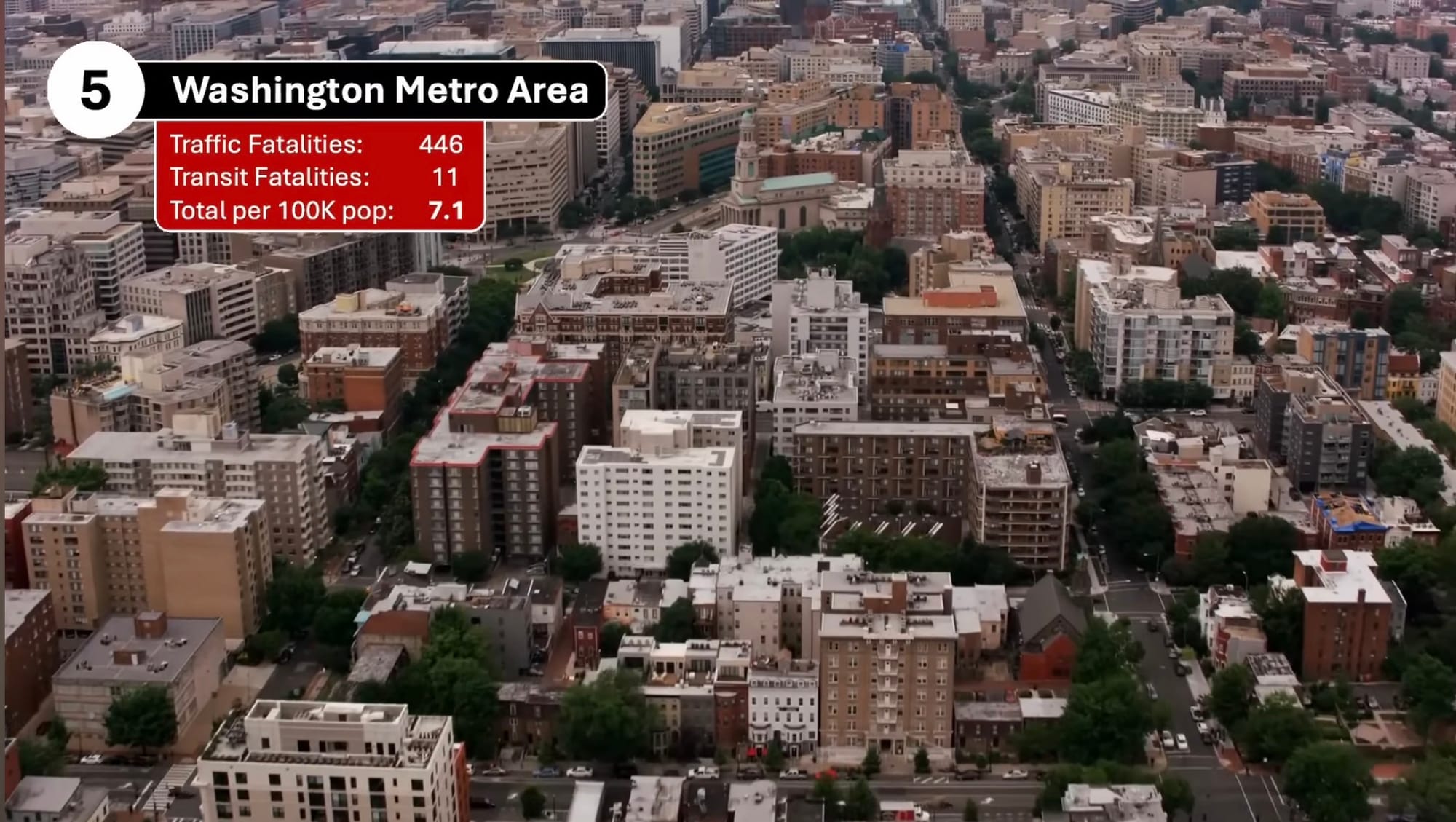
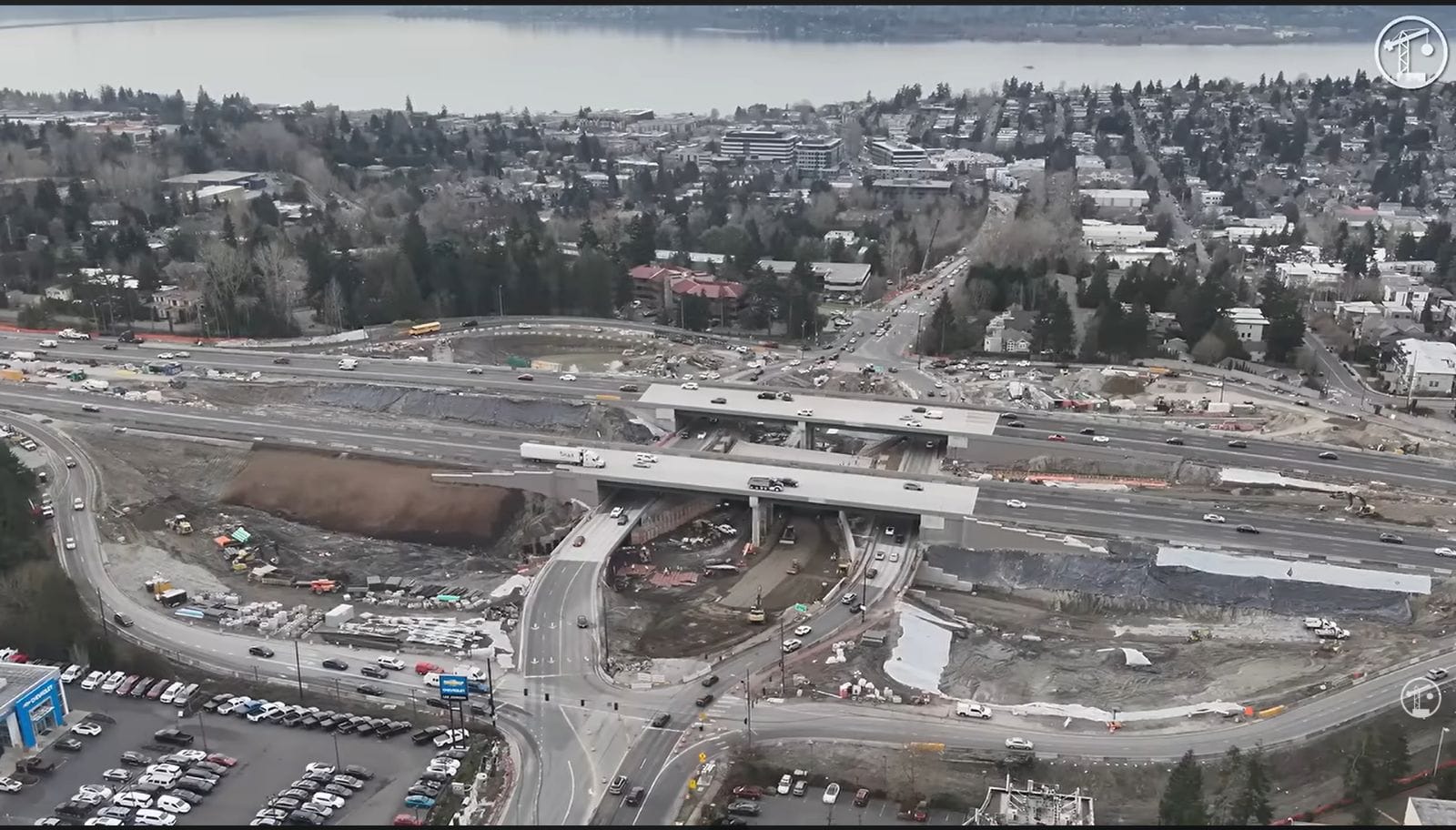
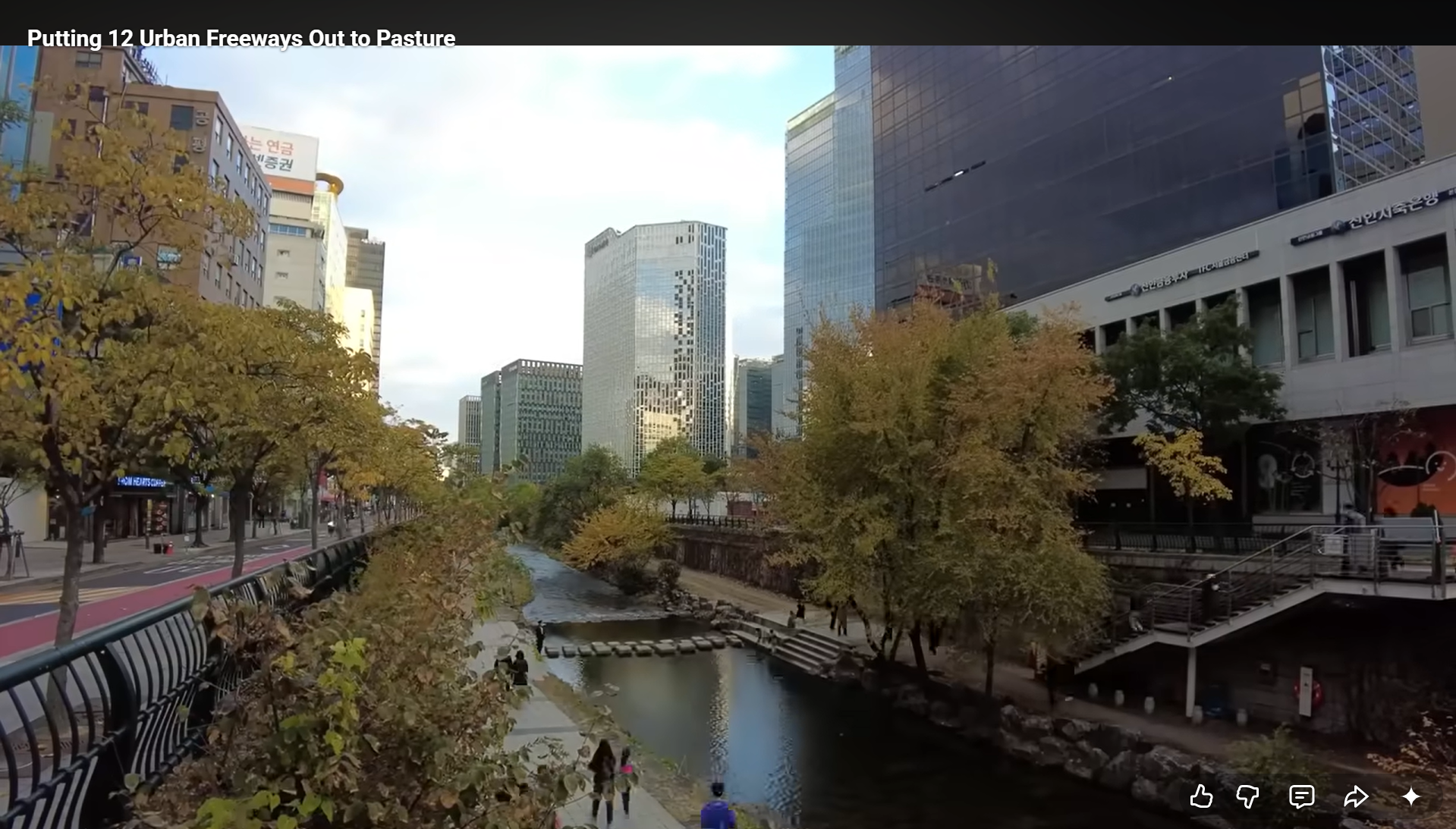
By popular demand, Ray Delahanty of CityNerd released a top 12 urban highways that should be slated for removal to improve the cities that surround them. Seattle made the list.
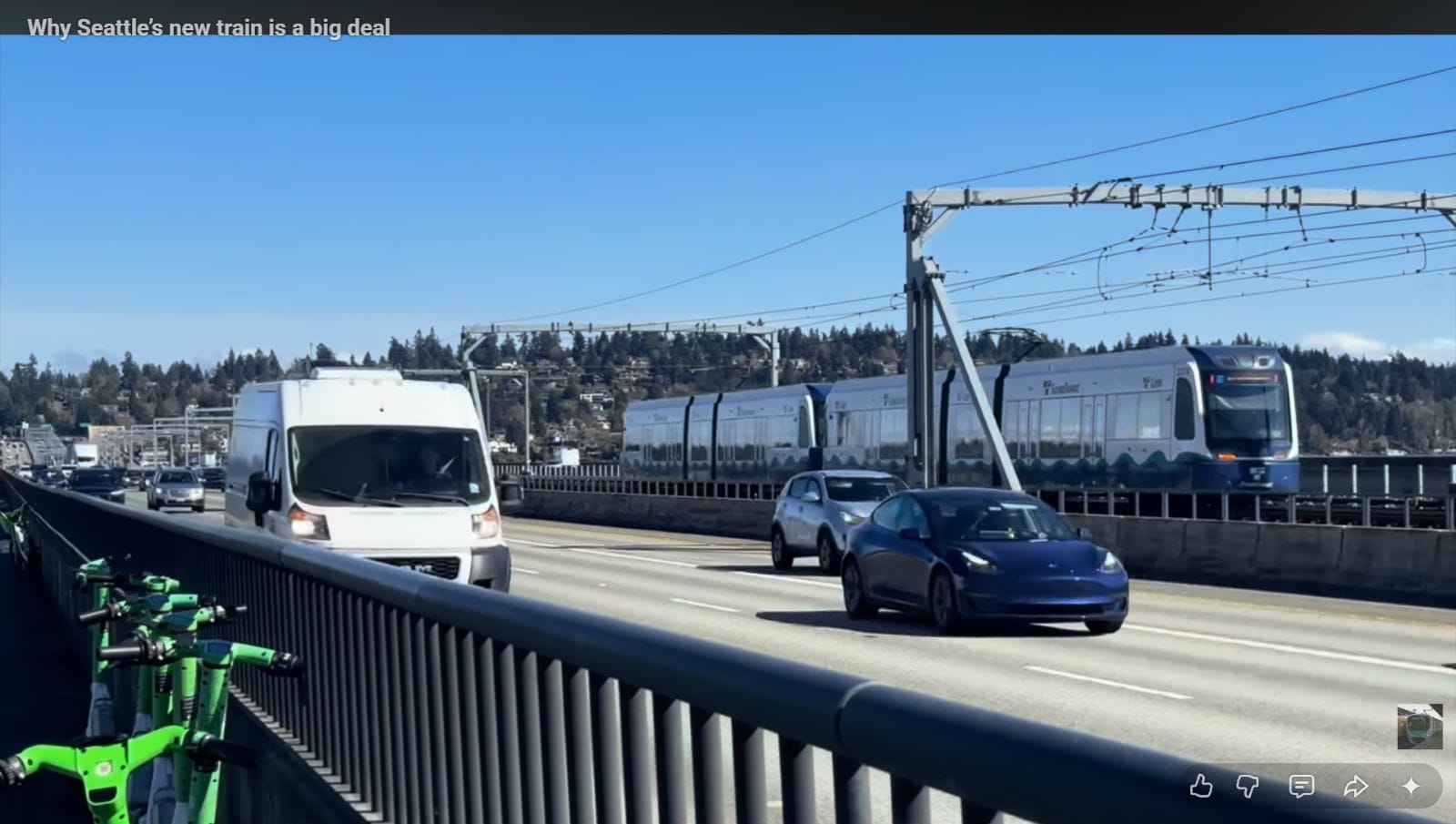
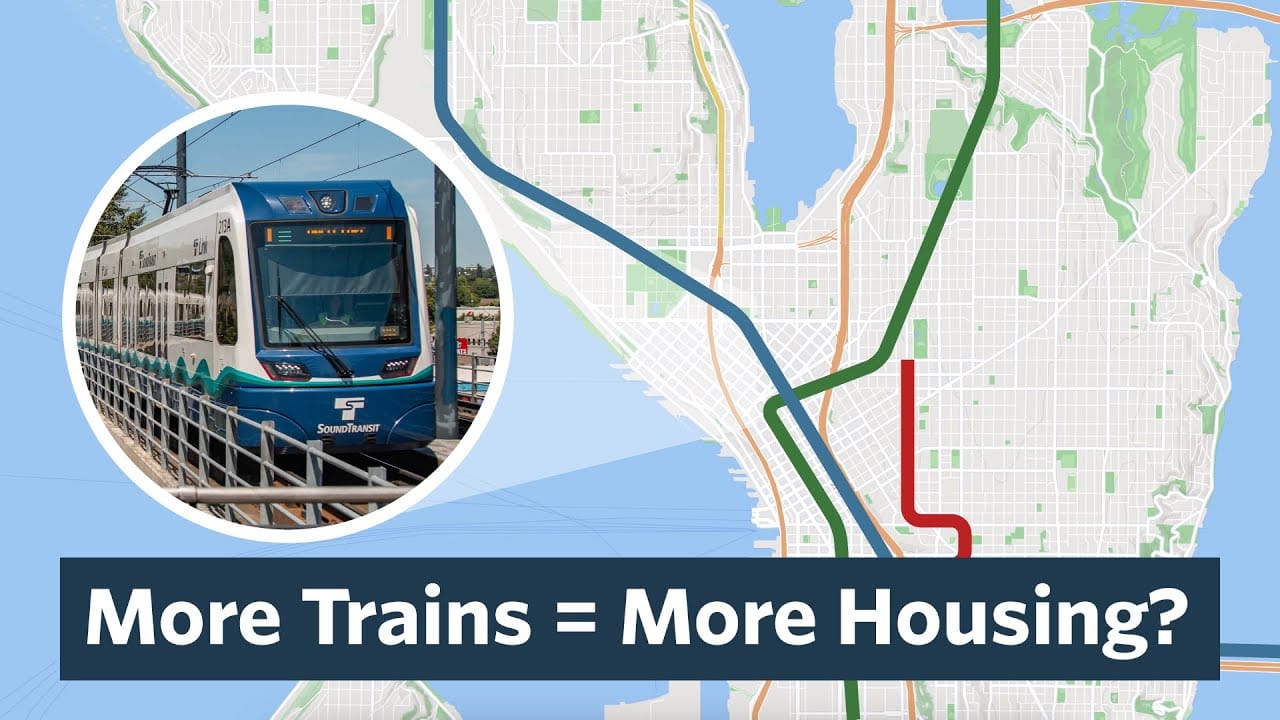
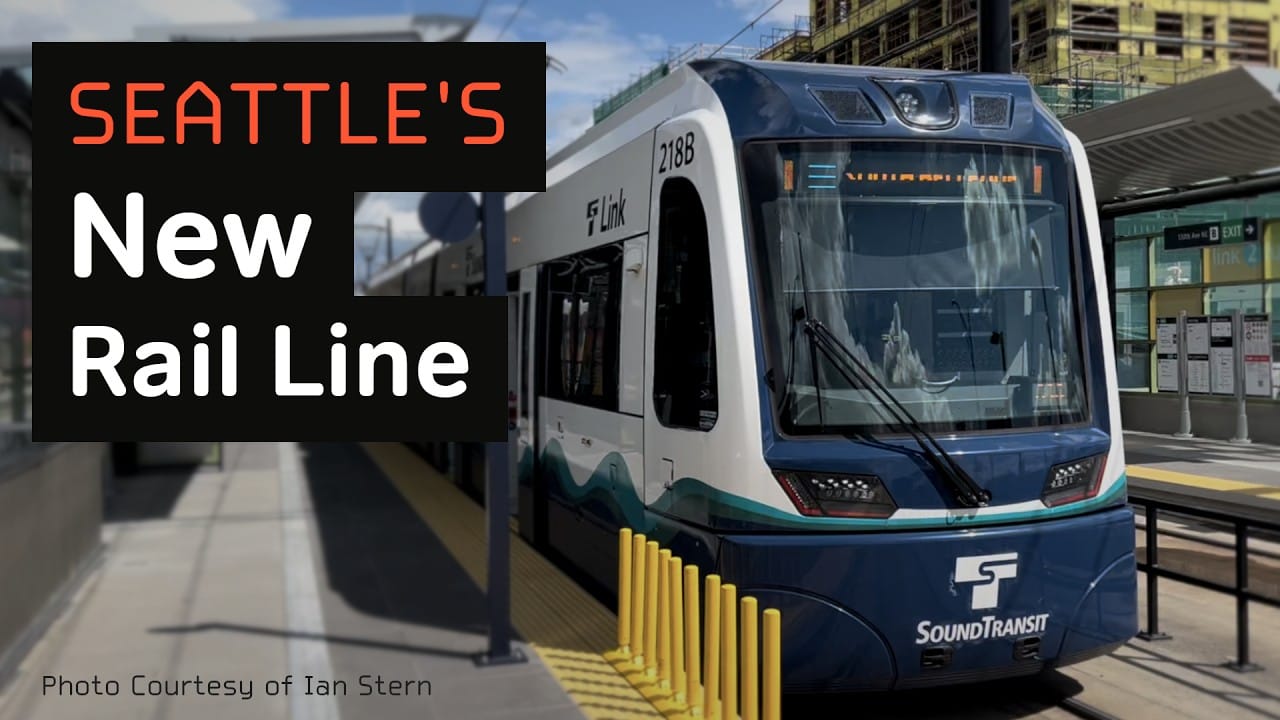
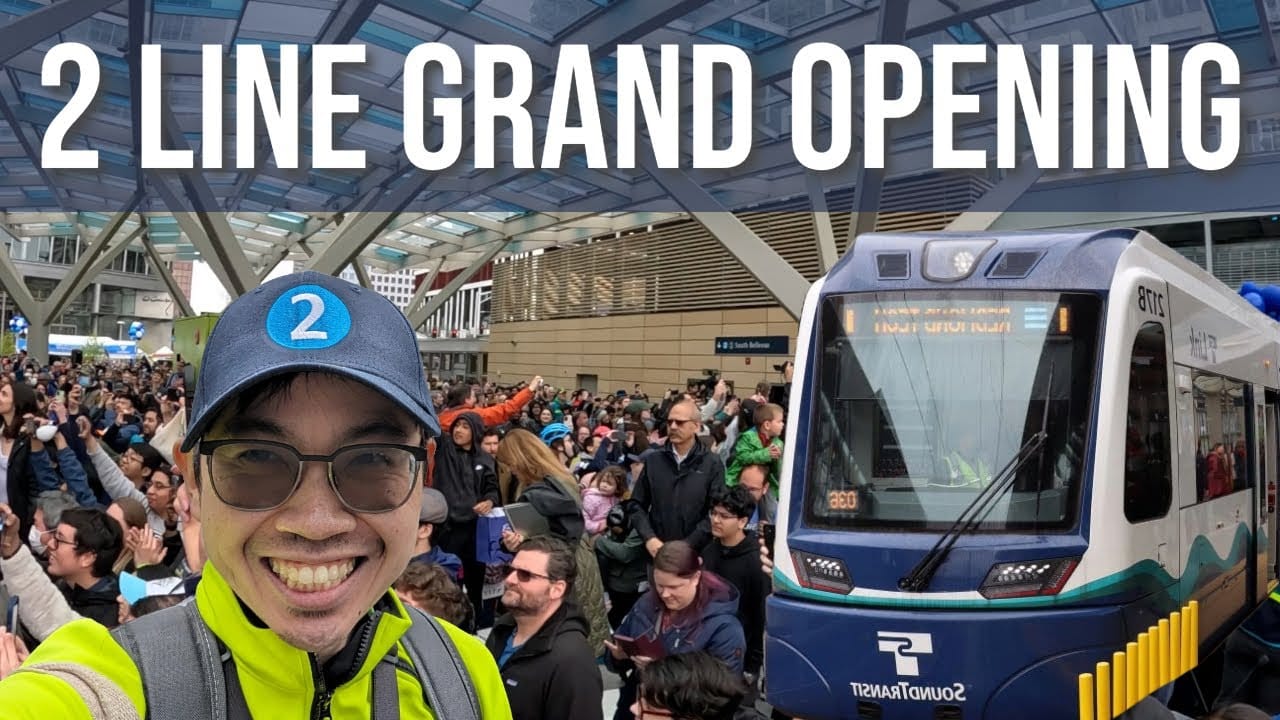
Transit youtuber Thom from Trains Are Awesome did a video on Sound Transit's big 2 Line crosslake connection opening, touching on the history and technology that made it possible.
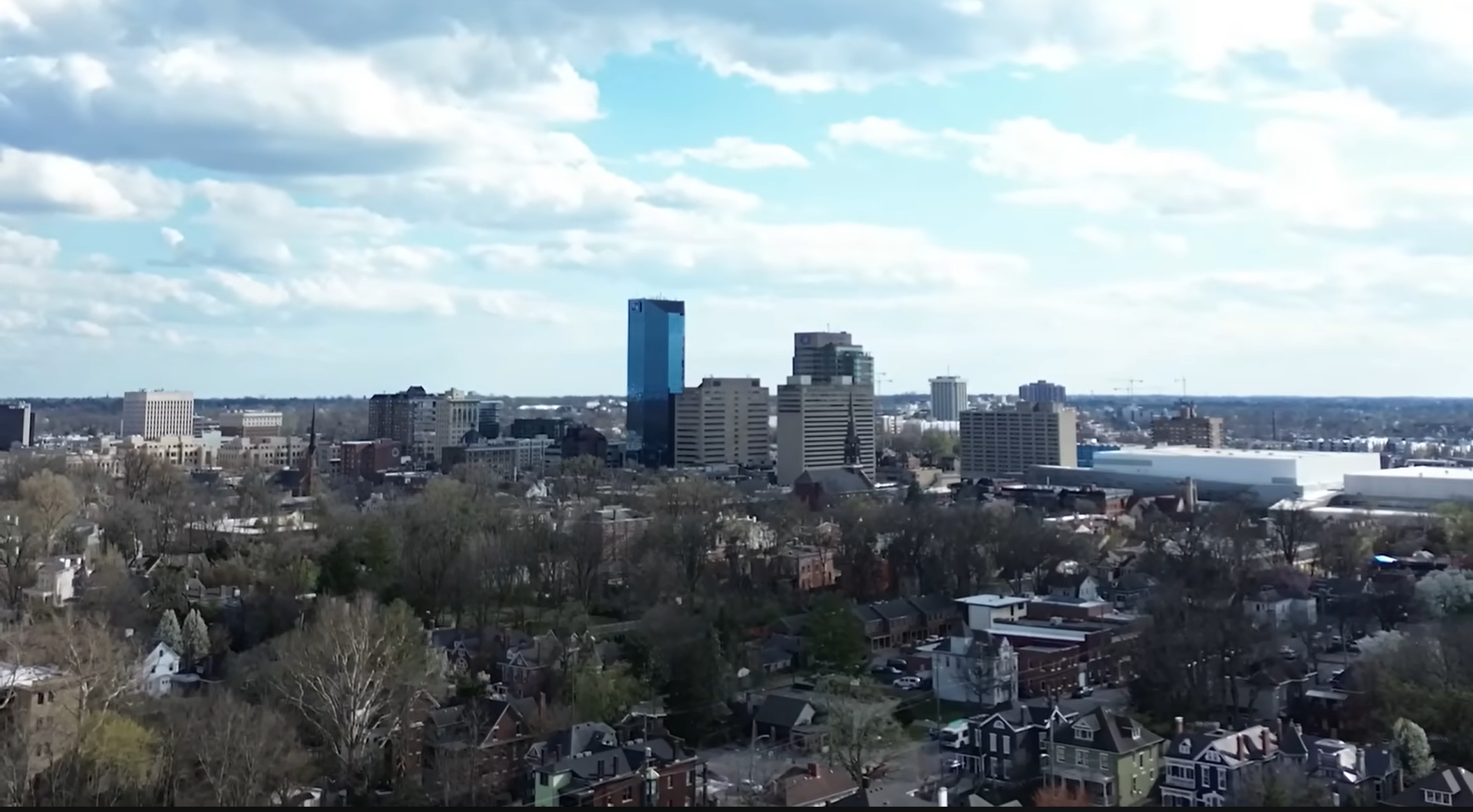
In his most recent video, CityNerd's Ray Delahanty dives into the wonky magic of urban growth boundaries, using the case study of Lexington, Kentucky.
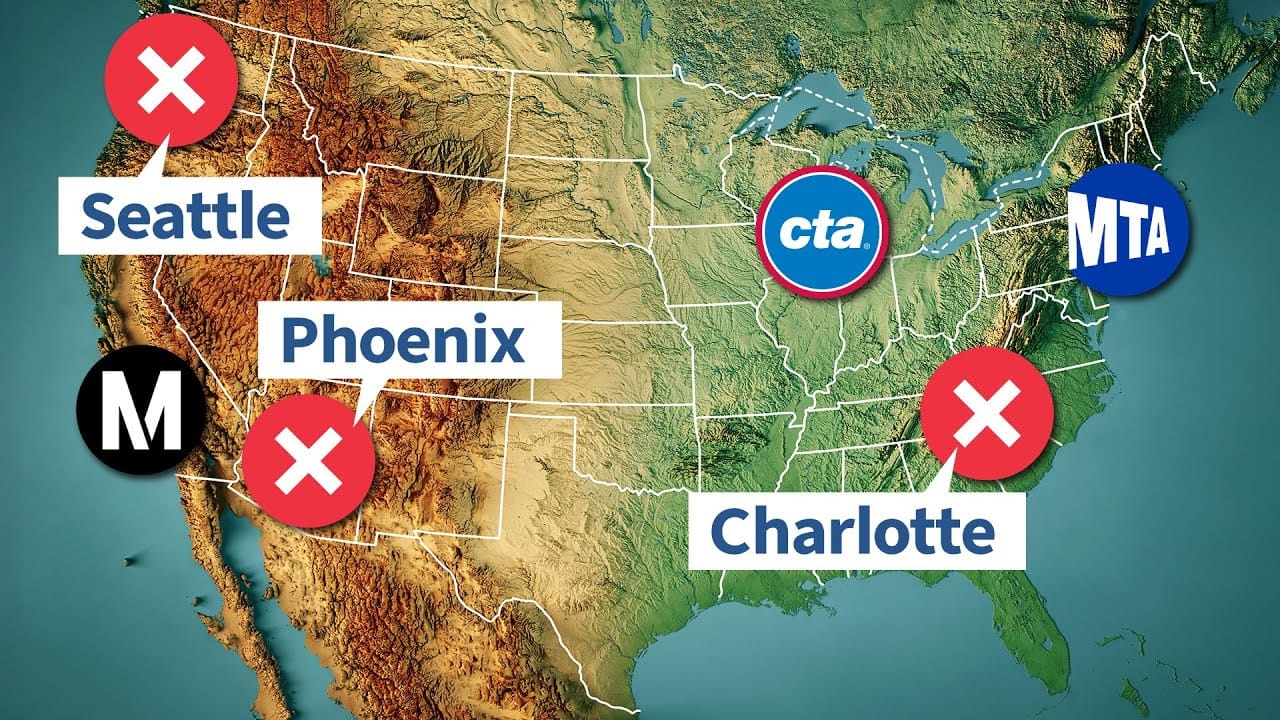
Ray Delahanty of CityNerd ranked the top transit cities in North America based on ridership per capita at the metropolitan scale. Seattle narrowly makes Ray’s top 15 list. Check out who is above Seattle.
Bikeshare growth has waxed and waned over the years. The impact of systems vary greatly today in terms of cost, coverage, equipment availability, and compatibility. Uytae Lee of About Here digs into what sets apart North American bikeshare systems.
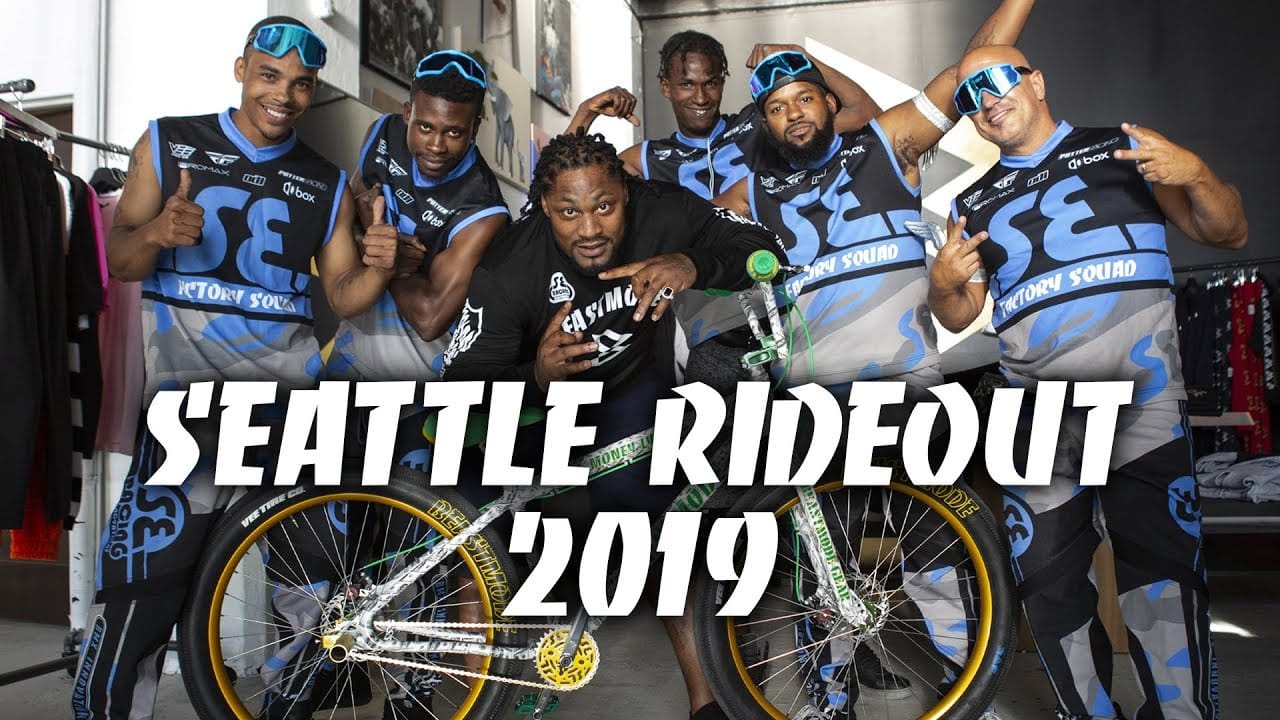
Give Marshawn Lynch the ball and a bike. The Seattle Seahawks legend is still making his presence felt cheering on his old team, or riding around your favorite city on a bike.
In this video, Ray Delahanty of CityNerd takes a dive into what “carbrain” is and how it affects how roads and highways are designed.
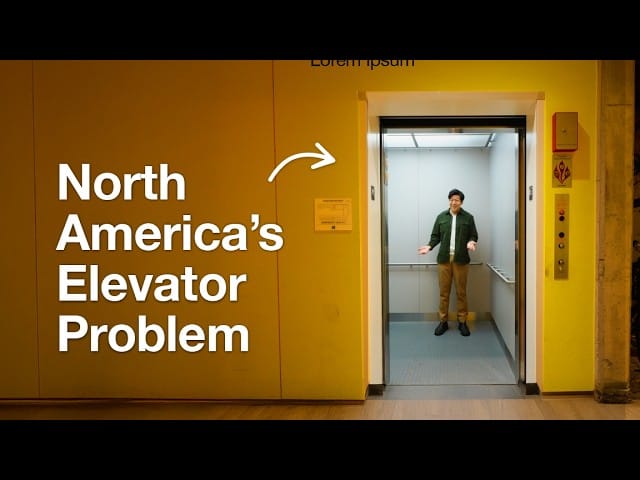
In this video, Uytae Lee of About Here teamed up with Seattle-based environmental thinktank Sightline Institute to talk about North America’s elevator problem. Elevators have been made rare and costly by clunky regulations, which may be ripe for serious reform to make elevators affordable and desira
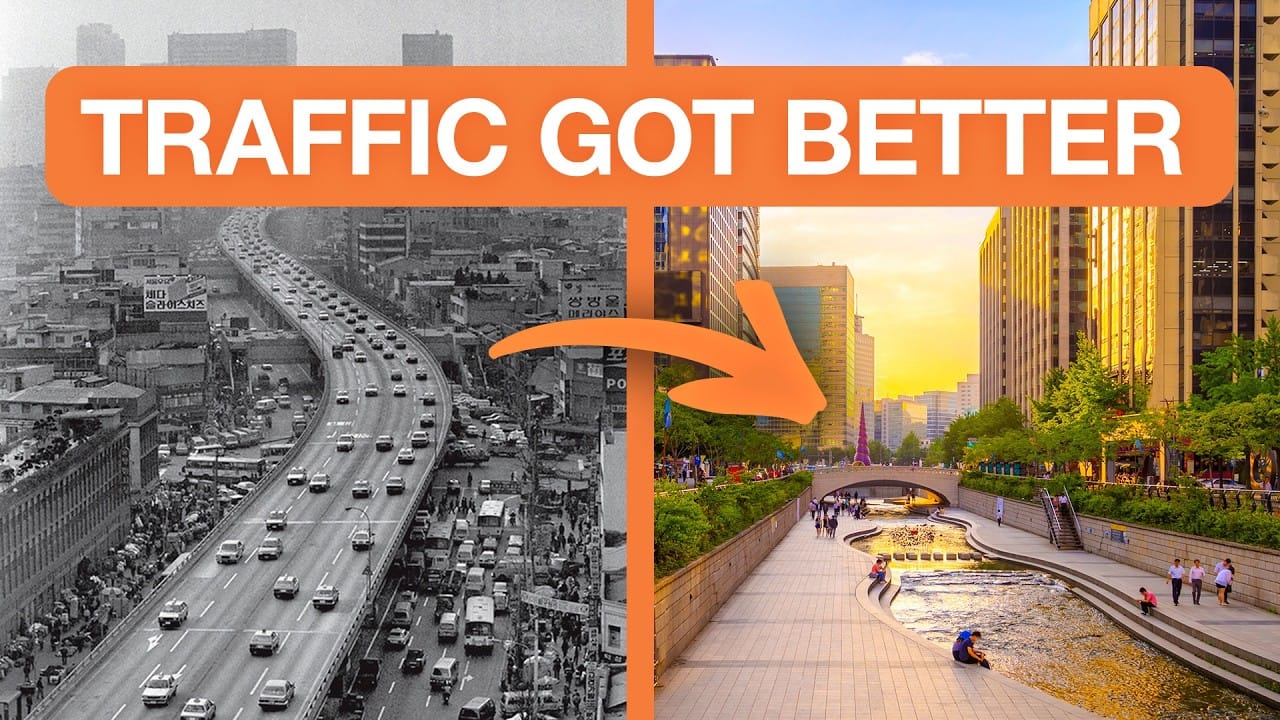
Jason Slaughter of Not Just Bikes showcases what Cheonggyecheon Expressway is like today, after being converted back to a creek and pedestrian pathway, including newer improvements in recent years.
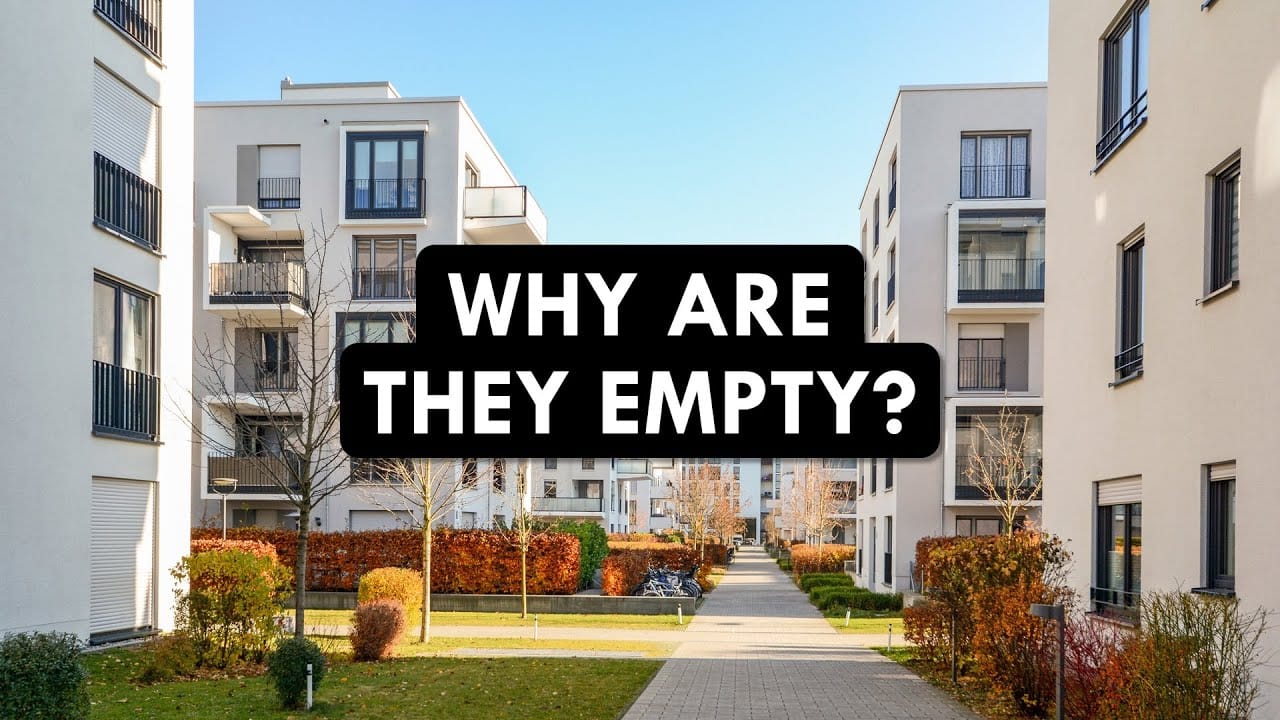
Ray Delahanty of CityNerd debunks the myth that vacant homes could single-handedly solve the housing crisis, explaining with data why America doesn’t have anywhere close to 15 million homes readily available to fill the national housing shortage.
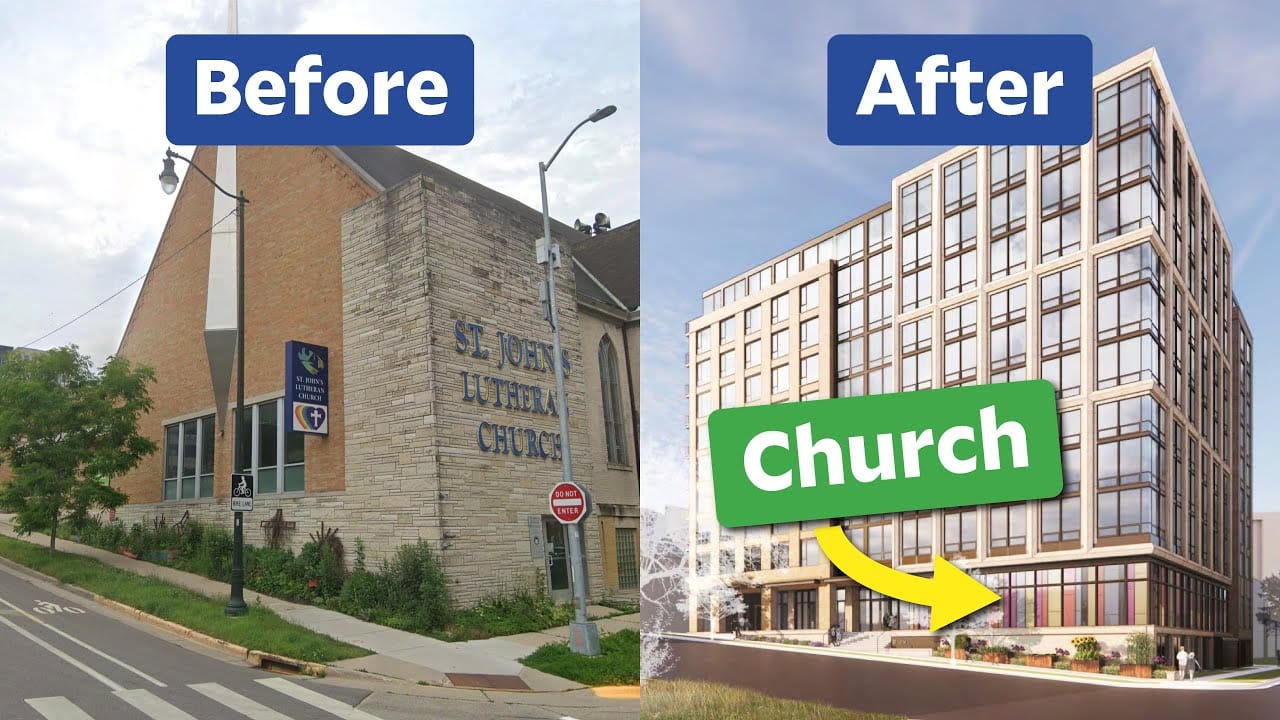
In this video, Dave Amos of City Beautiful talks about a growing national movement of faith-based organizations that are seeking to put their landholdings to work for housing, known as Yes-In-God’s-Backyard (YIGBY), and the obstacles that the movement faces.
Ray Delahanty of CityNerd pushes back on doomsday conservative portrayals of Portland, Oregon by taking a bike tour of the city, showing lots of vibrant street life, urban redevelopment, and some great safe streets interventions.
Uytae Lee of About Here ticks through the design entrants at a recent mass timber architecture competition, showcasing the vast architectural diversity possible with the eco-friendly construction method.
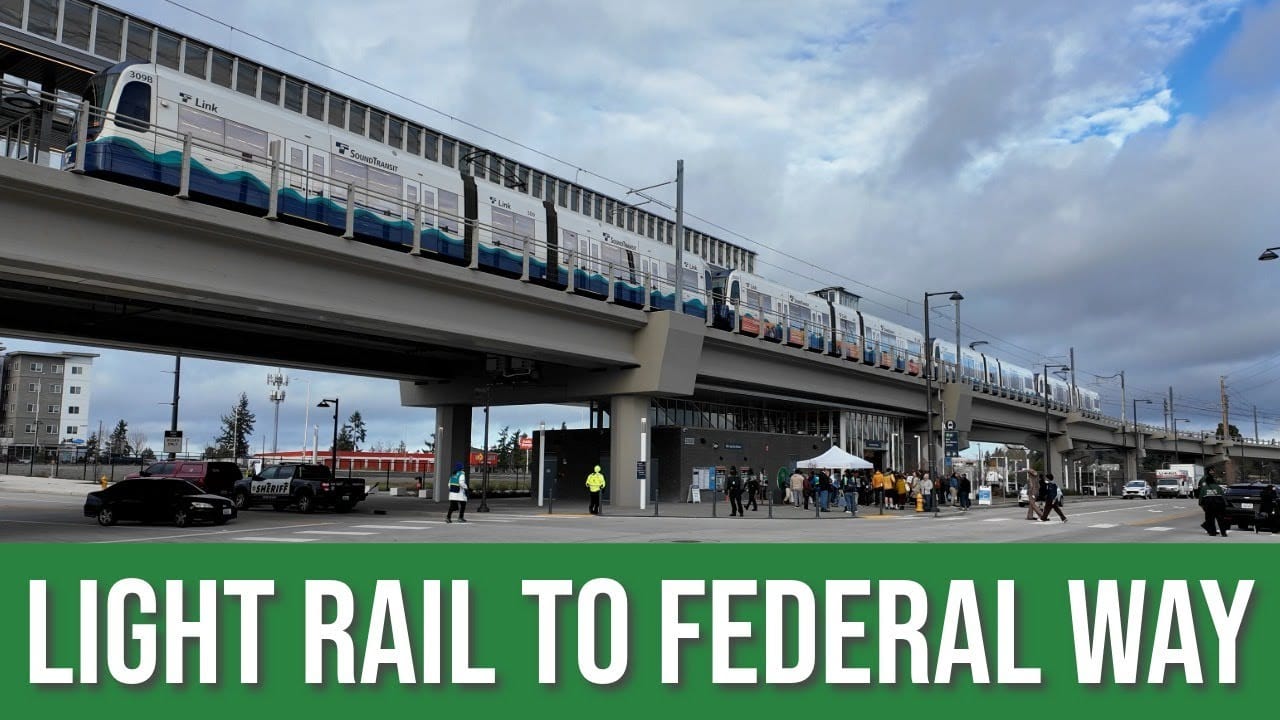
In this short video, Hanoch Yeung of Best Side Cycling shares vignettes of Federal Way Link opening day events, some in-motion clips along the route, and elements of the station grounds at the there new light rail stations.
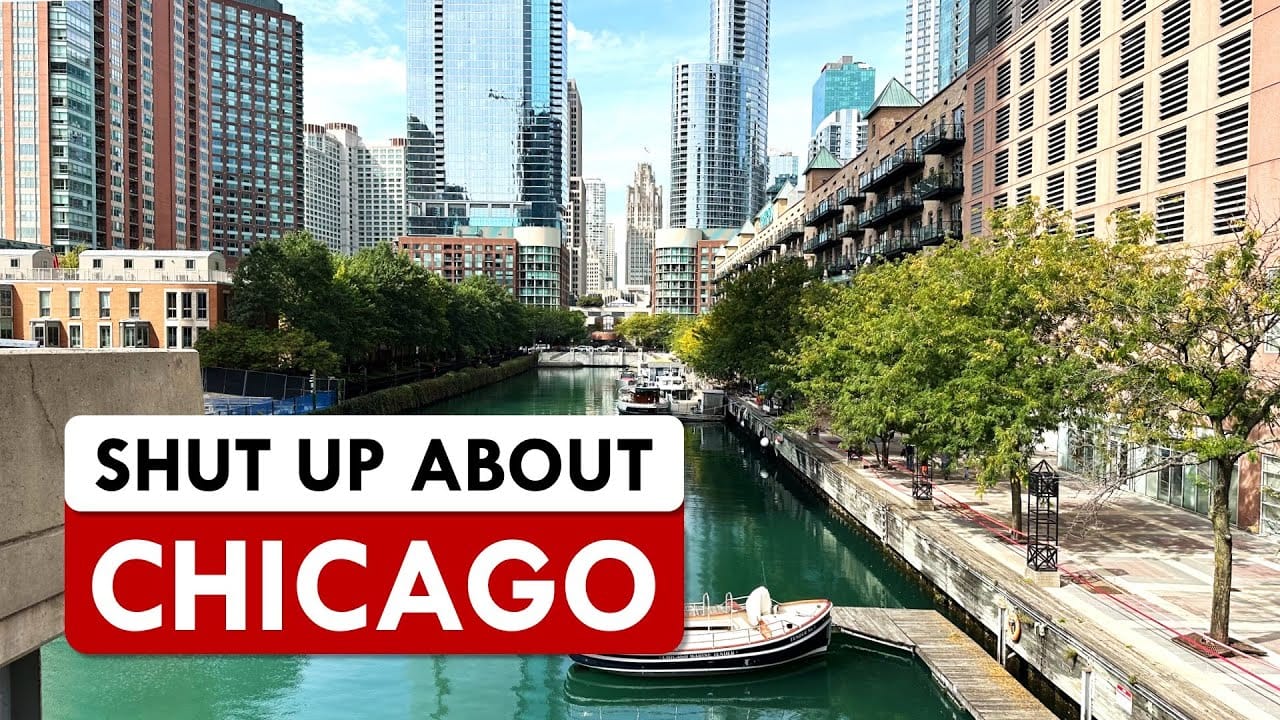
Chicago has gotten a lot of national attention this year, but not for the reason we’d usually hope. Ray Delahanty of CityNerd, however, made a recent visit to check out what’s happening in the city and found that it was well and vibrant. Delahanty ticks through the L
America’s housing crisis is a complex and persistent problem. There isn’t just one reason for the housing crisis, but rather many compounding policy, demographic, and technological reasons that have led to it. In this video, Dave Amos of City Beautiful documents how the country has slow walked into
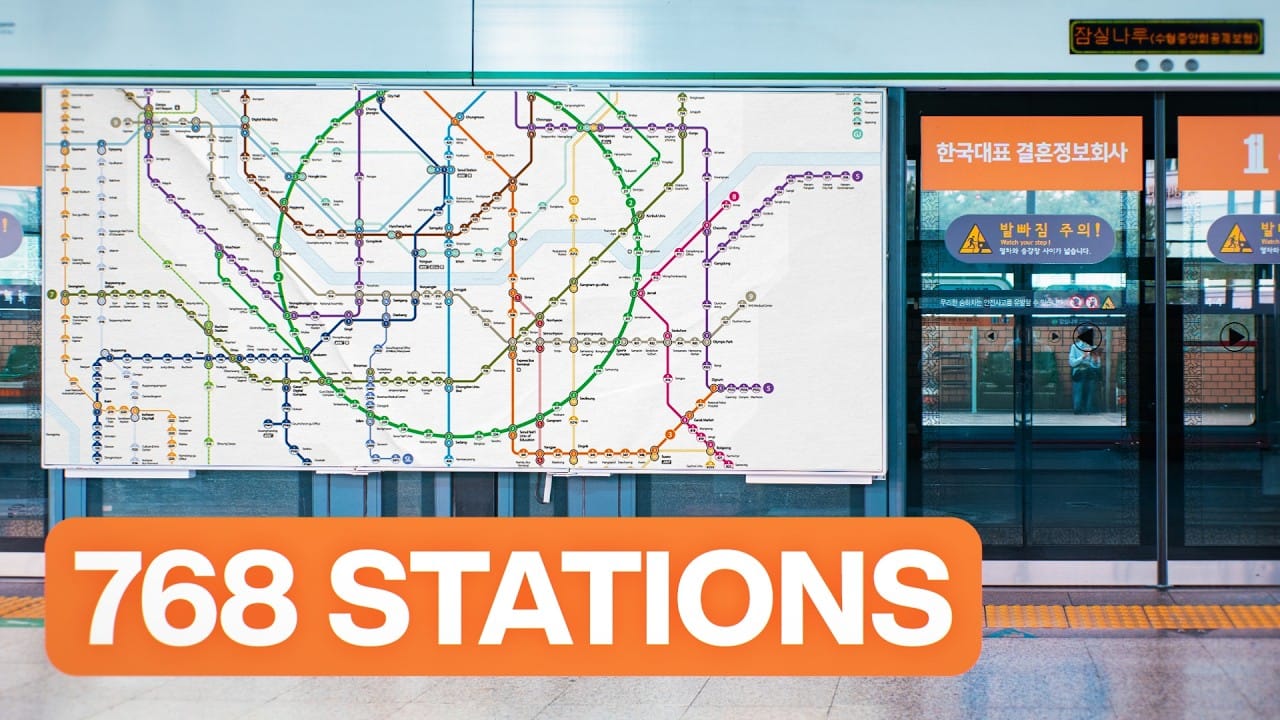
Seoul consists of a very densely populated region in South Korea with more than 26 million people — about half the country’s total population. Consequently, public transportation is critically important in moving people within and beyond the metropolitan area. The Seoul Metro alone has well over 600 stations crisscrossing the
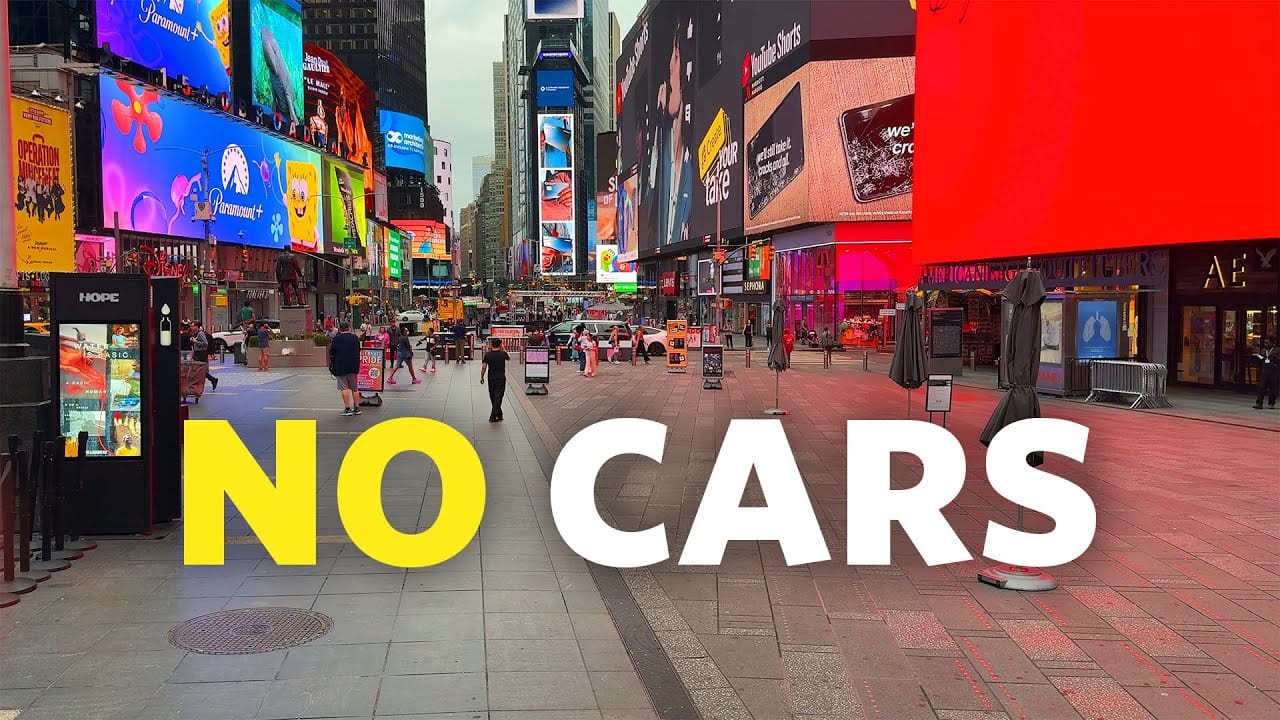
Dave Amos explains how New York City has increasingly moved toward pedestrianizing Broadway and how the effort is transpiring.
Seattle Mayor Bruce Harrell and progressive challenger Katie Wilson have debated many times over the course of the general election, and one of the most recent was at Seattle University and co-sponsored by KOMO. Seeking to make up ground after finishing a distant second in the primary, Harrell continued to
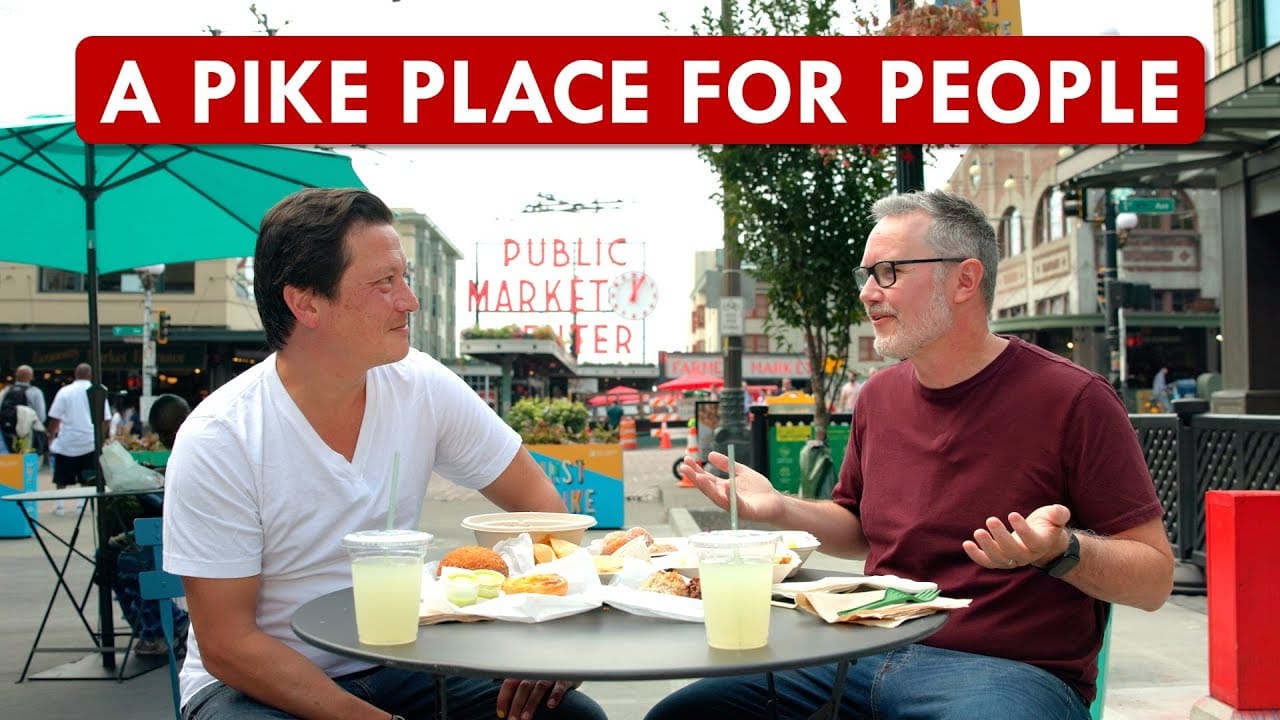
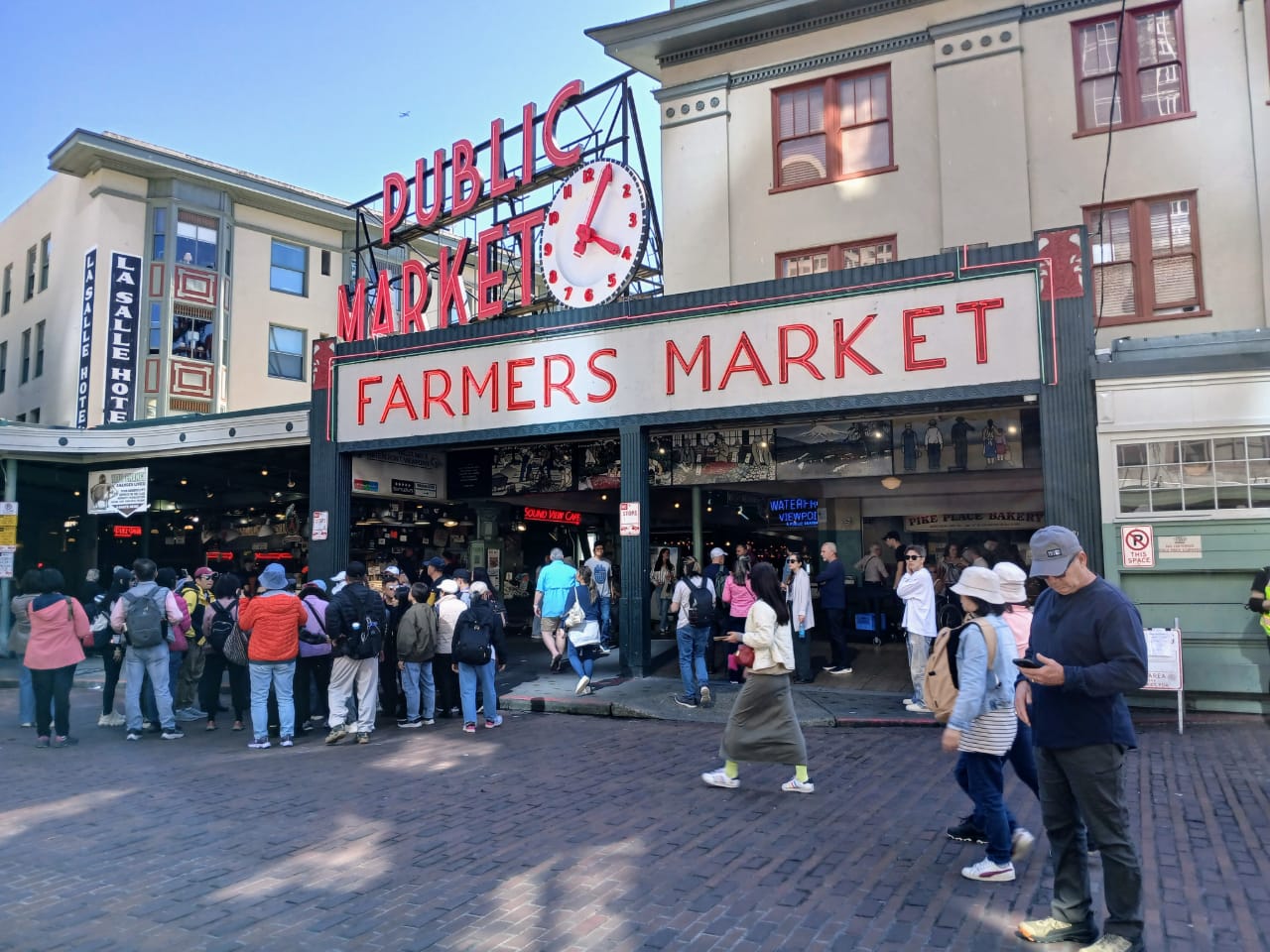
CityNerd host Ray Delahanty recently visited Seattle and made a video with food blogger Kenji López-Alt while he was in town, focusing on what makes Pike Place Market great. Obviously, the pedestrianization of Pike Place came up, with the duo noting program has created more space for people walking
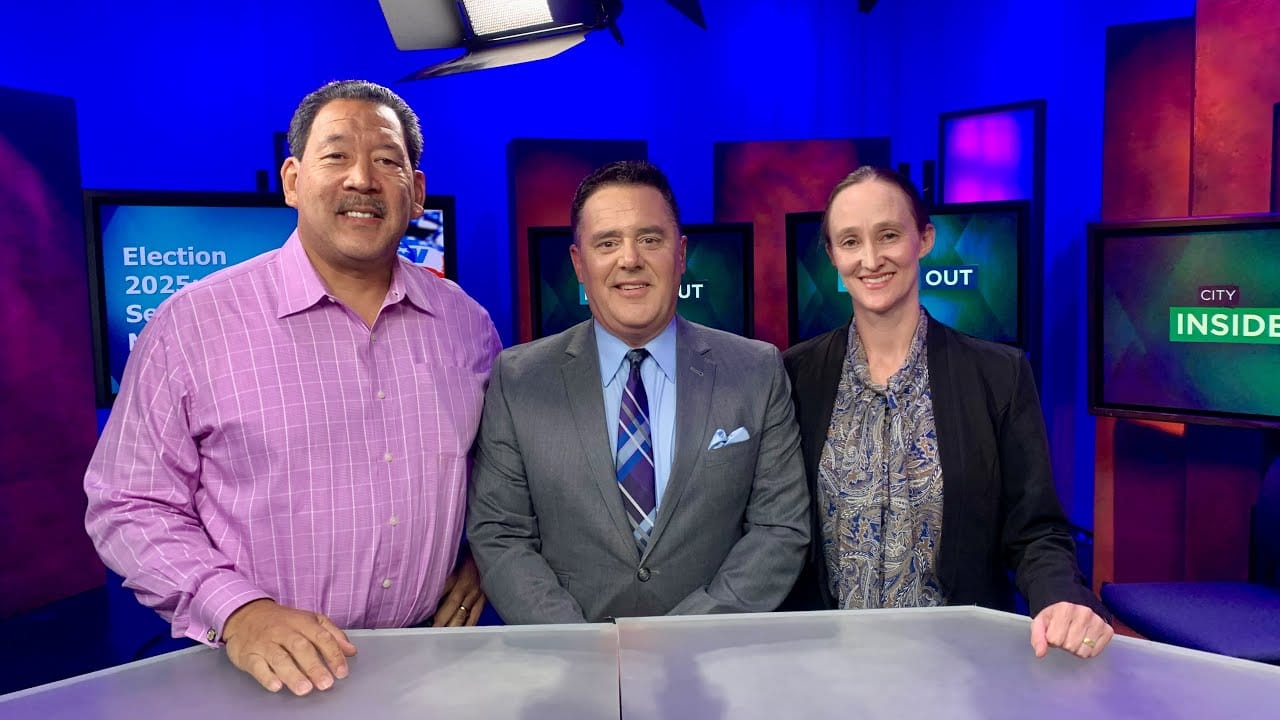
Seeking to fend off progressive challenger Katie Wilson, Mayor Bruce Harrell took a combative tone in the first debate of the general election season, recently aired by Seattle Channel’s City Inside Out. Harrell frequently attacked and spoke over his opponent, hoping to land a punch that could shake
Civil engineer Donna Breske produced a video digging into the issue of excessive water hook-up costs blocking homebuilding and driving up housing costs. She argues Seattle needs a systemwide plan to upgrade water mains that is not dependent on gouging builders.
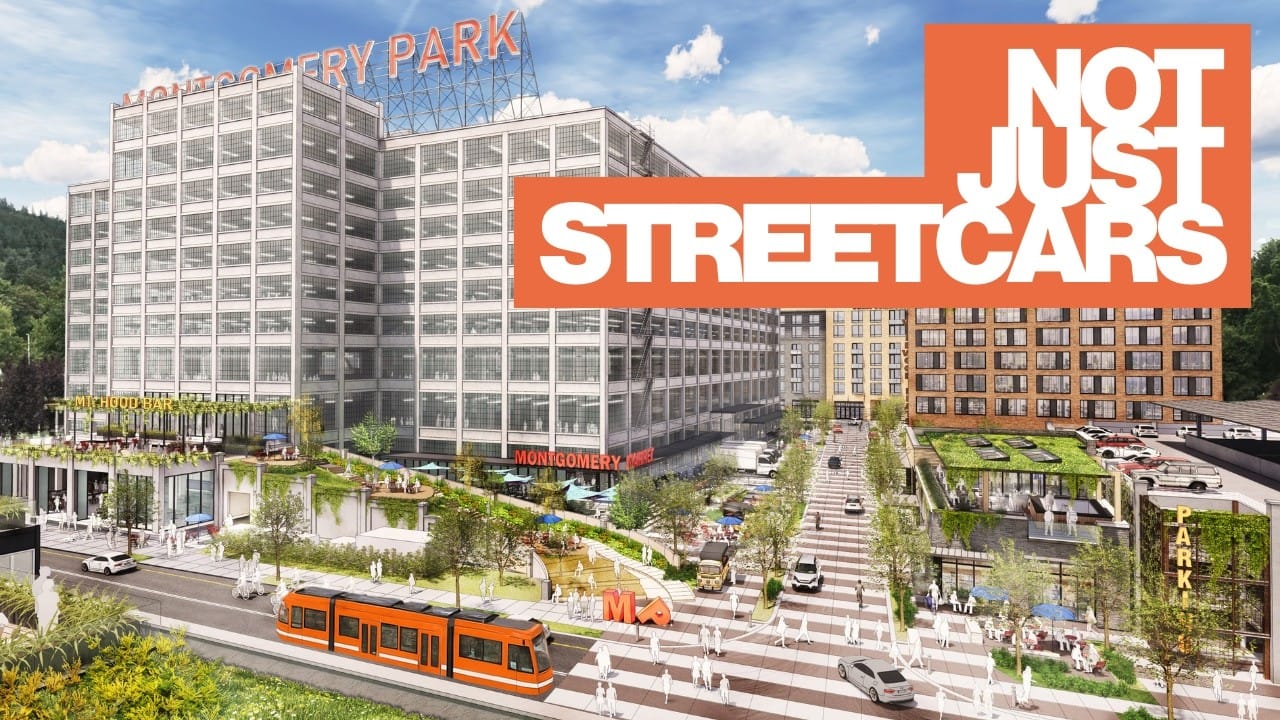
Urbanism-focused Youtuber Fourth Place delved into Portland’s streetcar extension planned to its Montgomery Park neighborhood, just northwest of its existing streetcar loop.
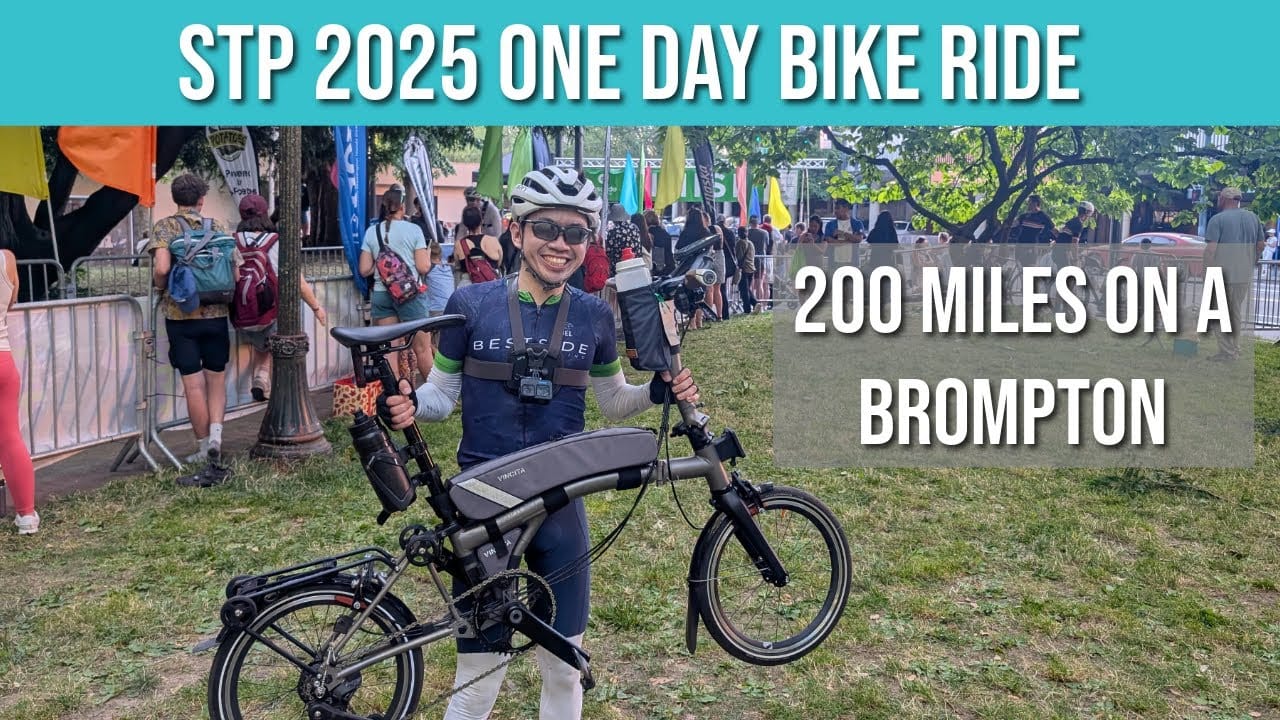
On July 12, Cascade Bicycle Club hosted its annual Seattle-to-Portland bike ride, and local Youtuber Best Side Cycling tackled the ride in one day on a Brompton and documented the whole experience. The video is a great introduction to the 207-mile ride, which is in its 46th year.
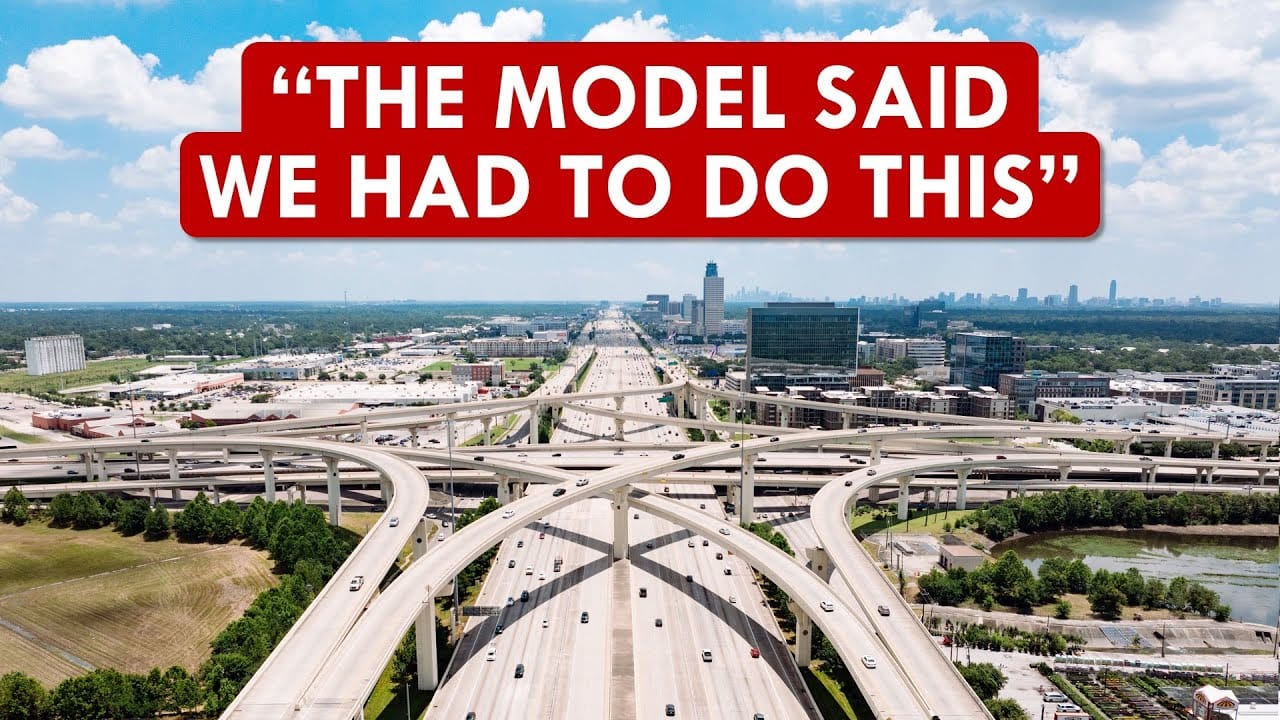
Ray Delahanty of CityNerd illuminates how traffic models work to reinforce bad assumptions and create inaccurate modeling that supercharges highway expansion. The result is a self-fulfilling prophecy that keep the U.S. trapped in a car-centric world, rather than investing in a greener future with mo
Rollie Williams of Climate Town dives into the long history of how road congestion pricing came to be and why it provides so many social, economic, and environmental upsides for the New York region.
Dave Amos explores the issue of the dearth of rapid transit expansion in the U.S. over the last half-century. He highlights some unique exceptions and the move toward light rail systems instead. Density seems a key culprit for the dearth of metro systems.
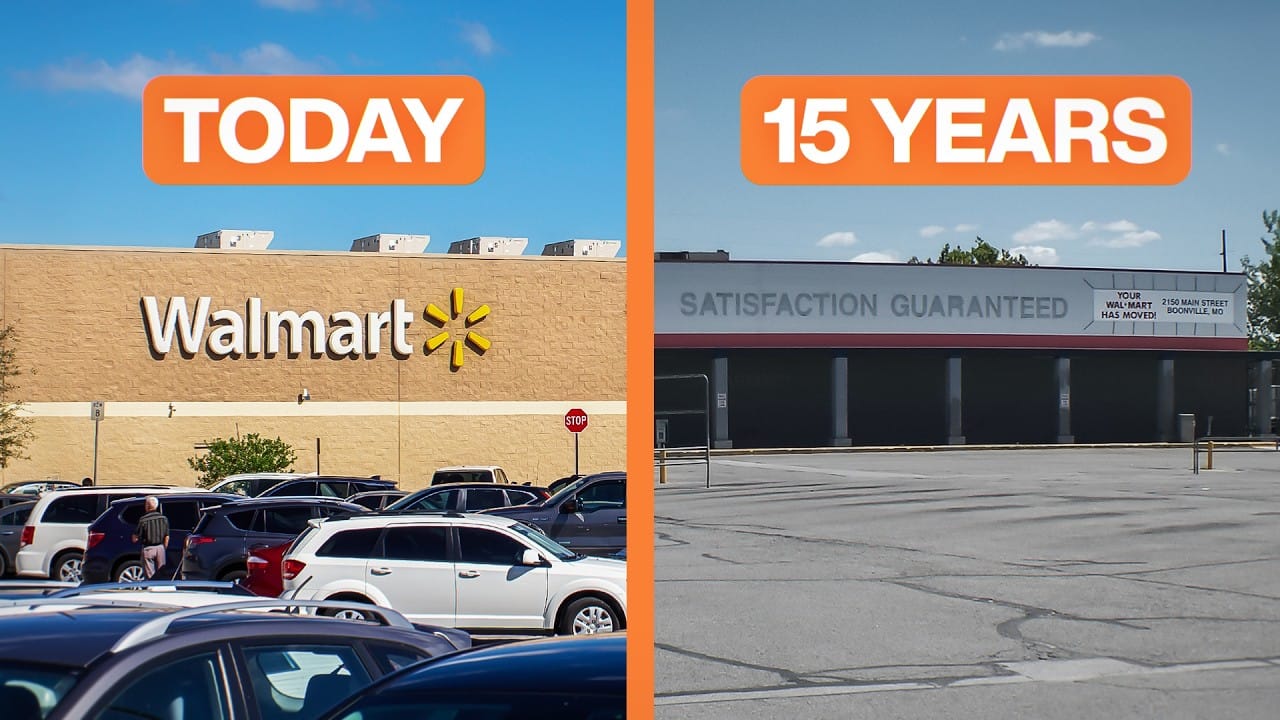
Big box stores have become a common feature of American suburbs most everywhere. Many are still going, albeit it with lower foot traffic volumes, and others have closed. But the impacts of them on land use patterns, transportation systems, and municipal coffers are often problematic. Dave Amos of City Beautiful
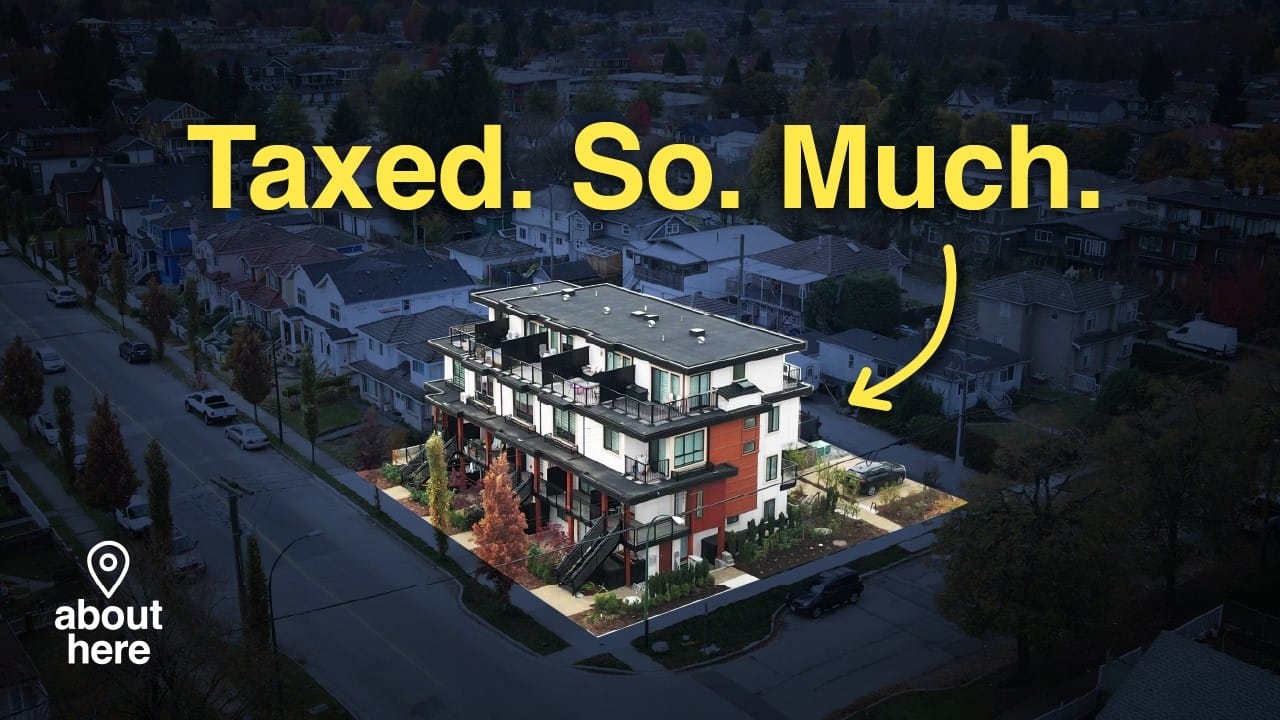
Uytae Lee of About Here dives into development fees and taxes, which contribute to a significant proportion of new housing costs. In many North American cities, housing taxes have been increasing much faster than inflation. But why are they increasing so much, what are they used for, and how does th
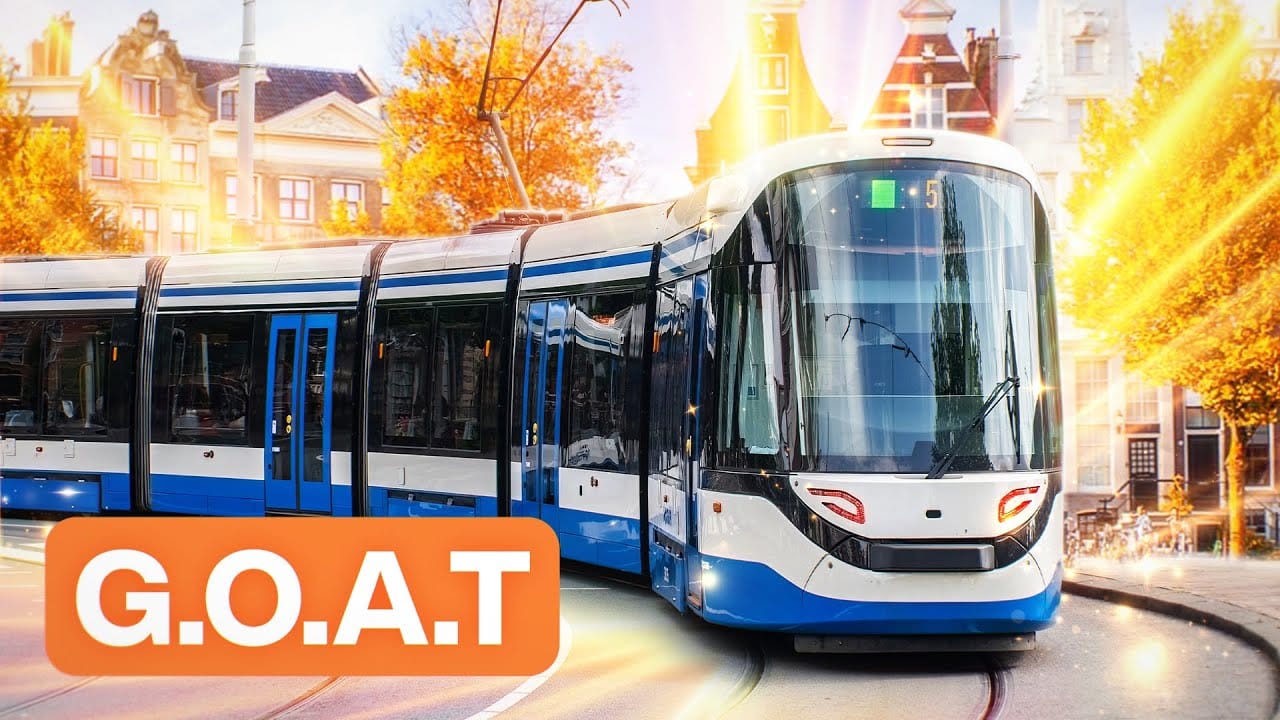
Trams get a lot of praise and criticism among urbanists and urban transportation advocates. Opinions vary wildly on their utility in cities, but Jason Slaughter of Not Just Bikes makes an in-depth case for why he thinks trams help create better streets, mobility, and land use environments than buses
Best Side Cycling gets on-the-ground at Pike Place Market to explore recent access changes that urbanists around the region are celebrating, a big step toward making Seattle’s biggest tourist destination more people-centric.
CityNerd’s Ray Delahanty rebutted Conor Dougherty’s New York Times pro-sprawl op-ed. Via his spicy top 10 list,” Delahanty shows how density generates high-amenity, livable neighborhoods that are far less car dependent than the sprawling suburbs that Dougherty celebrates in his hot take.
Big box stores are hollowing out North American cities, reinforcing sprawl and driving, destroying local businesses, and financially draining communities. Jason Slaughter of Not Just Bikes explains all that and more in his latest video.
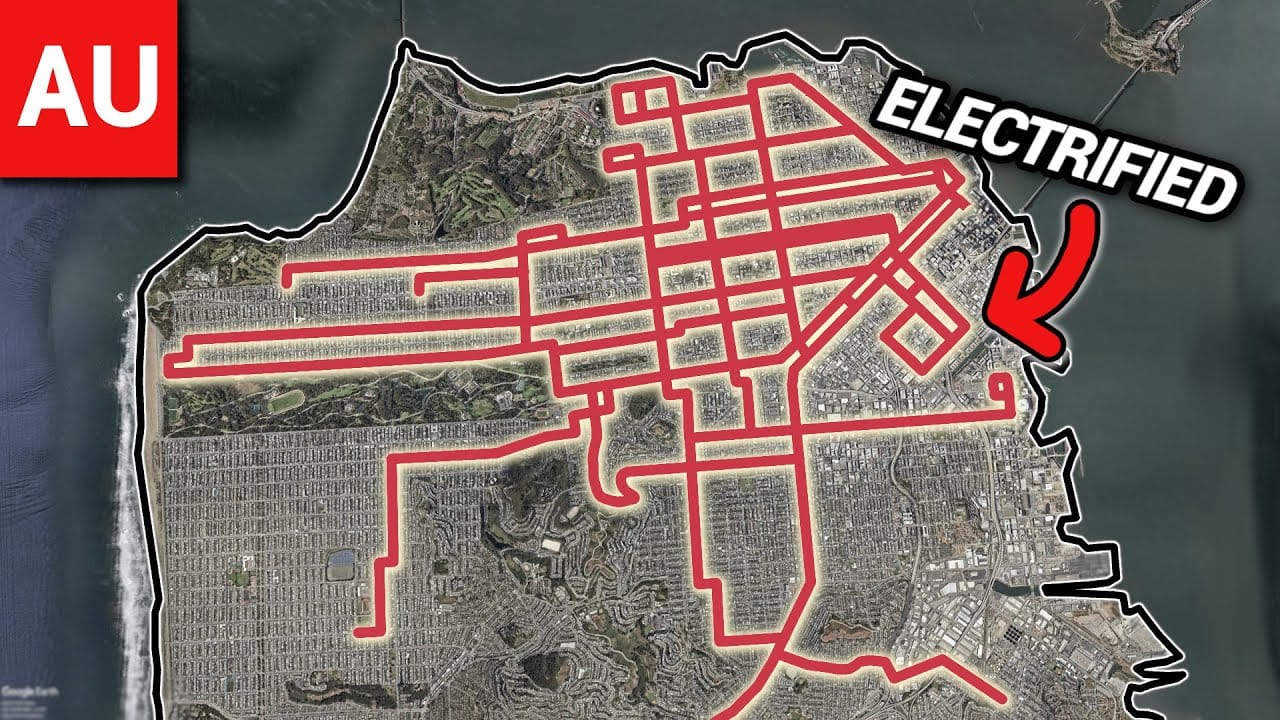
Alan Fisher of Armchair Urbanist dives into how San Francisco is ready-made for electric trolleybuses and has a robust network of them today — just like Seattle. Fisher explains why they’re better than battery-electric buses and how, with a little effort, San Francisco could widely expand electric t
Ray Delahanty of CityNerd takes a look at what Hoboken, New Jersey has been doing on safety. Across the river from New York City, the city hasn’t been a road fatality since 2019 and has worked hard to implement Vision Zero redesigns on streets citywide.
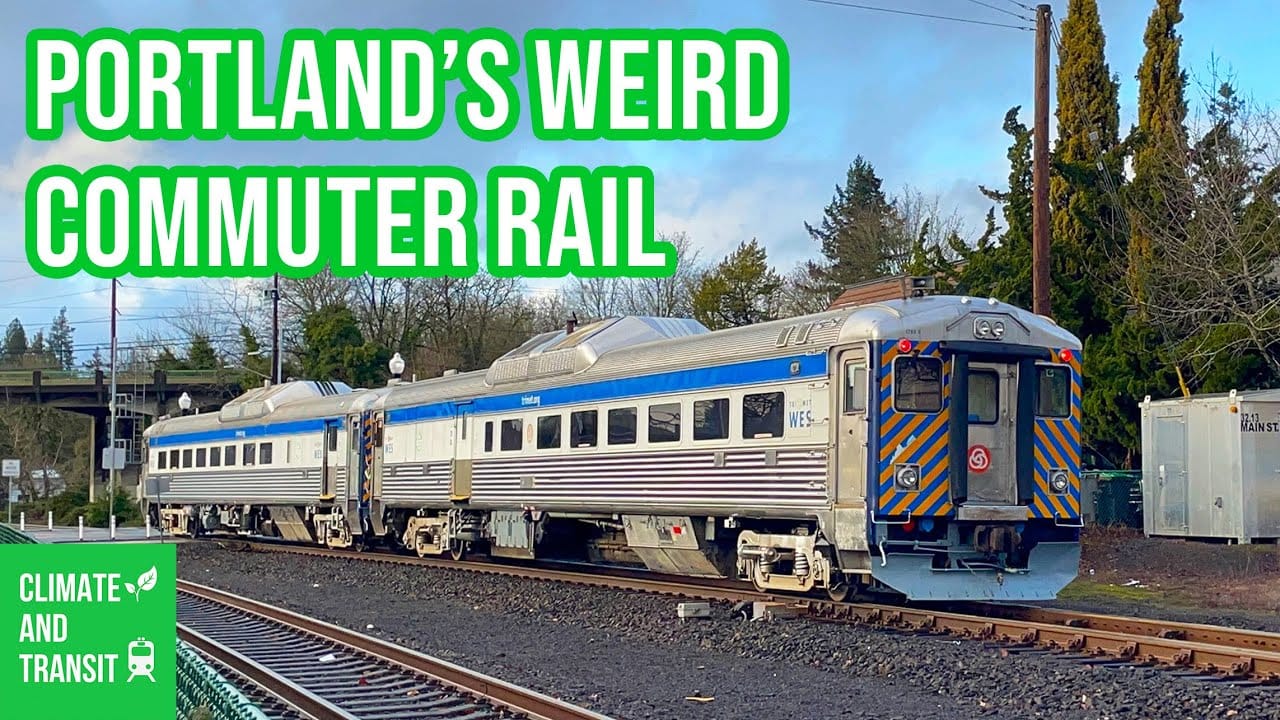
In this video, Climate and Transit dives into the history of Portland’s Westside Express Service commuter rail line and what the future could hold for the “weird” and aging service.
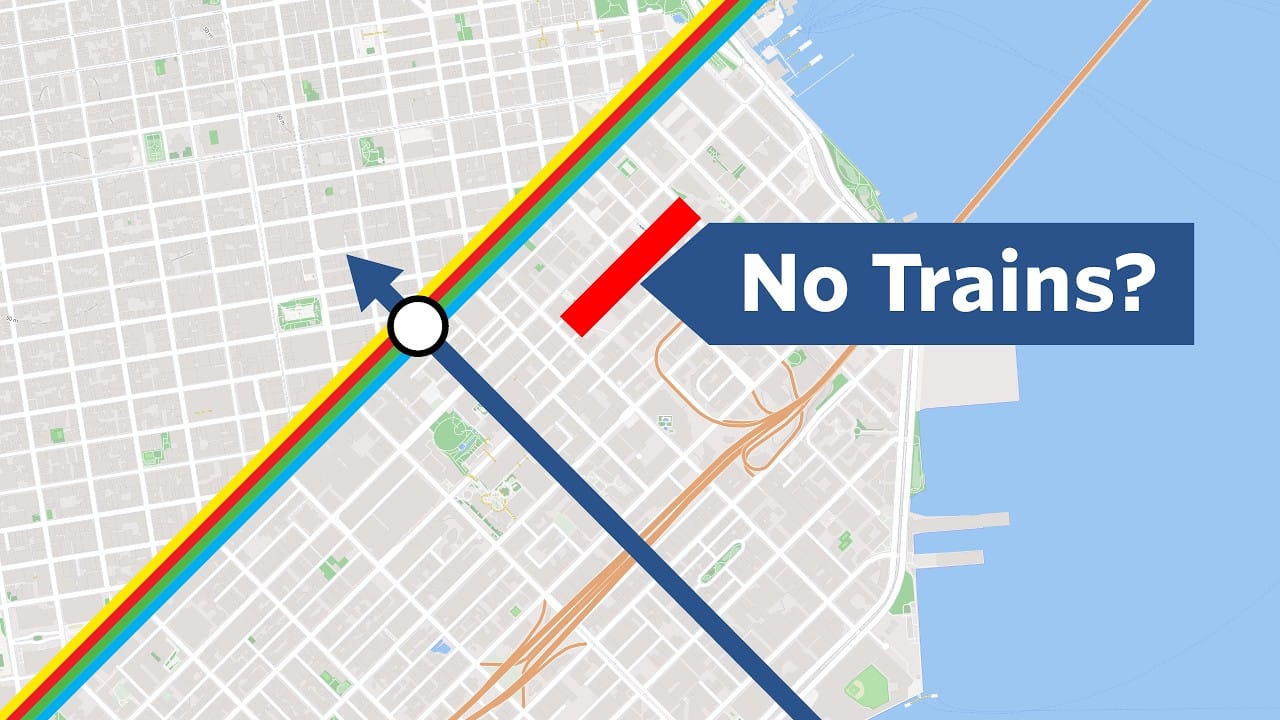
For years, transit proponents have pitched ideas to improve reliability and speed of Link light rail south of Chinatown-International District. The circuitous, slow, and often dangerous at-grade section through the Rainier Valley has consistently been the Achilles heel of the network. That’s led to groups like Seattle Subway to
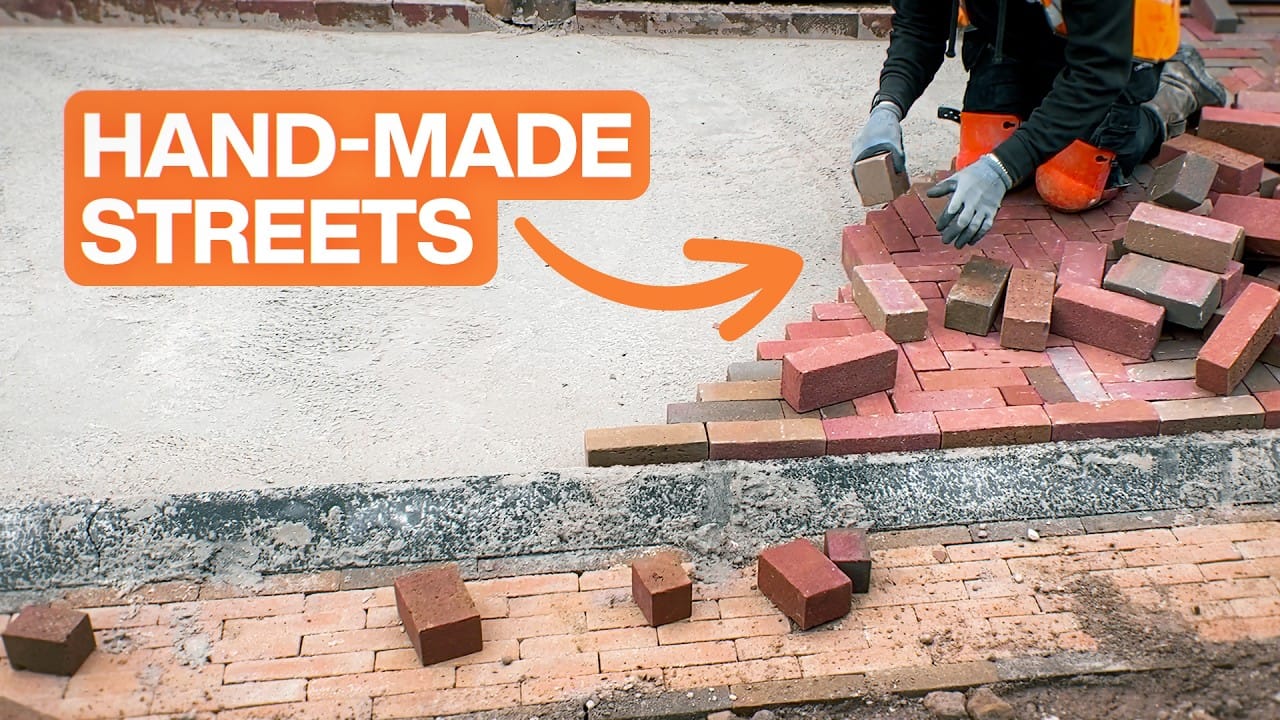
Not only are the Netherlands’ brick streets more aesthetically pleasing than typical American streets, the modern klinkers (bricks) that make up most Dutch streets are just more practical. Jason Slaughter of Not Just Bikes dives into how brick streets are designed and installed, and what makes them
Dave Amos of City Beautiful dives into the thorny issue of punishing bad drivers and the many challenges that stem from lawlessness and impunity on roadways.
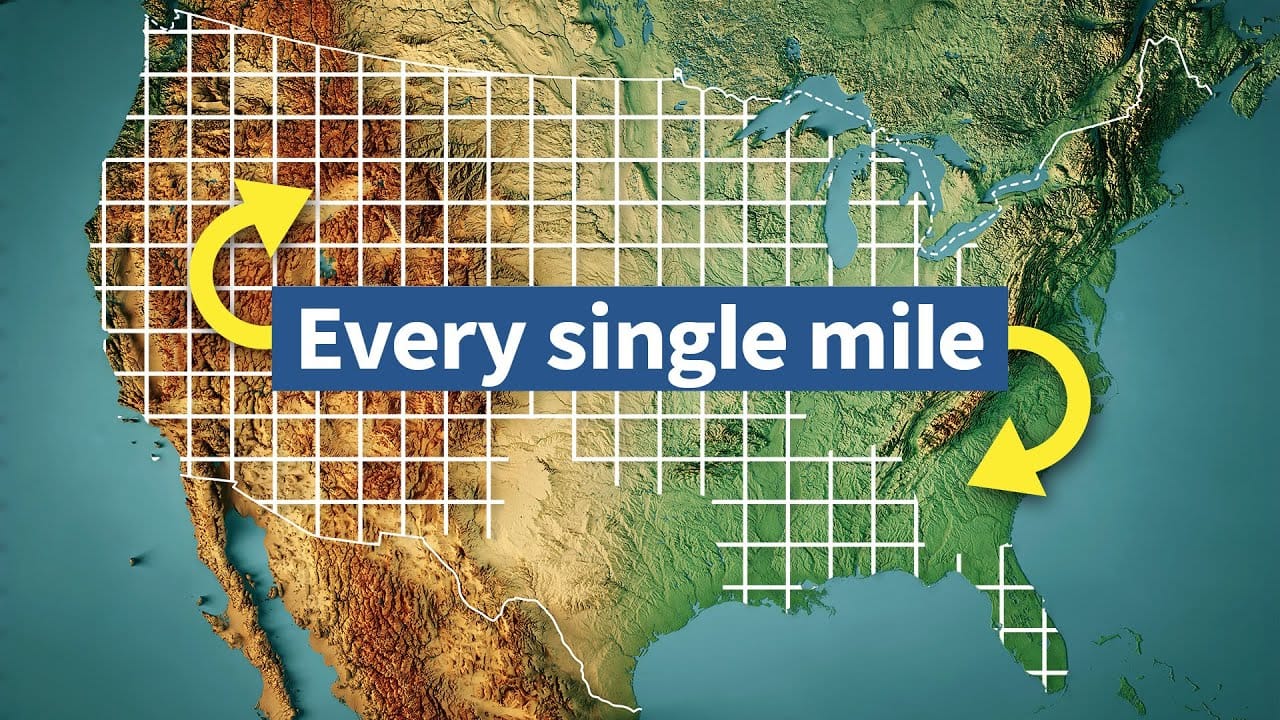
Dave Amos of City Beautiful dives into the history of the Public Land Survey System and how it has affected much of the United States in big and small ways.
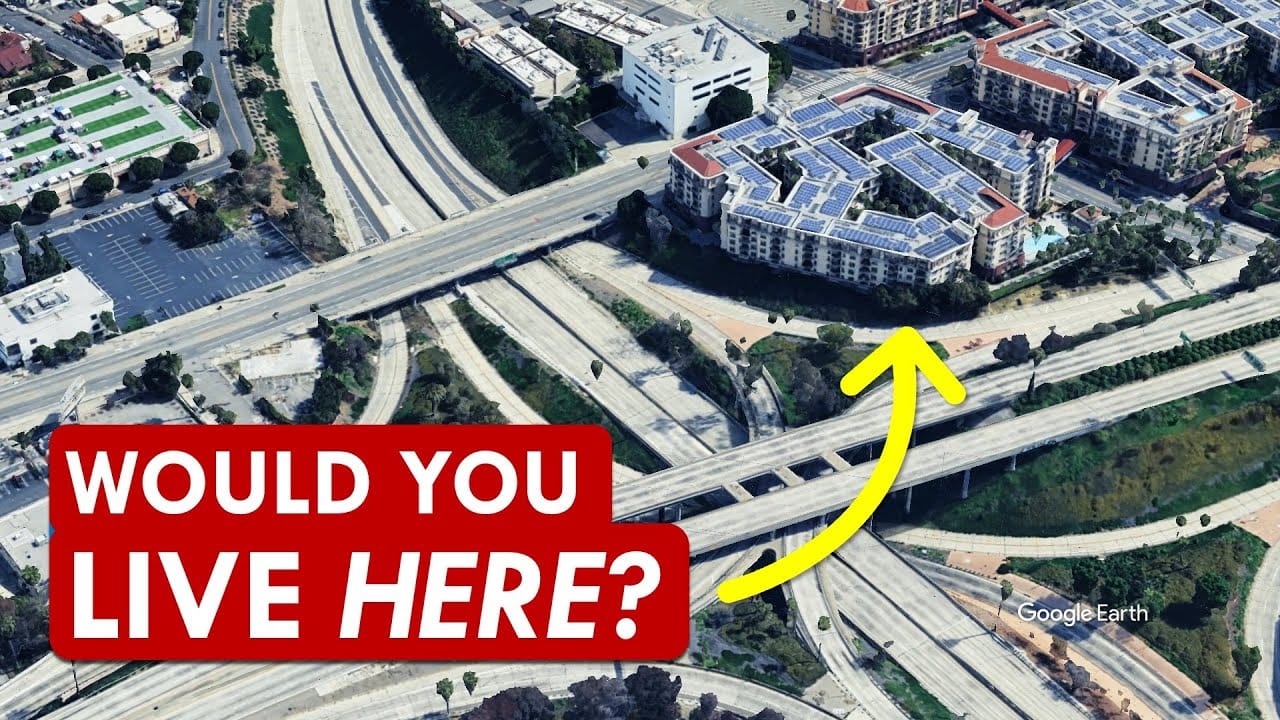
In this video, CityNerd’s Ray Delahanty digs into the public health effects of freeways. Pollution impacts fall most heavily on people who live near freeways.
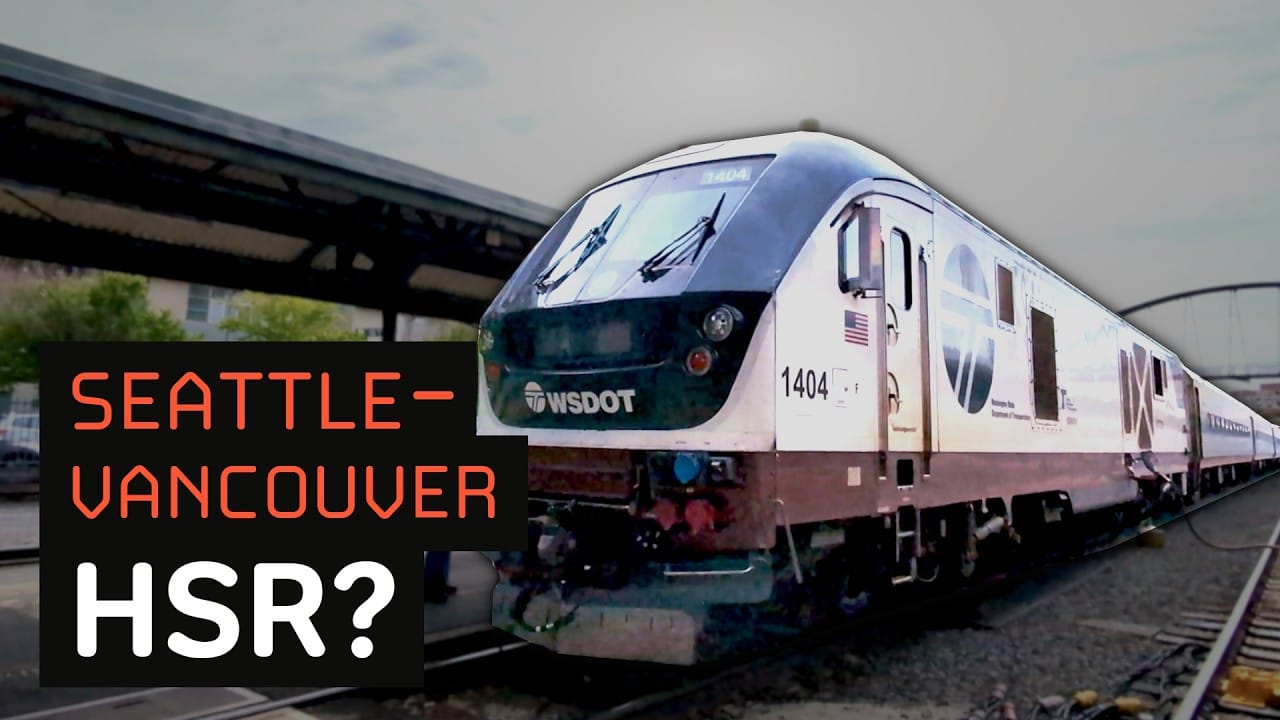
High-speed rail as in investment in Cascadia remains a popular policy idea, but Reece Martin of RMTransit makes the case for prioritizing higher-speed rail upgrades to Amtrak Cascades.
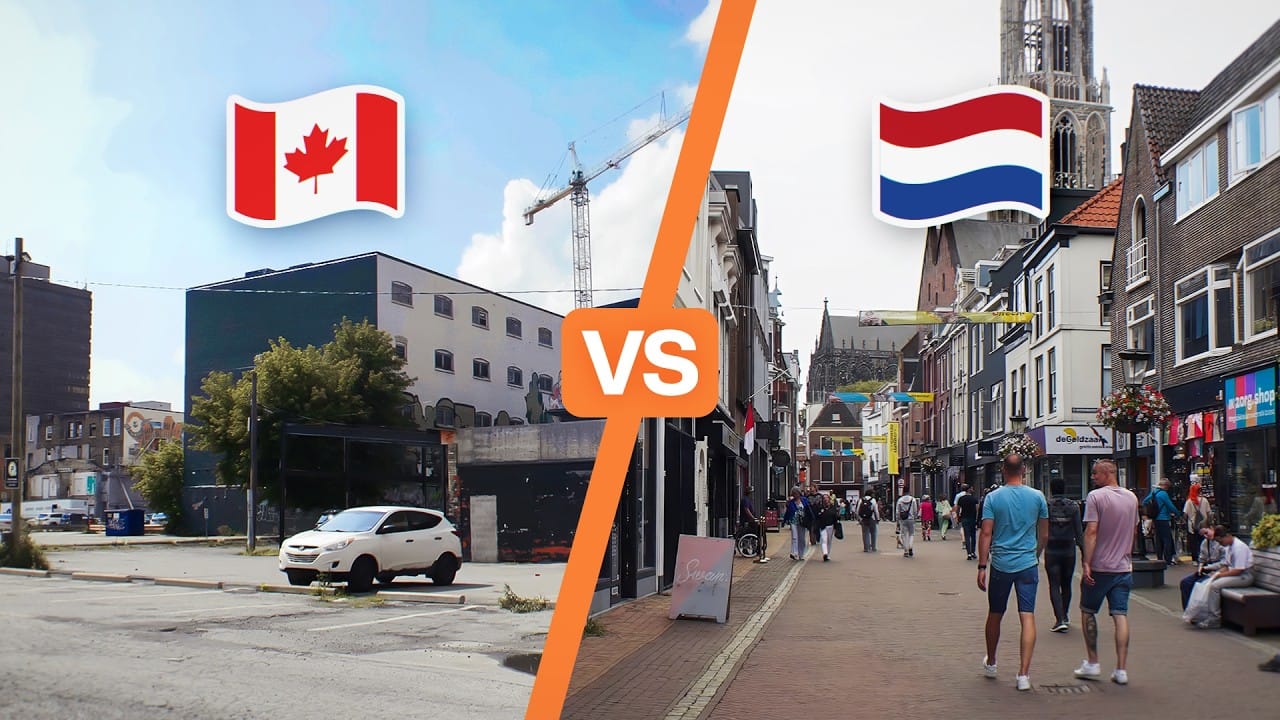
Jason Slaughter of Not Just Bikes compares Utrecht, Netherlands and London, Ontario, showing how both cities became car-oriented in the mid-century era. However, Utrecht uniquely undid the damage, becoming a city highly oriented around pedestrian, bike, and transit infrastructure.
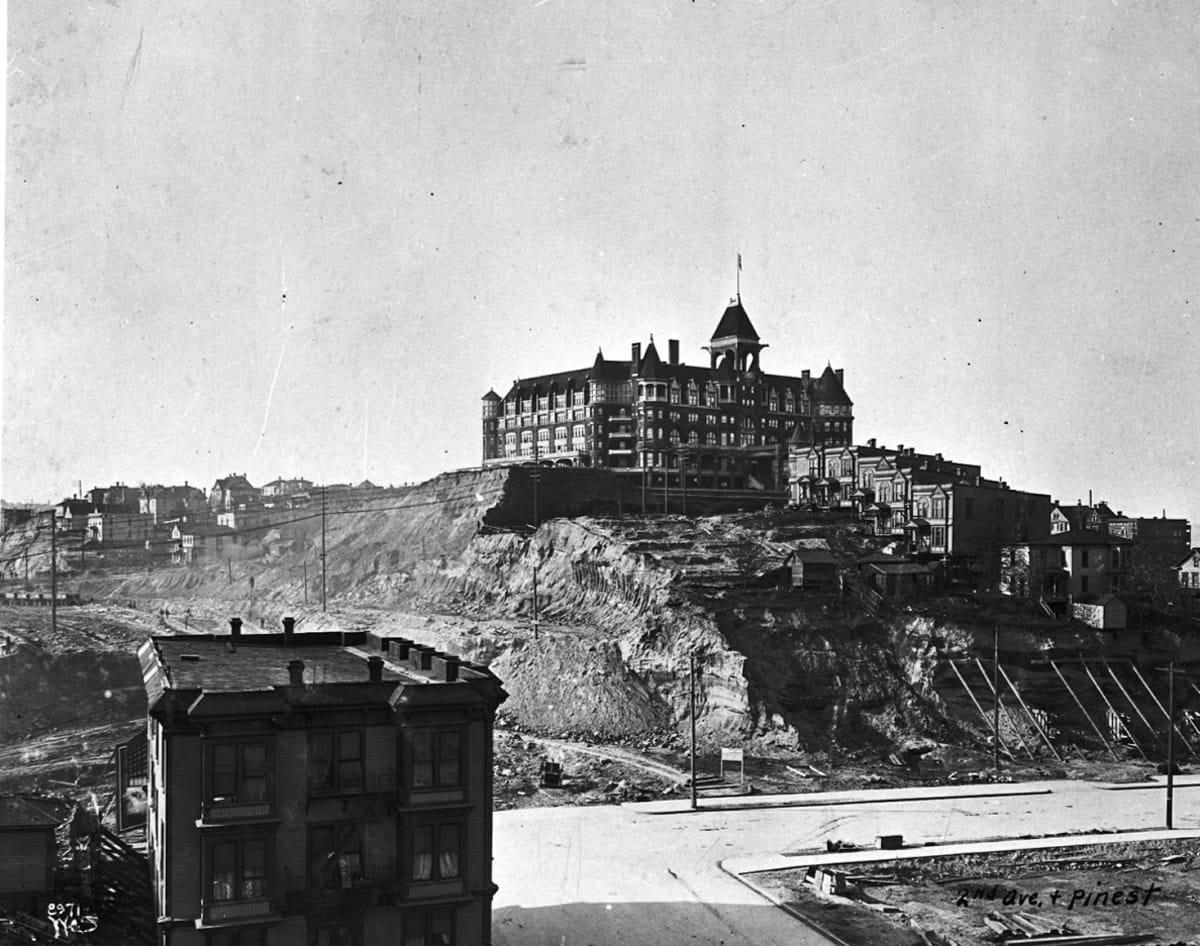
The Denny Regrade, completed between 1897 and 1930, changed the face of Seattle’s downtown forever. This video from Seattle’s municipal archives breaks down how it happened and why.
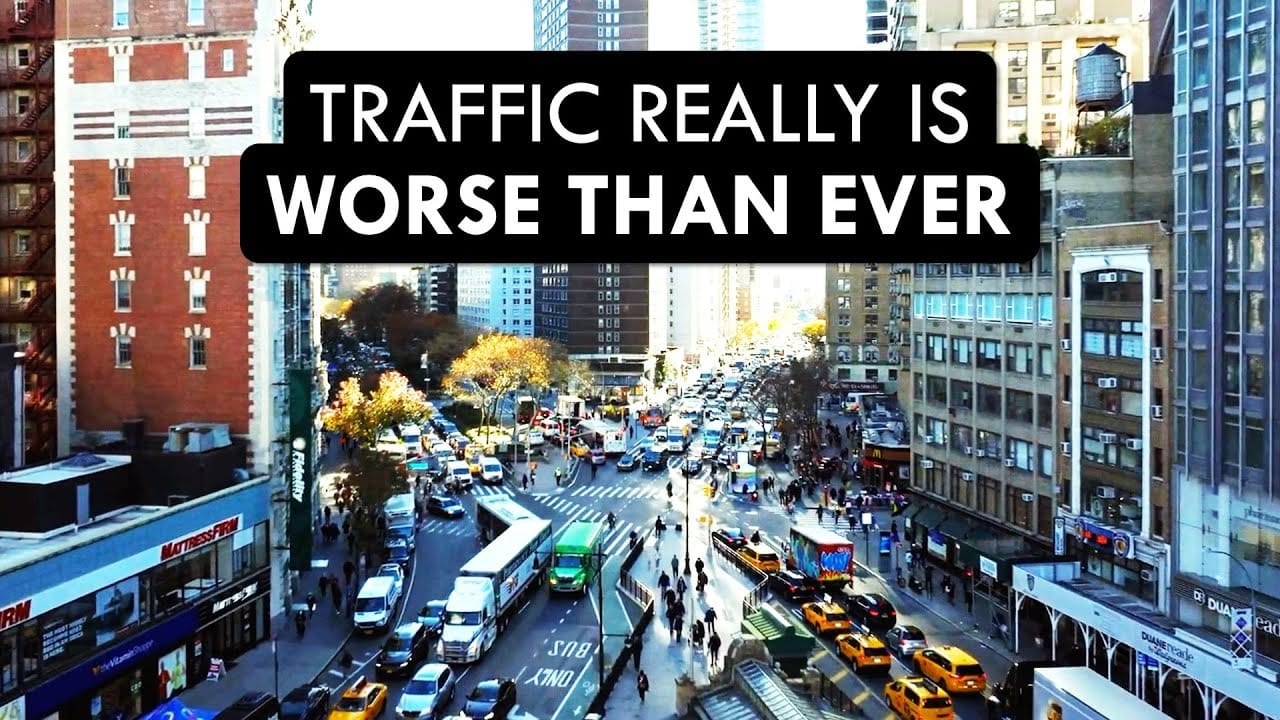
CityNerd dives into rising traffic congestion and Manhattan’s congestion pricing system that just went into effect, seeking to address the issue.
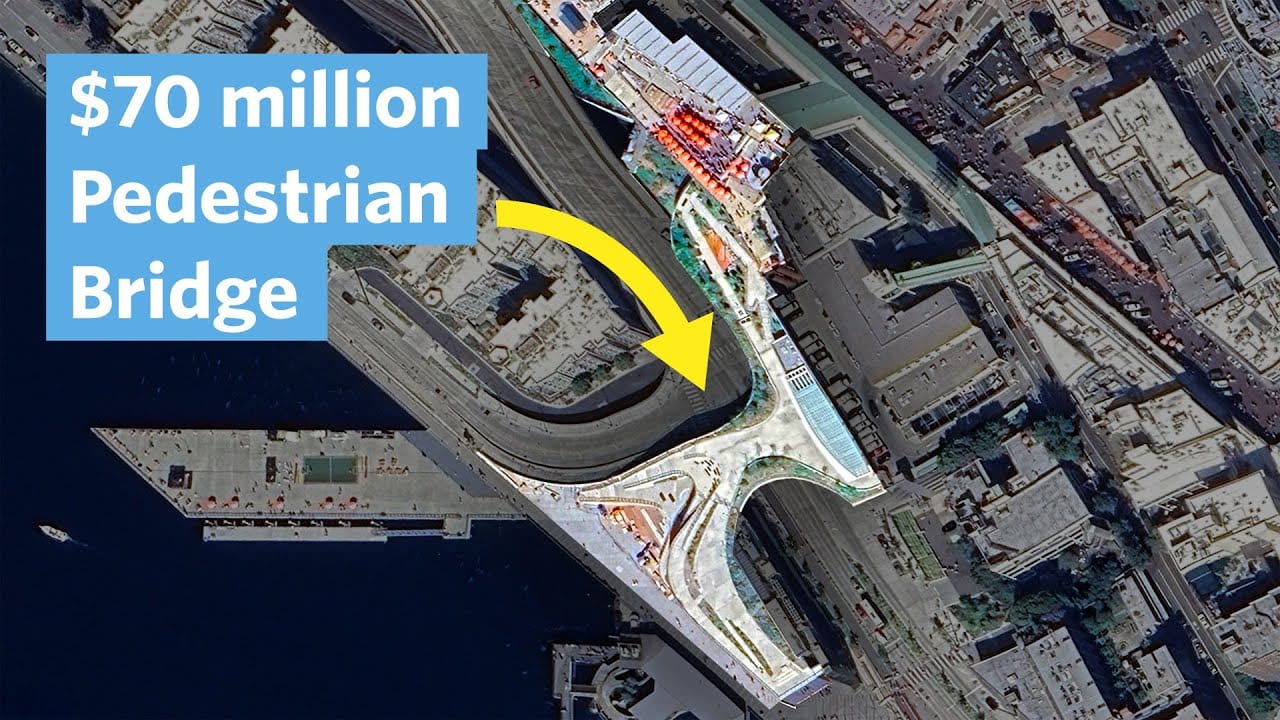
City Beautiful reviews Seattle’s new Overlook Walk pedestrian bridge on the revamped waterfront and really likes what they saw.
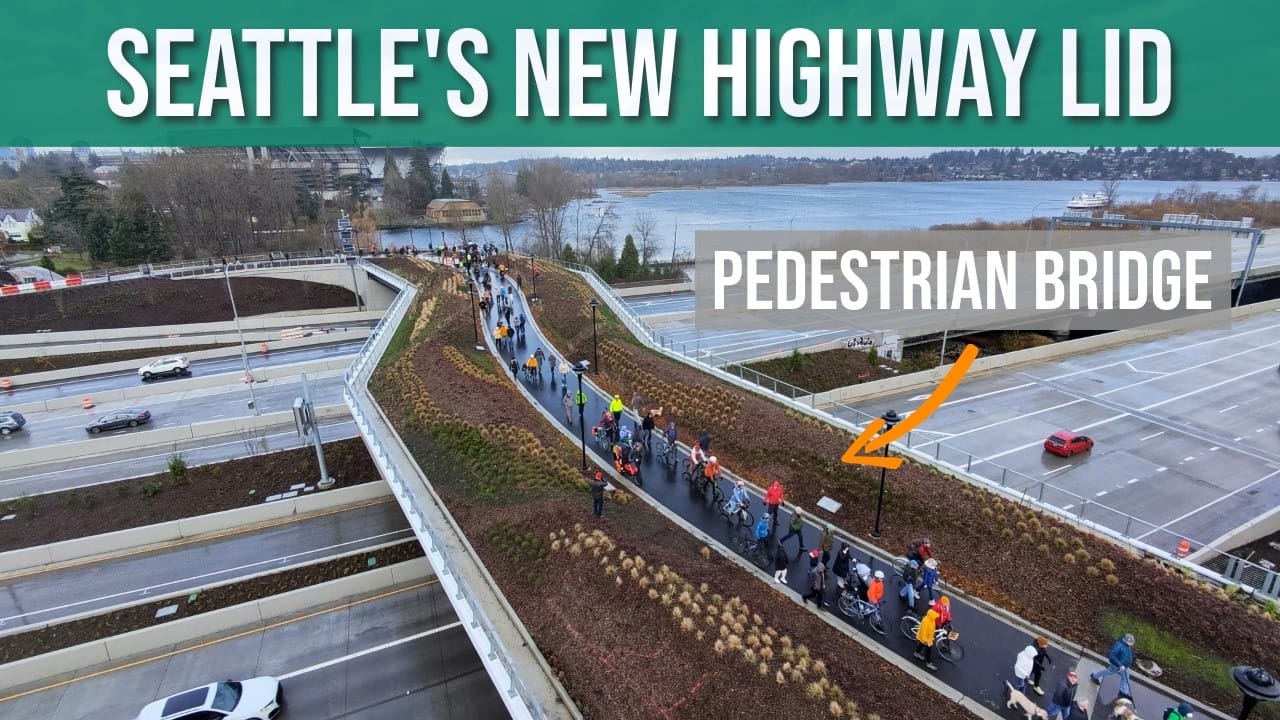
Best Side Cycling was on hand for the grand opening of the Montlake Lid and pedestrian bridge over SR 520 on December 14. Check out this great new connection.

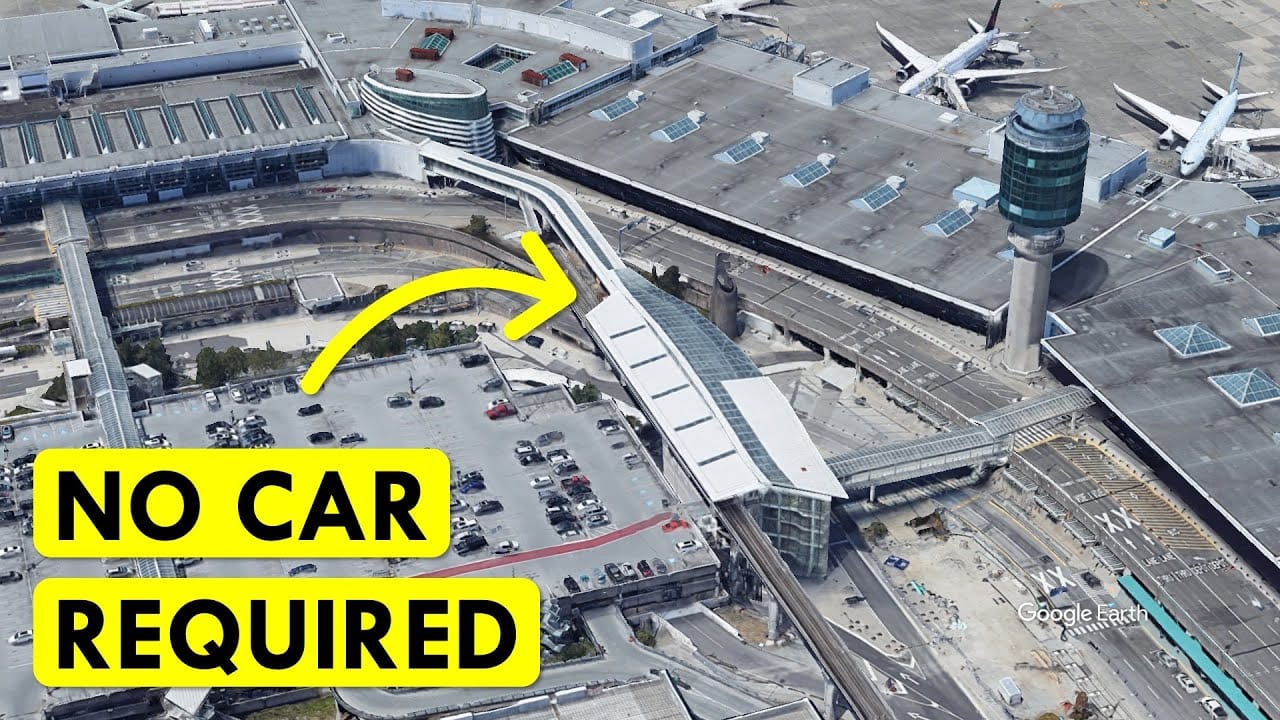
Inevitably, you’re probably going to travel and, from time to time, go by plane to get to your destination. But if you’re a transit enthusiast, environmentally minded, or an urbanist, you may want to make transit a more sustainable part of your travels, particularly to and from the
City Beautiful’s urbanism content creator, Dave Amos, recently visited the Seattle area to explore future transit-oriented development sites and the planning that is going into them. Featured in the video are future station areas like Interbay and Kent-Des Moines as well as a potential second Pioneer Square station predicated
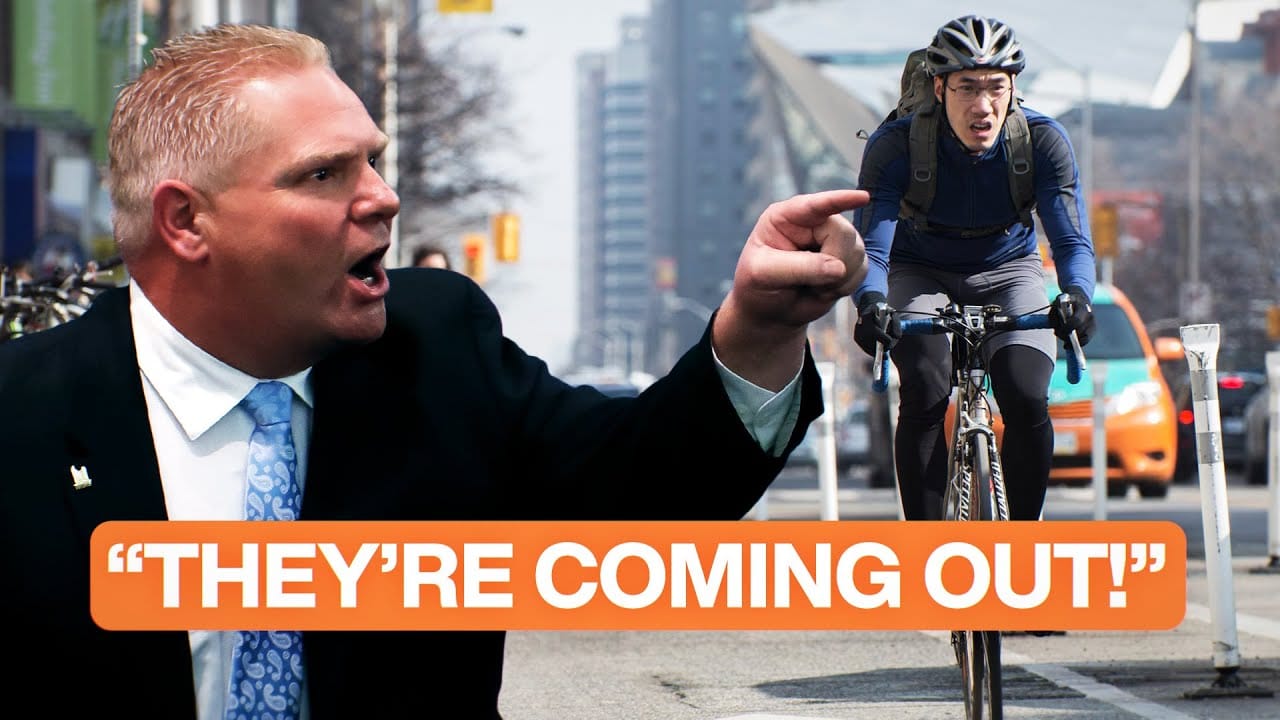
The right-wing populist provincial government in Ontario, Canada has voted to remove bike lanes and make it difficult to install them in the future in Toronto, the largest city in the Maple Leaf country. The effort is a mix of political distraction for a floundering government administration and cynical self-interest
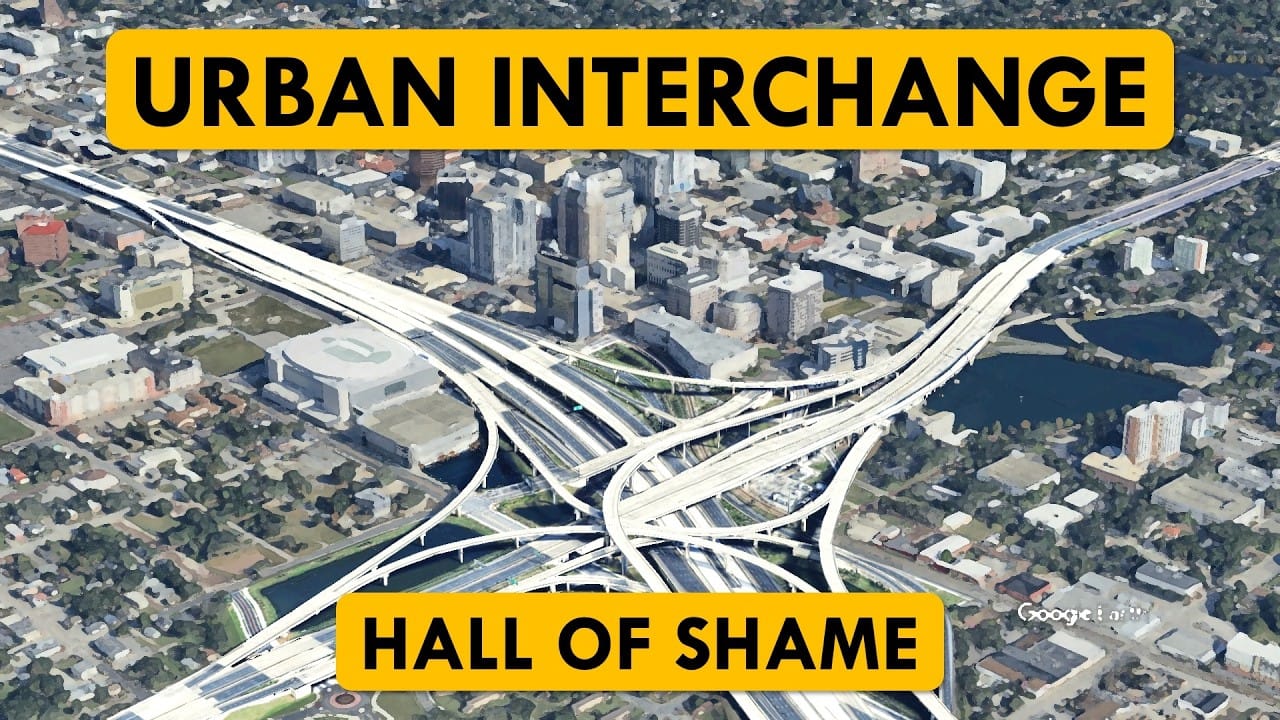
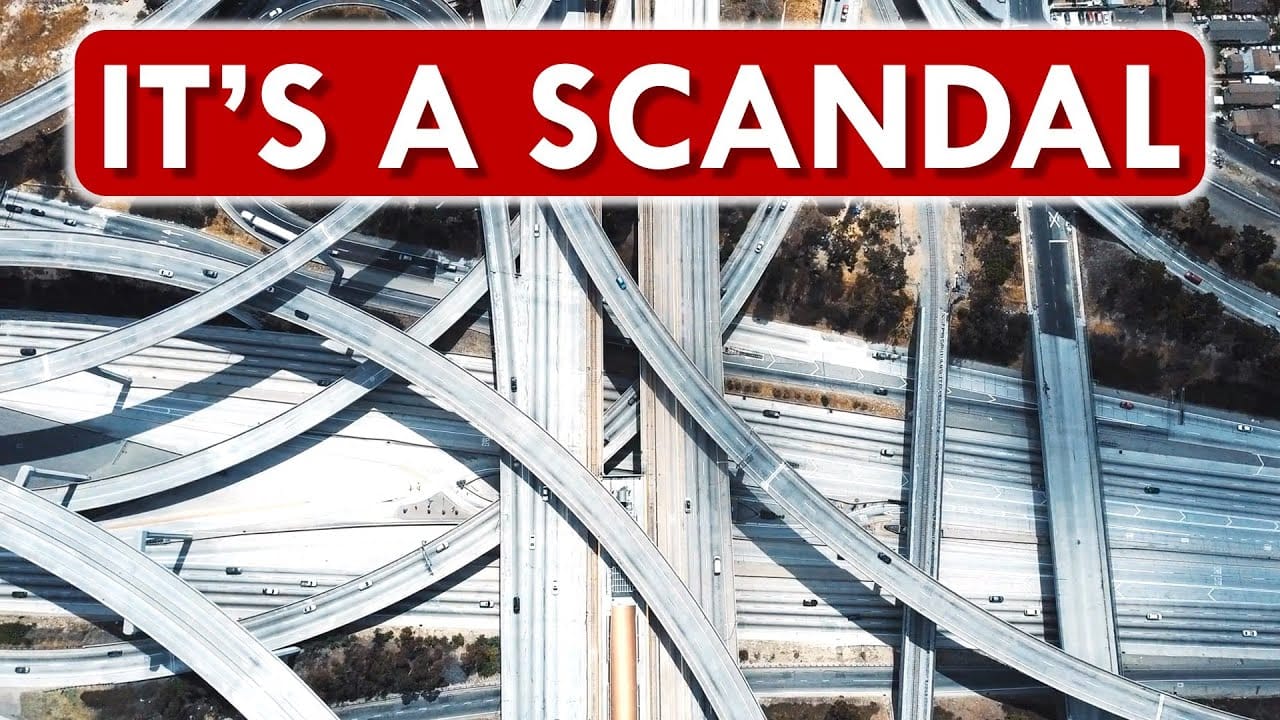
Ray Delahanty of CityNerd runs through a shame list for the worst downtown interchanges. Seattle doesn’t make the list, but the unfortunate prevalence of highway interchanges in North American cities does offer ample competition for worst.
All too often, public hearings increase costs and consume time without meaningfully impacting decisions. Uytae Lee of About Here digs into the history of the public hearing and its utility, and whether another paradigm is worth pursuing.
Urbanist circles differ in how they see autonomous vehicles, particularly as they move toward wider adoption. Some see them being a tool that builds up urban communities and improves safety while others worry that they could have exactly the opposite effect. Jason Slaughter of Not Just Bikes falls into the
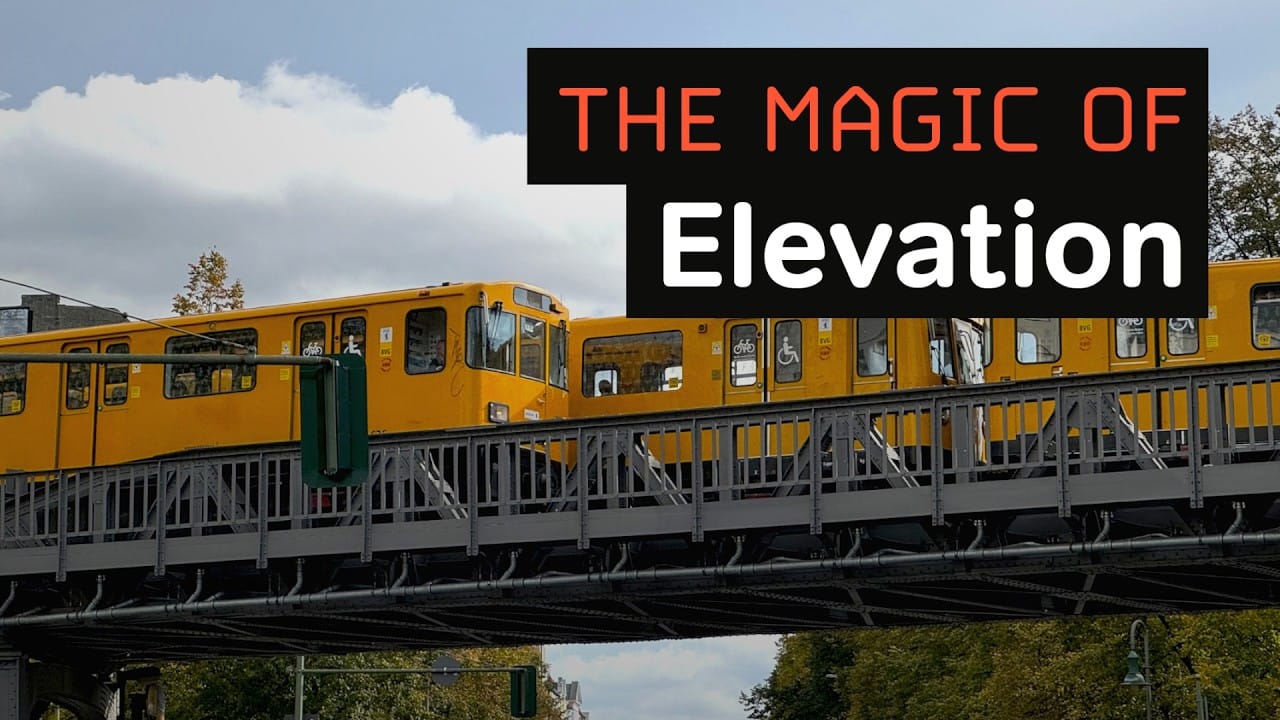
In North America, modern rail transit usually avoids conventional elevated lines in dense cities and even suburbs. Reece Martin of RMTransit discusses what makes elevated rail so good.
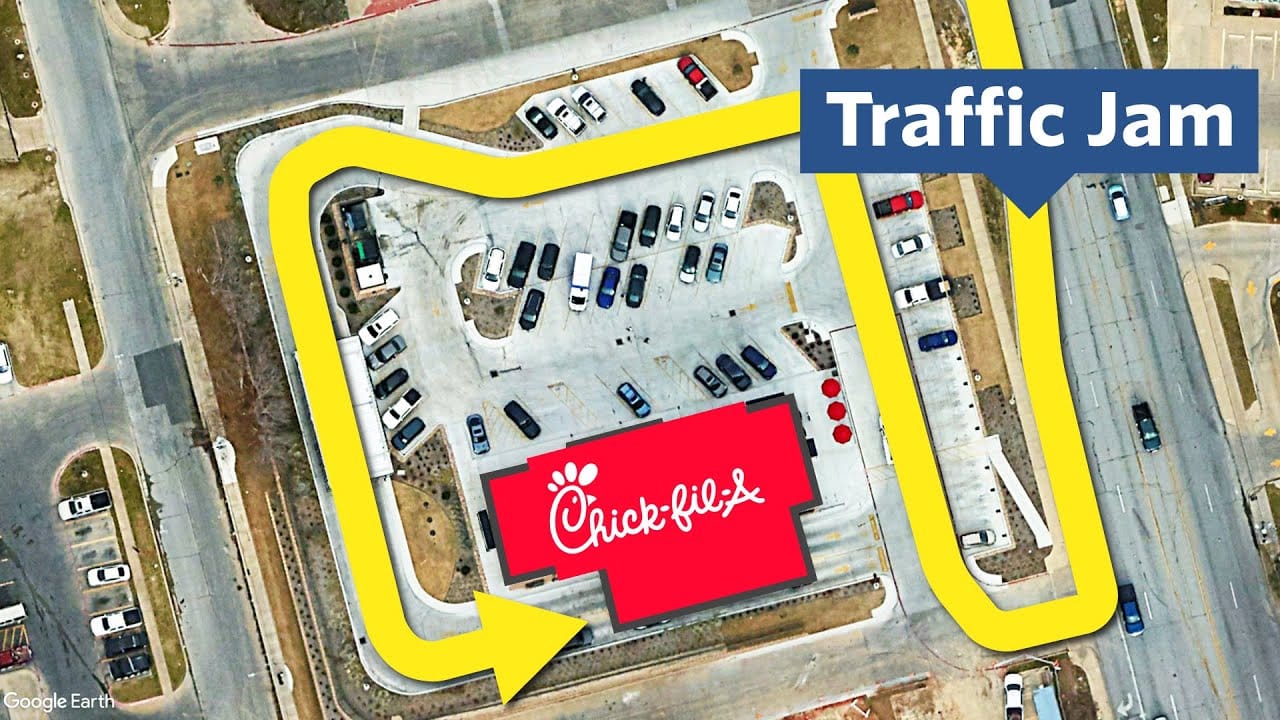
Dave Amos of City Beautiful discusses drive-thru businesses and how they are evolving to create more vehicle throughput. As part of this, Amos discusses the merits of banning them in cities, offering San Luis Obispo as an example.
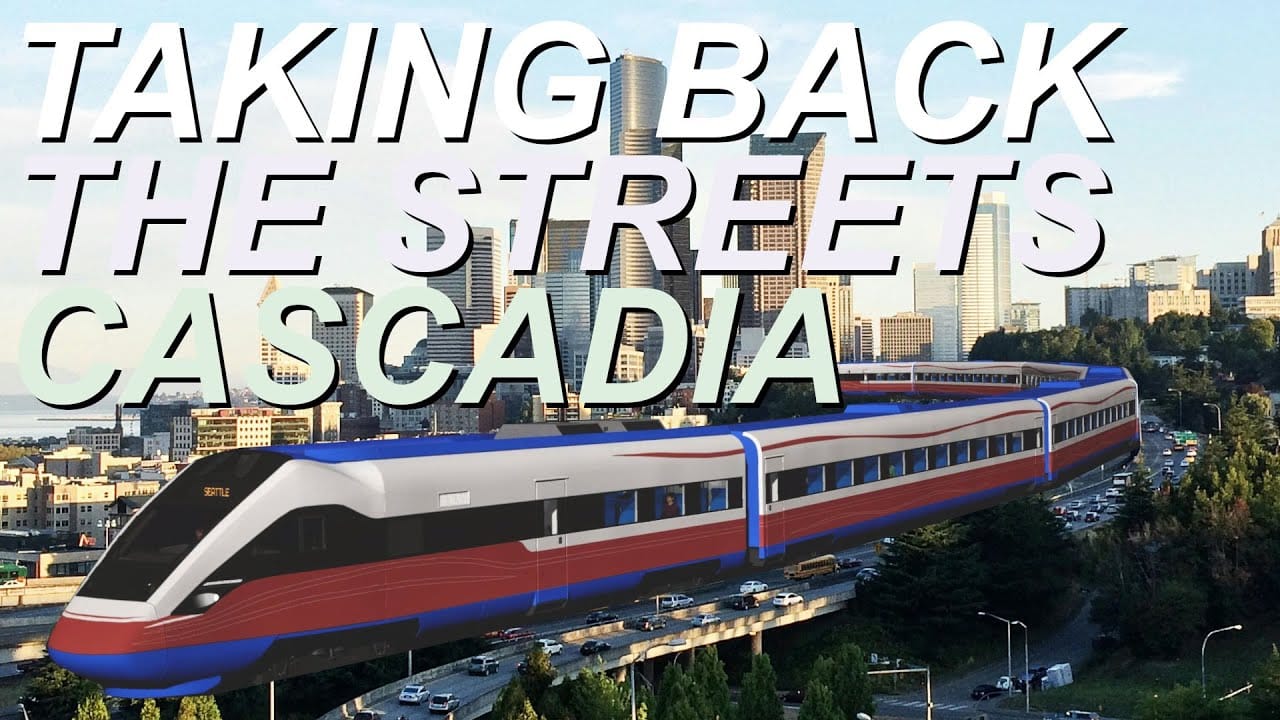
Lucid Stew’s “Taking Back The Streets Cascadia Edition” analyzes the idea of repurposing I-5 lanes to create a high speed rail line between Eugene and Vancouver, BC, connecting Portland, Tacoma, Seattle, and a handful of other cities along the way. A two-hour trip from Seattle to Portland or Vancouv
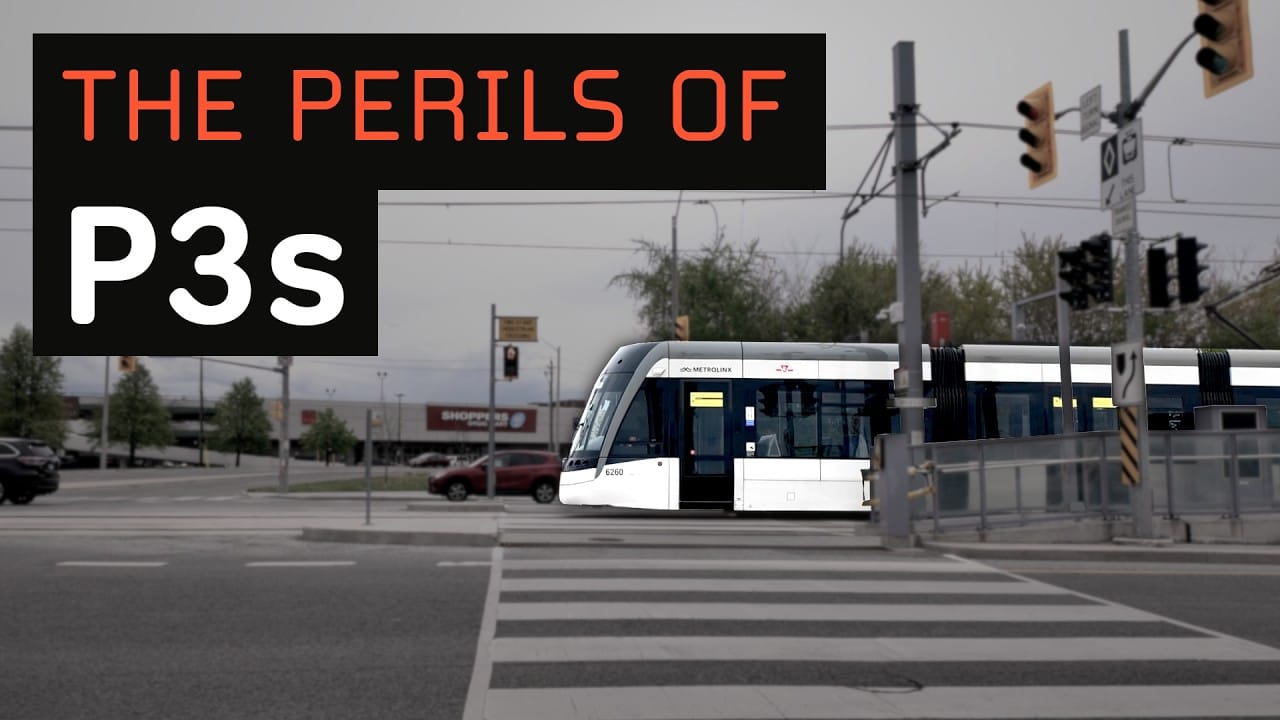
Public private partnerships have become trendy in infrastructure projects, particularly for transportation. Reece Martin of RMTransit dives into the pros and cons of this strategy as it relates to transit.
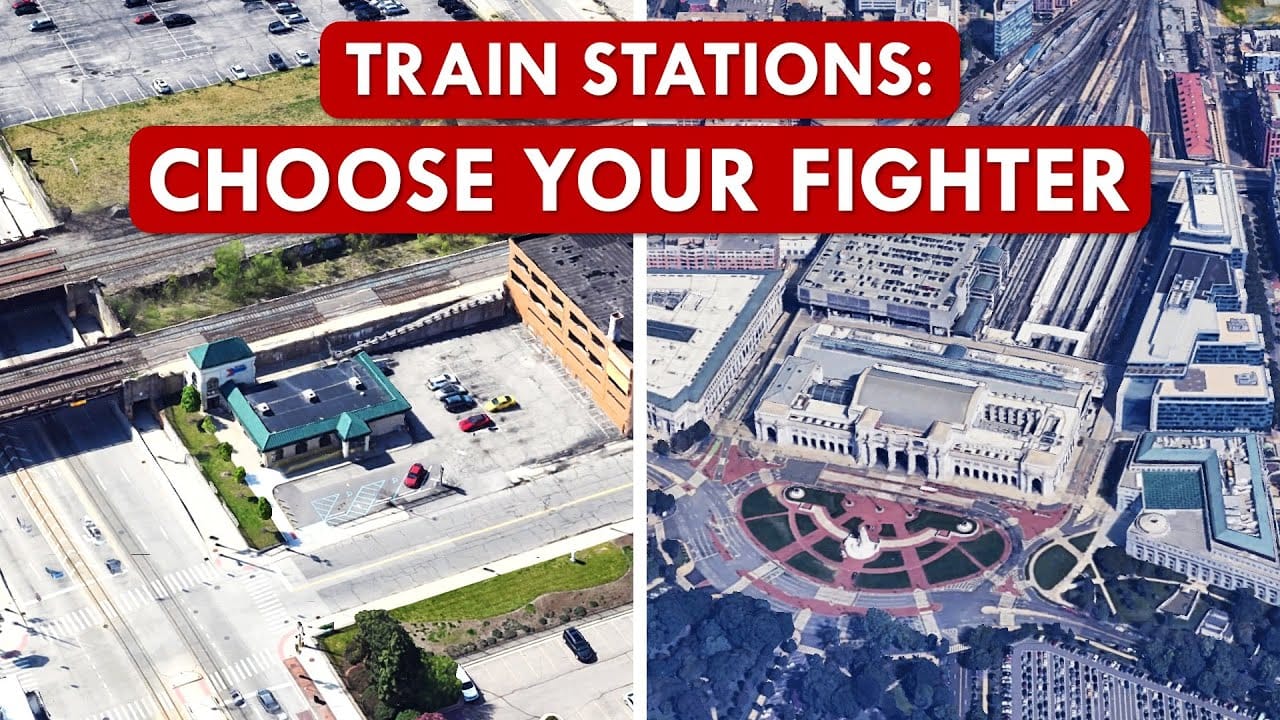
Ray Delahanty of CityNerd ranks principal train stations across the United States and Canada for population catchment in proximity to them. Seattle makes the list as one the better-situated stations with King Street Station.
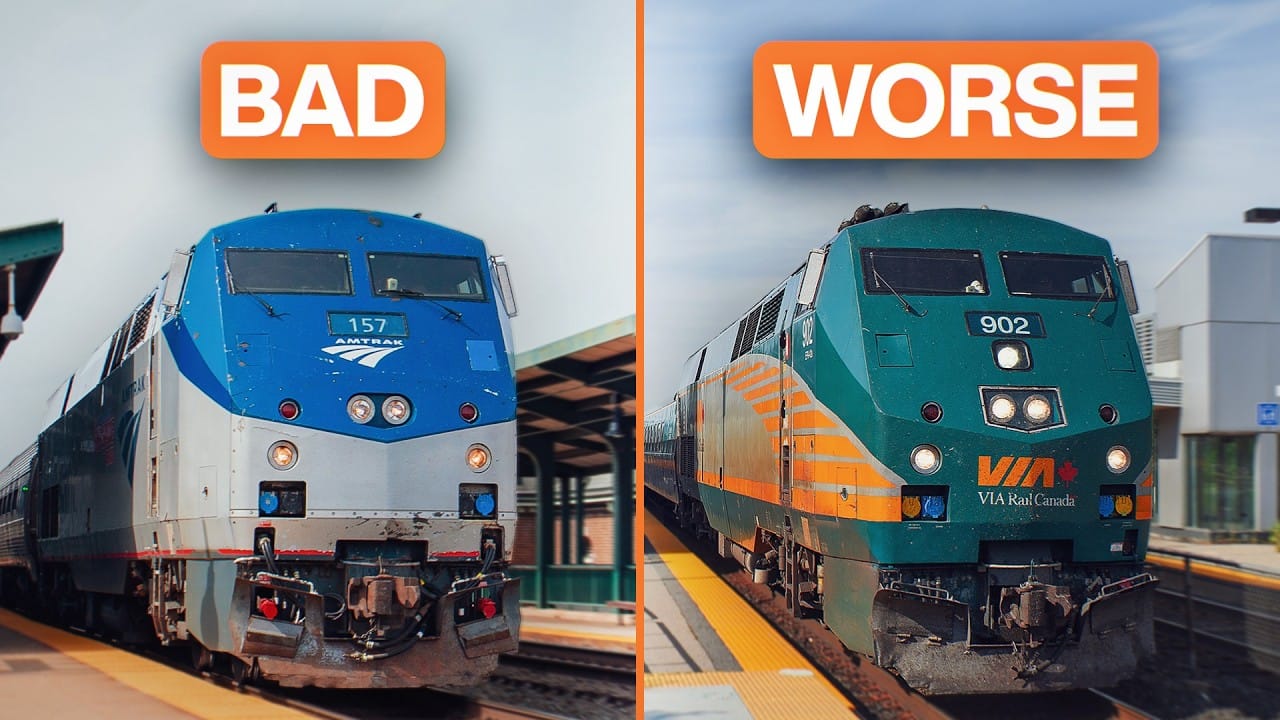
Riding the rails from New York City to Toronto and then eventually onward to London, Ontario, Jason Slaughter of Not Just Bikes details his journey, highlighting the good and bad of Amtrak and Via Rail service and amenities. One big takeaway from Slaughter is just how slow the trains are.
San Francisco has an extravagant transit center delivered just before the pandemic. Right now, it mostly serves a handful of bus routes, but could eventually become a major hub with the arrival of high-speed rail. Dave Amos of City Beautiful dives into what’s good and bad about the facility.
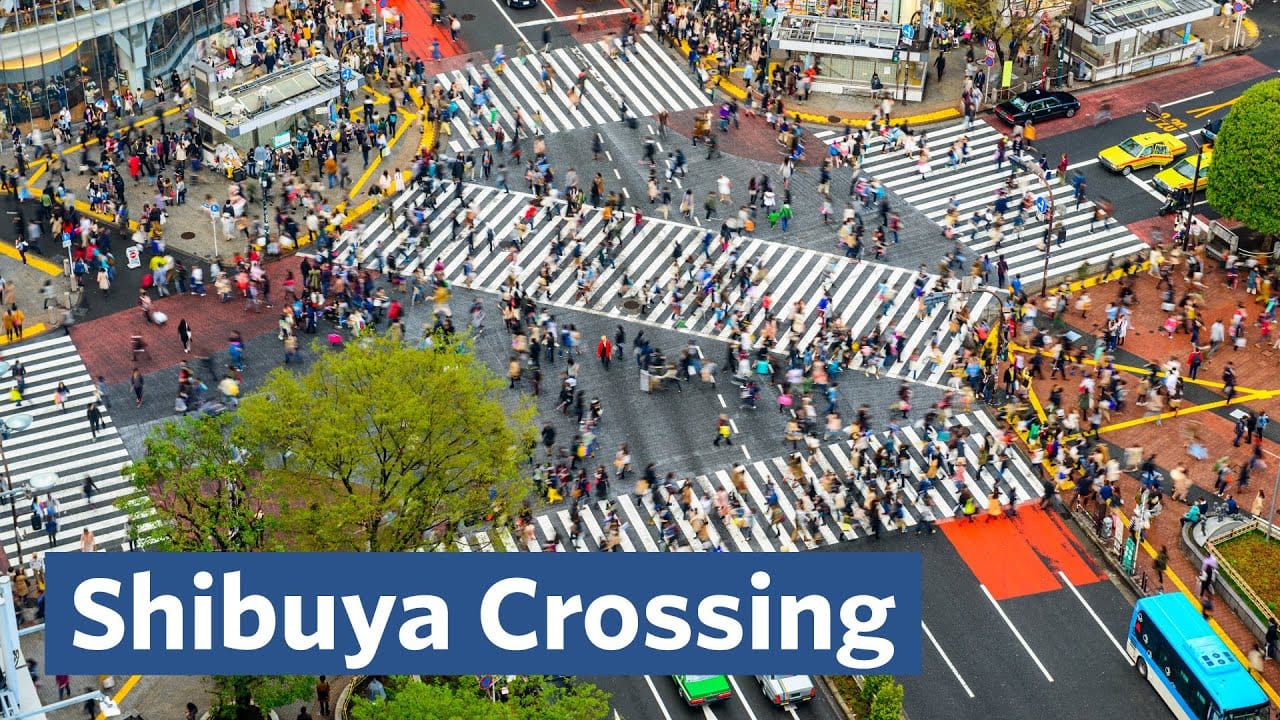
Shibuya, Tokyo is world famous for it’s massive at-grade pedestrian scramble crossing. In a way, it’s a self-popularlized space. But there’s a lot more to it with the history of the neighborhood and its train stations, and it represents something much more in terms of planning, land
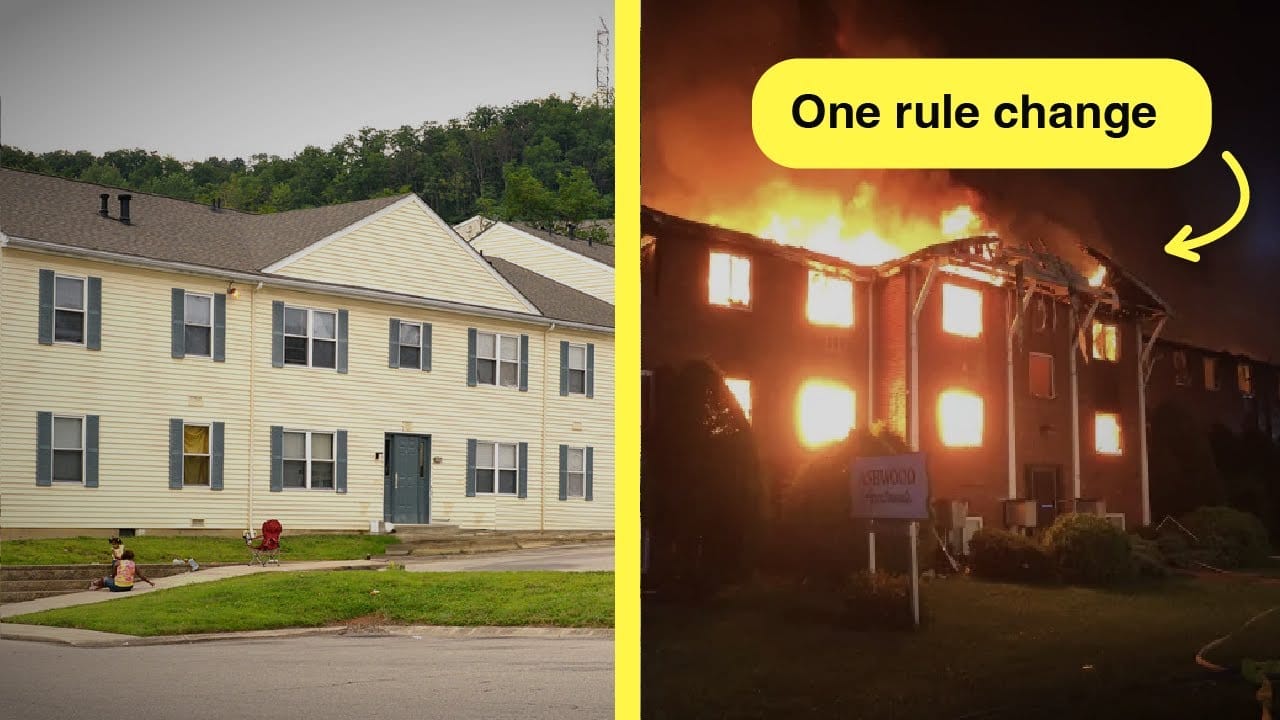
Last year, Uytae Lee of About Here discussed why point access block (single-stair) residential buildings are so good. But a common reaction to the idea was concern about fire safety by only having one means of emergency ingress and egress. In this video, Lee examines those concerns, fields the data,
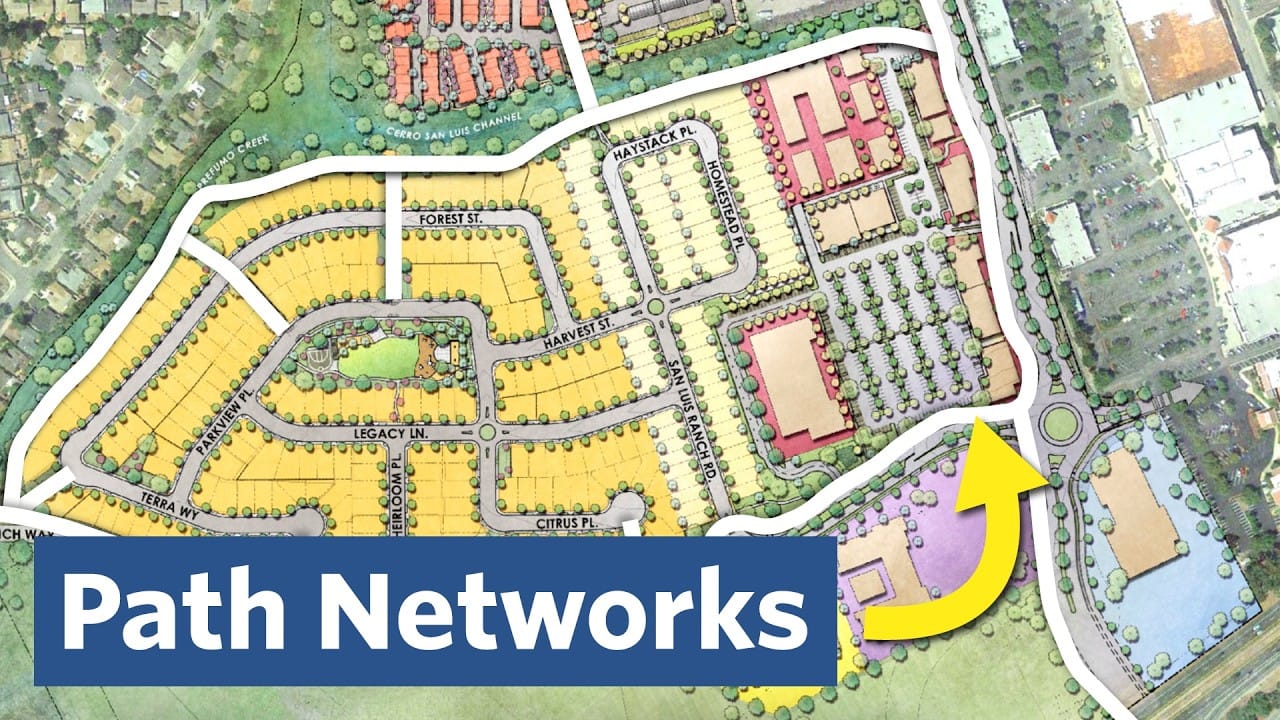
Dave Amos of City Beautiful discusses non-motorized paths in the suburbs. Could these facilities provide more than just a recreational amenity to suburban neighborhoods? And how can they work best to offer suburban communities a sustainable and safe way to get around without a car? Amos discusses th
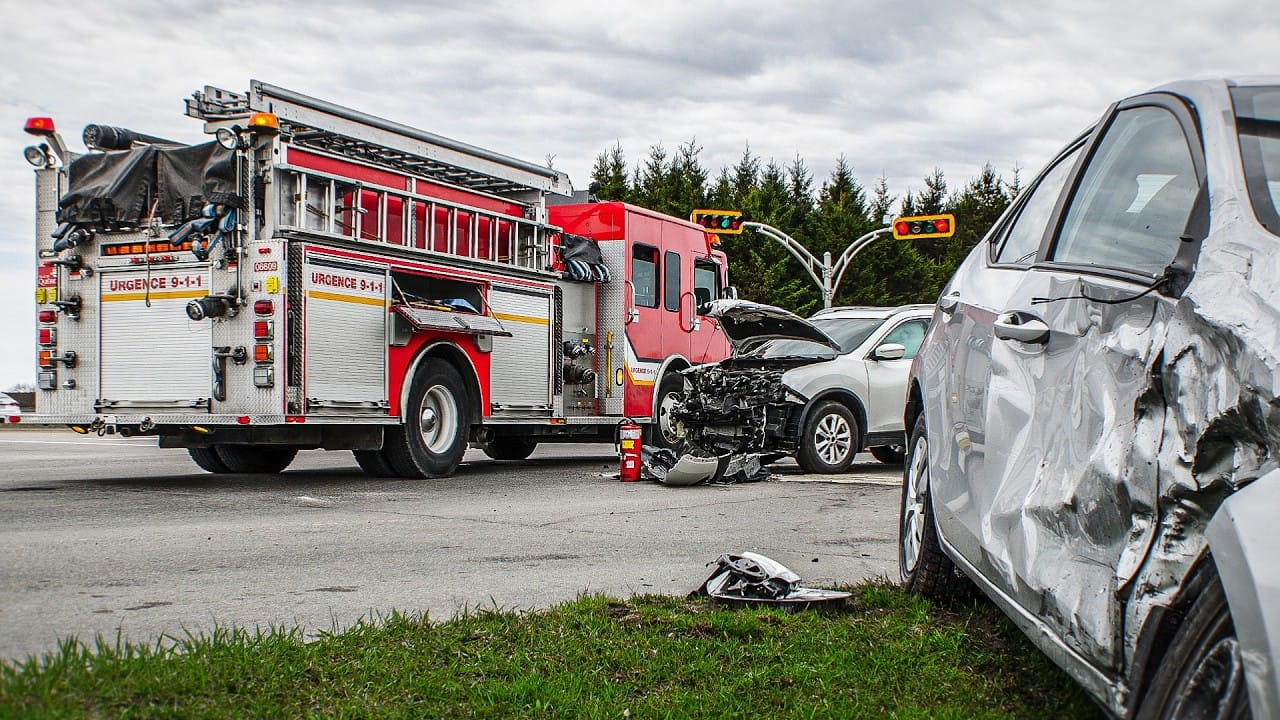
Fire departments rightly get high praise for fighting fires, rescuing people, and saving lives. But North American fire departments have been resistant to change when it comes to the vehicles they use and street design. As a consequence, they’re getting people killed, Jason Slaughter at Not Just Bikes shows.
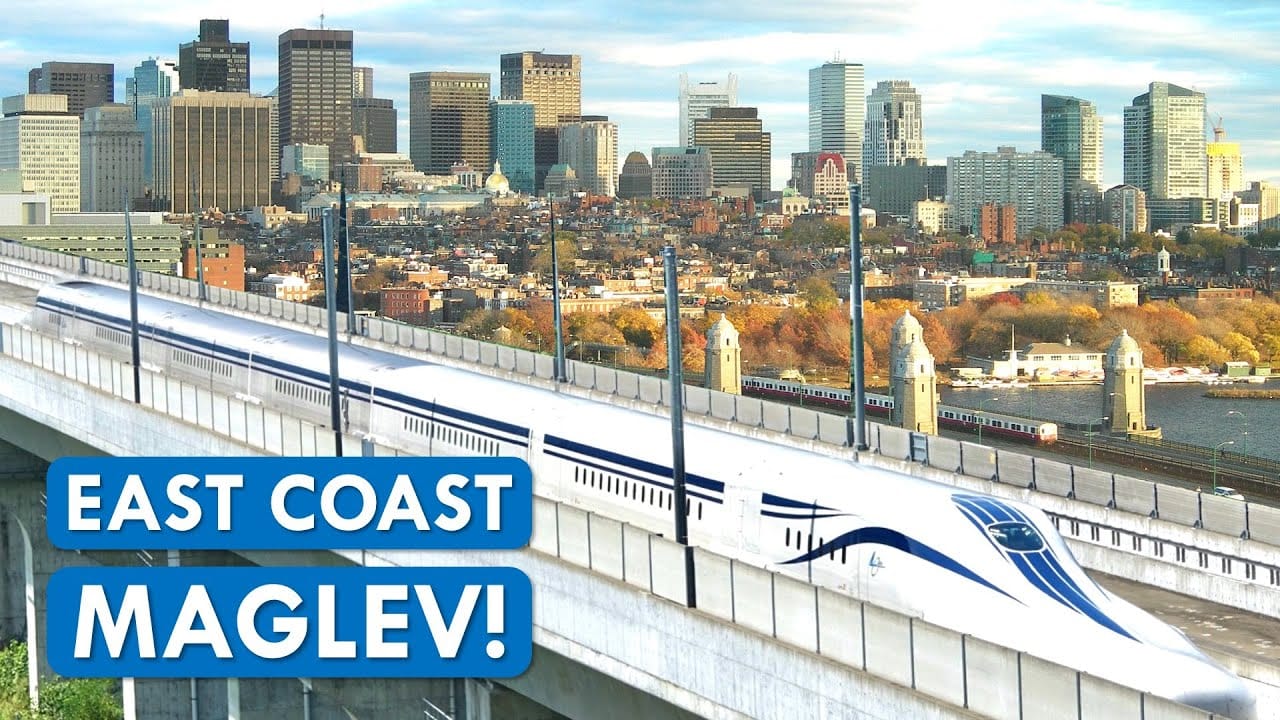
This week, Ray Delahanty of City Nerd laid out the case for a high-speed Maglev train line between Washington D.C. and Boston, which could shrink the end-to-end travel time to two hours. This densely populated urban corridor compares favorably with major high speed rail corridors around the world, generating
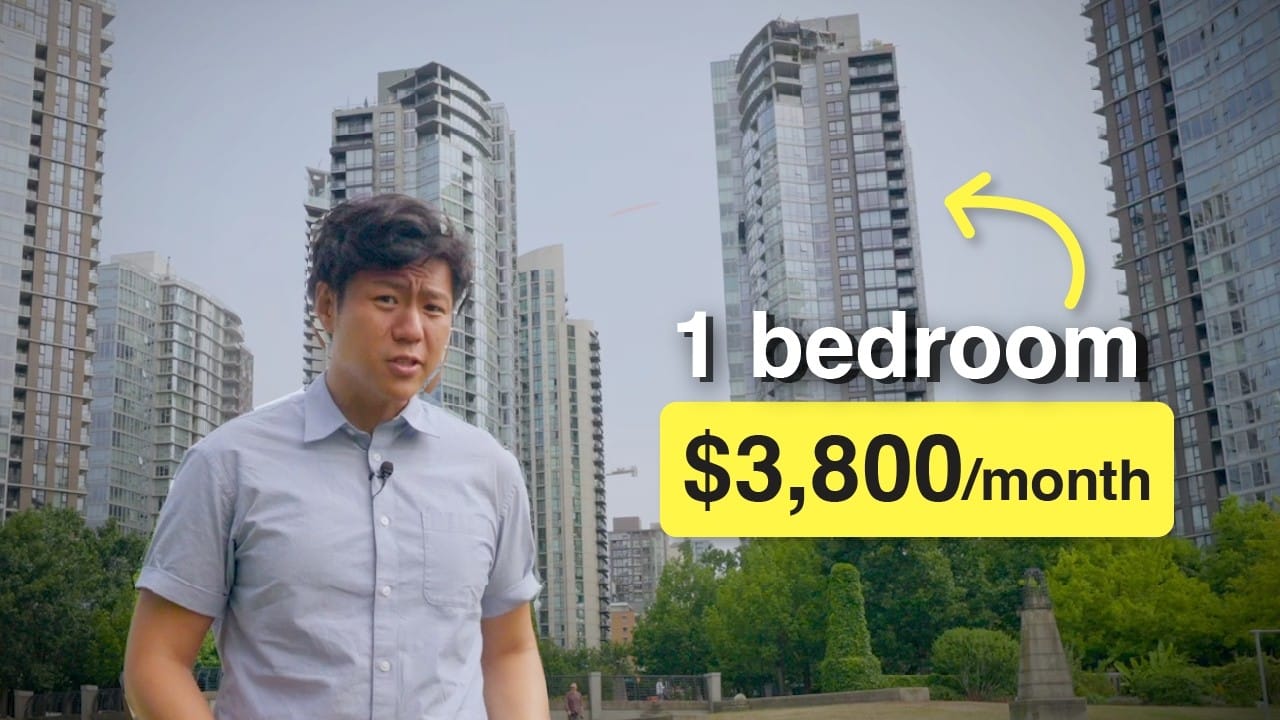
Across North America, people claim that they want affordable housing in their communities while deriding and fighting what they perceive as “luxury housing.” A common trope among many is that developers are greedy, wanting only to make top dollar on their homebuilding projects and contribute nothing back to communities. It’
Hacks and Wonks hosted a panel on primary election results with four top political strategists. Check out the video for their takeaways.
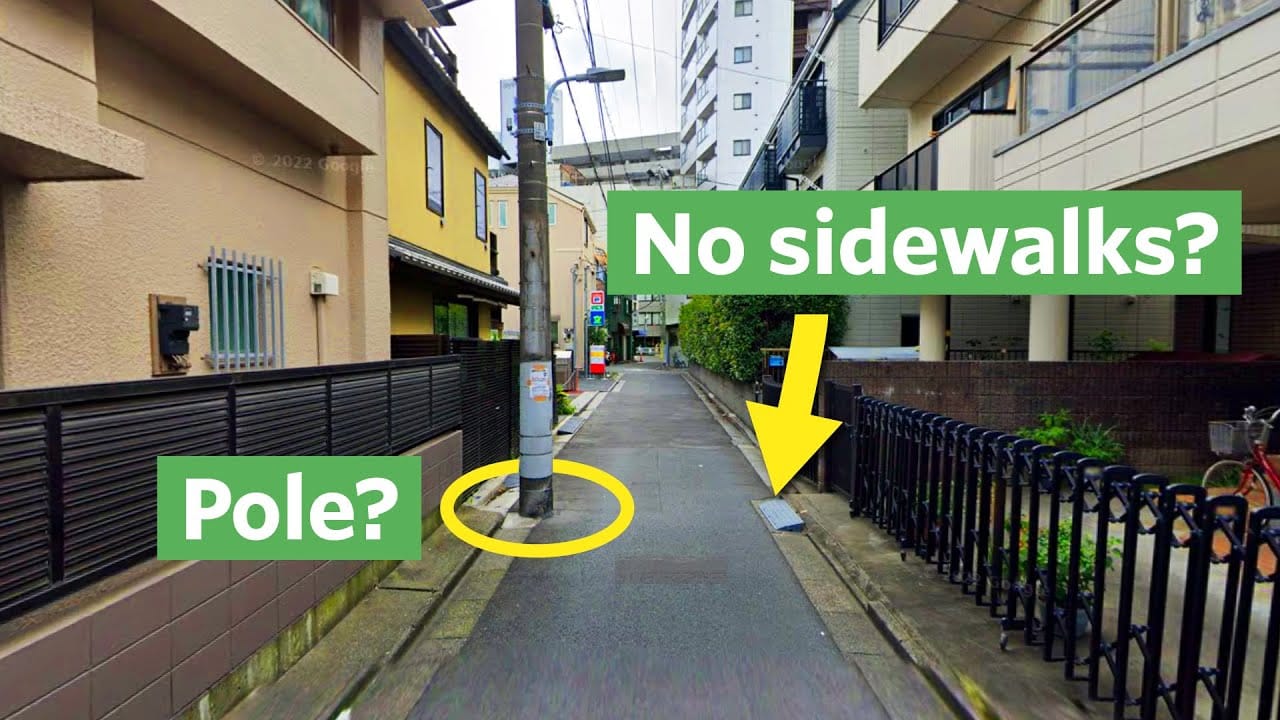
Dave Amos of City Beautiful recently made a trip to Tokyo and gushed about its quiet, urban streets. Tokyo’s wide arterials can leave an impression that cars dominate the city, but secondary and tertiary streets can be very calm and quiet in very dense urban spaces, as Amos shows.
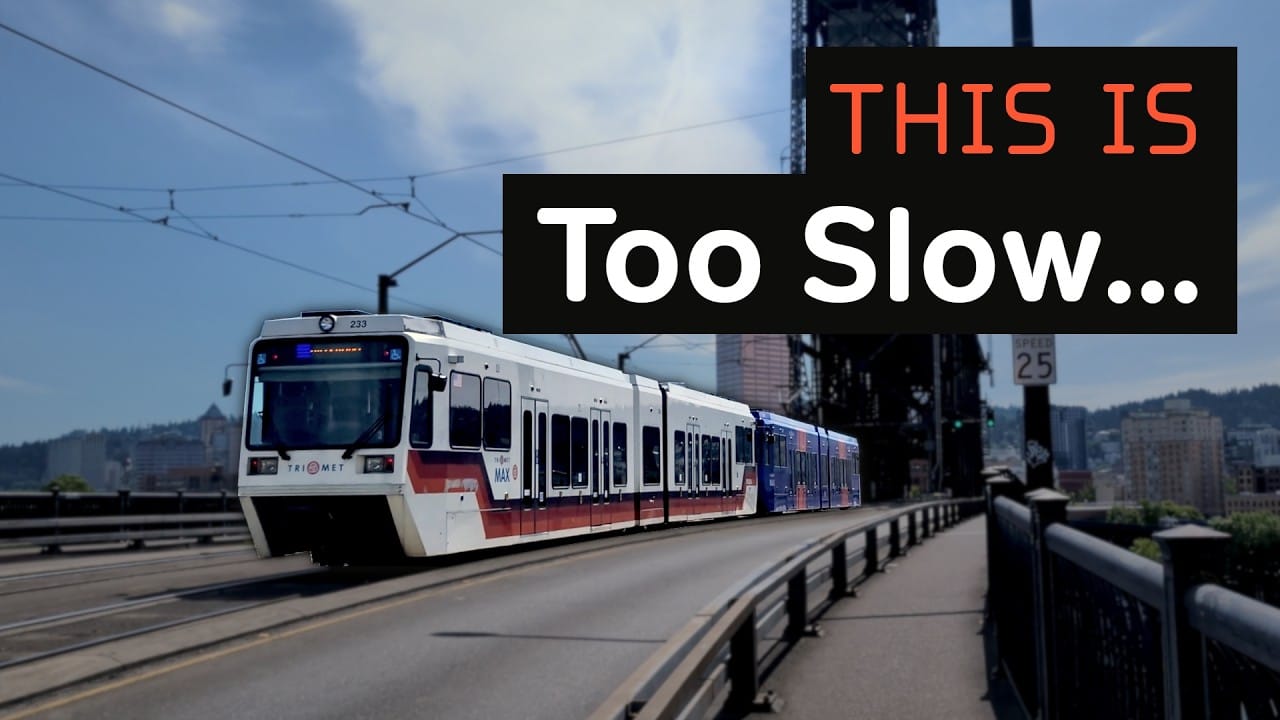
Anyone who has ridden the TriMet’s MAX light rail in Portland knows that it is undeniably slow through the city center. Recee Martin from RM Transit dives into how the system could be greatly improved for speed, reliability, frequency, and time competitiveness.
Is cycling just for the city? Or can cycling be a success in the suburbs. Uytae Lee of About Here takes a dive into that question with Canadian examples.
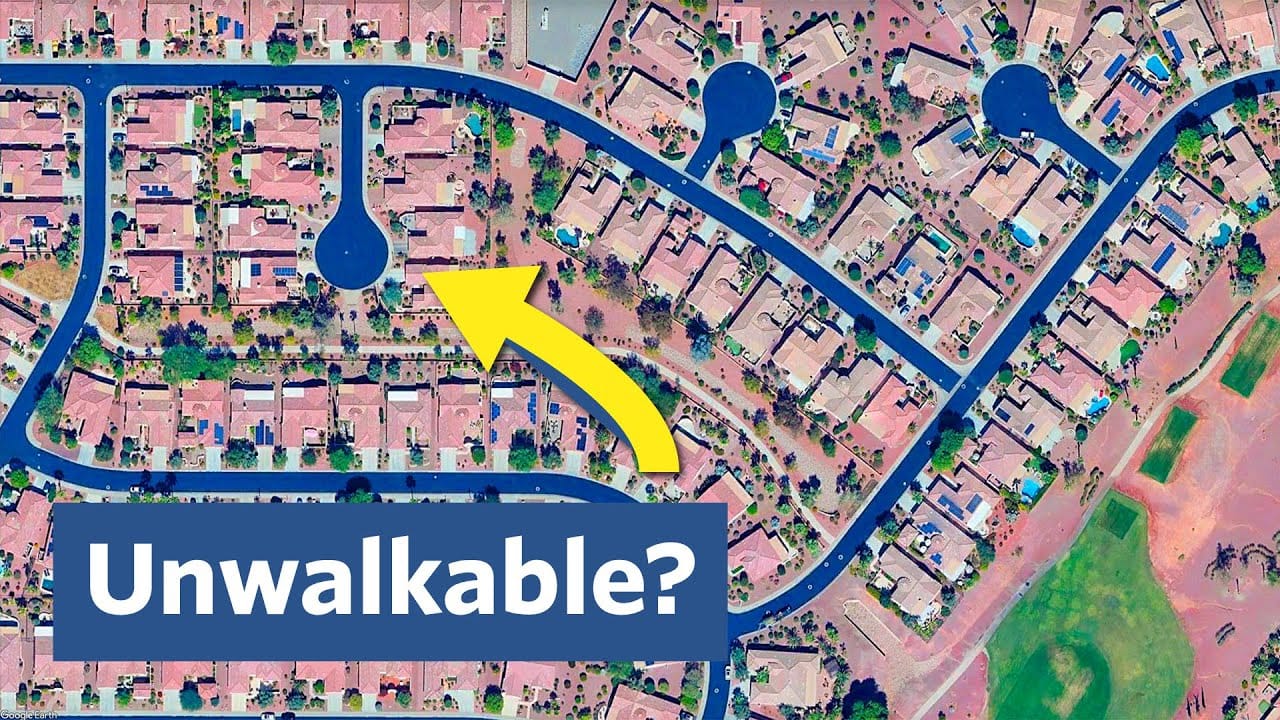
For decades, America’s road networks have become increasingly less gridded and connected, degrading the ability to walk and bike in communities. That’s been the consequence of America’s sprawling suburbs that emphasize the cul-de-sac. Is it still getting worse? Dave Amos of City Beautiful tries to a
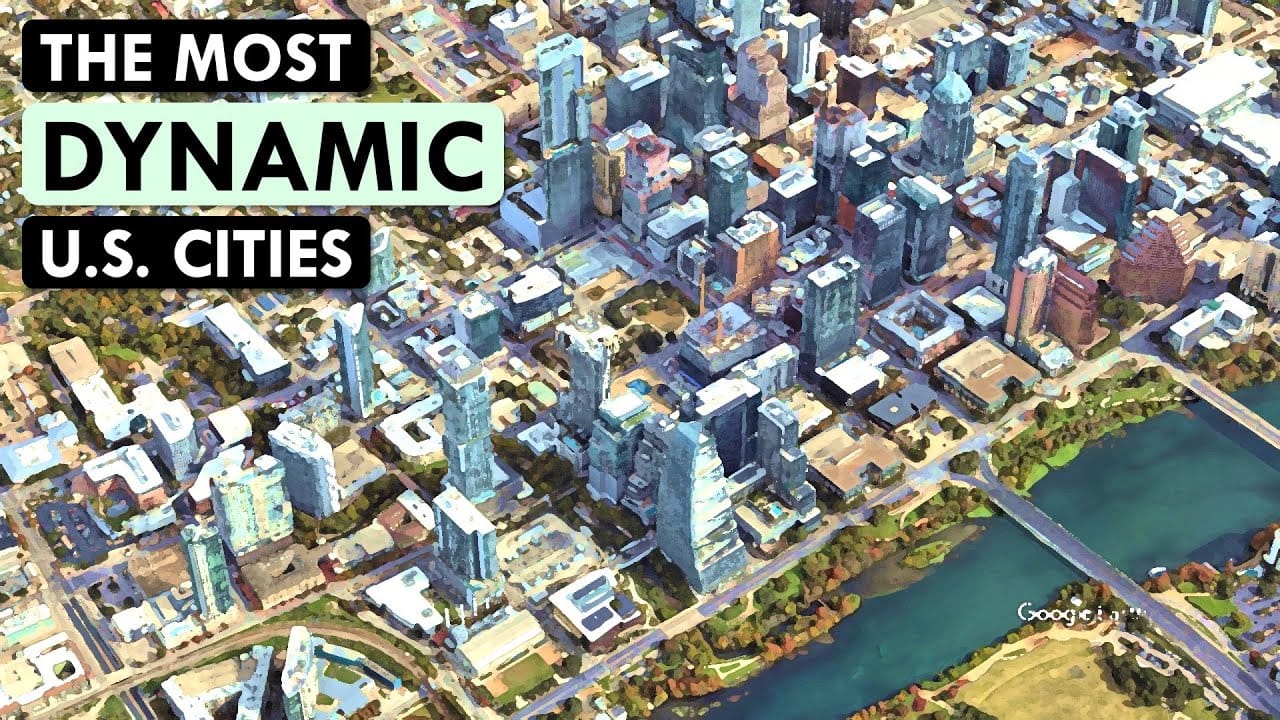
Some people like consistency and little change, but others like vitality, energy, and dynamism. Ray Delahanty of CityNerd dives into a top 10 list of American cities that are in high demand and have lots of turnover. Seattle made the list. What place do you think it ranked?
Uytae Lee of About Here dives into some highly creative apartment designs that we don’t normally see. Could bending the rules a bit deliver great results?
New York City’s decongestion pricing program has hit an unexpected roadblock with the state’s governor unilaterally imposing an indefinite pause. But decongestion pricing holds a lot of promise for cities across the globe, including in North America. Reece Martin at RM Transit dives into the different ways that
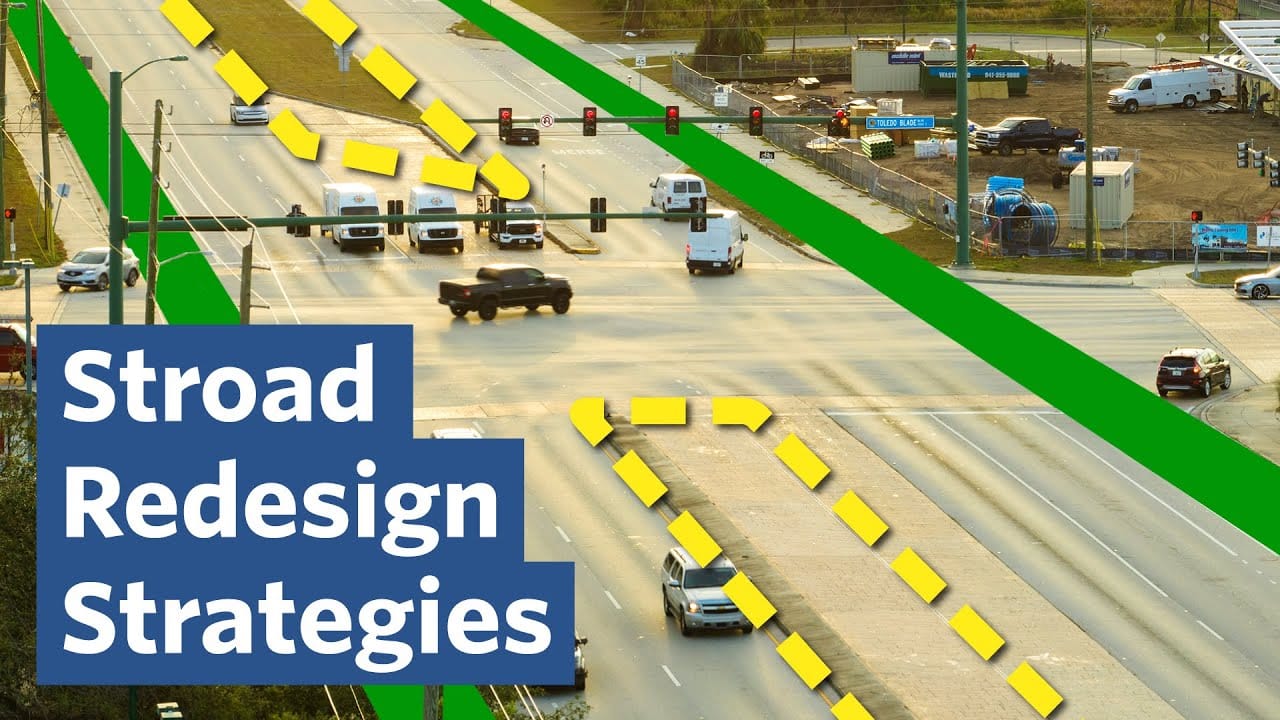
America’s suburbs are a land filled with stroads — street/road hybrids that are expensive to build and dangerous to use. Some communities want more walkability and bikeability, but making changes to stroads can be highly controversial and difficult to achieve. Dave Amos of City Beautiful picks out some egregious
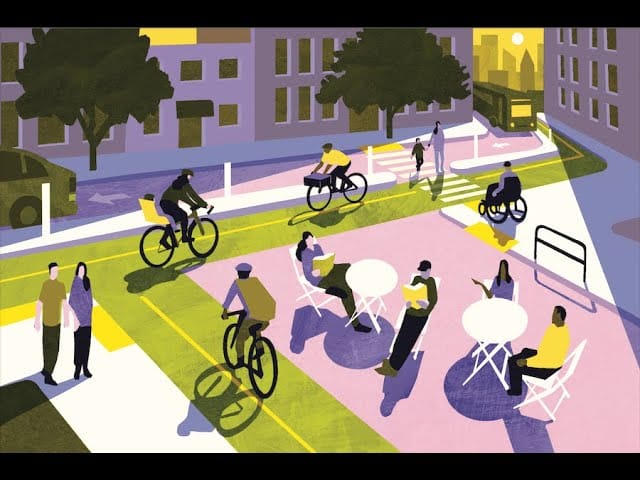
Seattle Neighborhood Greenways hosted a Town Hall Seattle event on building great streets featuring two leading practitioners. Check out the video and synopsis.
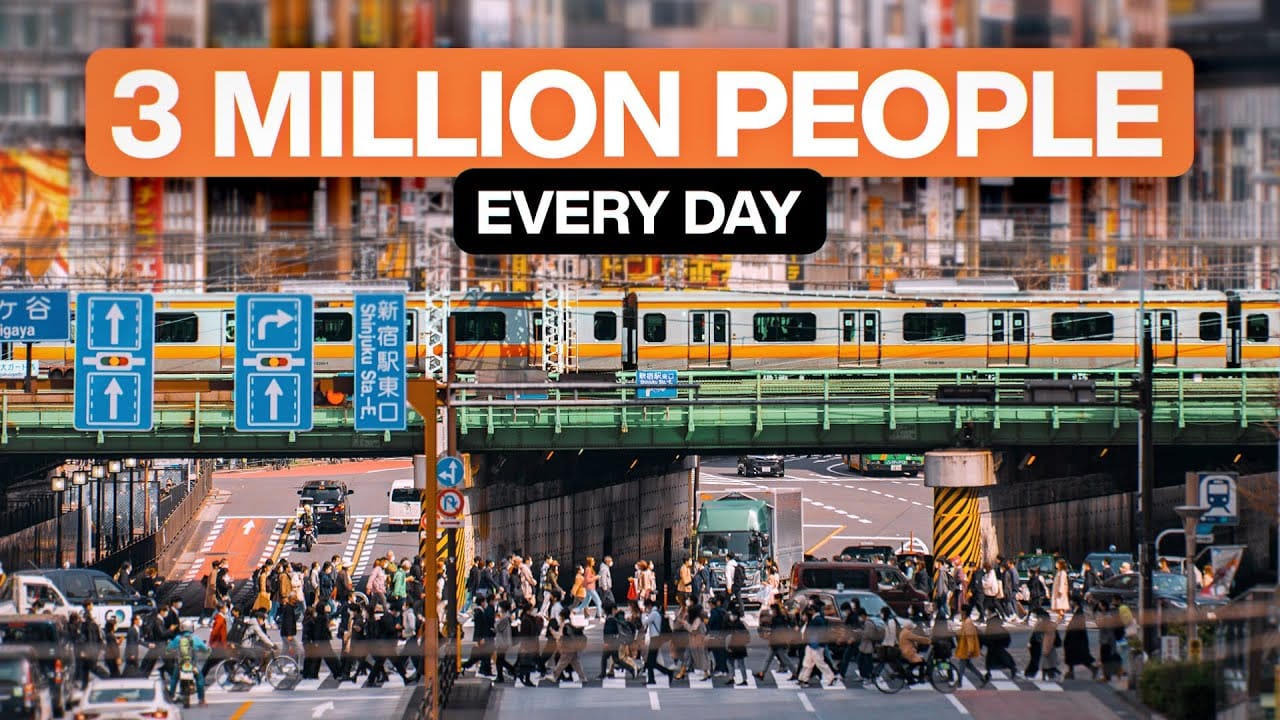
The world’s busiest train station complex is in Tokyo. Dozens of train services converge on Shinjuku Station with intercity, regional, and local service, including numerous subway lines, and the station is served by a large bus exchange. The station complex is massive and is built into a very dense
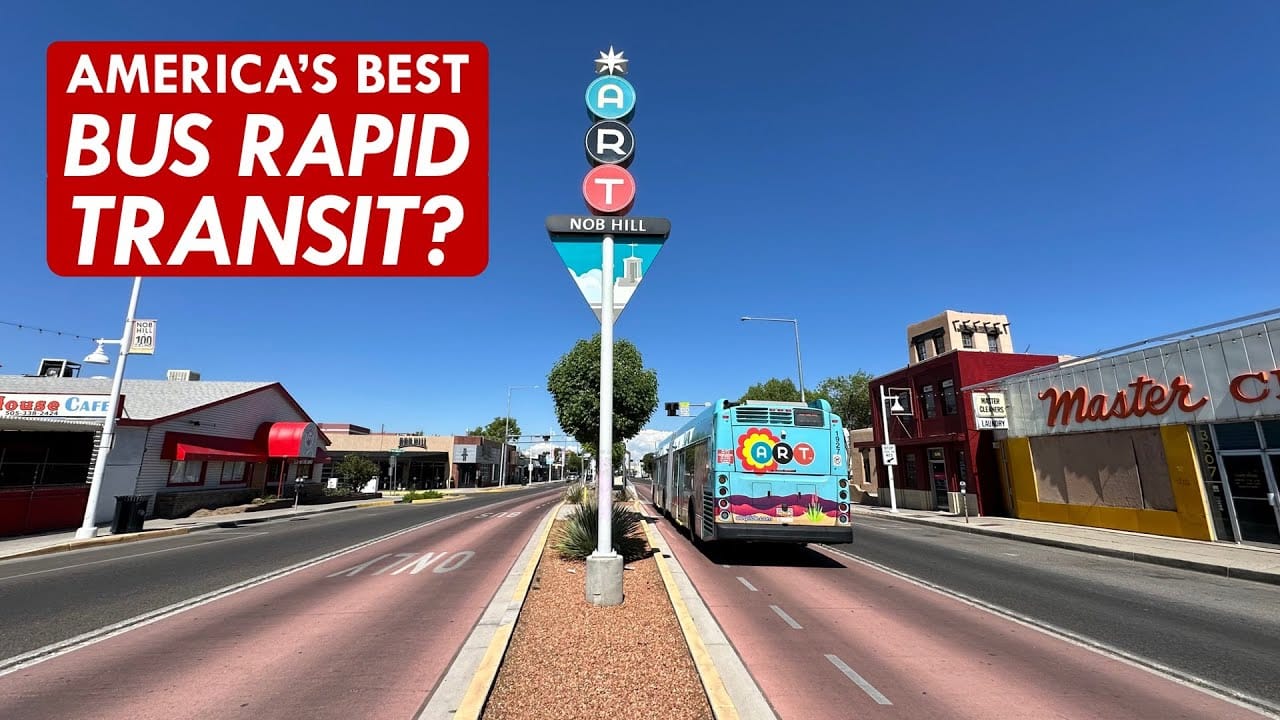
Albuquerque doesn’t get a lot of attention outside of Breaking Bad and Better Call Saul, but this Southwest city happens to boast America’s highest quality bus rapid transit (BRT) system. Known as Albuquerque Rapid Transit (ART), the BRT system offers two lines with relatively frequent service and unparalleled
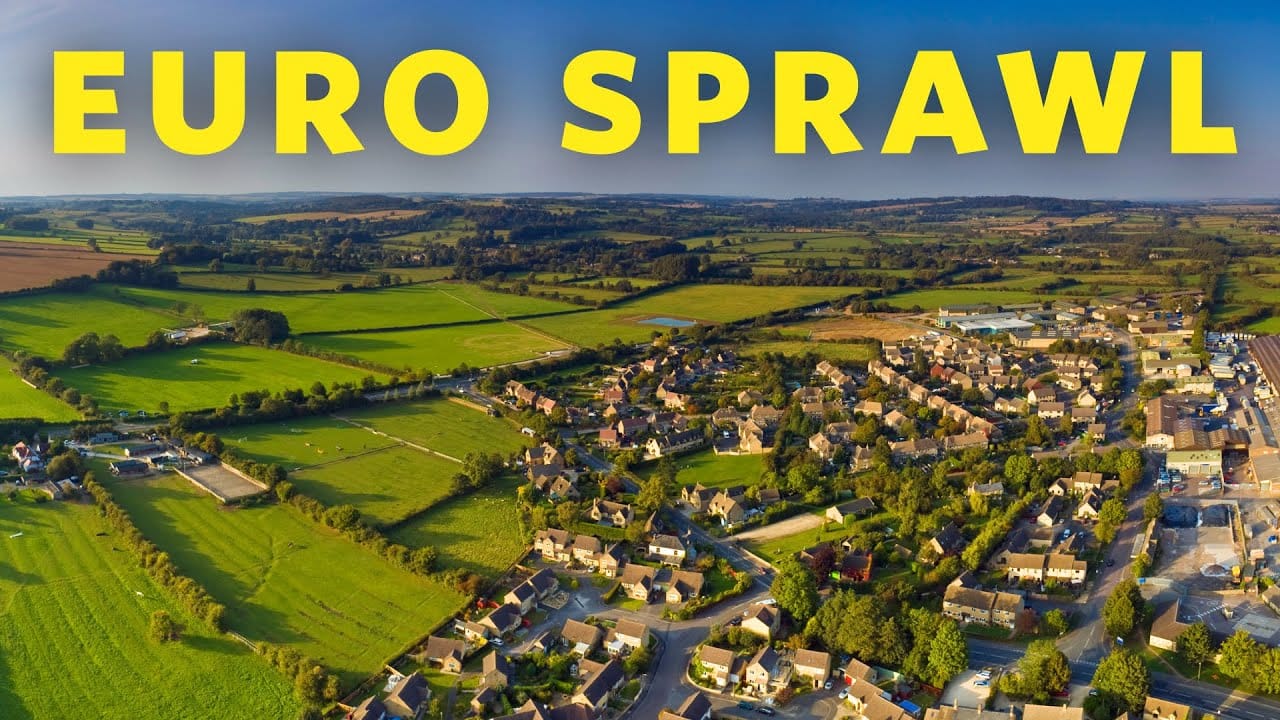
Europe gets high praise for its medieval and historic city centers, leaving tourists an impression that nearly everything is neatly compact. But Europe has experienced sprawl in the past and continues to sprawl today. Dave Amos from City Beautiful dives into how Europe has been sprawling, how its sprawl is
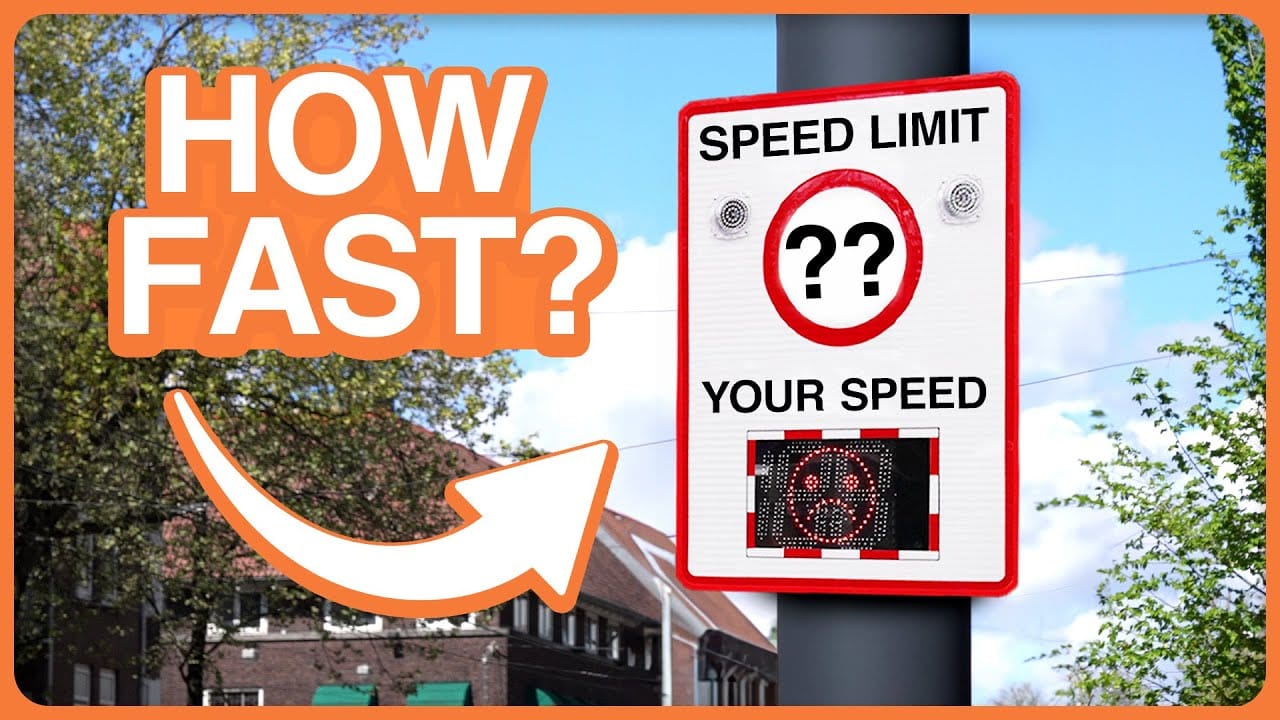
Jason Slaughter of Not Just Bikes dives into why lower speeds limits are good society and what the best speed limits are for cities. Slaughter provides research and analysis on safety, environmental, economic, and social benefits by reducing speed limits.
The dream of high-speed rail in Cascadia continues as state government studies how to achieve it, but what might a realistic high-speed rail line look like? What would the travel times be, where would it run, and how much would it cost?
In this video, Reece Martin at RM Transit reviews the ins and outs of the new Link 2 Line that has started abbreviated service on the Eastside. Much of the footage and images in the video come from long-time transit advocate, writer, and cartographic guru Oran Viriyincy.
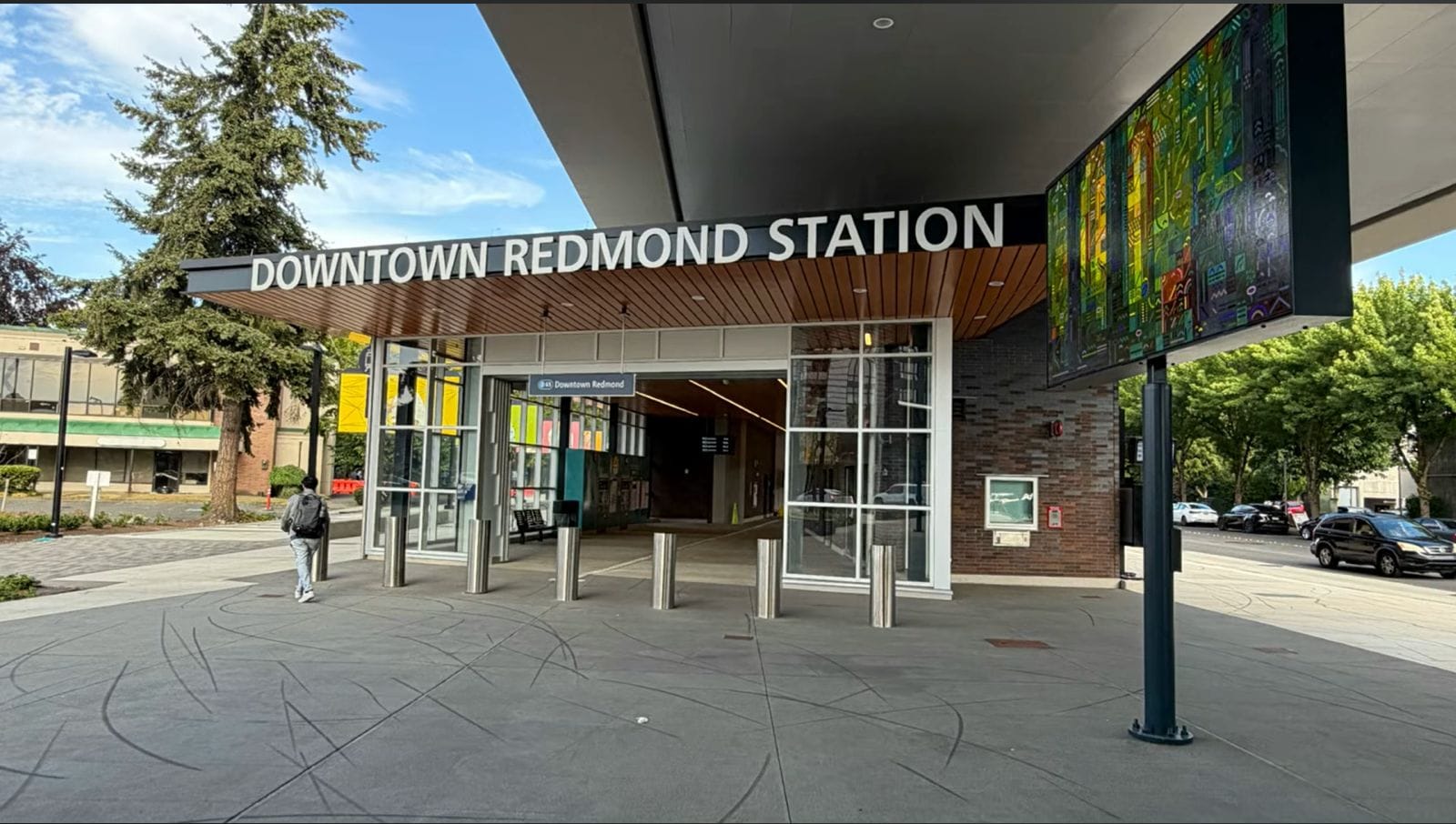
On Saturday, the new Link 2 Line officially opened between South Bellevue and Redmond Technology Stations to much fanfare. Best Side Cycling captured the event in great detail visiting all of the stations, checking out events, and riding the rails. Sound Transit is running two-car trains every 10 minutes from
American transit agencies often limit themselves in the types of buses that they use, but when is it right to have three-/four-/five-door buses, double decker buses, and single and double articulate buses? Reece Martin at RM Transit dives into the topic.
Like yours truly, Ray Delahanty of CityNerd is at this year’s National Planning Conference in Minneapolis. And like yours truly, Delahanty is spending a lot of time in a sprawling downtown convention center. In this video, Delahanty puts American and Canadian convention centers into March Madness-esque brackets to rank
Ray Delahanty of CityNerd goes through a litany of reasons why car dependency makes American society worse off from public health and environmental quality to public safety and economic security. This video may trigger petroheads.
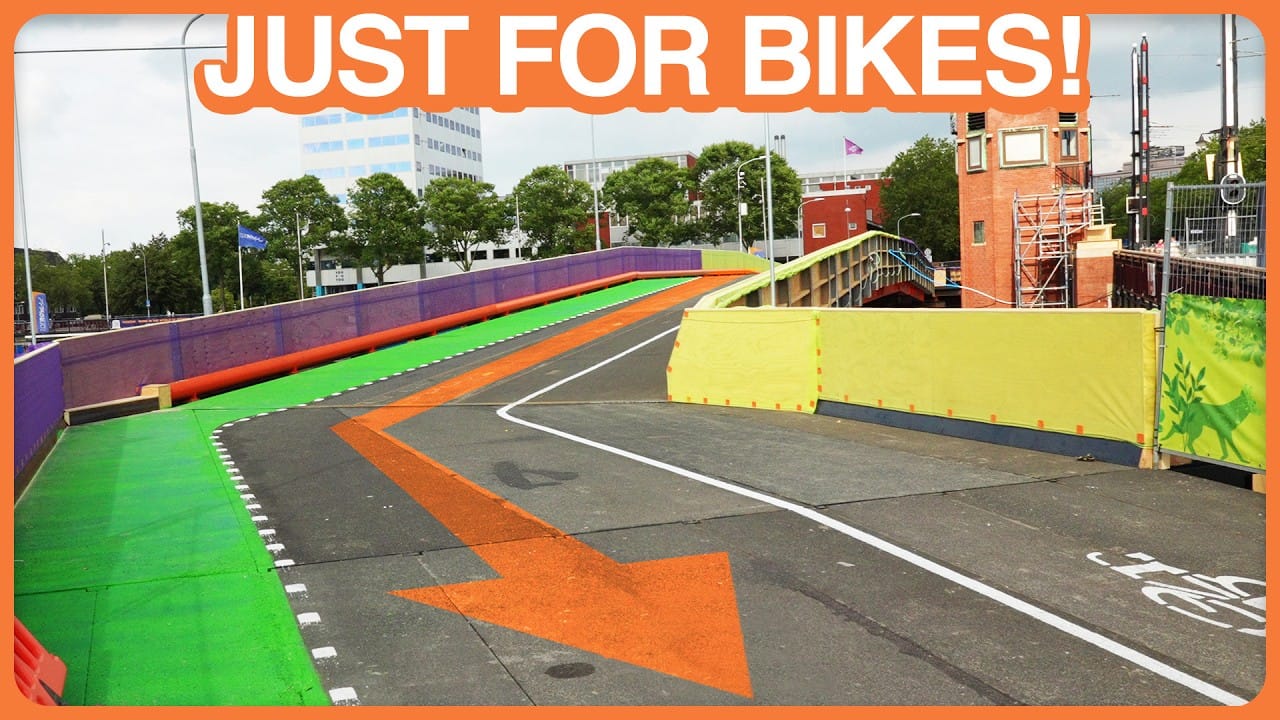
Amsterdam needed to repair an iconic and important bridge crossing, called “Berlagebrug.” As part of that, the city installed a temporary bridge adjacent to it just for people walking, rolling, and biking. Reconstruction of the bridge had some side benefits: quiet streets and lower car traffic in the area. But
Malls have been closing up in America for years now, but remaining malls continue to reinvent themselves and some are seeing wild success. Dave Amos talks about what has been happening with malls, how they are evolving, and how some have had adaptive reuse into something entirely different.
Most everyone wants to get from Point A to Point B as fast as they can. The straightest line (route) may be the shortest distance between those points, but it isn’t always the fastest on transit. Reece Martin from RM Transit dives into why that might be. Helping riders
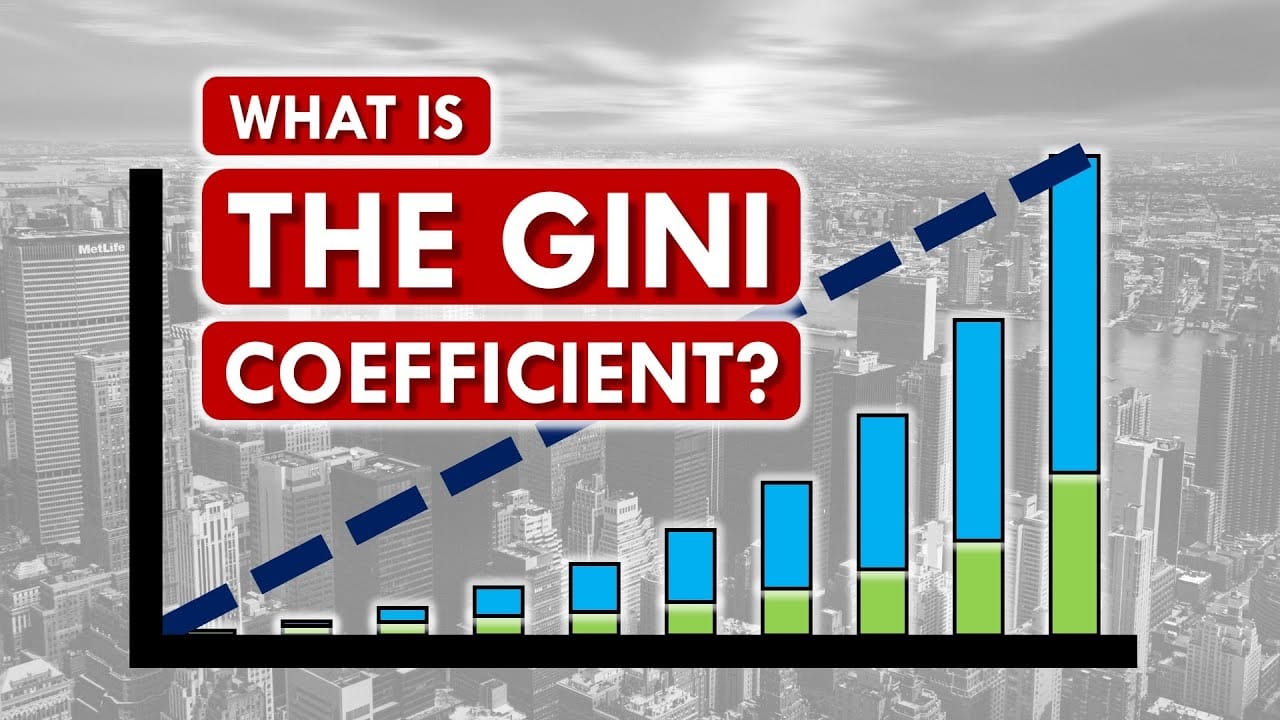
Using the Gini coefficient which measures inequality, Ray Delahanty of CityNerd runs through the top 10 cities in America with the highest levels of income and wealth inequality. Delahanty focuses his analysis on cities in metropolitan regions with more than 1 million people. Surprisingly, Seattle doesn’t even rank in
Dave Amos of City Beautiful talks about some examples of circular cities and the history of circle cities. Whether circle cities are deeply practical at the local block level or at the regional level for organizing communities and transportation network are issues Amos discusses in this video.
Reece Martin at RM Transit digs into what’s so great about junction stations. These are stations where multiple rail lines converge and they can happen in multiple situations. Martin demonstrates how junctions are most powerful where, on a shared corridor, the first opportunity to create a transfer opportunity that
Historian Lorraine McConaghy rehashes the arc of Kirkland’s history from blue collar boomtown with an industrial waterfront to bust town to its high tech resurgence, all while using a lens of racial equity and housing exclusion.
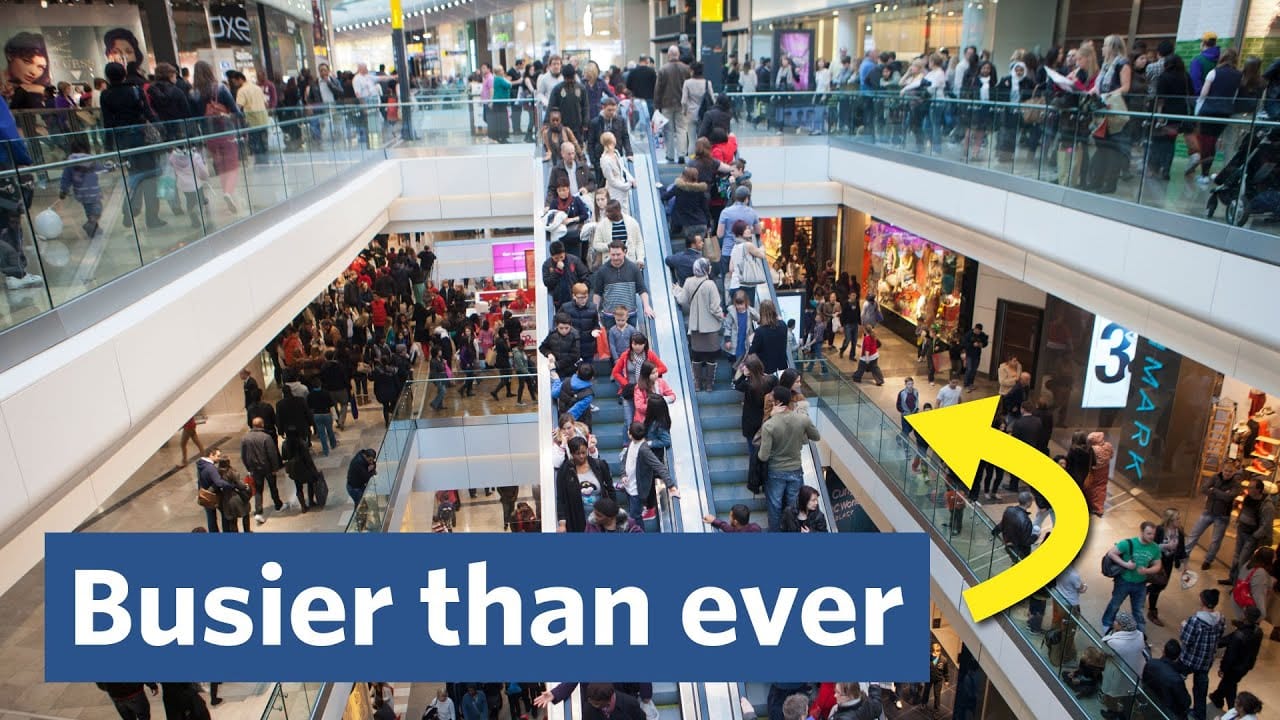
Uytae Lee of About Here highlights Kensington Market, a very diverse district in Toronto steeped in history. It’s increasingly become a popular area of the city for redevelopment interest. Lee highlights how the community is trying to move forward while having a stronger stake in decisions around how the
Will one more car lane really fix congestion? Jason Slaughter from Not Just Bikes digs into all those promises made by highway departments to reduce congestion and improve the environment by expanding roads.
Ray Delahanty of CityNerd has an updated analysis of potentially high-performing corridors for high-speed rail in North America. Delahanty scores dozens of corridors, but in his rankings Cascadia doesn’t make the cut as a high priority. That said, Delahanty is certainly onboard with a breakaway Republic of Cascadia spending
Reece Martin at RM Transit dives into the many challenges that American transit is facing right now. Chief among them is the inability to build transit expansions and operate service. Martin offers strategies and ideas to get American transit back on track.
Ray Delahanty of CityNerd came home for the holidays and revisited Pike Place Market. In doing so, he highlighted what makes the market so great and authentic, and how it nearly avoided its demise. Delahanty, however, also documented the unbalanced use of Pike Place itself, which is brimming with pedestrians
As transit agencies modernize their fare payment systems, digital payment methods are becoming more widespread. Many transit agencies are allowing use of open loop payments with credit and debit cards. But Japan has rapidly built out a very different — and on the surface complicated — digital payments system. Daniel Heppner explains
Reece Martin at RM Transit explores the history of the tram (streetcar) and its reinvention into as a primary train technology now used throughout the world in urban systems, though often dubbed “light rail” (hello, Link). Martin highlights the pros and cons of widespread use of trams in contemporar