Op-Ed: The Case for Shifting to a Land Value Tax
Seattle's property tax system has serious shortcomings, but Aaron Schechter explains how shifting to a land value tax could address them and encourage homebuilding.
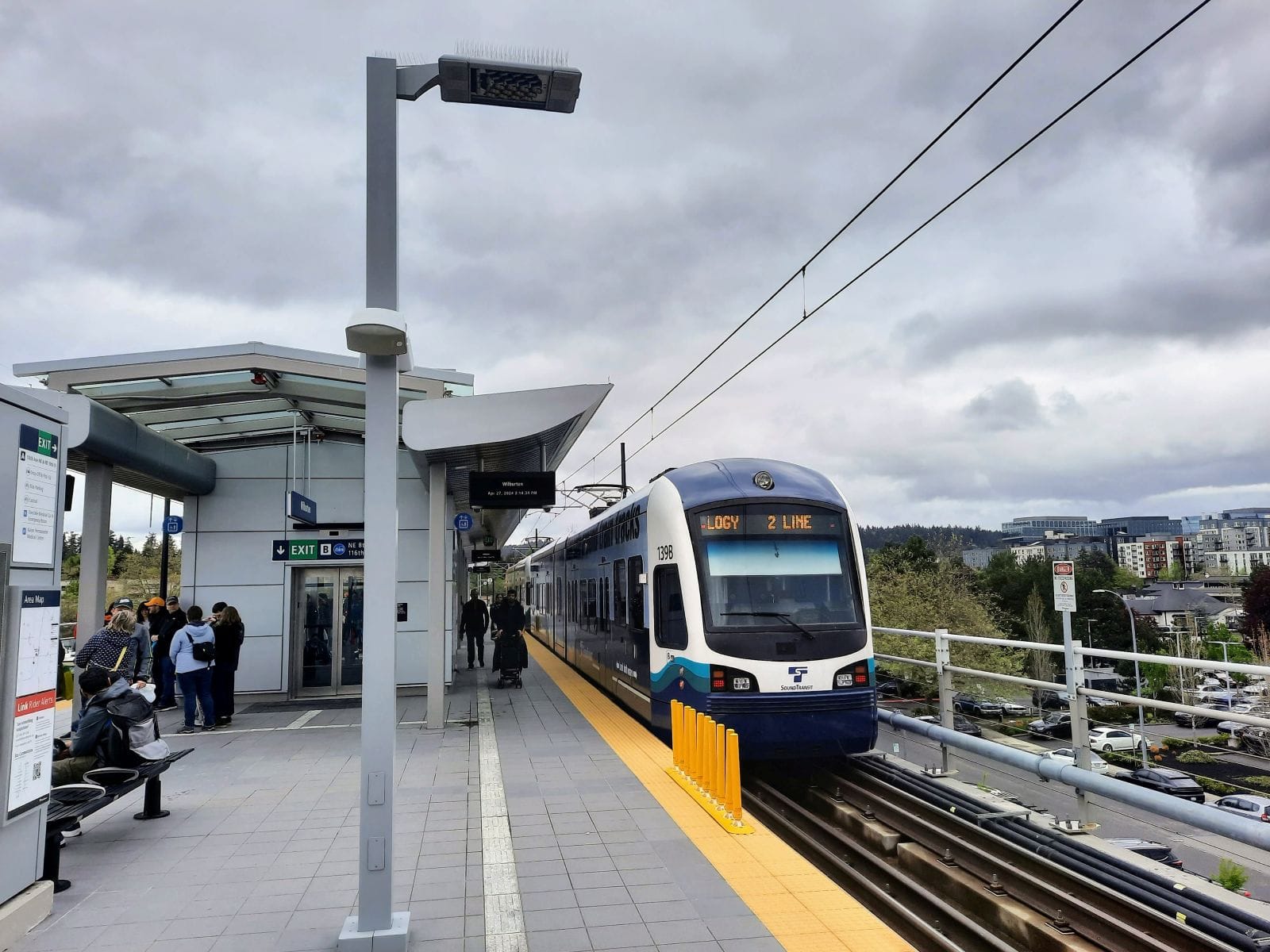
One year in, the Wilburton rezone is becoming a regional model. Thanks to a funded inclusionary zoning program, Wilburton attracted applications for more than 2,300 apartments, more than Seattle logged citywide in 2025.
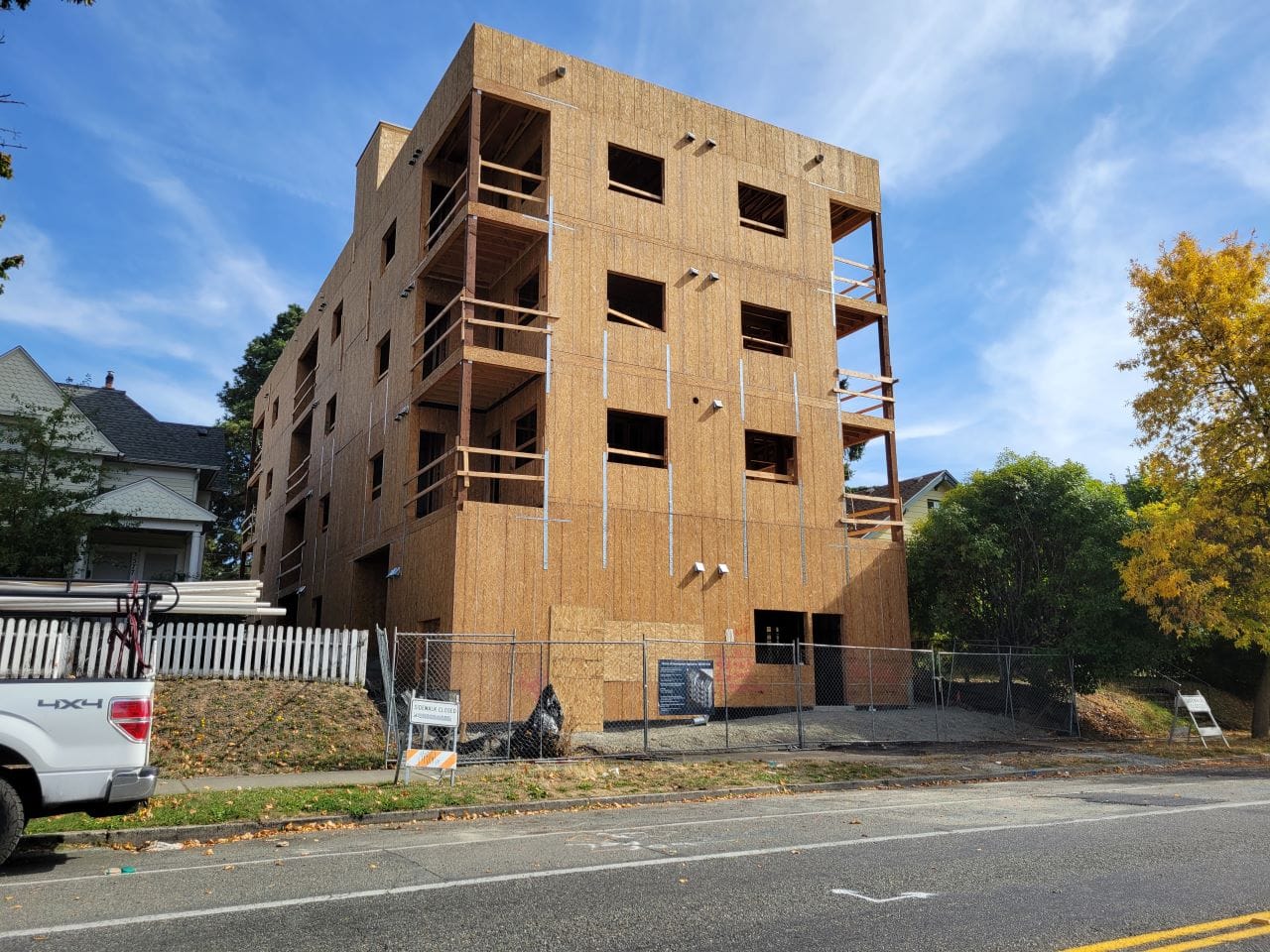
After clearing the Land Use Committee last week, a package of narrowly targeted zoning changes is headed to the Seattle City Council on June 2. The proposal seeks to spur the construction of towers, affordable housing, and eco-friendly mass timber and passive house buildings.
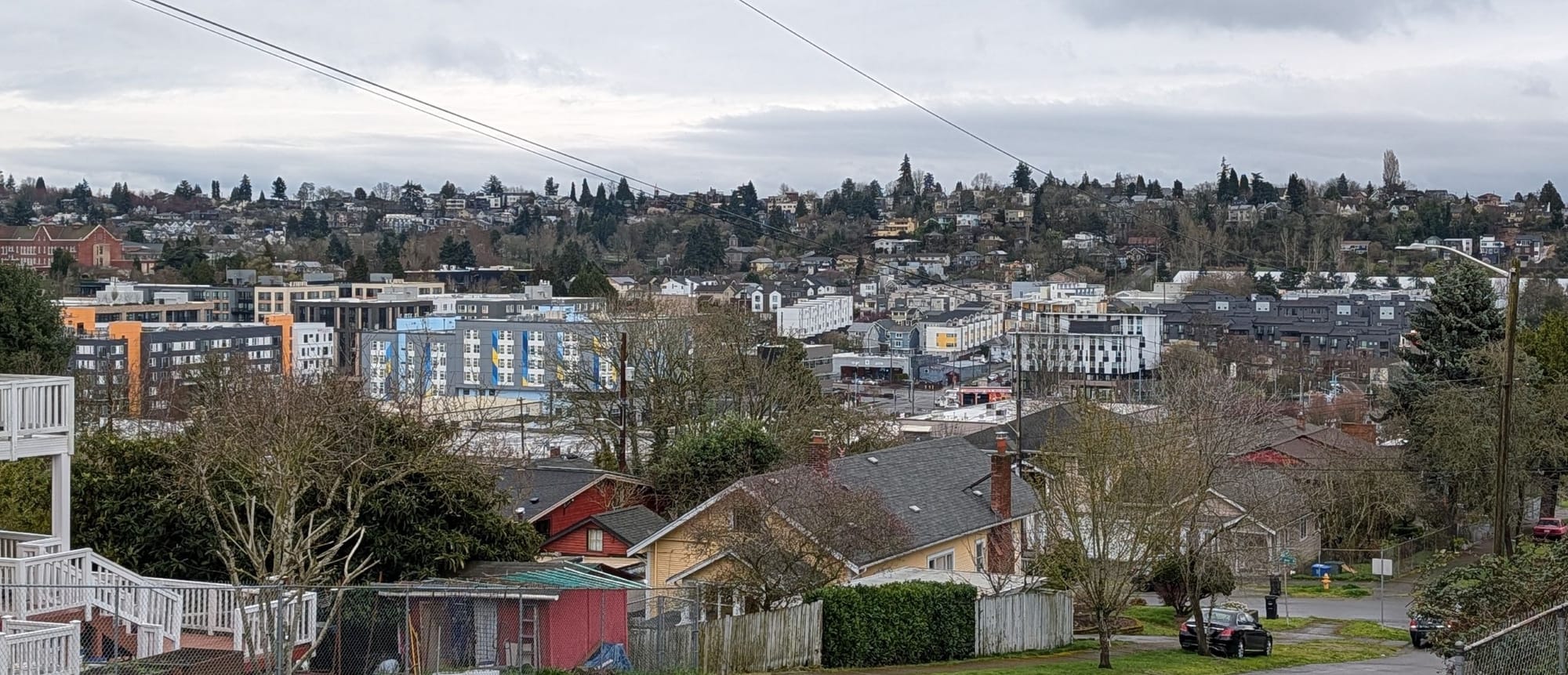
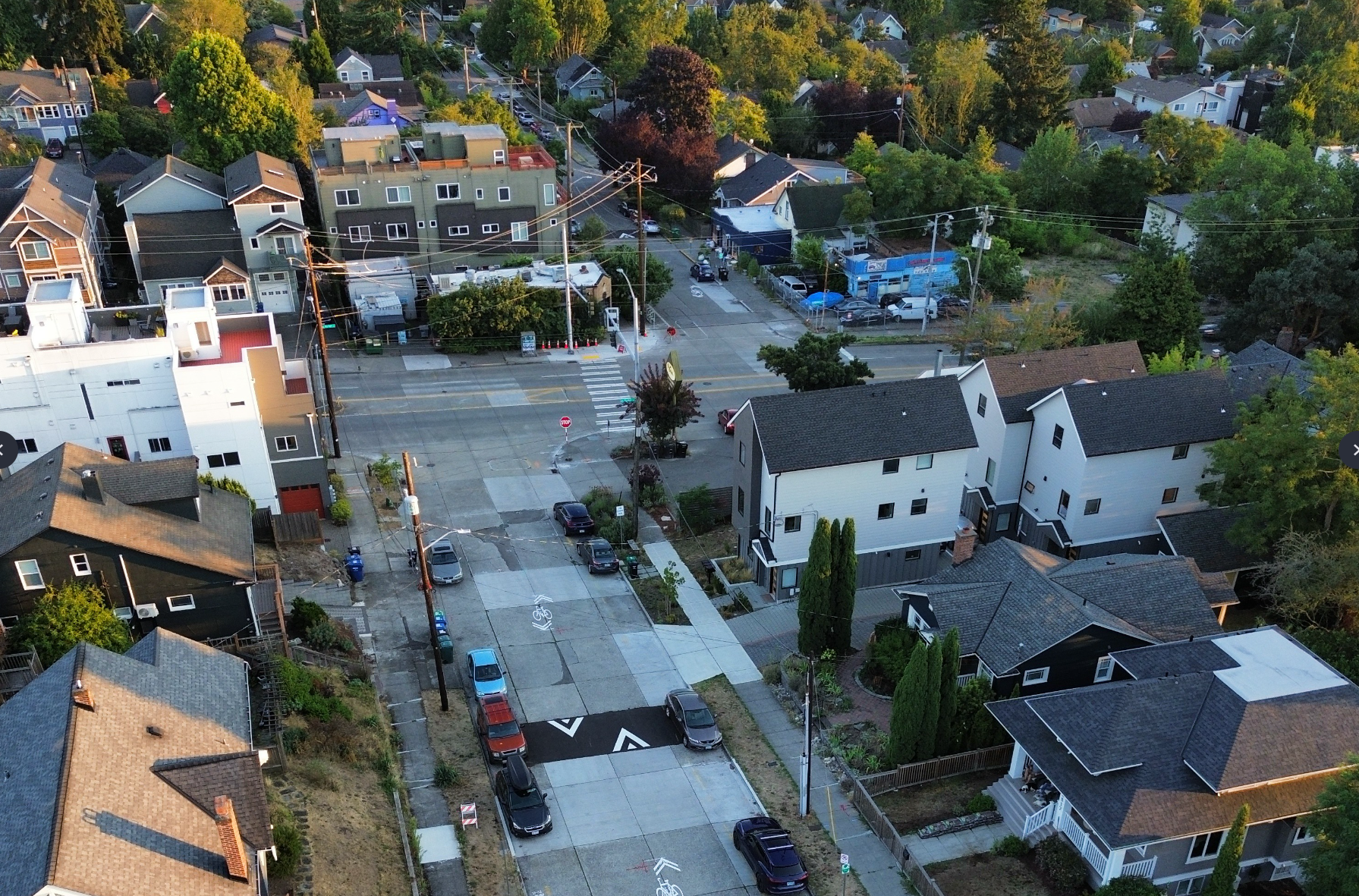
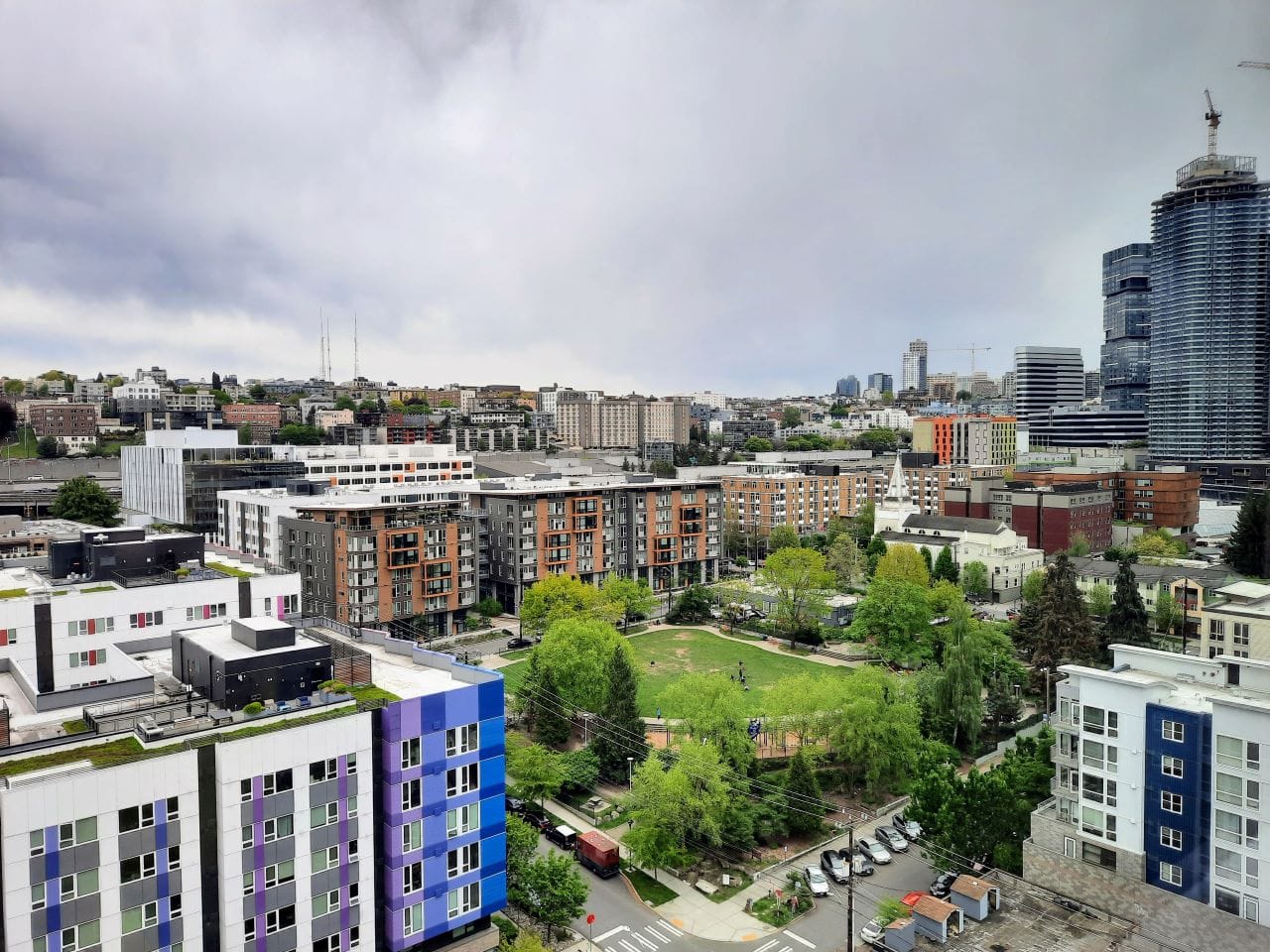
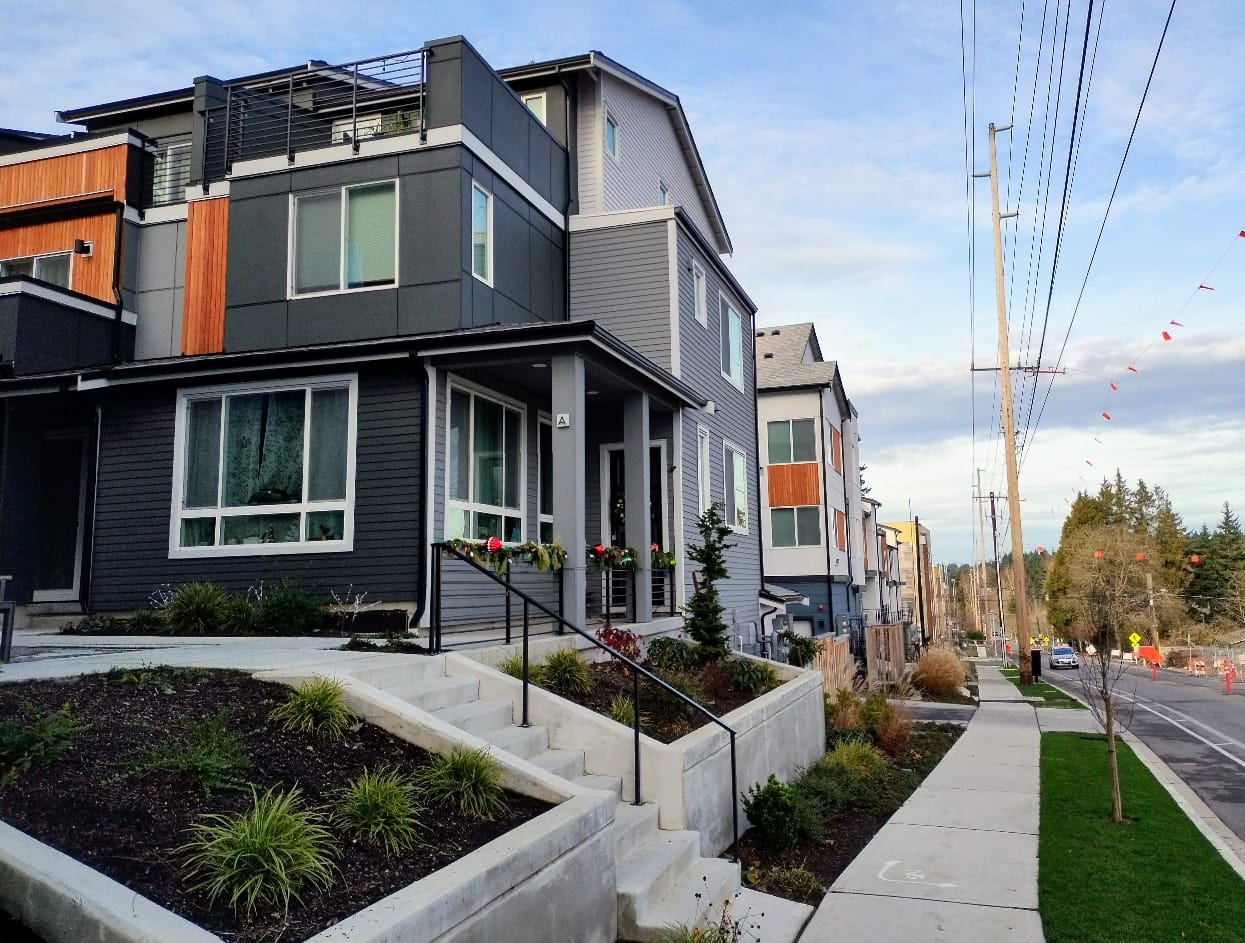
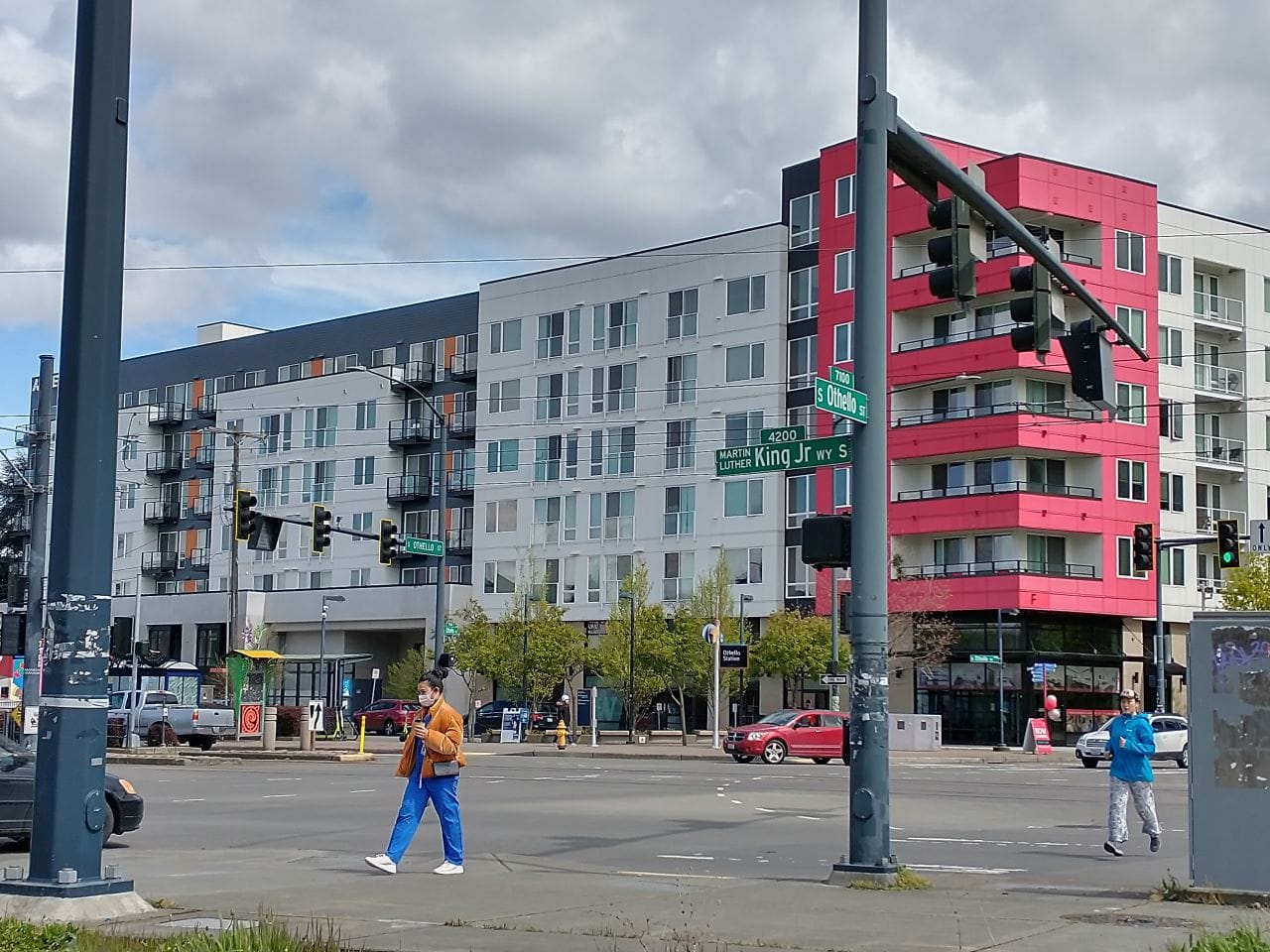
Near Judkins Park Station, builders have added more than 2,000 homes since 2018, plus new schools and retail. This includes 600-plus townhomes and 700-plus income-restricted affordable homes. Another 900-plus homes are in the development pipeline.
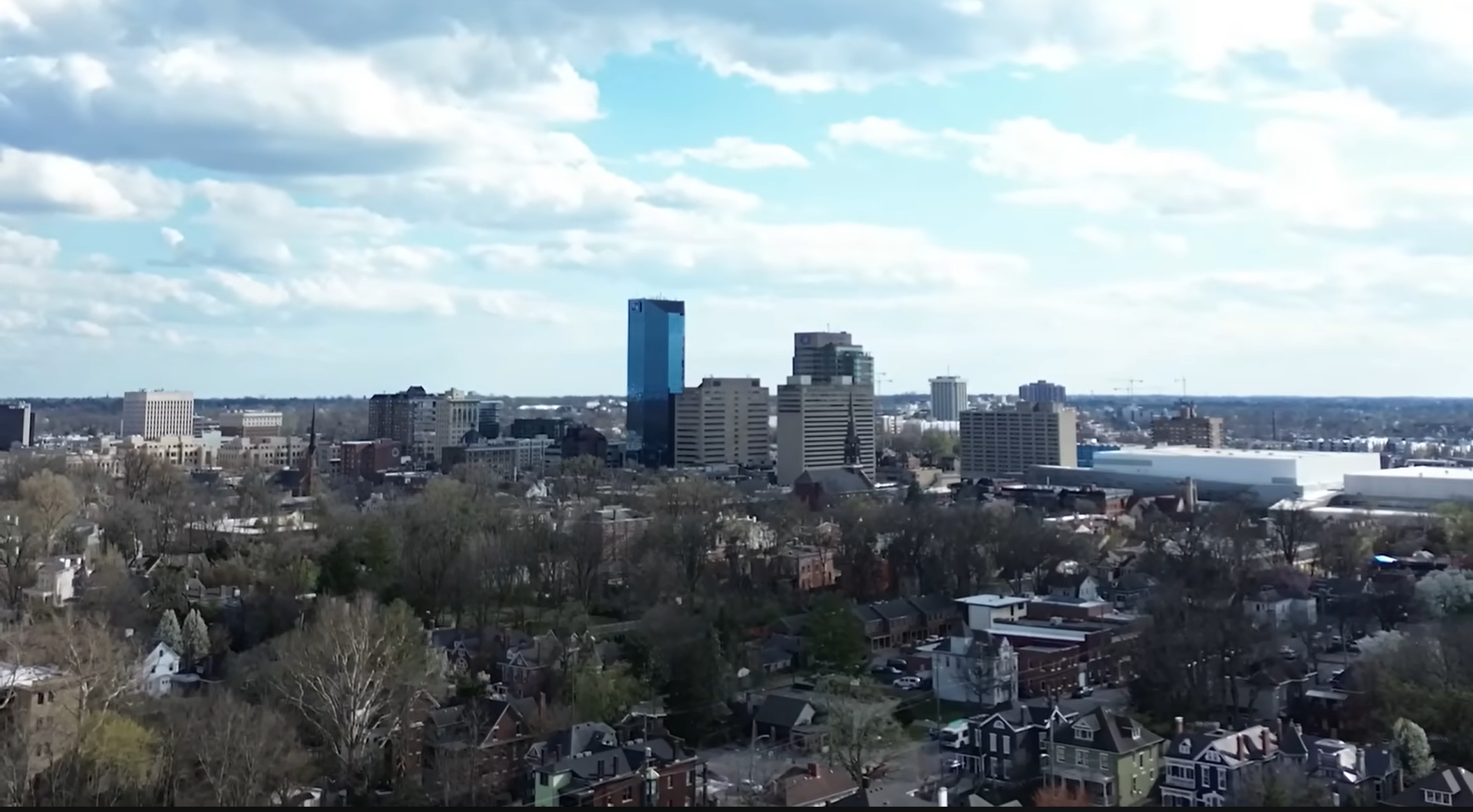
In his most recent video, CityNerd's Ray Delahanty dives into the wonky magic of urban growth boundaries, using the case study of Lexington, Kentucky.
Seattle Mayor Katie Wilson’s administration is queuing up housing density increases within two blocks of all frequent transit corridors, planning director Rico Quirondongo revealed at a recent meeting of the Seattle Planning Commission, which pushed for the idea and greeted the plan warmly.
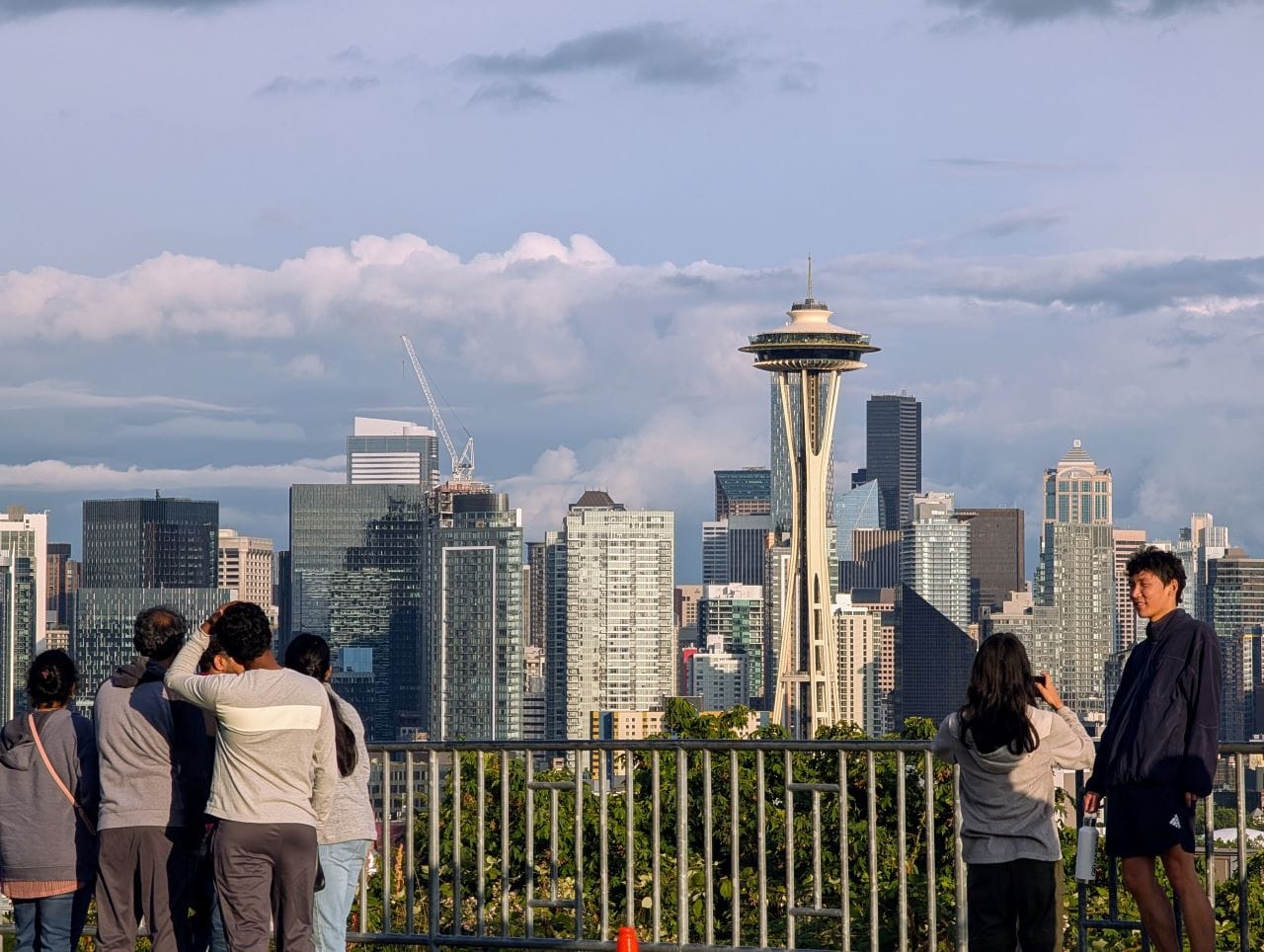
A Sightline Institute study quantified the impact of growing up, not sprawling out, estimating that the Seattle metro area’s slightly less-sprawling growth since 2000 was keeping 1 million tons of greenhouse gases out of the atmosphere every year, compared with what Seattleites would have been emitt
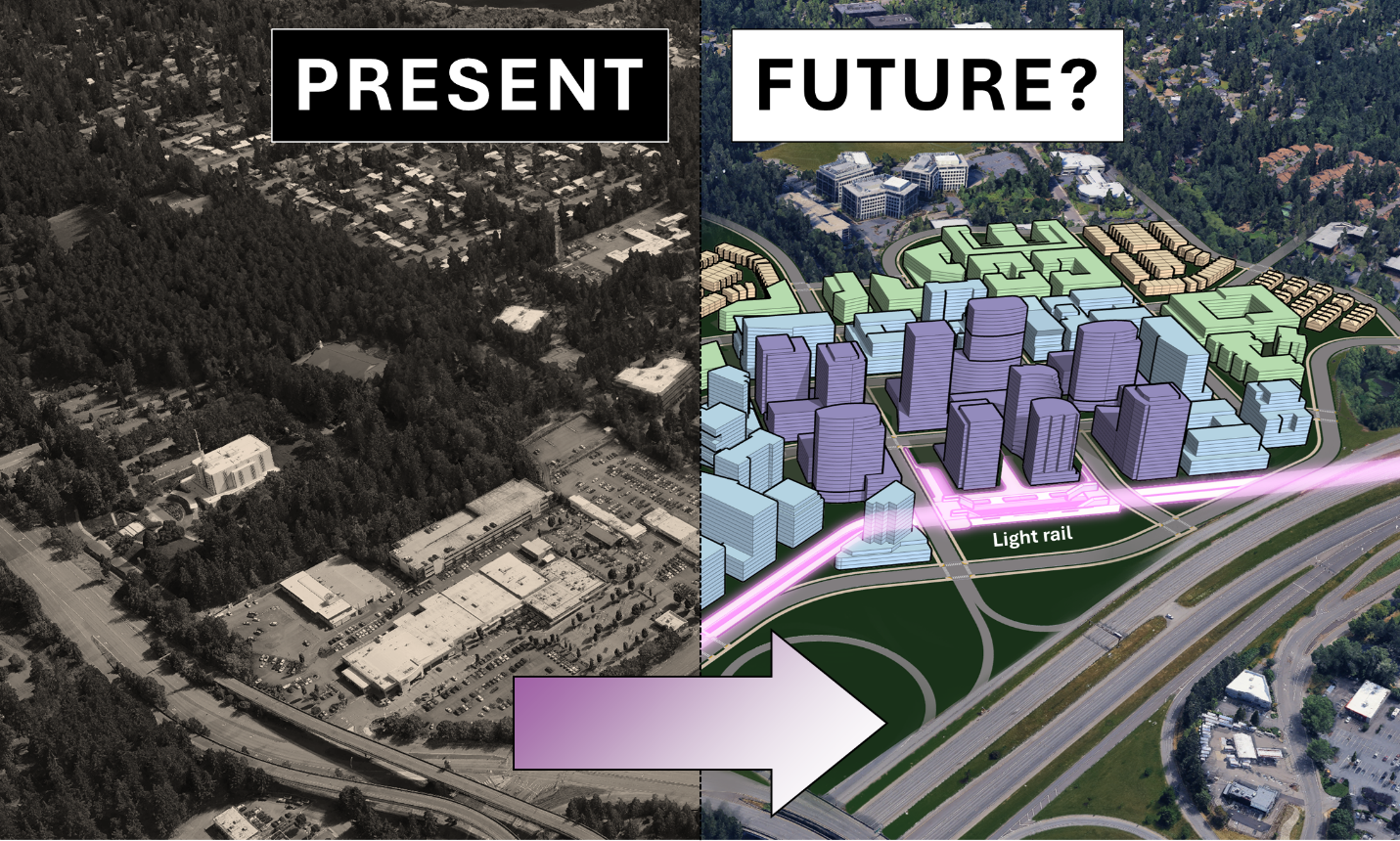
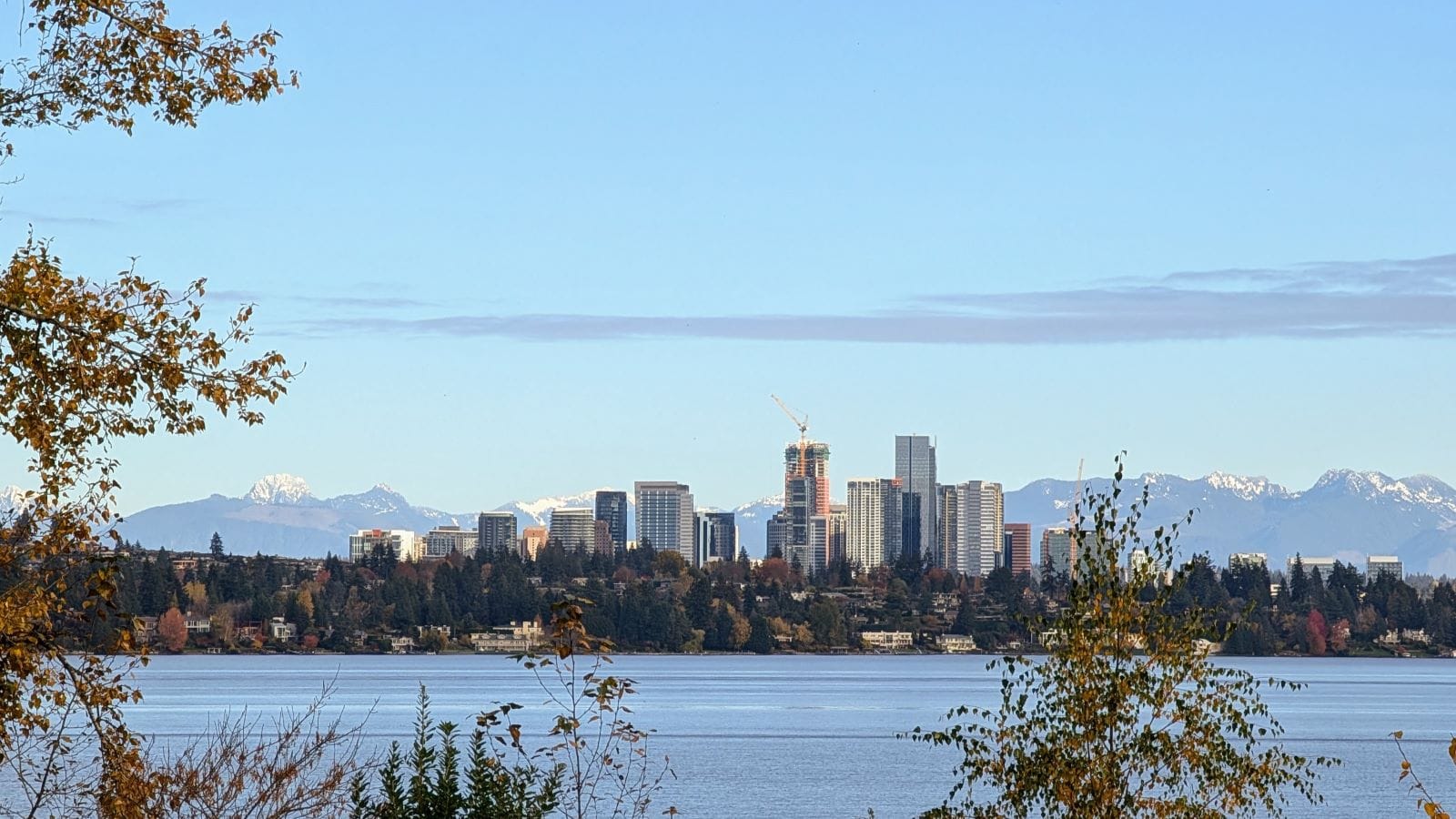
Adding a light rail stop next to Bellevue’s decommissioned airport could unlock more than 100 acres for dense urban development, boosting the potential of the planned line to Issaquah. Like Bel-Red or the Spring District, Eastgate could be the next Bellevue neighborhood to transform with transit-ori
Washington State is forcing Kitsap County to re-do its Comprehensive Plan for lack of low-income housing, ignoring wildfire risk, and neglecting safe streets requirements. The do-over is a chance to turn away from sprawl, writes Travis Merrigan.
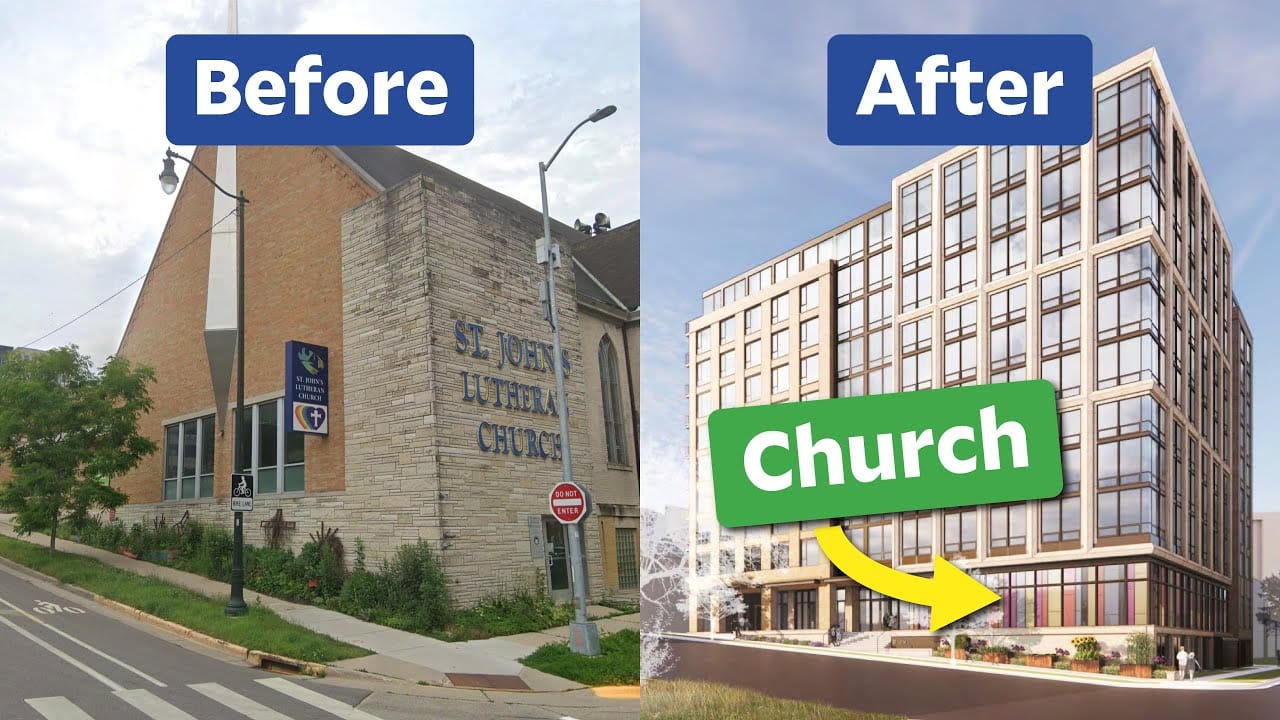
In this video, Dave Amos of City Beautiful talks about a growing national movement of faith-based organizations that are seeking to put their landholdings to work for housing, known as Yes-In-God’s-Backyard (YIGBY), and the obstacles that the movement faces.
The $64 million sale of the hotly contested Talaris property in Laurelhurst surprised housing advocates who had long been fighting sprawl and pushing for a more forward-thinking urban vision. But with considerable roadblocks to redevelopment still in place, Talaris’s future remains uncertain.
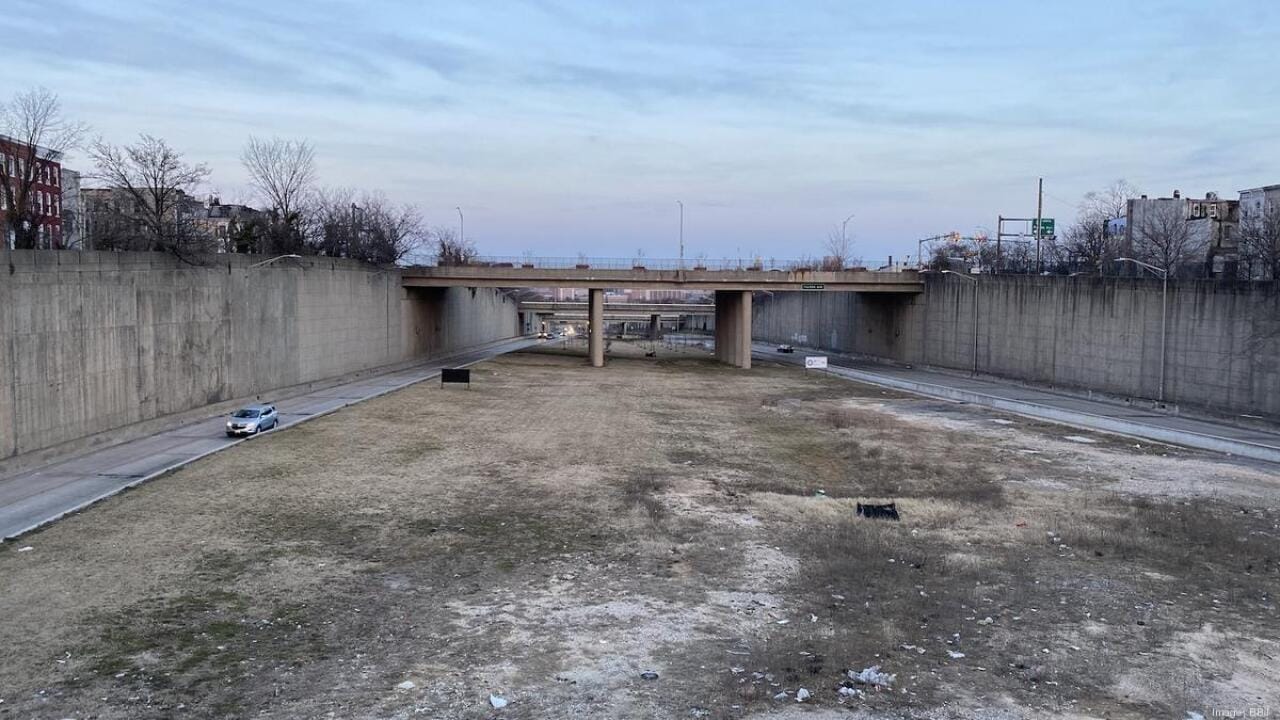
Road to Nowhere author Emily Lieb is speaking at Elliott Bay Books on November 20. Here’s a sneak peek at her book, which covers the plight of the Rosemont neighborhood of West Baltimore, as it was victimized by grand highway schemes.
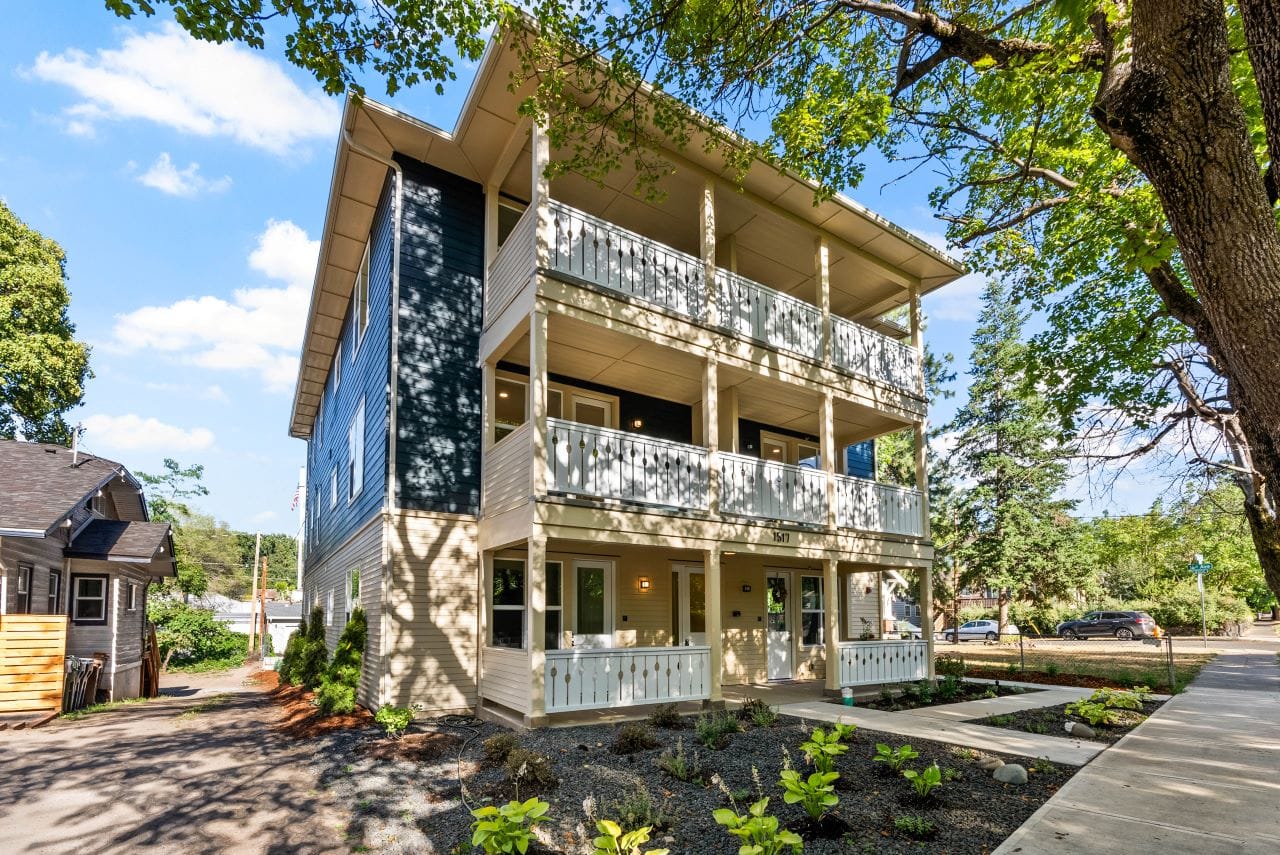
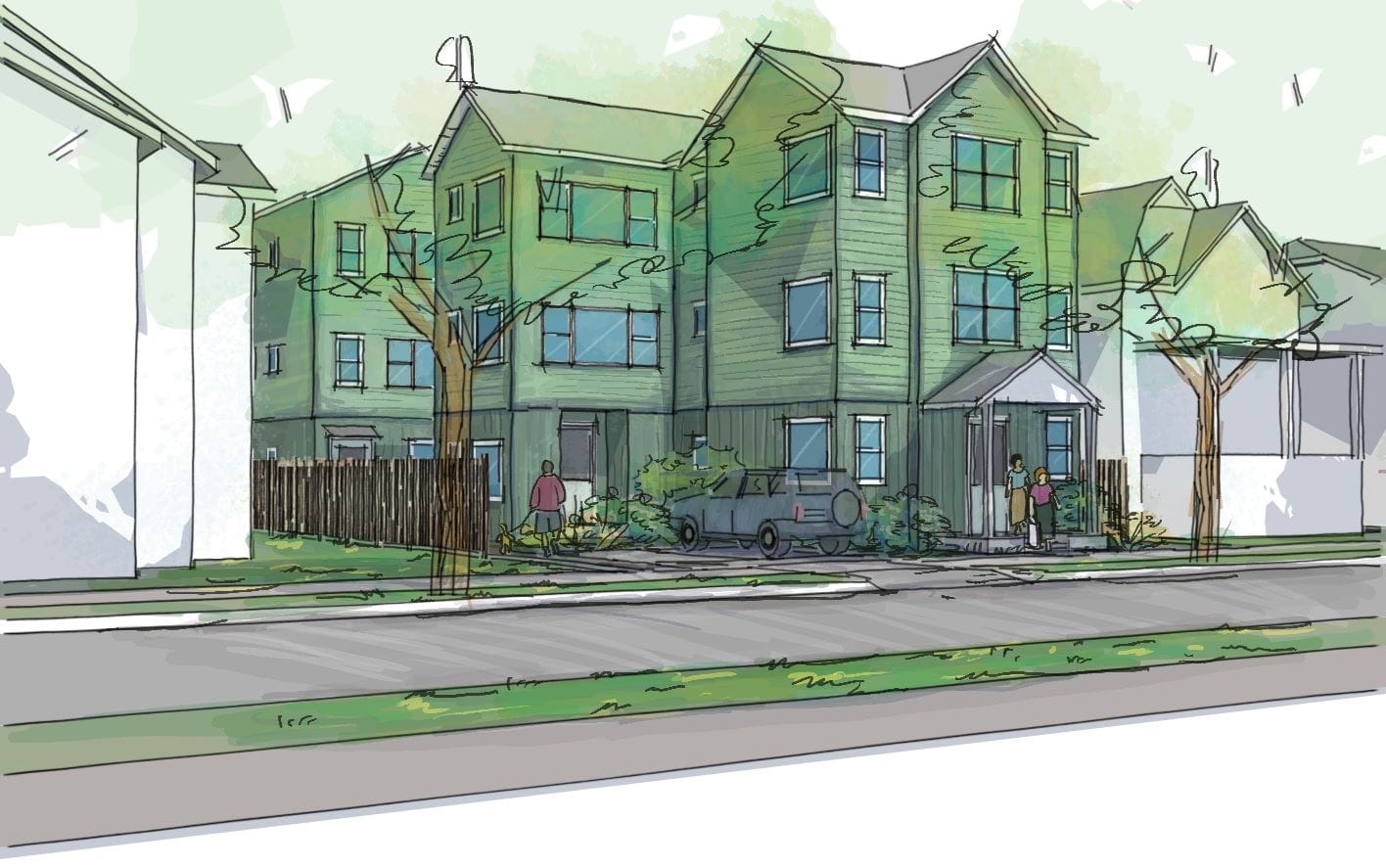
Four case studies show how Seattle’s new middle housing zoning incentives align with demographic shifts to meet housing demand.
The contentious proposal, approved by a 6-3 vote in March, legalized residential uses in a small slice of SoDo. But a state board pointed out several areas where the City cut corners ahead of that vote, nullifying the change.
Chicago has gotten a lot of national attention this year, but not for the reason we’d usually hope. Ray Delahanty of CityNerd, however, made a recent visit to check out what’s happening in the city and found that it was well and vibrant. Delahanty ticks through the L
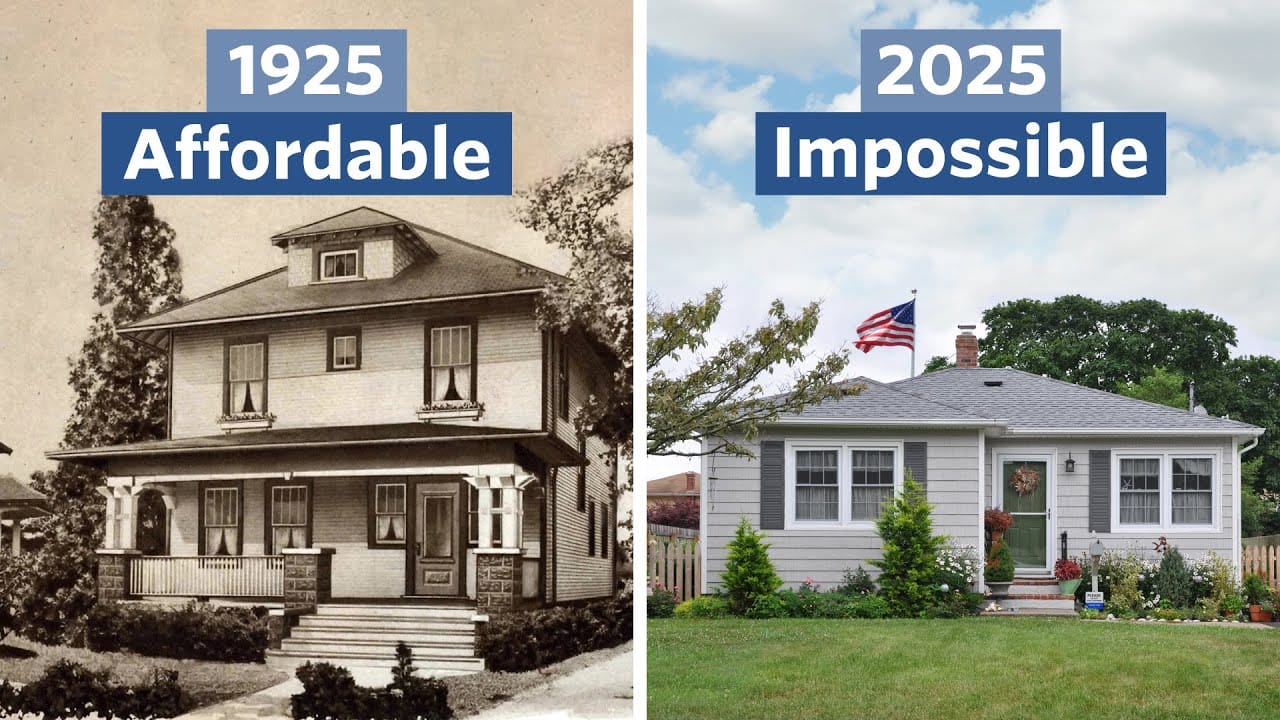
America’s housing crisis is a complex and persistent problem. There isn’t just one reason for the housing crisis, but rather many compounding policy, demographic, and technological reasons that have led to it. In this video, Dave Amos of City Beautiful documents how the country has slow walked into
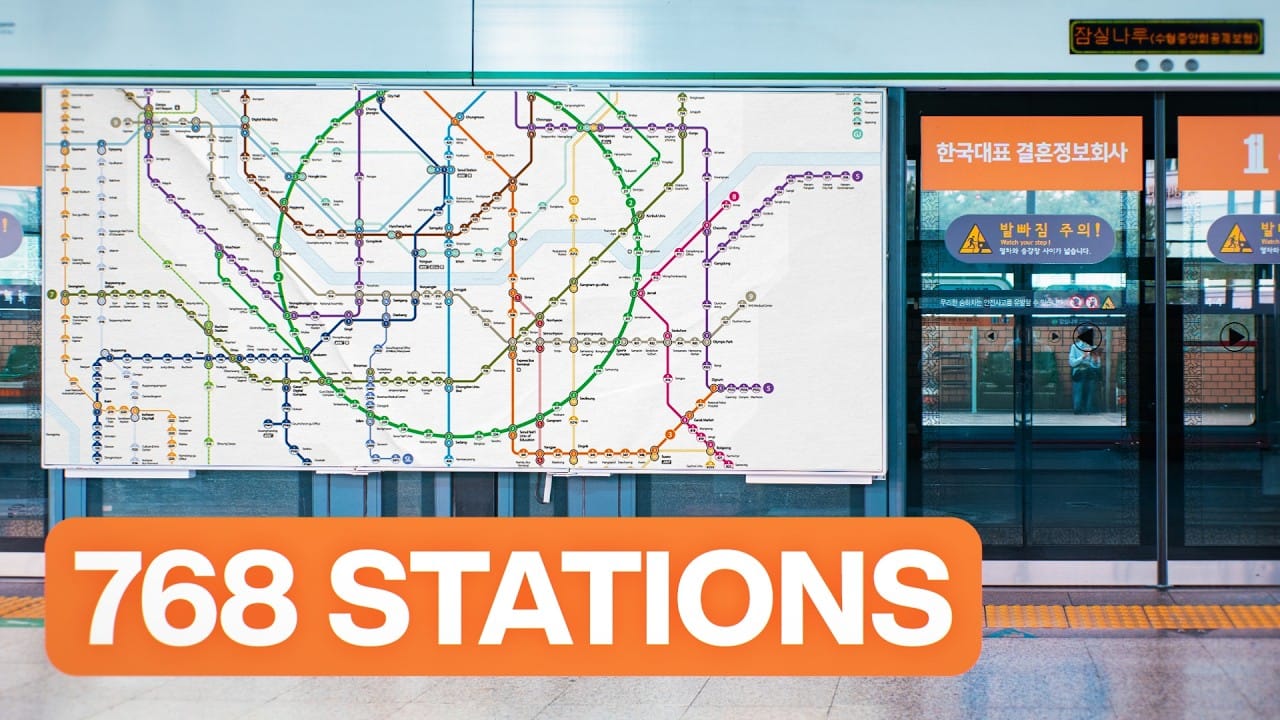
Seoul consists of a very densely populated region in South Korea with more than 26 million people — about half the country’s total population. Consequently, public transportation is critically important in moving people within and beyond the metropolitan area. The Seoul Metro alone has well over 600 stations crisscrossing the
While Tacoma saw a small uptick in housing starts in the first months of Home in Tacoma upzones, the City’s goal to add 59,000 homes by 2050 may take additional action by the City, given current trendlines.
Seattle’s long saga of passing its state-required, once-per-decade major update to its Comprehensive Plan is nearing its end. But first, one more public hearing will be held this Friday for residents to air their grievances or do their cheerleading. Here’s our guide to the 106 amendments under consi
Accessory dwelling units (ADUs) just got a bit easier to build in Seattle, as legislation passed in May went into effect yesterday. The reform will help Seattle meet state mandates to make ADUs easier to built. Ultimately, wider middle housing reforms planned in the coming months may prove more attr
On Monday, June 23, the Seattle City Council is holding a public hearing on the One Seattle growth plan. Housing advocates must defend the 29 neighborhood centers in the plan and push to add more. Jazmine Smith lays out the case for these eight additions.
Kenmore is considering a mandatory inclusionary zoning policy that would not be paired with funding or incentives — passing affordability costs onto homebuilders. But, in a shift away from the Planning Commission’s recommendation, the City Council directed staff to draft a policy that would encourag
Big box stores have become a common feature of American suburbs most everywhere. Many are still going, albeit it with lower foot traffic volumes, and others have closed. But the impacts of them on land use patterns, transportation systems, and municipal coffers are often problematic. Dave Amos of City Beautiful
Seattle Mayor Bruce Harrell has shrunk the dimensions of eight neighborhood centers and six urban center expansions he proposed last year. The move chops dozens of blocks off the growth centers, limiting opportunities for apartments and affordable homebuilding and drawing criticism from housing advo
The 2017 Marymoor Village growth center has led to a number of larger multifamily developments in the area around Marymoor Park in Southeast Redmond. This weekend, light rail finally arrives.
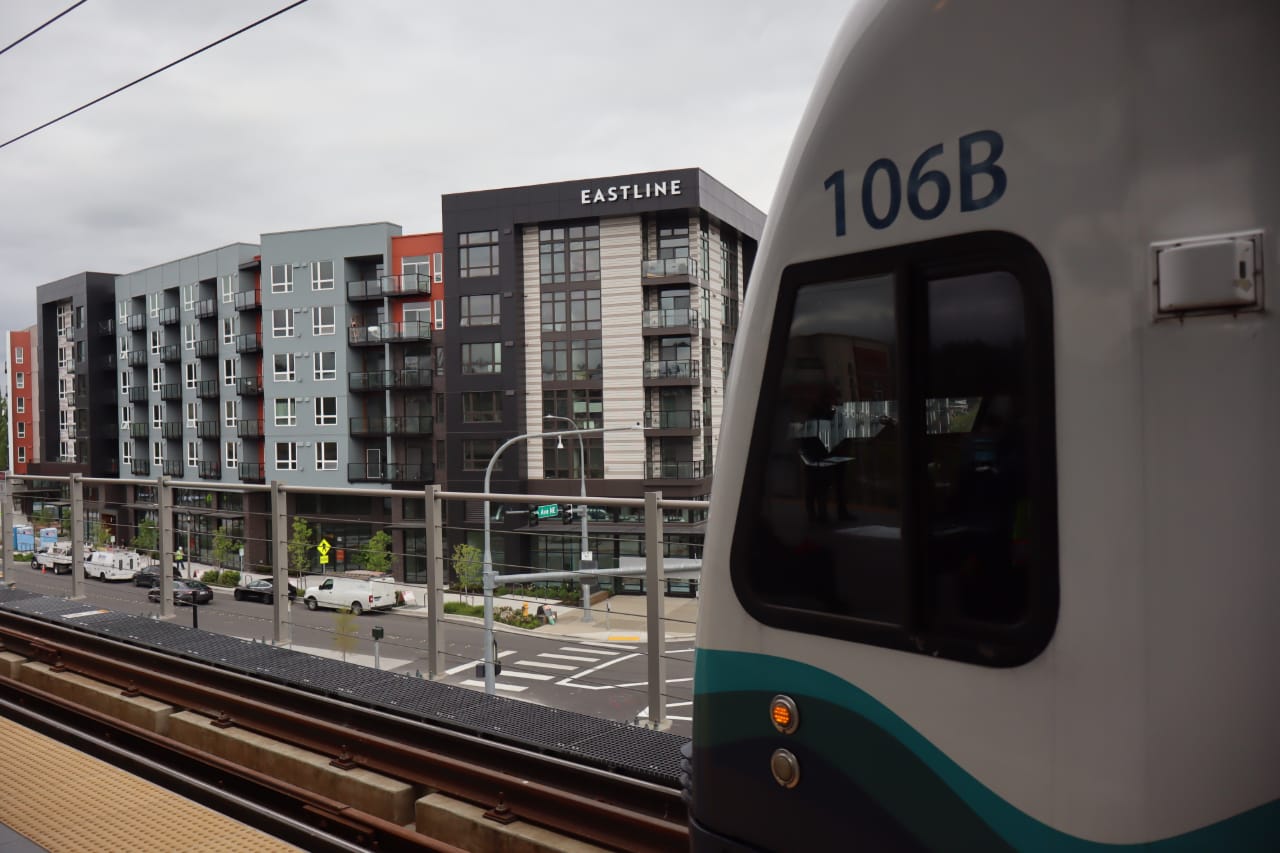
New apartment buildings like Eastline and Polaris have brought hundreds of units close to Redmond’s forthcoming downtown light rail station. On the horizon are even bigger projects.
Redmond’s 1993 Downtown Plan led to an urban transformation that saw the construction of over 5,000 new units between 2000 and 2020. This Saturday, light rail arrives to support that urban growth.
CityNerd’s Ray Delahanty rebutted Conor Dougherty’s New York Times pro-sprawl op-ed. Via his spicy top 10 list,” Delahanty shows how density generates high-amenity, livable neighborhoods that are far less car dependent than the sprawling suburbs that Dougherty celebrates in his hot take.
Nat Henry maps out Mayor Harrell’s growth plan and finds his transit corridor plan would would upzone fewer than 1 in 10 parcels within a five-minute walk of transit stops. That forces renters onto dangerous, polluted arterial roads, where apartments would be narrowly focused.
Snohomish County Council adopted new land use legislation to streamline permitting and remove regulatory barriers to opening more childcare centers and daycares. The state legislature seems to share in that goal and has proposed statewide legislation reducing regulatory hurdles.
The Snohomish County Council has further liberalized accessory dwelling unit (ADU) regulations in urban unincorporated areas, building on reforms enacted in 2021. Spurred by state reforms, the County will be allowing more bulk flexibility and ending common ownership requirements for ADUs, and allowi
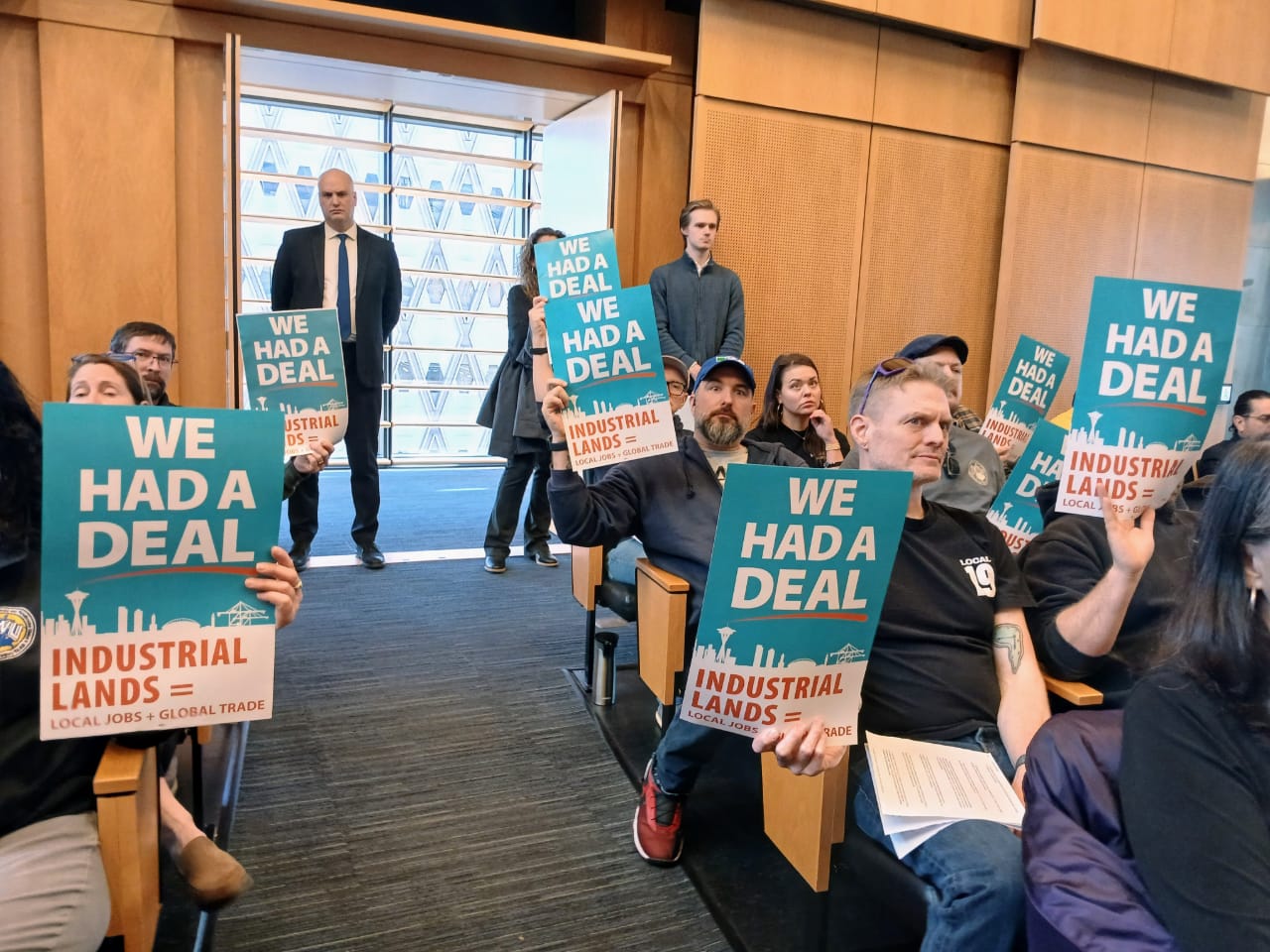
The 6-3 vote ends a long debate which rehashed a dormant fight over the future of Seattle’s Stadium District. With the door now open to residential uses, industrial advocates warn of the continued erosion of the city’s industrial lands.
In Tacoma, 62% of housing units are detached single family homes. This overabundance has come at a cost in terms of affordability and urban livability. But recent zoning changes could spur a greater variety of housing.
The 3-2 vote in committee sets up a final decision later this month, but the Port of Seattle is suggesting they may take legal action against the move.
Keeping all 30 proposed Neighborhood Centers is essential for a more affordable, sustainable, and thriving Seattle. If we chip away at Neighborhood Centers, we’ll be left with the same housing shortages, rising costs, and inequitable growth patterns we’ve seen for decades.
Newcastle Mayor Robert Clark pushed to remove references to promoting racial and social equity as “vague,” “subjective,” and “irrelevant,” and called climate change “subjective.” Many of his recommendations were adopted by the Newcastle Planning Commission.
Port Commissioner Ryan Calkins argues that the Seattle City Council should reject Council President Sara Nelson’s rushed plan to add a housing district in SoDo and continue to reserve the area for industry and freight needs.
Senate Bill 5156, approved by the Washington Senate this week, could open the door to more accessible small apartment buildings built around smaller European-style elevators, reducing overall housing costs at the same time.
Tacoma is striving to pick up its pace of housing growth. The City hopes newly enact multiplex zoning while help it hit 325,000 residents in a few decades time, a population gain of nearly 50%.
Dave Amos of City Beautiful dives into the history of the Public Land Survey System and how it has affected much of the United States in big and small ways.
Seattle’s land use code is ill-equipped to handle the scale of permits that will be required to approve the city’s next light rail lines. This proposed overhaul is intended to ensure transit remains on schedule.
Futurewise is challenging the validity of Mercer Island’s Comprehensive Plan, alleging it’s out of alignment with a number of state housing policies, including a requirement to maximize the area around its forthcoming light rail station.
In this video, CityNerd’s Ray Delahanty digs into the public health effects of freeways. Pollution impacts fall most heavily on people who live near freeways.
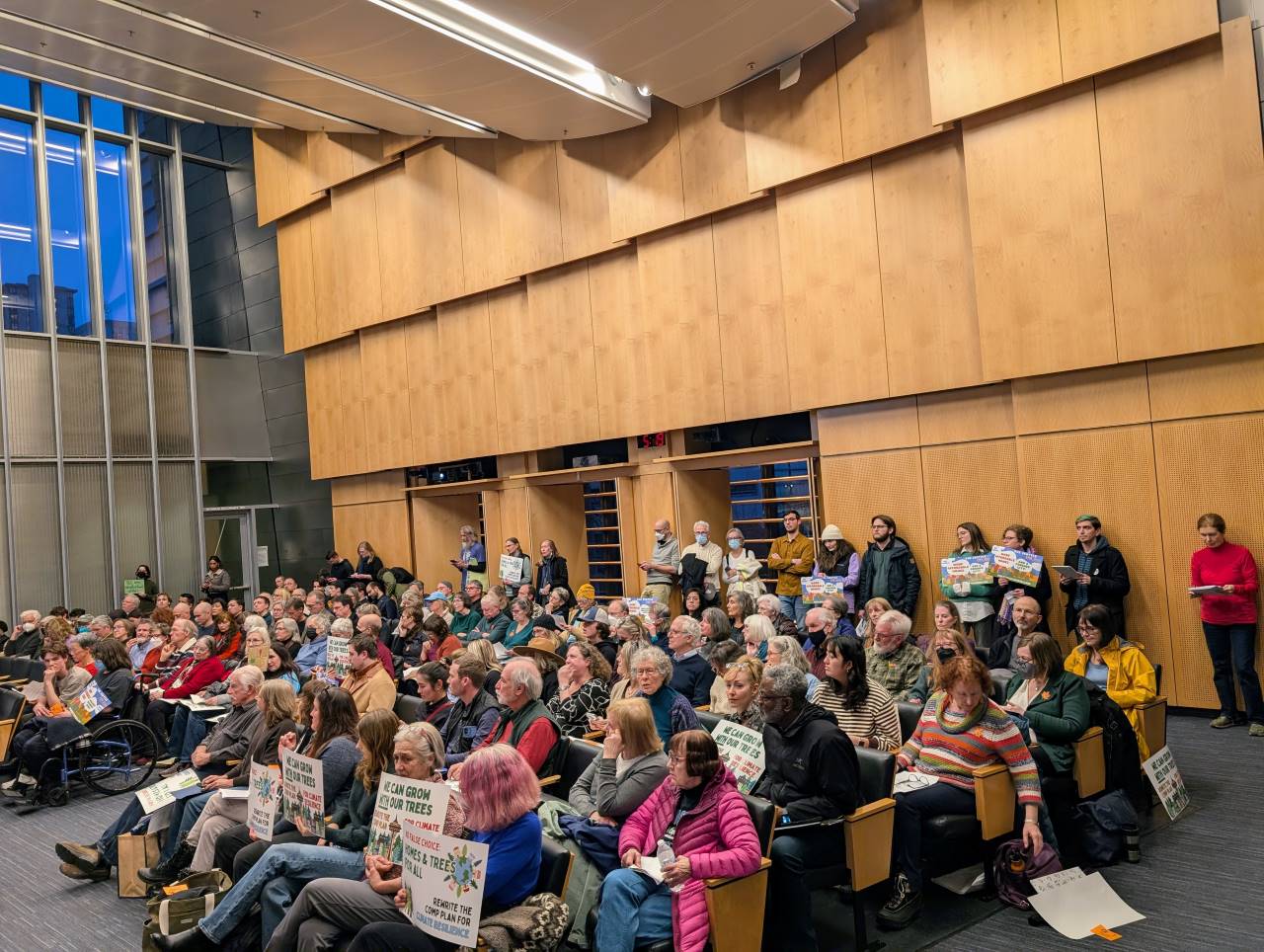
Housing advocates outnumbered opponents by a margin of 89 to 75 during a five-hour public hearing Wednesday on the One Seattle housing growth plan. Nevertheless, several councilmembers made it clear they sided with slow-growth advocates, rather than the majority demanding more housing options.
Senate Bill 5184 would put a cap on out-of-control parking mandates. It passed out of the Washington State Senate’s Housing Committee on Wednesday, clearing its first hurdle.
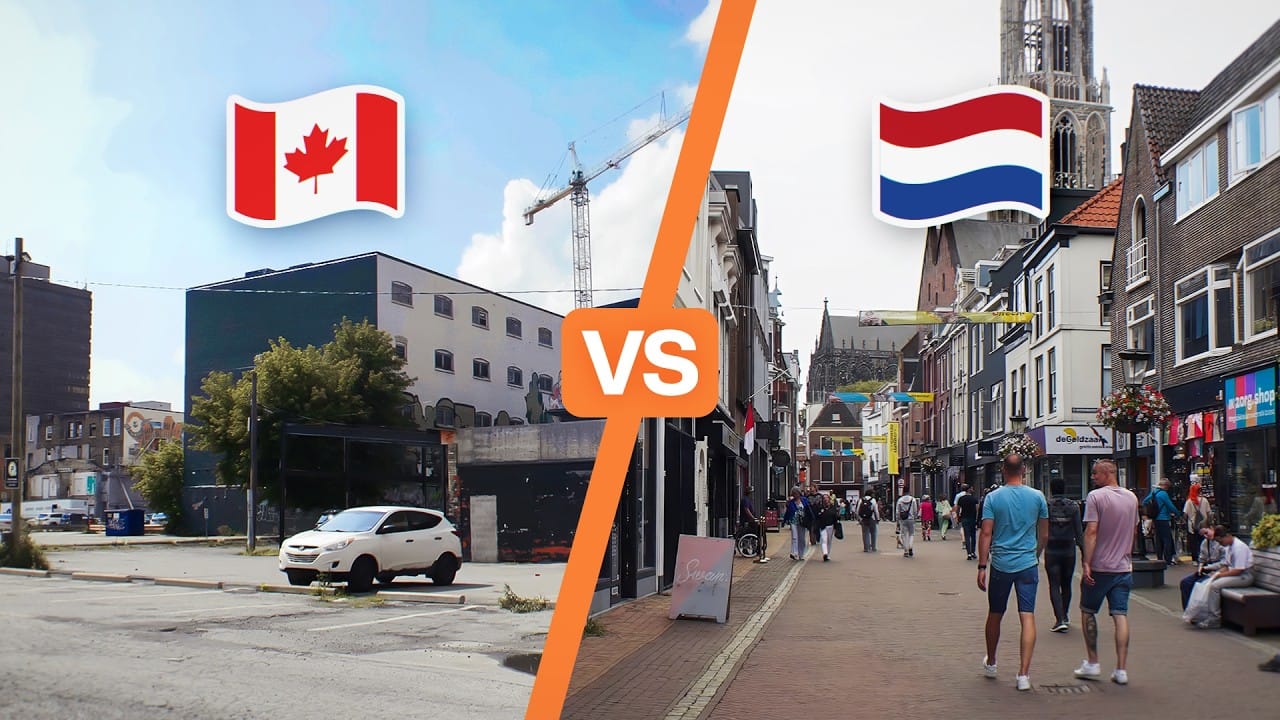
Jason Slaughter of Not Just Bikes compares Utrecht, Netherlands and London, Ontario, showing how both cities became car-oriented in the mid-century era. However, Utrecht uniquely undid the damage, becoming a city highly oriented around pedestrian, bike, and transit infrastructure.
The idea of encouraging more residential development around Seattle’s stadiums had been put on ice in 2023 with the adoption of a citywide maritime and industrial strategy. Nelson’s bill reignites that debate just as the council starts to consider the Comprehensive Plan.
A new bill introduced at the state legislature by longtime housing advocate Jessica Bateman would represent a sea change, limiting the ability of cities and counties to mandate high amounts of parking.
A popular bill from 2024 that would legalize neighborhood cafes in residential areas across Washington is back in 2025. It will likely continue to face headwinds from local governments.
As the Seattle City Council took its first look at Mayor Bruce Harrell’s One Seattle Comprehensive Plan on Monday, Cathy Moore delivered a slow-growth manifesto, tinged with derision for renters, who she portrayed an unengaged and a detriment to neighborhoods.
City Beautiful’s urbanism content creator, Dave Amos, recently visited the Seattle area to explore future transit-oriented development sites and the planning that is going into them. Featured in the video are future station areas like Interbay and Kent-Des Moines as well as a potential second Pioneer Square station predicated
Today is the last day for public comments in the latest round of process around the One Seattle Comprehensive Plan proposed by Mayor Bruce Harrell to guide the next 20 years of city growth. Housing advocates are pushing the City to go bigger.
In approving a unanimous update to its Comprehensive Plan, the Shoreline City Council is set to go well beyond the minimum requirements of state law in pursuit of creating additional housing options and more vibrant neighborhoods.
The King County Council approved a motion getting on board with Executive Dow Constantine’s vision to add housing and other uses transforming the County’s campus in Downtown Seattle. The vote pushed the idea a small step toward becoming a reality.
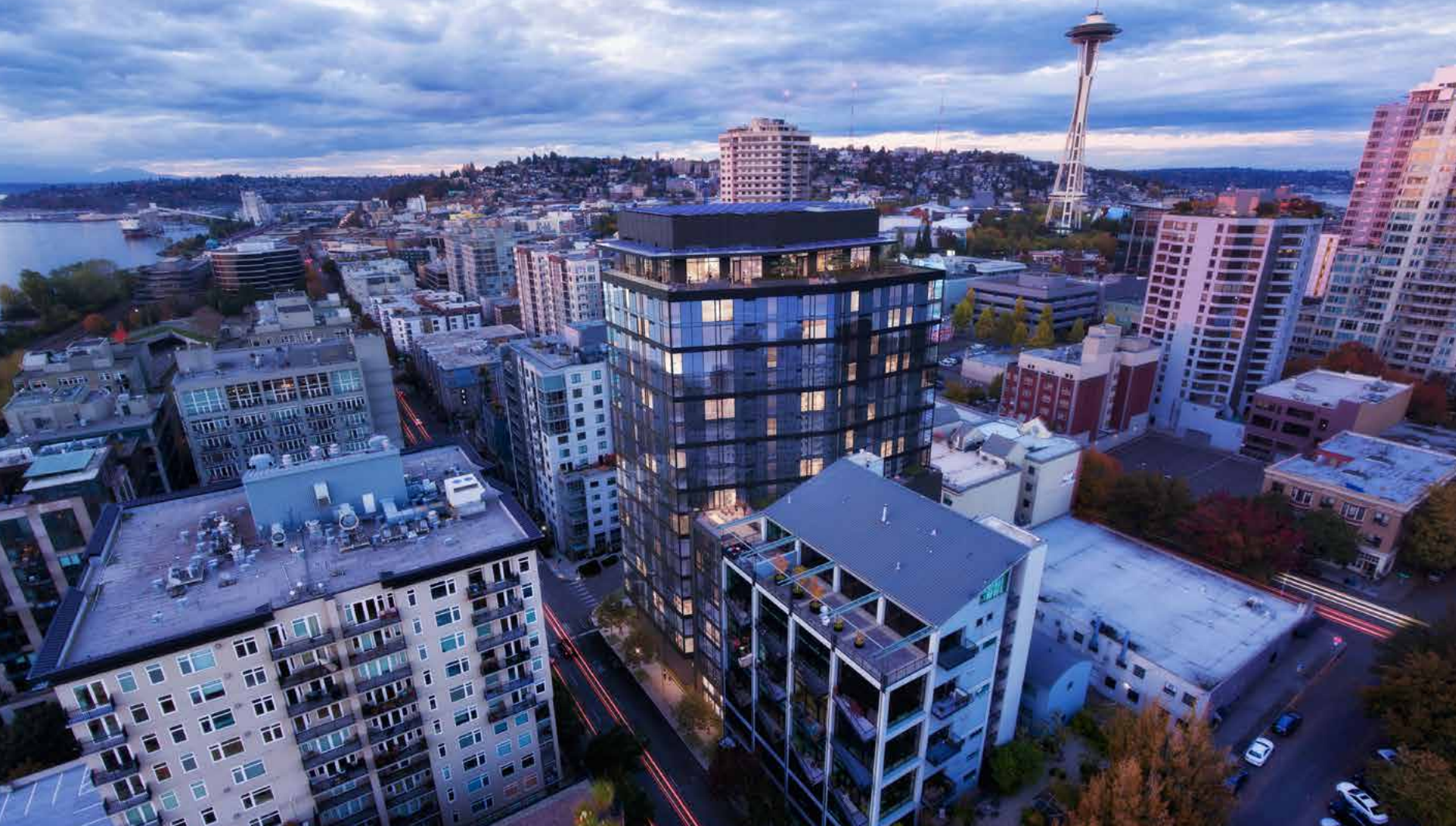
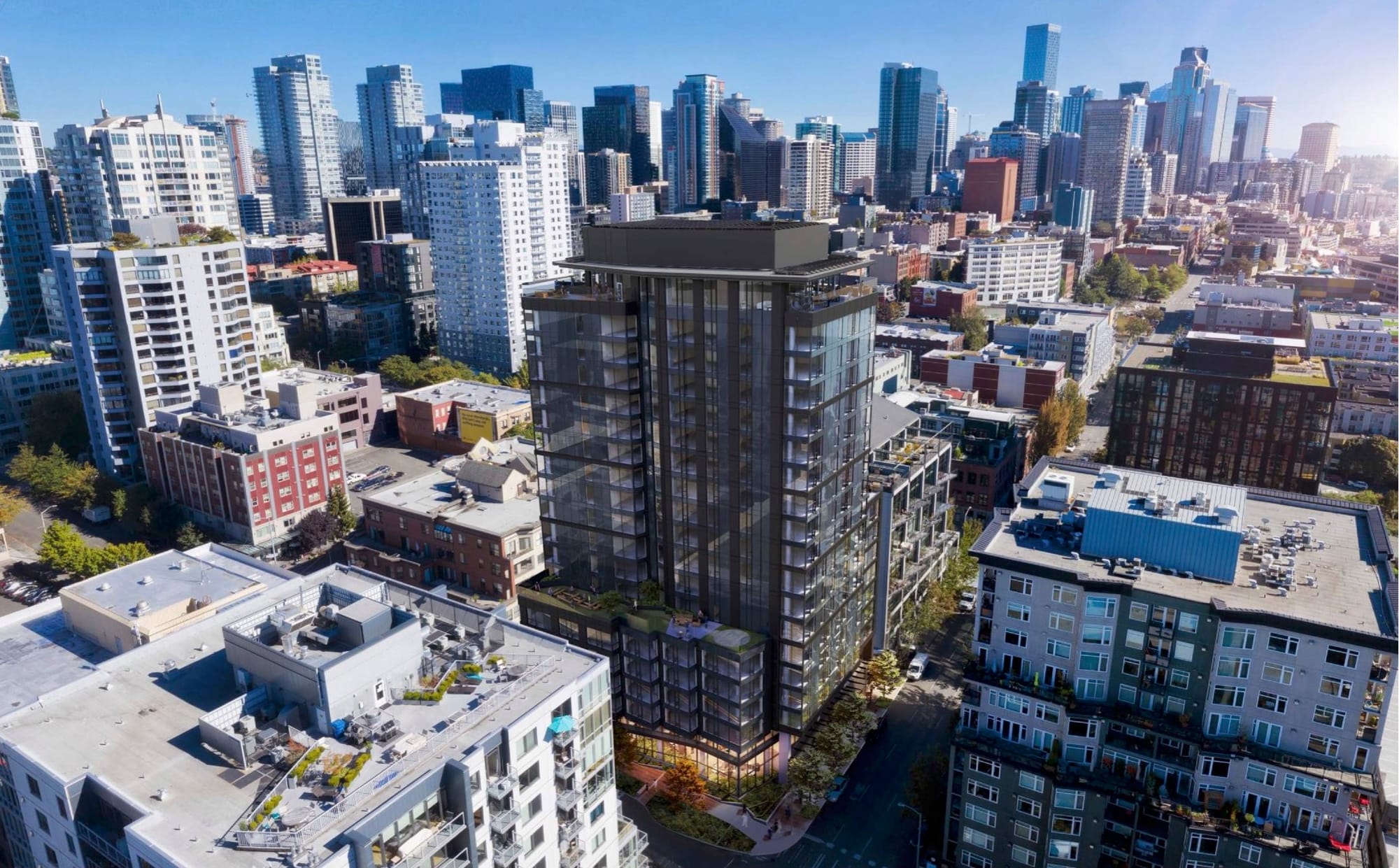
A small tweak to Seattle’s land use code will allow a 182-unit tower to move forward in Belltown after years of appeal. Clearer direction around stacking height incentives like those in the sustainability-focused Living Building program could potentially allow more homes throughout downtown in the c
Proposed Phase 2 One Seattle Comprehensive Plan changes would focus on midrise zones, in hopes of adding additional housing capacity in existing urban centers and the 30 proposed “neighborhood centers.” OPCD hopes to introduce Phase 2 legislation in May, with council passage expected around Septembe
District 2 Councilmember Tammy Morales announced Wednesday morning that she will resign in January, saying she has been undermined and frozen out of legislating by the more conservative-leaning Seattle City Council majority. The resignation sets up another council appointment and a special election
All too often, public hearings increase costs and consume time without meaningfully impacting decisions. Uytae Lee of About Here digs into the history of the public hearing and its utility, and whether another paradigm is worth pursuing.
The recently passed Redmond 2050 plan increases housing capacity and aims to produce nearly 30,000 new homes by 2050, mostly downtown and in Overlake Village. However, homebuilders warn that the City is adding new obstacles that could impede housing development.
In North America, modern rail transit usually avoids conventional elevated lines in dense cities and even suburbs. Reece Martin of RMTransit discusses what makes elevated rail so good.
In shift away from office and toward housing growth, Downtown Bellevue’s development pipeline has seen nearly 4,000 additional homes proposed and more than two million square feet of office space abandoned in just the last couple of years. Once built, the pipeline of 14,000 homes would more than dou
The area around a future light rail station in South Federal Way could see a significant amount of new housing and retail uses under the plan approved earlier this month. It is currently dominated by big box stores and industry.
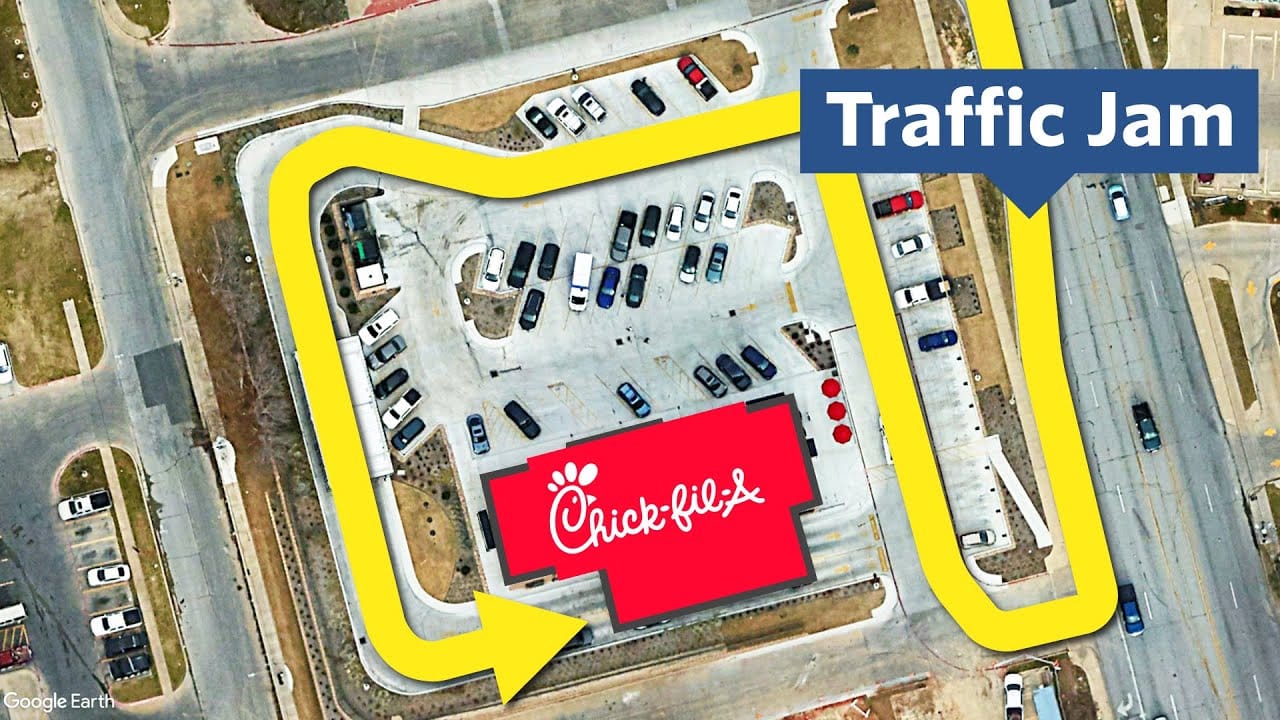
Dave Amos of City Beautiful discusses drive-thru businesses and how they are evolving to create more vehicle throughput. As part of this, Amos discusses the merits of banning them in cities, offering San Luis Obispo as an example.
Restrictive zoning has contributed to the housing crisis across the U.S. and exacerbated inequality, but solutions exist to undo the damage. Here’s an overview.
Ray Delahanty of CityNerd ranks principal train stations across the United States and Canada for population catchment in proximity to them. Seattle makes the list as one the better-situated stations with King Street Station.
City officials have insisted that the staff cuts for SDCI in next year’s budget will not impact permit approval times. Staff are not convinced.
Originally hatched as a subtler method to promote racial segregation, zoning ended up planting the seeds of our present day housing crisis. This Zoning 101 guide delves into how that history unfolded.
Shibuya, Tokyo is world famous for it’s massive at-grade pedestrian scramble crossing. In a way, it’s a self-popularlized space. But there’s a lot more to it with the history of the neighborhood and its train stations, and it represents something much more in terms of planning, land
Home in Tacoma will get a public hearing on Tuesday, which will close the comment period for the Final Environmental Impact Statement. Soon the Tacoma City Council will debate and approve a final zoning plan using the options outlined in the study.
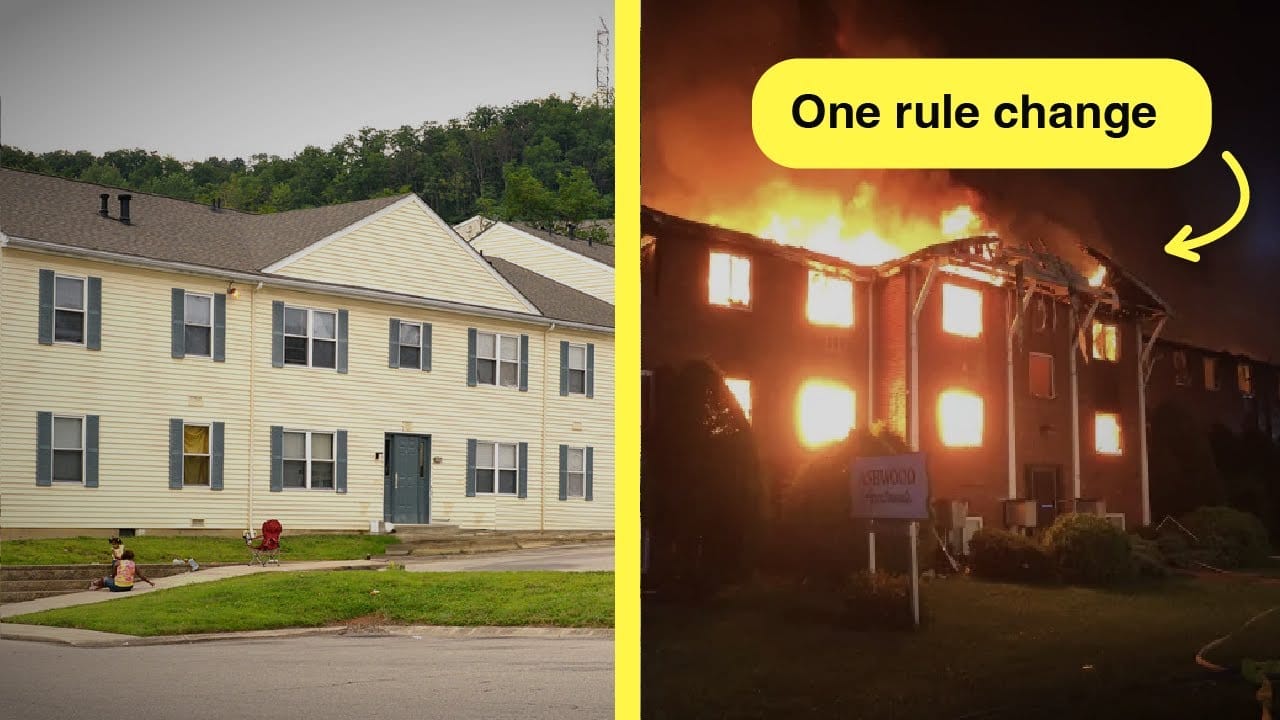
Last year, Uytae Lee of About Here discussed why point access block (single-stair) residential buildings are so good. But a common reaction to the idea was concern about fire safety by only having one means of emergency ingress and egress. In this video, Lee examines those concerns, fields the data,
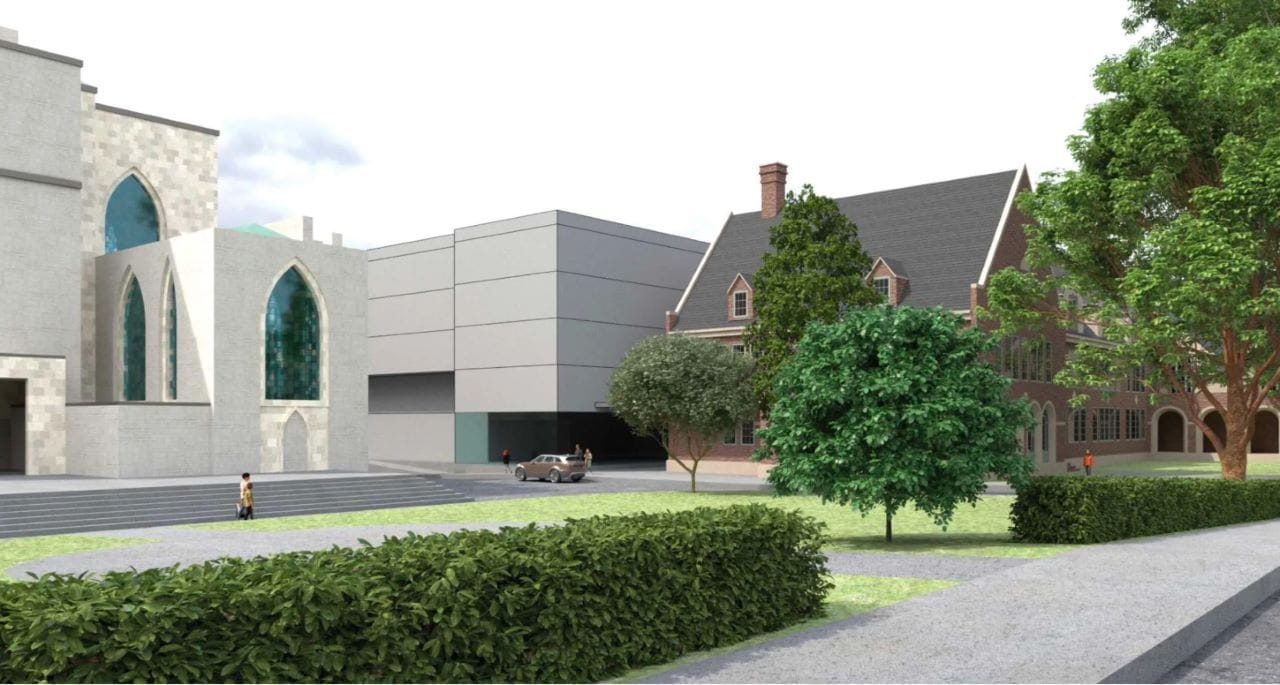
St. Mark’s Episcopal Cathedral officials cited multiple headwinds against development for delaying plans for housing and renovation of the historic Nicholas School on their North Capitol Hill campus.
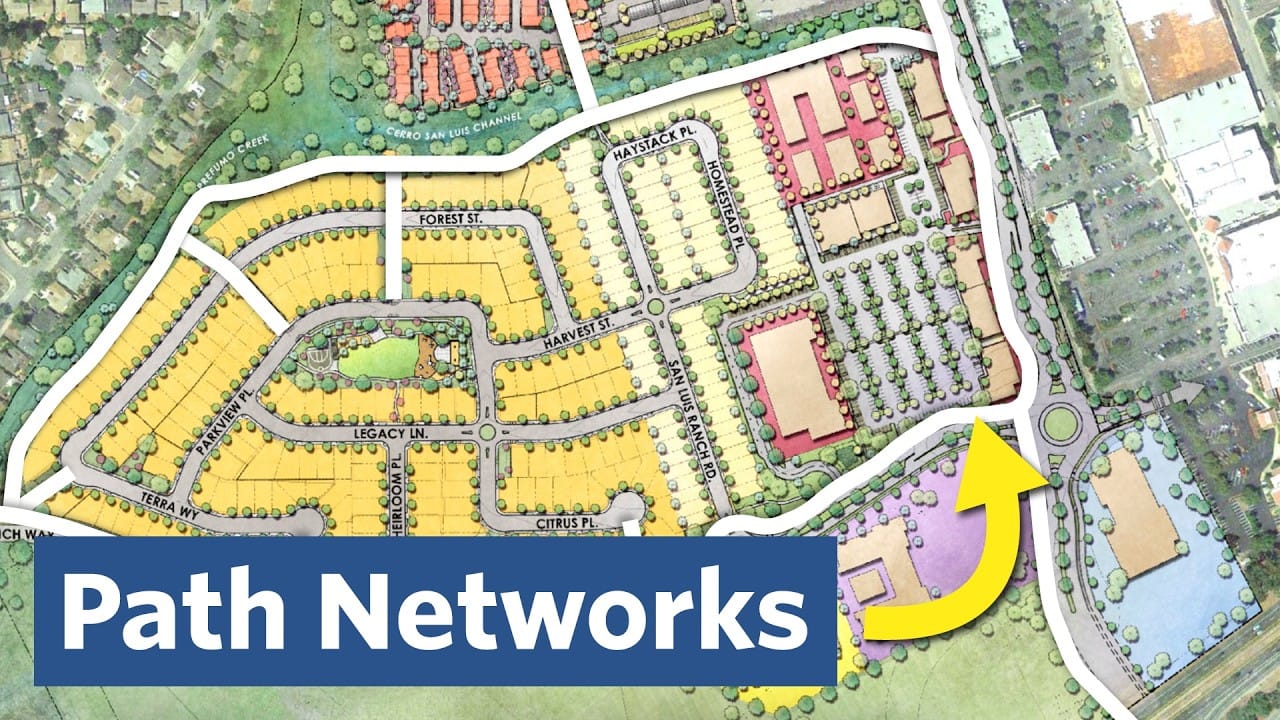
Dave Amos of City Beautiful discusses non-motorized paths in the suburbs. Could these facilities provide more than just a recreational amenity to suburban neighborhoods? And how can they work best to offer suburban communities a sustainable and safe way to get around without a car? Amos discusses th
The Urbanist interviewed the author of a new book called “On the Housing Crisis,” which delves into exclusionary land use and the political dysfunction keeping it in place.
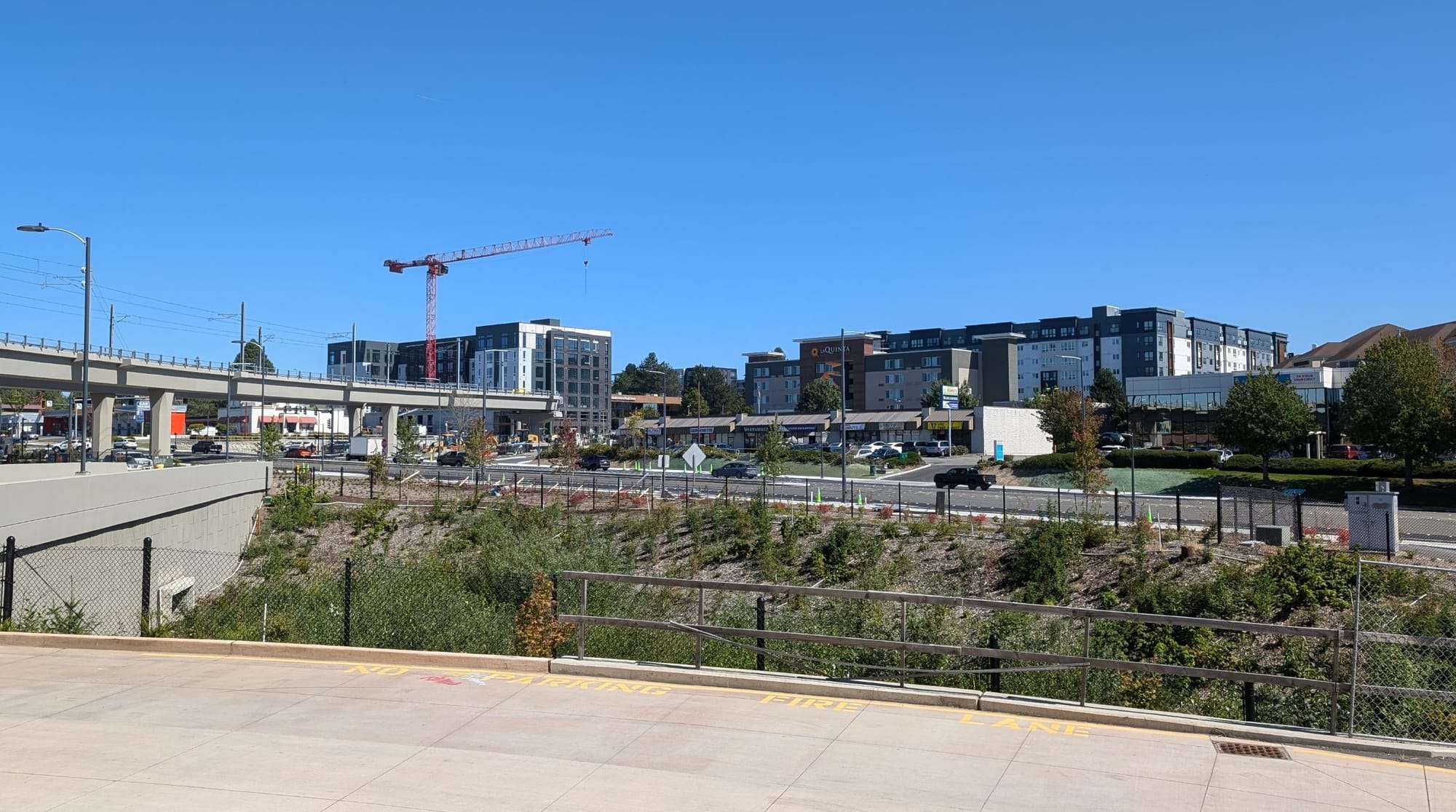
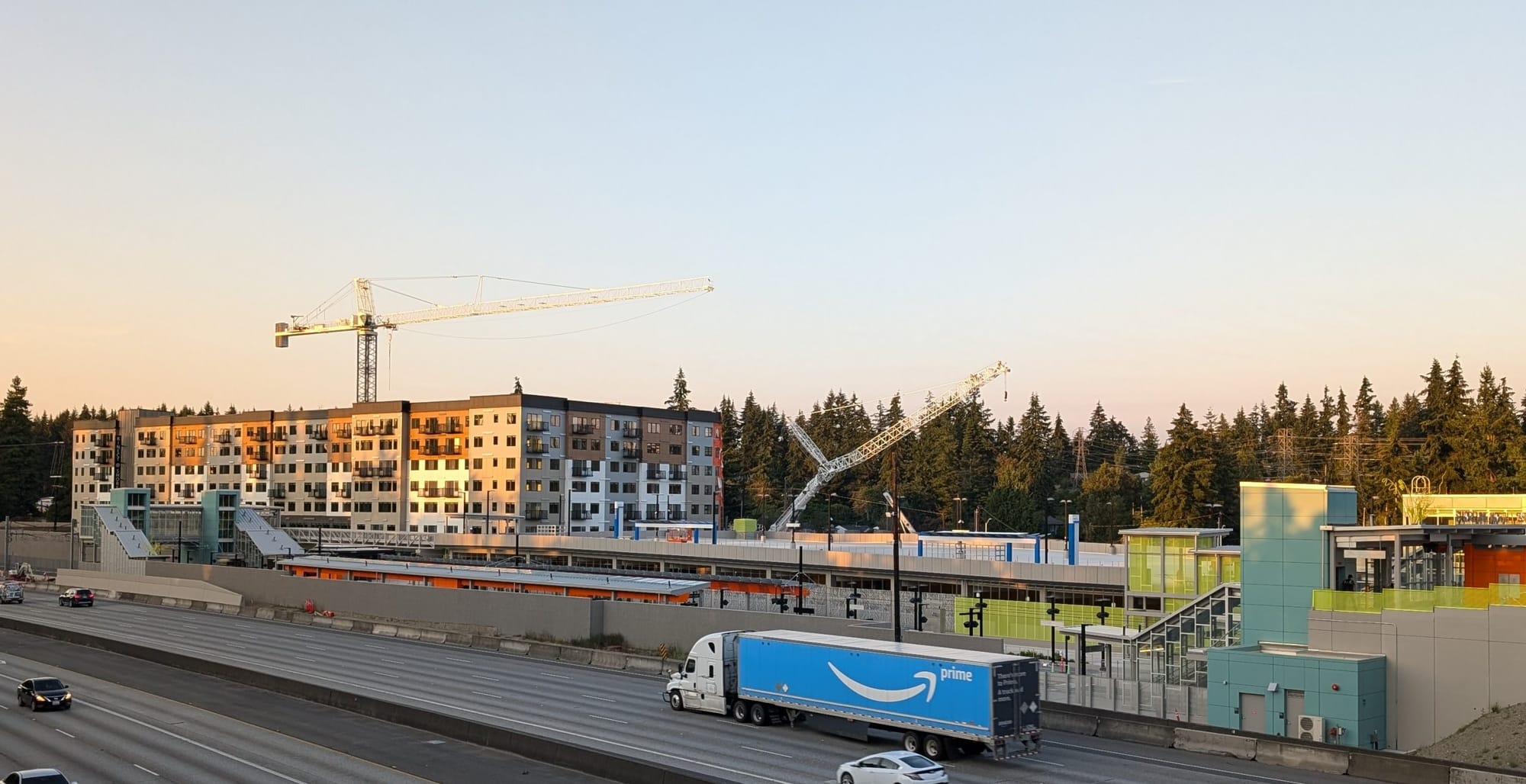
Builders have nearly 3,000 homes in the works near Lynnwood’s freshly opened light rail station. But more than half hang on two massive projects that are in limbo.
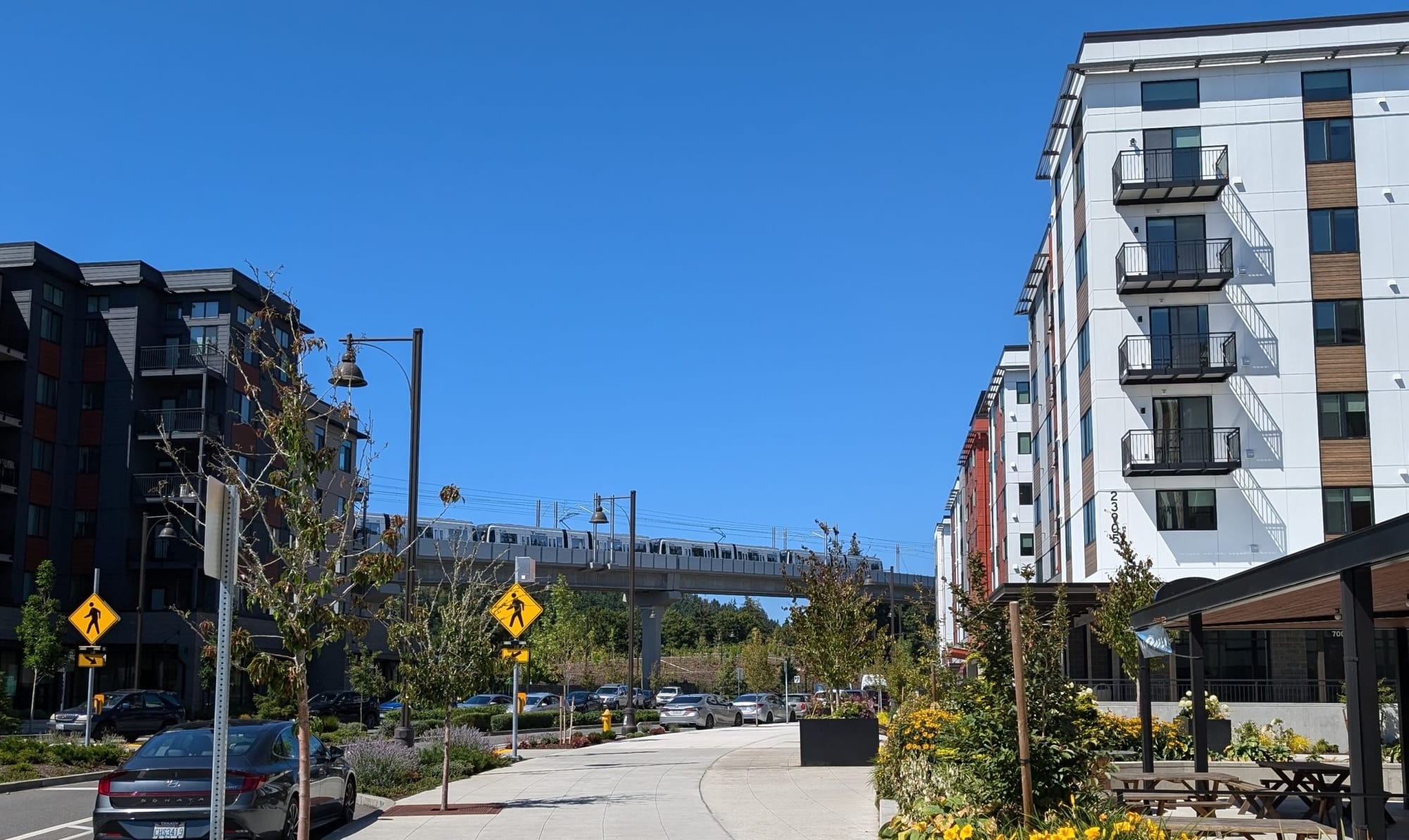
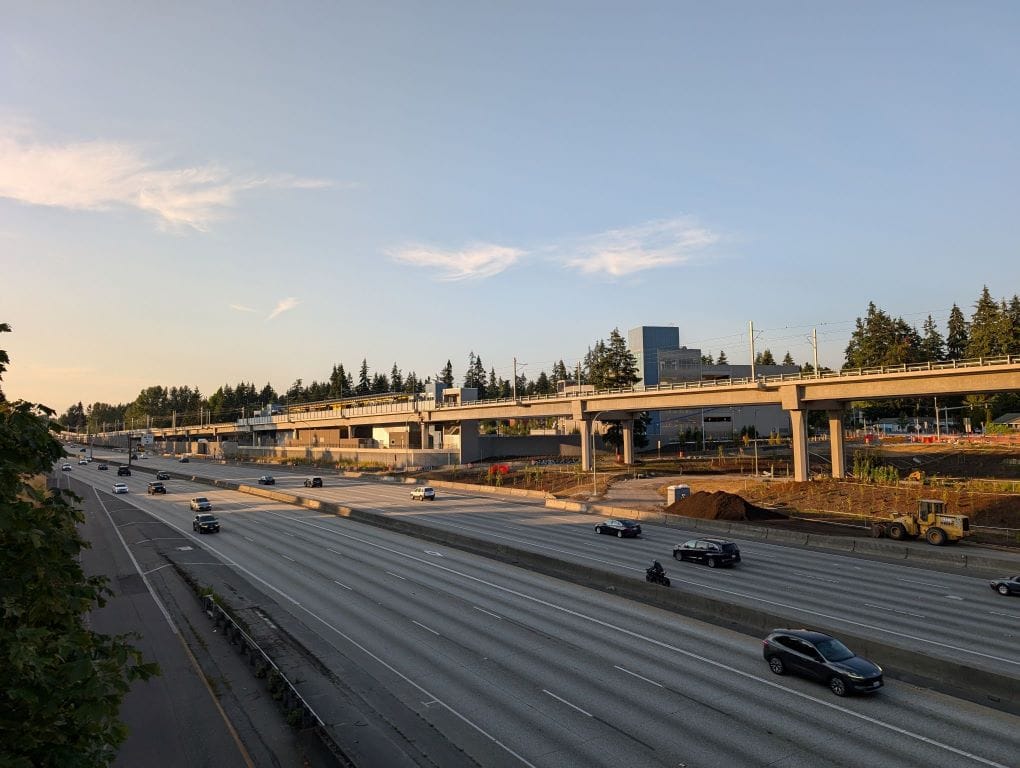
Lynnwood Link has finally arrived! Here’s everything to know about the launch and the urban transformation happening along the light rail extension.
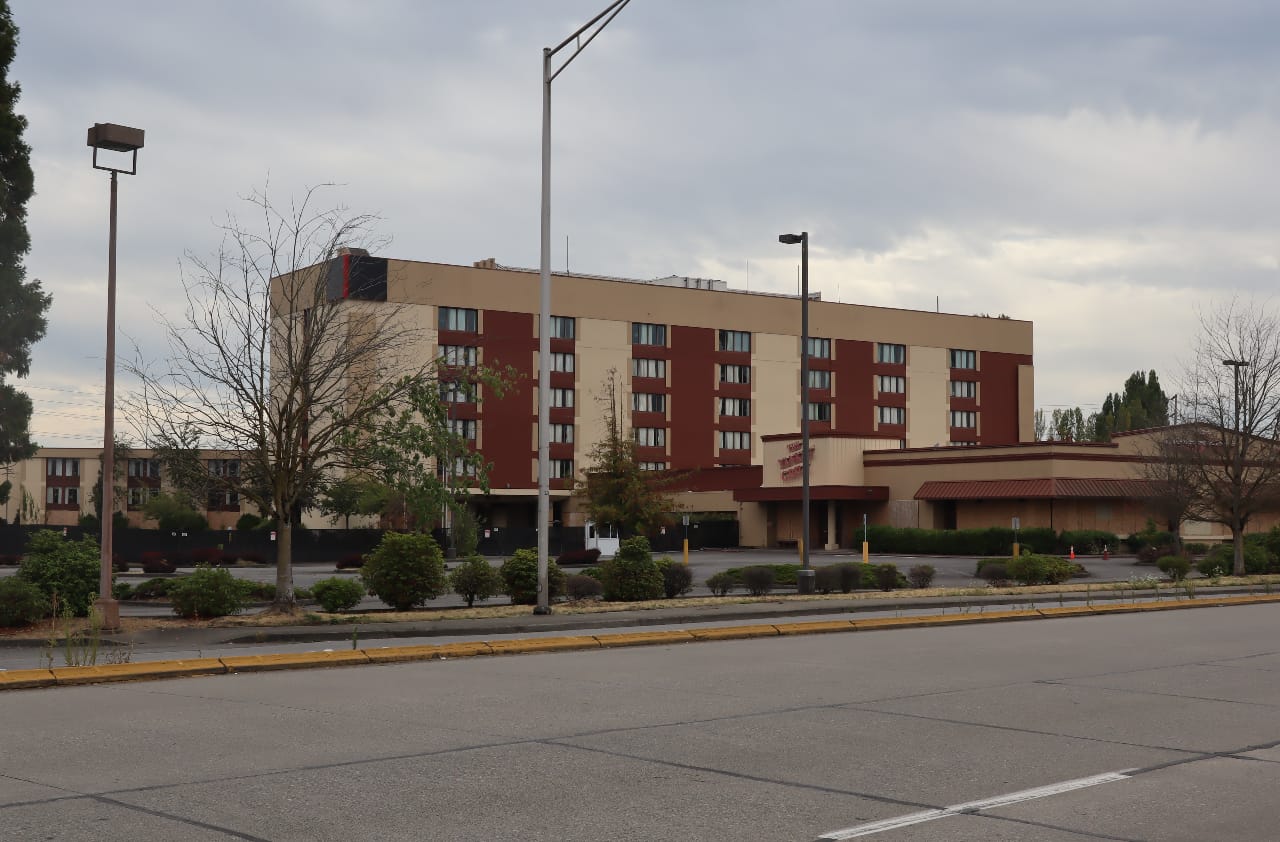
A former Red Lion Hotel is at the center of a potential dispute over where Sound Transit should build its South Renton Stride Station.
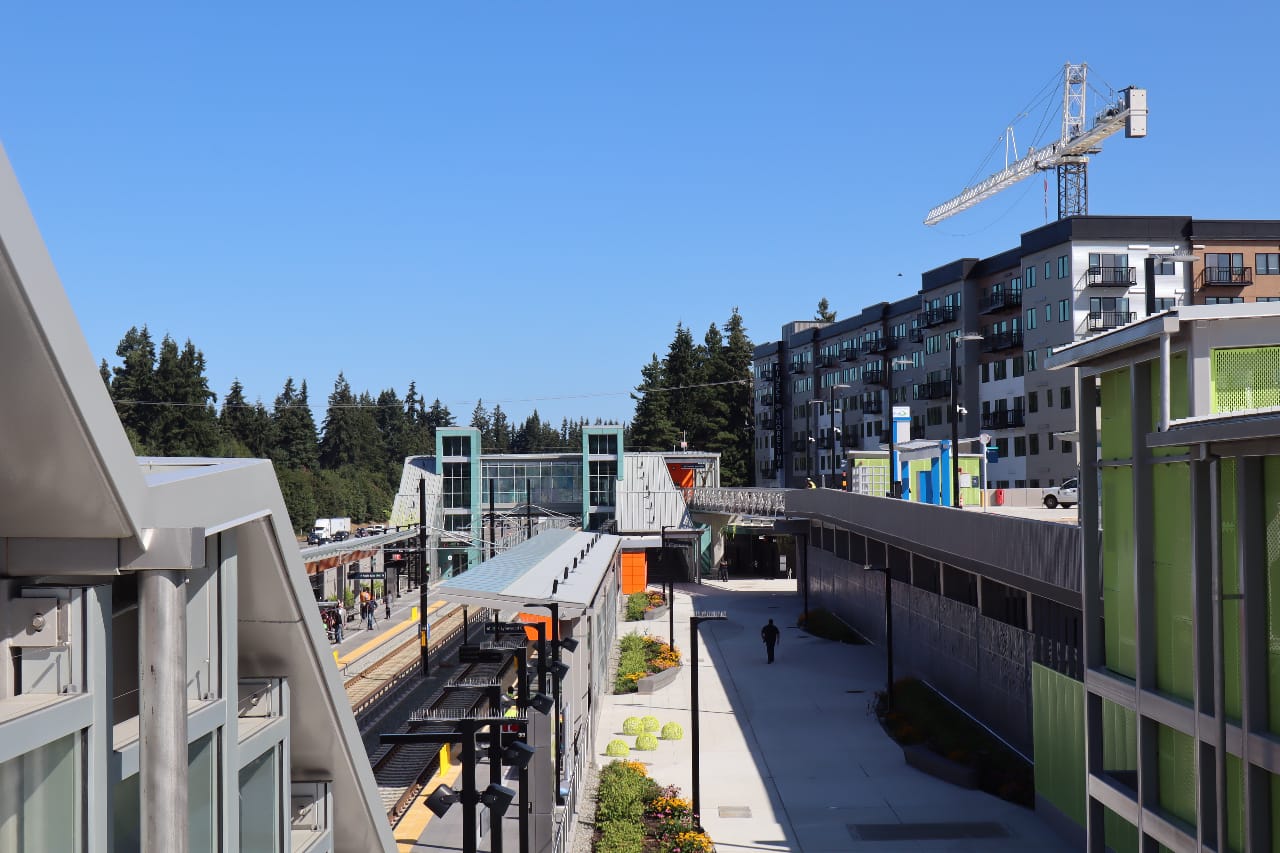
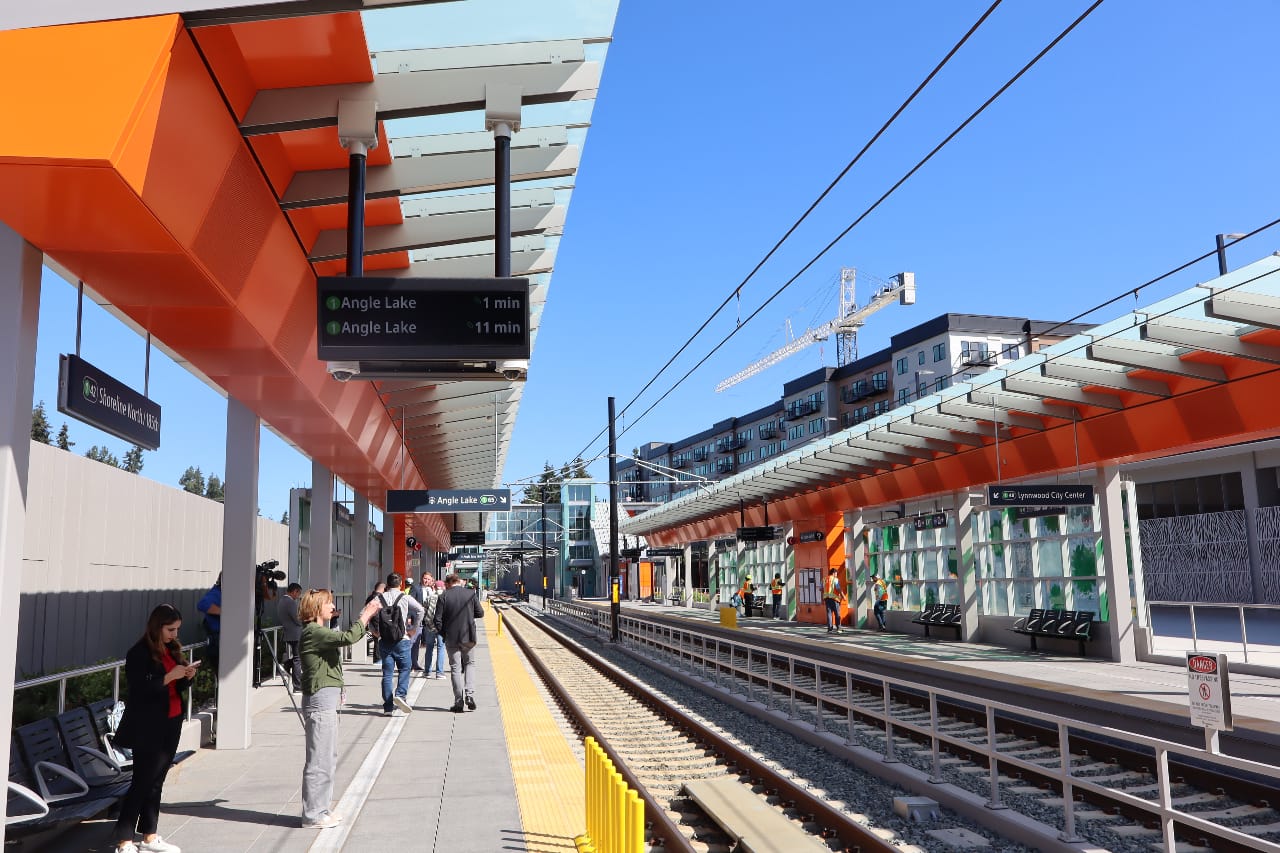
Light rail is finally arriving in Shoreline and South Snohomish County. Local governments have been working toward this day for a long time.
More than 1,800 homes are under construction, recently completed, or planned near Mountlake Terrace Station, where light rail service will soon commence.
Within a mile of Shoreline North Station, about 1,700 homes have been built or planned since 2019. While the development pipeline is petering out, the City could jumpstart it once more with zoning changes and action to redevelop public land.
Shoreline is seeing booming development. We’ll take a look at what’s been built and what’s on the way near the soon-to-open Shoreline South light rail station.
Across North America, people claim that they want affordable housing in their communities while deriding and fighting what they perceive as “luxury housing.” A common trope among many is that developers are greedy, wanting only to make top dollar on their homebuilding projects and contribute nothing back to communities. It’
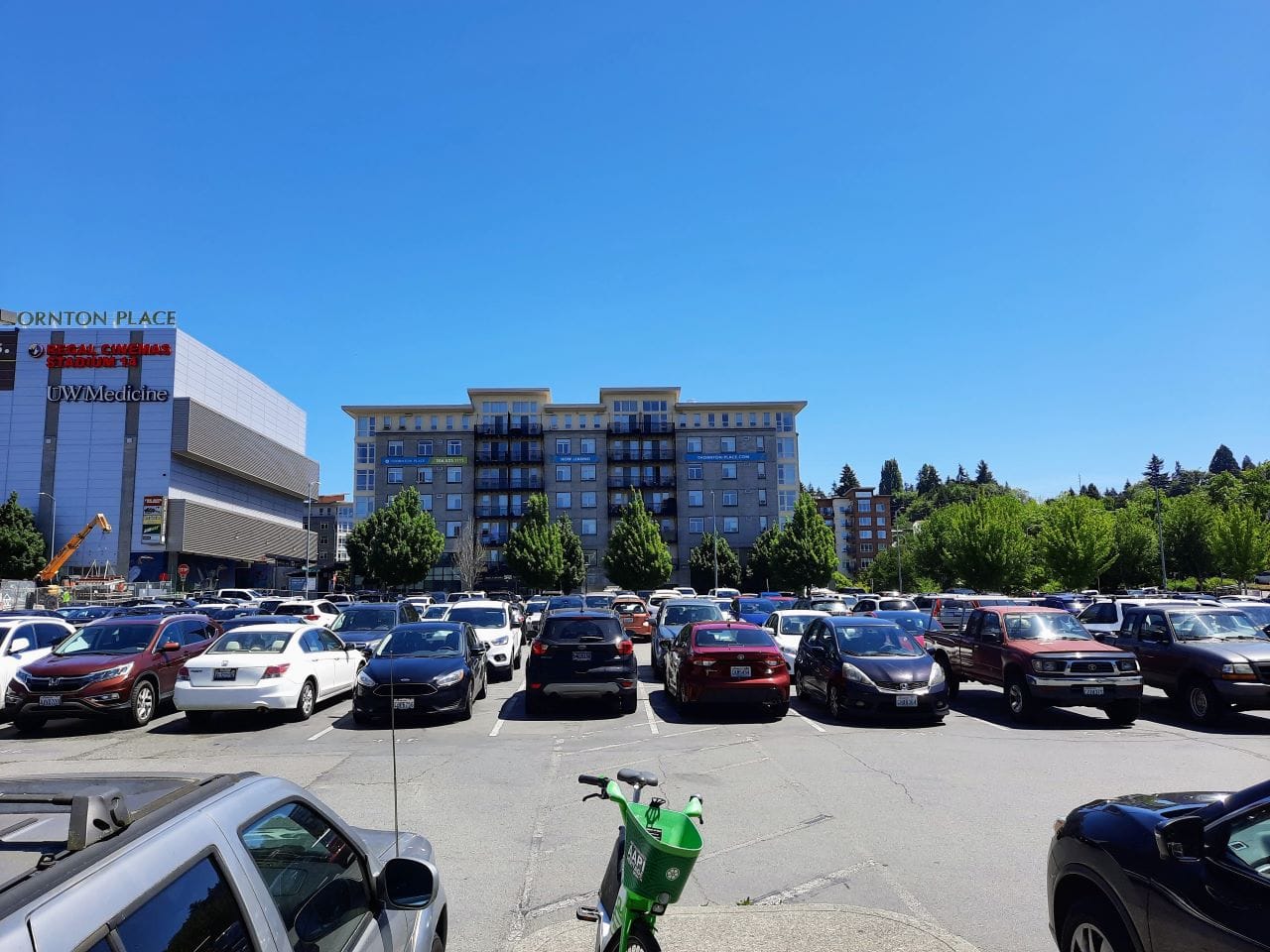
Cities across the country are ditching arbitrary requirements around how many parking spaces must be built with new housing, but Spokane is the first major Washington city to take the plunge. Will others follow?
Bellevue recently enacted a bevvy of protections intended to stem the tide of tree canopy loss in suburban residential neighborhoods. It’s an important step toward achieving the goal of exceeding 40% tree cover and equitably distributing it across the city.
Facing waning demand for office spaces, landlords are weighing housing conversions, with Mayor Harrell and the Seattle City Council aiming to nudge them in that direction with a recently passed package of regulatory incentives. Financial incentives could be next, but hurdles remain.
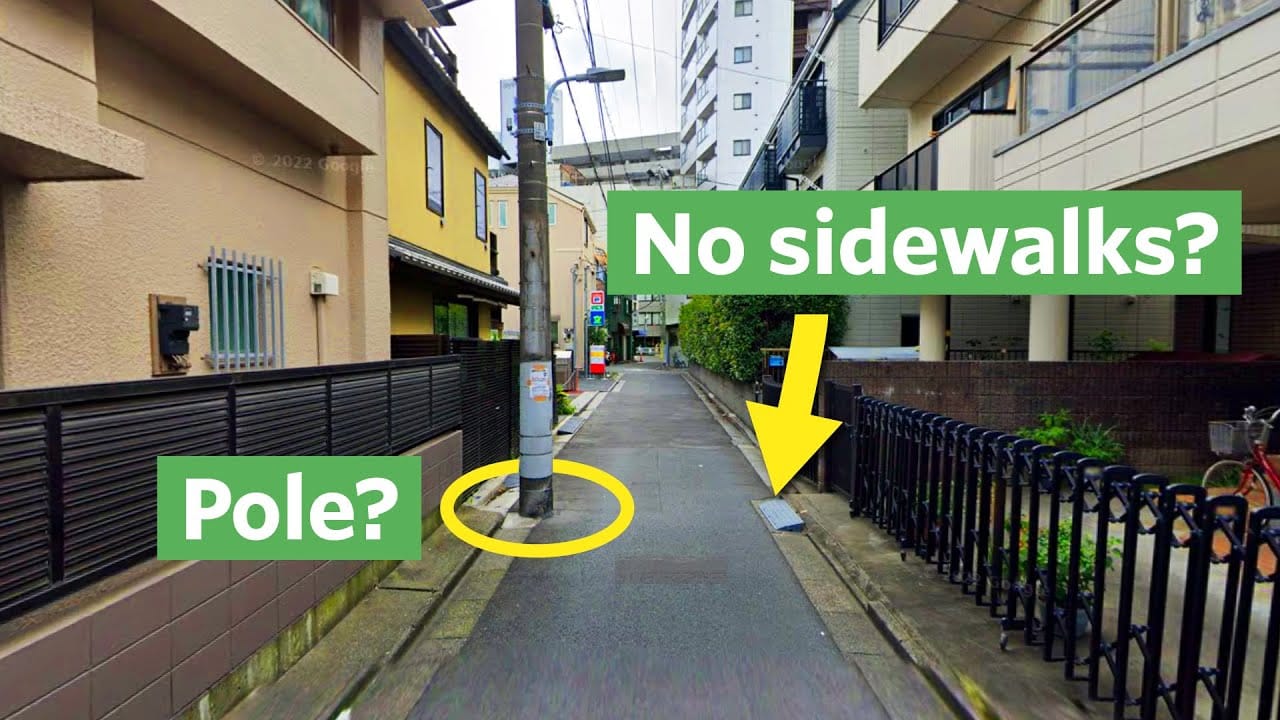
Dave Amos of City Beautiful recently made a trip to Tokyo and gushed about its quiet, urban streets. Tokyo’s wide arterials can leave an impression that cars dominate the city, but secondary and tertiary streets can be very calm and quiet in very dense urban spaces, as Amos shows.
Shoreline has seen significant growth in housing around its two light rail stations, but this week the Shoreline Council showed clear reluctance to allow increased density throughout the rest of the city.
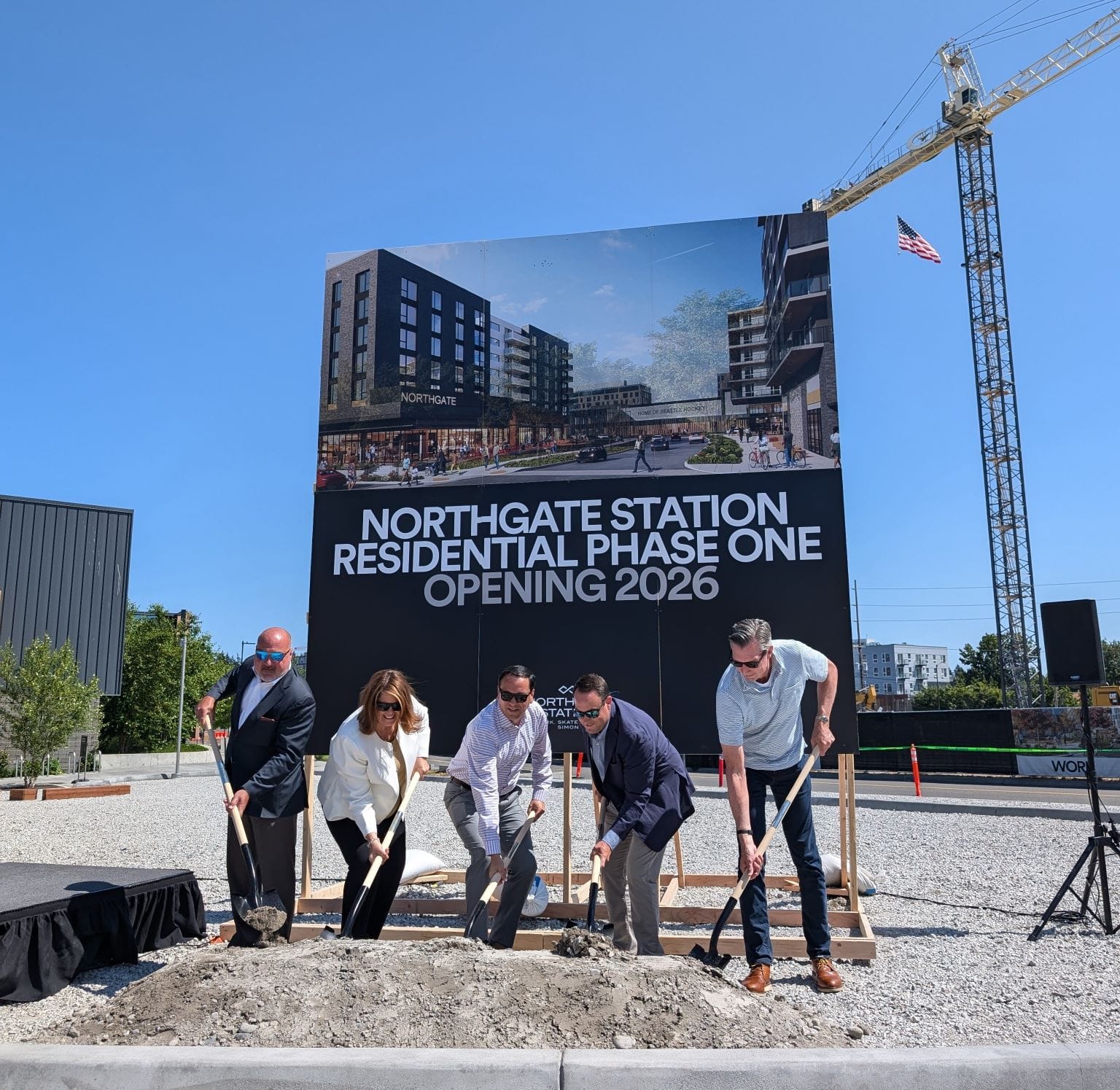
Three years after the opening of Northgate’s Link light rail station, Simon Properties broke ground on the first residential development within their Northgate Mall property, which they have renamed “Northgate Station.” The mall operator and developer’s July 11th groundbreaking of 234 new homes took place as construction completions
To prevent a 19-story apartment building long in the works, a group of Belltown residents are trying to stop code updates to Seattle’s Living Building pilot program. The purported risk of bird deaths headline the group’s laundry list of concerns.
Paris aims to break the mold, using major public investment for the Olympic Games for lasting benefit to the host city. Improvements include a cleaner Seine, major transit expansion, and a new eco-district. But will those efforts go far enough to win over locals?
In 1873, Tacomans considered laying out their fledgling city according to a unique Frederick Law Olmsted plan. The city ultimately discarded most of the plan, walking away from a greener, more park-oriented Tacoma.
A 2.2 acre strip mall property purchased by Kirkland in 2022 is seen as a big opportunity for the city to create community space and expand housing while serving as a catalysis in a neighborhood oozing potential.
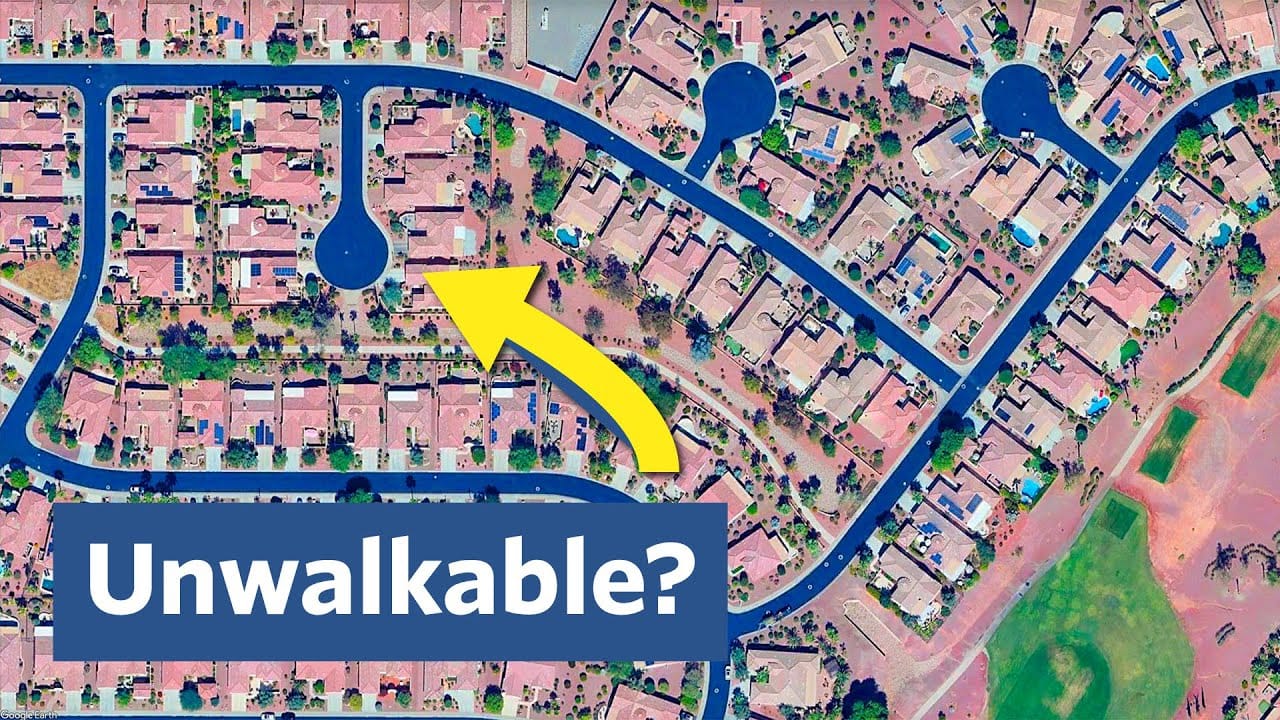
For decades, America’s road networks have become increasingly less gridded and connected, degrading the ability to walk and bike in communities. That’s been the consequence of America’s sprawling suburbs that emphasize the cul-de-sac. Is it still getting worse? Dave Amos of City Beautiful tries to a
Part 2 of this four-part series examines arguments against focusing on land use in climate policy and provides counter arguments. Ignoring land use changes and relying on electrification alone is a slower and riskier path to decarbonization.
Seattle’s single family areas have seen their Black population plummet by 9,126 since 1990. Meanwhile, “urban village” neighborhood have added more than 8,000 Black residents in that span. Why then is low-density zoning expected to blunt displacement?
King County Executive Dow Constantine continues to tease development plans for the County’s large campus in South Downtown, but few firm details have emerged.
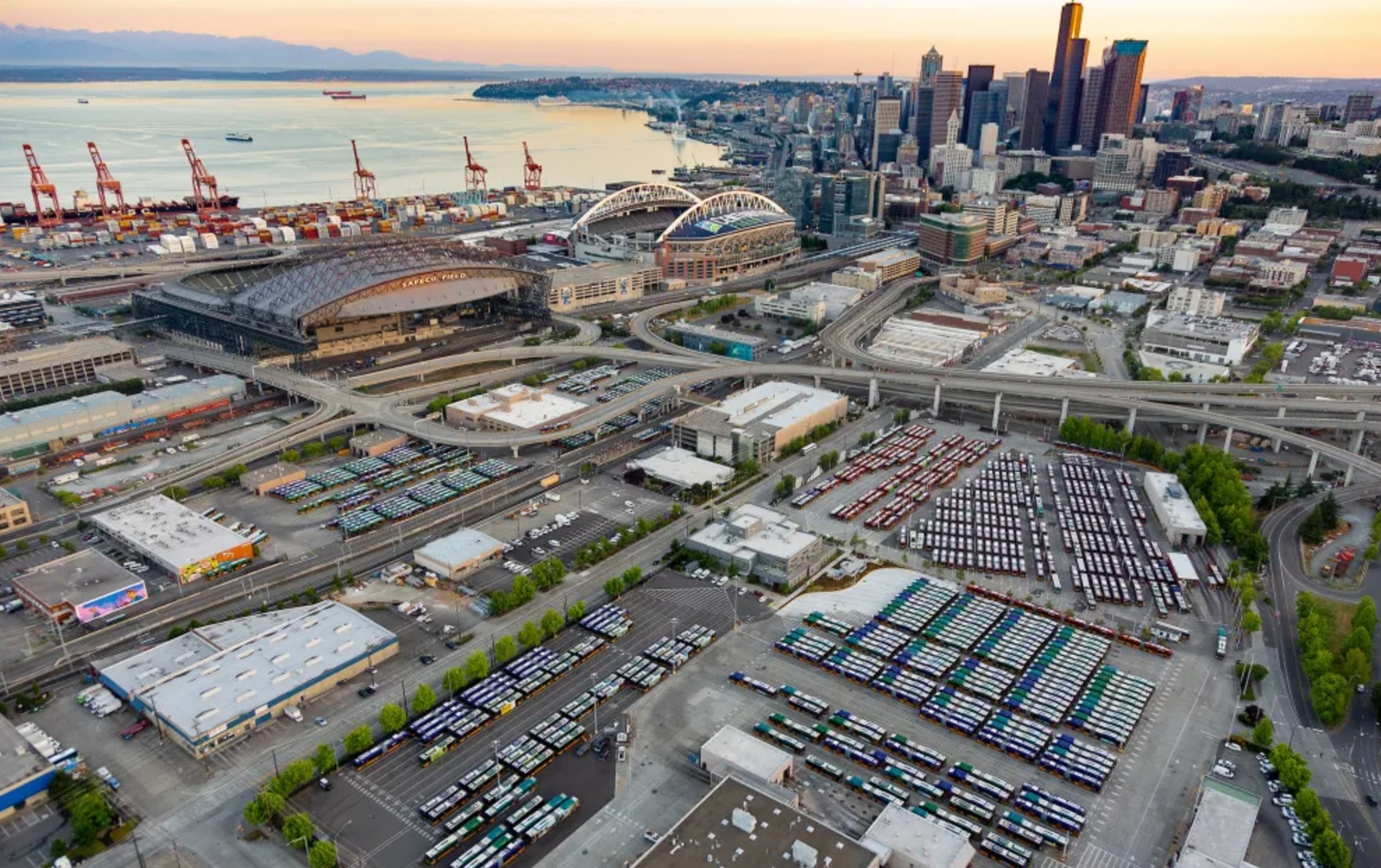
The opportunity to redevelop nearly five acres across from Lumen Field is pitting competing interests against each other. Some hope to see housing, but industrial stakeholders are pushing back.
Europe gets high praise for its medieval and historic city centers, leaving tourists an impression that nearly everything is neatly compact. But Europe has experienced sprawl in the past and continues to sprawl today. Dave Amos from City Beautiful dives into how Europe has been sprawling, how its sprawl is
Seattle already has draft legislation that would go a long toward implementing the state mandate to allow “co-living” micro-apartments this year, but there are some aspects that may need fine-tuning by the city council or another round of legislation next year to comply.
The zoning changes could spur construction of up to 1,000 homes, many of them affordable, as part of a new makers district along 4th Avenue S in Georgetown.
Seattle needs to allow more housing in today’s single family zones if it’s serious about its housing crisis. Strict multiplex size restrictions need to go from the Mayor’s growth plan.