2026 General Election Endorsements
The Urbanist Elections Committee is thrilled to announce our 2026 general election endorsements. Be sure to vote by November 3.
Our editors' picks from The Urbanist.
The Urbanist Elections Committee is thrilled to announce our 2026 general election endorsements. Be sure to vote by November 3.
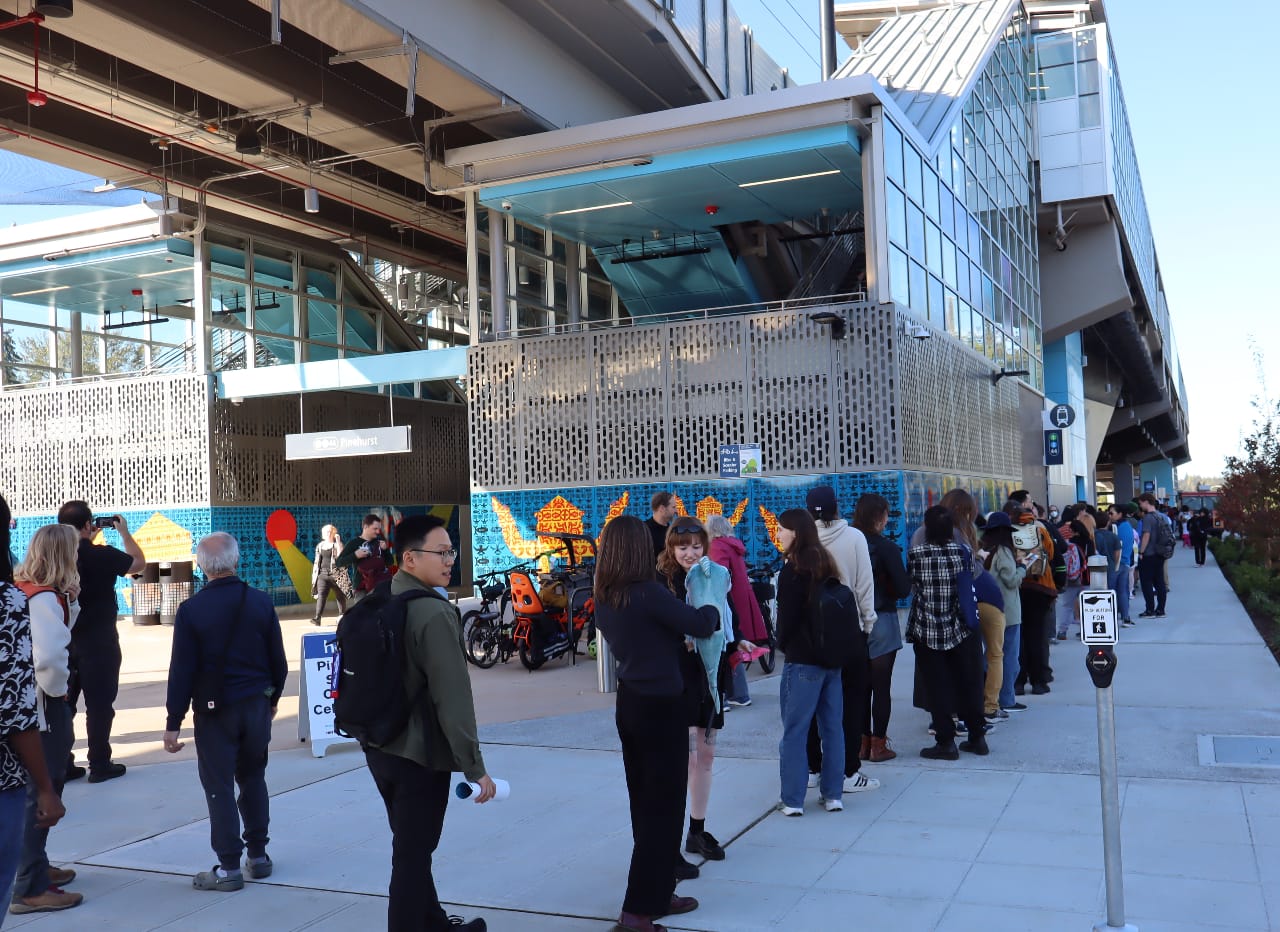
Throngs of transit fans packed onto the station plaza near I-5 and NE 130th Street Wednesday to check out the new station, which had initially been scheduled to open in 2031. Criticized for a high price tag and bad adjacent land use, Pinehurst is a catalyst for future improvements.
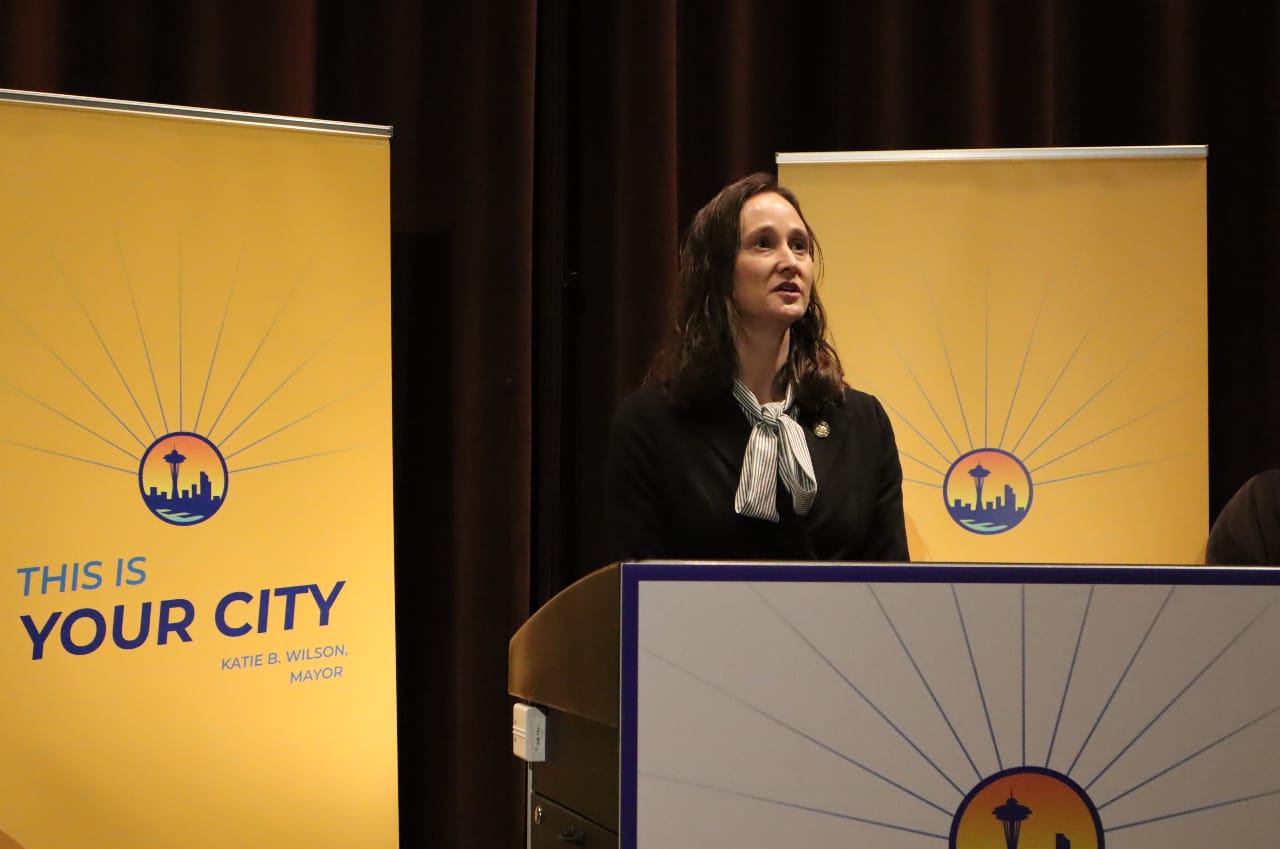
Faced with a $175 million deficit, Mayor Katie Wilson chose to balance her 2027 budget primarily through cuts and streamlining City operations, but no new revenue. Police and homelessness response spending continued to grow amid other cuts.
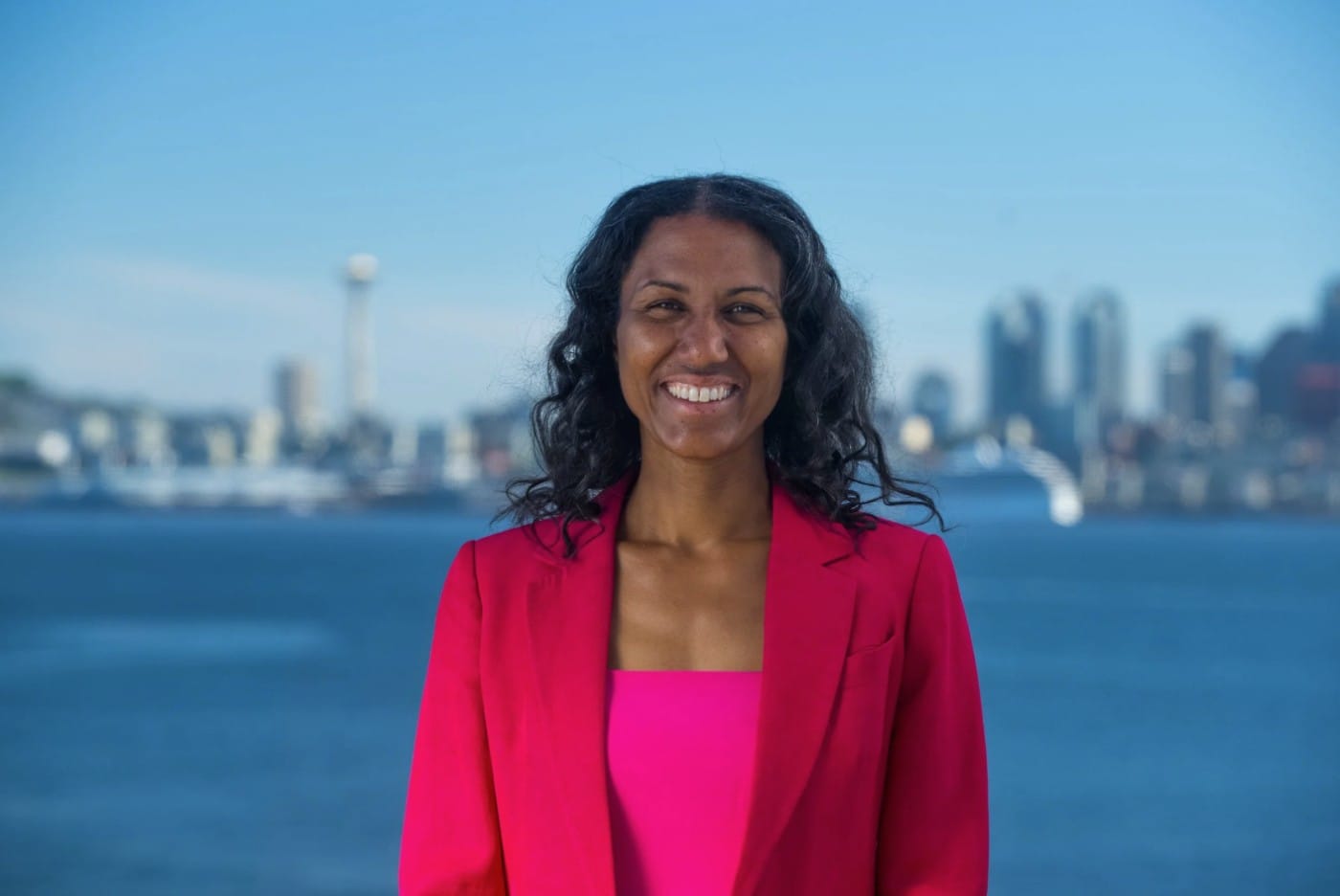
After many housing advocates feared the idea of a temporary break on Mandatory Housing Affordability fees was dead, Foster's proposal could be approved by early next year. It includes an 80% discount for vested projects, and a 60% break for new projects that include more family-sized units.

The new trains feature ergonomic seats, upgraded WiFi, and a sleek new cafe car. They'll go into service on both the Seattle to Eugene and Seattle to Vancouver, B.C. routes. More trains are set to arrive by the end of the year, dramatically increasing Amtrak Cascades capacity.
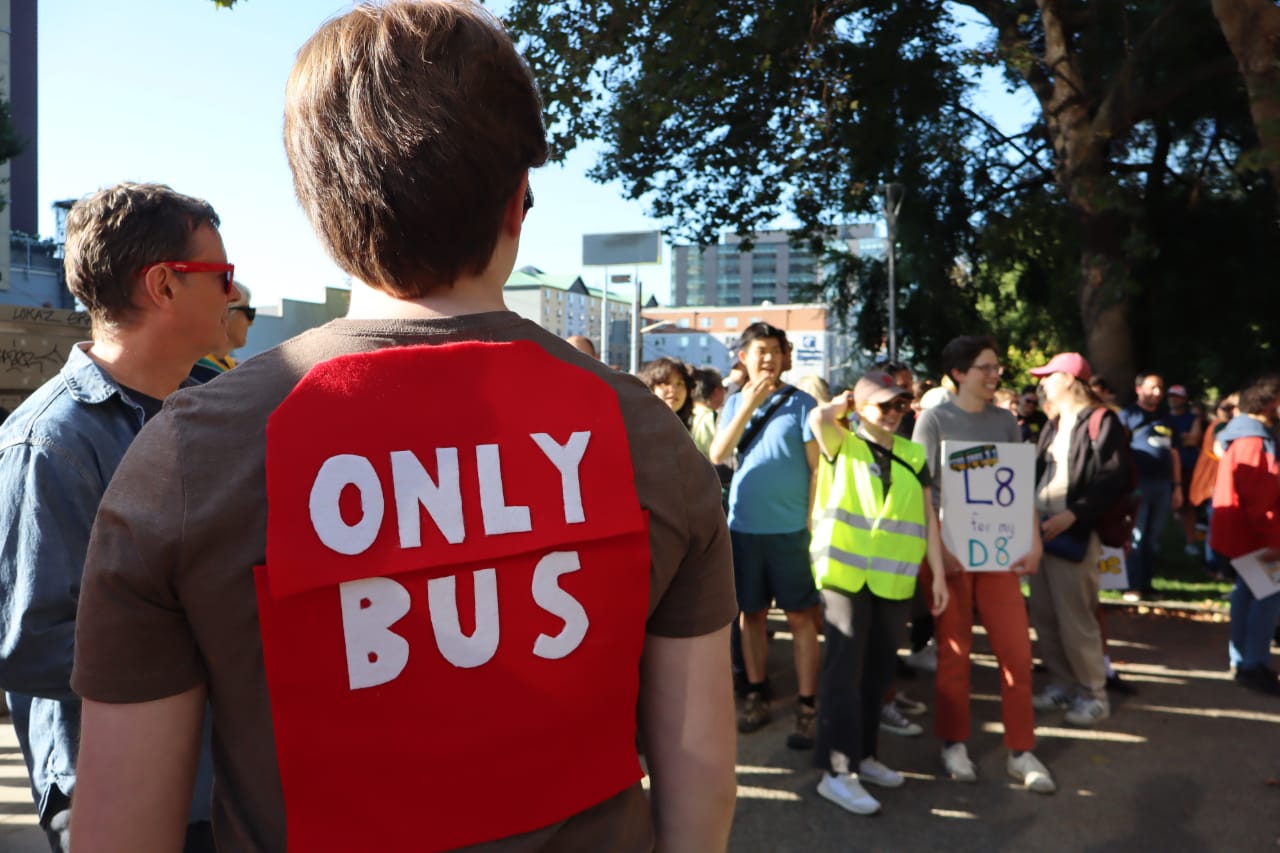
Bus travel times are up to three times faster along a troublesome stretch of Denny Way after SDOT installed red bus lanes all the way to I-5. On Tuesday, Mayor Katie Wilson joined transit fans for a reprise of last year's 'Race the L8'... with very different results this time.

Pinehurst Station now has a launch date: September 30. The infill light rail stop will serve a projected 3,400 daily riders between Northgate and South Shoreline and provide a new location for bus-rail transfers.
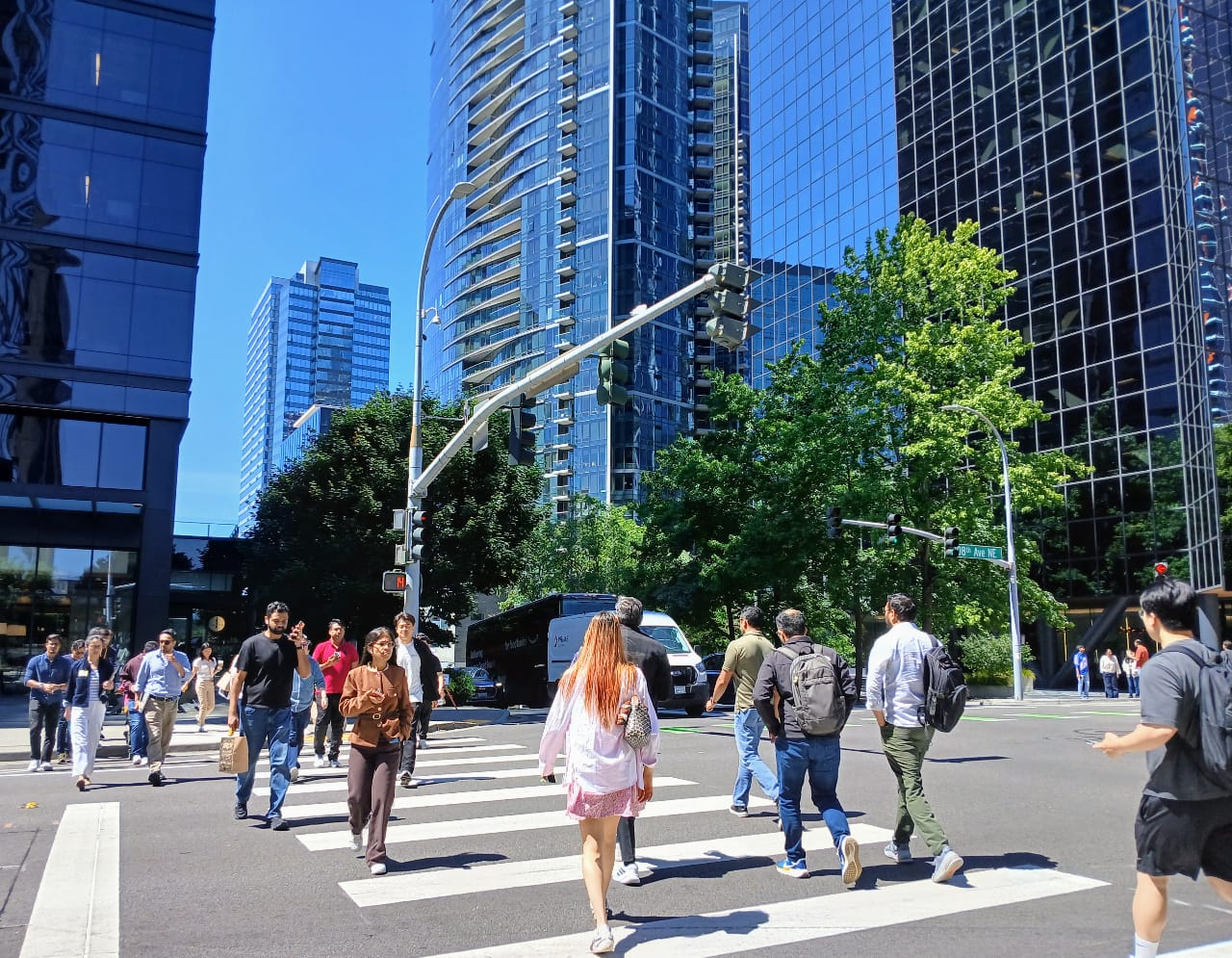
In the first six months of 2026, Bellevue saw at least 1,585 new multifamily units enter the pipeline, compared to just 1,137 housing units in Seattle. The numbers illustrate Bellevue's success in spurring development... and Seattle's continued slump.
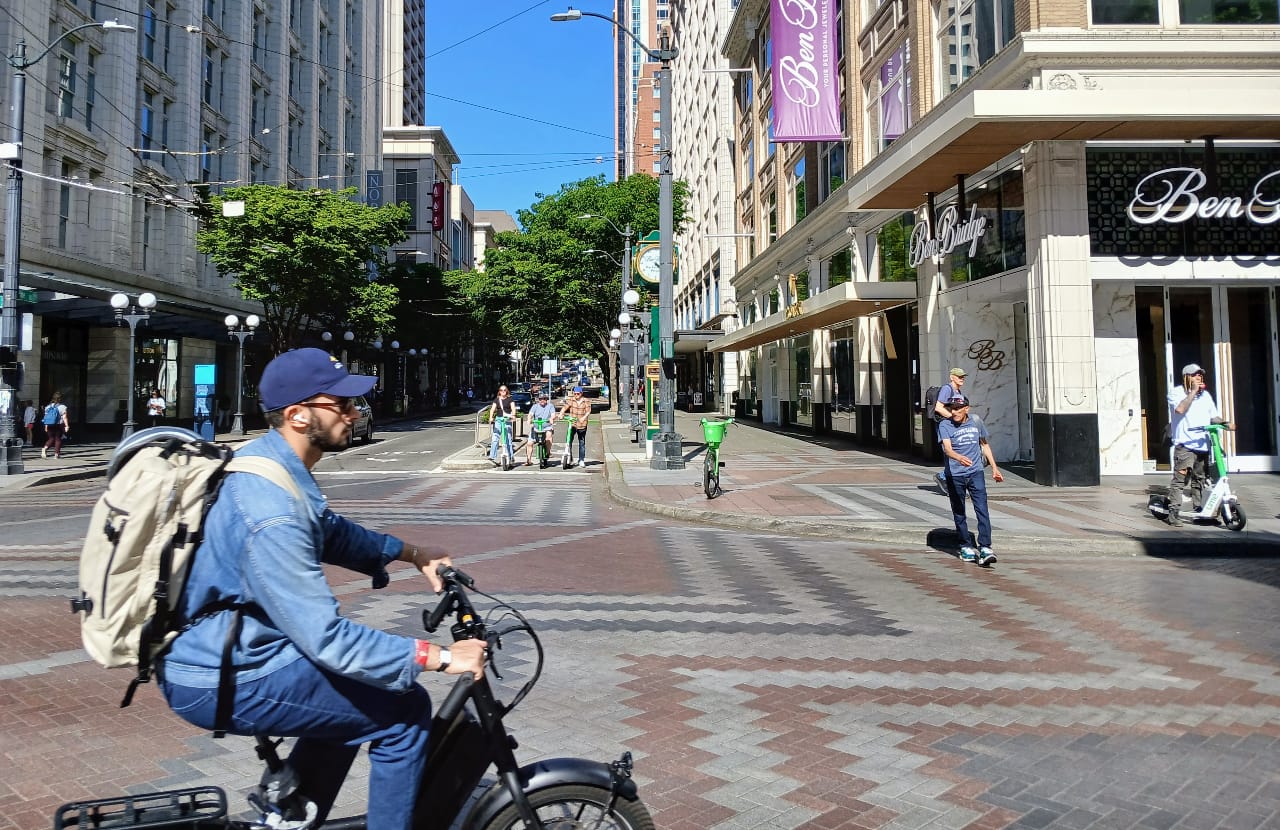
The five-part order directs changes across multiple City departments intended to improve safety outcomes. Most notably, SDOT will speed up work on a slate of Vision Zero projects, and start to include intersection daylighting in routine work moving forward.
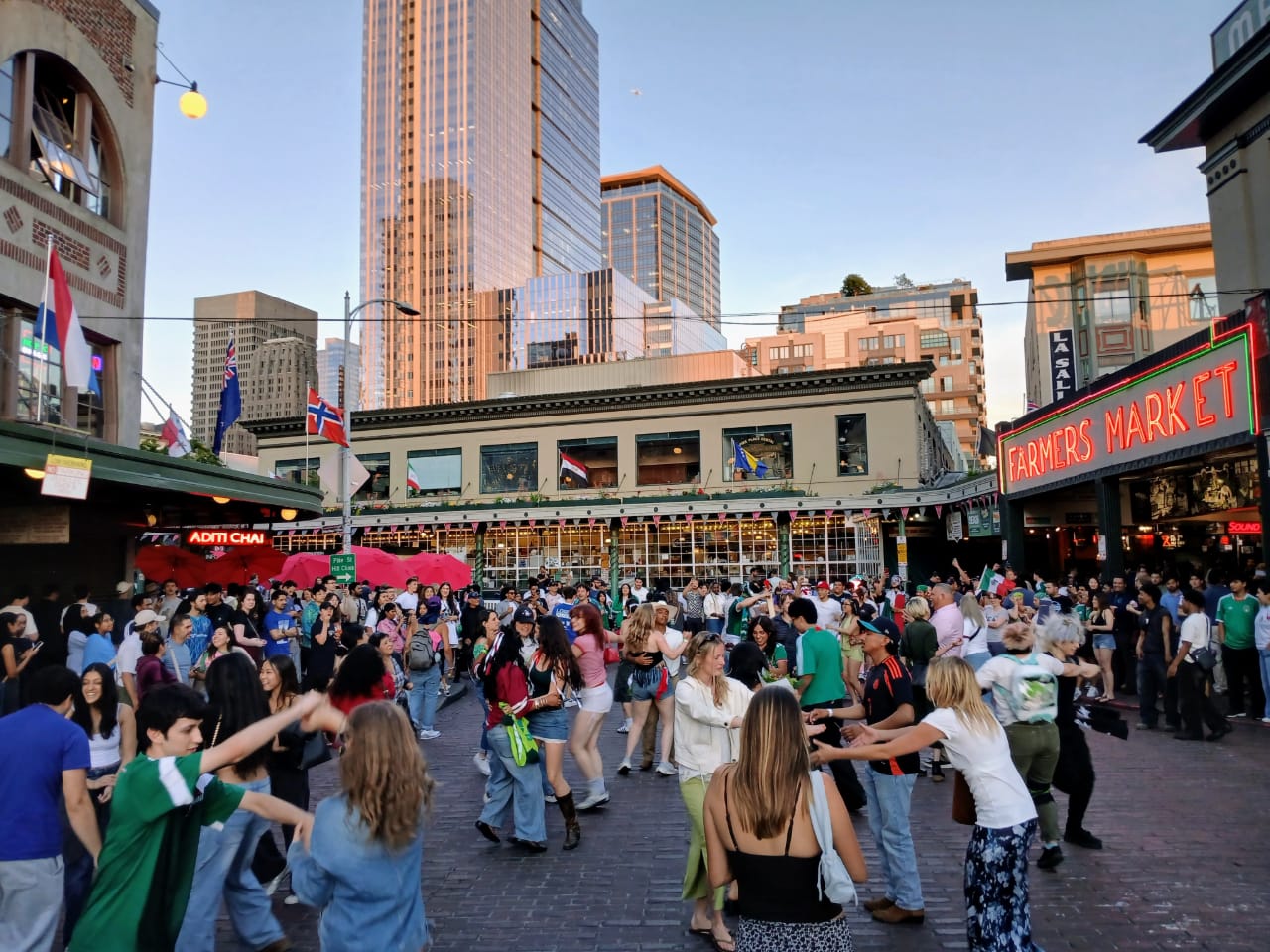
Thru traffic would be diverted off Pike Place only on weekend days from October to March, under SDOT's latest proposal for the pedestrian pilot's next phase. The recommendation came from vendor surveys conducted by UW's Urban Freight Lab, and appears to be based more on anecdote than actual data.
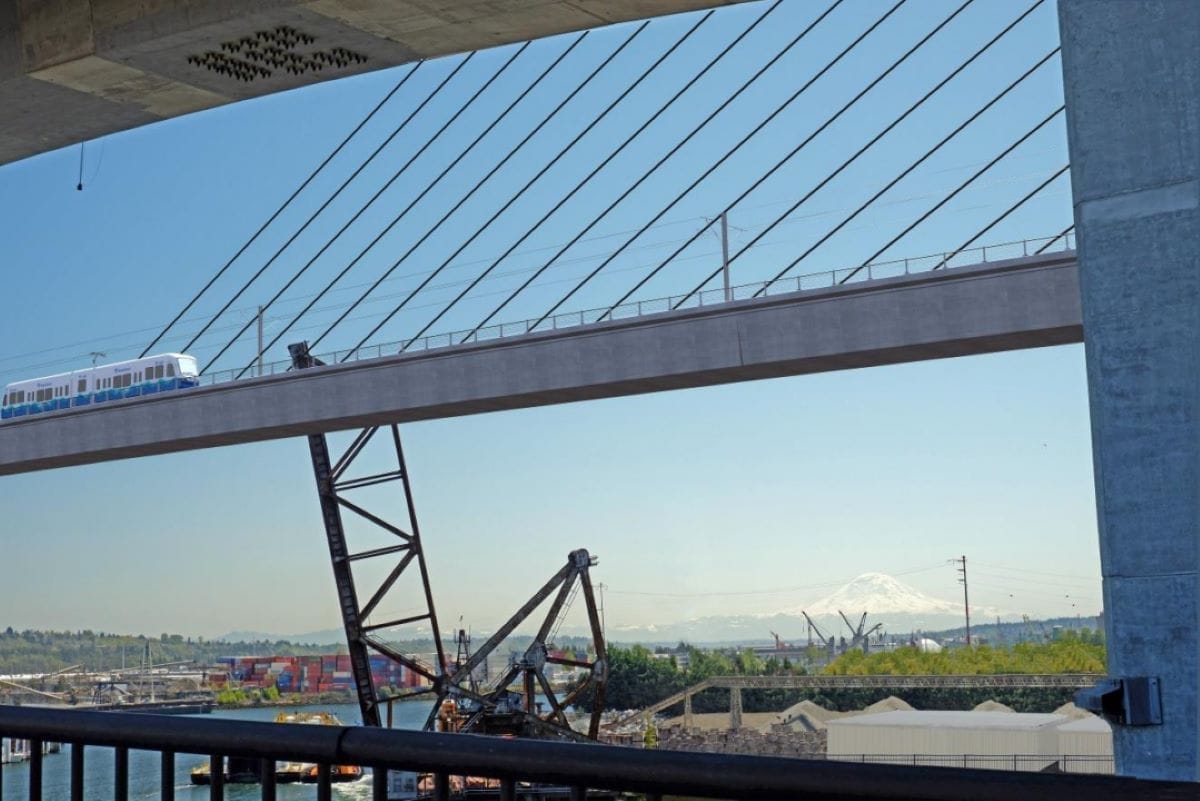
Sound Transit's expected opening date for West Seattle light rail has slipped three years to 2035, agency top brass confirmed Thursday. The board is set to allocate $765 million later this month to advance property acquisitions along the route.
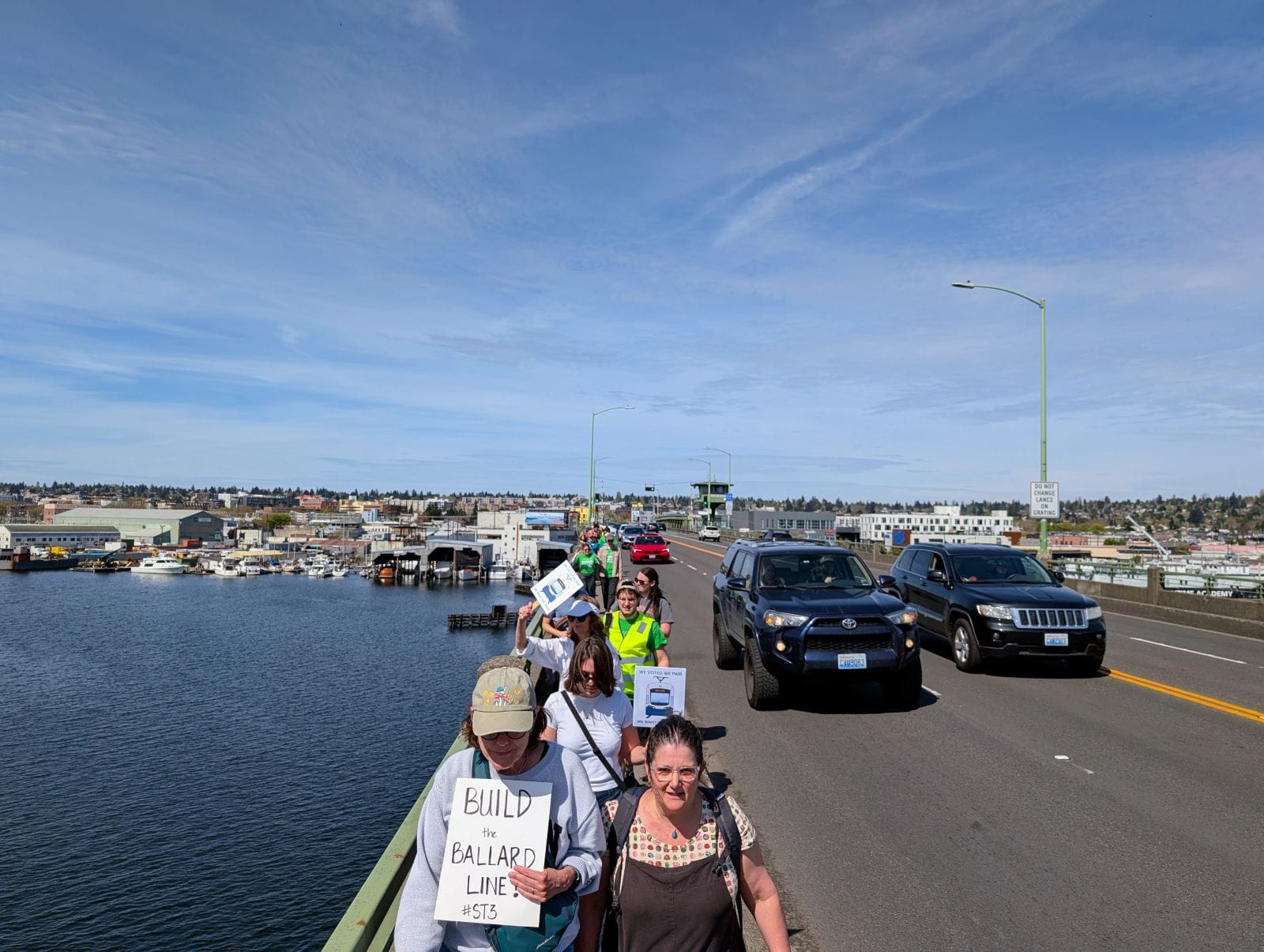
The new 2060 timeline for light rail stations in Interbay and Ballard assumes Sound Transit isn't able to unearth any major cost savings or unlock additional financial tools. But the agency painted an optimistic picture about being able to make inroads in those areas, pushing the opening to 2042.
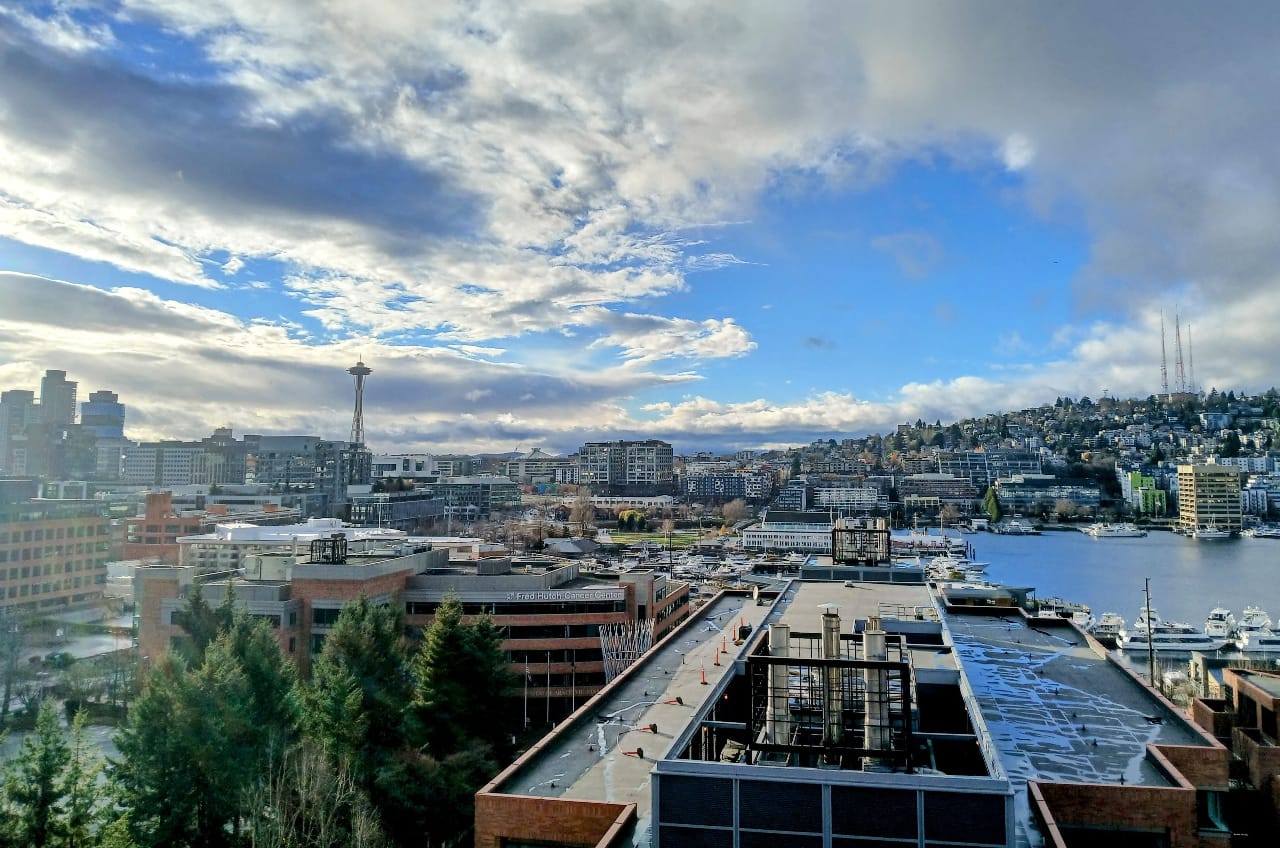
The 5-4 vote means city-level appeals that have delayed significant citywide zoning changes in the past will instead be directed to Superior Court of a state growth hearings board. The proposal had prompted significant push back from density opponents across Seattle.
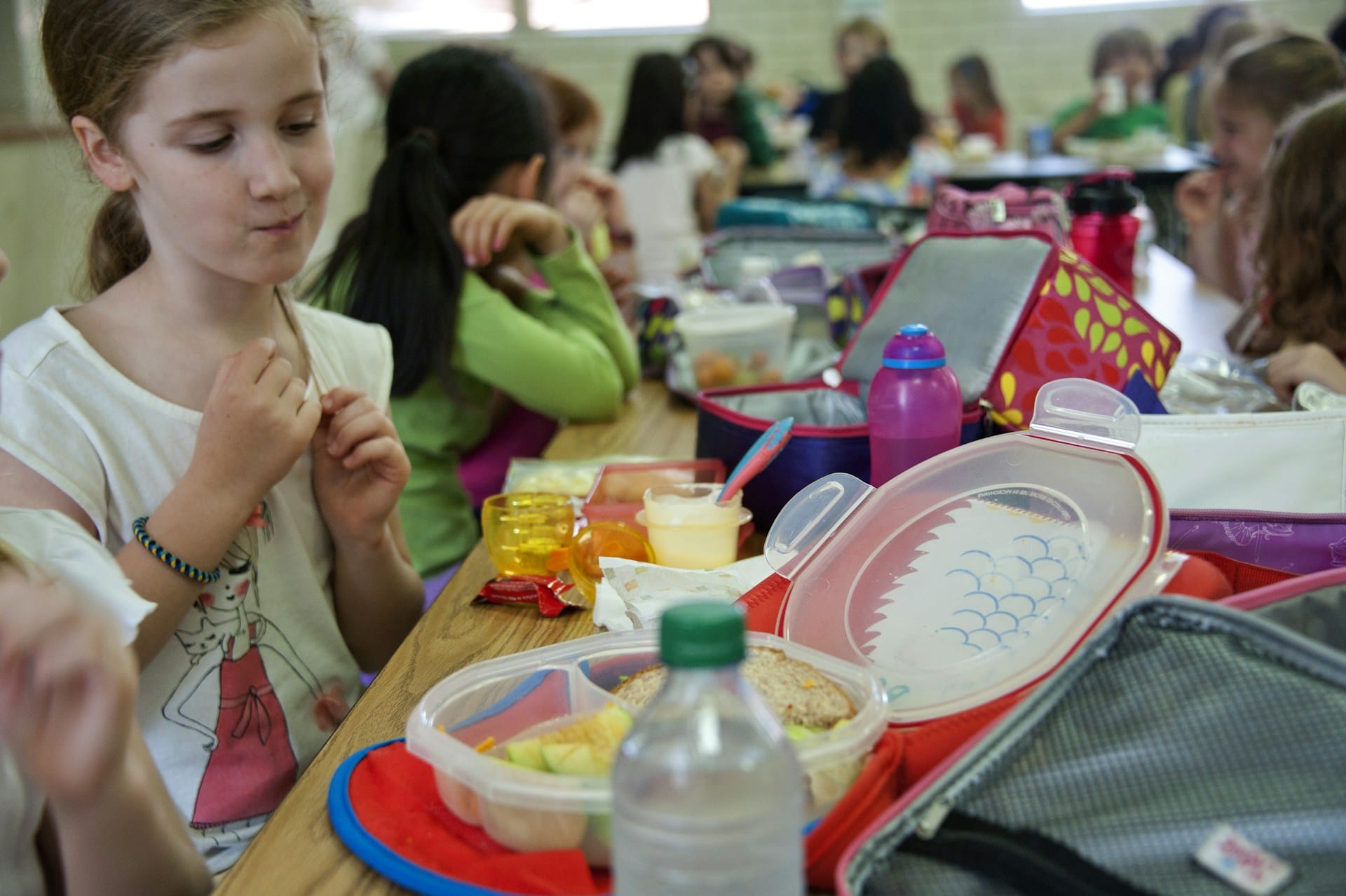
After public outcry following their vote to delay a universal school meal program, Seattle councilmembers had a change of heart and proposed to start the program this fall after all using unspecified general fund dollars.
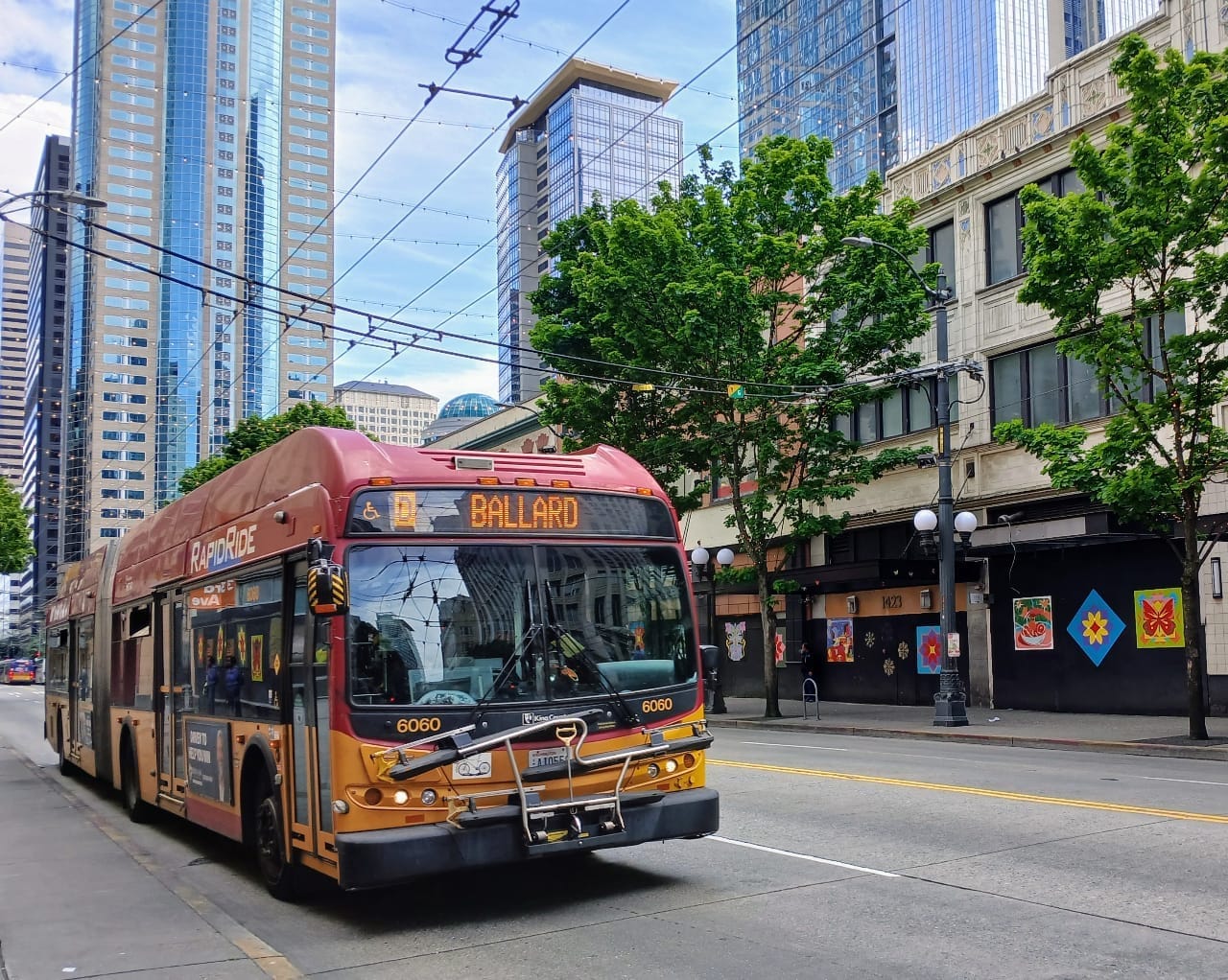
While amendments from the Council did make a mark on the Seattle Transit Measure renewal, it still largely resembles Wilson's initial proposal. Amendments that would have scaled it back in scope and duration were both defeated Thursday.
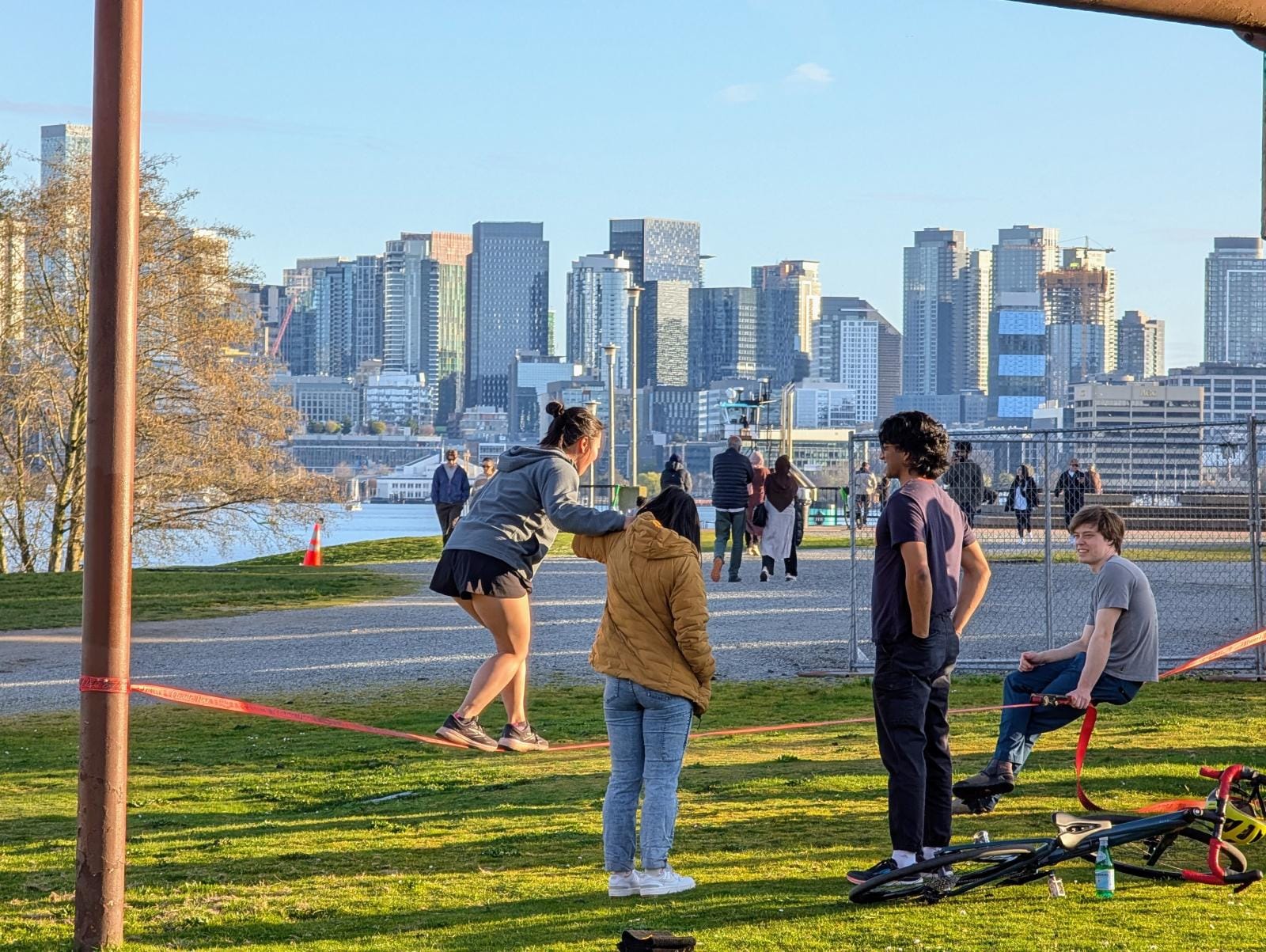
The Urbanist Elections Committee is excited to announce our 2026 primary election endorsements. Check out our great slate of leaders. Be sure to vote by August 4.
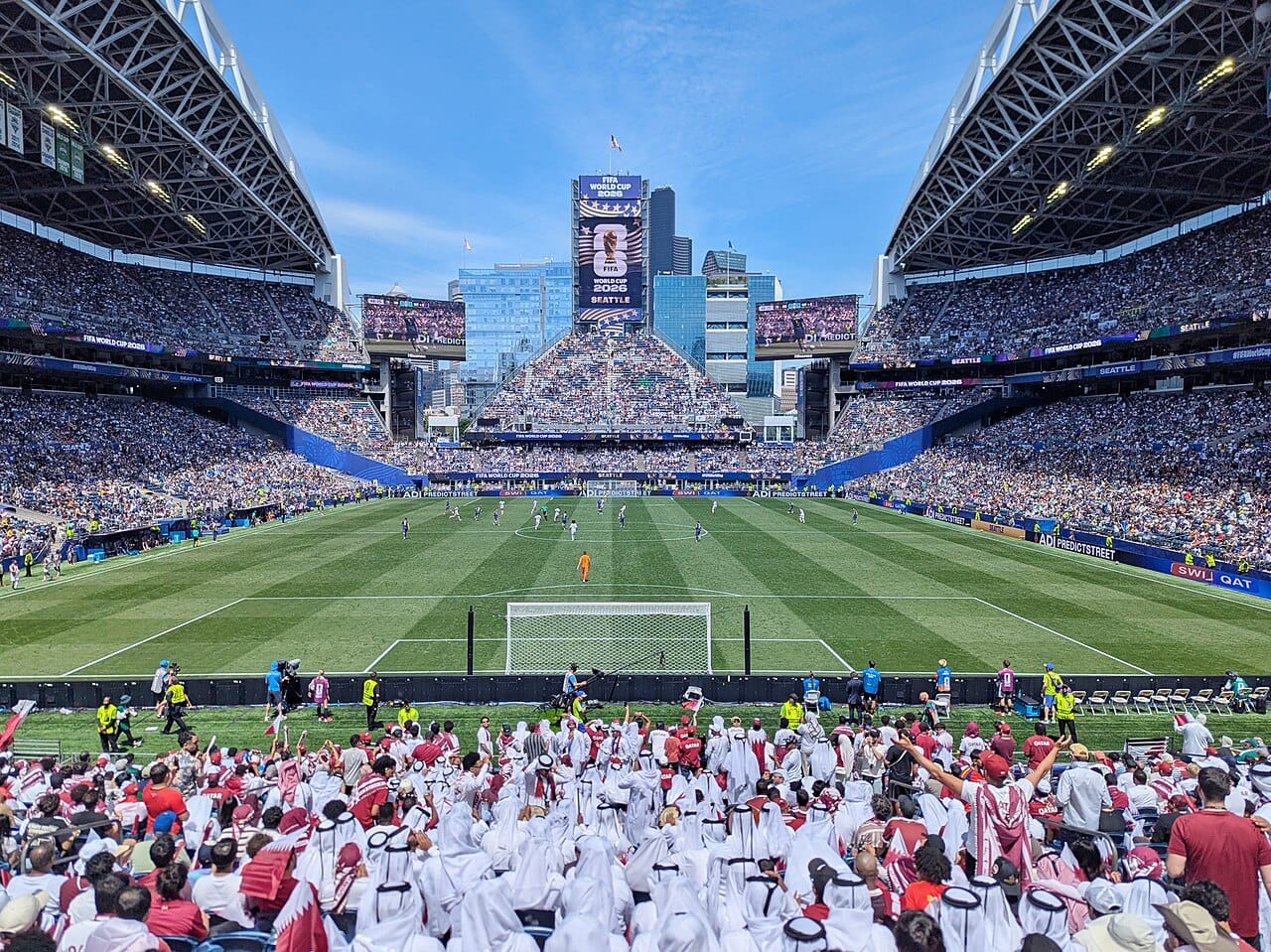
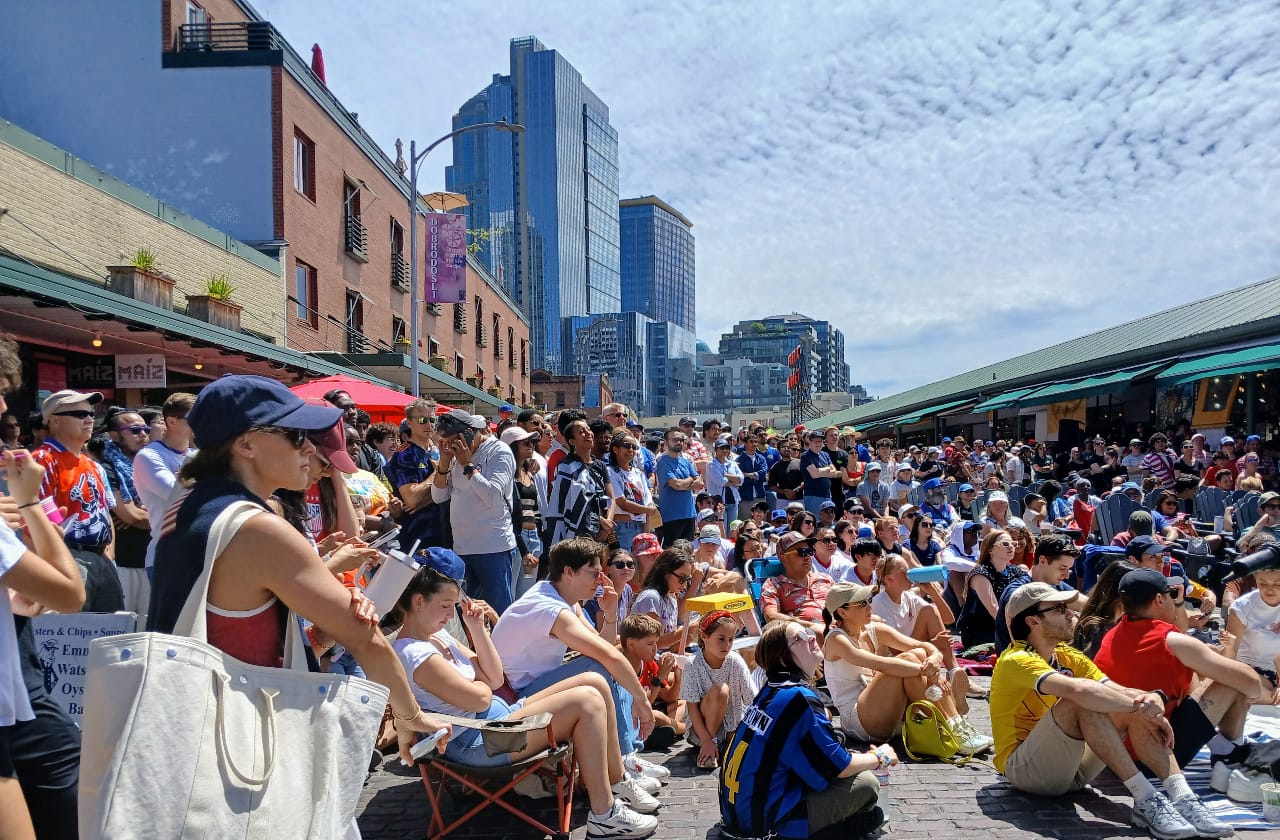
While other cities struggled to handle World Cup 2026 crowds, Seattle thrived, with pedestrians happily exploring and transit records being broken. Good planning and an urban stadium location was key to Seattle outperforming its American peers.
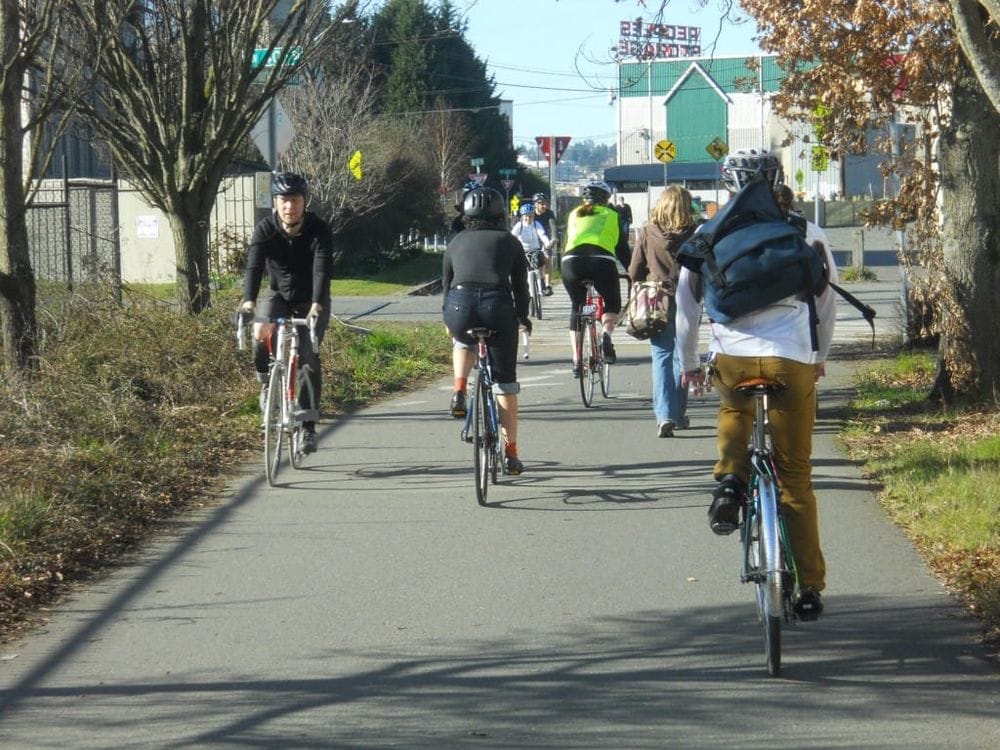
The ruling is the latest legal hurdle tripping up a proposal to close a 1.4-mile gap in the Burke-Gilman Trail, which a group of Ballard businesses has been fighting since 2008. Delays have heightened scrutiny of state environmental laws more broadly.
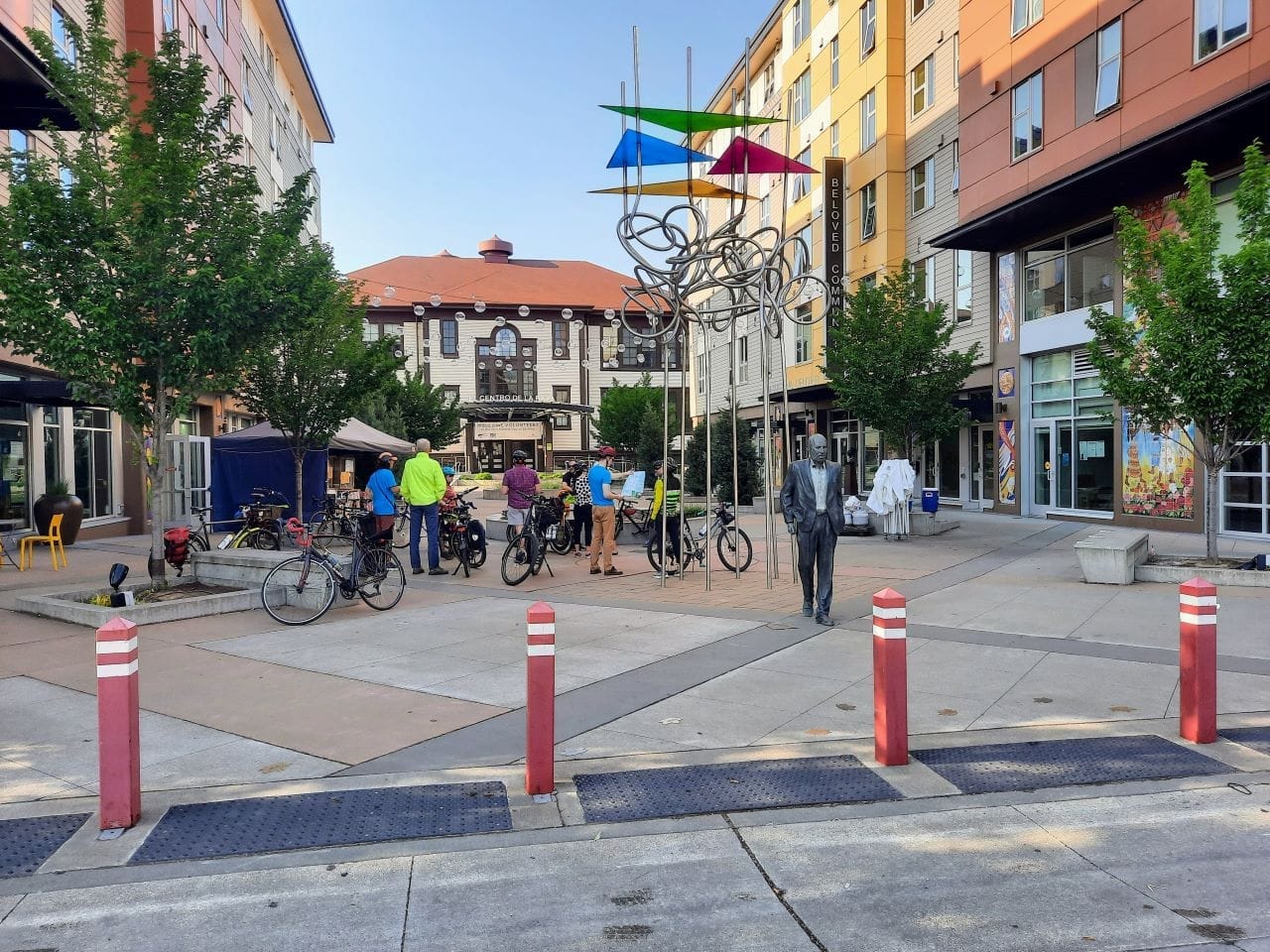
After some nonprofit builders objected, the Housing Development Consortium pulled their support for Seattle's "Housing Accelerator" pilot program built on temporarily reducing builder fees. This eroding of support led Mayor Katie Wilson to table the idea for now, pending more stakeholder work.
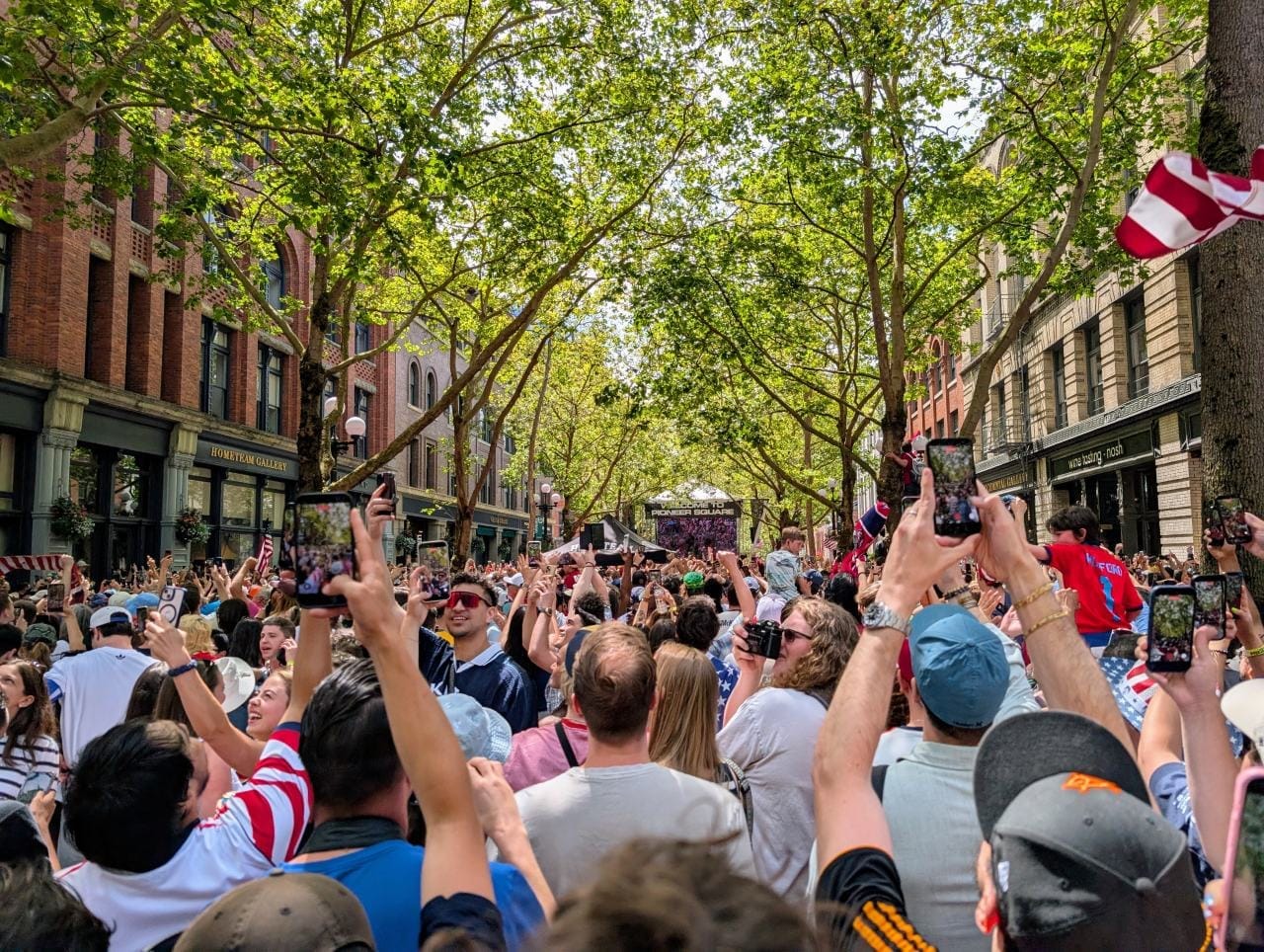
National publications have ranked Seattle at the top of the list among World Cup 2026 host cities, commending the city's centrally located, well-integrated stadium next door to a bounty of urban attractions.
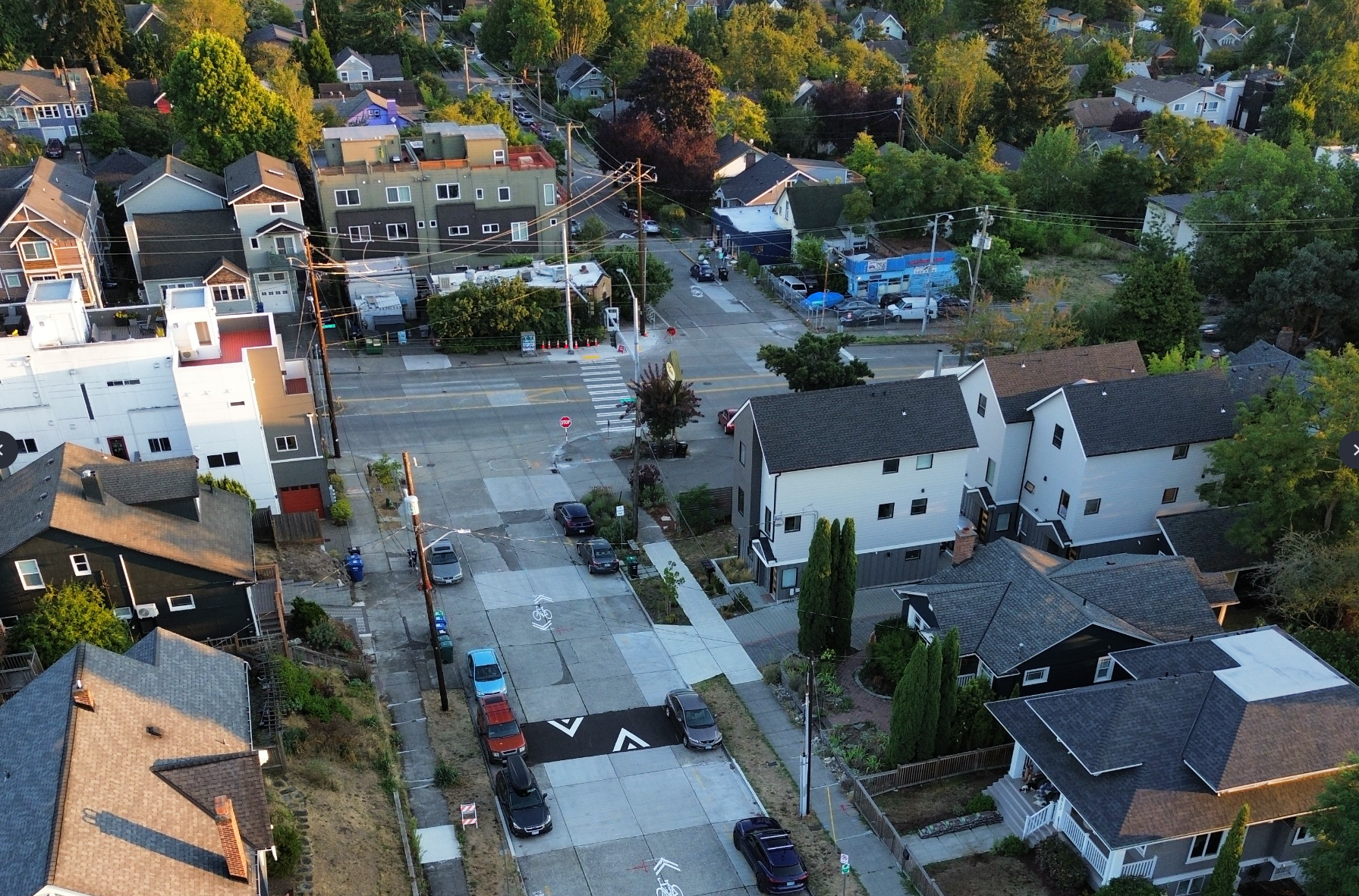
The June 1 ruling by the Washington Court of Appeals is set to send a pair of appeals of Seattle's growth plan back to the City, putting consideration of the next set of planned zoning changes on hold. The city council may not be able to take them up again until late 2026 or early 2027.
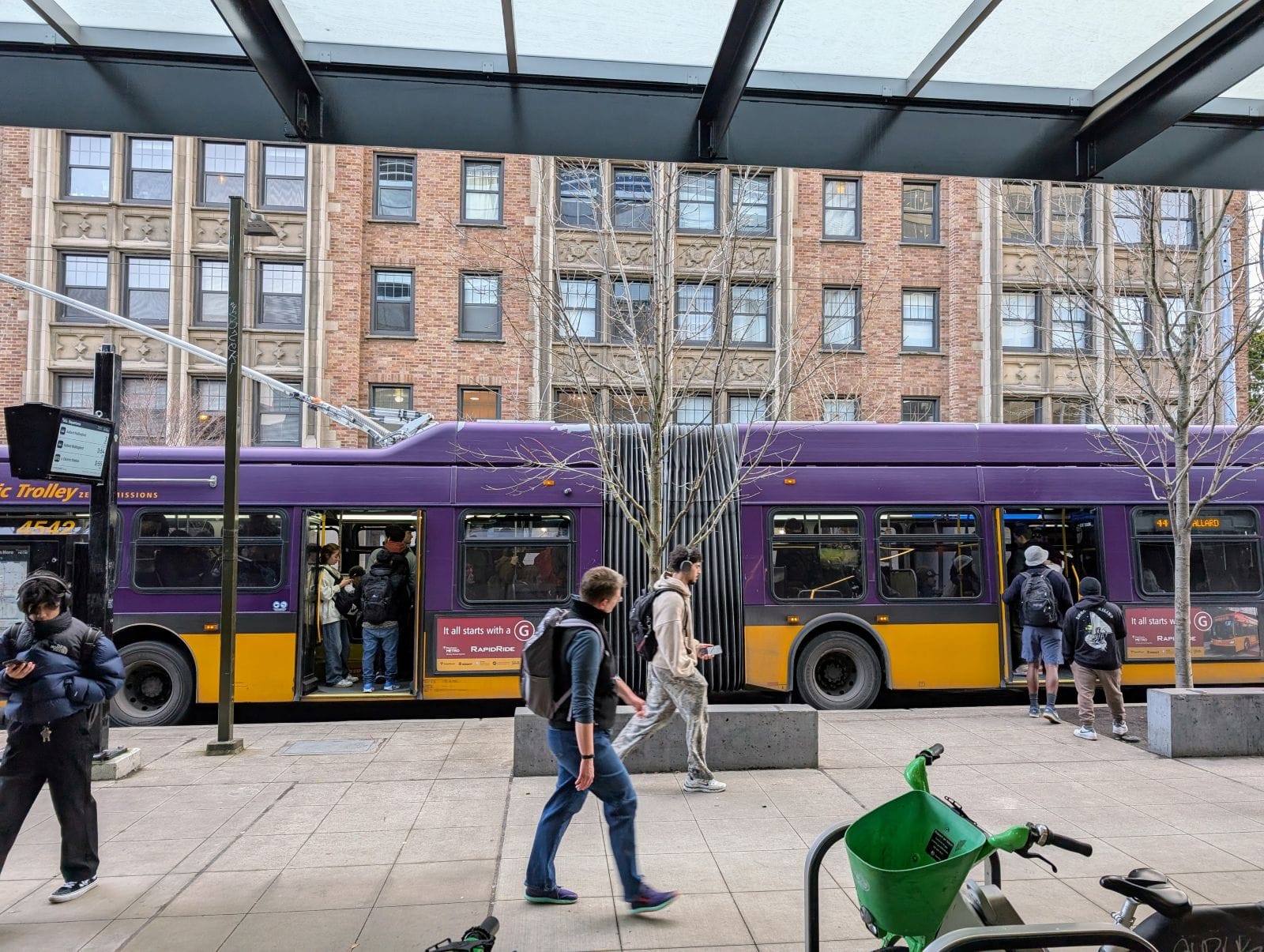
The Move All Seattle Sustainability Coalition is calling on City Council to approve Mayor Katie Wilson's proposed Seattle Transit Measure renewal to fund vastly more bus service and expand fare subsidies to the lowest income Seattleites. Here's why.
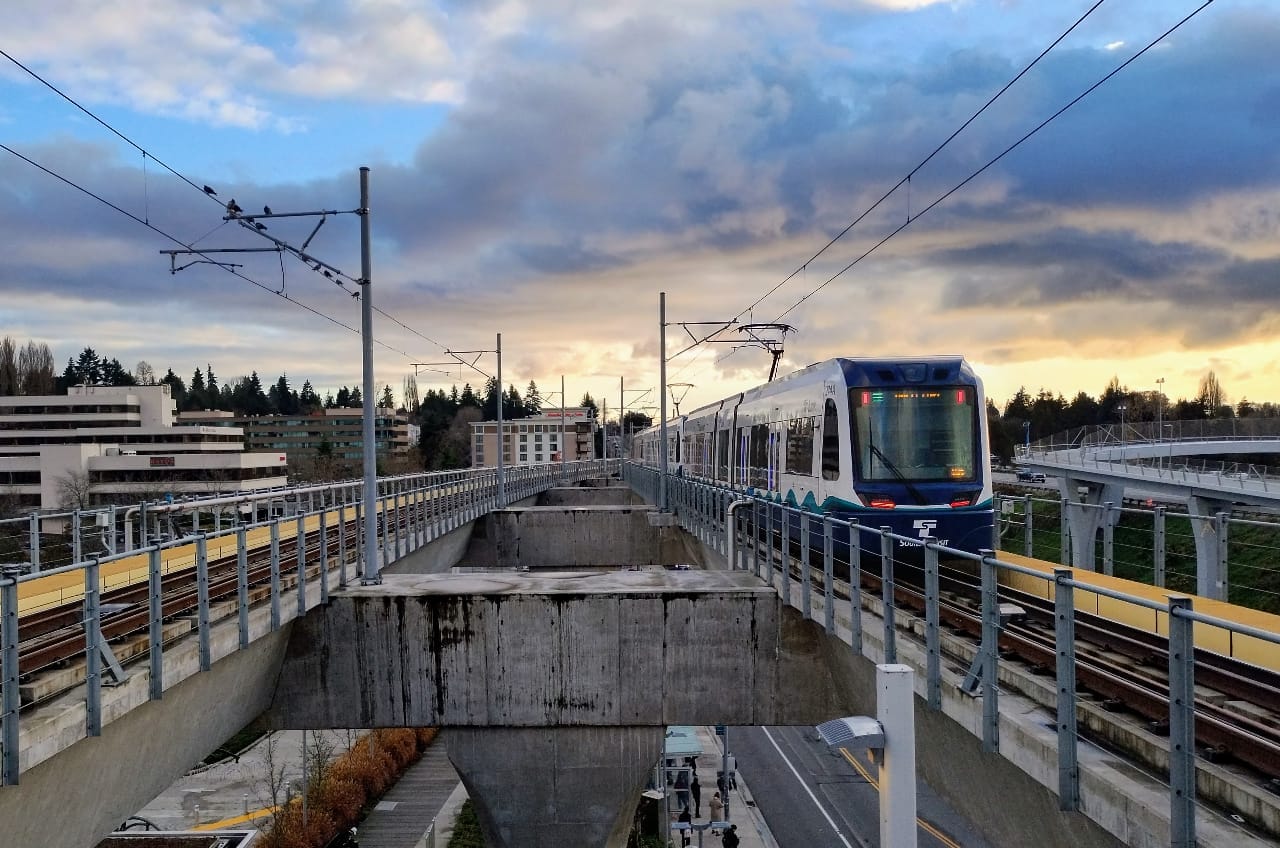
A press briefing this week with CEO Dow Constantine clearly sought to assuage concerns that Sound Transit wouldn't be able to get all the way to Ballard. With a six- or seven-year "runway" to close a $7 to $9 billion gap, the pressure is clearly on to follow through on that commitment.
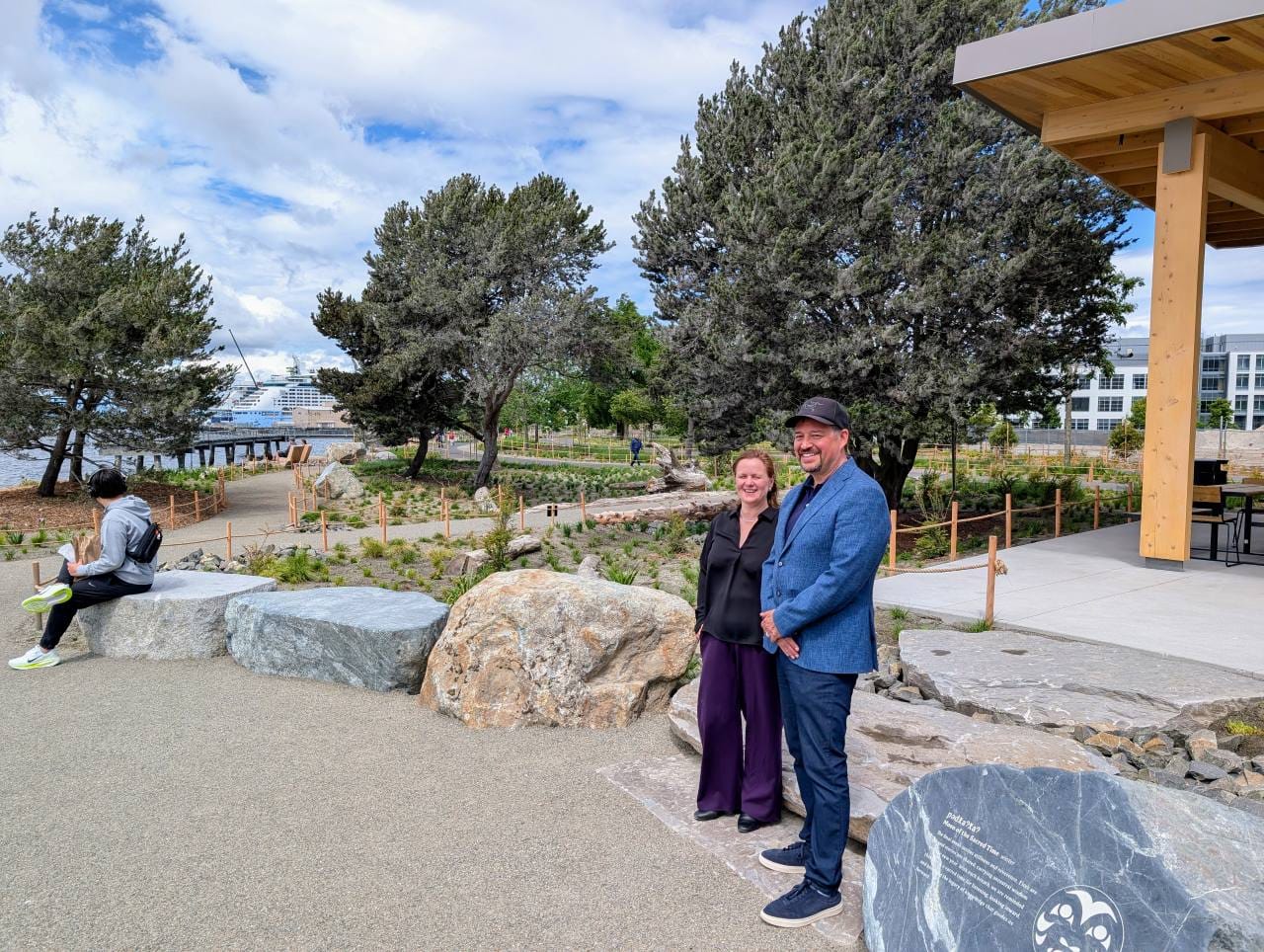
Seattle just celebrated the grand reopening of Myrtle Edwards and Centennial Parks, with upgrades fueled with $56 million in private donations. The overhaul included several nods to the land's Indigenous people and their Salish culture.
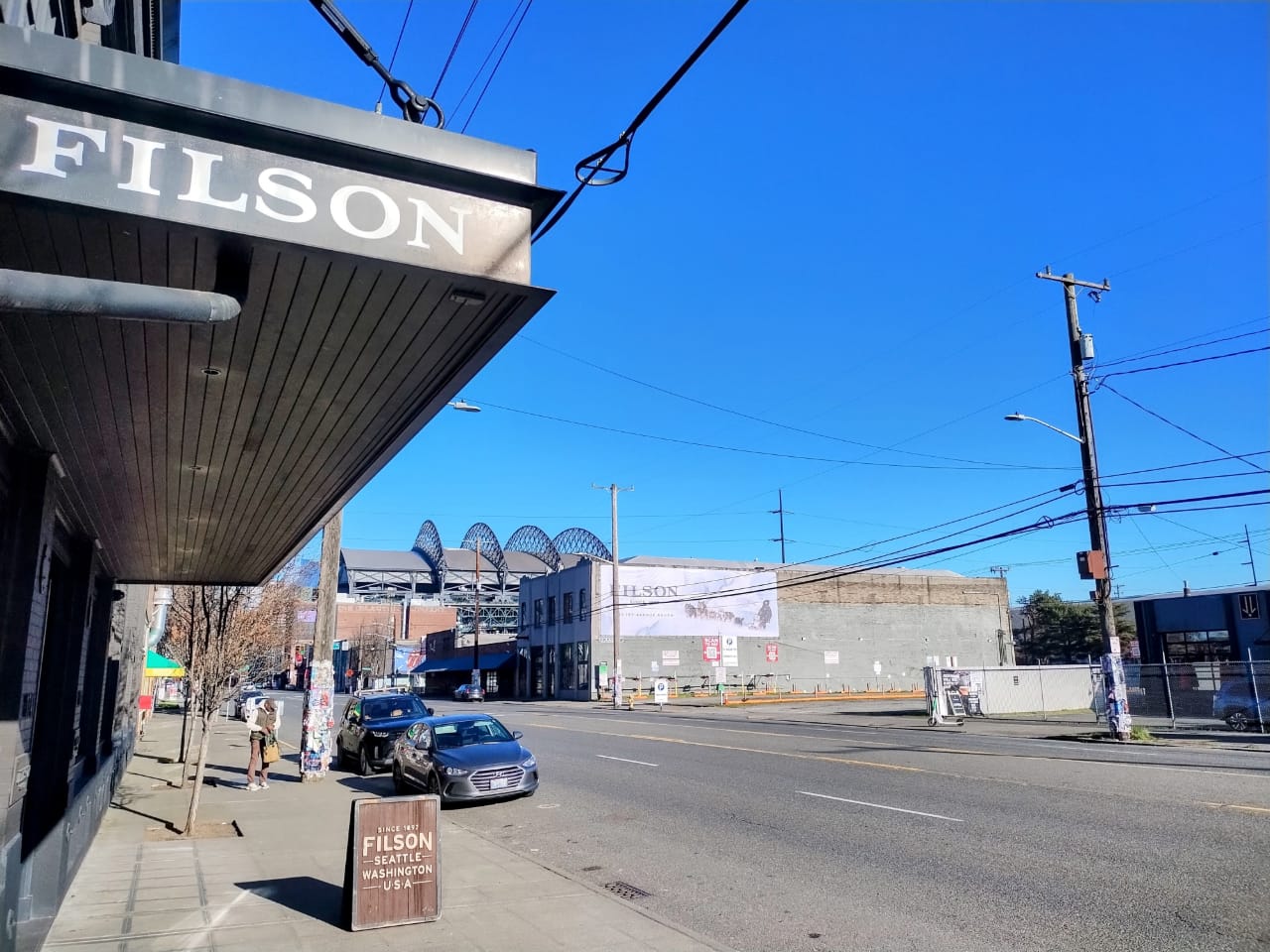
A push to allow housing in the Stadium District looked like it had been thwarted by a legal appeal and a shift on the Seattle City Council, but a new appeal from T-Mobile Park's facilities district is poised to reignite debate.
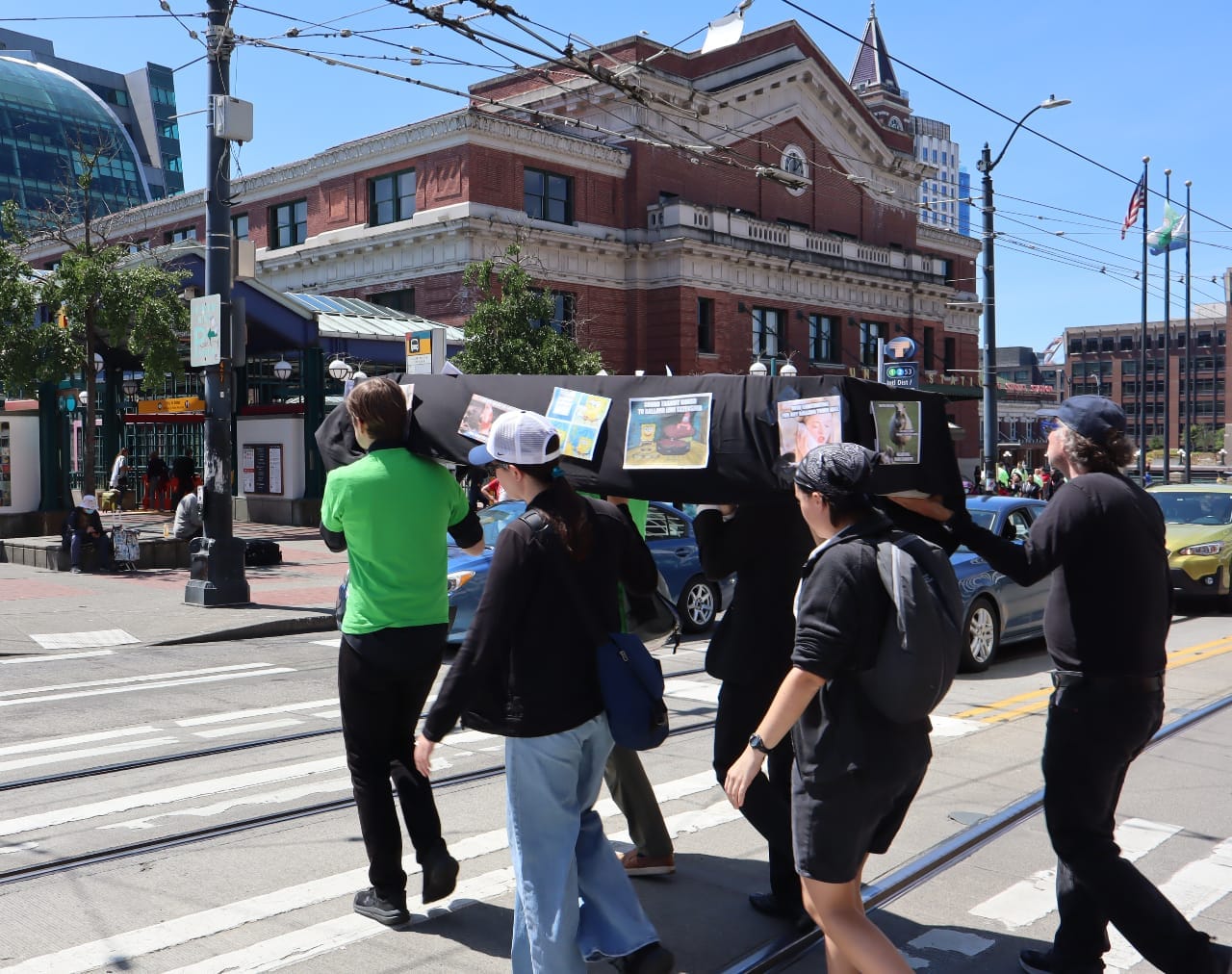
While hesitant to alter plans or go back to voters for funding, Sound Transit board members approved a "Request for Information" that could unearth more affordable plans for light rail to Ballard. Even so, the path to get the project back on schedule remains murky at best.
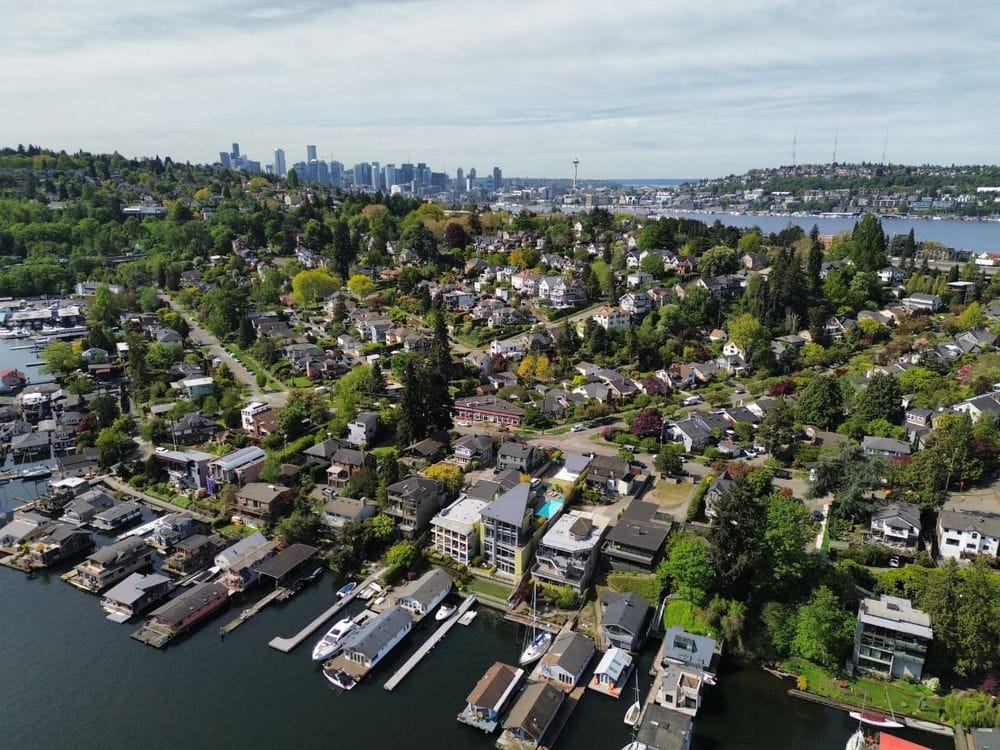
Ruling in favor of two groups trying to reopen environmental review of Seattle's Comprehensive Plan, a state Court of Appeals has affirmed a major loophole in recent state laws intended to reduce barriers to urban housing development. The decision could have big impacts statewide.
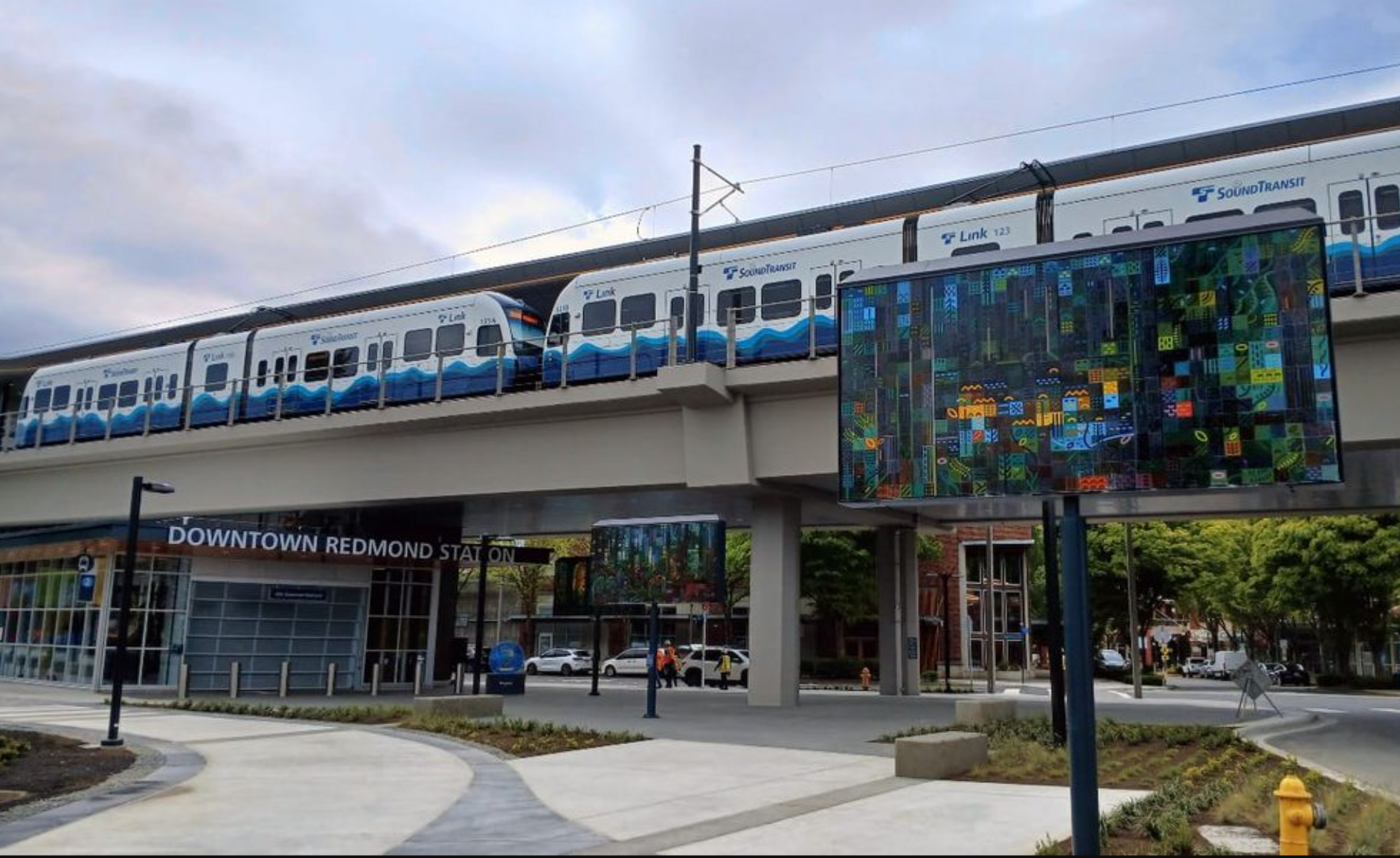
The Sound Transit board voted Thursday to overhaul expansion plans, prioritizing the rail spine from Tacoma to Everett, while deferring indefinitely stations in Tukwila, Interbay, and Ballard. Seattle leaders got Graham Street back into plans, but lamented the stations put on ice.
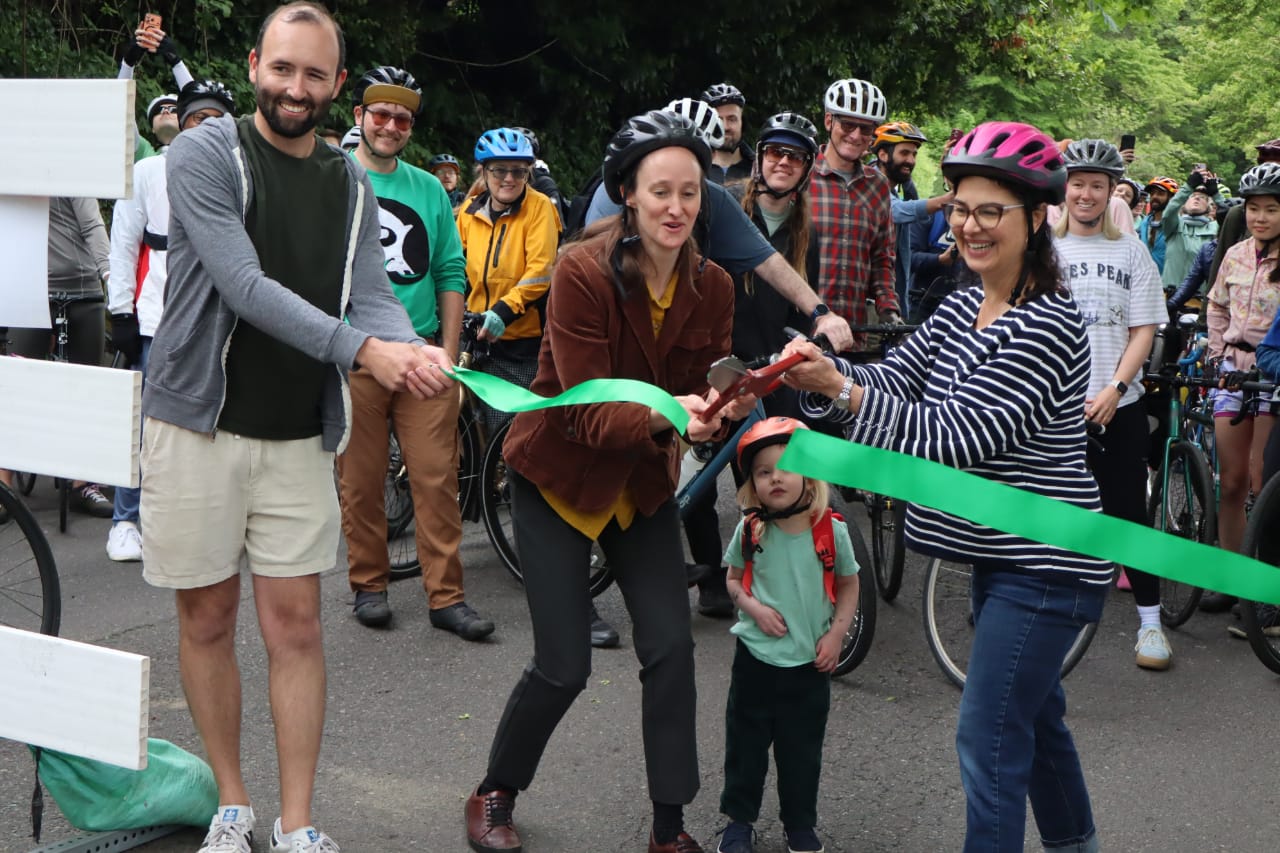
Hundreds of Seattleites turned out Saturday to celebrate the start of the 2026 Bicycle Weekend schedule, scaled back up by Mayor Katie Wilson after being stifled under the previous administration.
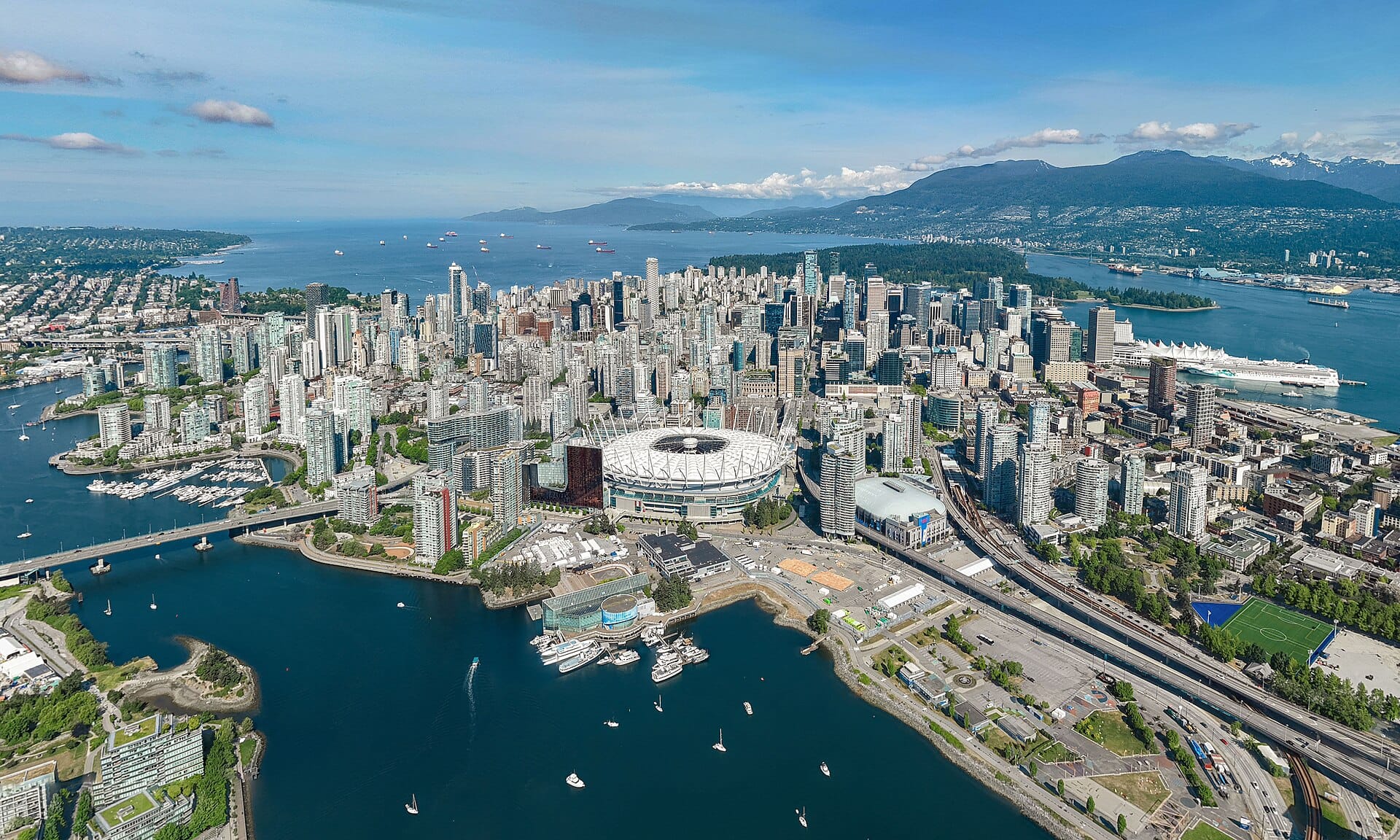
With a widespread housing crisis and sky-high downtown commercial vacancies, West Coast cities are weighing vacancy taxes to push more units into productive use, but Tacoma and Seattle likely need state legislation to clear the path.
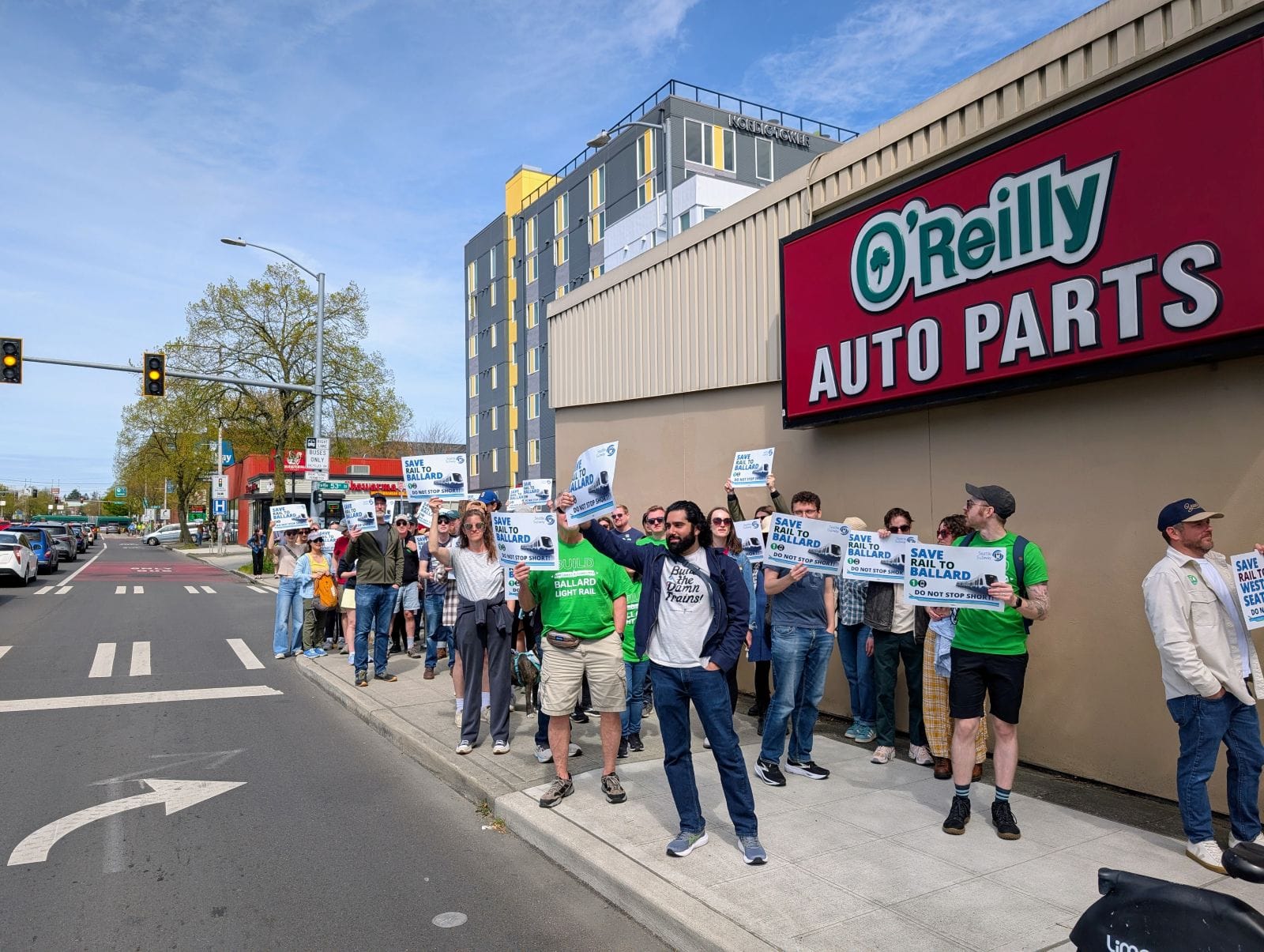
Seattle leaders have been urging Sound Transit to provide a date estimating light rail's arrival to Ballard in light of plans to defer the station indefinitely, but the agency is insisting it doesn't know. This has not sat well with advocates.
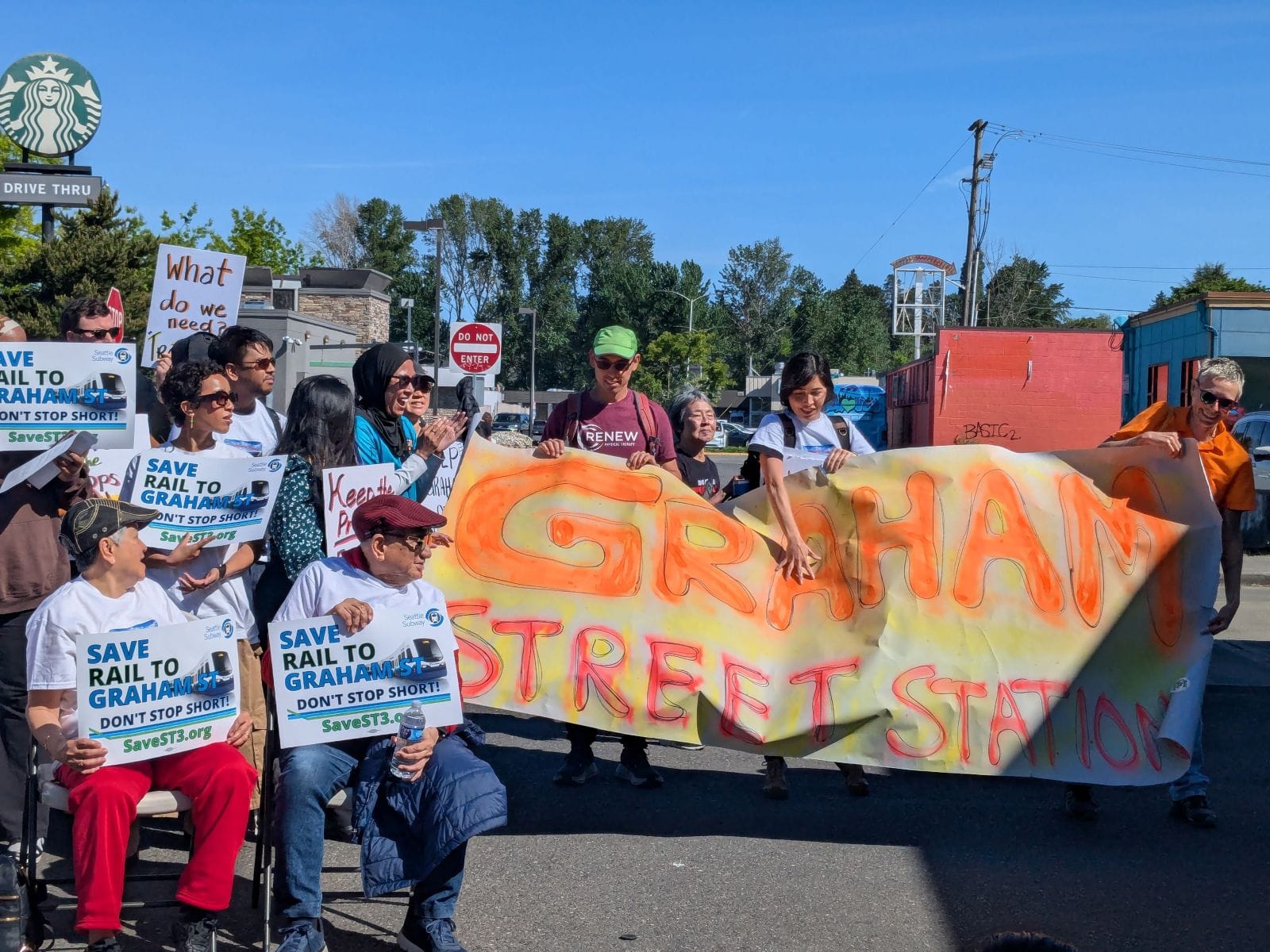
At a rally Monday near Seattle’s future Graham Street infill light rail station, advocates demanded Sound Transit not cut two long-planned infill stations as it rebalances ST3 plans. Speakers flagged issues with racial equity and restoring trust with voters.
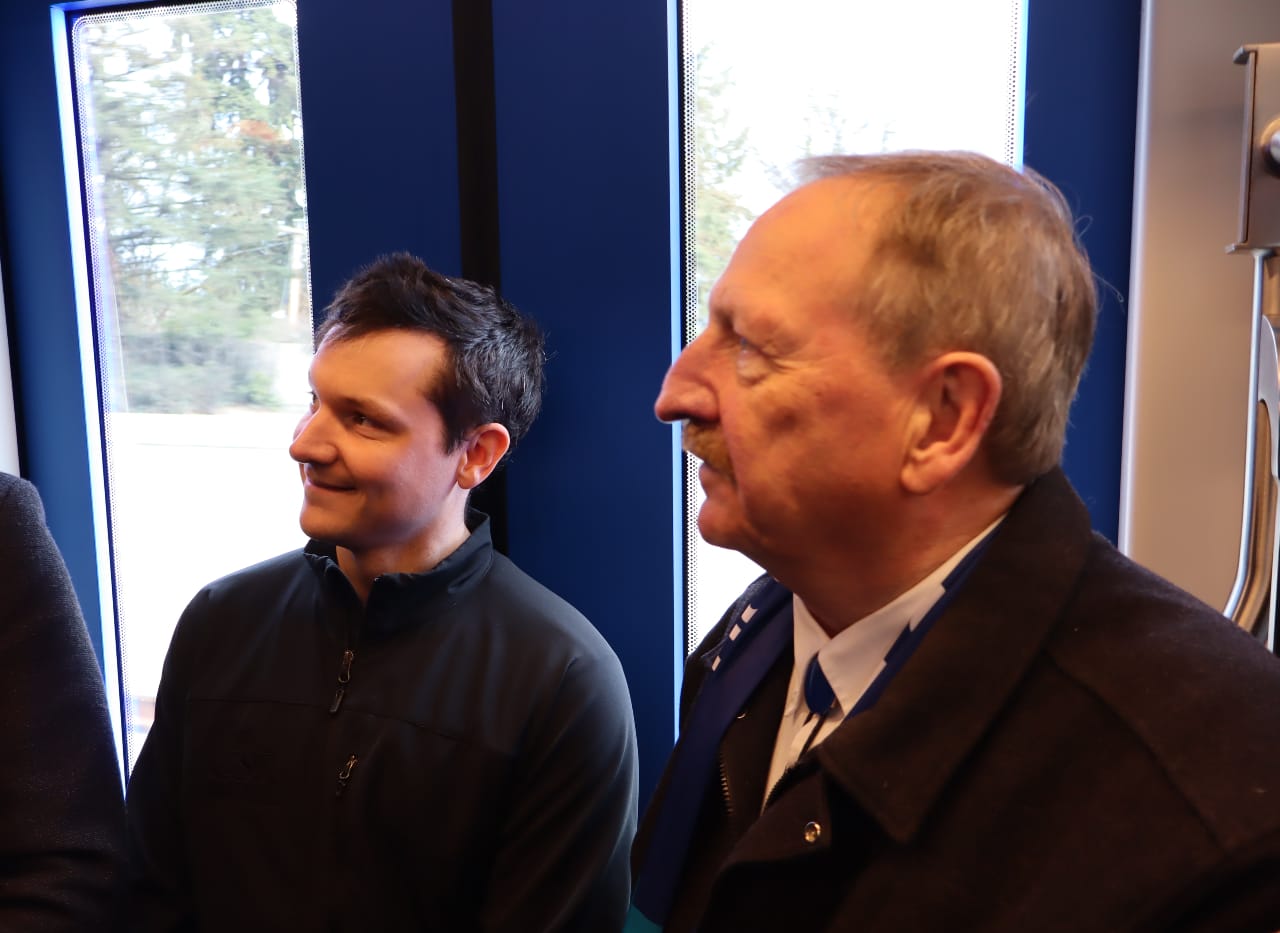
A proposal to close a $34.5 billion gap in the voter-approved ST3 plan is on a fast track to a Sound Transit board vote on May 28. Developed by Snohomish County Executive Dave Somers, it would prioritize completing the regional rail "spine" while deferring and delaying multiple other major projects.
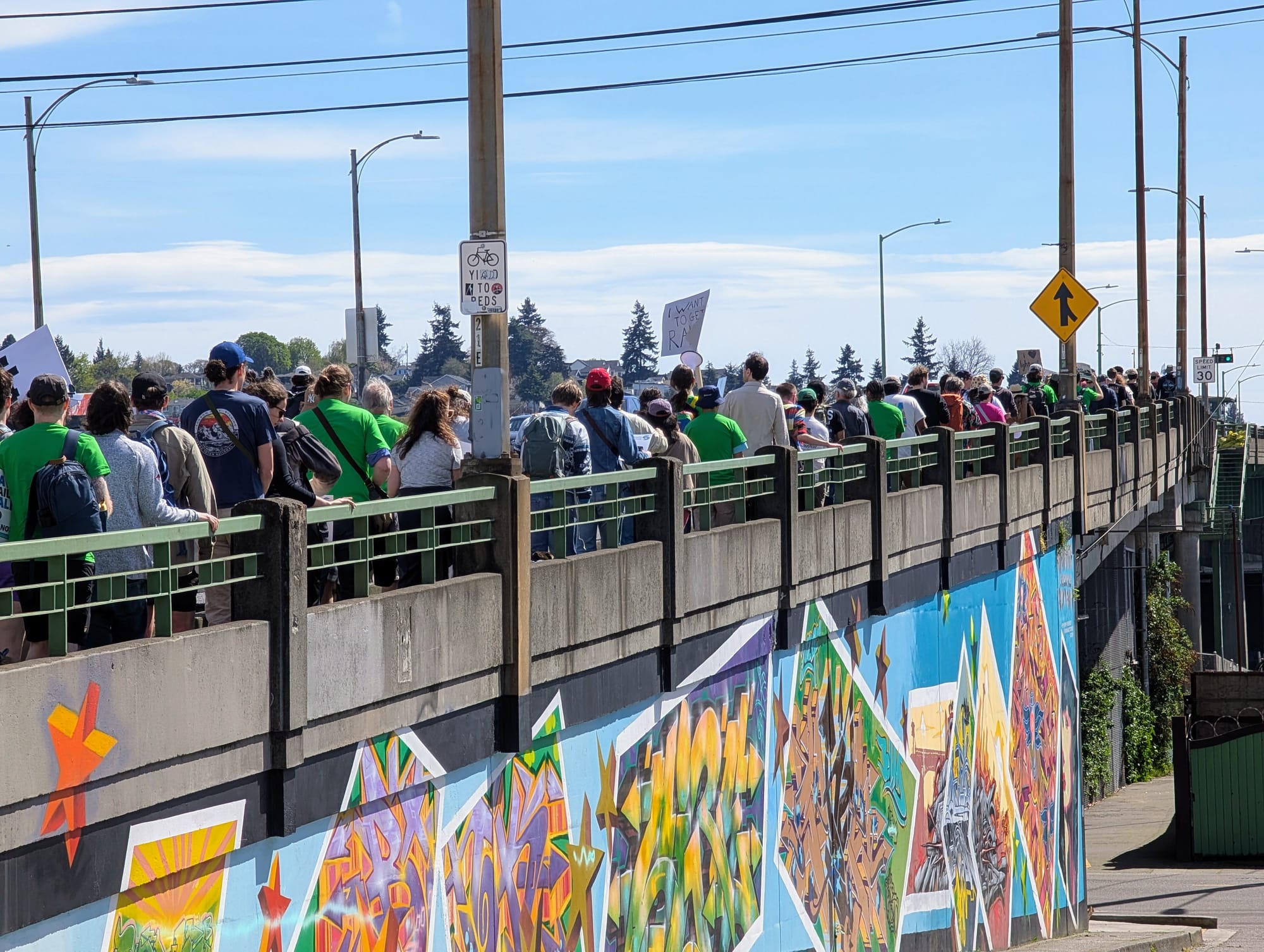
While on Sound Transit's chopping block, the Ballard and Interbay neighborhoods made it clear at a 300-strong rally and four-mile march Sunday they are not going down without a fight. Advocates wants to see all light rail projects promised in ST3 built.
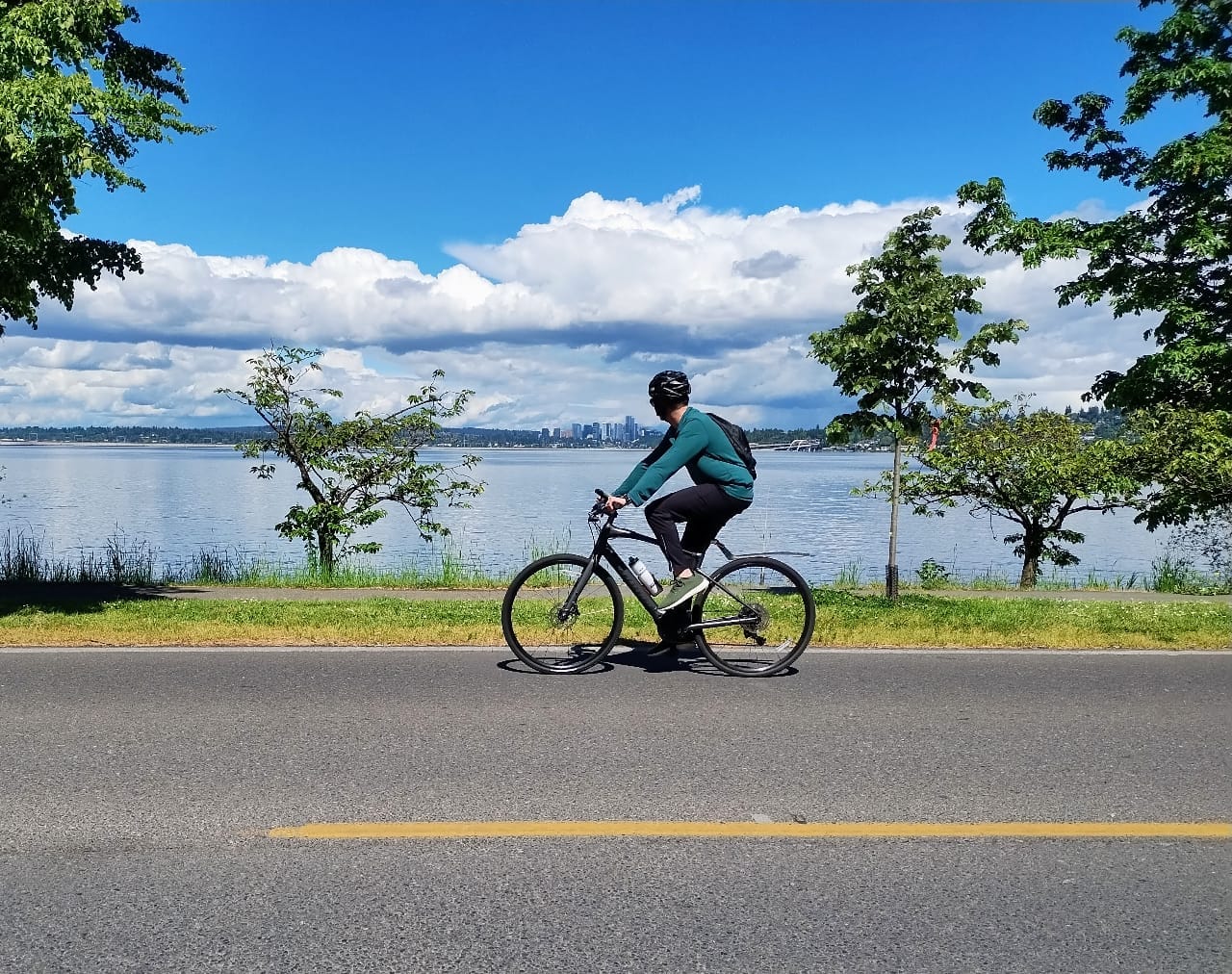
Seattle's only annual open streets festival along the South Seattle waterfront will run every single weekend this summer outside of Seafair. Wilson's changes are a bold reversal of her predecessor's scaling back of Bicycle Weekends.
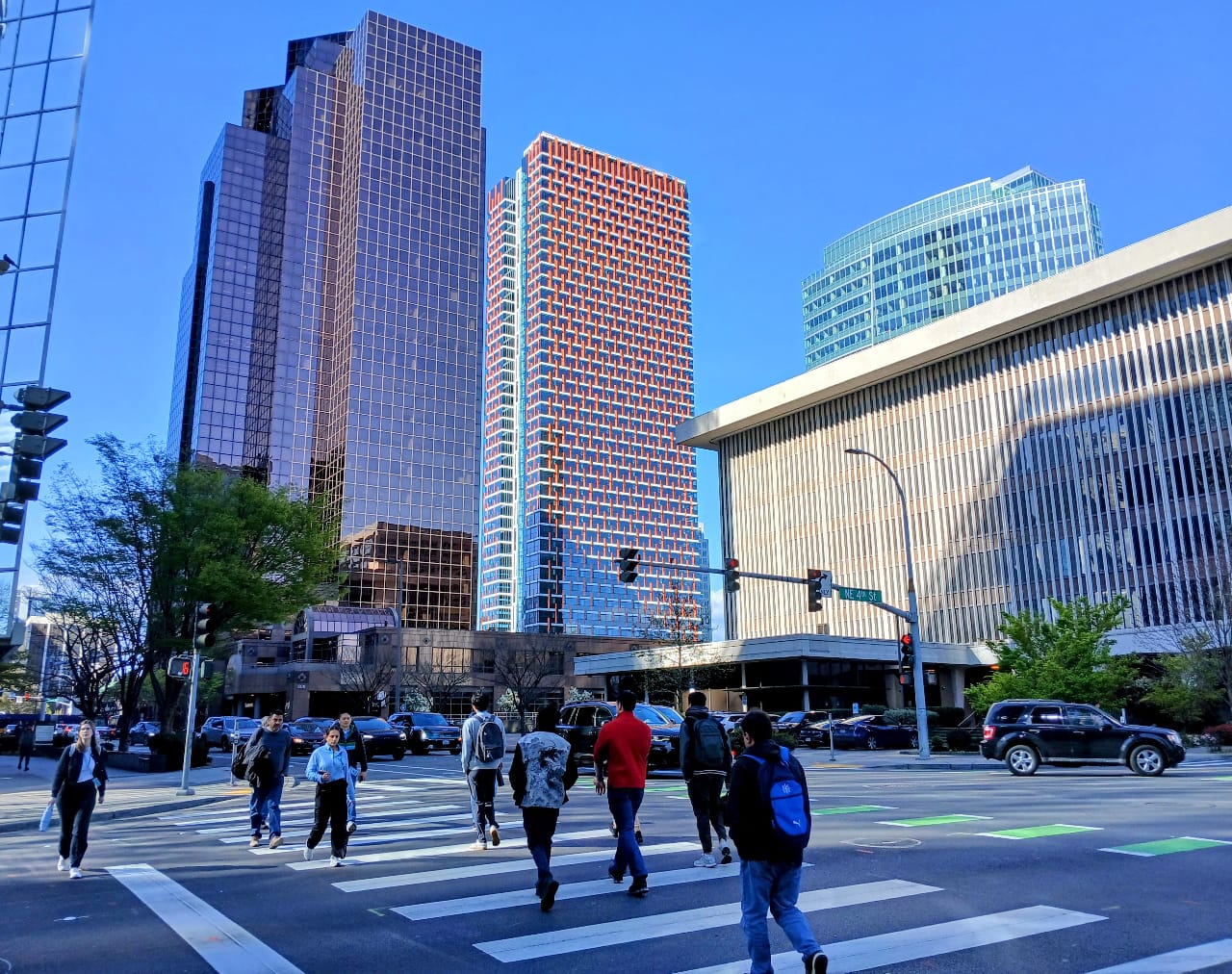
Completion of the full 2 Line has brought Bellevue so much closer to the rest of the region. That's set to provide Bellevue's slate of elected leaders, transformed to match the city in recent years, with major opportunities to advance progressive citybuilding.
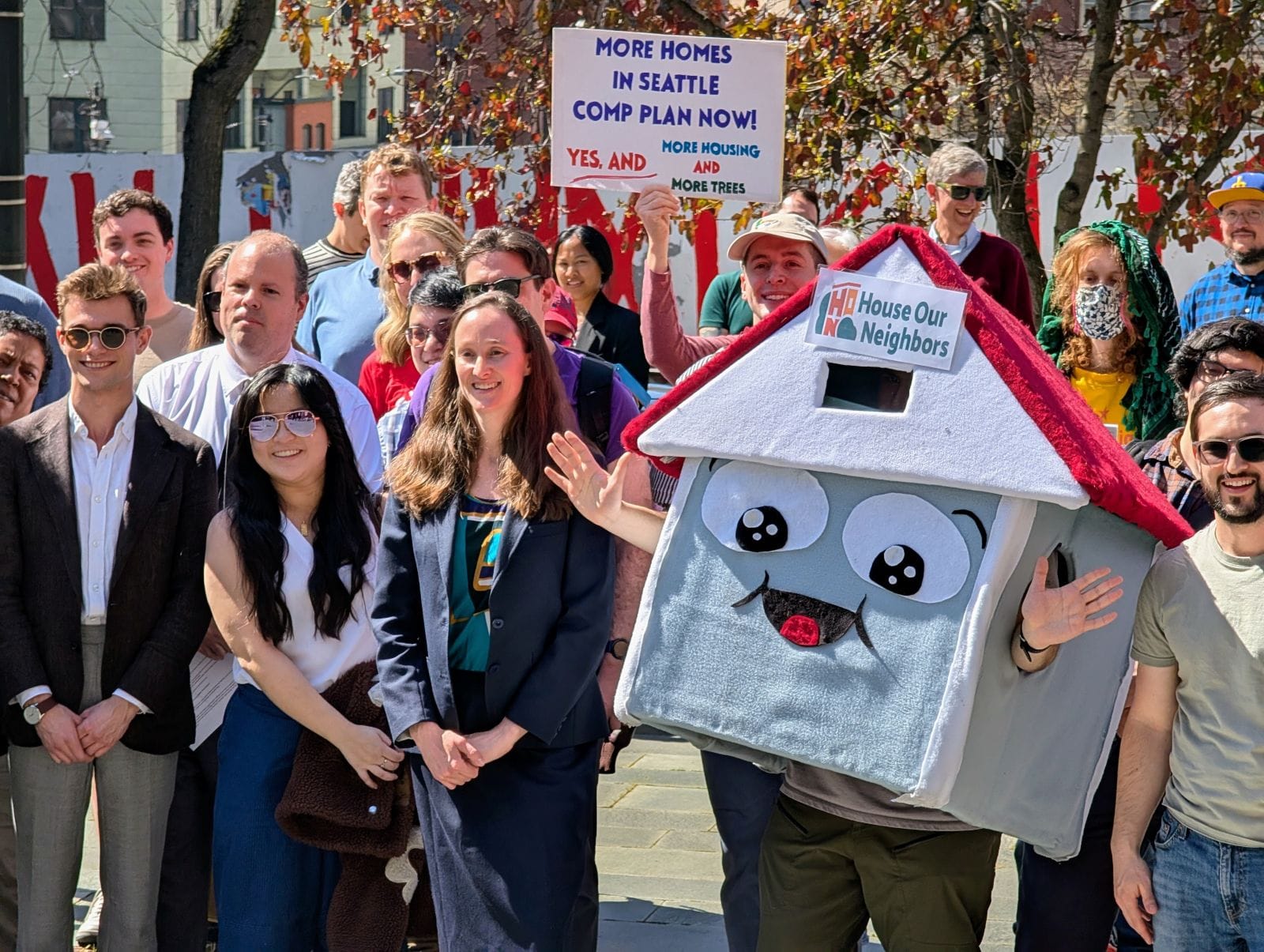
At a rally Monday, Seattle housing advocates pushed for broader corridor upzones within a 10-minute walk of frequent transit, enlisting a powerful supporter to their side in Mayor Katie Wilson. Wilson has already pledged a "taller, denser, faster" housing plan.
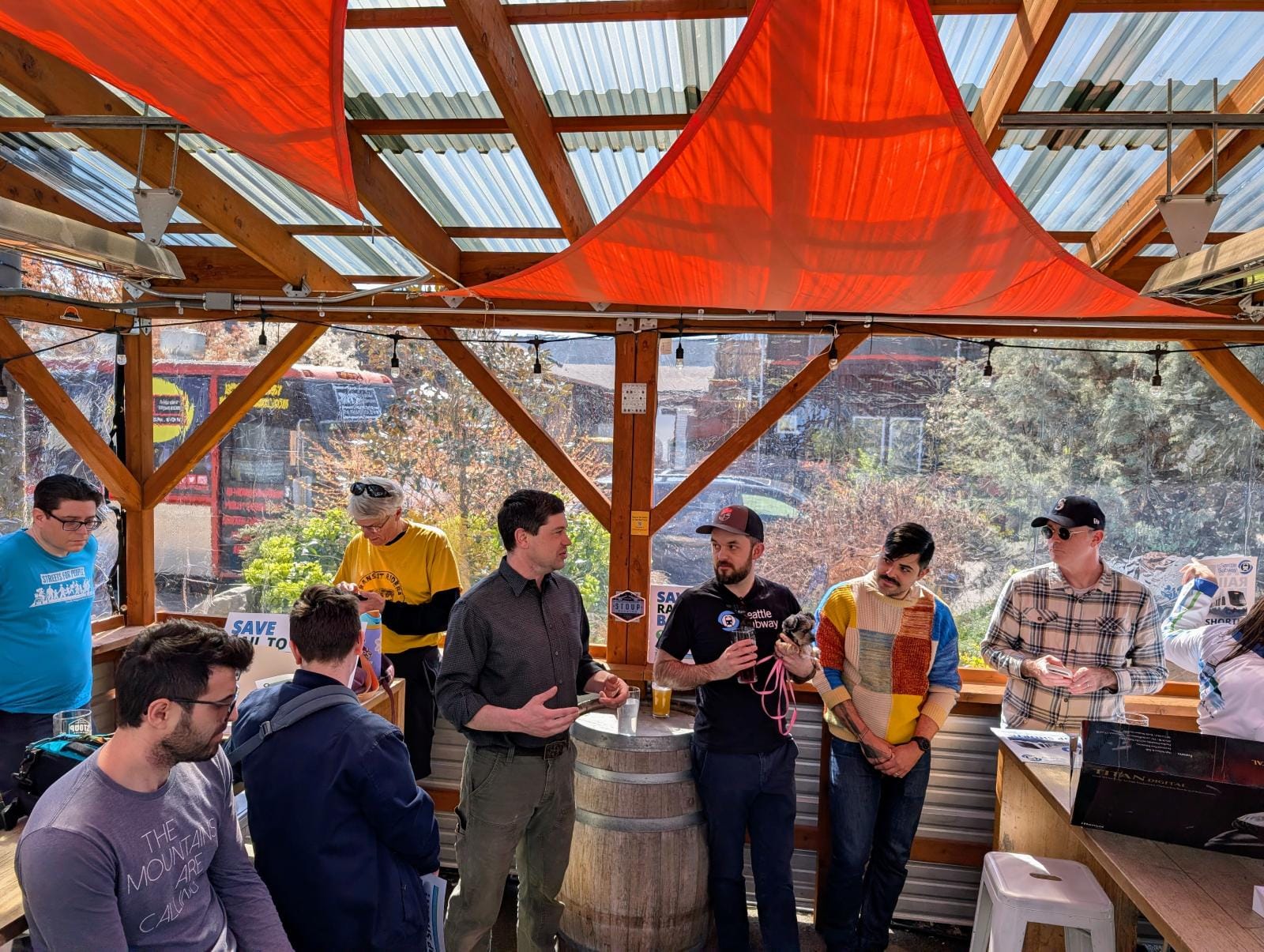
Transit advocates shared ideas to save Ballard Link light rail from being cut or severely delayed at a rally Saturday. A ballooning budget has Sound Transit considering drastic measures, but advocates see a path forward to get to Market Street.
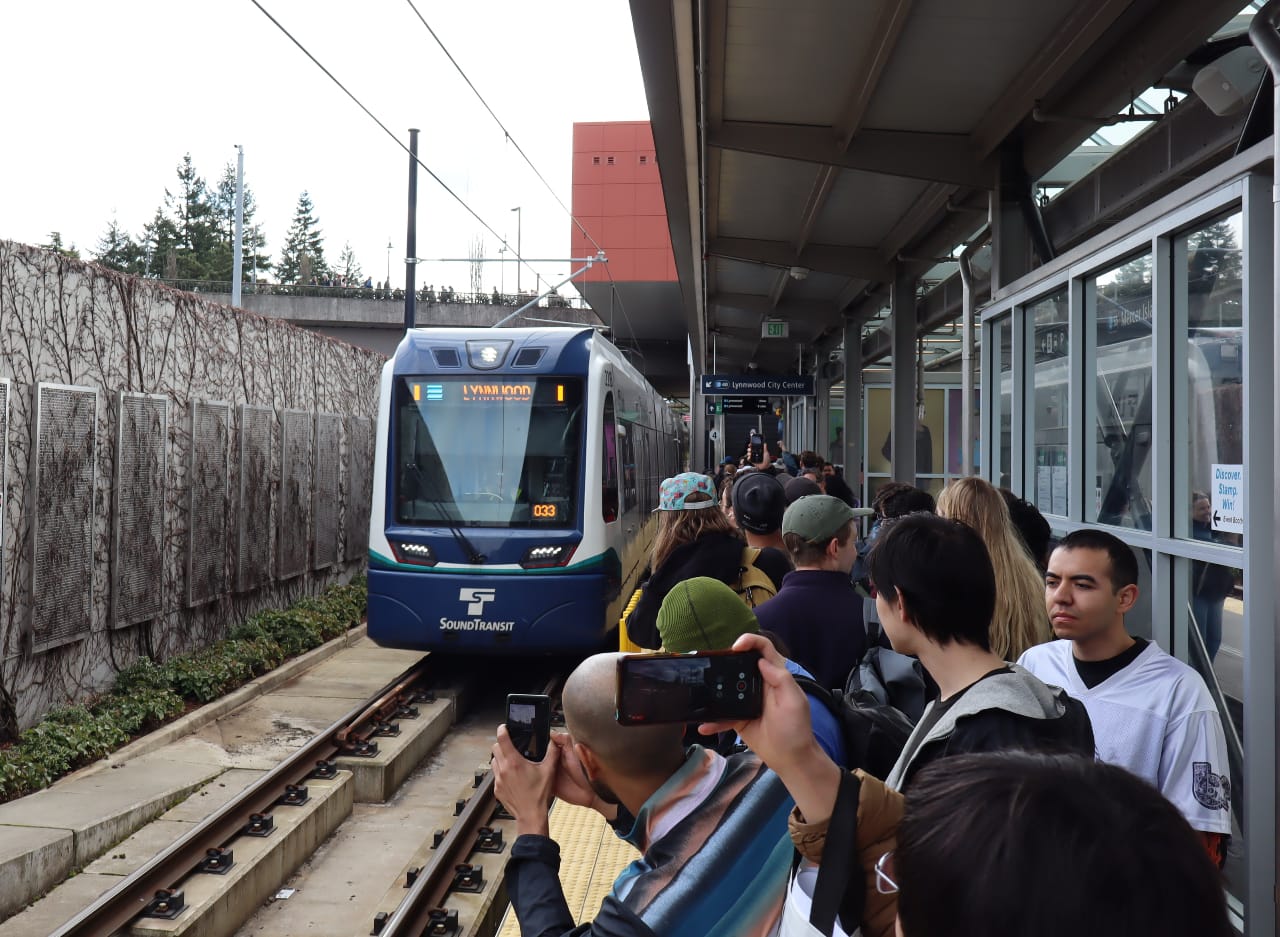
Tens of thousands of riders came out to ride the 2 Line across Lake Washington Saturday, as Sound Transit inaugurated the light rail link between the east and west metro.
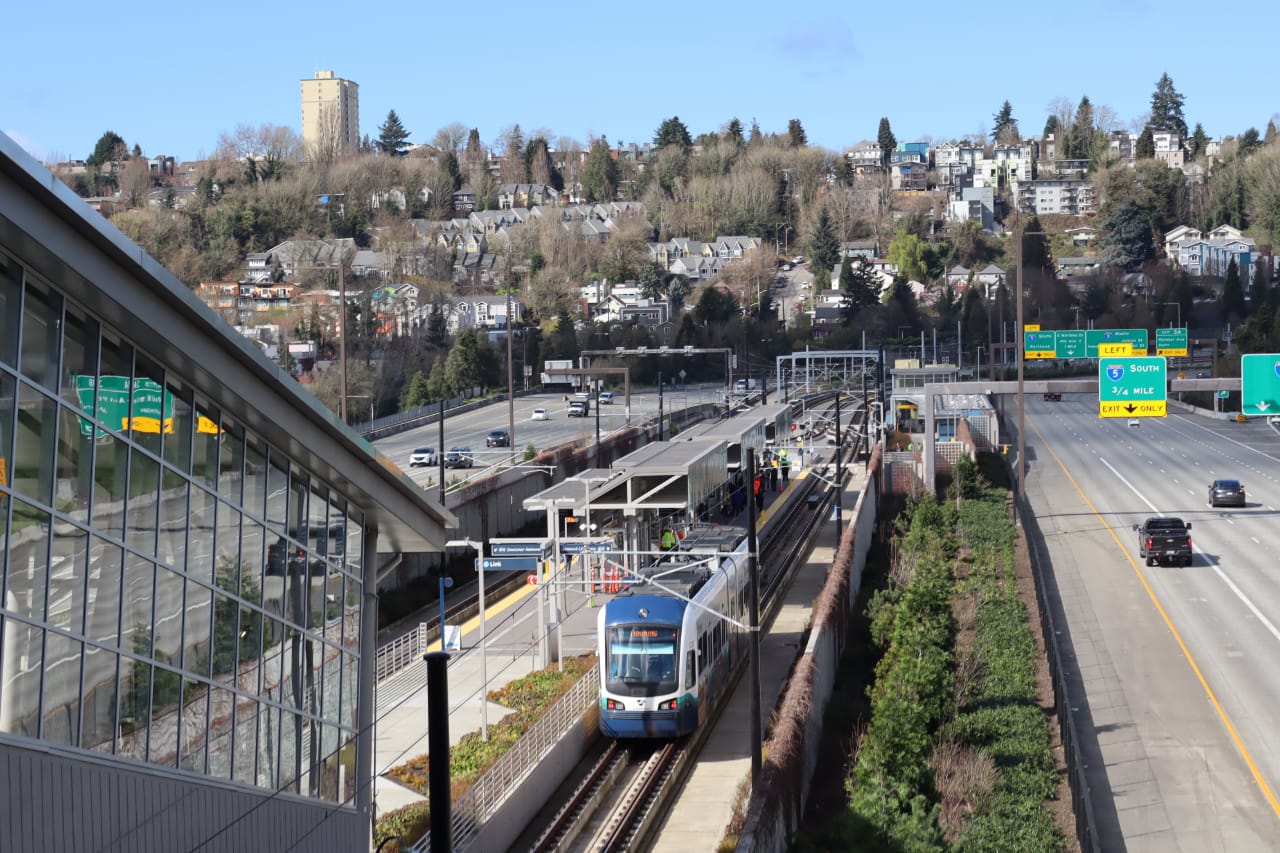
The Seattle region will take arguably its biggest leap forward in transit connectivity ever on Saturday, with Sound Transit inaugurating crosslake 2 Line service. Here's how we got here.
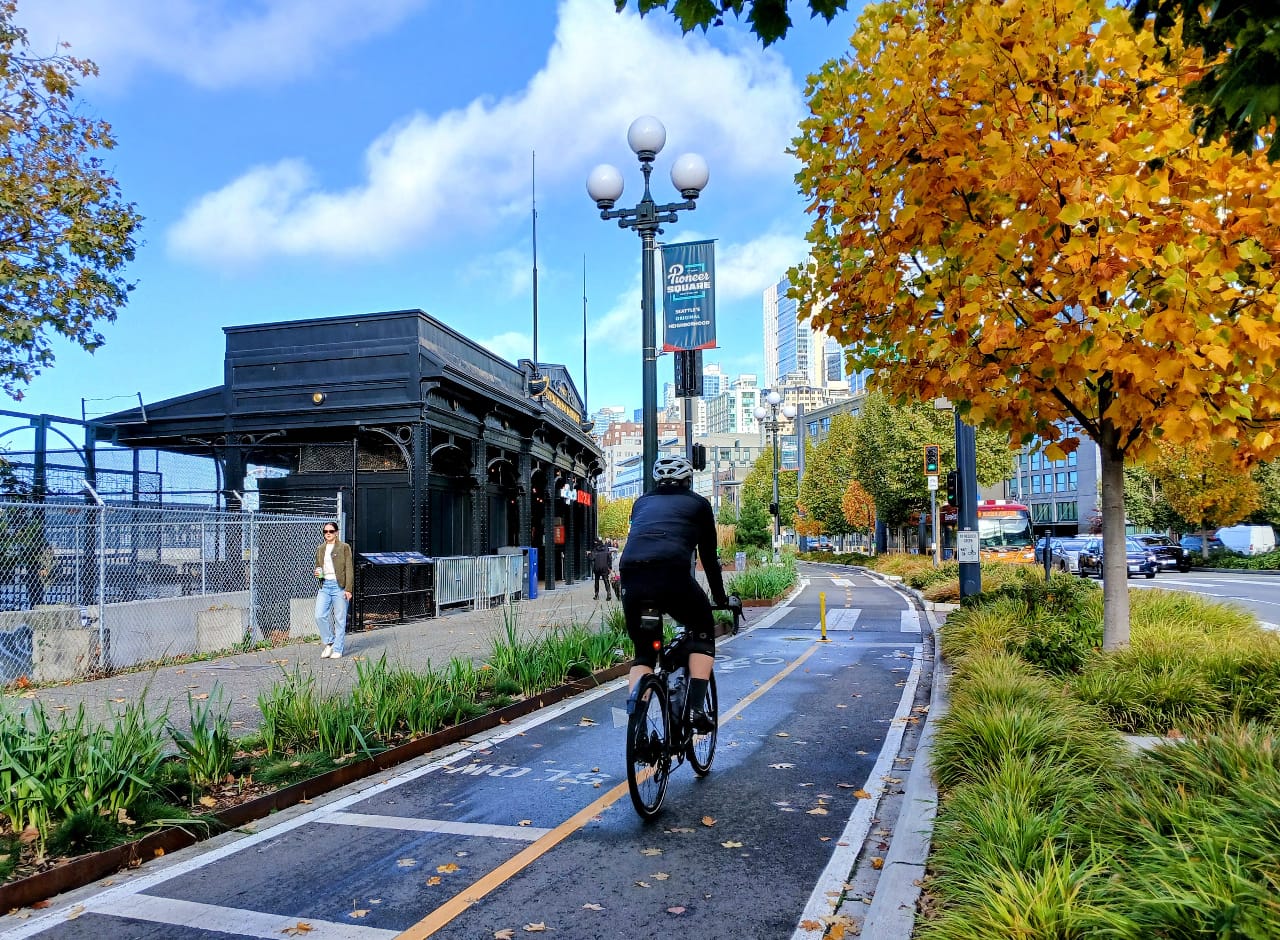
The second opportunity for Washington residents to snag a $300 or $1,200 rebate for a new e-bike will last an entire year, with random winners selected monthly through next spring.
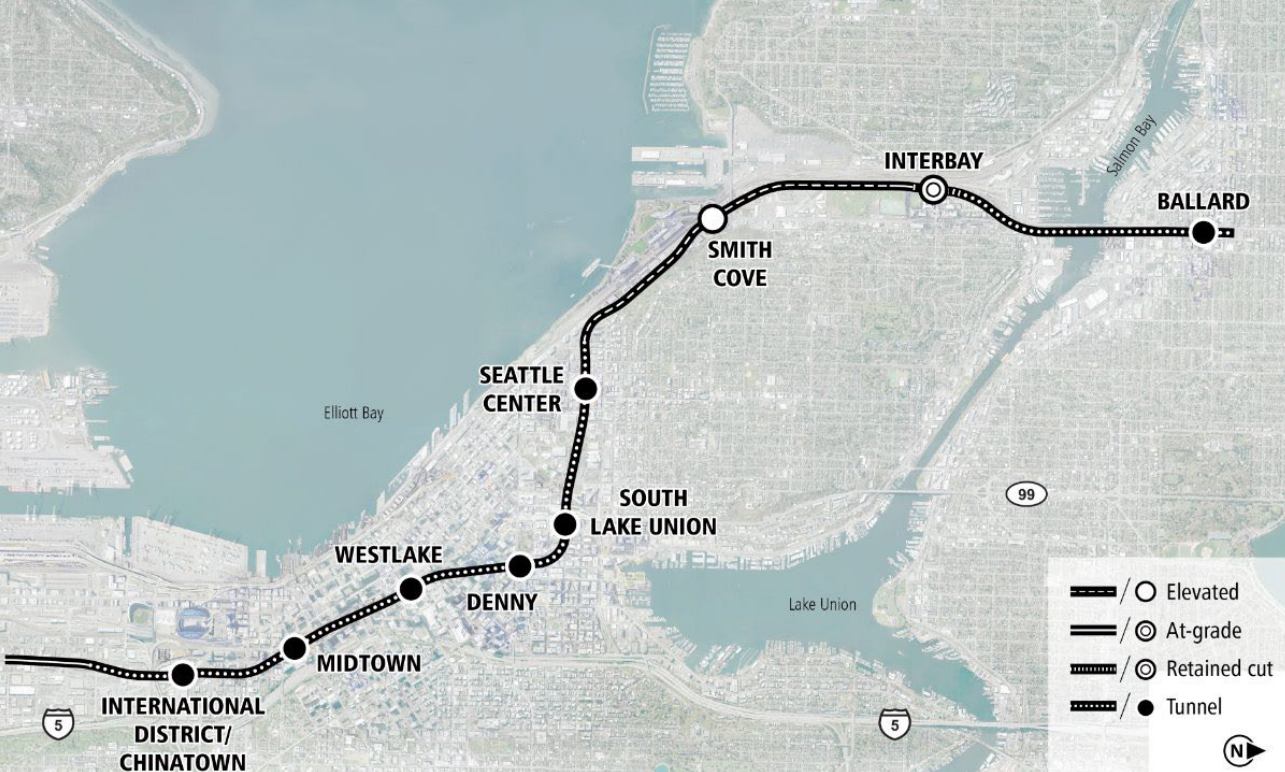
At a board retreat Wednesday, Sound Transit weighed three cost-cutting approaches that all included deferring light rail stations in Ballard and Interbay to a later date when funding allows. Seattle Councilmember Dan Strauss pushed back against that approach.

The University of Washington Center for Human Rights reports a “powerful surge” in immigration enforcement in the region. Local officials are accelerating efforts to block federal detention center expansions.

Thanks to newly revealed cost-saving measures, the cost to bring rail to Alaska Junction is now just $700 million to $1.1 billion over the amount baked into Sound Transit's financial plan, a major change compared to where things stood just 18 months ago.
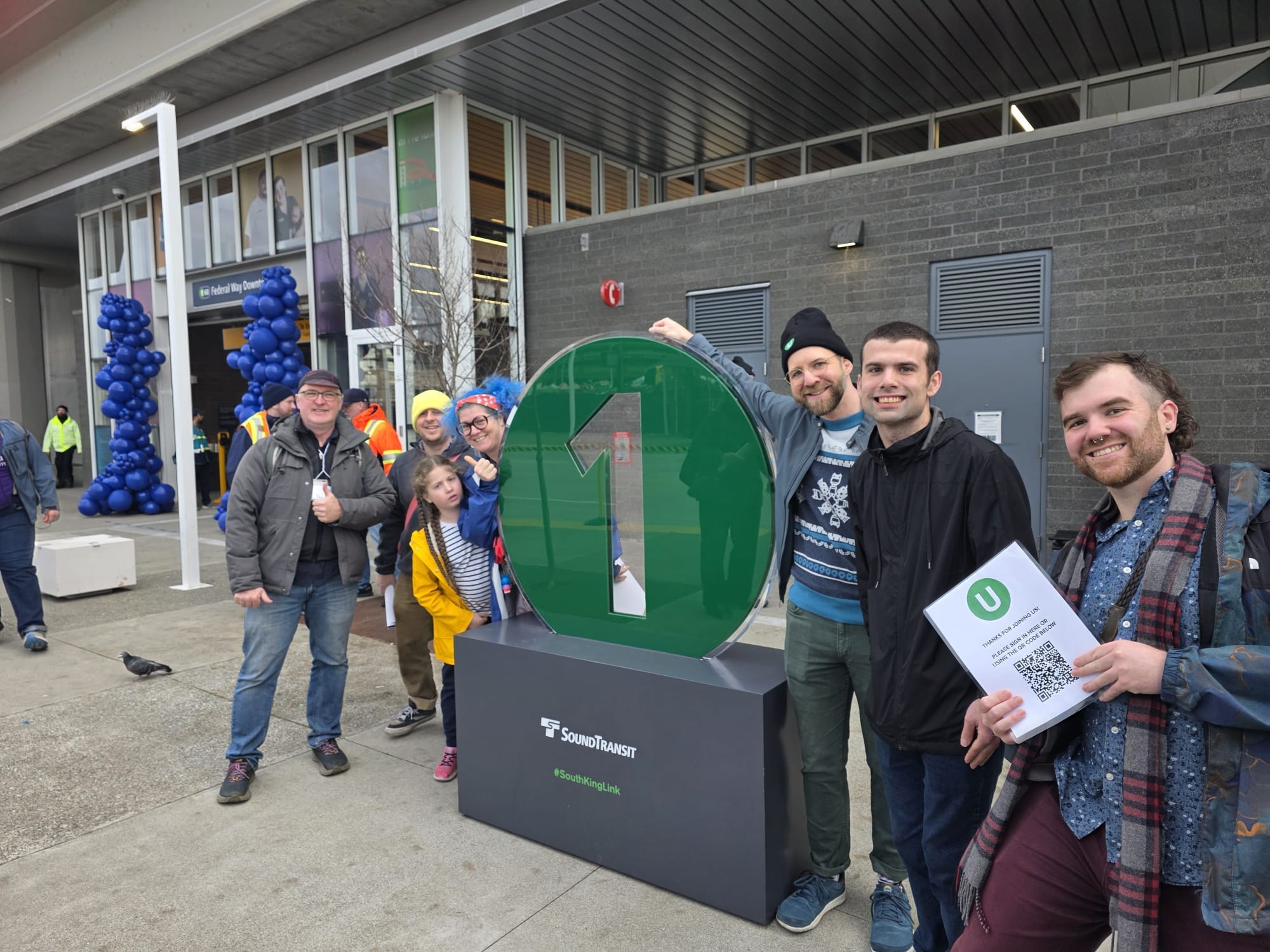
Join The Urbanist for our March socials, including riding the 2 Line across the lake with us on March 28th!

Claim membership perks, explore the new website layout, and support The Urbanist as we roll out our Spring Membership Drive.
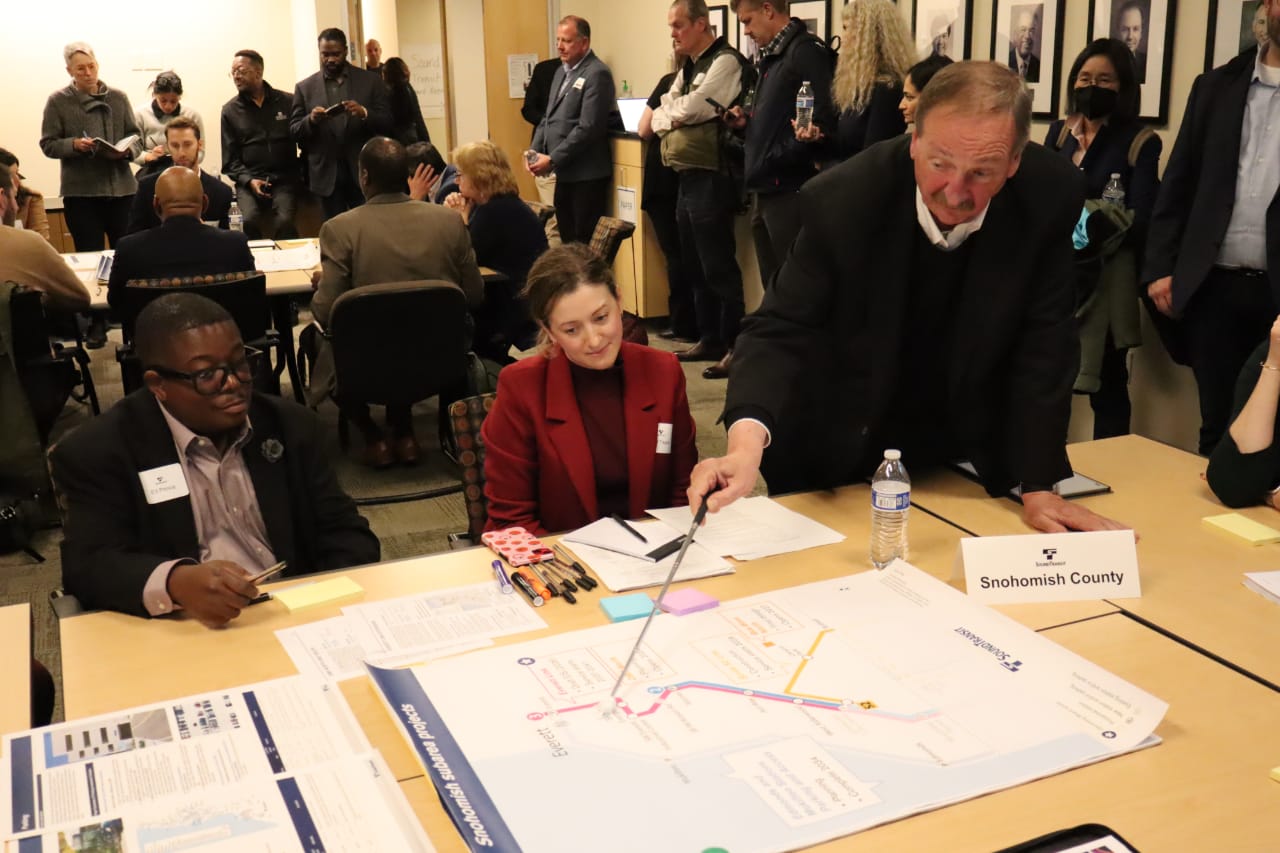
Hoping to avoid simply delaying projects or shortening lines, Sound Transit has been looking high and low for potential cost savings. Those options are set to be contemplated at a March 18 board retreat that will set the stage for major decisions in the months ahead.
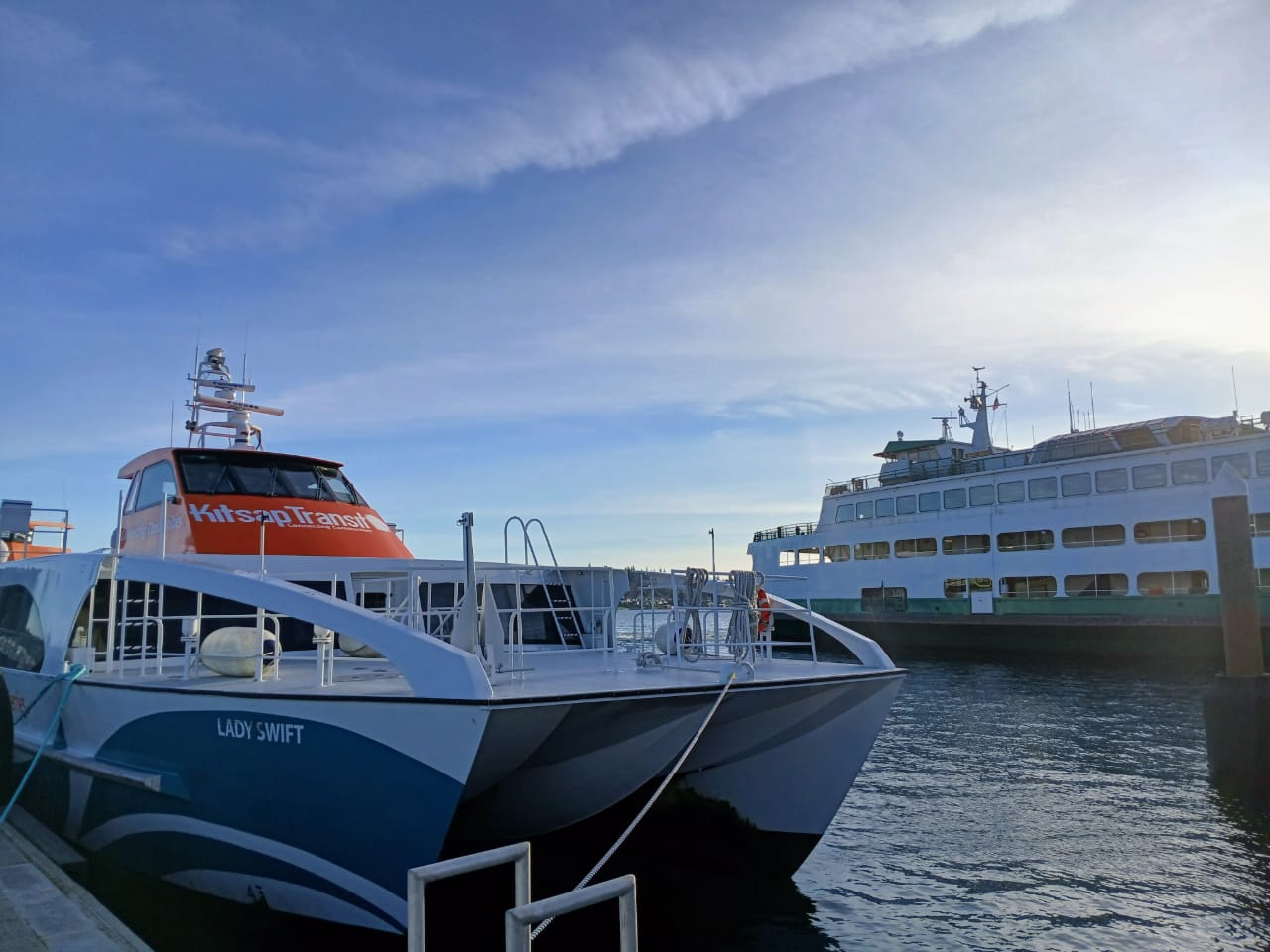
The proposal to empower local governments across Puget Sound to set up their own passenger ferry districts fell short in the Senate after passing the House last year. Its sponsor is pushing even harder this year, seeking to bolster the precarious state ferry system.

Anticipation is building for the 2 Line extension March 28, crossing Lake Washington and tying the Eastside into Sound Transit’s broader light rail network. But much work remains to get the next set of expansions right, and removing Claudia Balducci as System Expansion Chair launches that work on a
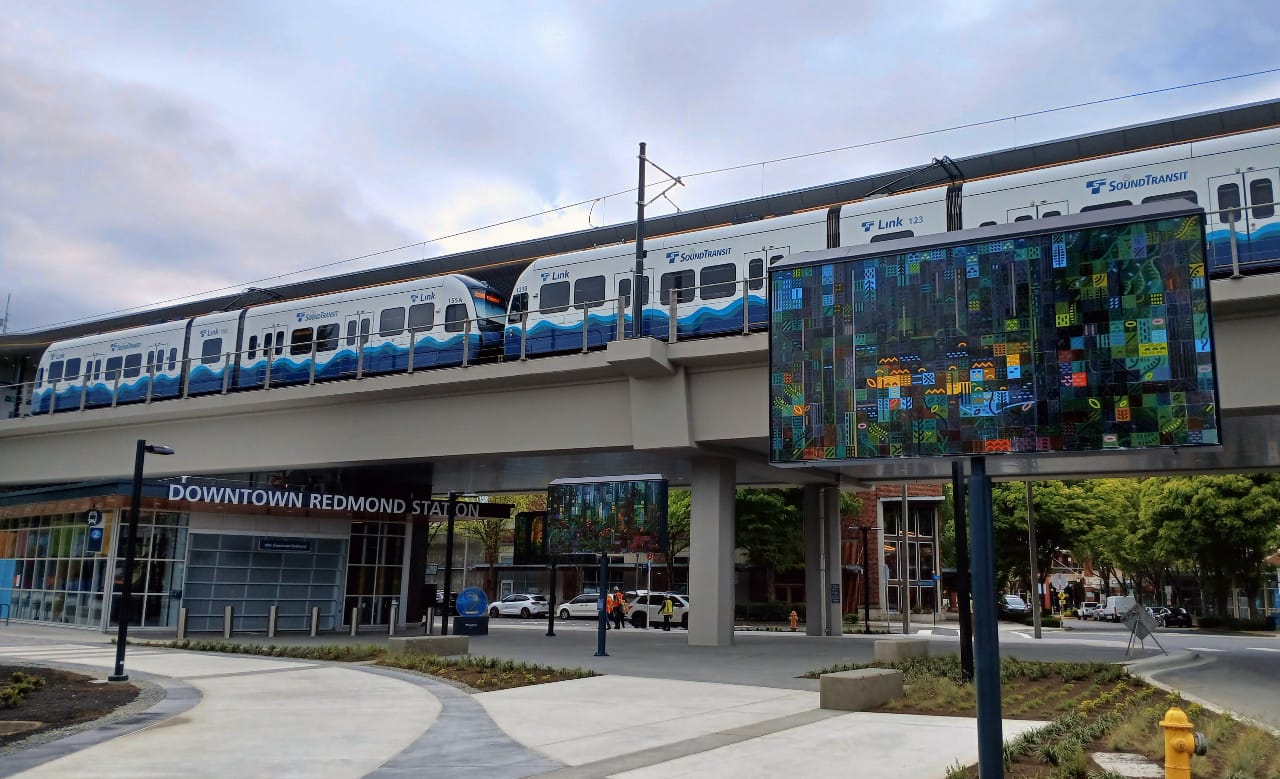
A pair of bills advancing this week at the state legislature would finally allow Sound Transit to rise above the local permitting fray in several key areas. The reforms could save as much as nine months on key transit projects, according to the agency.
Zoning maps for 30 new neighborhood growth centers, a handful of urban center expansions, and narrow transit corridor rezones dropped on Thursday. With the patchy current vision driven by the Harrell administration, new Mayor Katie Wilson has pledged to come back and expand the plan.
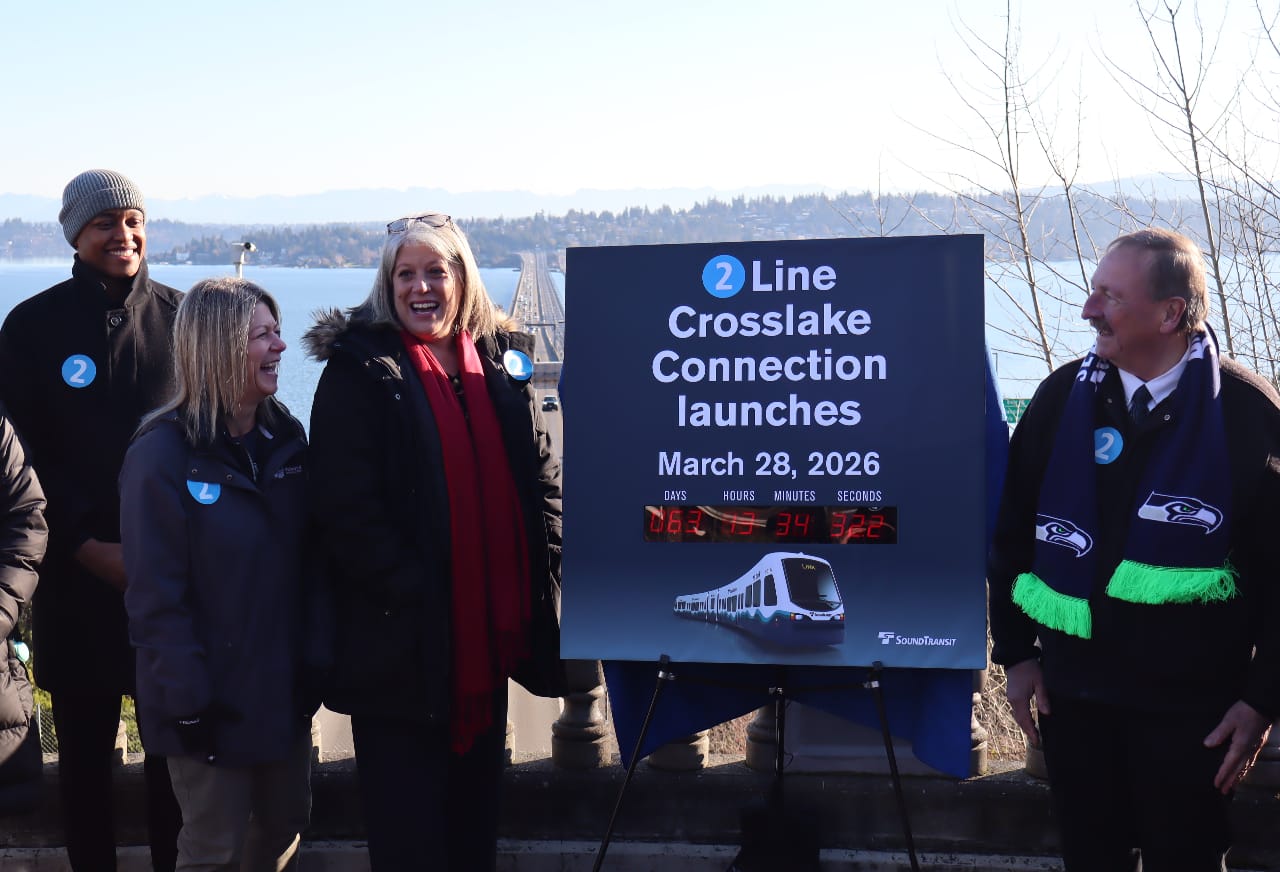
Eagerly awaited by transit riders, the full 2 Line light rail connection will finally bridge Seattle and the Eastside and bring expanded train service all the way from Redmond to Lynnwood. The expansion will bring stations at Judkins Park and Mercer Island online.

The Urbanist recently sat down with Seattle Mayor Katie Wilson to get the latest on initiatives she has cooking now that her team is in office. We touched on emergency housing, bus lanes, World Cup preparations, Sound Transit, culture change at the police department, and more.
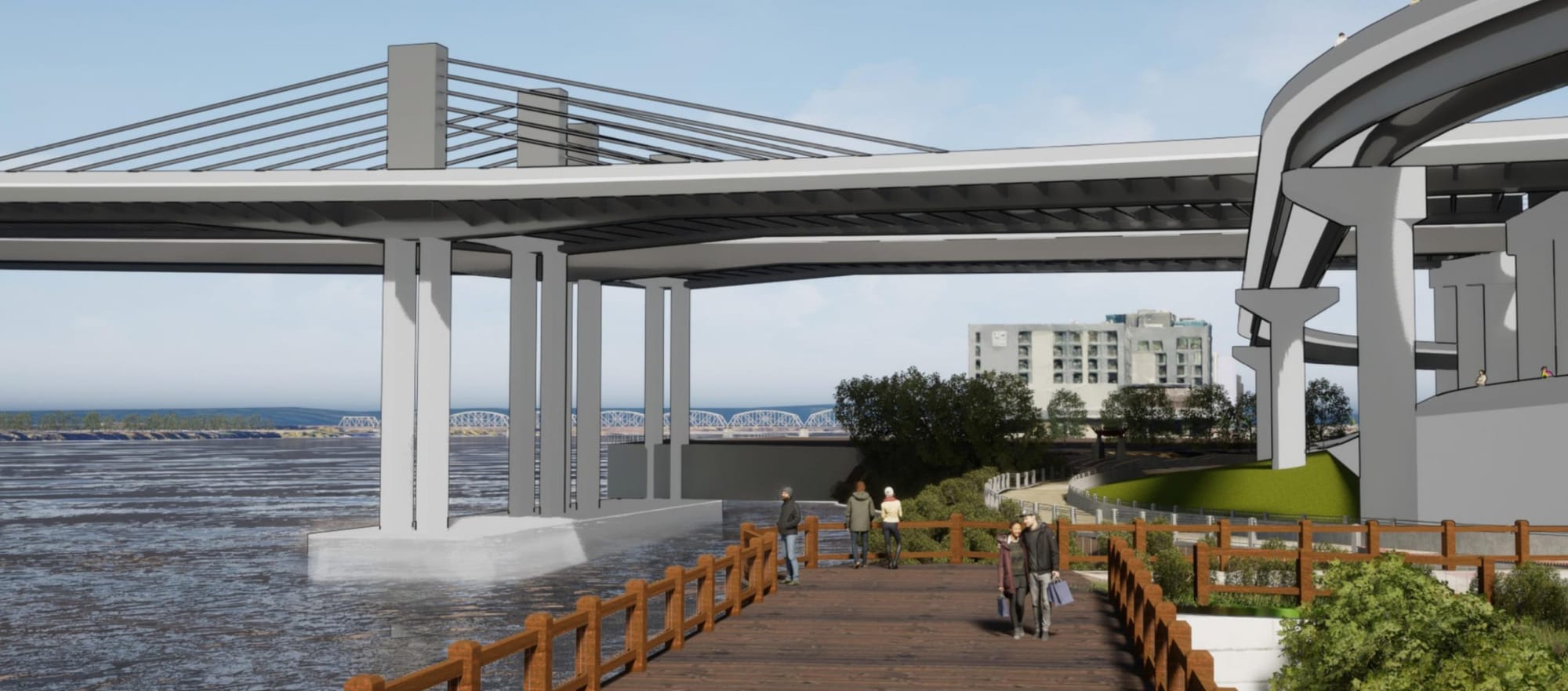
New cost estimates on the long-planned Interstate Bridge Replacement over the Columbia River reveal a funding gap that could range from $5 billion to a staggering $13 billion, an amount that neither Washington nor Oregon is prepared to absorb.
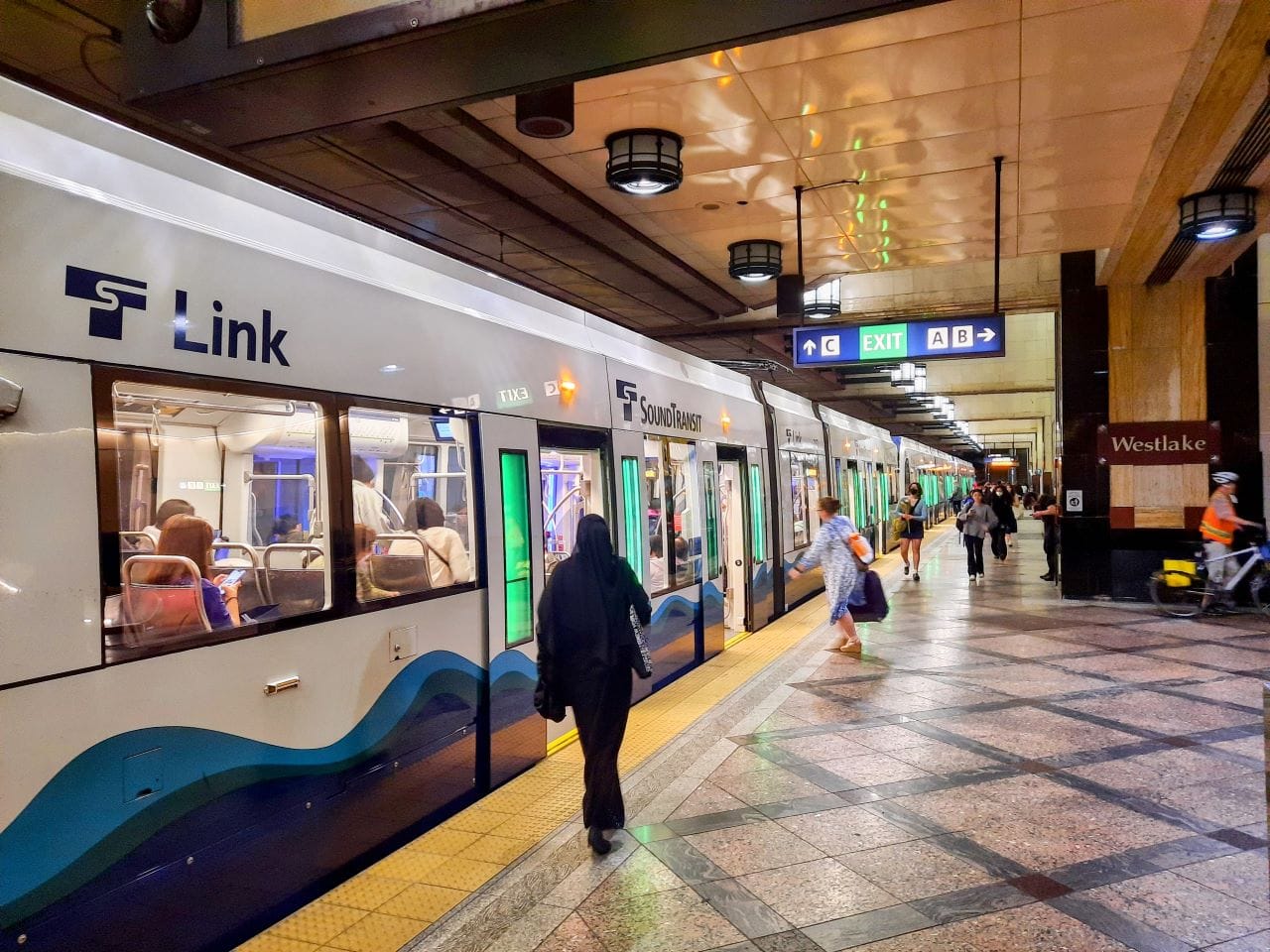
Sound Transit’s analysis, prompted by a request from King County Councilmember Claudia Balducci, looks at ways to get to Ballard without a new tunnel under Downtown Seattle. While the potential cost savings could be as much as $4.5 billion in 2025 dollars, but staff is stressing delay and risk.

In a 6-3 vote, Seattle City Council approved a police guild contract that falls short on officer accountability and continues to hinder civilian crisis responders. A parting gift from outgoing Mayor Bruce Harrell, the contract could hamstring the incoming administration of Katie Wilson.
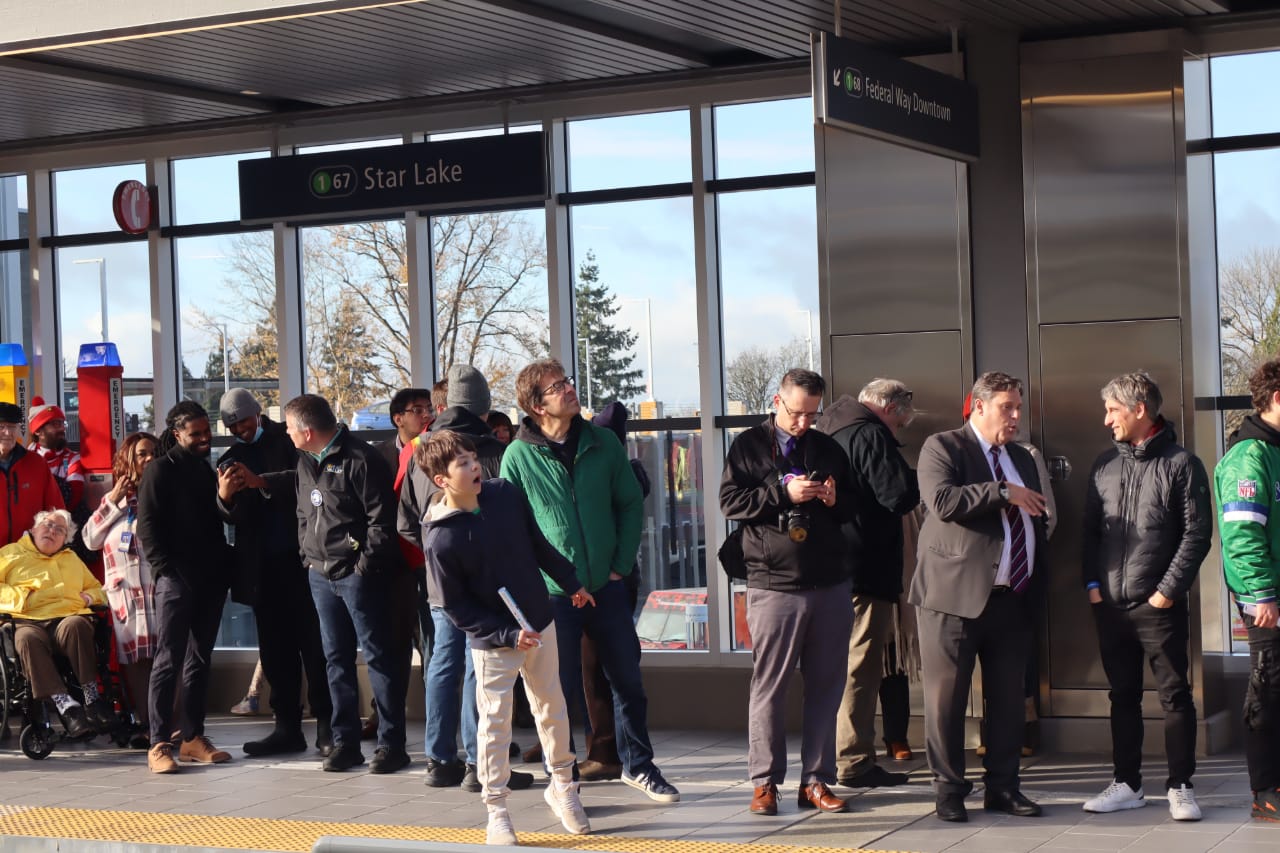
Transit riders and elected officials alike celebrated light rail’s arrival in South King County, as Sound Transit held a grand celebration to tout its three new stations and cut the ribbon in Federal Way.

As the Sound Transit board approaches the point of grappling with how to rebalance the entire Sound Transit 3 package, transit advocates are urging them to look for new solutions outside of project delays or cancellations.

Katie Wilson will be Seattle’s next Mayor. The progressive challenger expanded her lead over current Mayor Bruce Harrell to nearly 2,000 votes in Wednesday’s count, and The Urbanist and other local outlets have called the race for Wilson.

Leaders from across the Pacific Northwest recently gathered at the Cascadia Innovation Corridor Conference in Seattle and reaffirmed their commitment to building high-speed rail linking Portland, Seattle, and Vancouver, B.C. But Trump has created headwinds for the project by slashing transit funds.

On the whole, there were bright spots for urbanist candidates all around the region, with major gains seen in Burien, Redmond, and Tacoma. There was also some backsliding in places like Sammamish and Bainbridge Island.
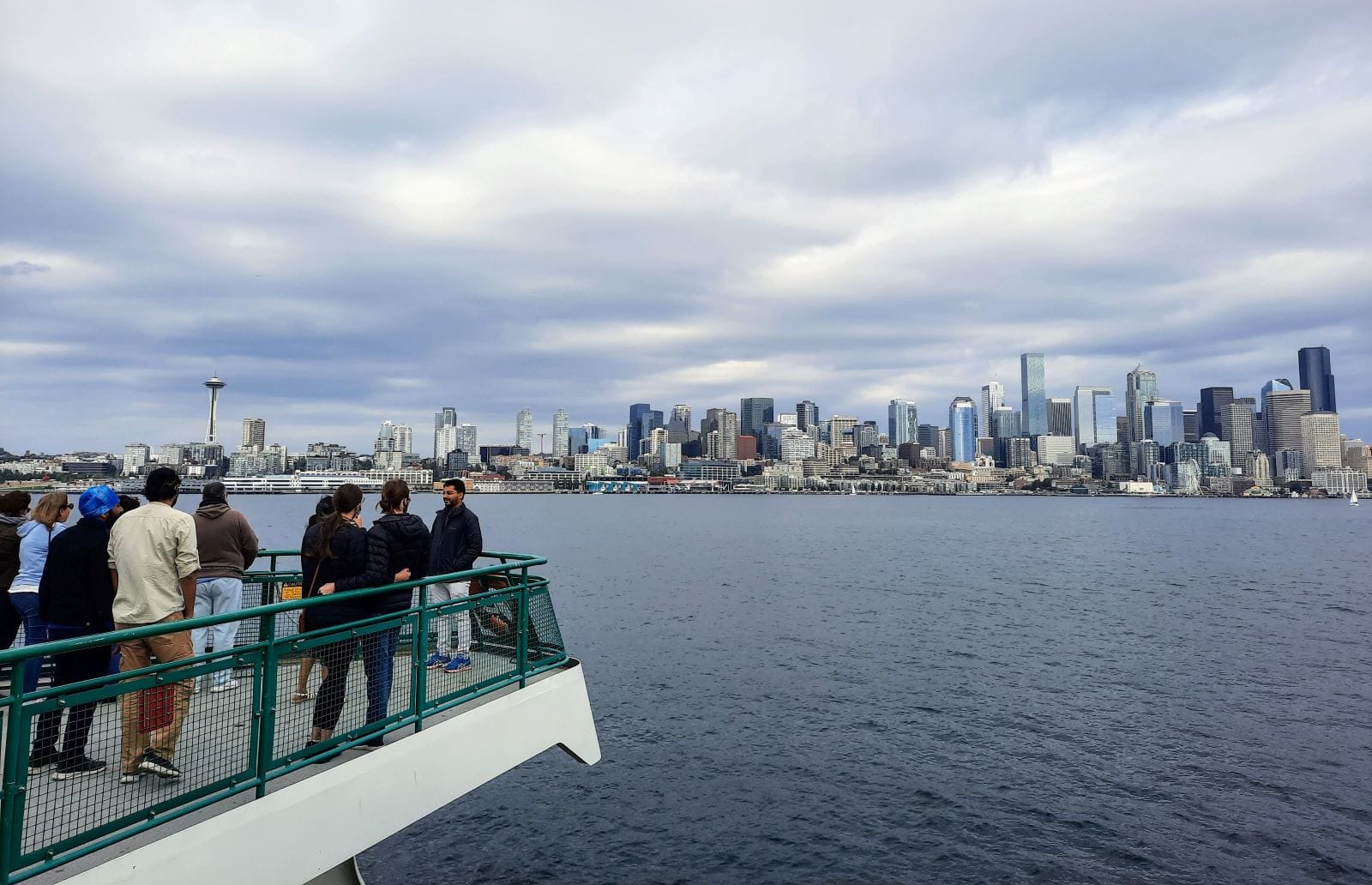
The Urbanist Elections Committee is excited to announce our 2025 general election endorsements, which span the region from Tacoma to Everett. Be sure to vote by November 4.

Since voters approved West Seattle and Ballard Link in 2016, the two projects have been caught in a perfect storm of factors that led to the eye-popping cost estimates that we have today. While the path forward looks bleak, there are signs that Sound Transit is learning from its mistakes.
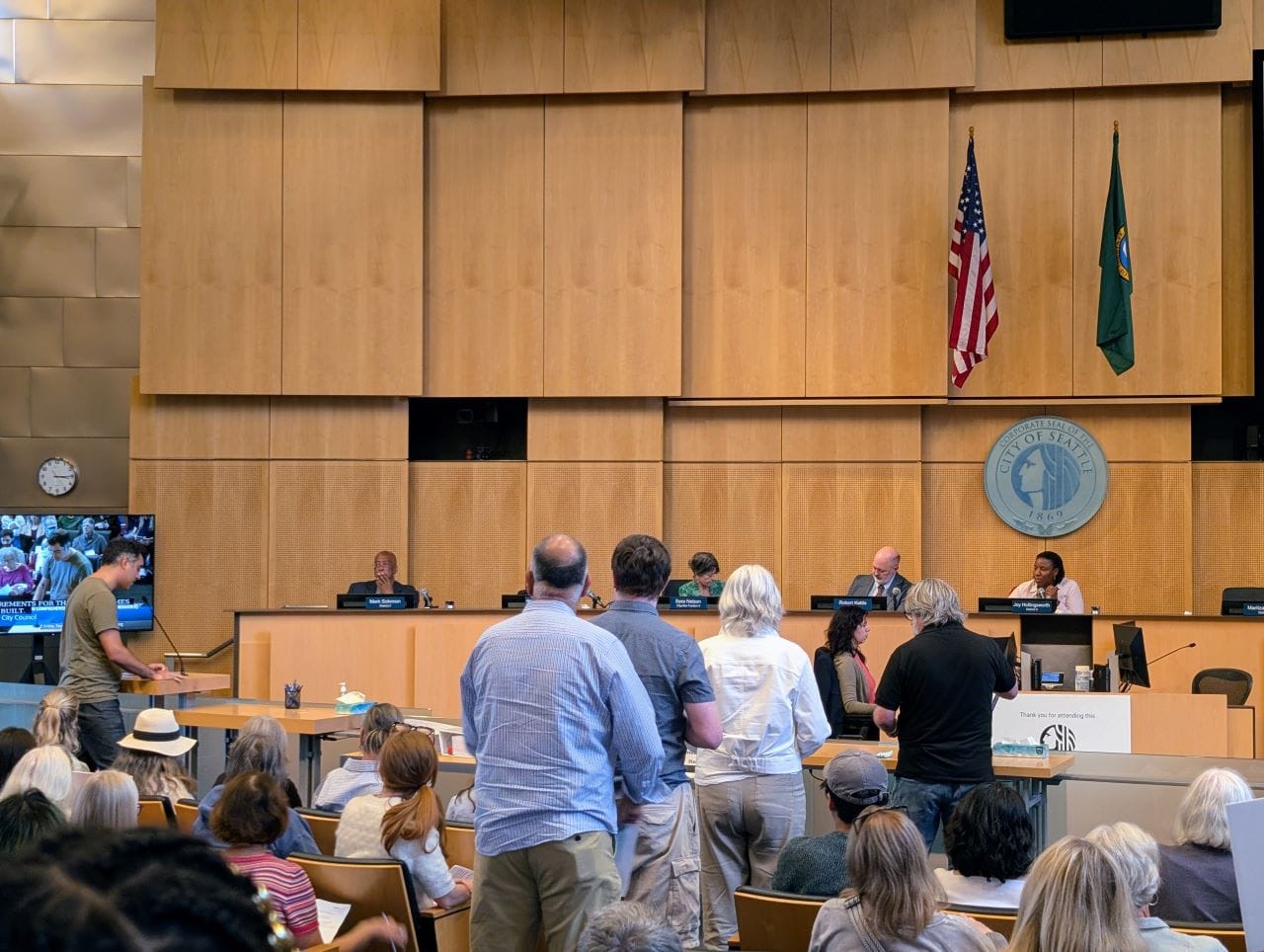
Reductions in the size of proposed growth centers and new tree retention rules that could stifle homebuilding were among the dozens of Seattle growth plan amendments approved this week. Council rejected moves to make the plan bolder in a number of areas, fretting over the risk of legal appeals.