Strauss Proposes Program Phasing Out Street Parking for RVs
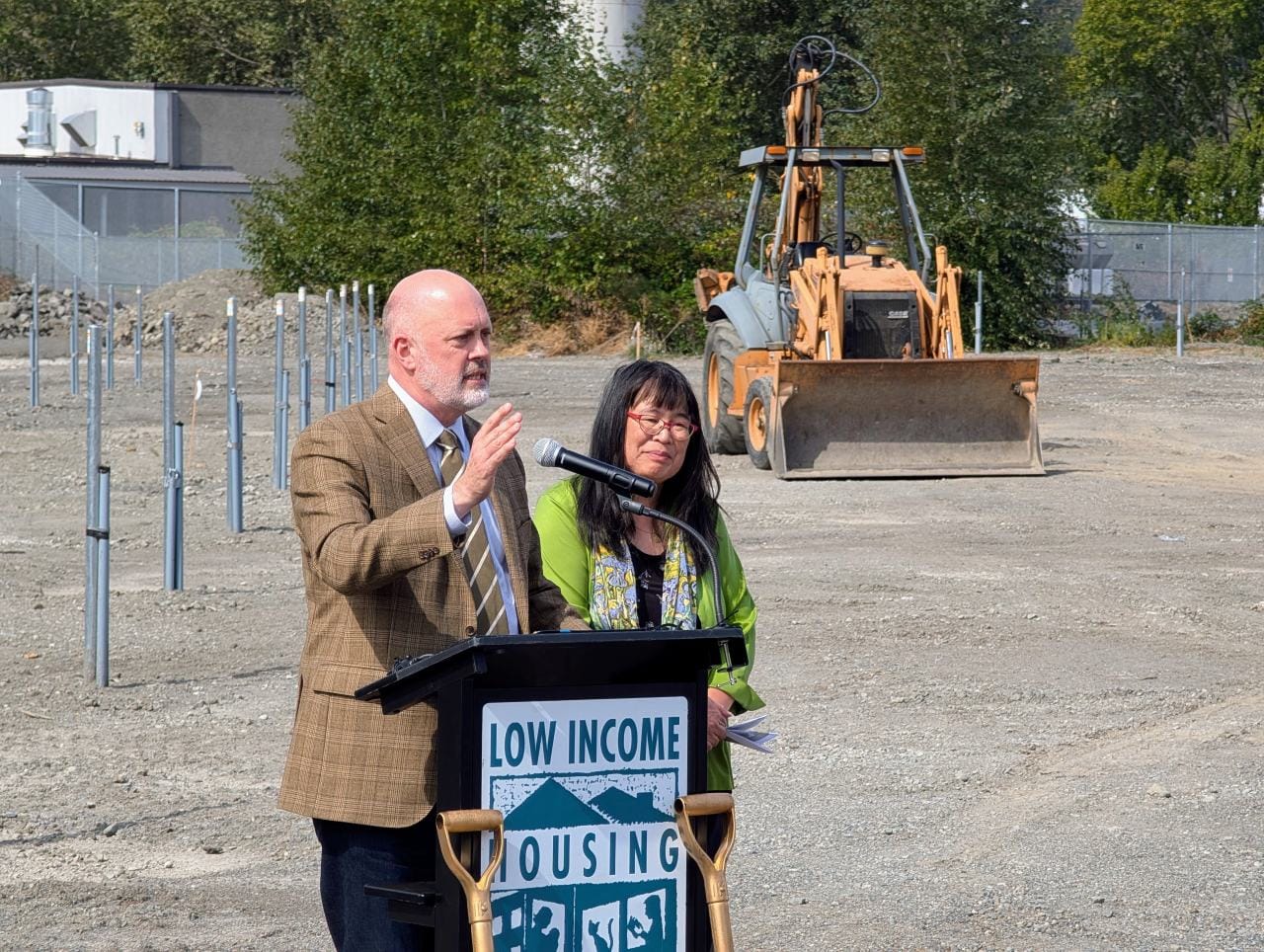
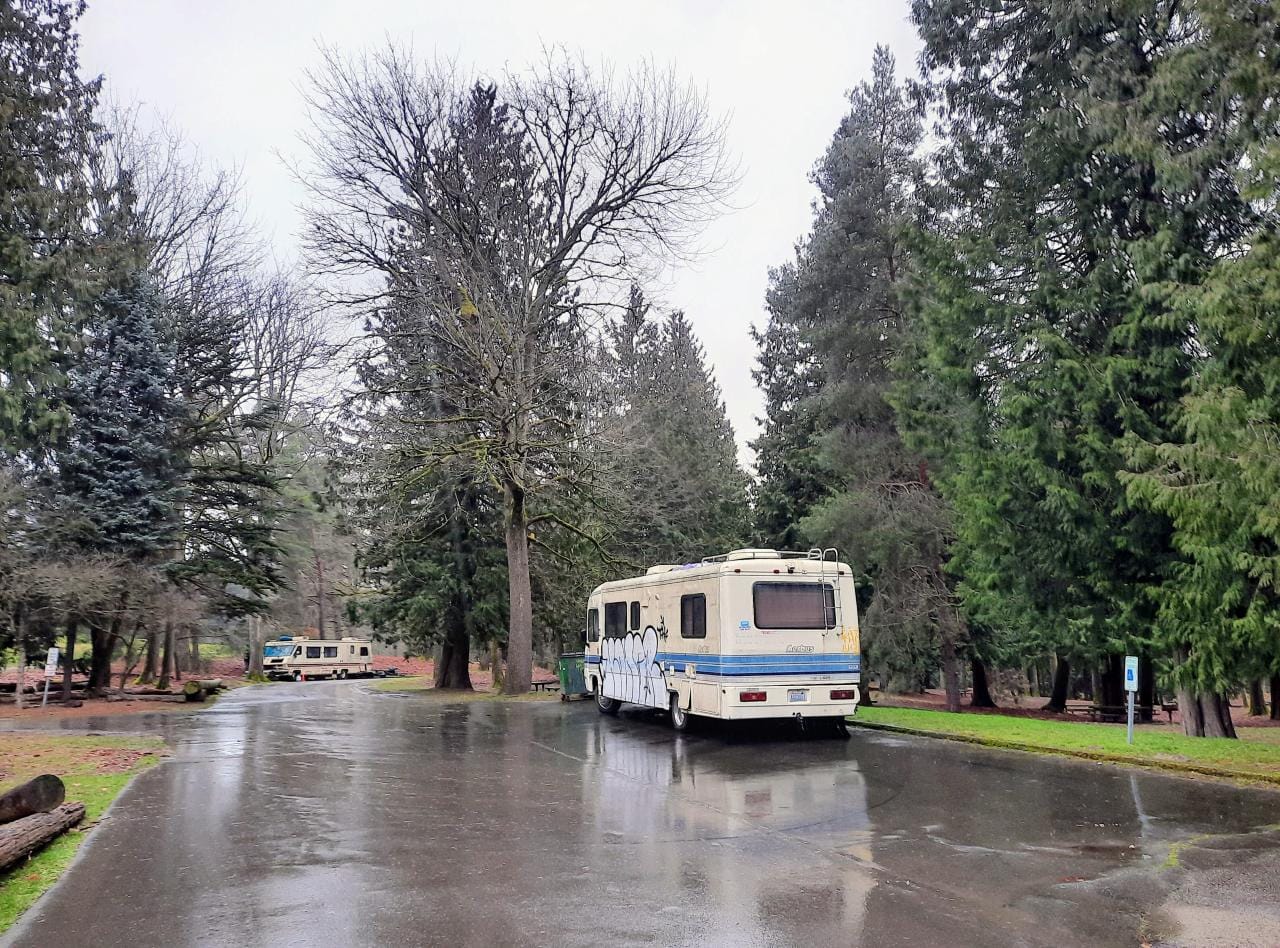
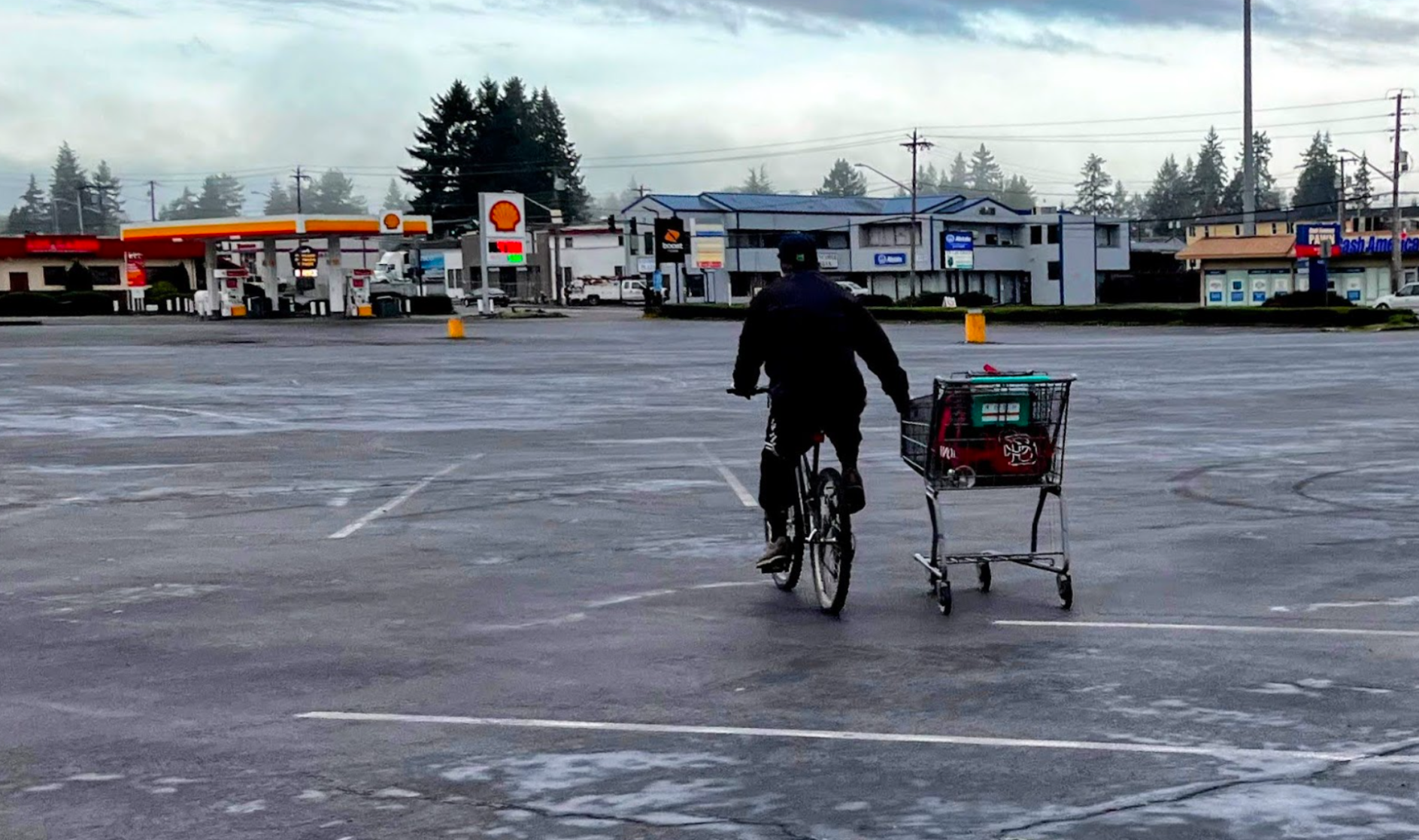
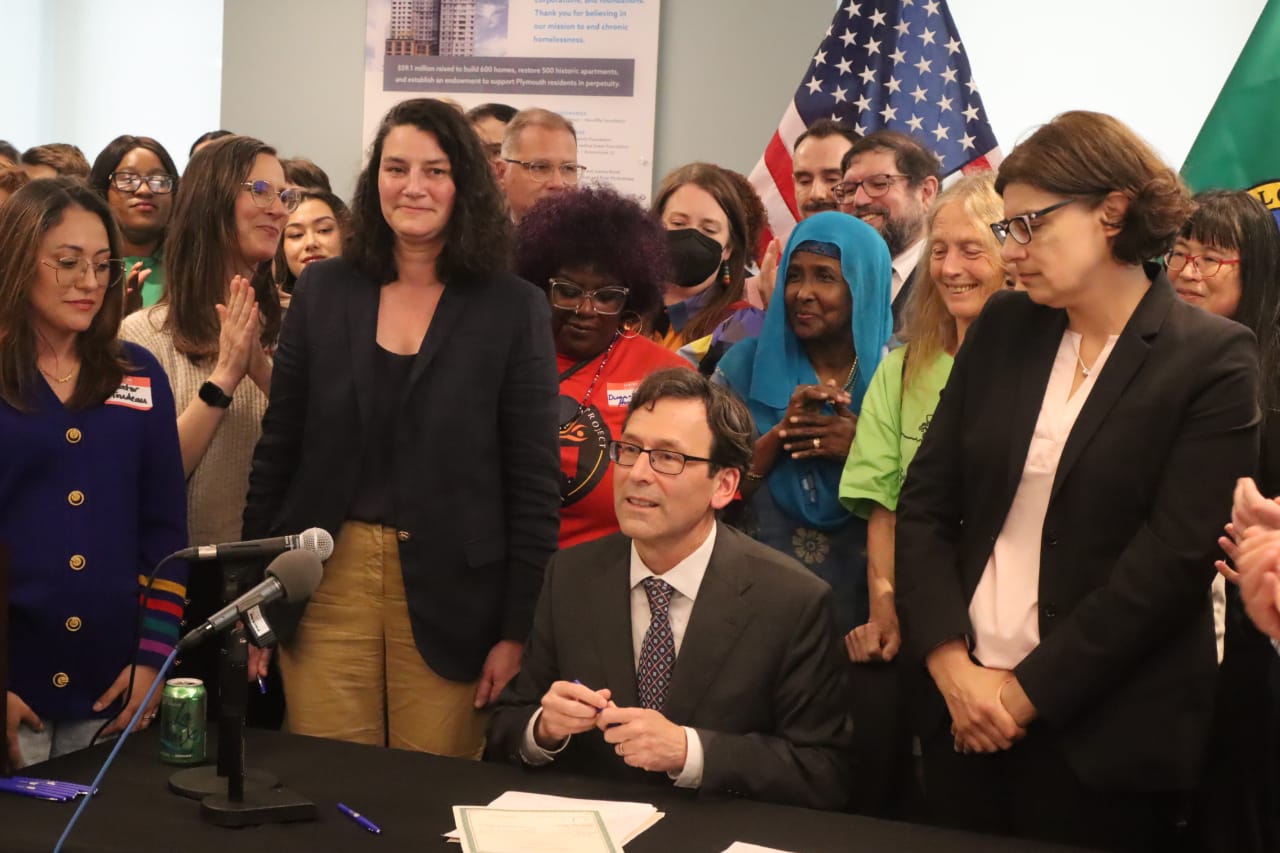
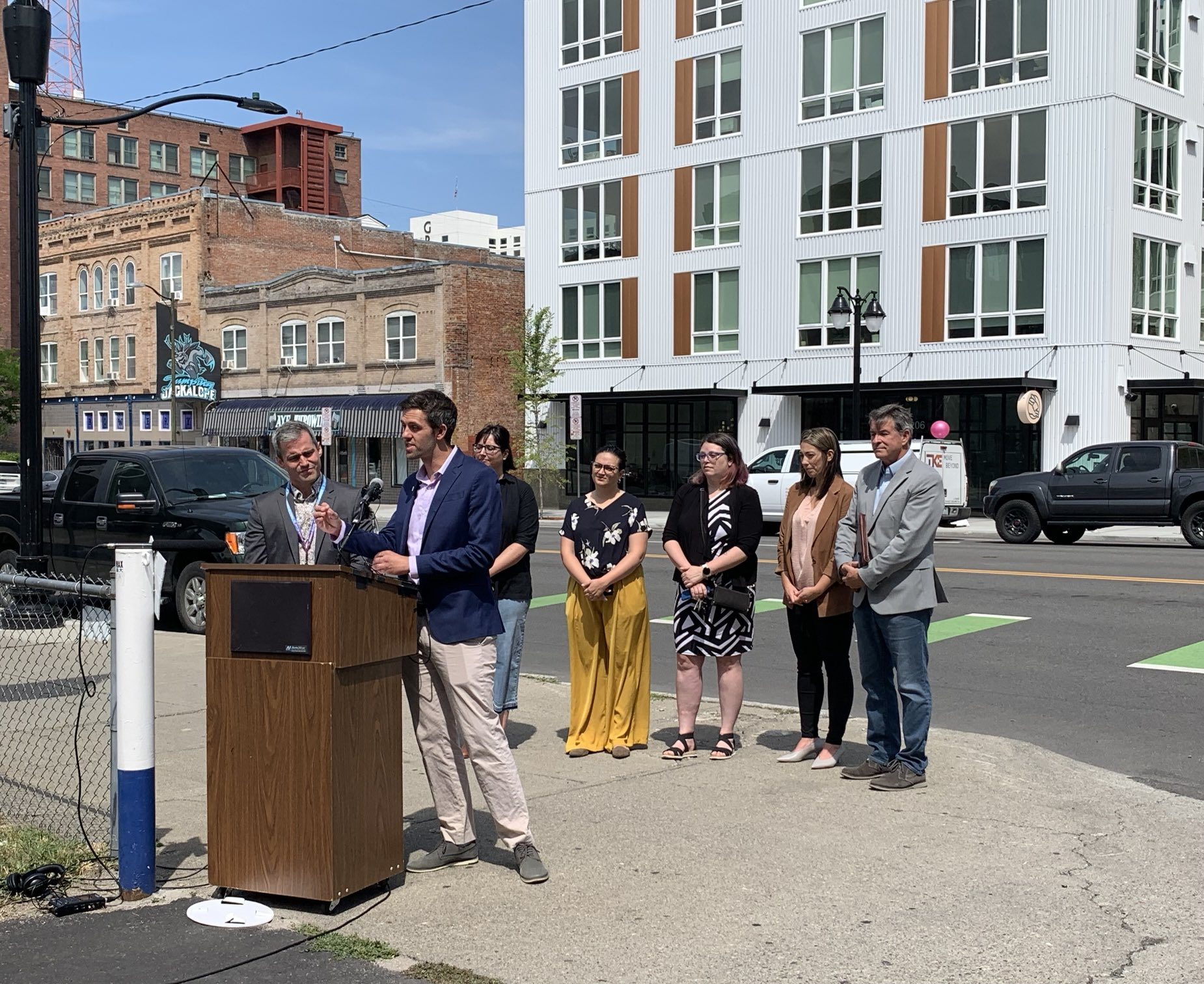
RVs have been a safety valve for people experiencing homelessness, but Councilmember Dan Strauss is proposing to add a RV safe lot and phase out street parking for them across Seattle.
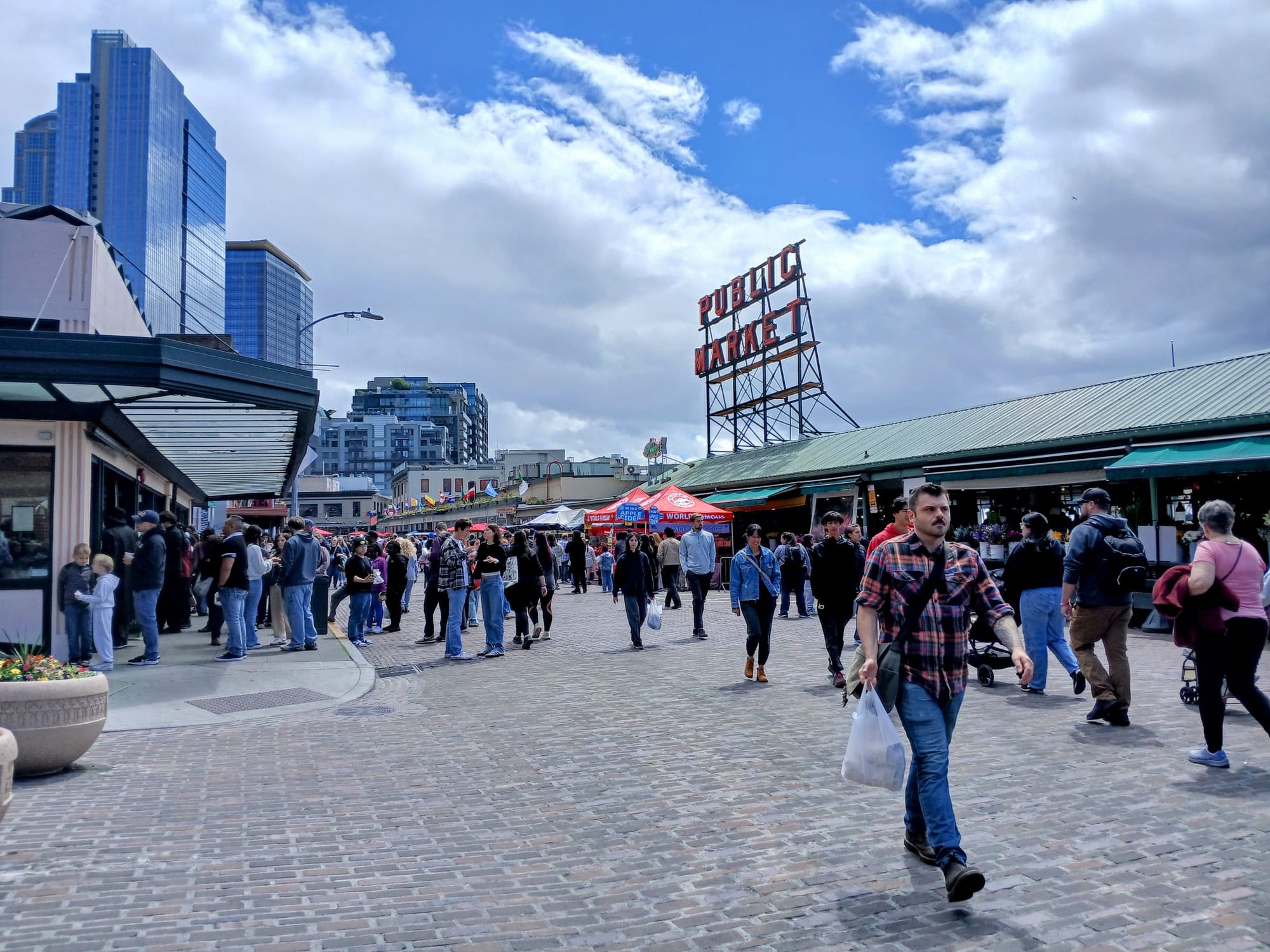
In the wake of news of increased sales across Pike Place Market after a pedestrian pilot was implemented, the advocacy group Friends of the Market is attempting to poke holes in that data. But the evidence for "worrisome trends" is paper thin.
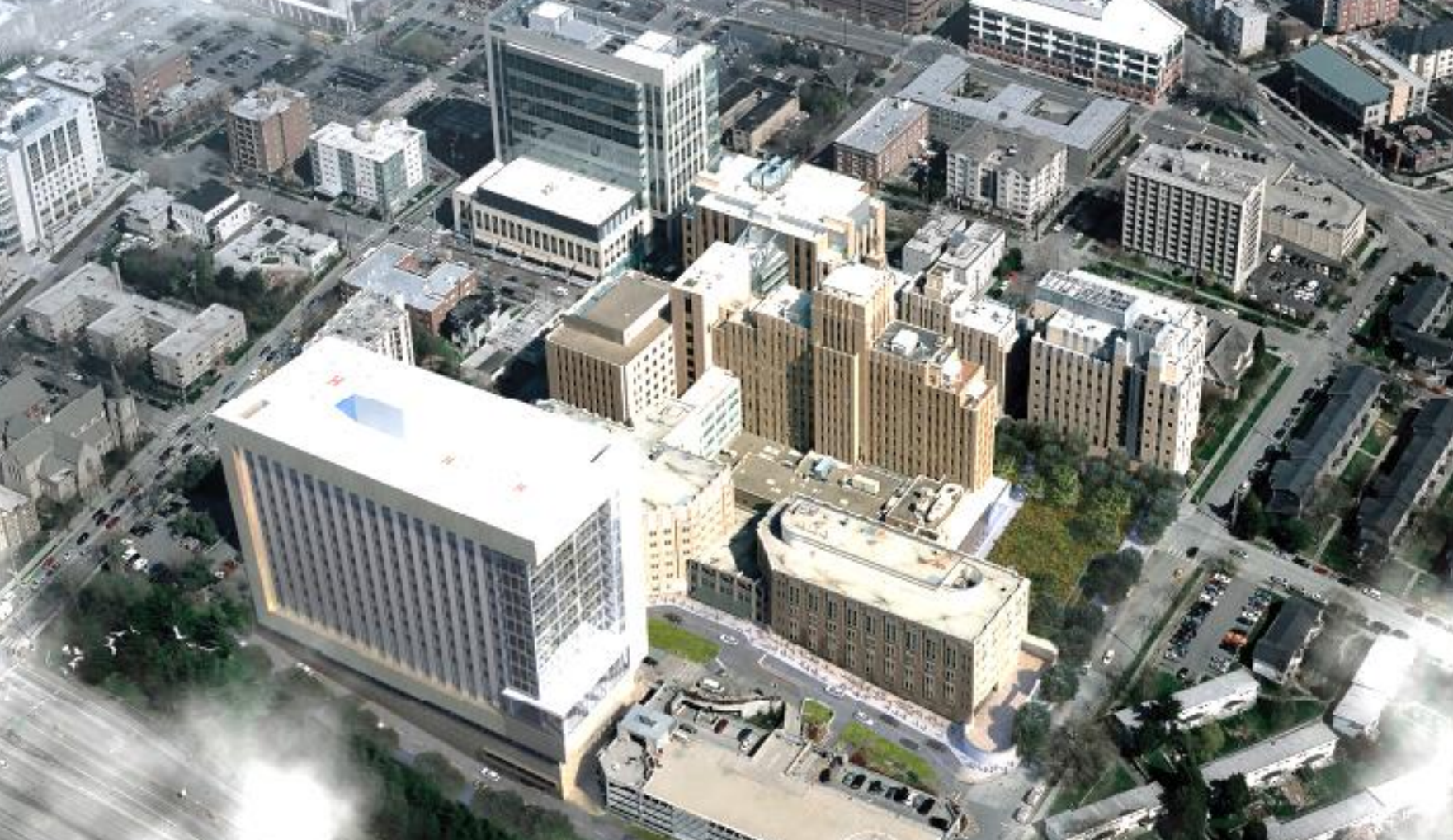
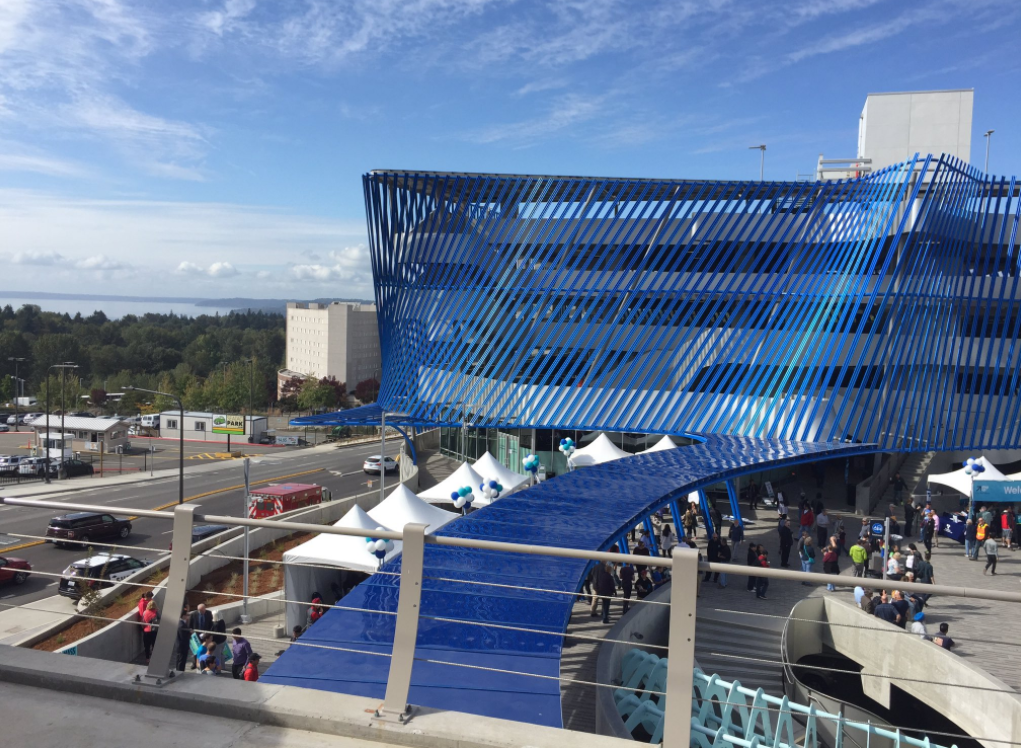
King County's medical center campus expansion plan approved by voters in 2020 has ballooned from $1.74 billion to at least $2.25 billion, with the new tower at the heart of the plan pushed from 2028 to at least 2031. Numerous county councilmembers are voicing frustration and alarm.
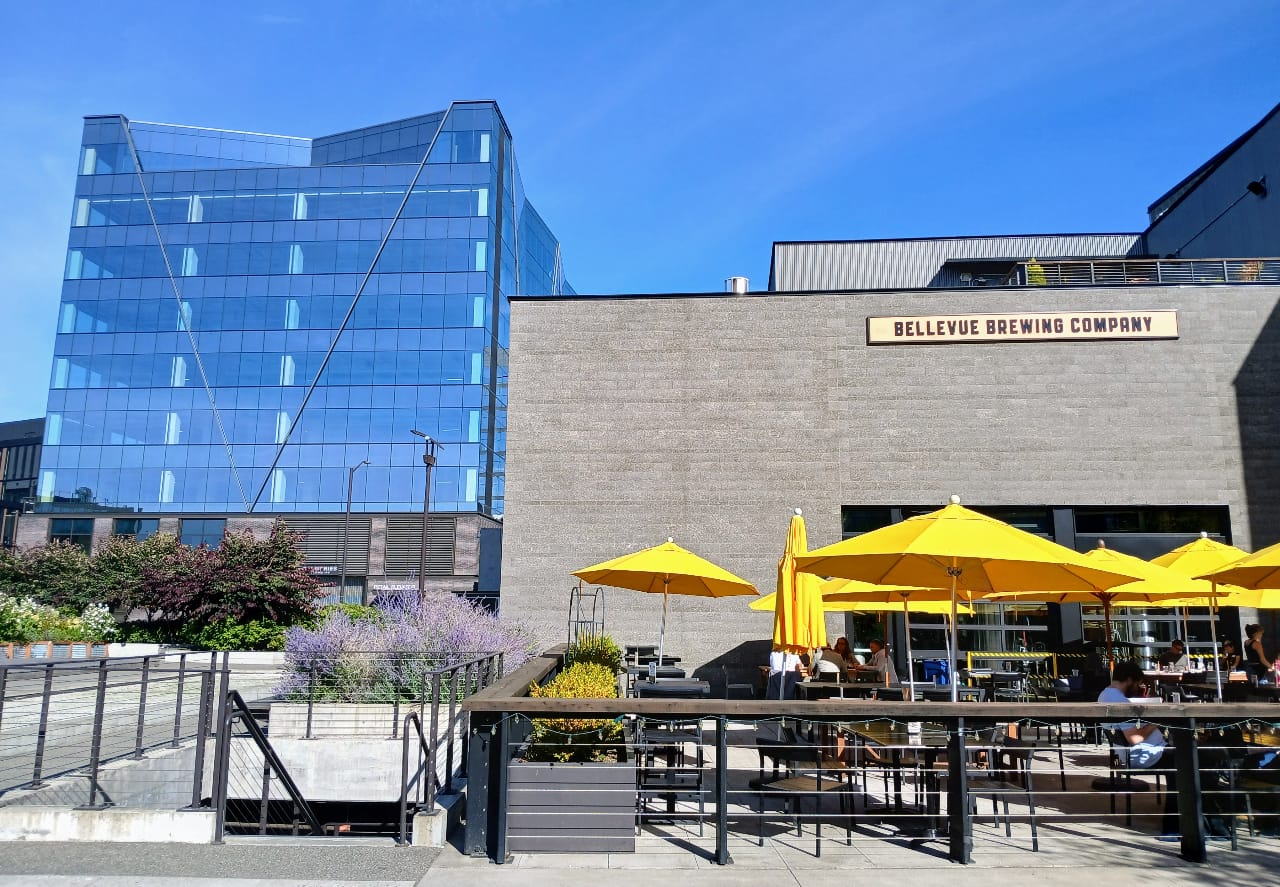
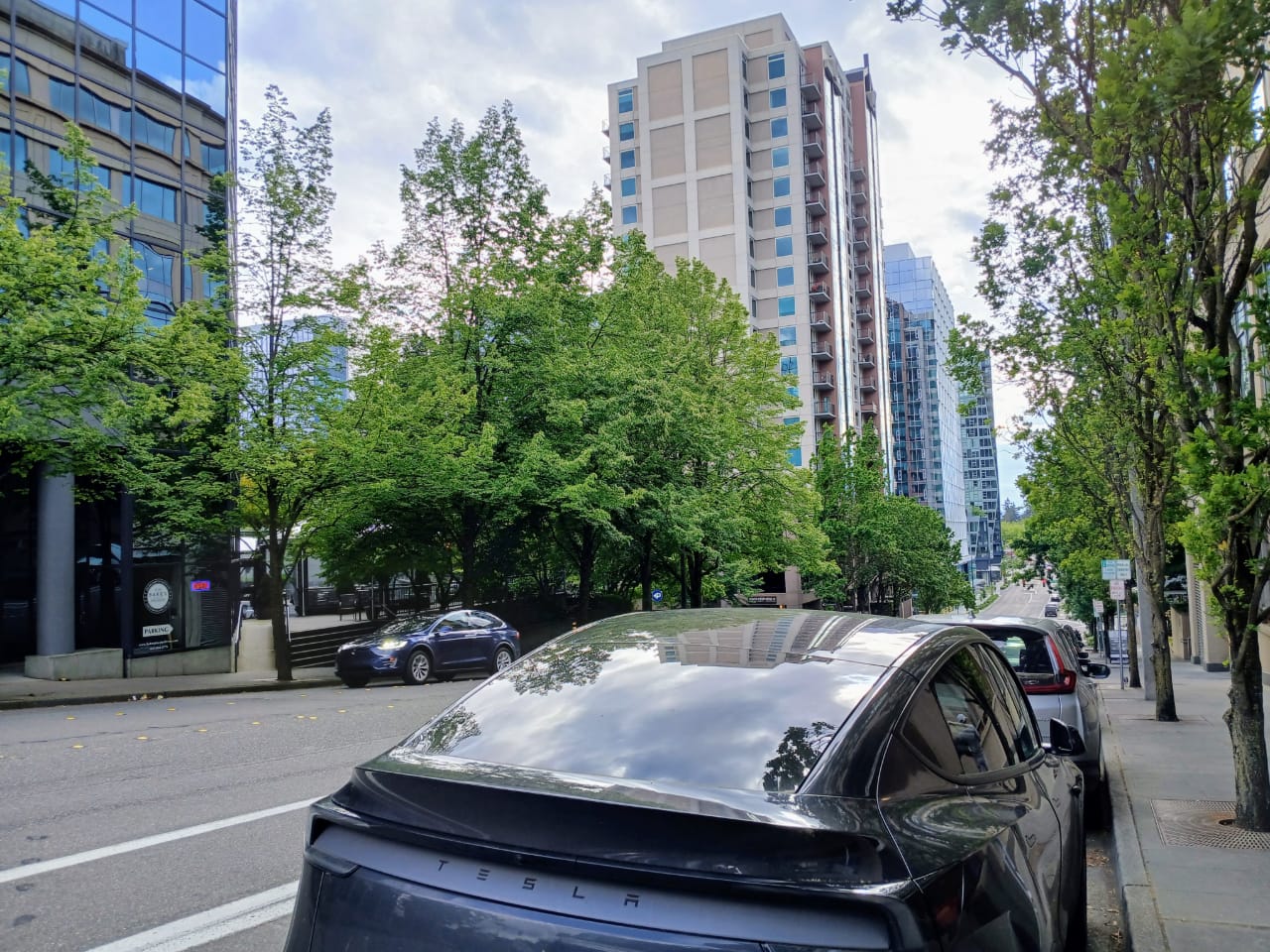
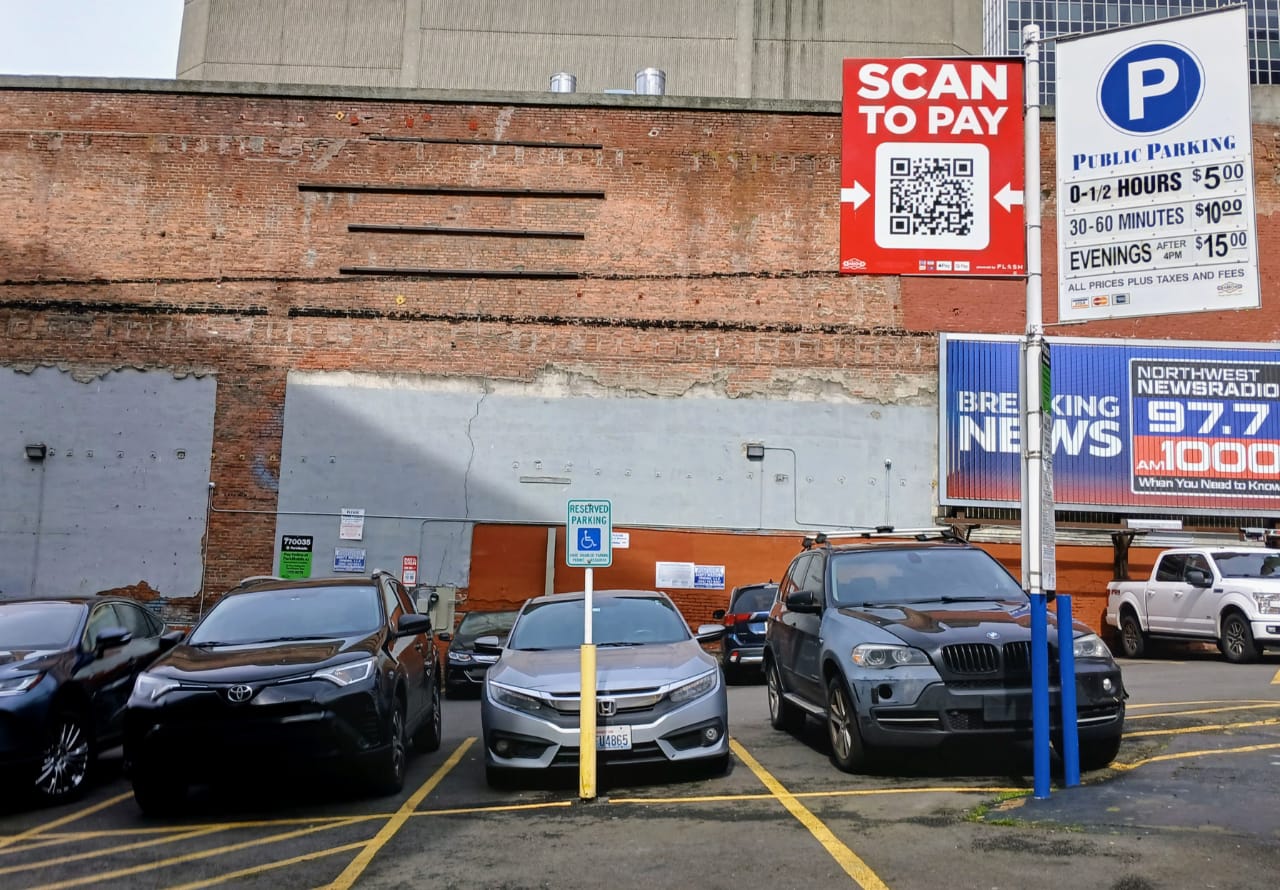
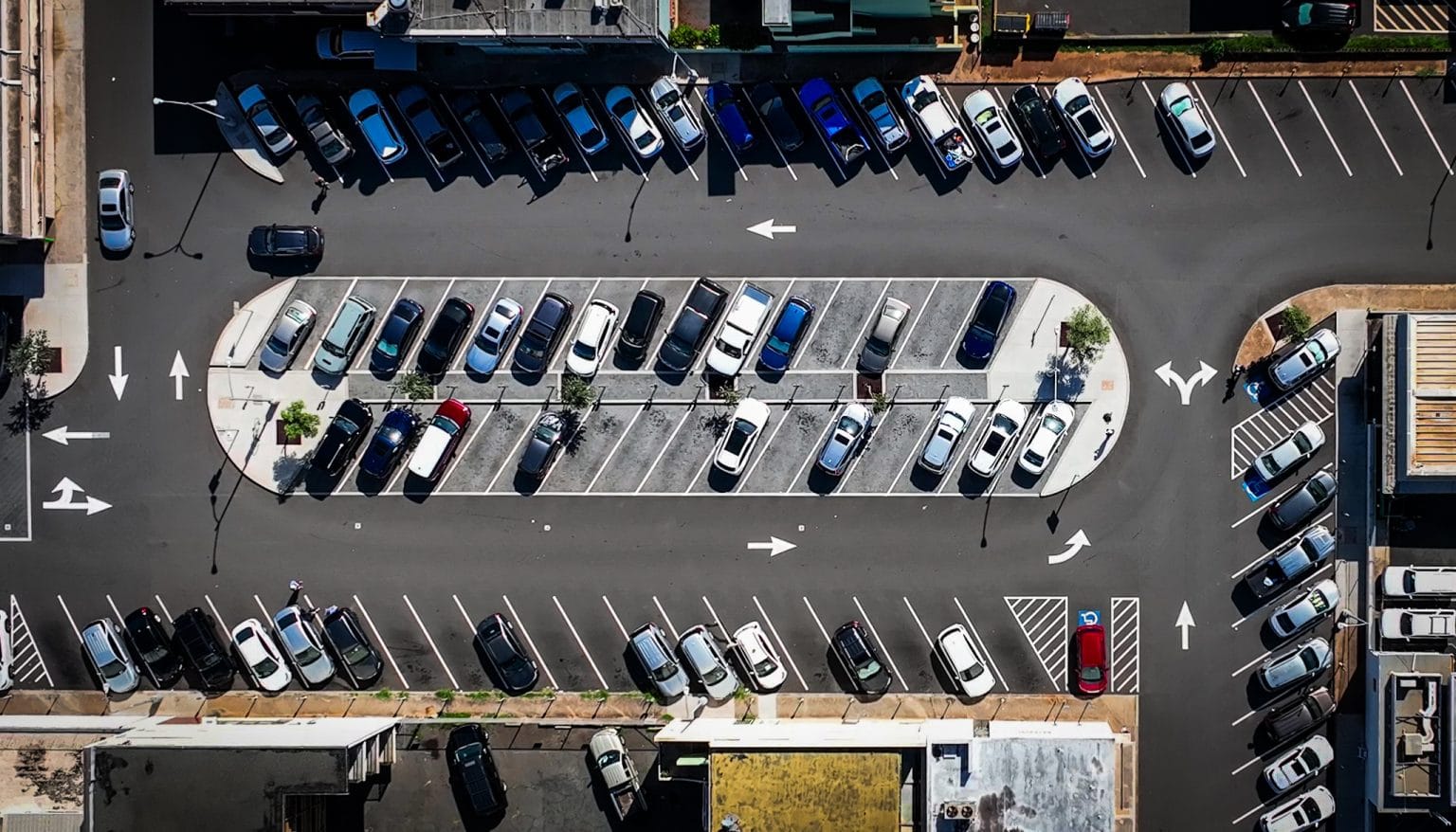
A bill quietly approved this week establishes a range of paid parking hourly rates between $1 and $8, with the actual fee charged to drivers based on the demand for curb access on that block. Bellevue is currently a major outlier when it comes to providing free on-street parking citywide.
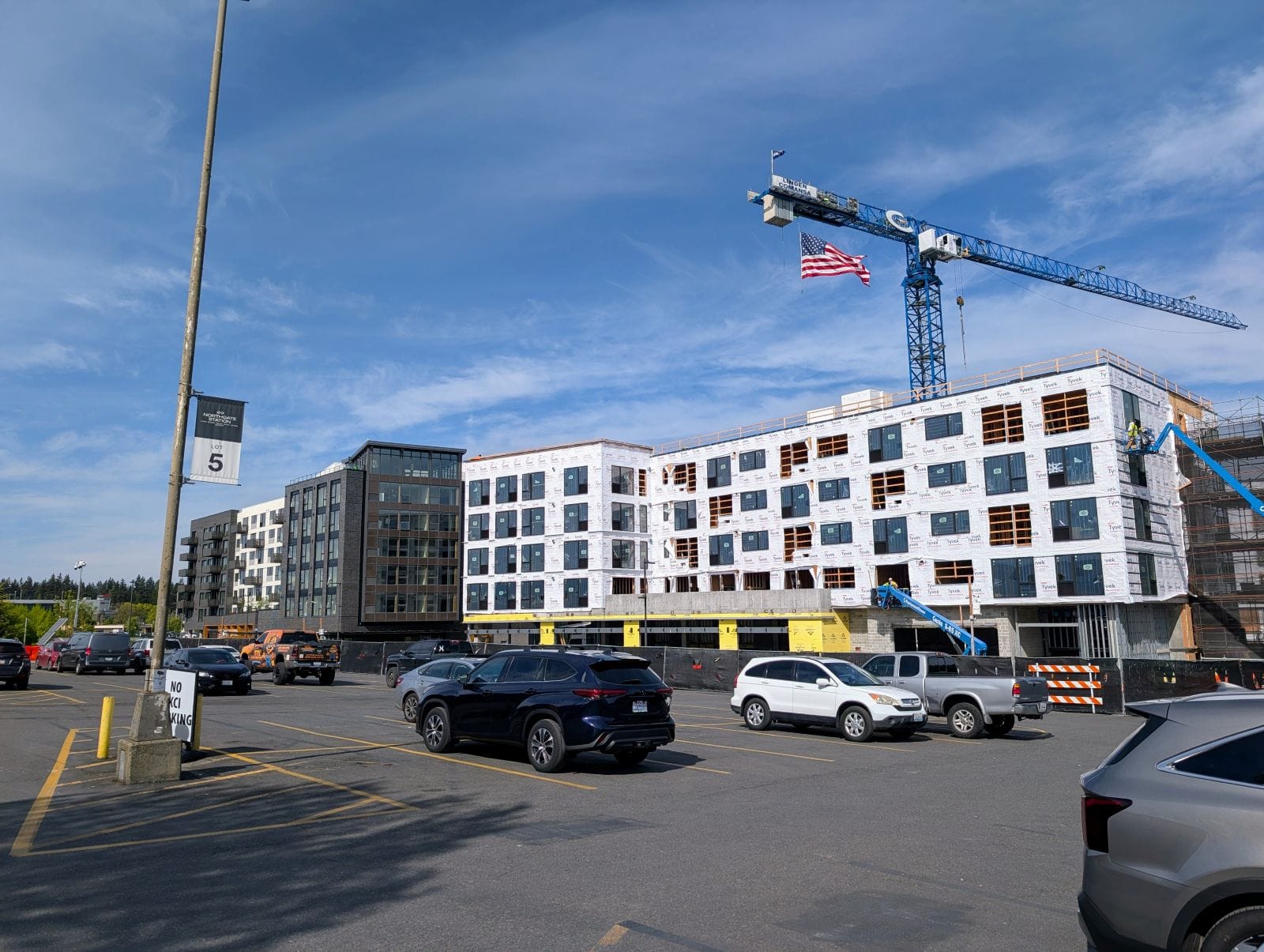
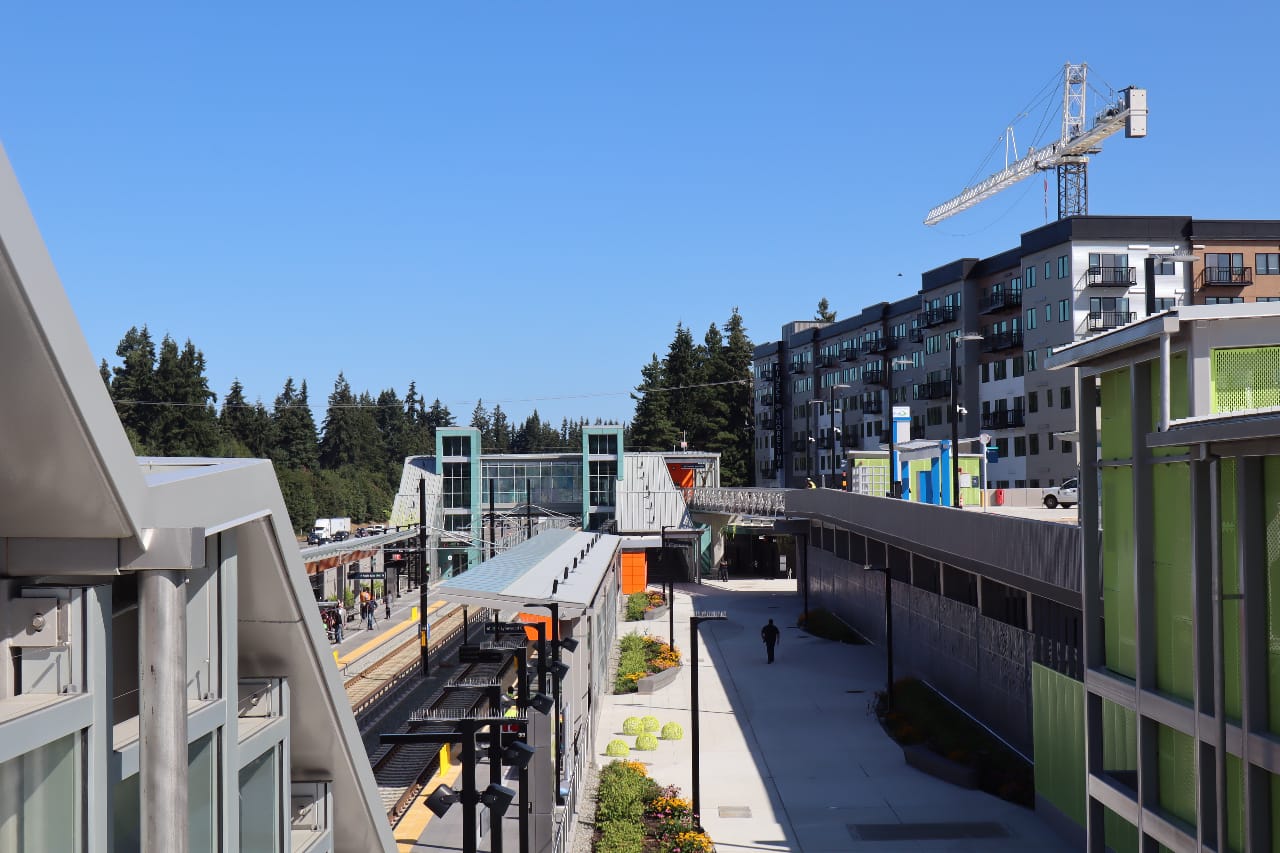
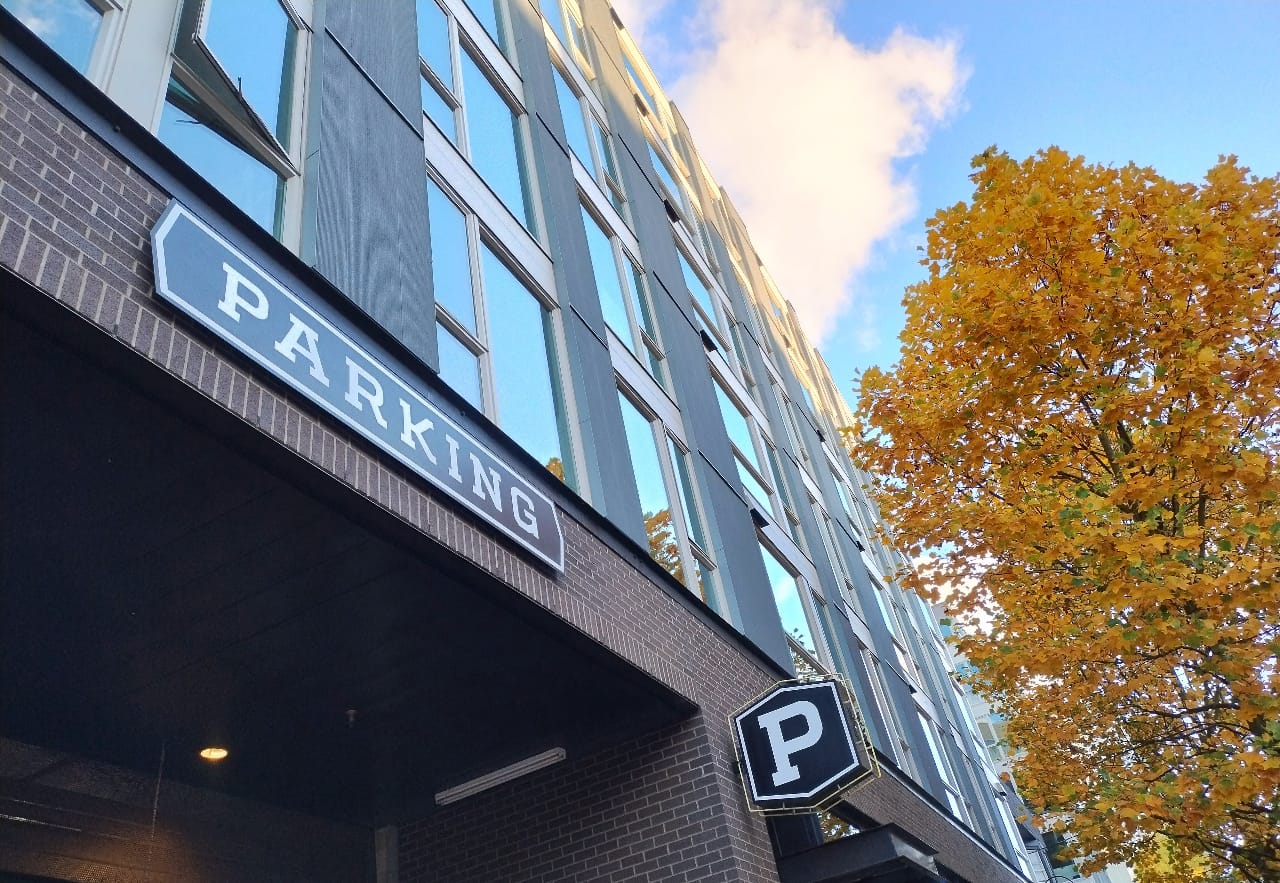
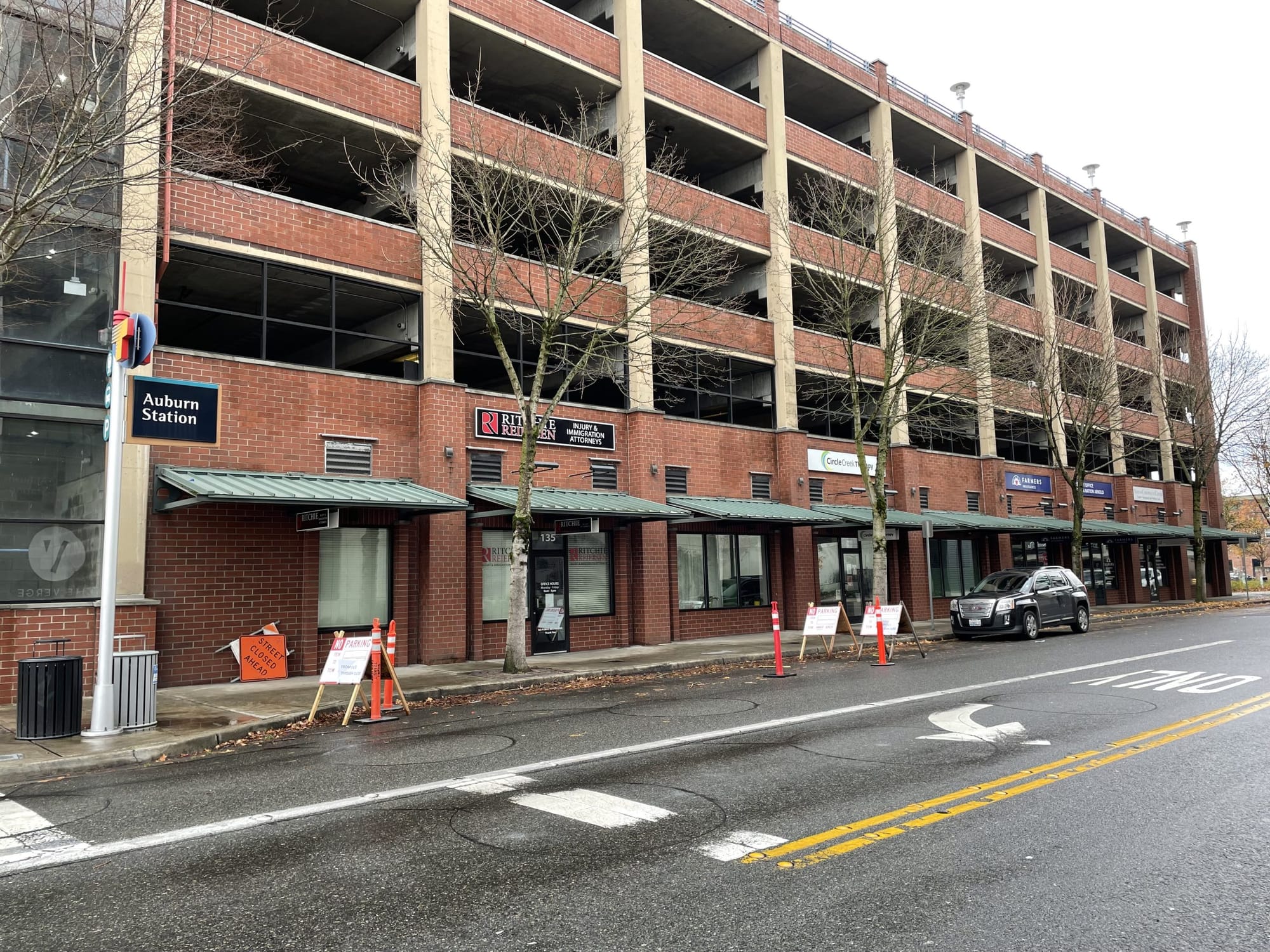
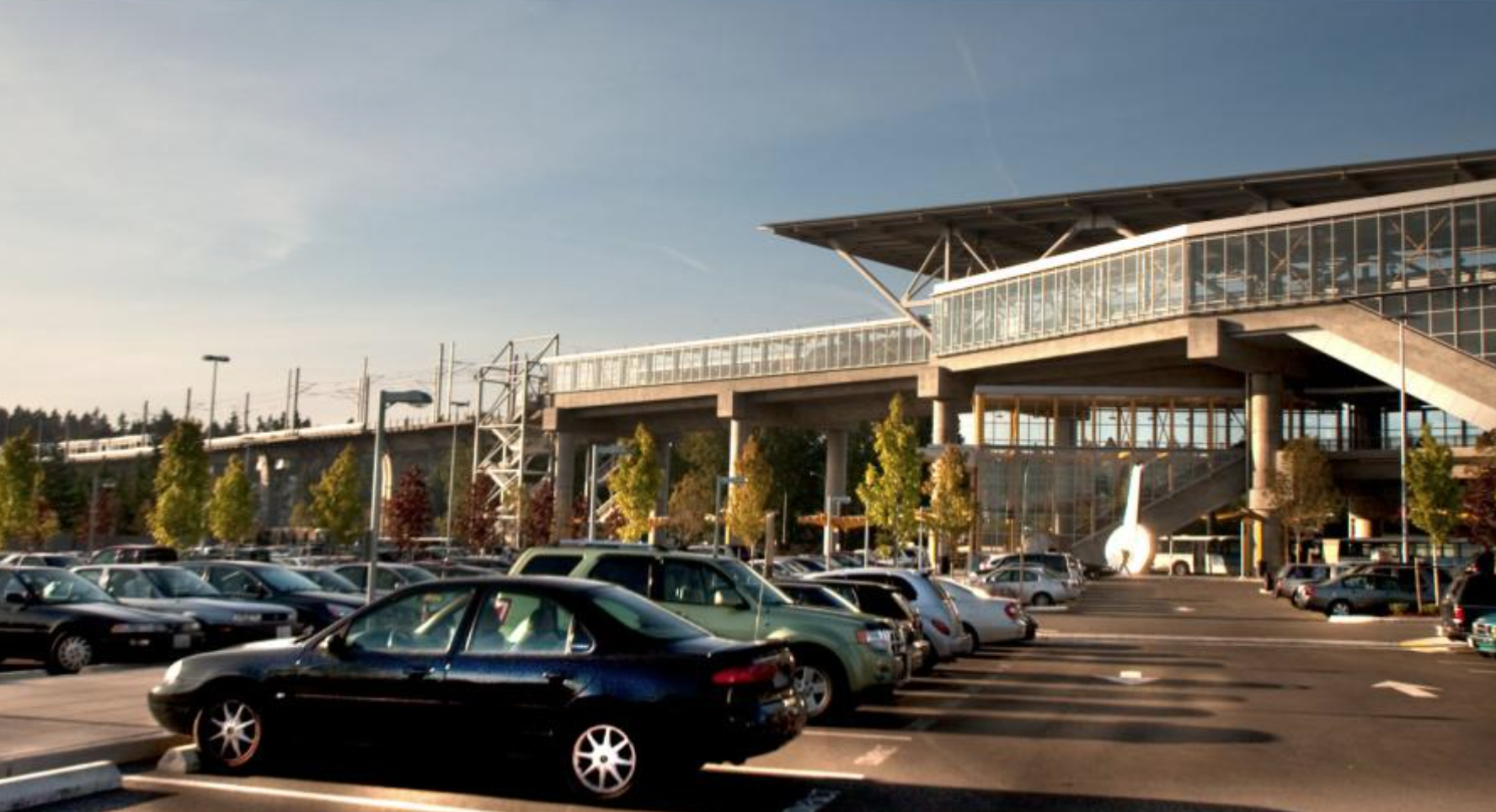
A short walk from light rail, Northgate Mall landlord Simon Property Group is about to open a "Texas Donut" – 420 apartments wrapped around a 569-stall, nine-story parking garage. Bundling parking cost into rents will disadvantage car-free tenants.
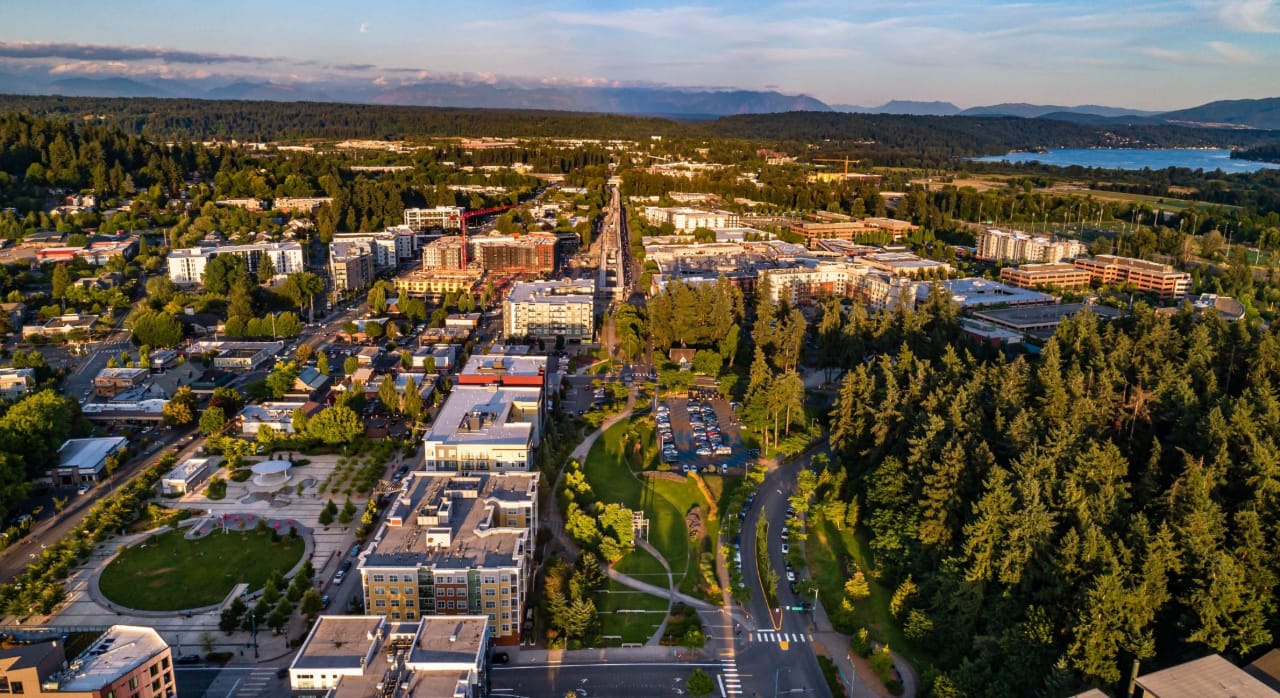
The Eastside’s largest city could ultimately go much further than the new statewide baseline in providing flexibility for builders when it comes to costly off-street parking stalls. Recent elections in Bellevue have likely changed the conversation that’s ahead.
Parking reform has become a national movement, aimed at reducing housing costs. With a nudge from state law, Shoreline joins the trend to support urban development and a shift toward greener transportation options.
Shoreline becomes the largest city in King County to let builders decide how much parking makes sense within the specifics of a site, rather than requiring an arbitrary number. The 6-0 city council vote follows a watershed state bill tackling parking earlier this year.
Only three of 15 high schools analyzed in King County have carpooling incentives: Issaquah, Redmond, and Interlake high schools. Expanding carpooling incentives would allow schools to encourage greener commutes while getting more utility out of limited parking spaces.
The potential Seattle Comprehensive Plan changes, which are set to be discussed Monday, would add back growth centers around Gas Works Park, Alki, North Capitol Hill, and other areas. Councilmember Rinck also proposes legalizing corner stores and removing parking mandates citywide.
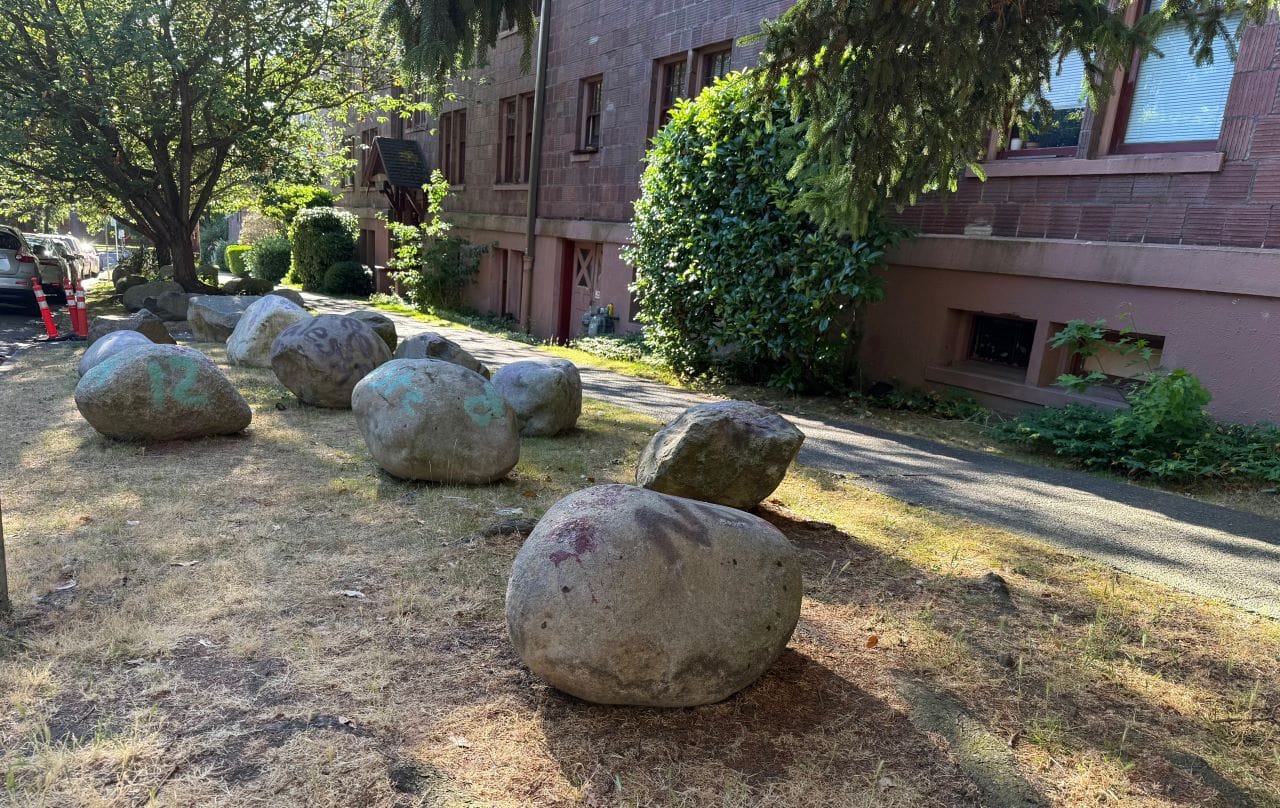
How the City of Tacoma uses planting strips along its streets tells a tale of haves and have-nots, and of our differing standards. The City has gone out of its way to exclude homeless people from this space with $163,000 worth of boulders.
Bothell becomes the first city in either King or Snohomish County to fully eliminate off-street parking mandates in order to reduce costs for homebuilding. The move clearly solidifies the city as a leader on housing and land use reform.
Safe Eastside, a group with a long track record of attacking facilities for people exiting homelessness, is turning its attention to major pieces of state housing reform approved in 2025. They have until July 26 to collect more than 150,000 signatures to get a repeal referendum on the ballot in Wash
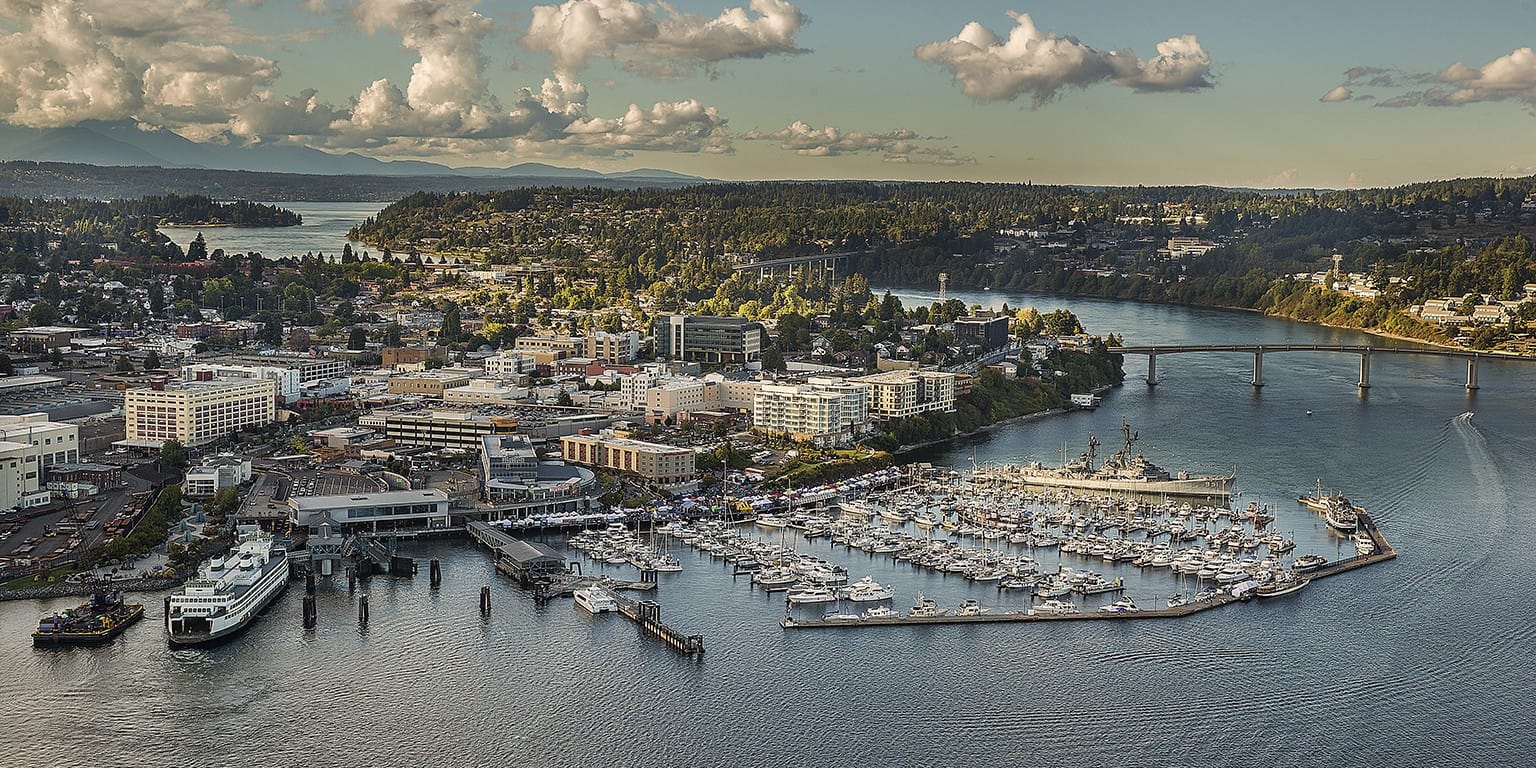
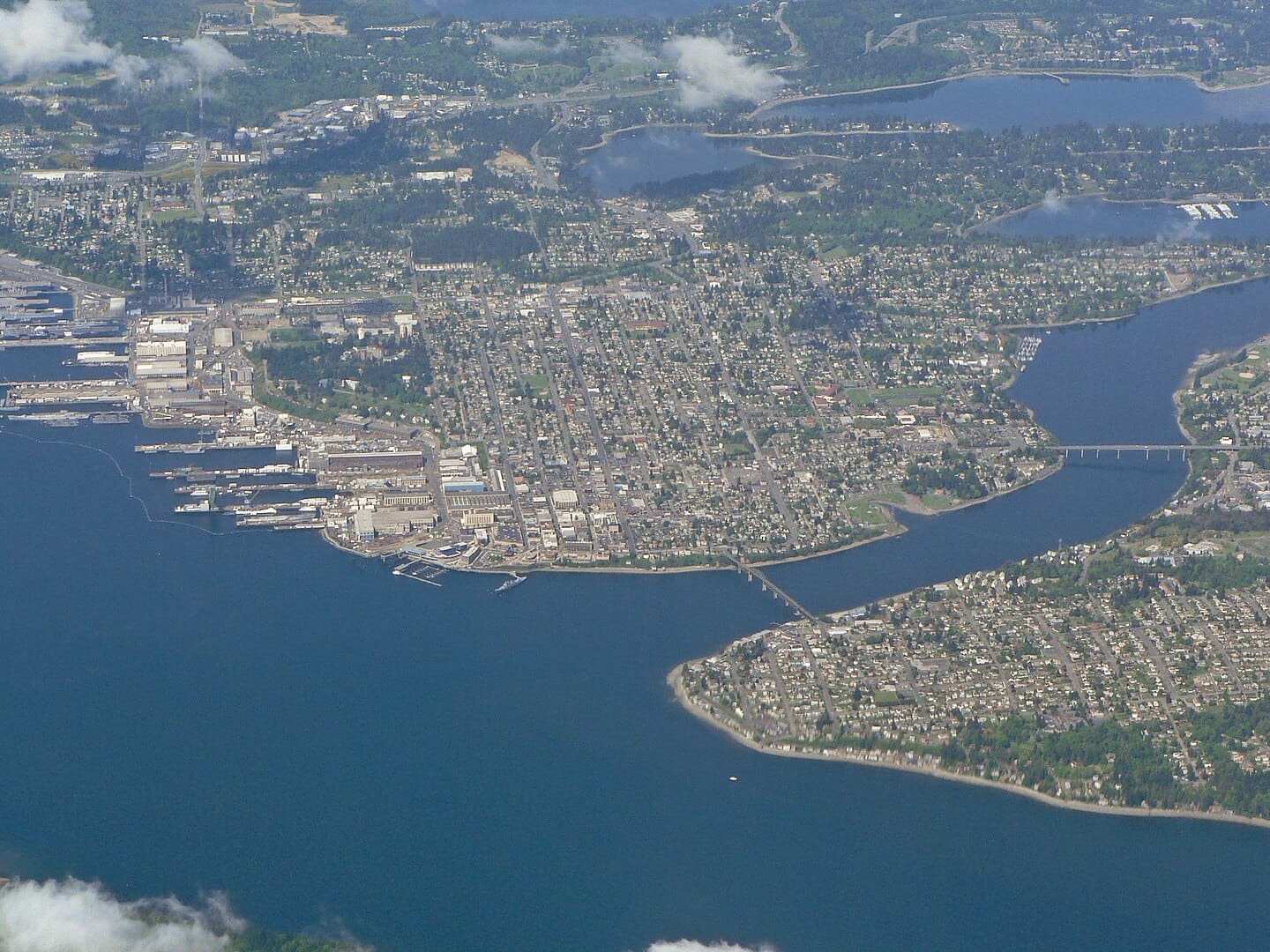
On Wednesday, Bremerton ditched parking mandates, letting builders choose housing over excessive parking. Following in the footsteps of cities like Spokane, Port Townsend, and Bellingham, the move sets Bremerton up to prioritize housing needs and improving multimodal travel options.
Next Monday, the Bremerton Planning Commission will vote on a reform that could go as far as ending parking mandates citywide. The policy has mostly seen smooth sailing, outside of Commissioner Richard Tift’s proposal to exempt low-density residential zones that compose 80% of all land available for
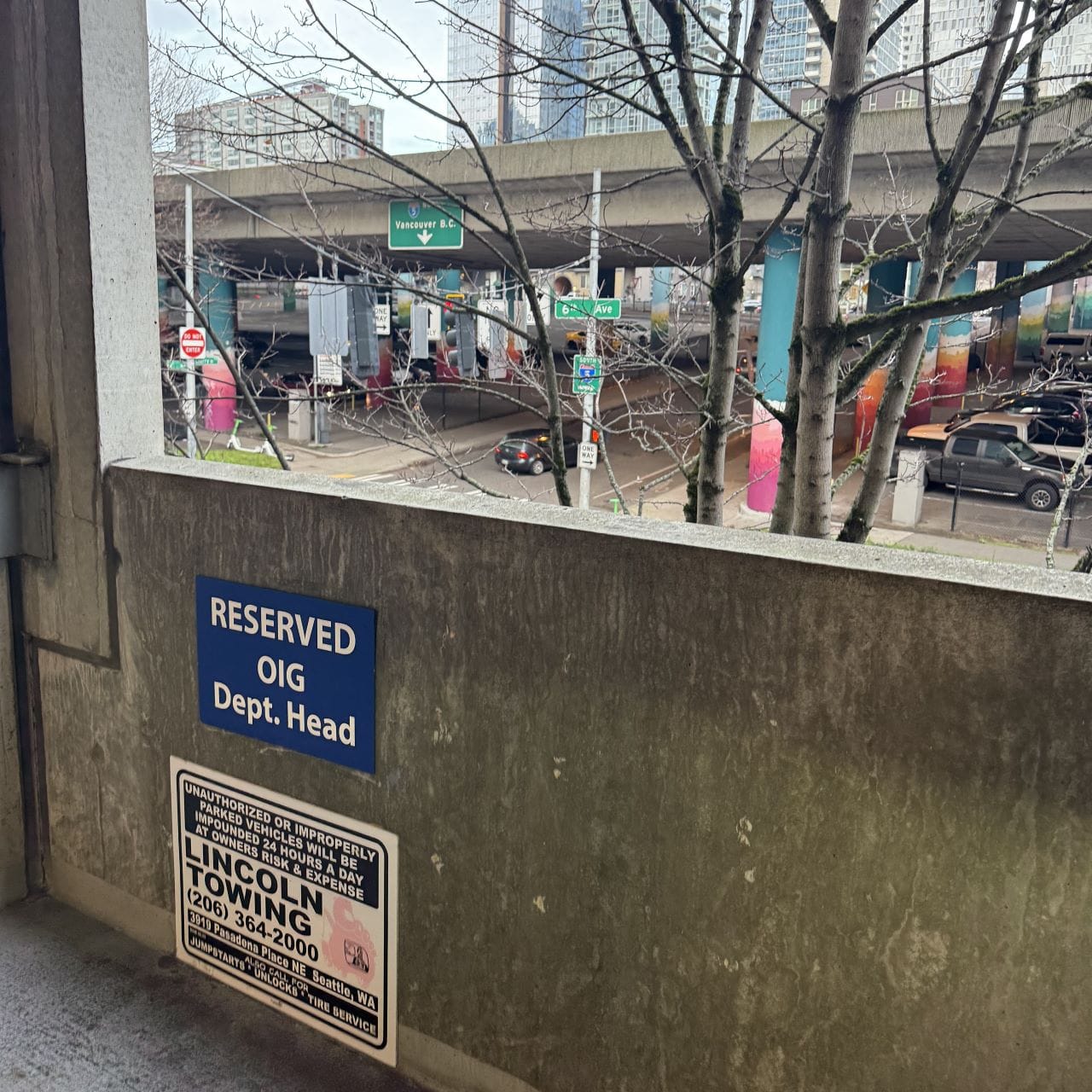
Tasked with upholding Seattle police accountability, Inspector General Lisa Judge appears to have broken the rules herself to get free parking on the public dime for at least six years — or possibly more. The apparent cost to taxpayers has been more than $29,000 over seven years.
The two bills represent two major pillars among a variety of housing measures approved during the 2025 legislative session, with a focus on both housing supply and stability for existing tenants.
Issaquah Rep. Victoria Hunt added long implementation timelines and additional exemptions to Washington’s parking reform bill as it passed out of Local Government Committee on Friday. Bill sponsors still tout the policy’s significant potential to reduce costs for homebuilding.
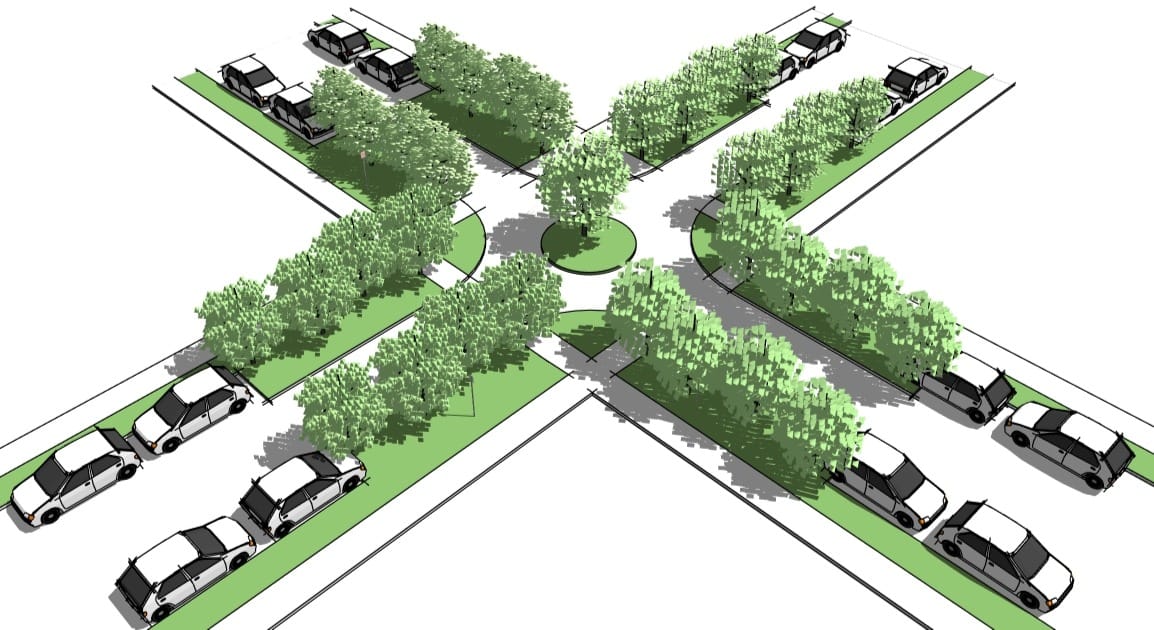
Seattle could meet its 30% tree canopy goal much quicker by converting a quarter of its 500,000 on-street parking spaces. The paving to planting conversion would convey many benefits, cooling neighborhoods and absorbing runoff.
A new bill introduced at the state legislature by longtime housing advocate Jessica Bateman would represent a sea change, limiting the ability of cities and counties to mandate high amounts of parking.
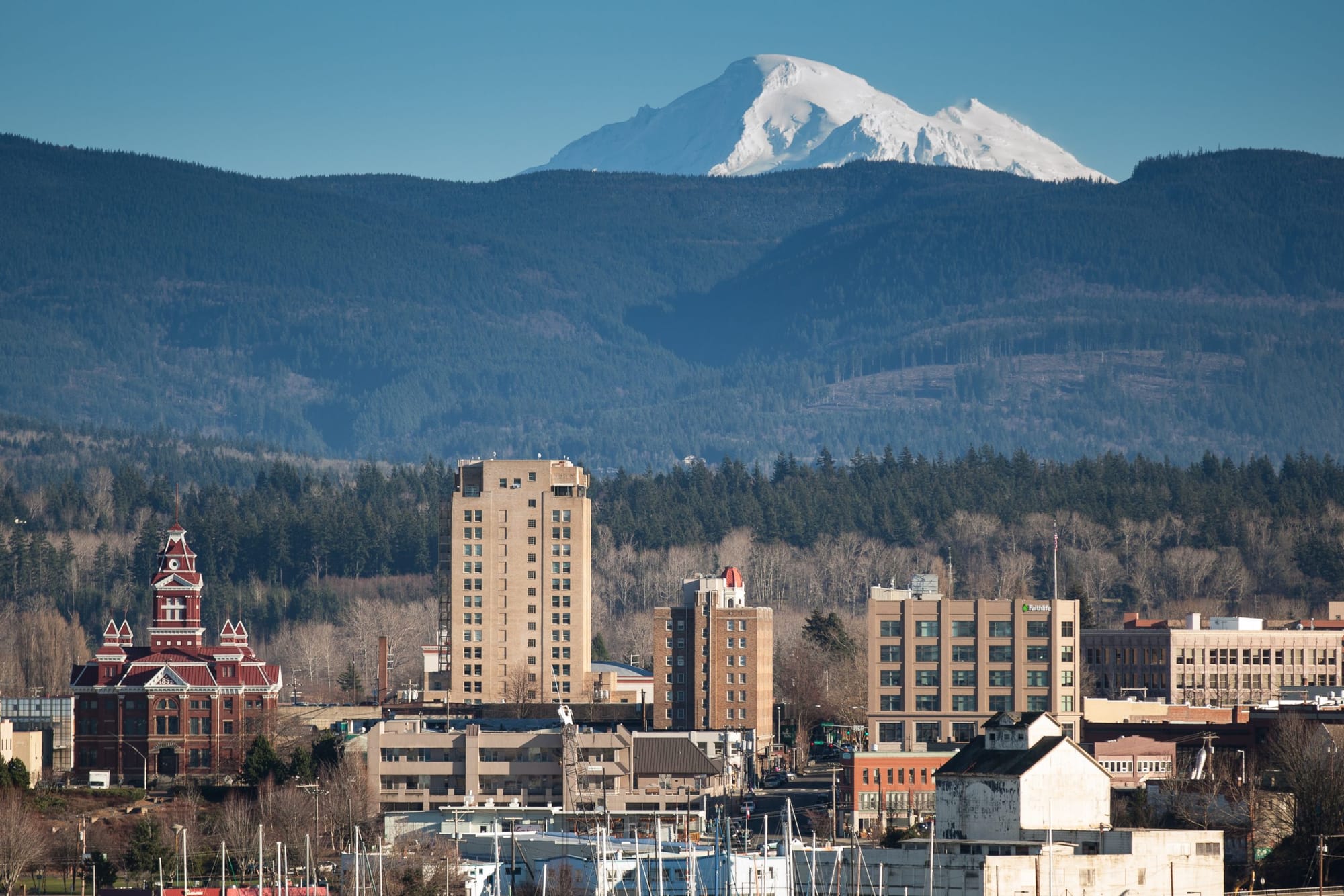
On Monday, Bellingham joined the growing list of cities that have opted to eliminate parking mandates citywide. Bellingham Mayor Kim Lund and an allied city council have more housing reforms on deck.
In approving a unanimous update to its Comprehensive Plan, the Shoreline City Council is set to go well beyond the minimum requirements of state law in pursuit of creating additional housing options and more vibrant neighborhoods.
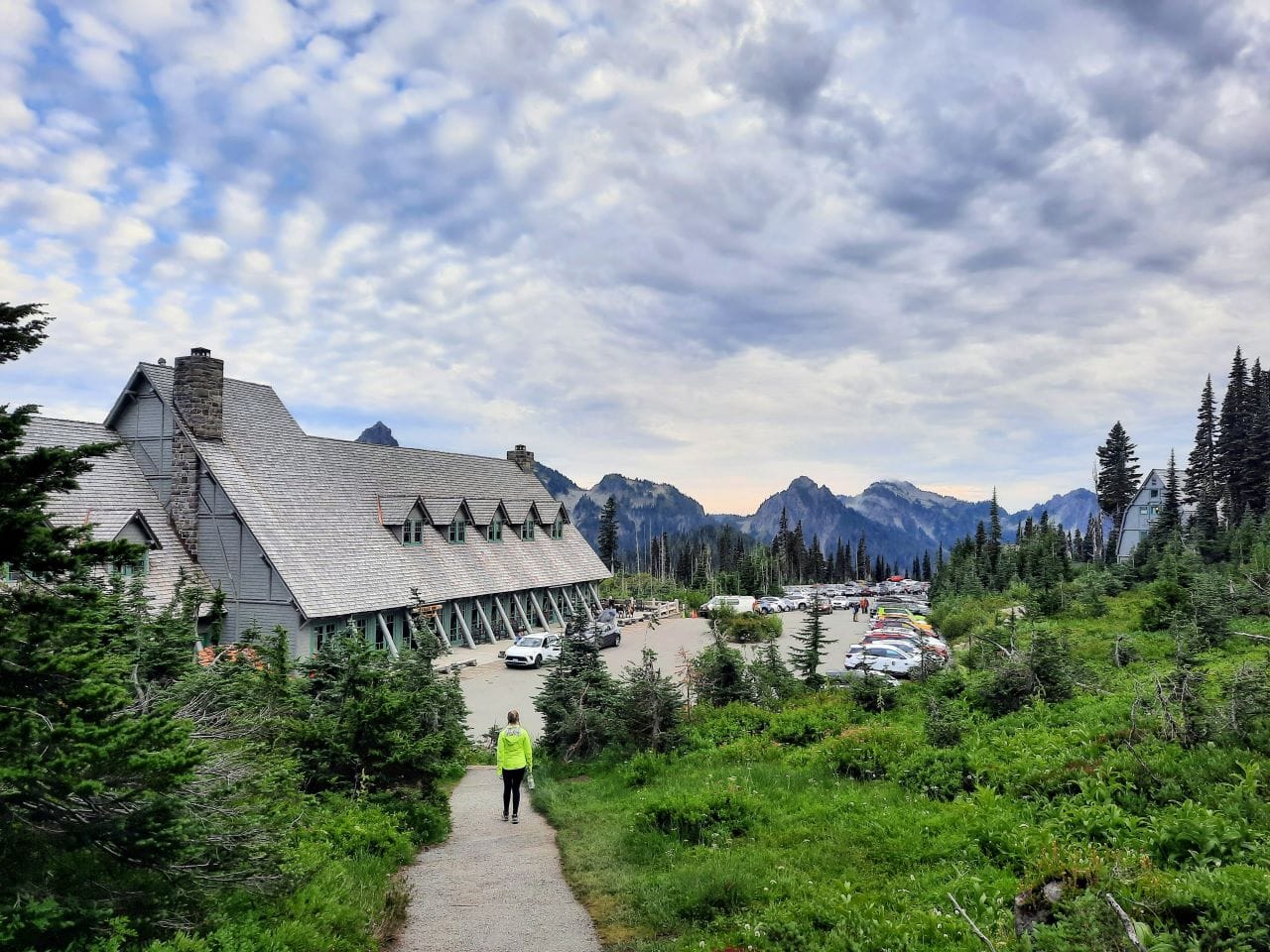
A robust public transit network for Mount Rainier National Park could unlock trailheads and attractions to more visitors, while improving environmental sustainability. Rather than grousing about the park’s timed-entry system, let’s improve access for all.
Despite being a longtime parking reform leader, Seattle is set to require off-street parking, even as it unlocks significant housing capacity near transit. This will make housing harder to build.
Cities across the country are ditching arbitrary requirements around how many parking spaces must be built with new housing, but Spokane is the first major Washington city to take the plunge. Will others follow?
Spokane is advancing a package of urbanist-minded reforms that would make on-site parking optional for new buildings. It’s part of a broader effort to spur homebuilding and reduce car dependency in the Lilac City.
The newly transformed section of Beach Drive SW has turned walkers and rollers into priority users while still allowing vehicle access. Meanwhile, a coalition allied around parking concerns continues to plot a way to undo the safety project.
Reforms being considered by Bremerton as part of this year’s major planning update include eliminating parking mandates, removing height limits in downtown, and expanding neighborhoods where additional density is allowed.
Up to 10 Sound Transit-owned parking facilities — including at all Link station parking facilities — could see daily paid parking begin around the time that the Lynnwood Link Extension opens.
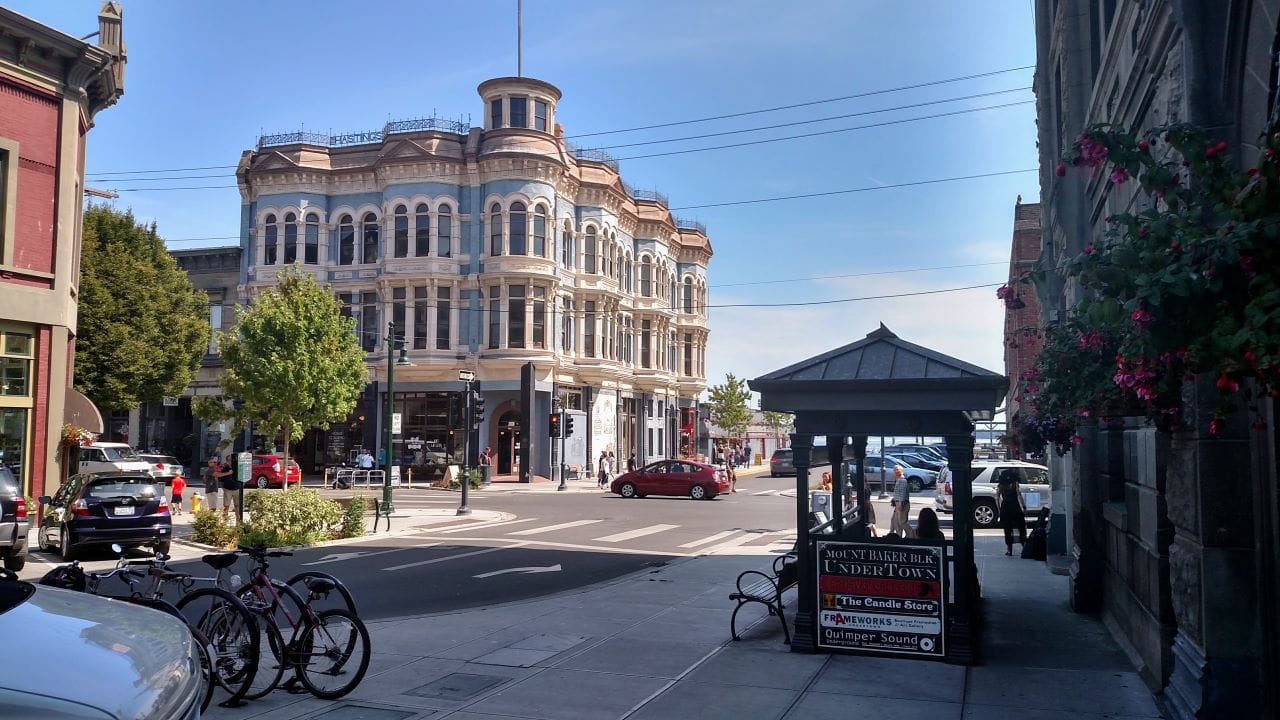
Small but mighty Port Townsend appears to be the first city in Washington State to have fully ditched its off-street parking requirements.
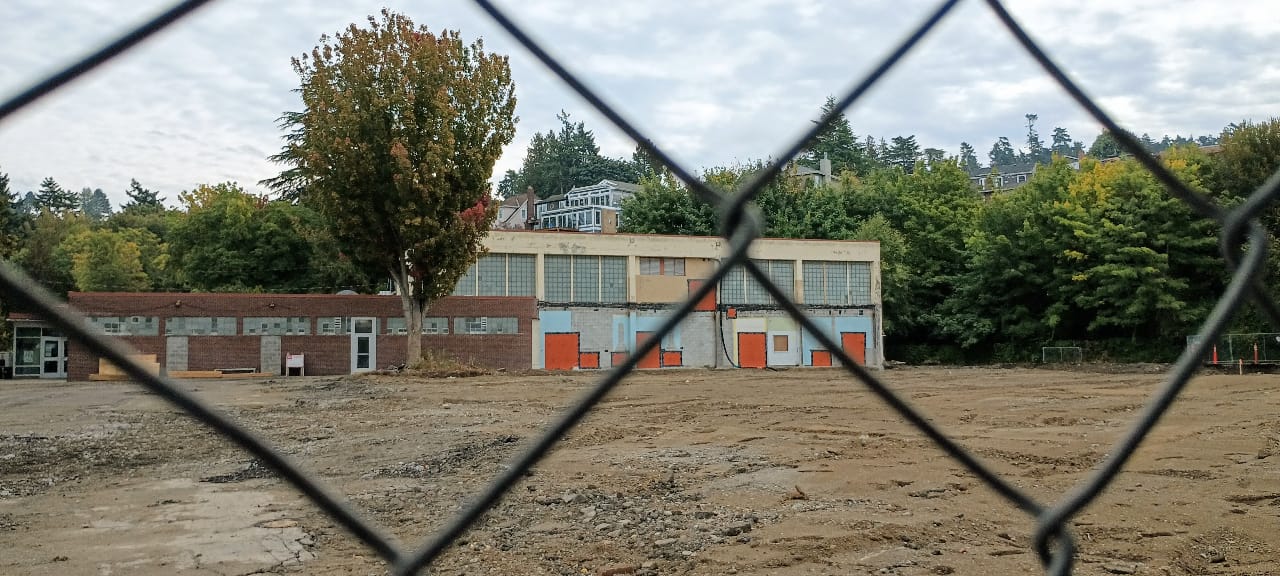
Even after plans for a new Alki Elementary were redesigned to add parking, the project is caught in another appeal alleging there still isn’t enough proposed parking. The delays triggered by the appeals have cost the school district at least $3 million so far.
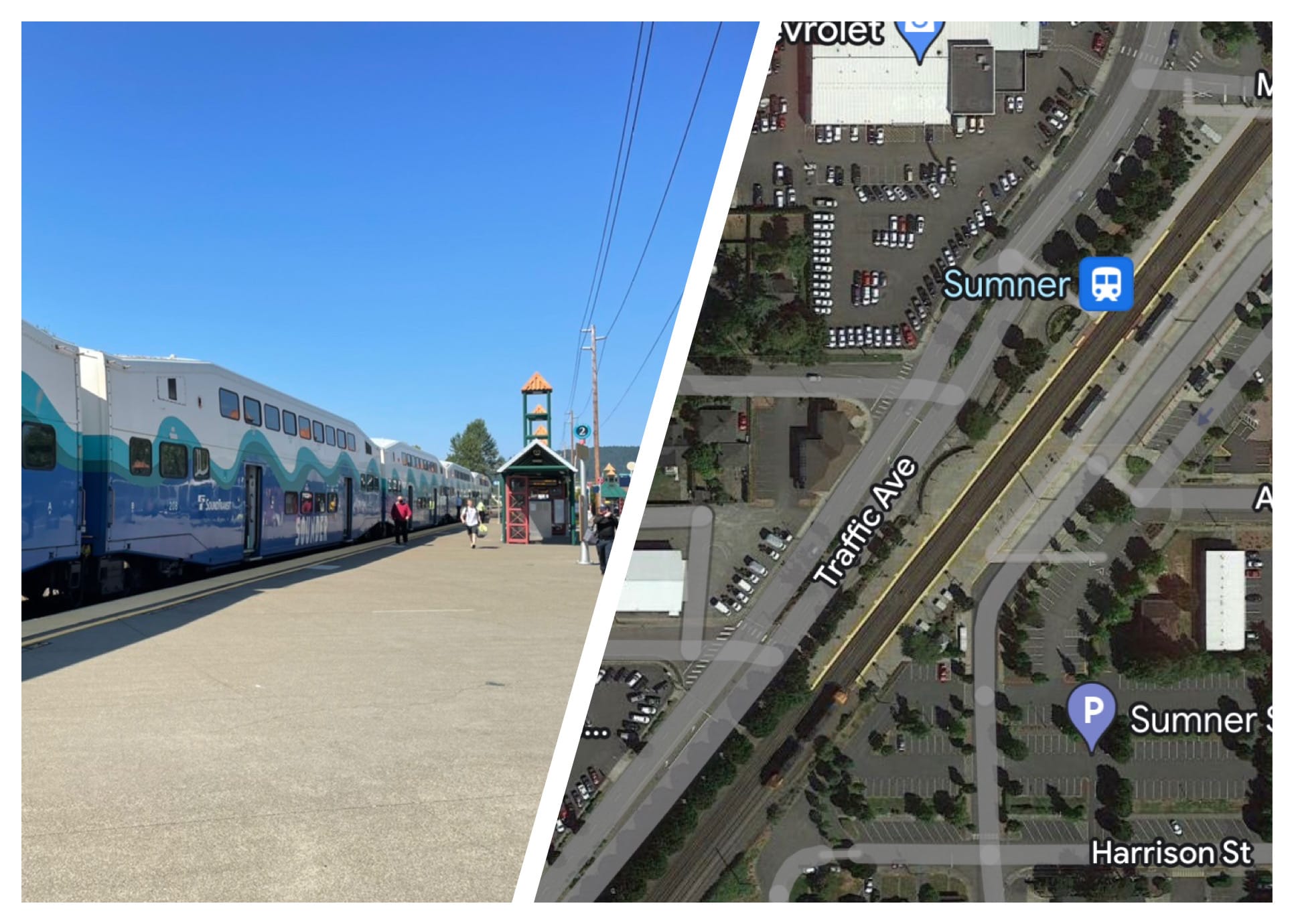
Sound Transit is weighing parking rate structures as it works to expand its fledgling paid parking program to a projected 21 facilities along Link and Sounder lines by 2026.
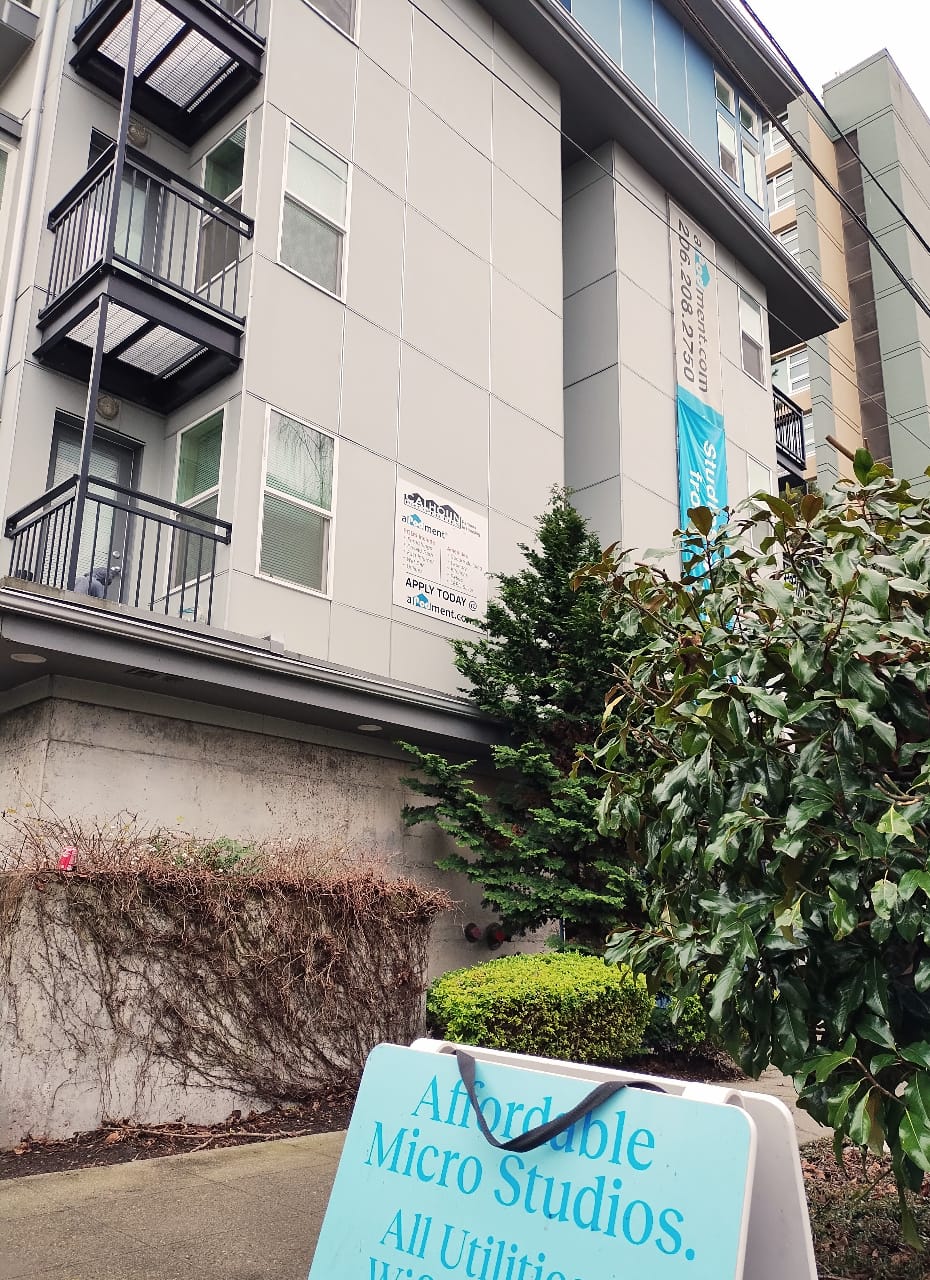
The Washington State Legislature is considering legalizing “co-living housing” in cities and towns across Washington, which could open the door to new micro-apartments offered at lower rents and help fill a niche that’s primarily being left to subsidized housing to solve. House Bill 1998, sponsored by Representative
JCTP is Bremerton’s 30-year transportation vision. It gets a lot of things right, but has some gaps. The Joint Compatibility Transportation Plan (JCTP) is a transportation collaboration between the City and the Naval Base Kitsap (NBK, aka ‘the shipyard’). The shipyard’s location was chosen precisely because it’
Chicago sold its on-street paid parking spaces for a small proportion of their value for decades. The city, however, is reeling from that fundamental error in so many ways beyond just revenues. Rollie Williams of Climate Town explains how, especially from a sustainability and urban standpoint.
An appeal brought by neighbors threatens to delay construction and heap costs on cash-strapped Seattle Public Schools. Construction on a new Alki Elementary School in West Seattle has stalled. The former school, demolished this summer and now a vacant lot, sits quiet, with the process to issue a permit
Sound Transit has outlined several alternatives to expand its parking management program with paid parking. Some or all stations with parking could be affected by the changes in the next year. Exactly what the program will look like is still up to debate with agency boardmembers having wide-ranging opinions
Rollie Williams of Climate Town walks through the history of minimum parking laws and growth of parking in America with a few cameos from Jason Slaughter of Not Just Bikes. Williams highlights the many problems with such laws and the arbitrary nature of them.
One year ago, Spokane shocked the state by passing a sweeping housing reform bill that, among other things, reduced minimum lot sizes and legalized fourplexes anywhere you can build a single-family home. Passed unanimously by a Spokane City Council seen as split 5-2 between progressives and conservatives, the
Street improvements are often long and drawn-out affairs. Pop-up projects can show otherwise. Urban projects can take a significant amount of time and financing to implement. However, due to increasing pressures such as climate change, population influxes, and a widespread desire to create walkable, bicycle-friendly neighborhoods, more
In response to concerns that a new North Beacon Hill protected bike lane along 15th Avenue S would eliminate on-street parking stalls, Seattle will create additional street parking on adjacent streets where parking is currently not allowed. The Seattle Department of Transportation (SDOT) made the announcement during a community
When what is now downtown Bellingham was initially platted in the mid-1800s, it is likely that little consideration was given to parking. Mostly because cars did not exist in the mid-1800s. As automobiles became quintessential components of the American way of life by the 1920s when it killed
Elected officials have approved another 1,500 car parking stalls at select stations along the Sounder S Line. This capital investment is astronomically expensive for the meager ridership gains that the projects might facilitate. That’s why it’s worth reconsidering recent project approvals and redirecting funding into higher performing
One parking stall per 1,000 square feet of racquetball facility. One stall for every five seats in a theater. One stall for every 300 feet of a veterinary clinic. One stall for every 400 square feet of a day care facility. One stall for every 250 square feet of
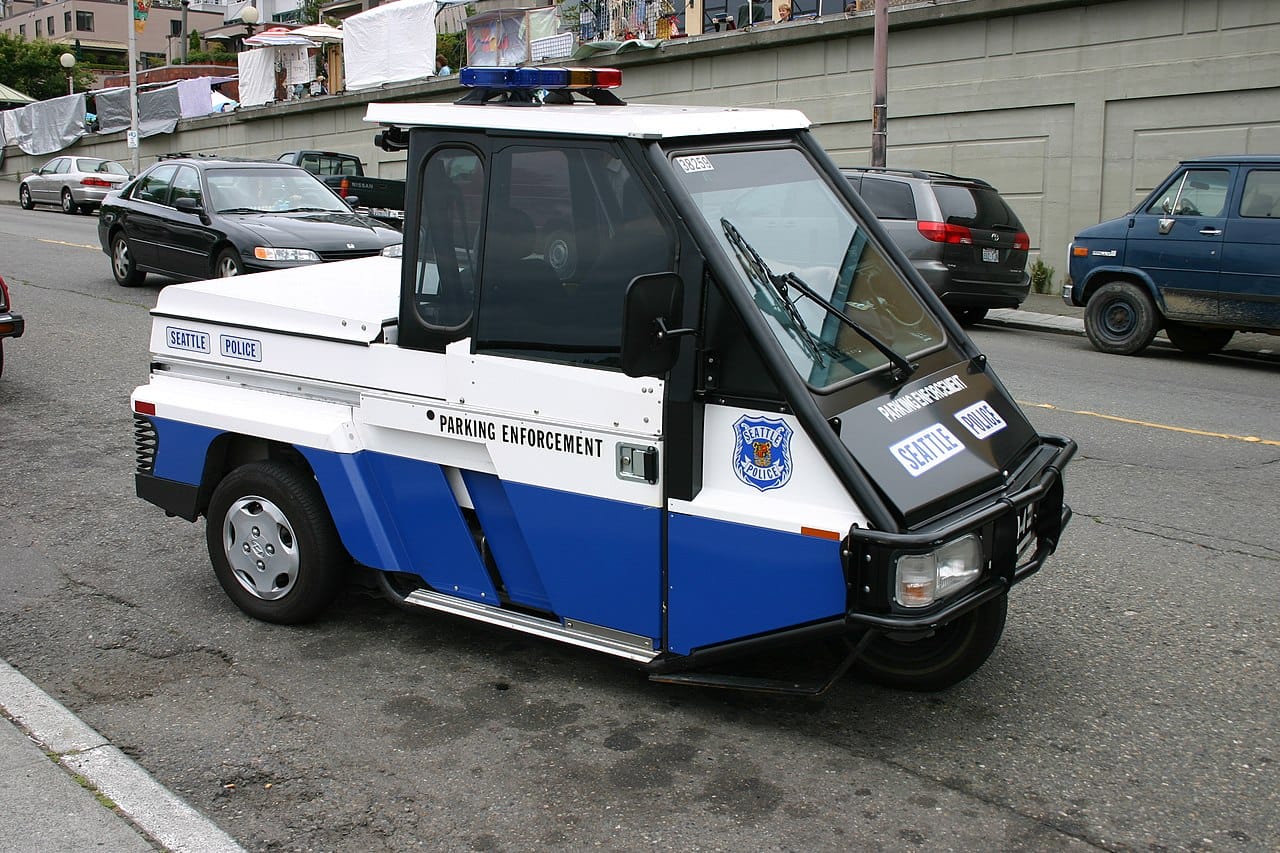
Facing pressure from the Harrell administration, the Seattle City Council voted to move parking enforcement back to the Seattle Police Department (SPD) after a very brief sojourn in the transportation department. But not every SPD line item in the mayor’s budget was approved. In its marathon amendment vote day
Seattle is nearing its final 2023-2024 budget and some big decisions are still in flux. The Mayor’s budget puts parking enforcement back in the Seattle Police Department (SPD), but the City Council’s balancing package keeps it in the Seattle Department of Transportation, where we think it belongs.
When Seattle City Council budget committee chair Teresa Mosqueda released a full slate of tweaks to Mayor Bruce Harrell’s proposed 2023-2024 budget early Monday morning, very few of the councilmember amendments adding Seattle Department of Transportation (SDOT) projects and programs made it into the final proposal. That’s
Council actions rearrange Mayor’s budget proposal based on short term coverage from JumpStart tax. Seattle’s budget season is moving into its final stages as Budget Committee Chair Teresa Mosqueda published the City Council’s balancing package on Monday. The package proposes to reallocate money from Mayor Bruce Harrell’
Often overshadowed by Bellevue and Redmond, not to mention Seattle, Kirkland doesn’t get the credit it deserves for the crafting of its lively downtown and growing Totem Lake neighborhood. Kirkland has also ended single-family zoning, though some land use quirks limit that change from full realization. These urban
During my research and writing of the Downtown Bellevue development articles, I actively estimated the amount of parking spaces that Bellevue had recently added and could add as part of its development boom. Accustomed to Seattle’s parking ratios, my original estimate was that around 10,000 parking spaces would
On August 3rd, Snohomish County returned with a Summer Survey to continue their light rail planning process. When we last covered Snohomish County’s Light Rail Communities project in fall 2020, the County was seeking input on housing in urban unincorporated Snohomish County and presented data on housing density acceptability
Sweeping on-street parking regulation changes are on the horizon in Seattle. The Seattle Department of Transportation (SDOT) is rolling out updated paid parking rates on June 1st and will expand parking restrictions throughout Uptown, Roosevelt, Northgate, and the University District in the fall. Revised paid parking rates are in
The move embroiled the City of Bellevue in a costly legal fight. Already on the hook for $40,000 in legal fees, the City could be in for much more as the battle against a state mandate to loosen parking requirements near frequent transit drags on. Although it may not
Parking is a huge billion-dollar capital outlay in Sound Transit’s capital expansion program. Delaying construction of parking as part of new transit projects could salvage much of the program, which currently faces an $11.5 billion affordability gap. At a briefing to the board last week, agency staff
The Washington State Legislature is in ongoing legal trouble for failing to properly fund schools. The City of Seattle has many solemn commitments to improving walkability and equity. Why, then, does City code require the school district to spend thousands of dollars every year asking for permission not to turn
Despite the pandemic-induced decline in parking demand at regional transit facilities, Sound Transit is still expanding parking and developing new tools to manage it. In a briefing last week, agency staff shared a new policy direction that would include daily parking fees at facilities in addition to existing parking
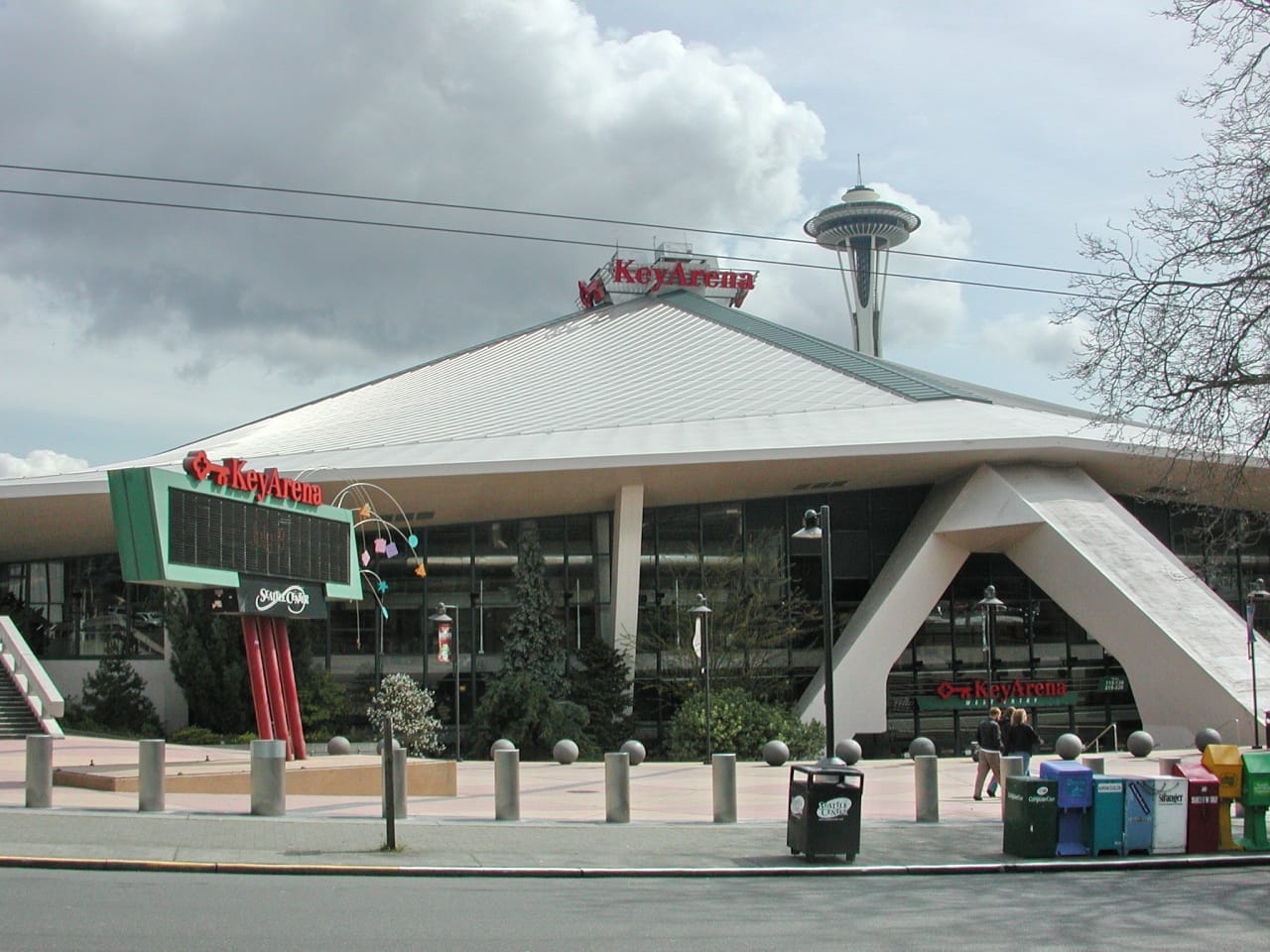
With the arrival of the revamped and expanded KeyArena as Climate Pledge Arena later this year, the Seattle Department of Transportation (SDOT) has proposed curbspace management changes that could affect nearby streets in Uptown. The proposal involves expanded paid on-street parking and a wider restricted parking zone (RPZ). SDOT
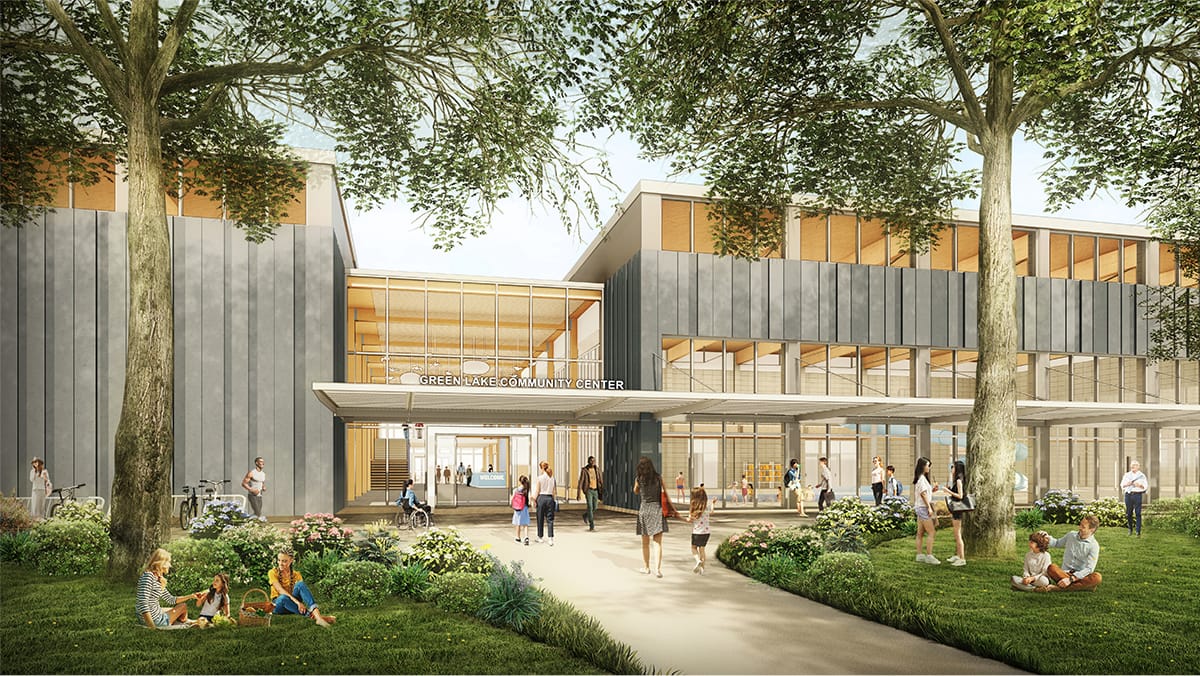
On Monday, Seattle Parks and Recreation (Parks, for short) released a preliminary site plan for the new Green Lake Community Center as part of the third open house for the redevelopment project. The Urbanist covered the past two open houses, when they were narrowing down site selection and site configuration
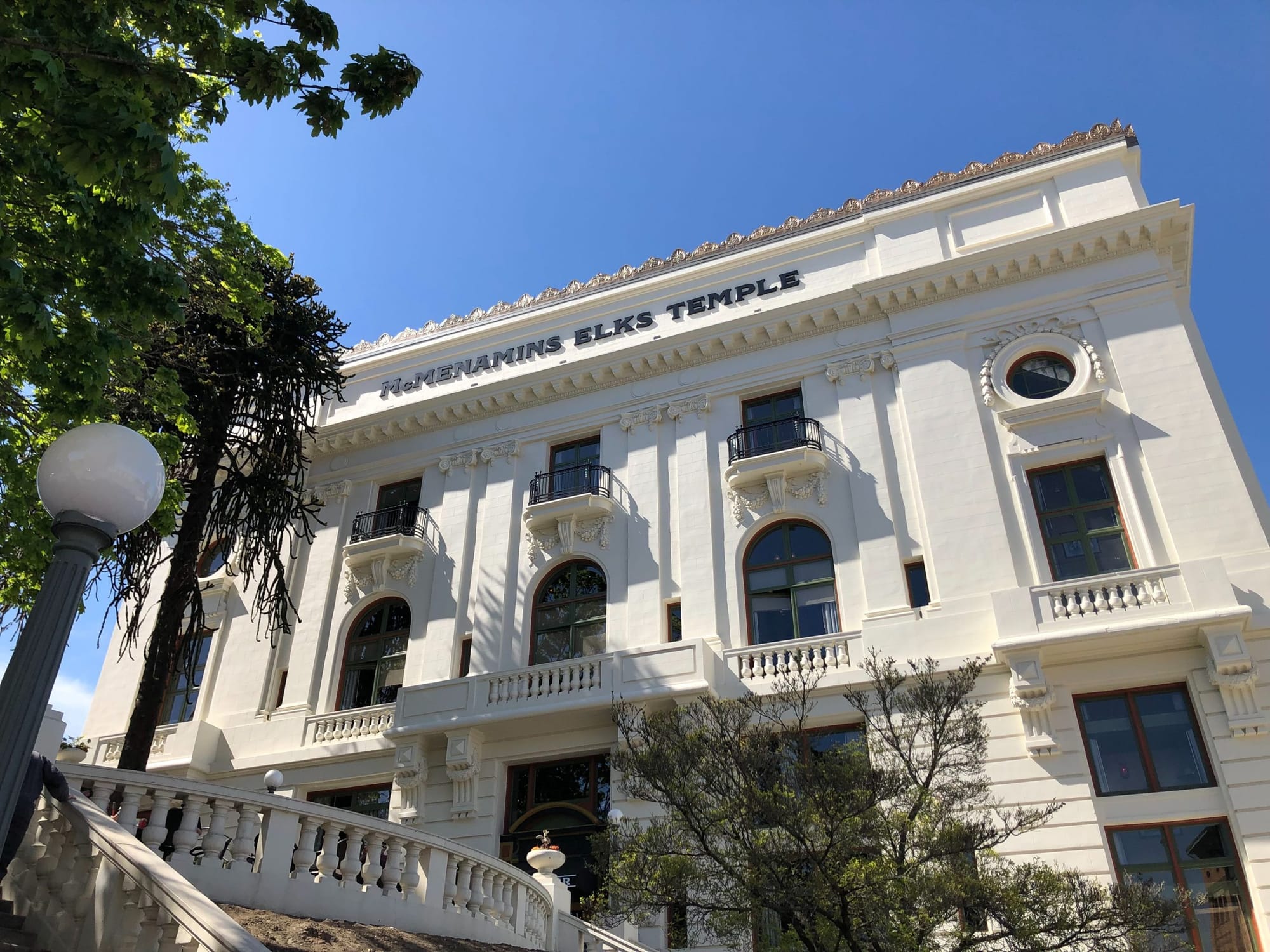
The McMenamins Elks Temple in Tacoma has been open for two weeks. With its five eateries and bars, ballroom, and 45 hotel rooms, this new addition to downtown destination is drawing and will draw hundreds of people from throughout the city and the region. McMenamins has been lauded for the
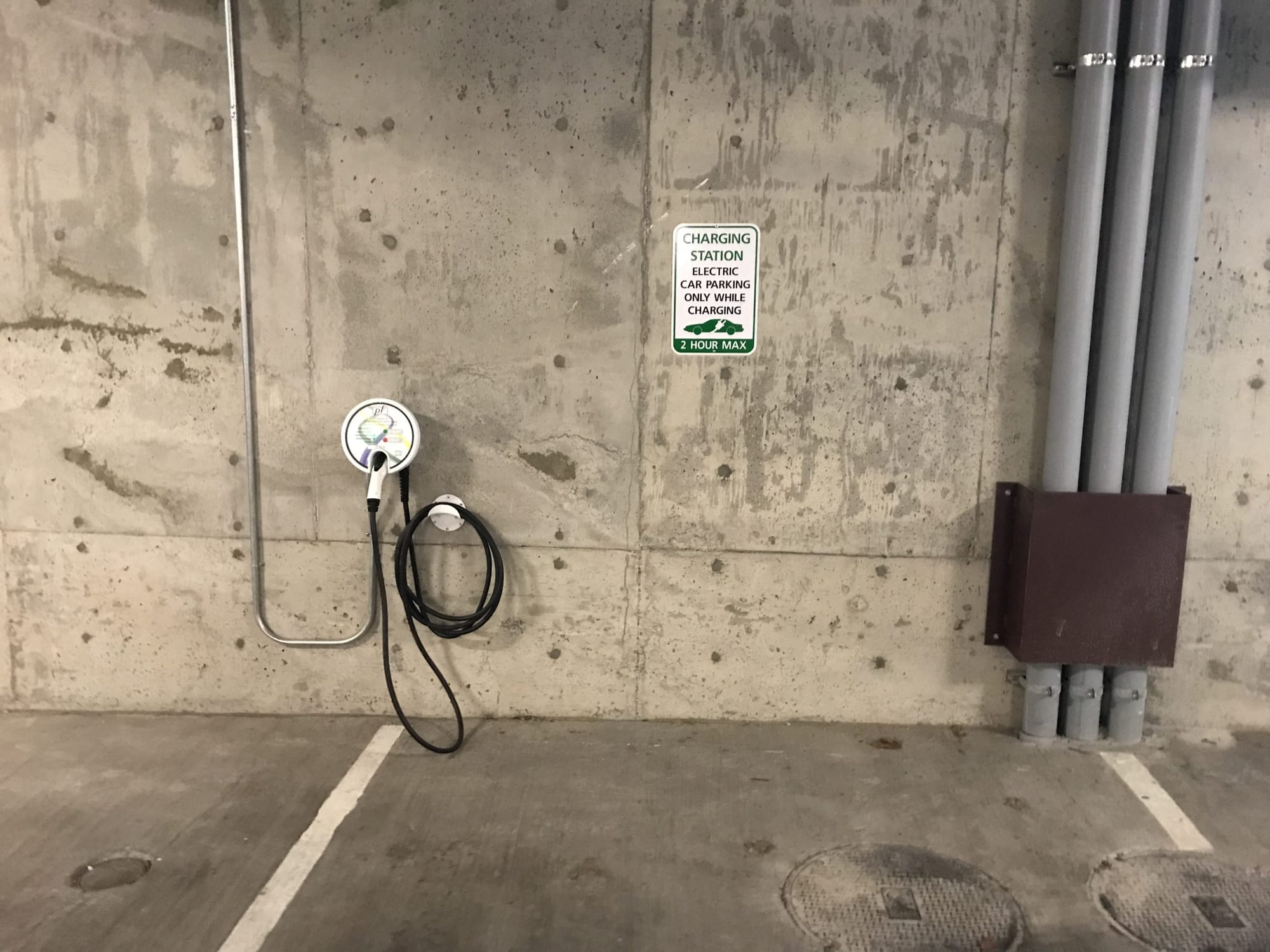
On Monday, the Seattle City Council passed legislation to require to much of new development in the city to provide electric vehicle-ready (EV) equipment. The city council passed a modified version of the legislation, which would require a report by June 1, 2022 to evaluate program implementation and possible
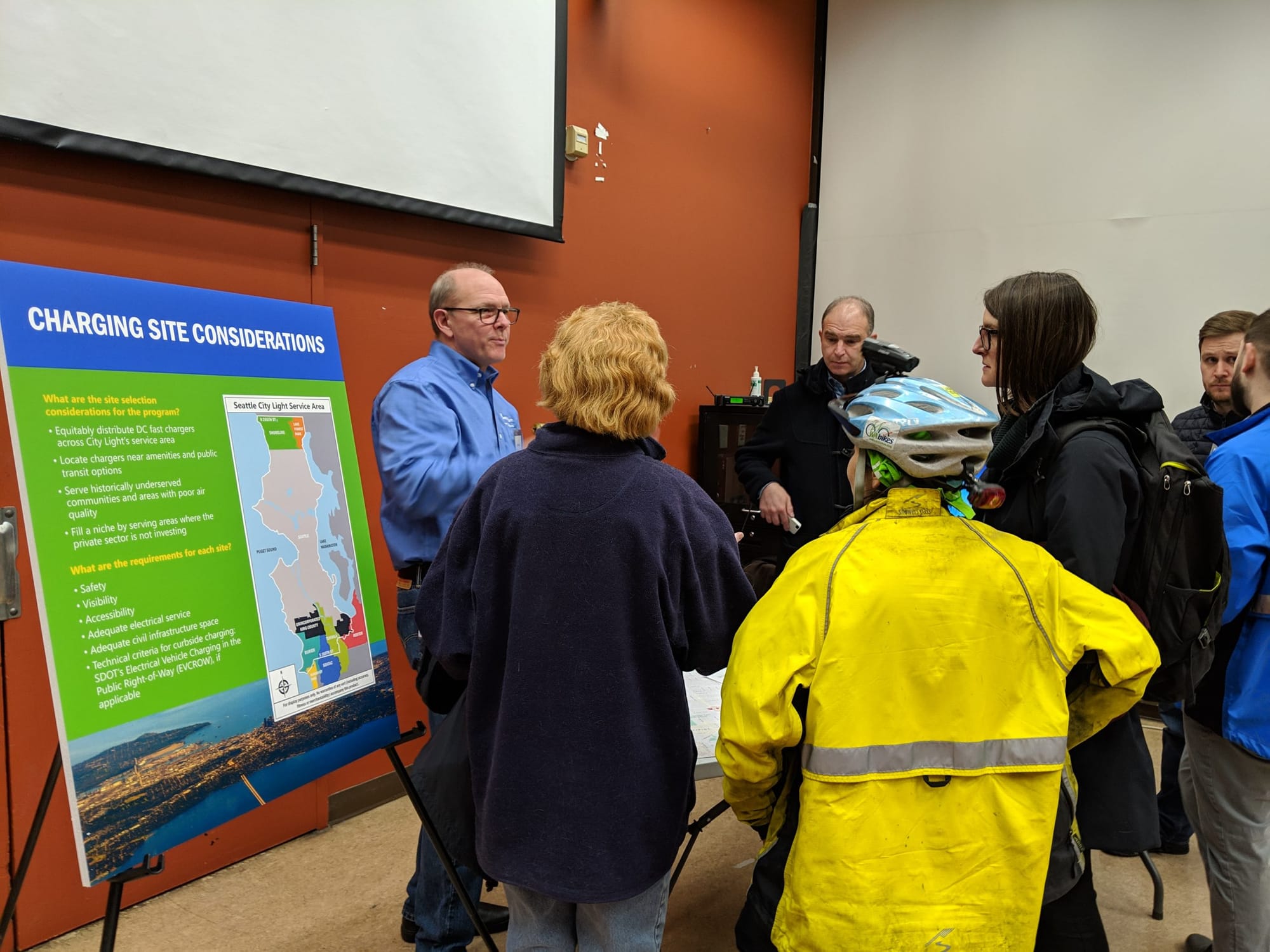
If you need space in front of the Capitol Hill light rail station–and you’re not a bike or streetcar–contact the Seattle Department of Transportation (SDOT). SDOT staff communicated to Seattle City Light that it could proceed with plans to install electric chargers. In emails and in-person,
On Monday, two projects went before the Northeast Design Review Board, each for their second round of Early Design Guidance. Each promised to deliver more than 100 homes, but in markedly different ways. The first project is on a spacious 35,000 square foot lot at 4106 Stone Way. The
After more than a year of contentious wrangling over proposed safety improvements to 35th Avenue NE, mediation between two local groups is now over and two alternatives have been sent to Mayor Jenny Durkan. As previously reported, the Seattle Department of Transportation (SDOT) had slated 35th Avenue NE for safety
Submit your nominations for the Futurewise Livable Community Awards! Each year, Futurewise honors community leaders in five categories (Local Government Excellence, Equity and Environment, Protecting Natural Resource Areas, Smart Growth and Transportation, Community Champion). We want your nominations for 2019! Submit your ideas online. Pierce County Council Votes to Double
On Thursday, the Sound Transit Board of Directors approved a revamped permit parking program for Sound Transit-operated parking facilities. The program will allow Sound Transit to designate and reserve up to 50% of parking spaces at in-demand locations for park-and-ride permitholders. The program is anticipated to
New study shows Seattle has overabundance of parking Since the invention of the automobile, Americans have been obsessed with where to park them. Yet, new research presented by the Research Institute for Housing America (RIHA) shows clearly that America’s investment in parking is out of balance with demand. In
We are excited to announce a new partnership between Futurewise and The Urbanist! Futurewise is a statewide organization dedicated to proper implementation of the Growth Management Act. We encourage healthy, equitable, and opportunity-rich communities while protecting our most valuable farmlands, forests, and water resources through wise land-use policies
Last Friday’s KUOW’s Week in Review ended up being an excellent discussion of popular recent urbanism topics: decongestion pricing, the center city streetcar, and parking reform. The Stranger’s Charles Mudede delivered a powerful call to arms for taking the city back from cars. Q13’s C.R.
On Monday, the Seattle City Council met to adopt a landmark citywide parking reform ordinance, which had been in the making for nearly two years. The ordinance builds upon reforms the city council made in 2012. Councilmember Rob Johnson, the prime sponsor of the legislation, and many of his colleagues
On Wednesday, the Seattle City Council met to discuss possible amendments to proposed parking reform legislation. Councilmembers and City staff walked through an extensive list of draft amendments and how they might work if adopted. The discussion builds upon three previous meetings on the topic of changing the city’s
Neighborhood parking reforms could soon be headed to a block near you. A suit of regulatory changes are being reviewed by the Seattle City Council that could impact how new developments provide off-street parking. The first of a handful of discussions about ways to modernize and increase flexibility of
Construction on NE Northlake Way has wrapped up, creating a better walking and biking experience. The Seattle Department of Transportation (SDOT) completed two blocks of street improvements recently. The project added in-street protected bike lanes, new sidewalks, and curb ramps. On-street parking was altered to conform to a
The Seattle Department of Transportation (SDOT) is considering changes to on-street parking regulations in Wallingford. The neighborhood has two Restricted Parking Zones (RPZs), which set time limits on certain blockfaces for non-RPZ passholders. SDOT conducted a parking utilization study in May for over 300 blockfaces in the neighborhood
Last week, the Seattle Department of Consruction and Inspections (SDCI) released a draft proposal to improve parking availability in neighborhoods and reducing costs associated with parking requirements. The proposal focuses on providing flexibility in how parking can be utilized and reforming parking regulations. In article earlier this week, Doug Trumm
On Thursday, the Seattle Department of Construction and Inspections (SDCI) issued draft legislation that would reform how the City deals with parking requirements. SDCI promises to provide “flexibility for building owners to make parking facilities with excess capacity available for public use.” Notably, the proposal would correct a Director’s
Don’t say they didn’t ask for it. First, Bothell residents asked the City of Bothell to design Bothell Way NE as a walkable street to keep the walkable vibe of old downtown. Then, Seattle Times transportation reporter Mike Lindblom, who detailed the not very walkable design, asked to
As the City of Issaquah continues working through its Central Issaquah development moratorium, there will be another public touch-point at 6.30pm this Thursday (June 22nd) to discuss everyone’s favorite topic: parking! The city is seeking public comment specifically on parking requirements for to-be-built development within
Columbia City has increasingly become a hotspot for dinning and nightlife in Southeast Seattle. The neighborhood has also seen substantial growth with new housing and residents in recent years. As a result of these changes, on-street parking demand has grown to a point where new on-street parking regulations
On the former site of Bill The Butcher in Wallingford, Alchemy Investments is planning a mixed-use project with a large storefront and approximately 43 apartments across a spectrum of sizes from small efficiencies to one bedrooms. What they aren’t proposing is parking. No parking for cars is required
On Thursday, Ryan Packer wrote that “South Lake Union Is For Cars” based on the Seattle Department of Transportation’s (SDOT) rather Sisyphean efforts to reduce traffic congestion on Mercer Street. After previously spending $140 million to upgrade the street, SDOT recently invested invested millions more in so-called “smart”
Changes to late-night on-street parking restrictions are under consideration for areas of Capitol Hill. The Seattle Department of Transportation (SDOT) is taking a particularly close look at on-street parking near the commercial corridors of Broadway and Pike/Pine. SDOT says that parking utilization continues to regularly reach
On Tuesday morning, the members of the Washington State Convention Center (WSCC) Addition Board gathered within the convention center they hope to supplement to get updated on the $1.6 billion expansion project. Matt Griffin, managing partner at Pine Street Group, said the WSCC Addition, despite a few unforeseen hurdles,
The City of Seattle hosted a media tour of KeyArena on Wednesday. The City hoped to get attention for the request for proposals it’s issued to upgrade the Seattle Center arena to support an NBA and/or NHL team. The Seattle Times‘ Matt Calkins took to his column to
Seattle should increase taxes on surface parking lots–which sit at 12.5% now–and add a moderate excise tax on vacant lots in order to encourage their owners to sell or develop them as housing, and earn money to fund affordable housing in the meantime. Taxing parking lots will
Looking at the precinct level results for ST3, as many transit advocates have, you might agree with Publicola‘s Josh Feit who argued that Sound Transit should not build the park-and-rides promised to suburbs that failed to earn a majority vote in favor of the Sound Transit 3
In a blow to the Housing Affordability & Livability Agenda (HALA), Hearing Examiner Sue Tanner issued a ruling that the City of Seattle must conduct an Environmental Impact Statement (EIS) before moving ahead with its proposed accessory dwelling unit (ADU) changes to single-family residential zones across the city. Drafting
Sound Transit’s Capitol Hill station marks a crucial turning point for the agency. The fruit of years of advocates pressing the agency to more robustly pursue affordable housing around its stations through the land that it has been purchasing through eminent domain, the station will be setting the model
The Seattle Department of Transportation (SDOT) has released their final plans for extension of the Restricted Parking Zone program on the western shoals of Capitol Hill. The proposal consists of changes to Zone 15 and the addition of a new Zone 32. The RPZ changes were partially spurred on from
Yesterday the White House released a document called the “Housing Development Toolkit” that stirred major excitement among housing advocates and Yes In My Backyard (YIMBY) crowd. President Obama is proposing $300 million dollars in his 2017 Housing and Urban Development (HUD) budget for “Local Housing Policy Grants to help facilitate
On Saturday, the Capitol Hill EcoDistrict hosted a Renter Summit to kick off a community conversation about rising rents, renter protections, and transportation options. The half-day event at Miller Community Center drew at least 100 residents from the Capitol Hill, First Hill, and Central District neighborhoods and was headlined
Capitol Hill is looking at another Restricted Parking Zone (RPZ), this time in the northern shoals of the neighborhood. The proposal is moving forward in part because of Sound Transit’s new light rail station on Broadway. Adding new parking restrictions would further dissuade light rail commuters from parking in
The Seattle Department of Transportation (SDOT) announced its final plan to makeover a three block section of N 34th St in Fremont. The plan is a hodgepodge of protected bike lanes (good), preserved angle parking (bad), and an oversized 15-foot-wide travel lane (very bad). SDOT expects to complete
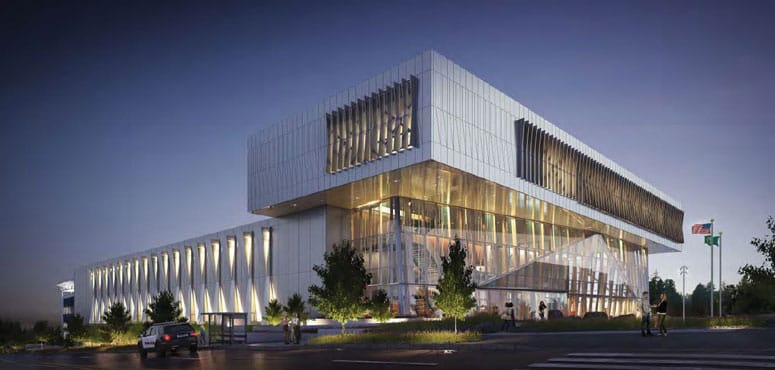
The Seattle police are in the news again. This time for a lavish new $160 million North Precinct building that The Seattle Times’ Brier Dudley claims is the most expensive precinct building in United States history. The epic structure contains a 106,082-square-foot precinct house straddling a 241,
Ballard has increasingly become a major nightlife area and employment destination in Northwest Seattle. And with that, demand for access to the area has resulted in serious pain points for local residents. On-street parking has become a pretty hot button issue throughout the neighborhood as shortages have risen block
Last October, The Seattle Times editorial board claimed that taking over Pronto Cycle Share would be fiscally irresponsible, arguing that: “Trying to turn the bikeshare system from an amenity into a form of mass transit is a lofty goal, but it would not be the best use of limited dollars.
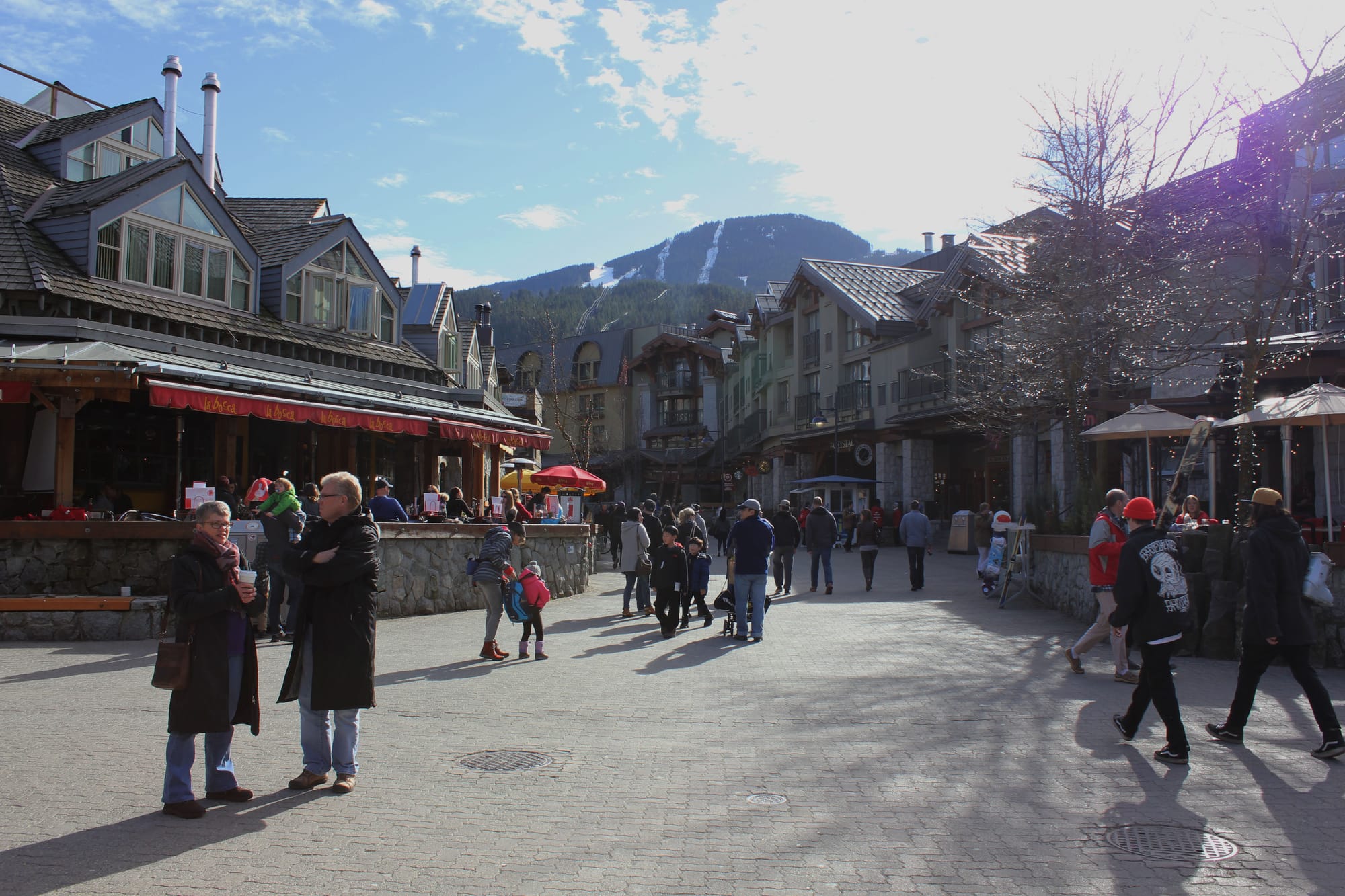
“The trust of a city street is formed over time from many, many little public sidewalk contacts” ―Jane Jacobs, The Death and Life of Great American Cities, 1961― Whistler is home to almost 10,000 residents, however, with a capacity to provide overnight accommodation to an additional 35,000 people,
The Seattle Department of Transportation (SDOT) and King County Metro (Metro) announced today the start of the construction phase of the Westlake Transit Improvement project, as we previously covered. Beginning on January 4, 2016 through March 26, 2016, service on the South Lake Union Streetcar will be severely curtailed in
The recent explosive residential and commercial growth in South Lake Union has caused the City of Seattle and the Seattle Department of Transportation (SDOT) to re-evaluate transit access and reliability along the Westlake Avenue corridor. As there is no more room to add streets, the only viable solution is
Seattle takes a very data-driven approach to paid parking rates and restrictions throughout the city. Each year, the Seattle Department of Transportation (SDOT) conducts a series of detailed parking studies wherever paid parking is in effect and makes adjustments accordingly. New rates and regulations are determined in the summer
Seth Goodman of Reinventing Parking shared some nuanced perspectives on the negative social, economic, and environmental impacts of off-street parking requirements in article yesterday. Backing up those perspectives up, Goodman provided two very useful diagrams to show how off-street parking requirements build cost into development and at what