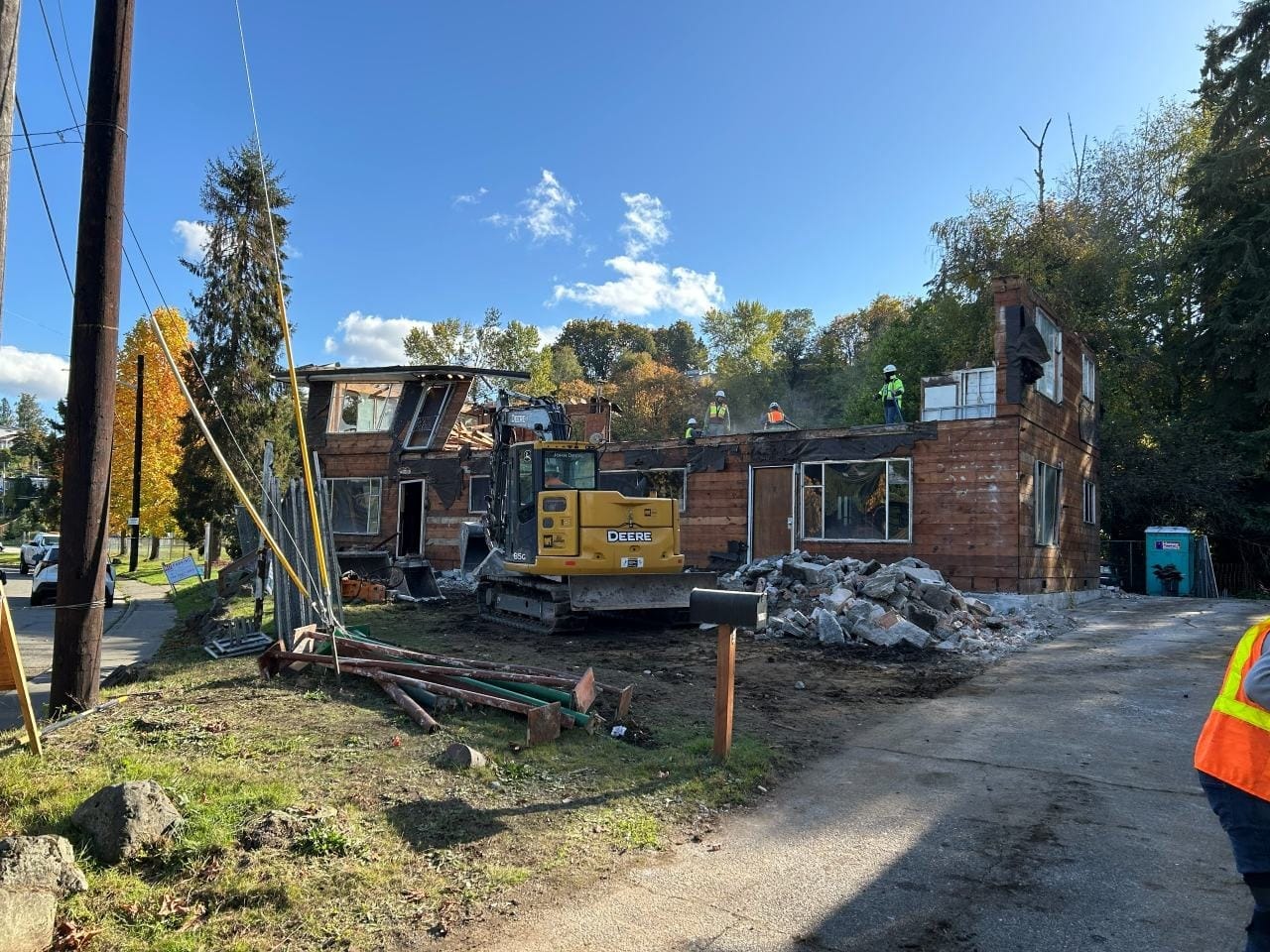
Deconstruction Is a Key Frontier for Climate Action in Seattle
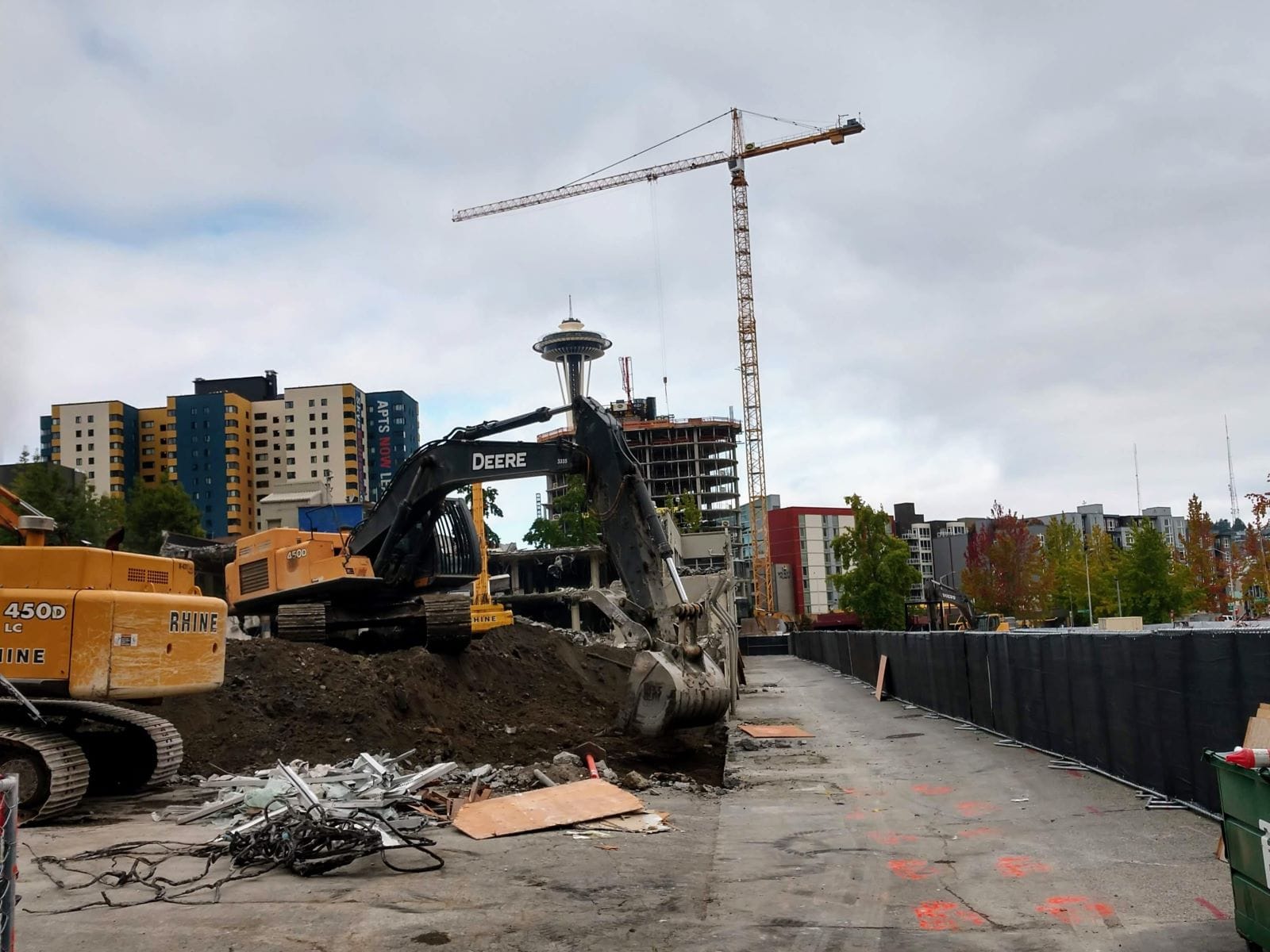
As Seattle seeks to reduce waste and spur a local circular economy, a big opportunity for impact is found when buildings come down.
As Seattle seeks to reduce waste and spur a local circular economy, a big opportunity for impact is found when buildings come down.

After many housing advocates feared the idea of a temporary break on Mandatory Housing Affordability fees was dead, Foster's proposal could be approved by early next year. It includes an 80% discount for vested projects, and a 60% break for new projects that include more family-sized units.
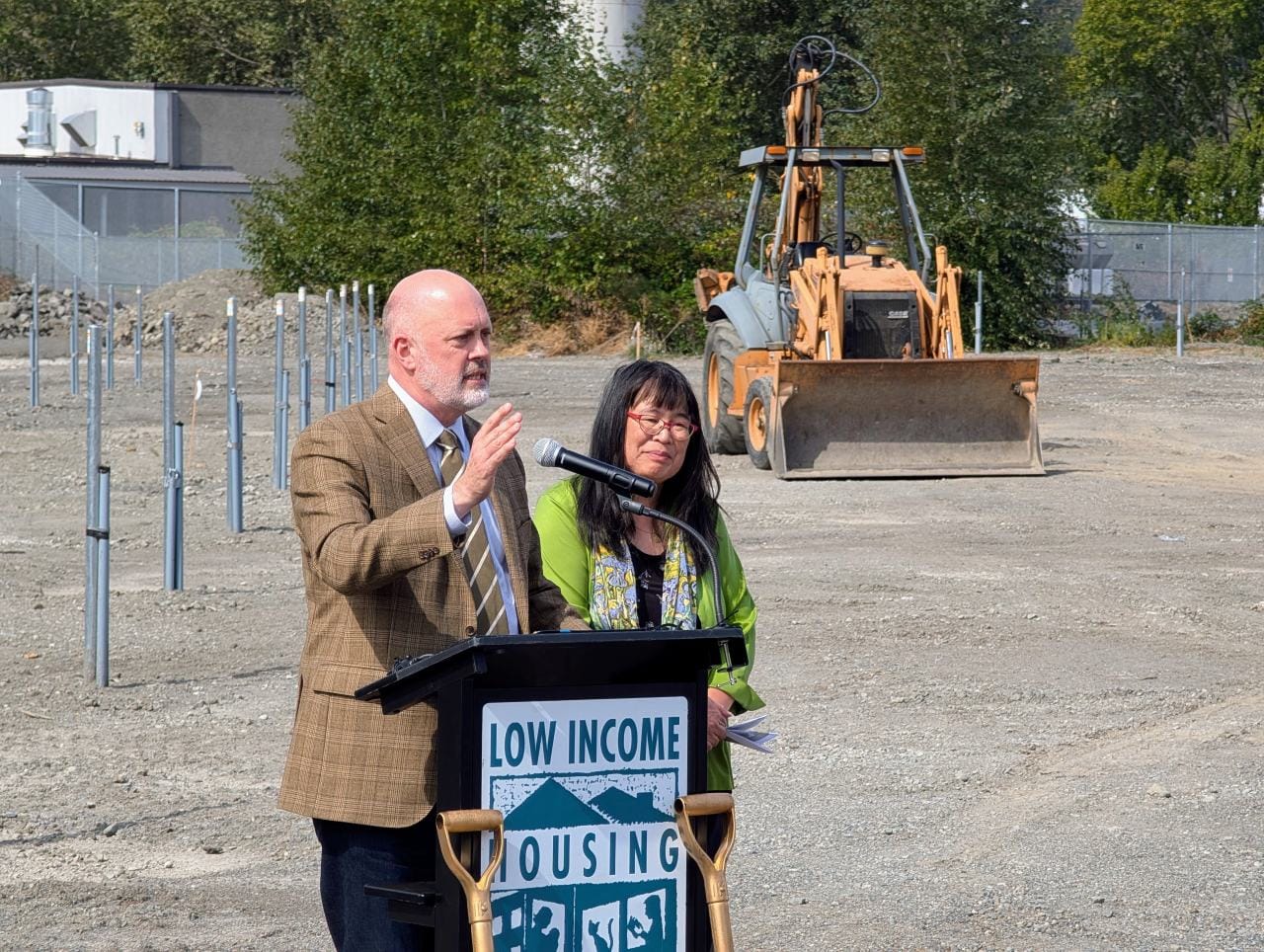
A RV safe lot between South Park and West Seattle is expected to serve 140 currently people currently living on the street once it opens in November. Councilmember Bob Kettle and other officials spoke to the importance of the project at a recent ceremony.
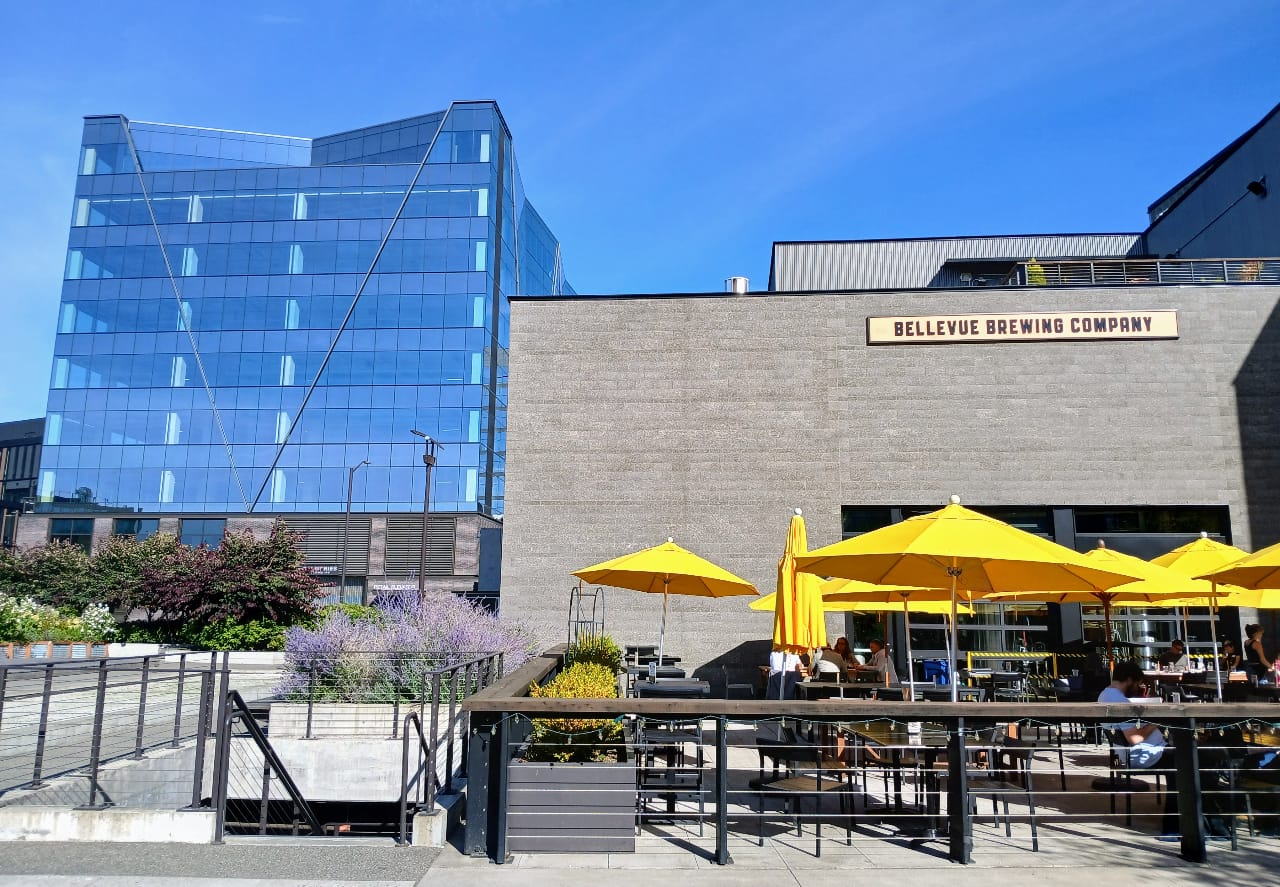
While Bellevue leaders are clearly not ready to fully ditch parking mandates, as many Washington cities have done, there is a push to consider going further than a new state-mandated baseline. But ahead of an October 20 vote, that is far from a sure thing.
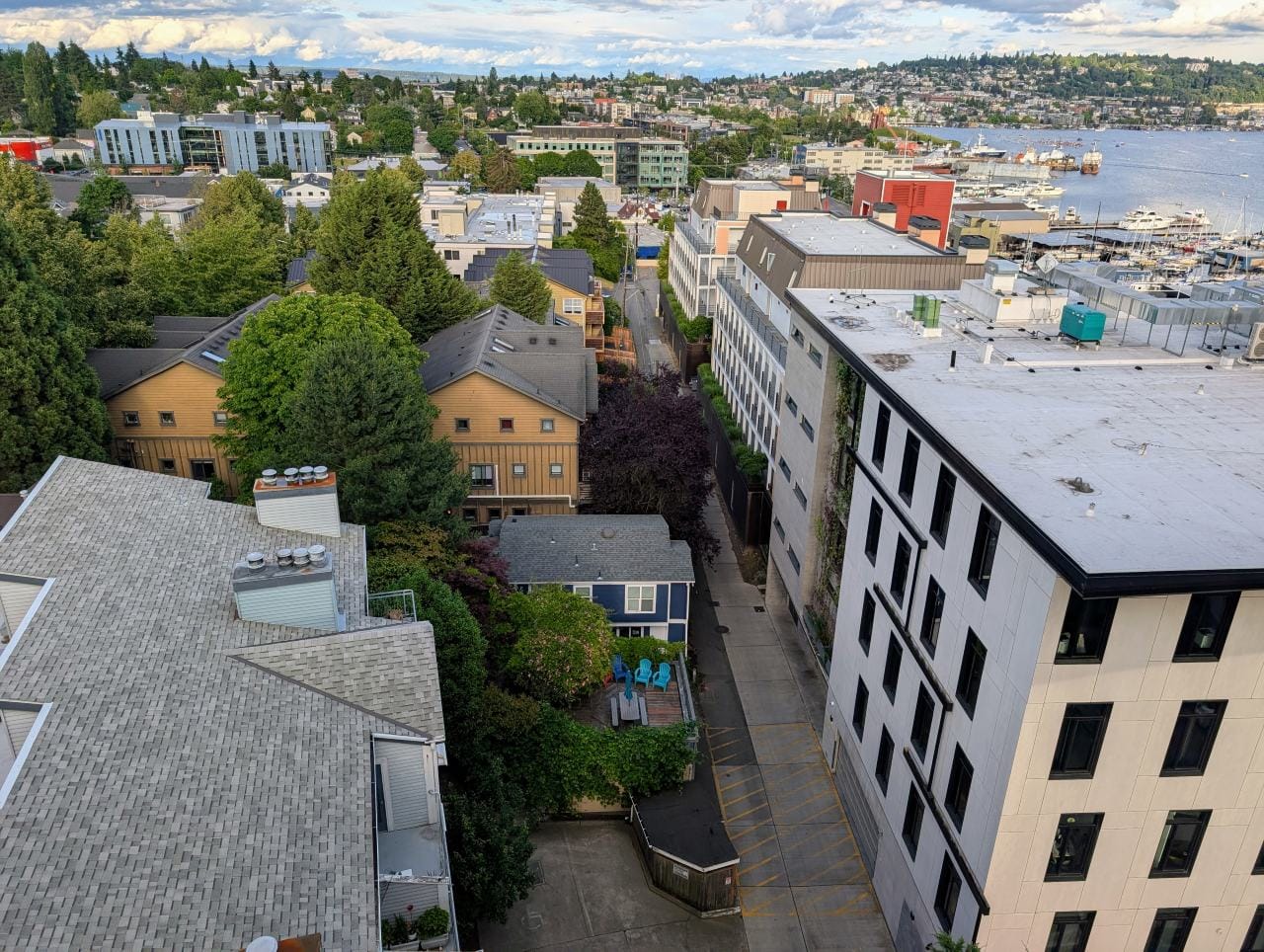
Housing growth and tree canopy growth can go hand in hand. In fact, a closer look at Seattle's recent history shows they often do. Here's how to build on that trend.
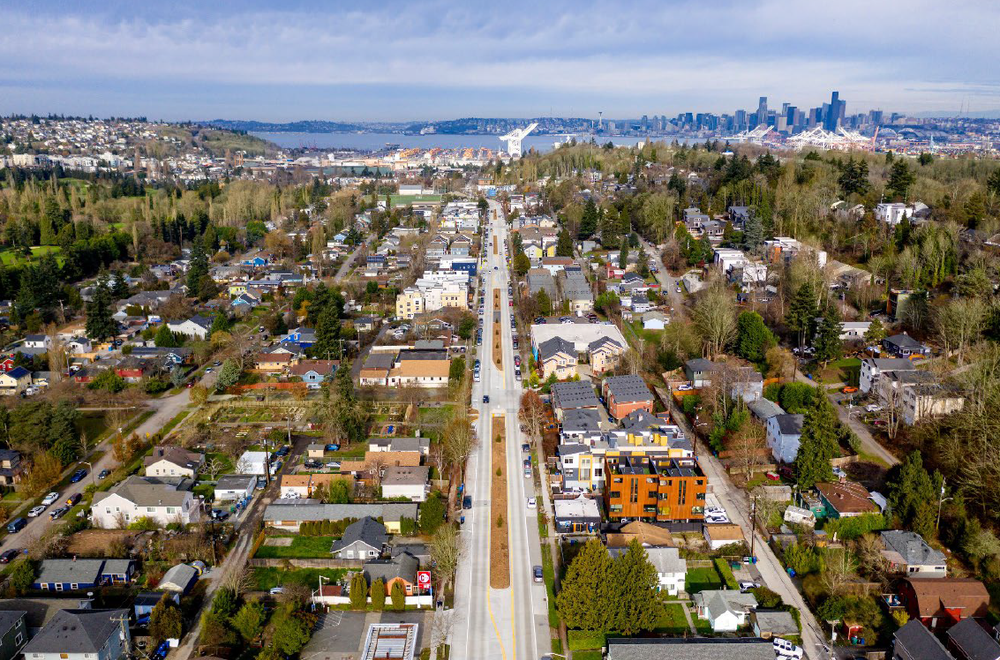
The Growth Management Hearings Board did find Seattle's environmental review inadequate in its scope, giving the City a year to study additional units initially left out of analysis. But the board tossed out arguments that the impacts on tree canopy and marine habitat weren't adequately studied.
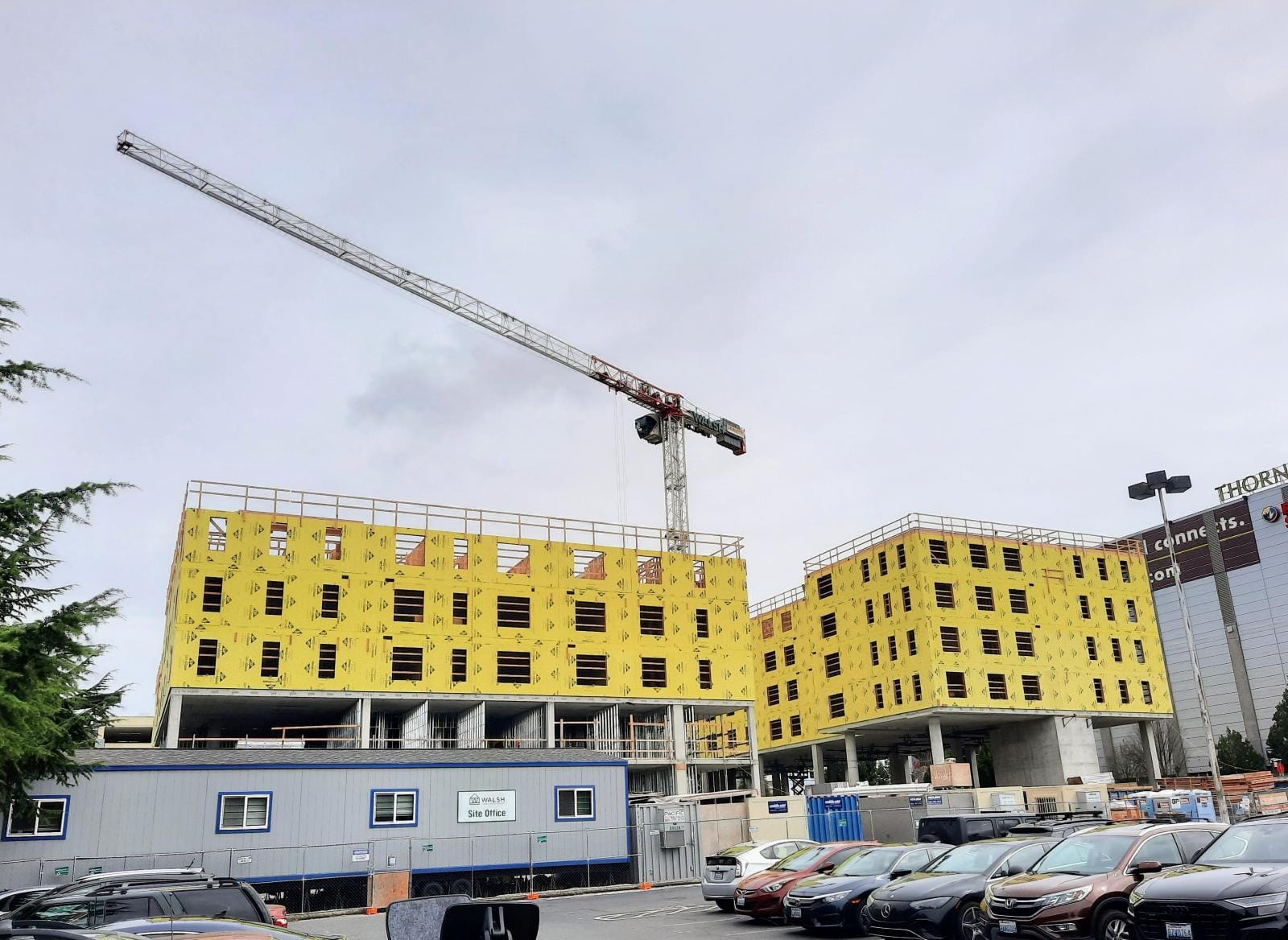
U.S. Congress passed a major update to federal housing policy in July that builders say could provide a major boost to production. But much rides on implementation and additional funding, as industry experts laid out at a recent panel.
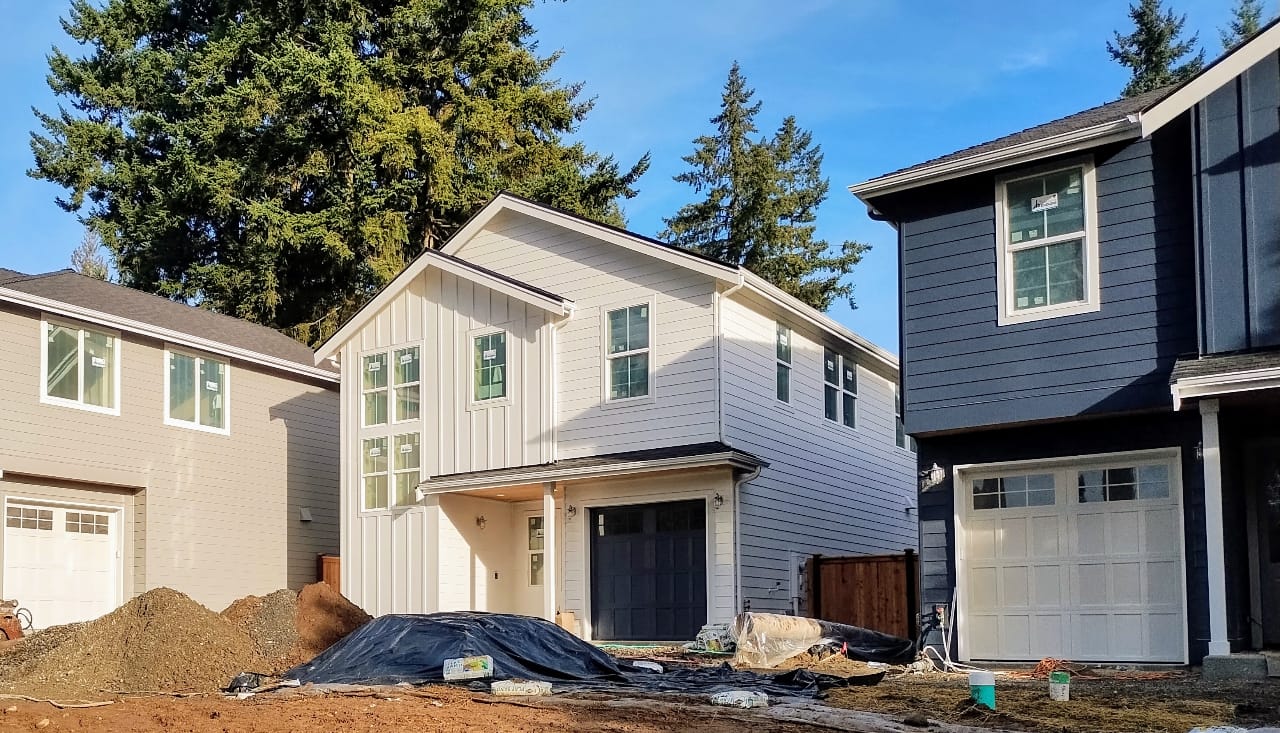
New requirements taking effect in January will add a new $15 per-square-foot fee to housing units over 2,000 square feet. A move to raise that threshold to 2,500, intended to encourage more development, failed 3-4 last week in a vote that could signal deeper divisions on Kirkland's Council.

Seattle reformed SEPA land use appeals, but more work remains to clear obstacles at the project level. Patrick Taylor lays out some further reforms for state legislators to pursue.
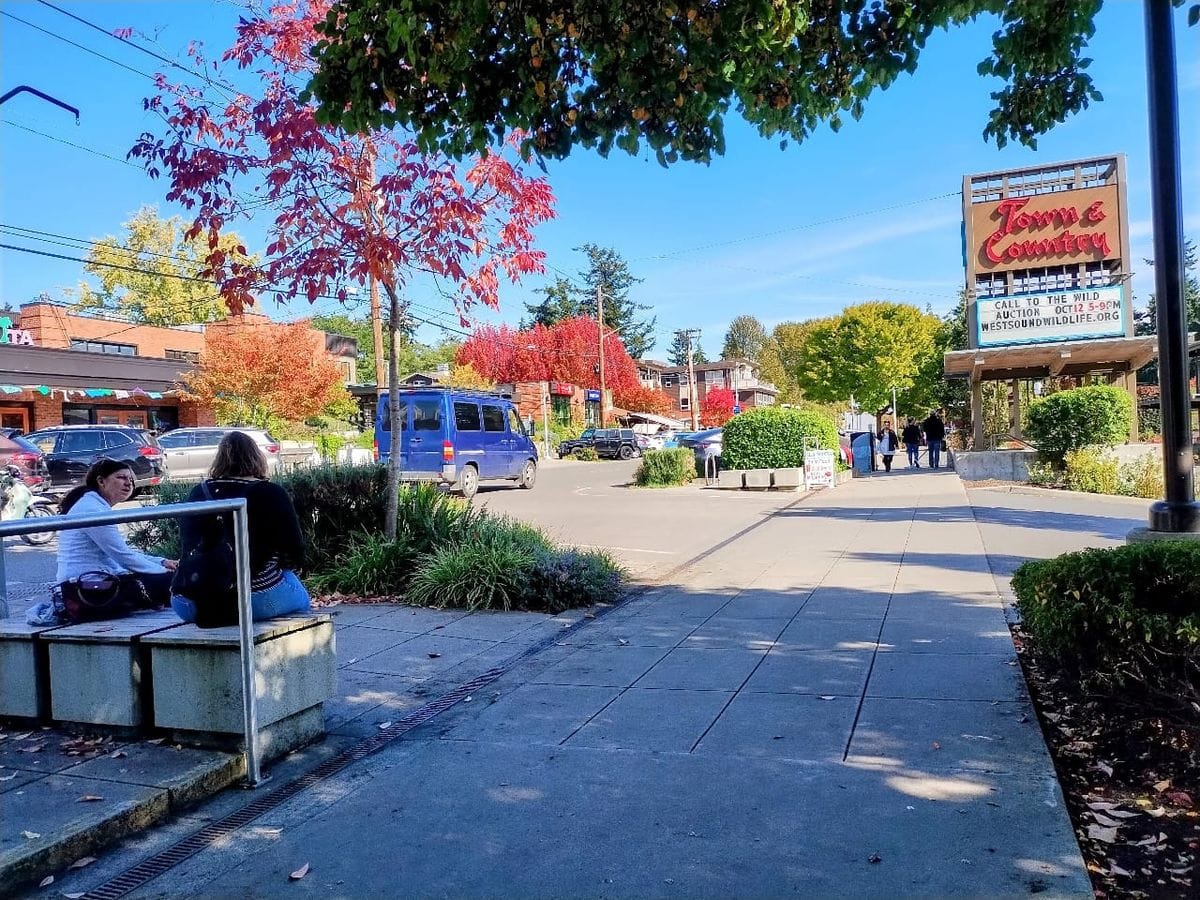
The interim ordinance was adopted just one day before Bainbridge Island would have been required to permit development of any size that met certain affordability requirements. Now the Council will turn its attention to permanent regulations that will likely scale back these capacity increases.
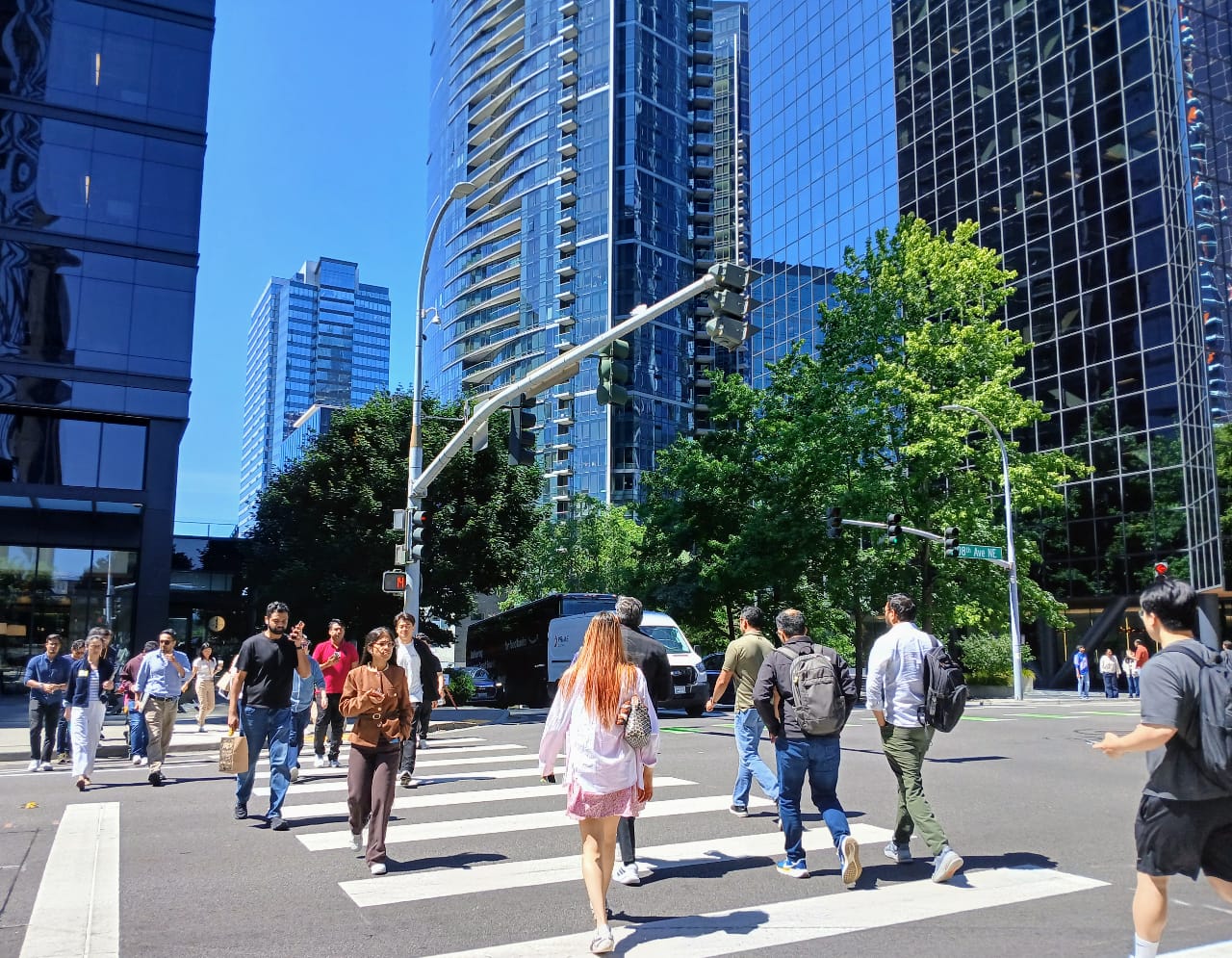
In the first six months of 2026, Bellevue saw at least 1,585 new multifamily units enter the pipeline, compared to just 1,137 housing units in Seattle. The numbers illustrate Bellevue's success in spurring development... and Seattle's continued slump.
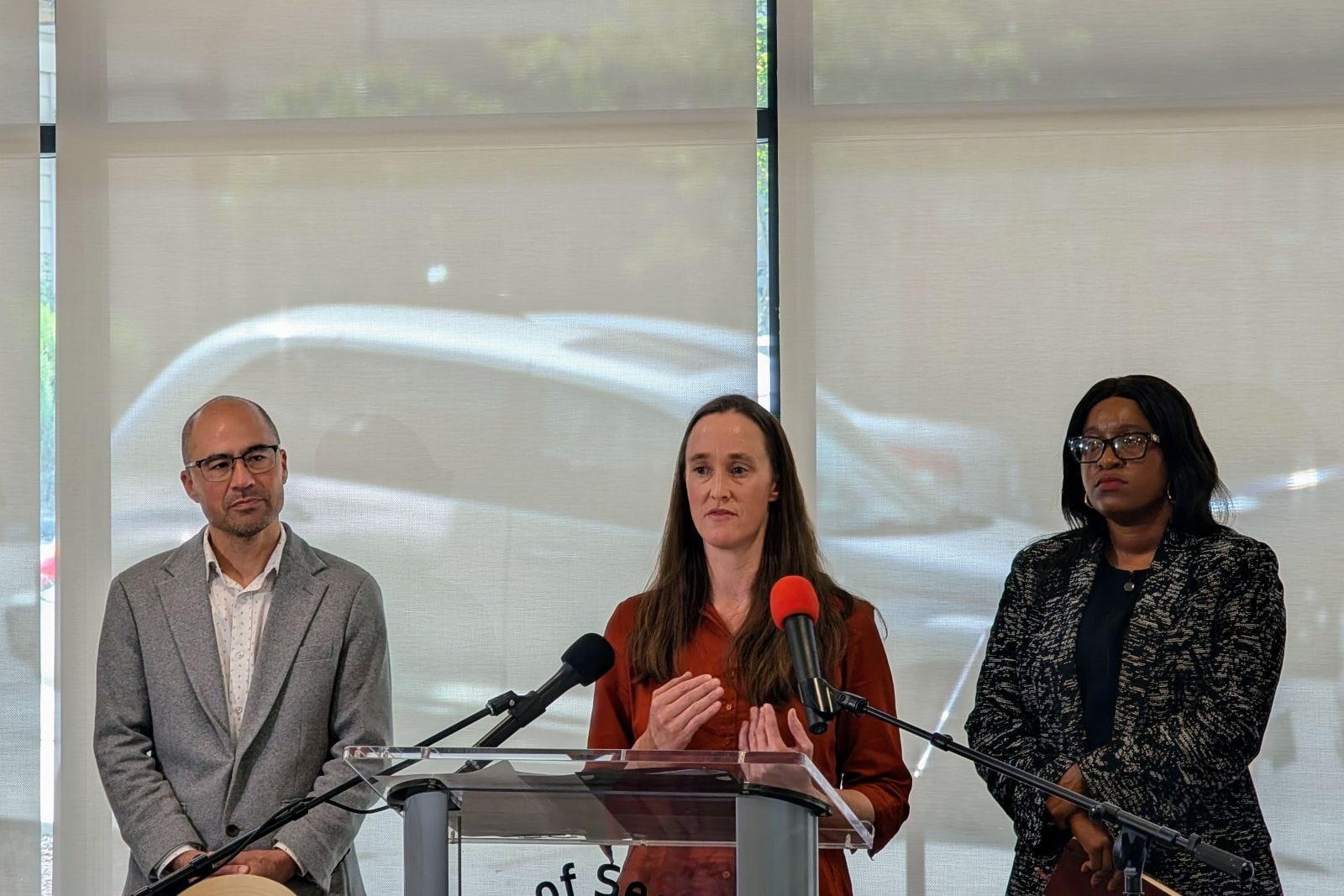
A new Seattle task force was born Wednesday. Mayor Katie Wilson chartered the group to advise her housing agenda, looking for ways to streamline permitting and boost housing production over the long term.
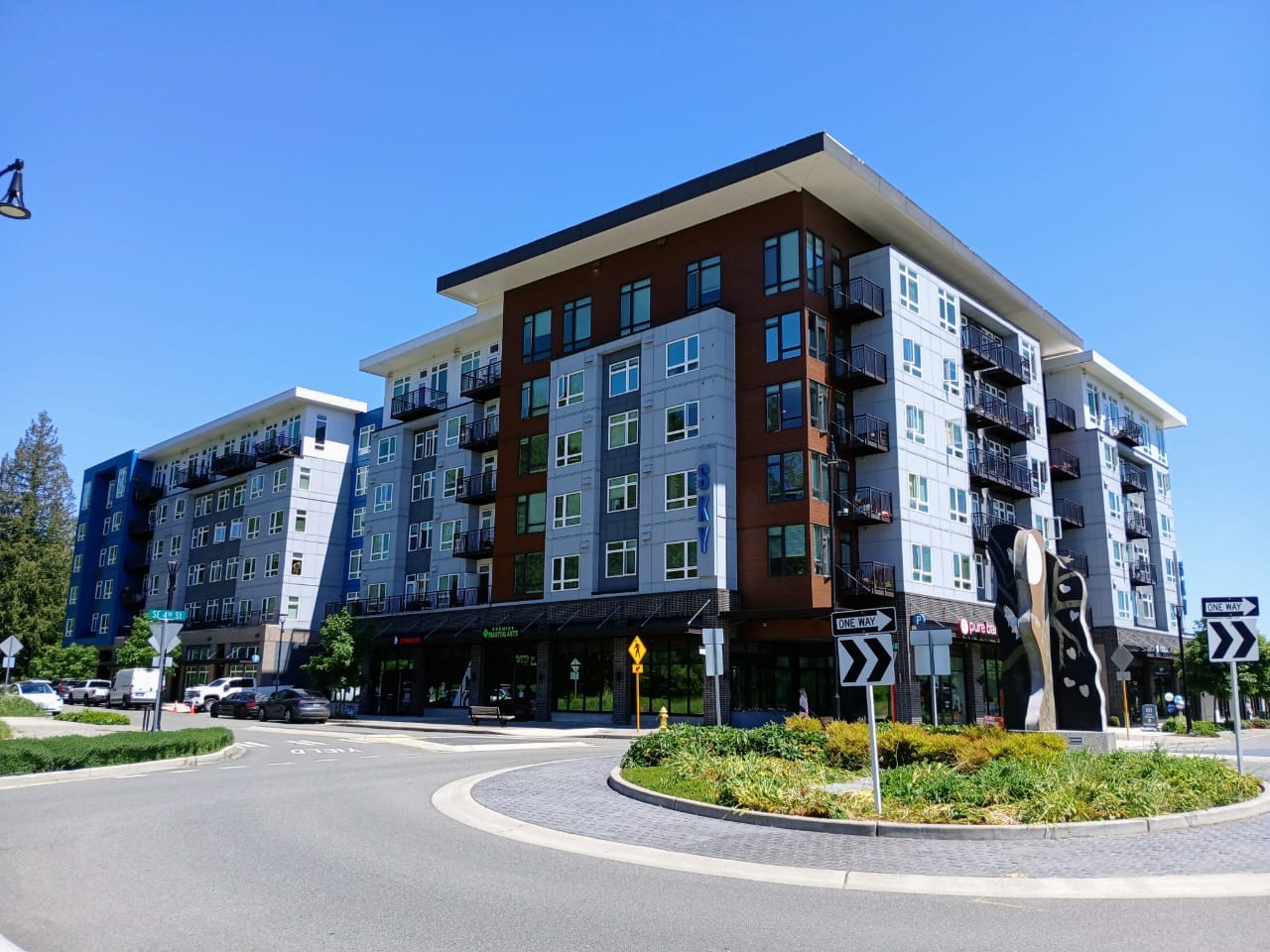
As a city of 70,000 residents, Sammamish has a dearth of commercial space, and its long-planned Town Center remains half-finished. This fall, the council will decide whether to fully pivot away from that plan and distribute housing capacity to other areas.
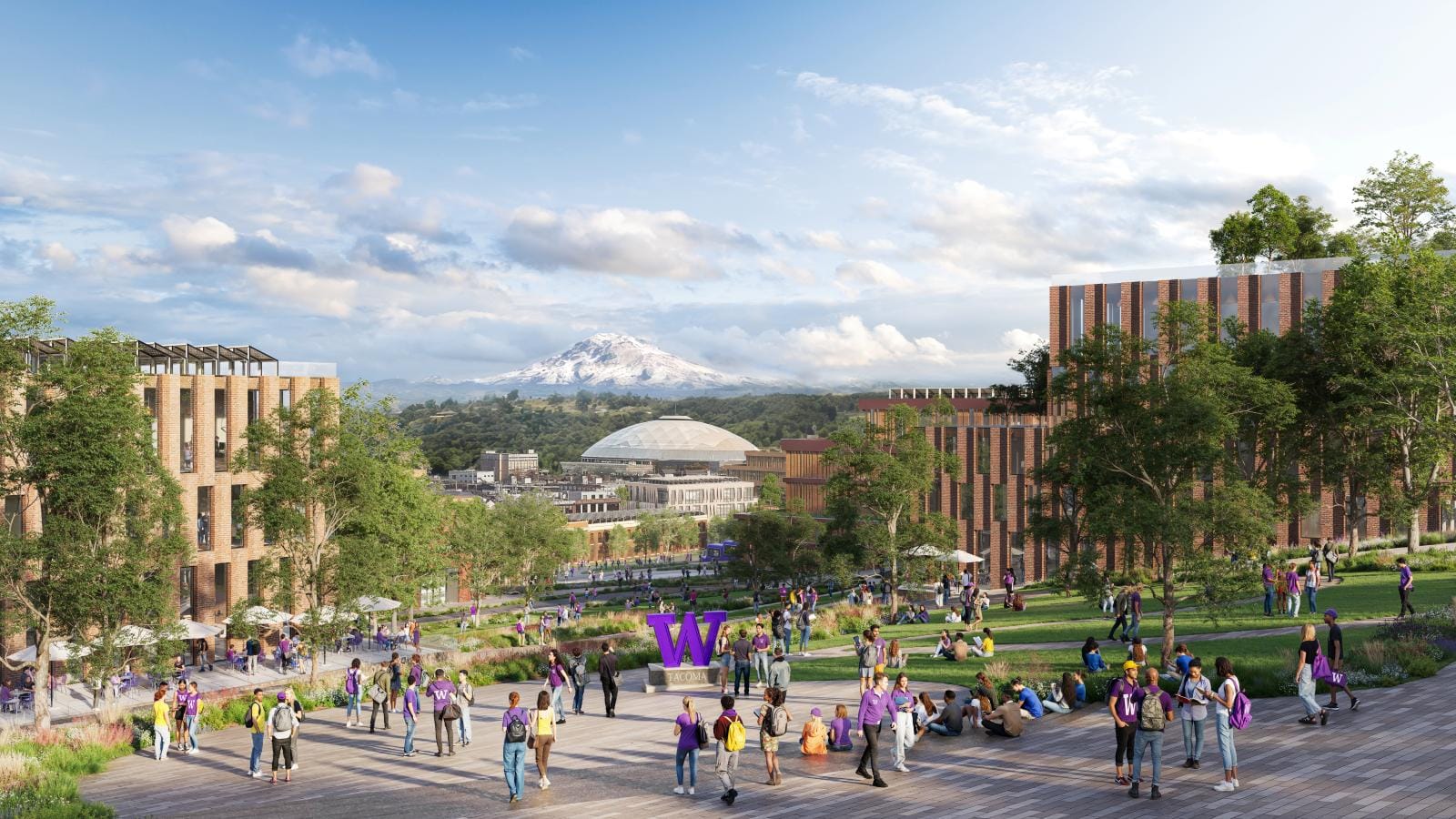
The university’s planned campus design overhaul includes more community-focused green space, space for 5,000 more students, and a residence hall at the heart of campus in downtown Tacoma.
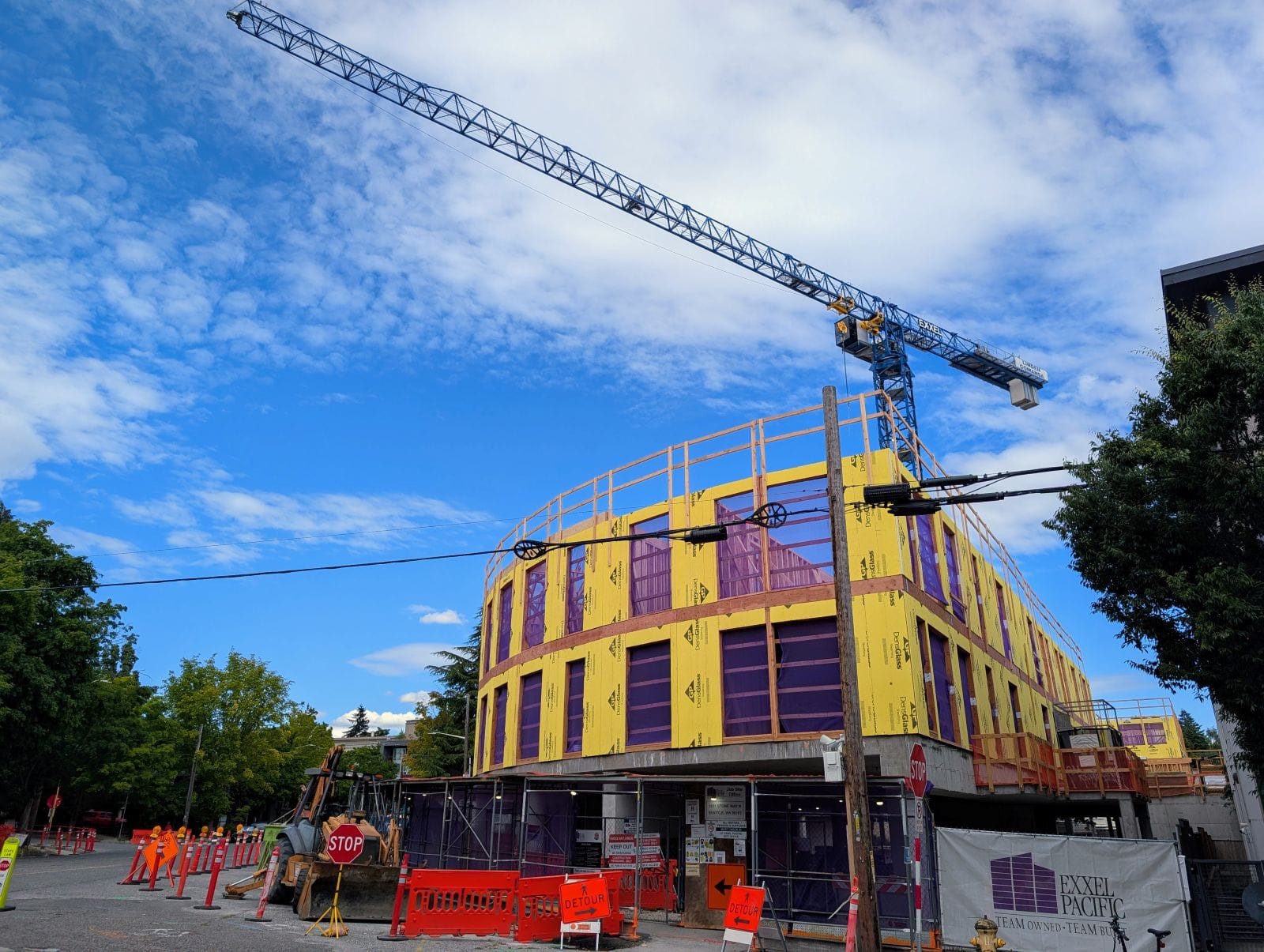
While a tabled effort to reform Mandatory Housing Affordability fees has stolen the limelight lately, reforming utility fees to ease the burden on builders would have the larger stimulus on homebuilding. Parker Dawson lays out why.
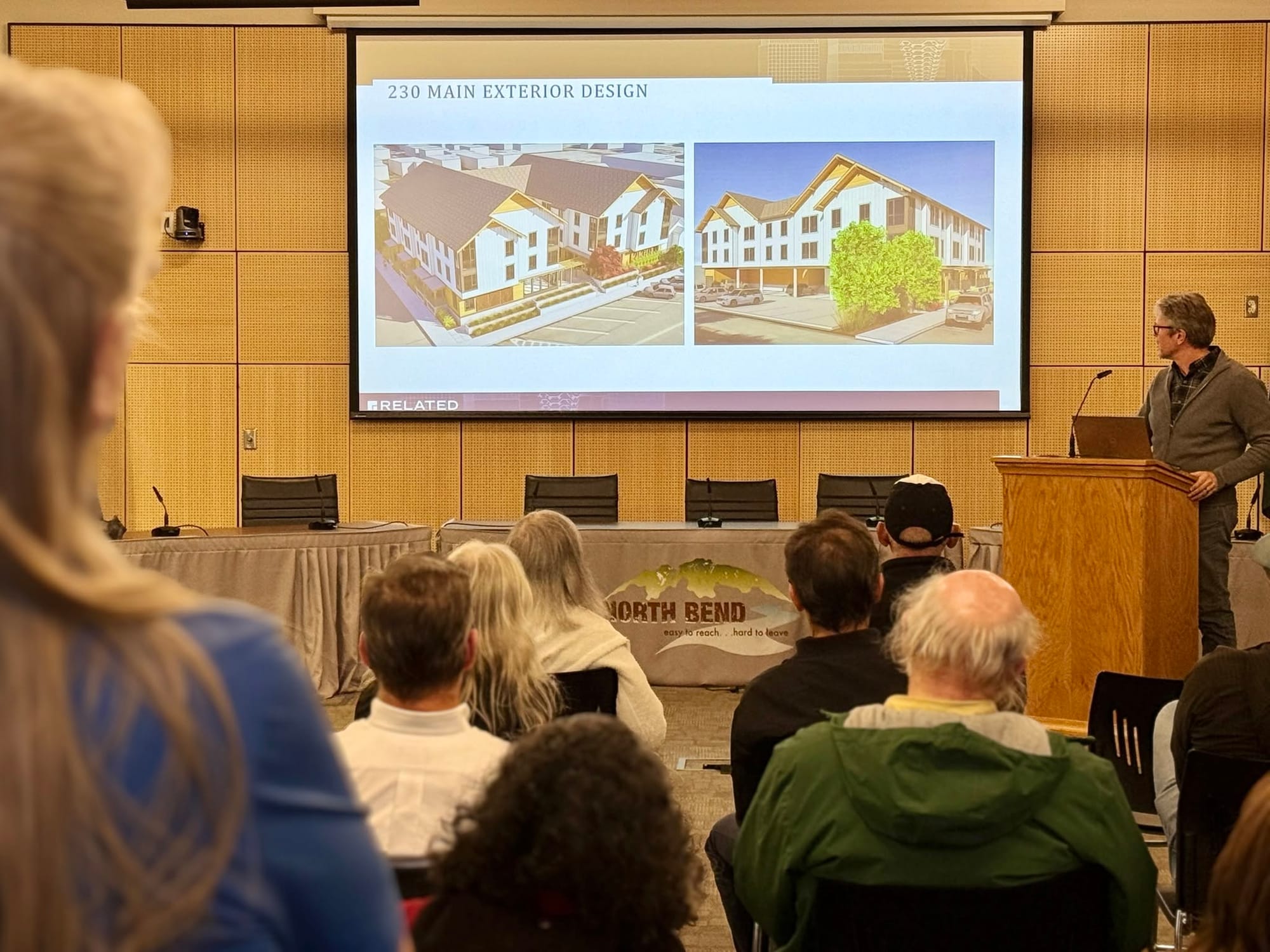
Just months after touting the idea of building 40 affordable units in downtown North Bend, City officials quietly pulled the plug. While a lack of financing is being blamed for the project's collapse, opposition to density and parking worries clearly played a major role as well.
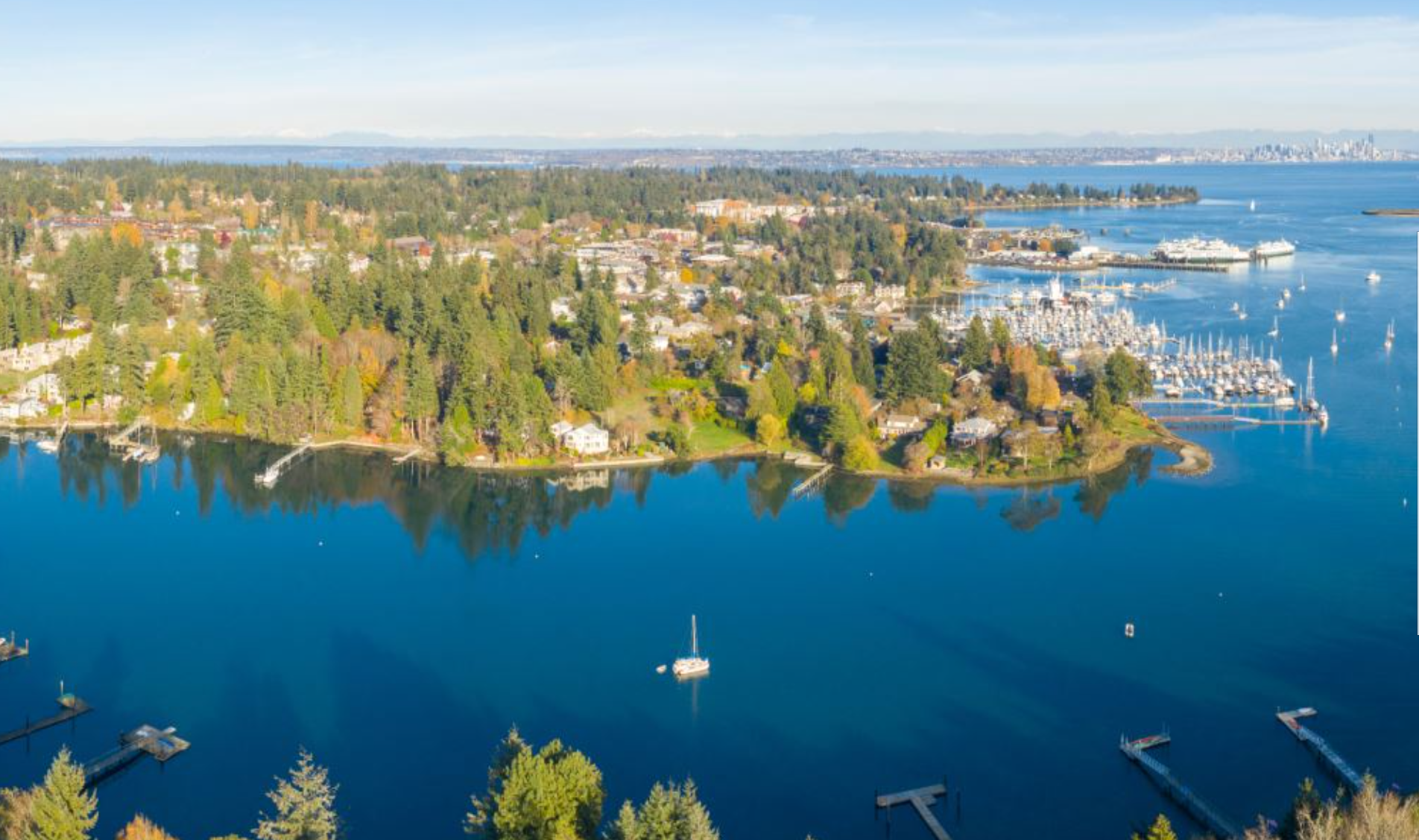
After the state's Commerce Department signaled it won't give the city any more leeway, the Bainbridge Council voted 6-1 to advance interim development regulations that will modestly upzone Winslow with the aim of getting into compliance with the Growth Management Act.
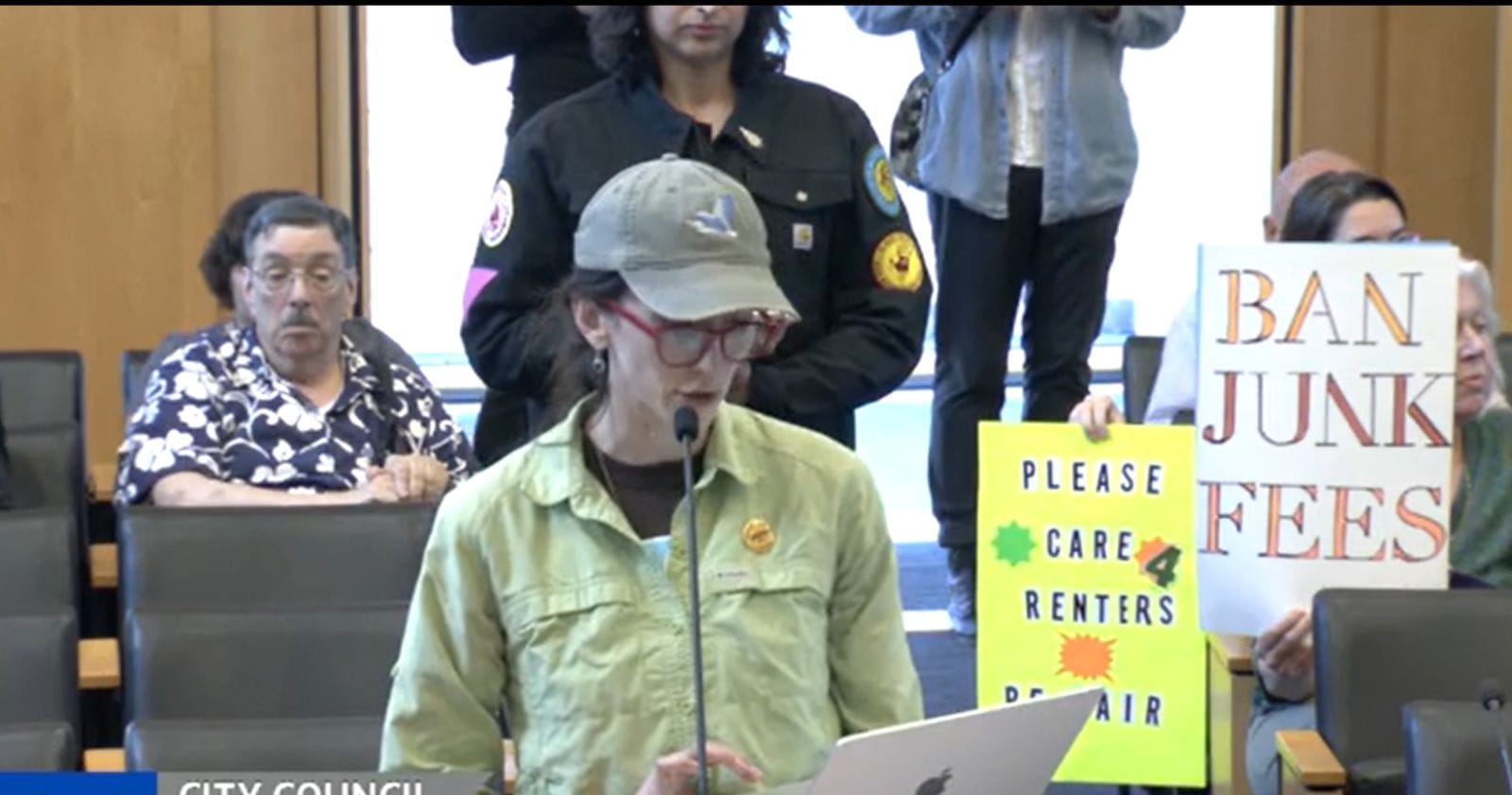
In a 8-0 vote Tuesday, the Seattle City Council approved a ban on rental junk fees like pet rent. Mayor Katie Wilson celebrated passage as part of her affordability agenda.
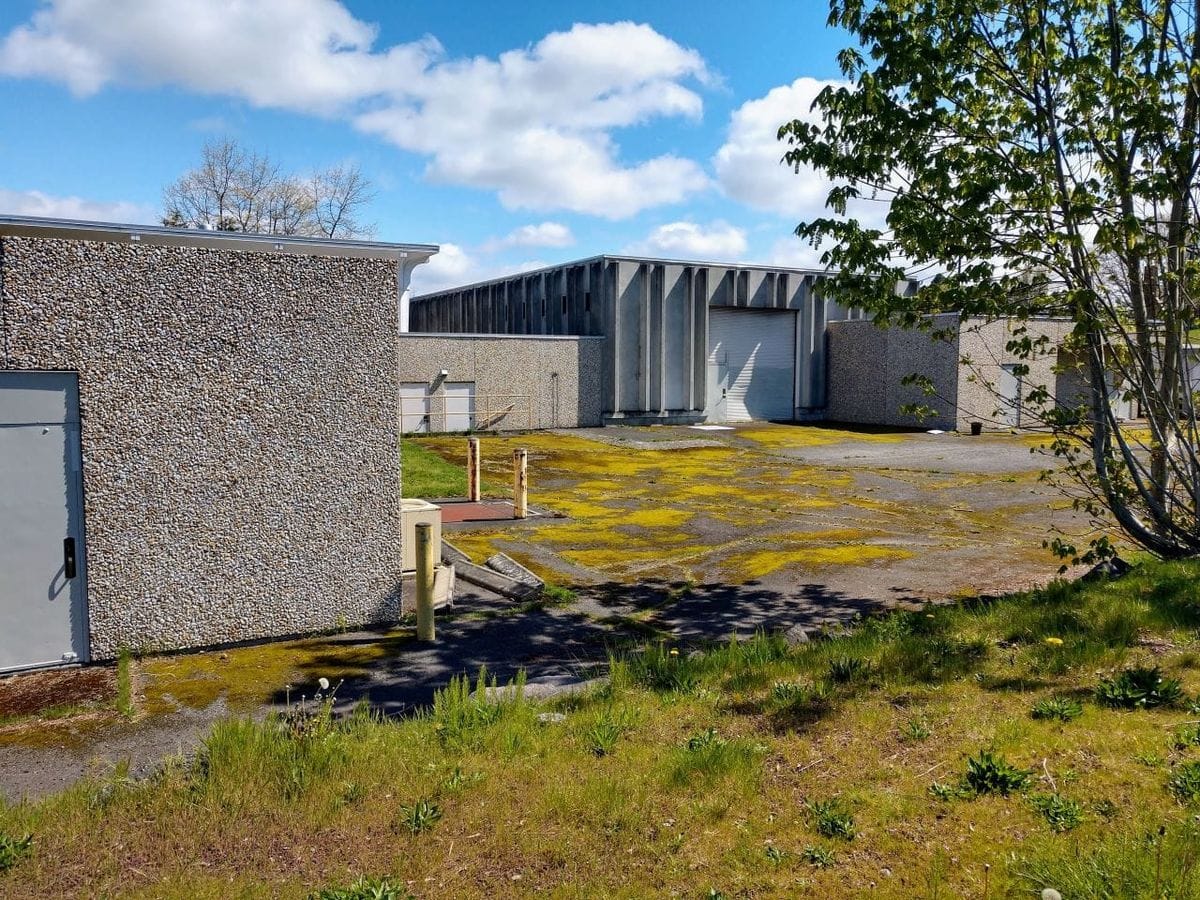
Another environmental analysis of the longstanding Fort Lawton housing plan tees up another public hearing at the end of this month. Some worry that the State Environmental Policy Act is leading to an endless loop of study on projects like this one.

Getting to the point of construction on 154 units next door to Issaquah Transit Center involved numerous hurdles city officials had to surmount since 2016. But now the saga is seen as a wake-up call within Issaquah when it comes to barriers to actually building housing near transit.
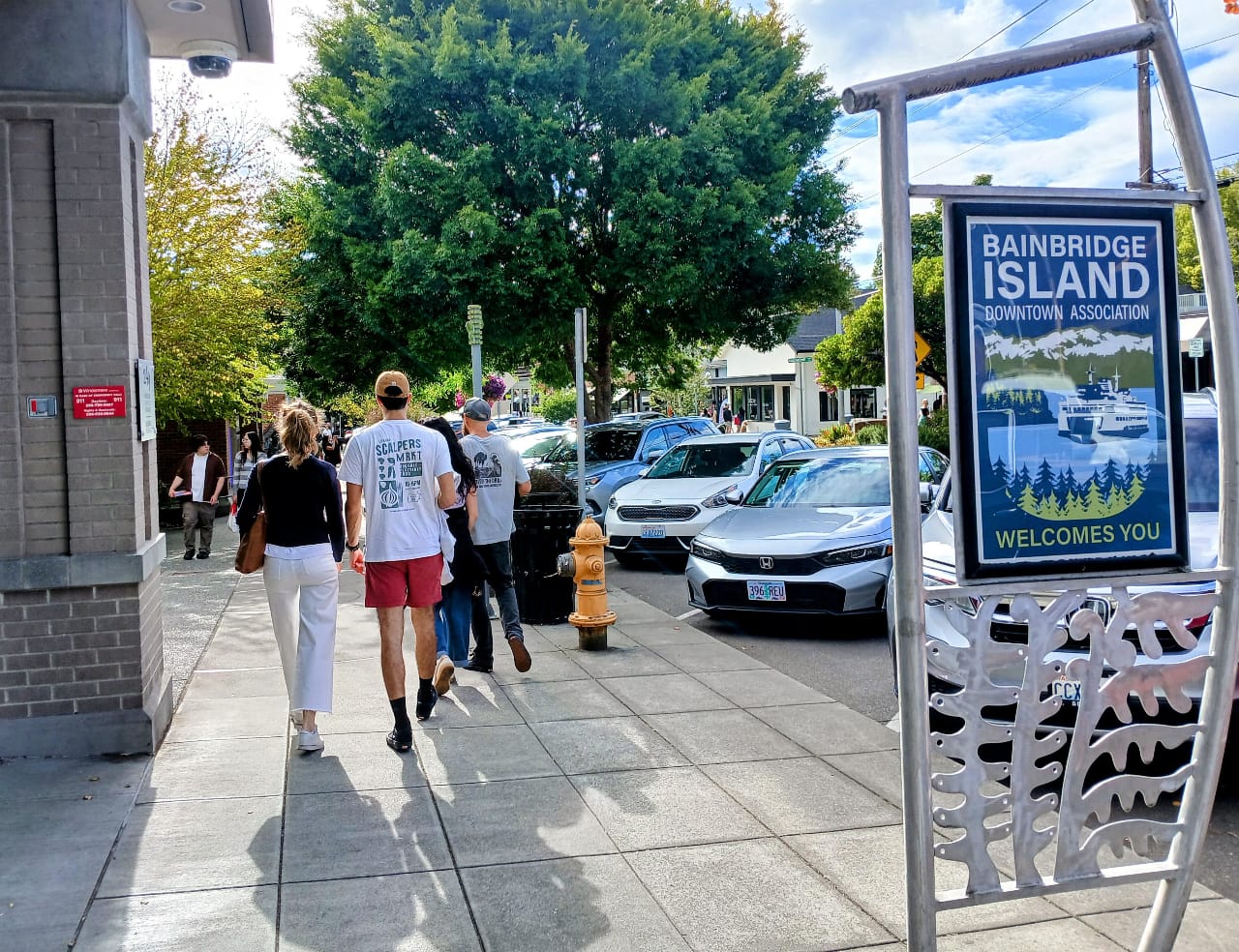
Without a state extension, Bainbridge Island is on track to be required to permit any housing project that meets certain affordability requirements, regardless of existing zoning, starting August 22. This accountability tool, known as the Builder's Remedy, has not yet been deployed in Washington.

The 5-4 vote means city-level appeals that have delayed significant citywide zoning changes in the past will instead be directed to Superior Court of a state growth hearings board. The proposal had prompted significant push back from density opponents across Seattle.
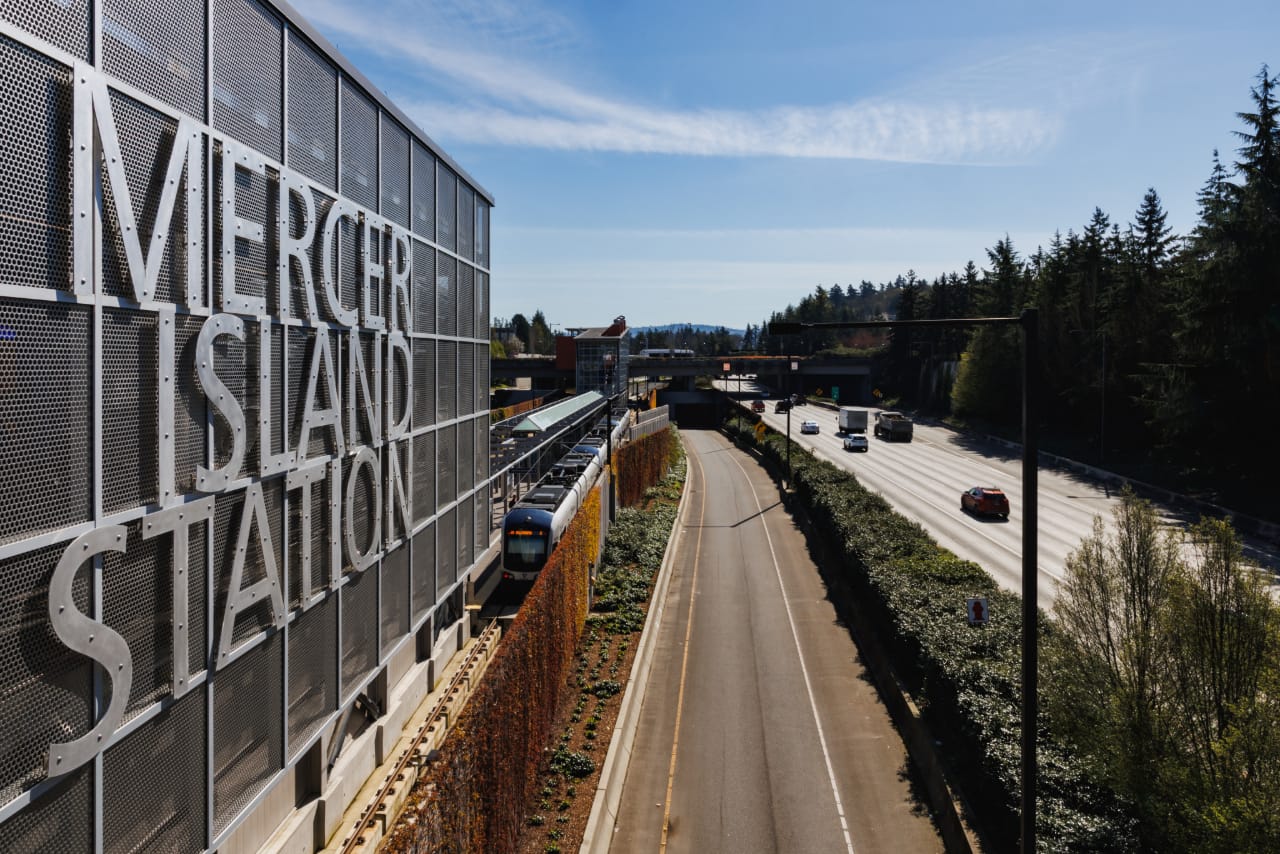
Days before a July 31 deadline, Mercer Island City Council adopted a framework responding to a 2025 ruling declaring its housing plans out of line with state law. The City has faced pushback over new provisions that will lower barriers to emergency and supportive housing in Mercer Island.
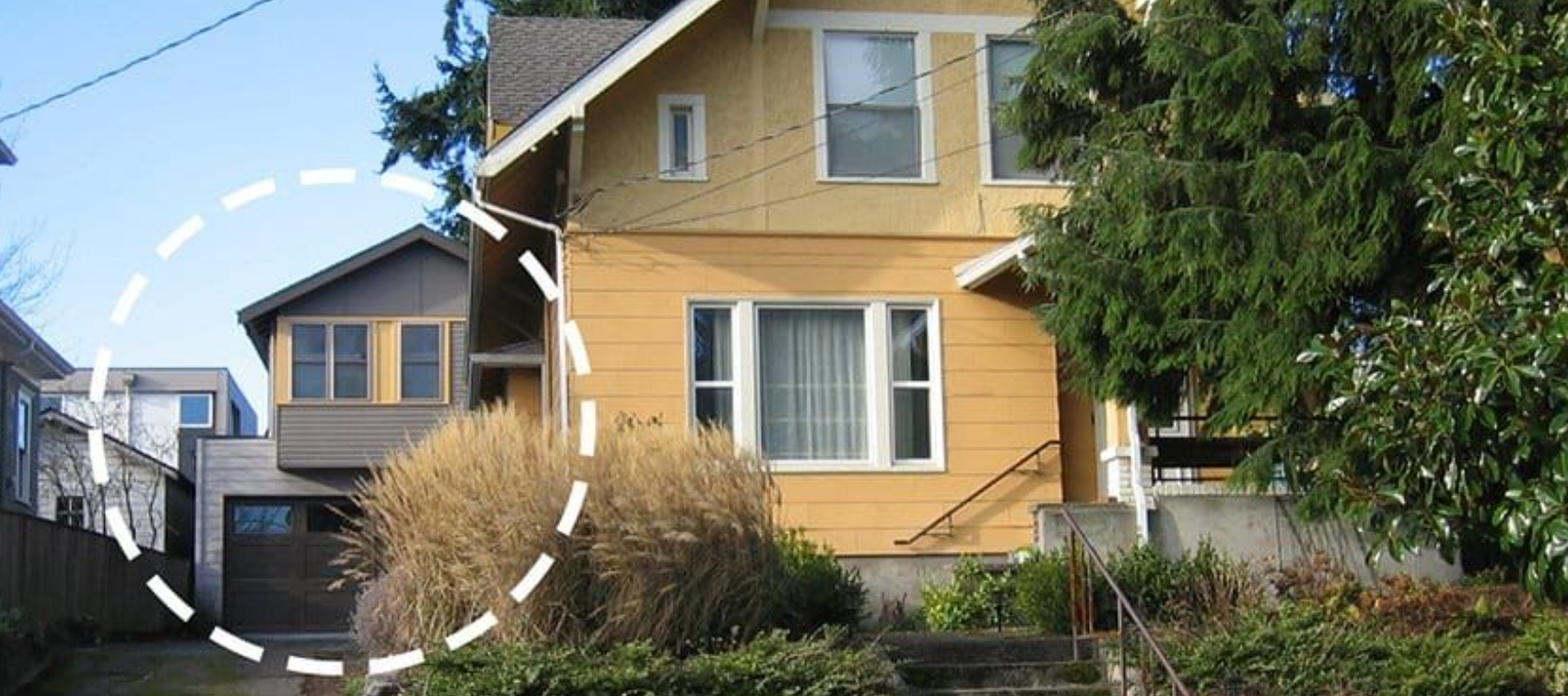
The Eastside city is the first to take advantage of a 2025 state law allowing cities to create a pathway for licensed architects to sign off on their own building plans. The program is intended to cut timelines to getting accessory dwelling units into construction.
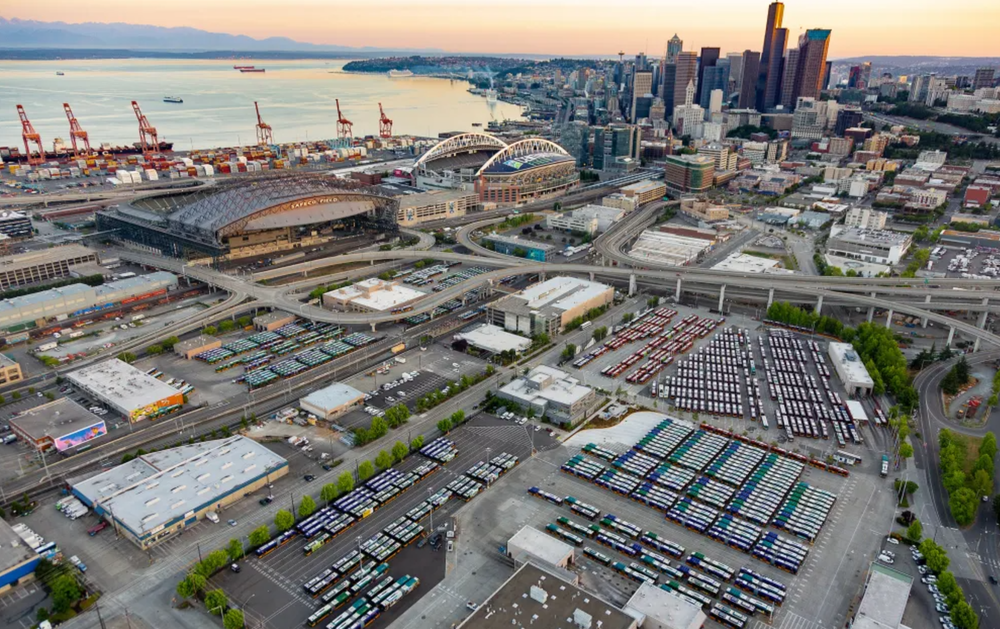
The City's hearing examiner granted the Port of Seattle intervenor status in a newly filed appeal seeking to keep the door open to housing in North SoDo, just as the two sides are poised to go head-to-head in the hearing room.

A 3-0 Land Use Committee vote sends Eddie Lin's proposal to close a commonly used avenue of growth plan appeals to a full Seattle City Council vote next week. The proposal has sparked opposition from many of the same groups that have used appeals to delay zoning changes in the past.
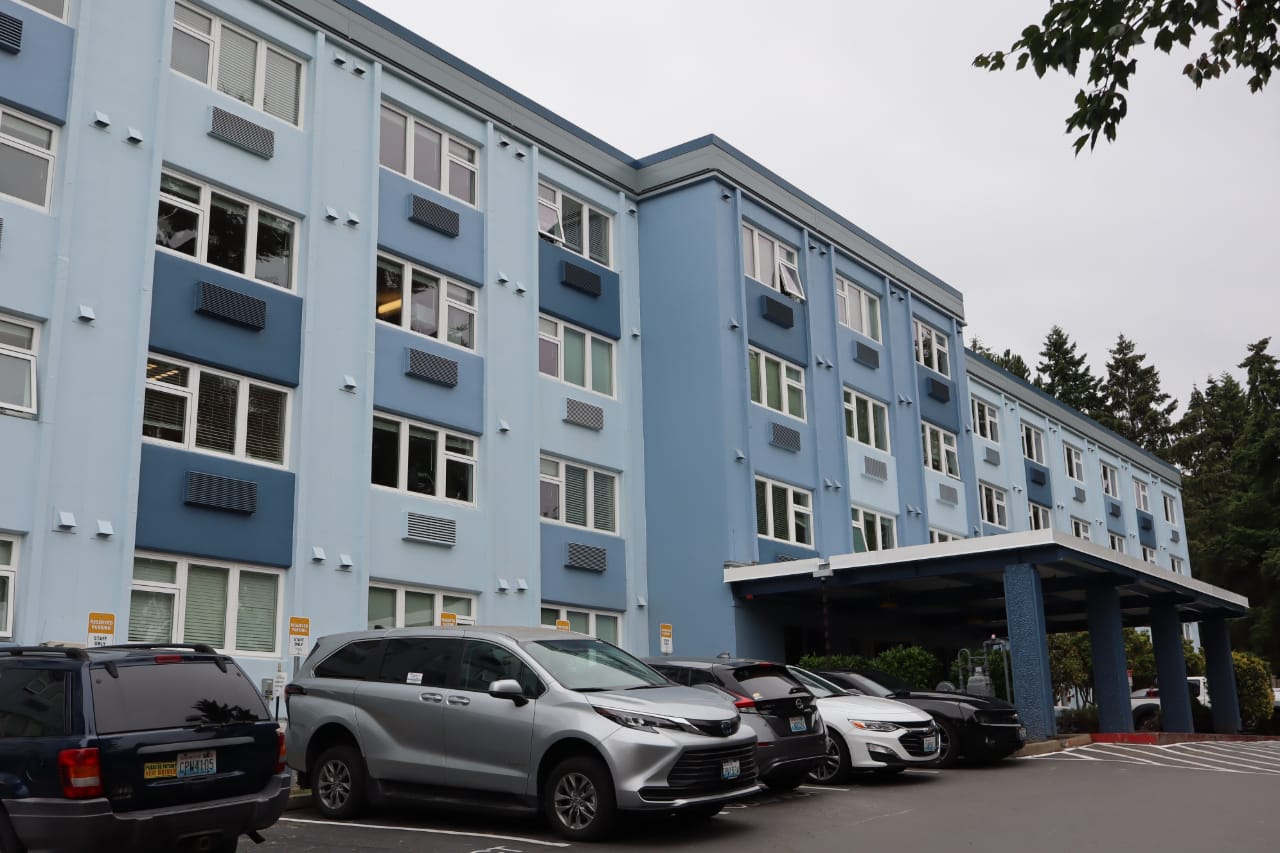
Kirkland's Sheila Stanton Place opened earlier this year with 101 units of permanent supportive housing. It marks King County's 15th Health Through Housing facility funded via a 2020 sales tax measure.
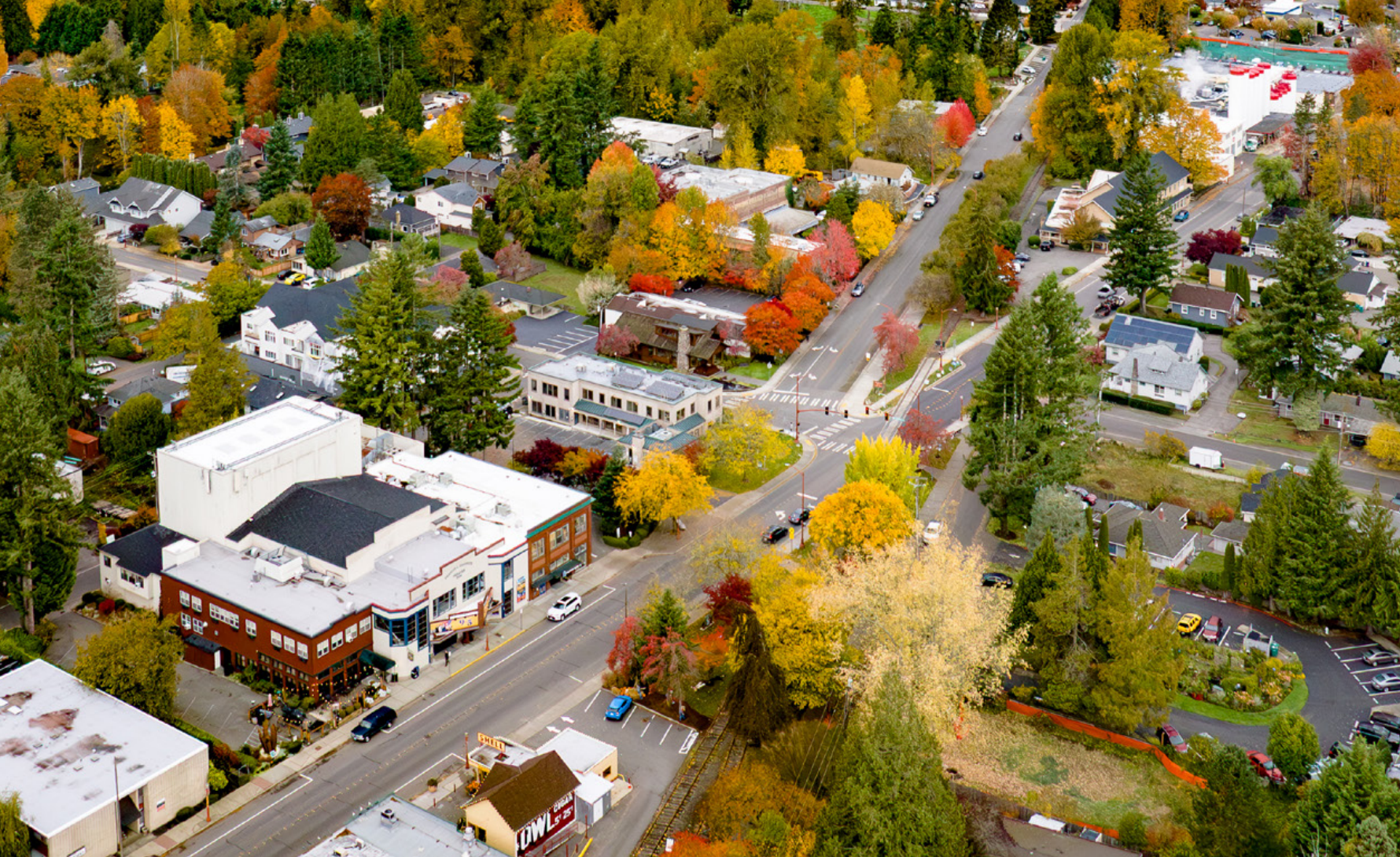
A bill scaling back building requirements for upper-level "stepbacks" and outdoor balconies was approved last week, but with two dissenting votes. In voting against, Councilmembers Kevin Nichols and Tola Marts cited the need to look at the full range of options for potential housing reforms.
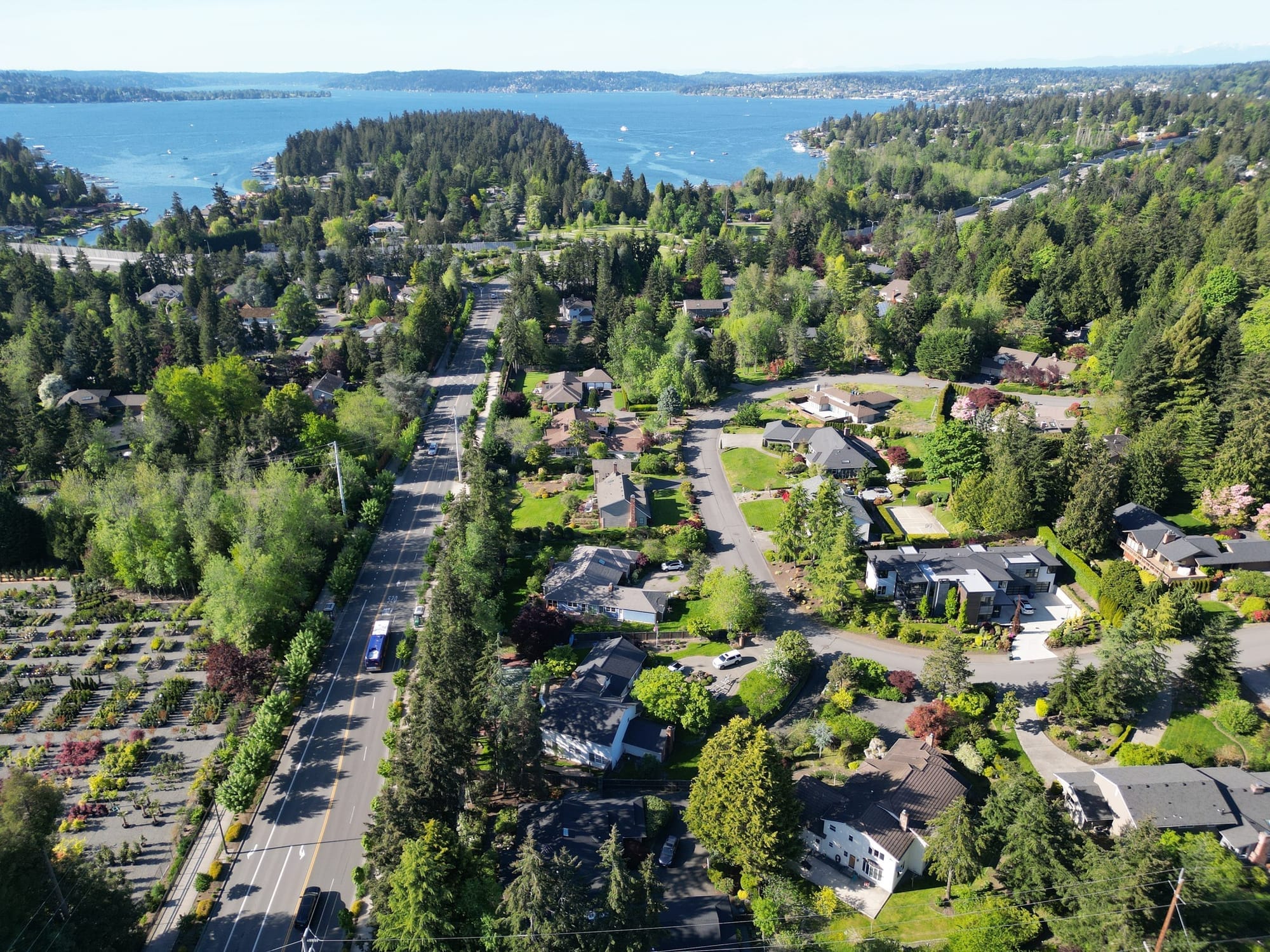
Clyde Hill voters are set to be asked to approve a 69% city property tax hike this November, to avoid municipal bankruptcy looming as soon as 2030. Without such a move, city officials say, Clyde Hill could cease to exist.
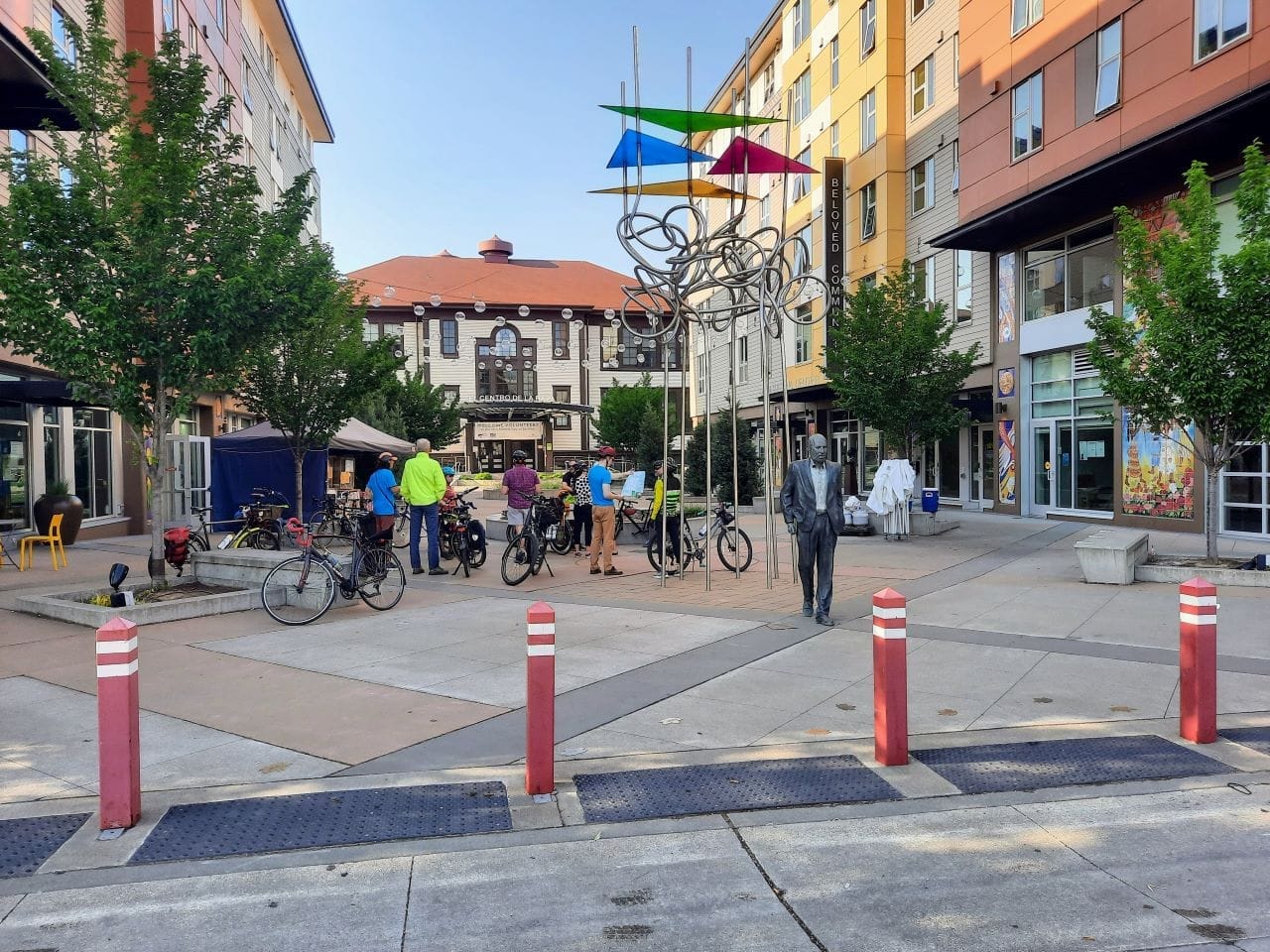
After some nonprofit builders objected, the Housing Development Consortium pulled their support for Seattle's "Housing Accelerator" pilot program built on temporarily reducing builder fees. This eroding of support led Mayor Katie Wilson to table the idea for now, pending more stakeholder work.
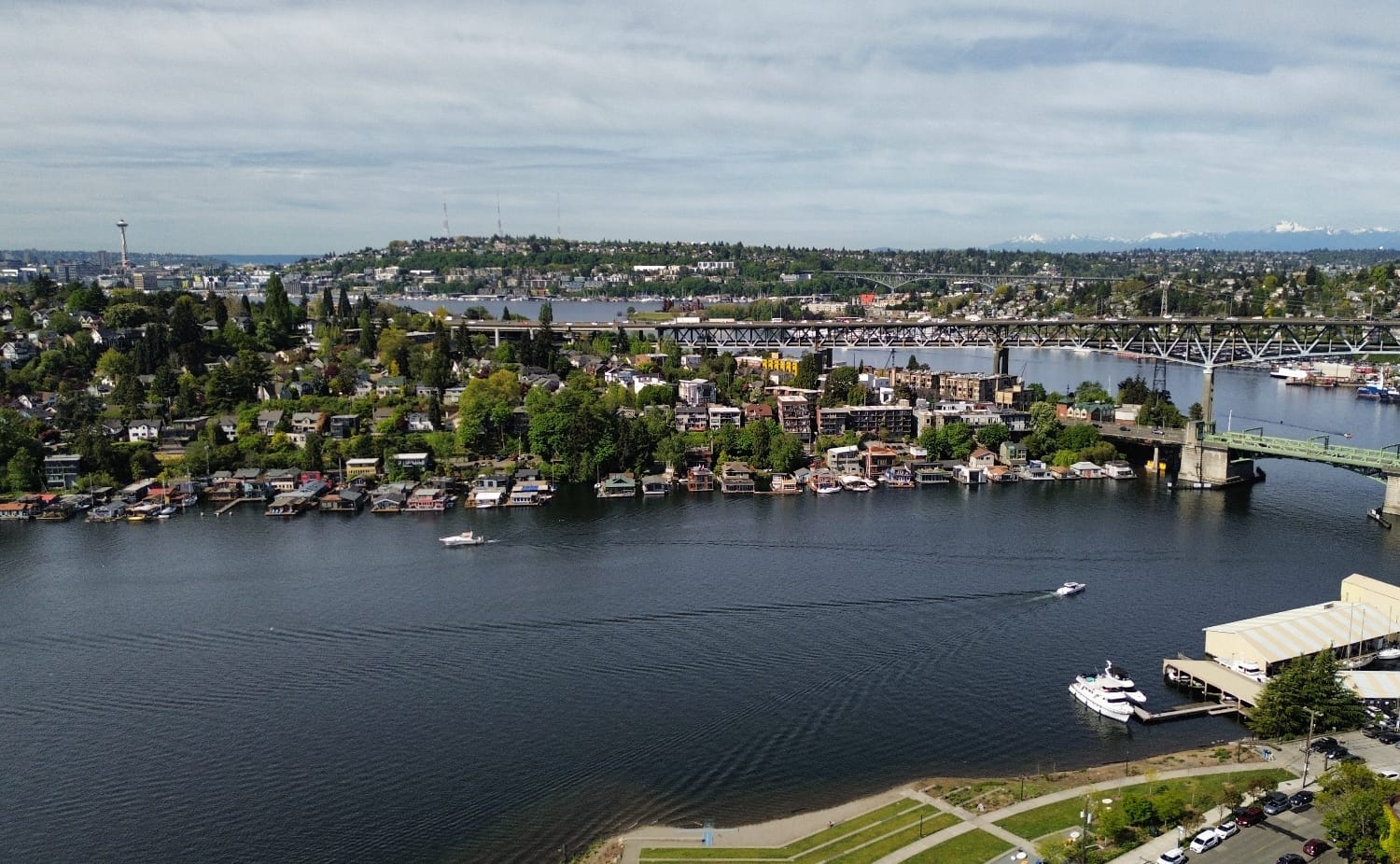
A public hearing on a proposal to remove an avenue to appeal land use changes that has significantly delayed past Seattle zoning updates drew around 75 people to City Hall Wednesday. Opponents are raising a cloud of misleading claims around the proposal.
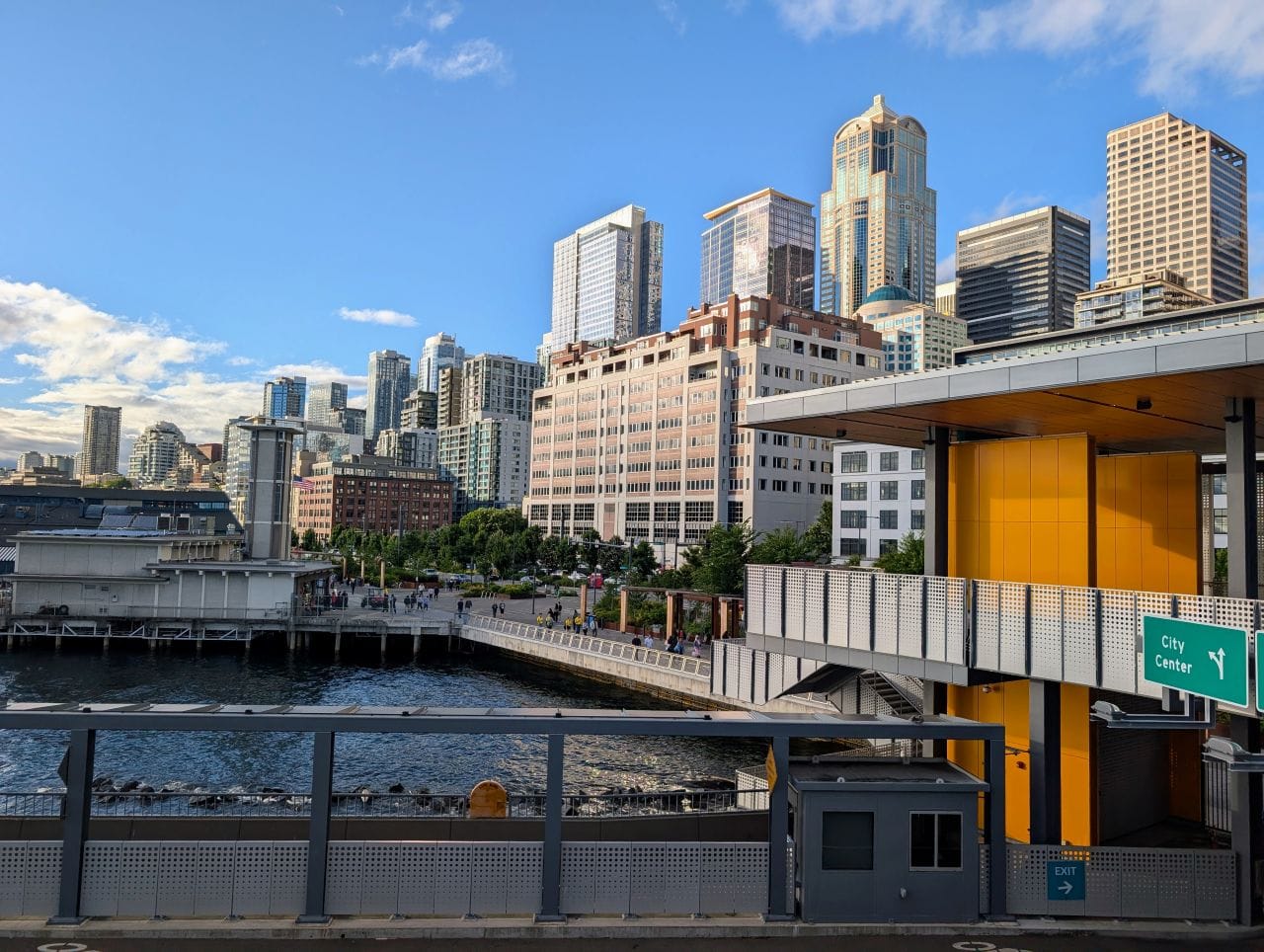
Seattle added 6,800 residents, growing to 823,400, while Tacoma added 2,600, hitting the 231,000 mark. Those jumps make them the two biggest gainers in state April 1, 2026 population estimates, as statewide growth slowed to 0.75%.
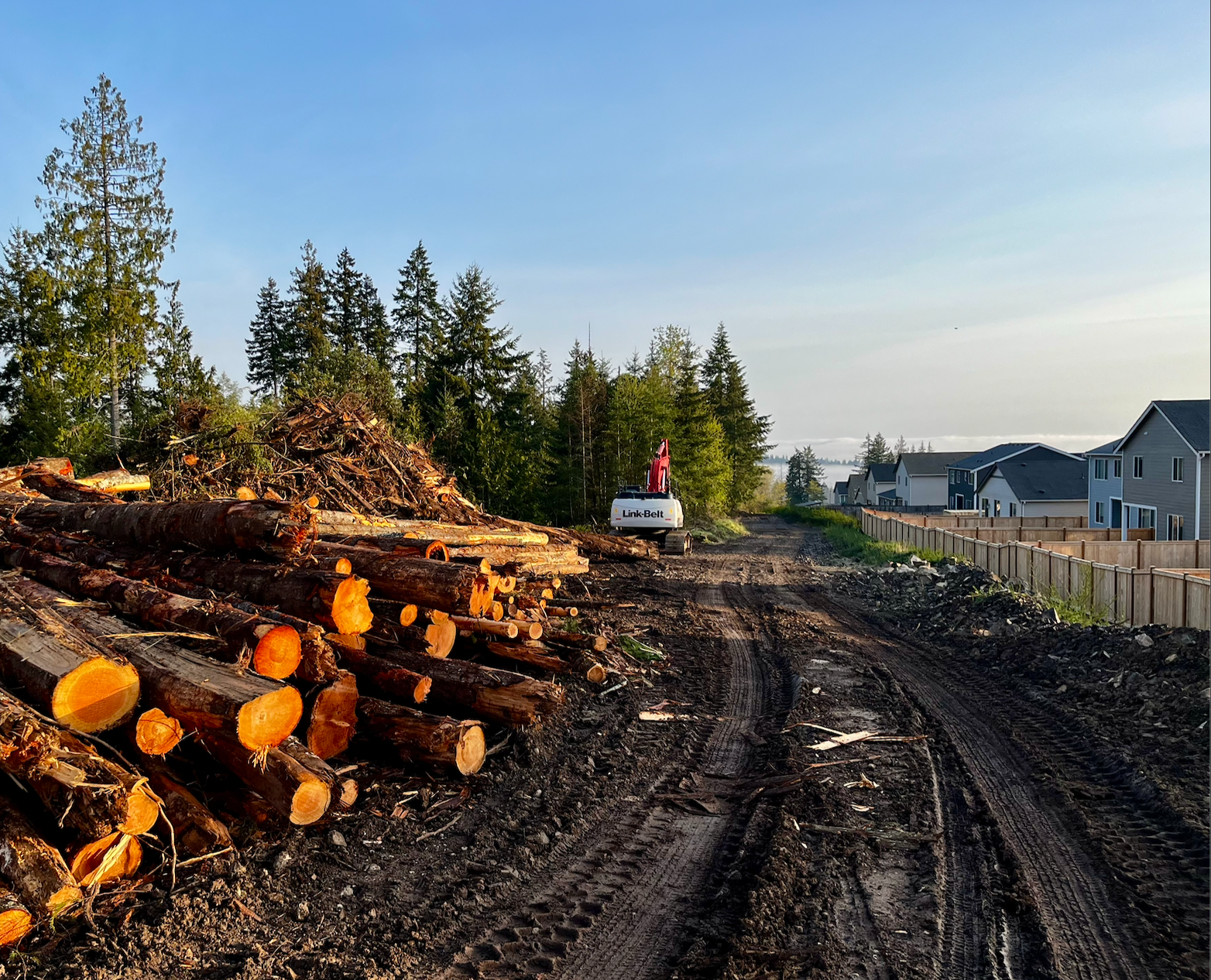
Here is what is working well and not so well as Washington State's Growth Management Act celebrates 35 years. Travis Merrigan suggests some reforms to keep suburban sprawl at bay.
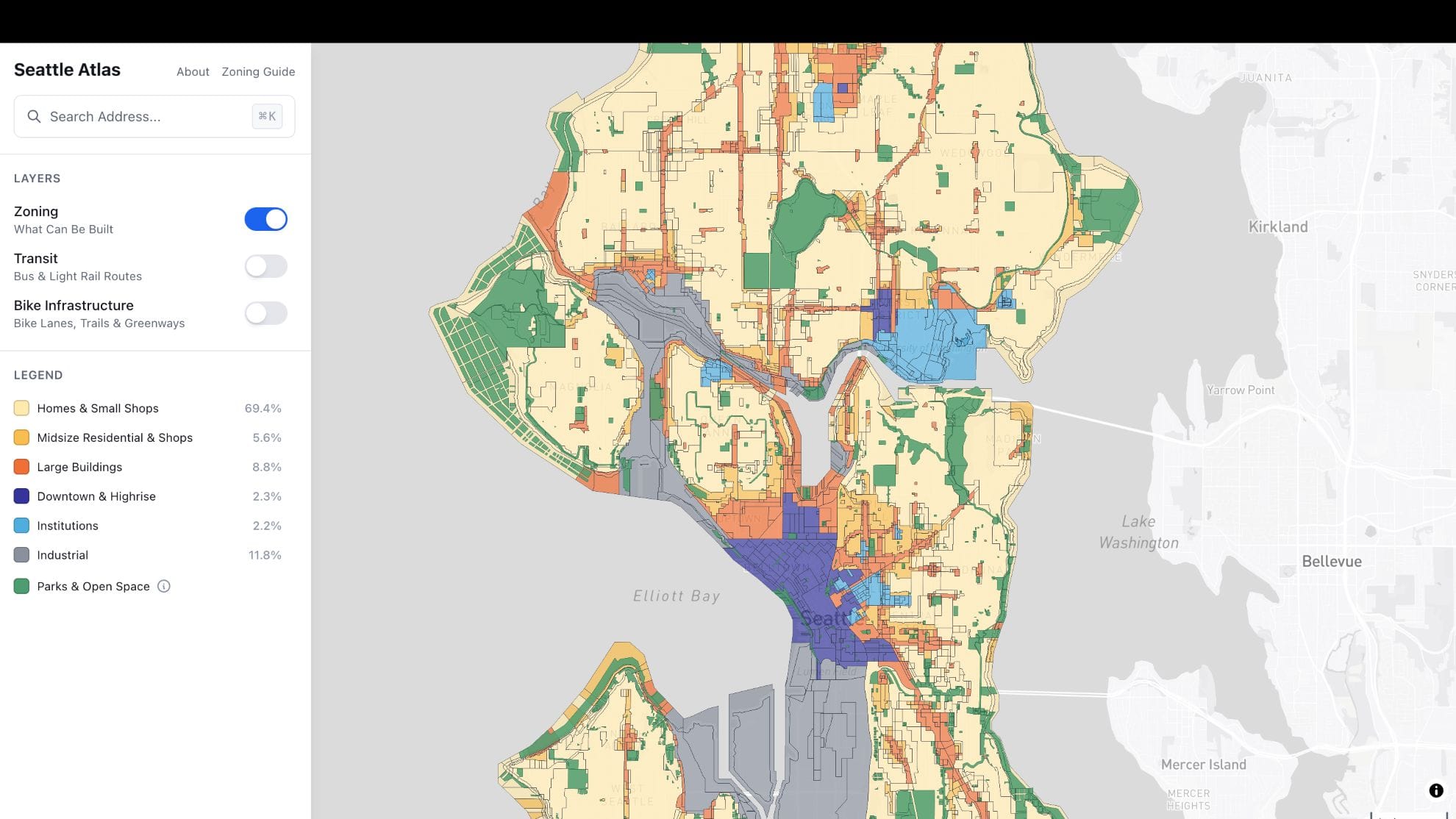
Seattle Atlas is an interactive map that shows zoning, transit infrastructure, and bike lanes, so Seattleites can see for themselves what our city is doing well and where we are lacking.
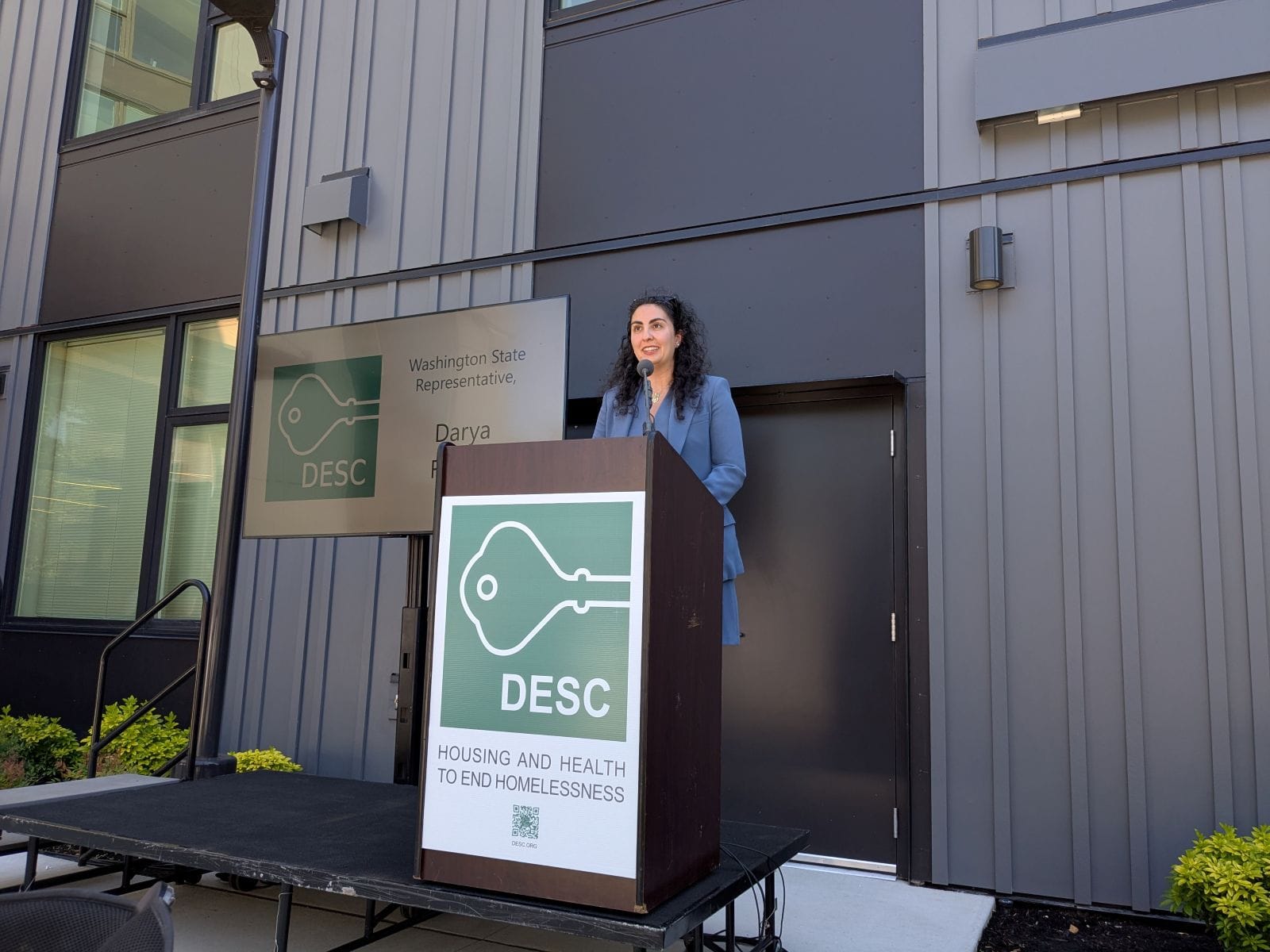
King County released new data illustrating the success of the permanent supportive housing model, but DESC’s recently opened Birch Grove complex may be its last to open for several years due to federal cuts targeting supportive housing.
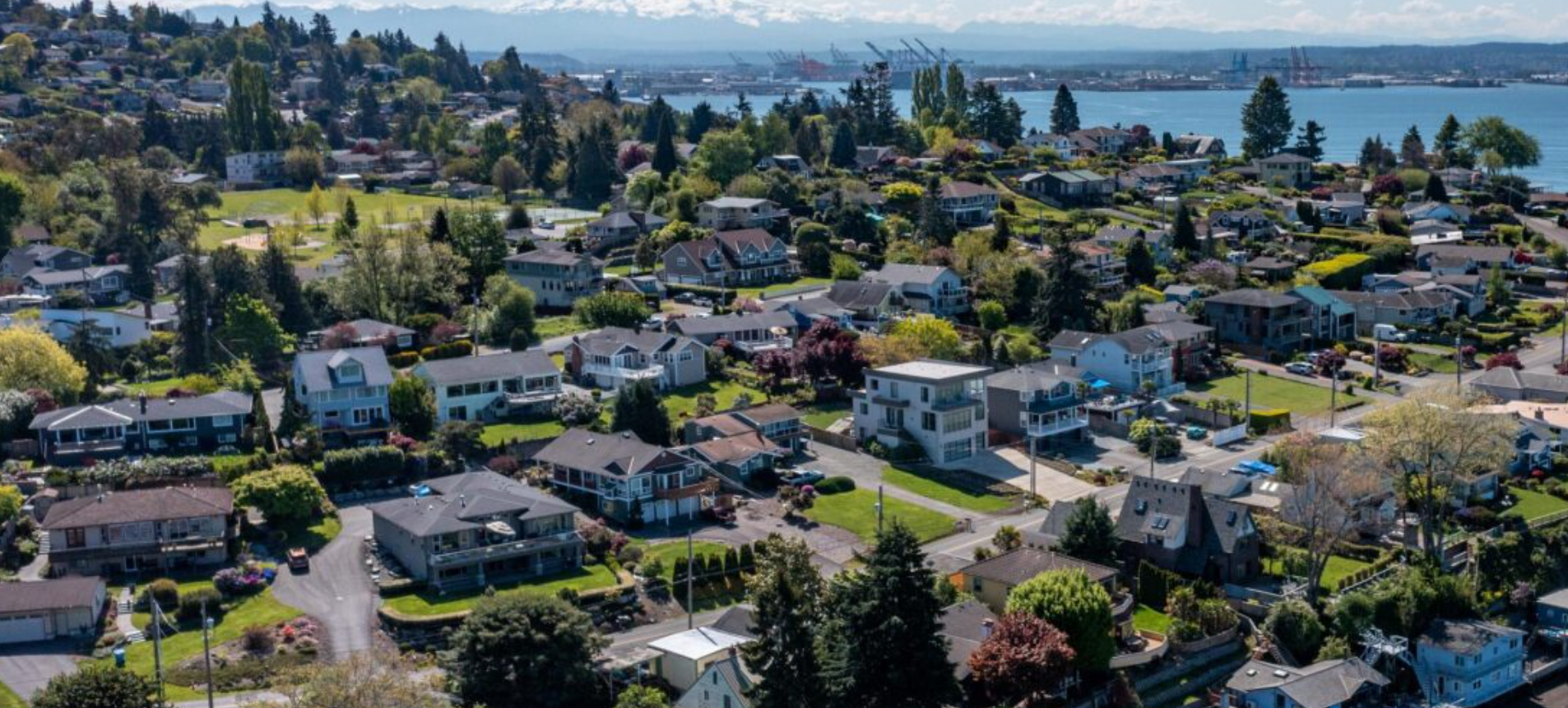
In the year since Tacoma adopted new zoning standards last February, the number of housing permits entering the pipeline jumped by 62% compared to the five-year average.
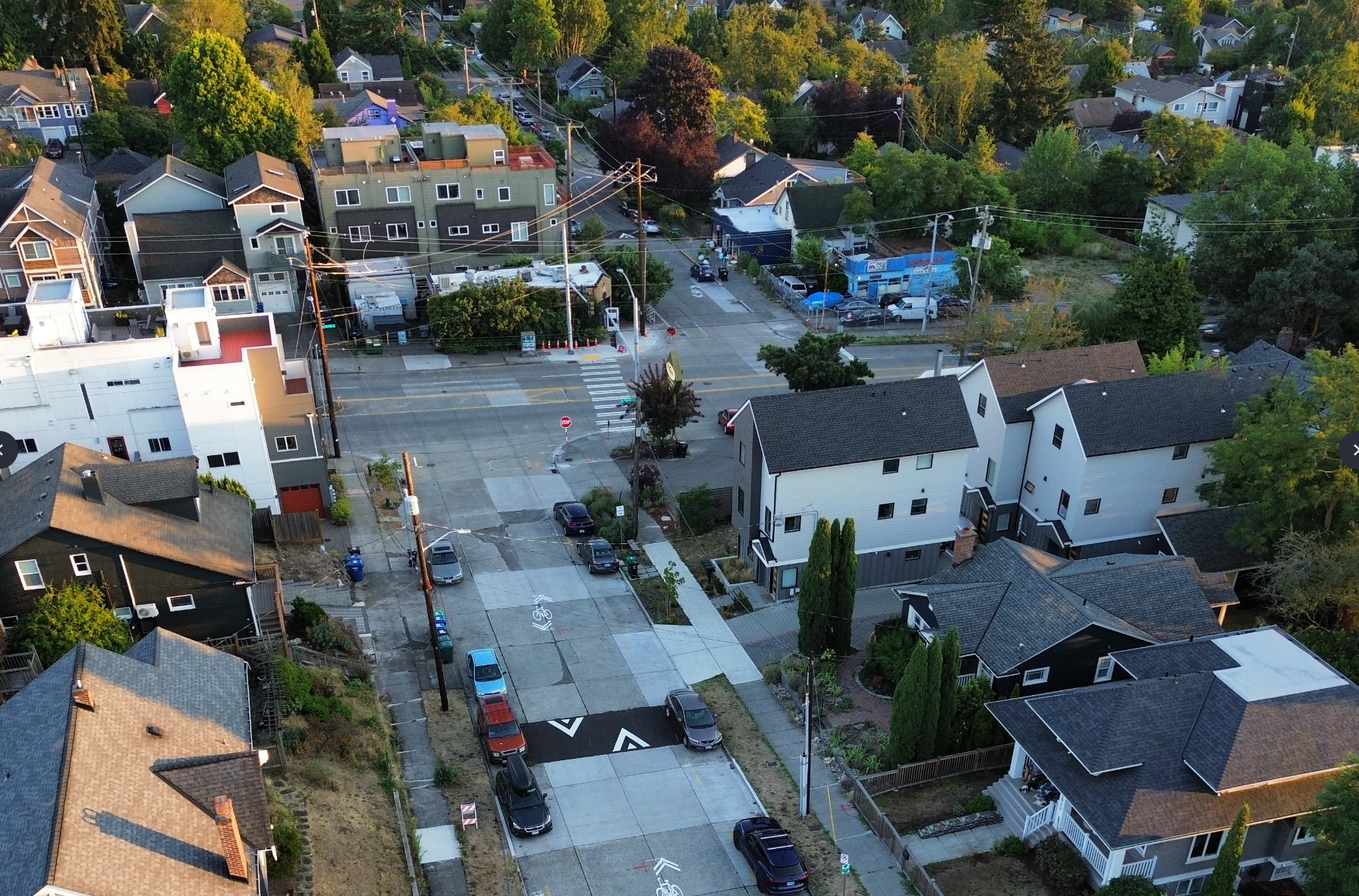
The June 1 ruling by the Washington Court of Appeals is set to send a pair of appeals of Seattle's growth plan back to the City, putting consideration of the next set of planned zoning changes on hold. The city council may not be able to take them up again until late 2026 or early 2027.
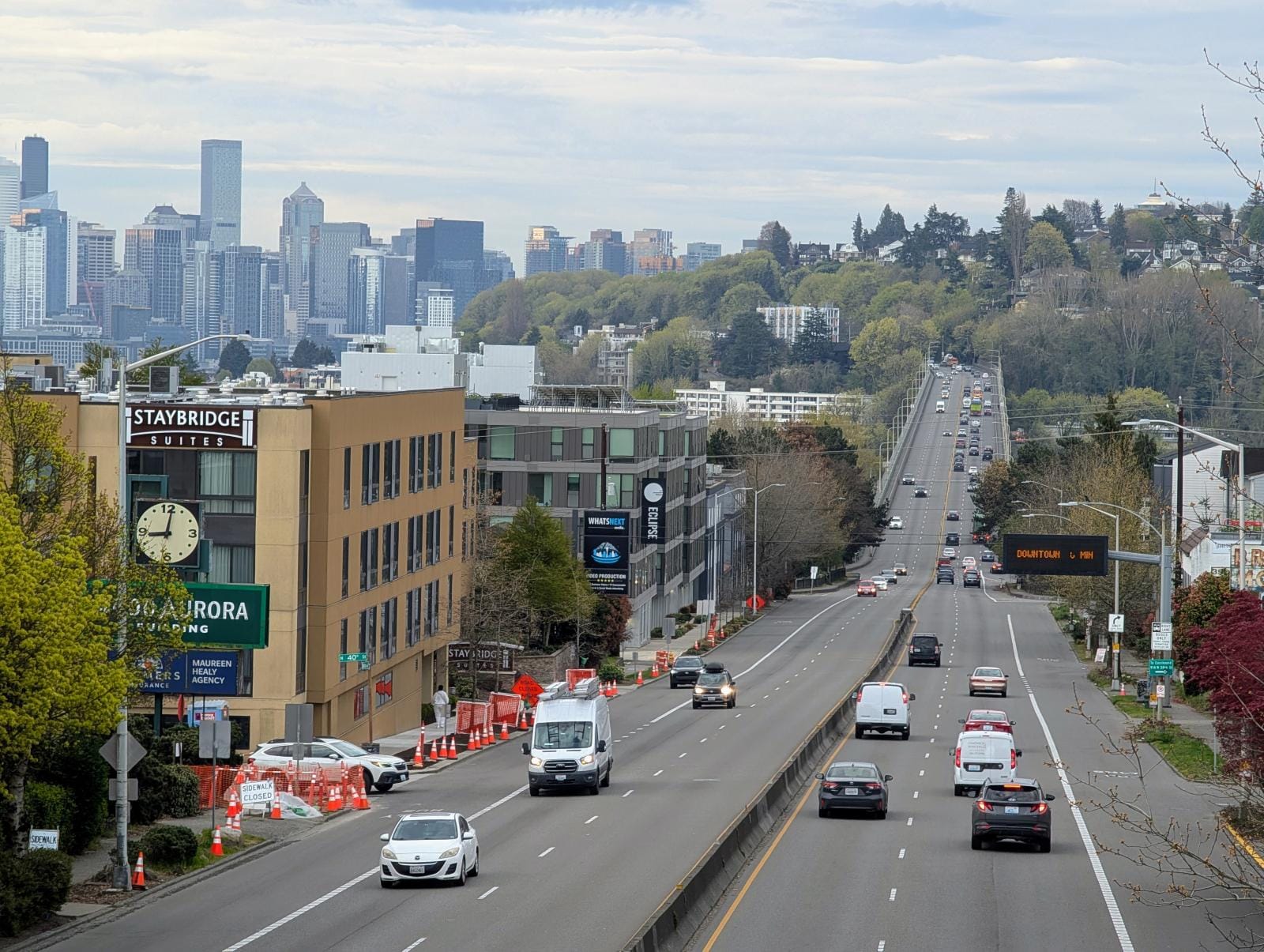
Nonprofit housing leader Patience Malaba makes the case that a temporary, two-year recalibration of Seattle's Mandatory Housing Affordability program is critical to unfreeze the stalled-out housing pipeline, generate needed affordable housing revenue, and save MHA's very legitimacy.
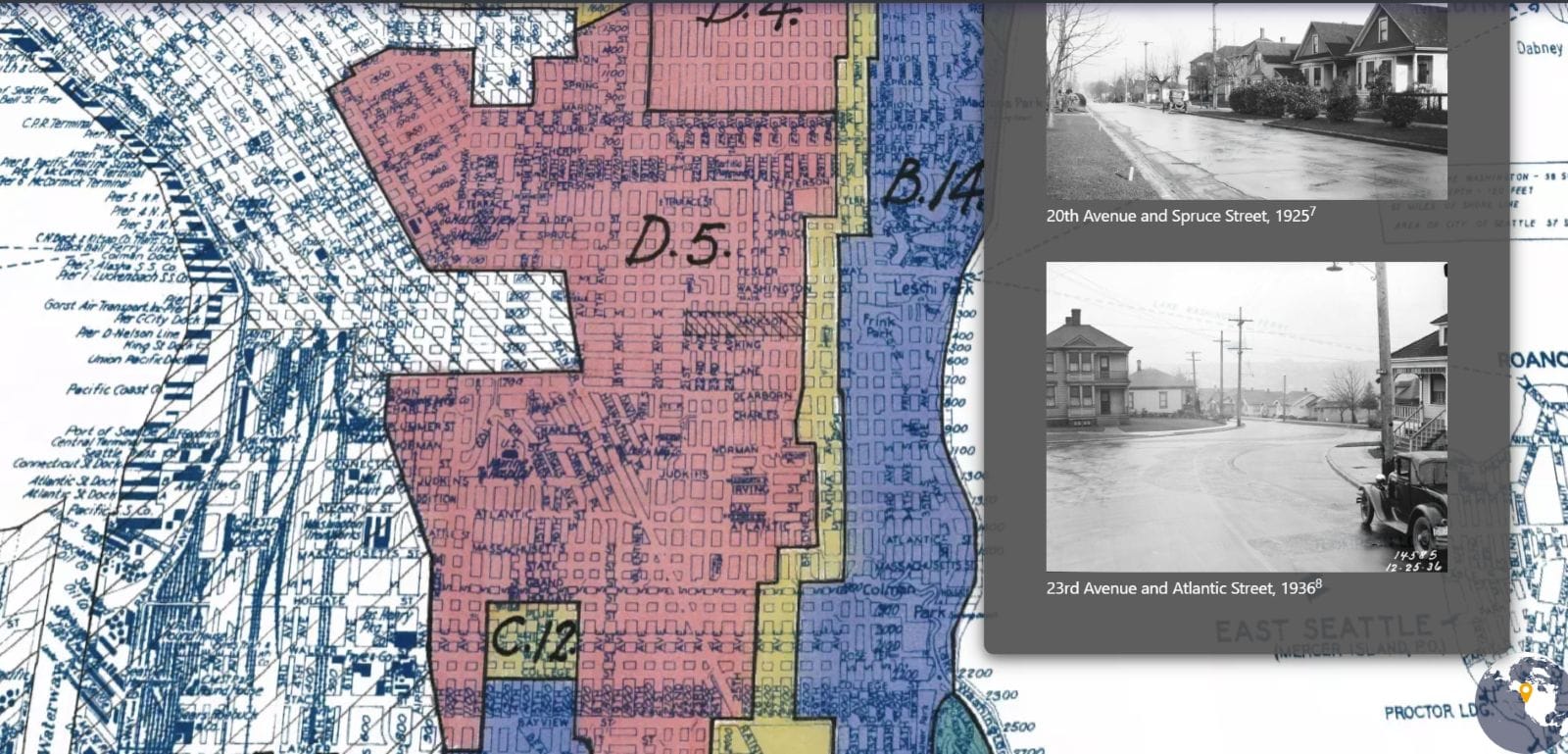
Racist maps that U.S. federally backed banks used to deny mortgages to communities of color have a long legacy. Elijah Wright's Redlining Reimagined project seeks to lay bare that sordid history.
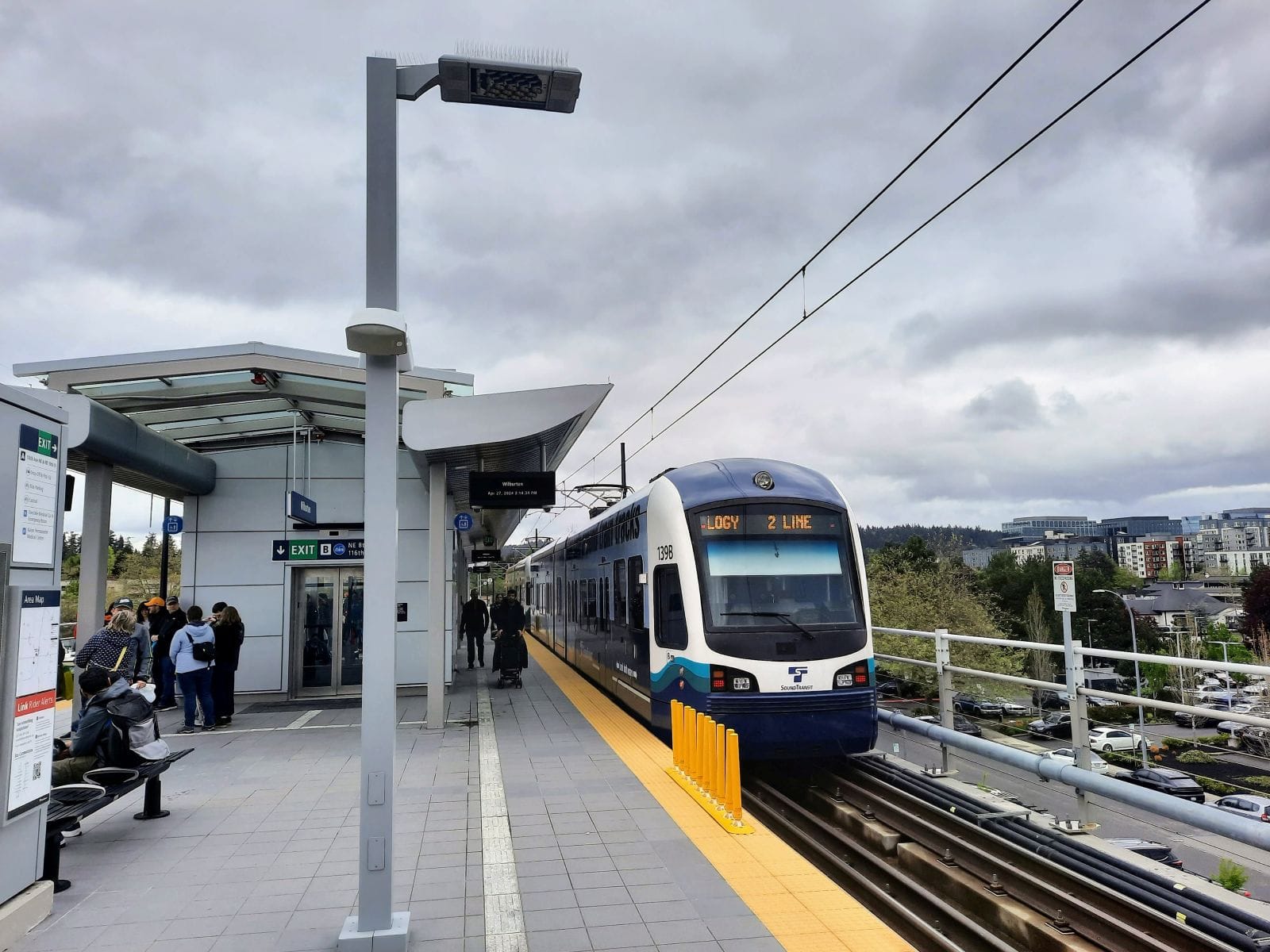
One year in, the Wilburton rezone is becoming a regional model. Thanks to a funded inclusionary zoning program, Wilburton attracted applications for more than 2,300 apartments, more than Seattle logged citywide in 2025.
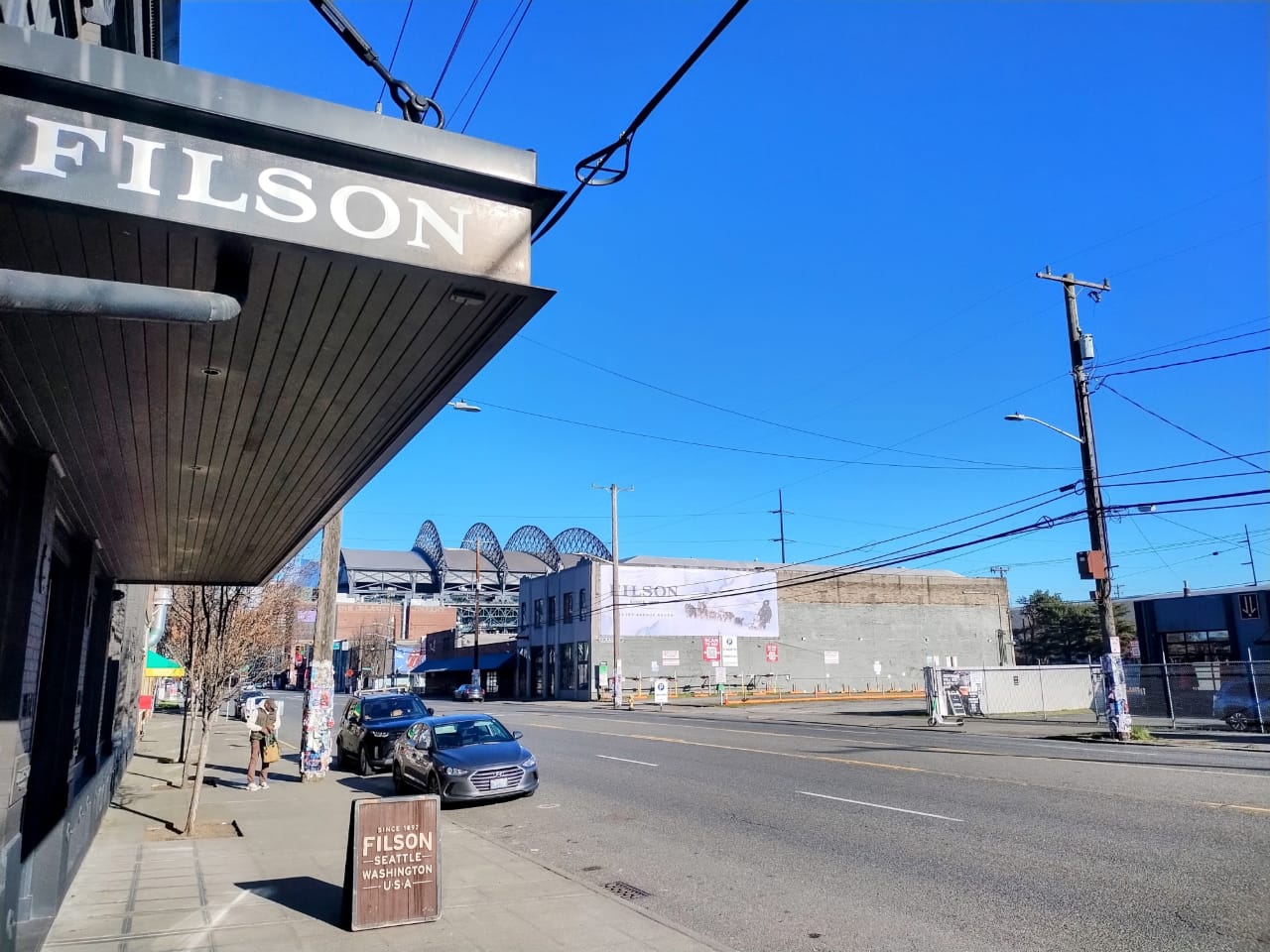
A push to allow housing in the Stadium District looked like it had been thwarted by a legal appeal and a shift on the Seattle City Council, but a new appeal from T-Mobile Park's facilities district is poised to reignite debate.
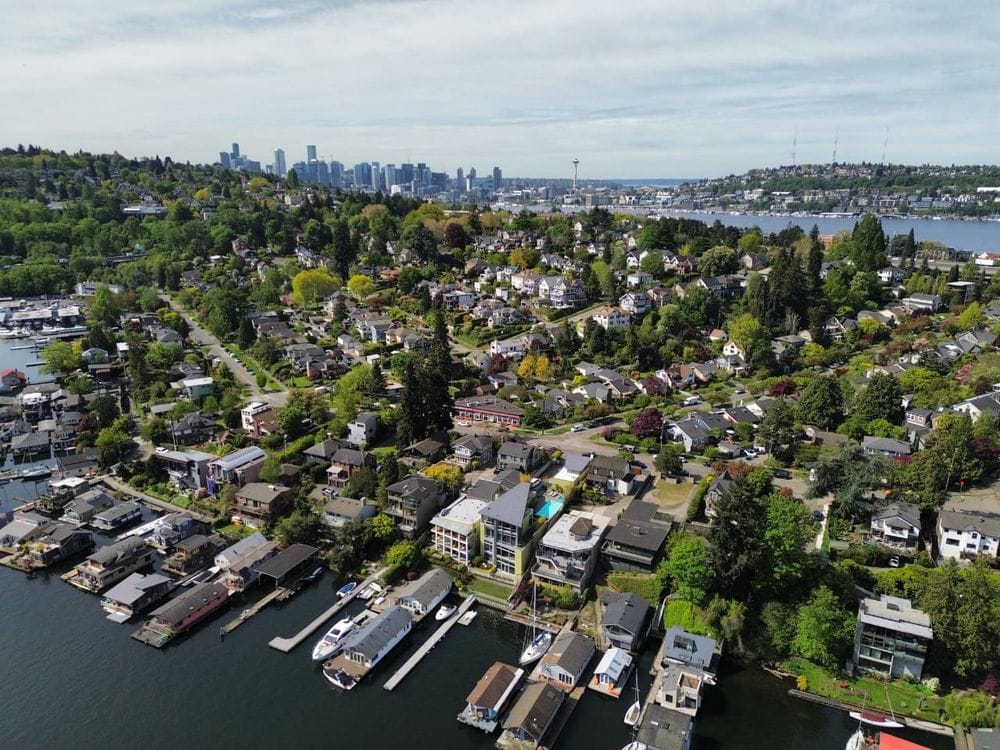
Ruling in favor of two groups trying to reopen environmental review of Seattle's Comprehensive Plan, a state Court of Appeals has affirmed a major loophole in recent state laws intended to reduce barriers to urban housing development. The decision could have big impacts statewide.
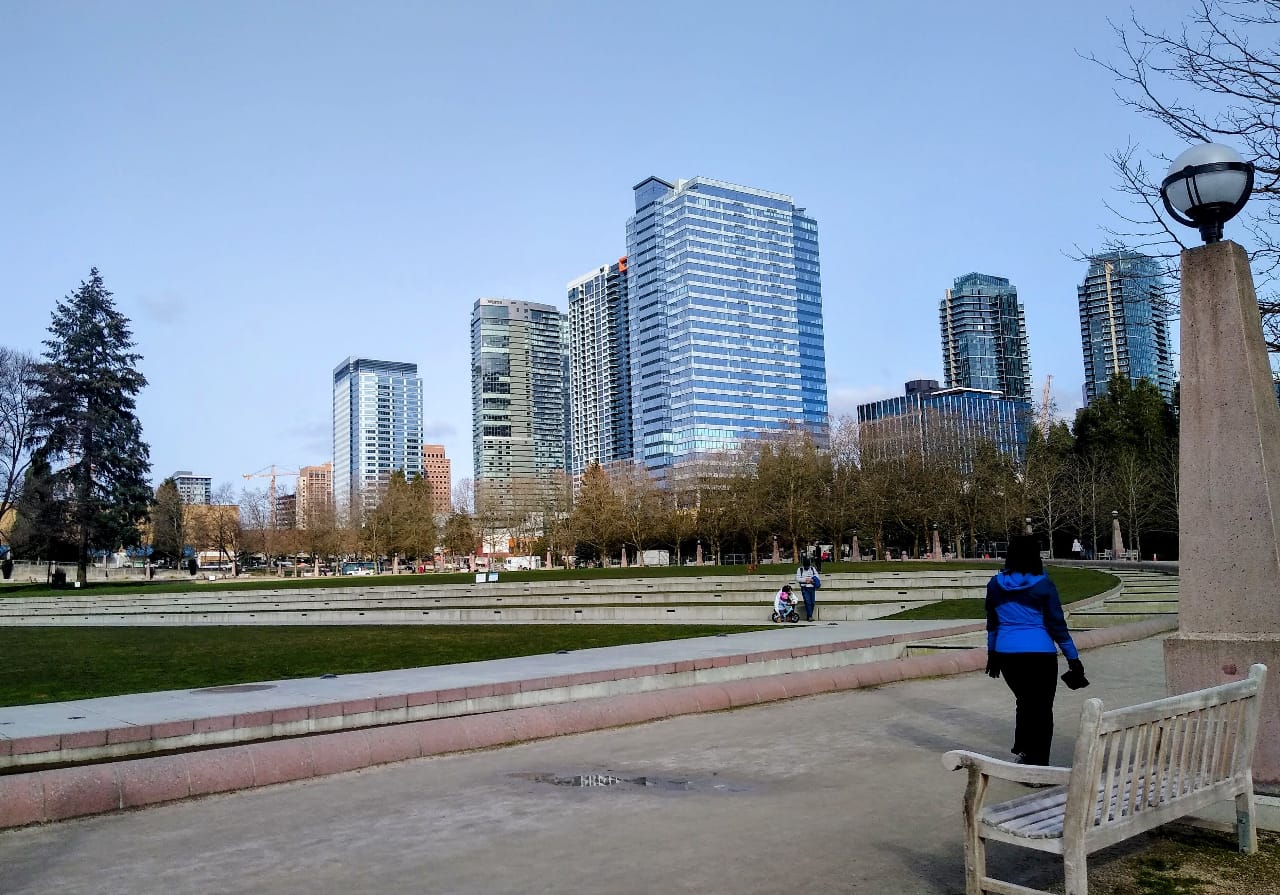
Housing permits in light rail-adjacent Wilburton are taking off, which has prompted Bellevue leaders to consider unleashing Wilburton's incentive program lowering affordability requirements in other areas. But affordable housing advocates aim to hold the line against permanent expansion.

Habitat for Humanity’s Ryan Donahue opines against the proposal to temporarily slash builder fees in Seattle's Mandatory Housing Affordability program, arguing housing solutions can't come at the expense of low-income folks.

Seattle activists trying to block growth incorrectly blame new housing for the threat to orcas, instead of the biggest culprit: cars and the sea of pavement carrying them. Paul Beard lays out how they went wrong.

A proposal from Land Use Committee Chair Eddie Lin would bring Seattle's land use code in line with state law, following several changes in recent years that have limited the ability of legal appeals to slow down moves to densify Washington's cities. The move is already attracting opposition.

After clearing the Land Use Committee last week, a package of narrowly targeted zoning changes is headed to the Seattle City Council on June 2. The proposal seeks to spur the construction of towers, affordable housing, and eco-friendly mass timber and passive house buildings.

With a widespread housing crisis and sky-high downtown commercial vacancies, West Coast cities are weighing vacancy taxes to push more units into productive use, but Tacoma and Seattle likely need state legislation to clear the path.
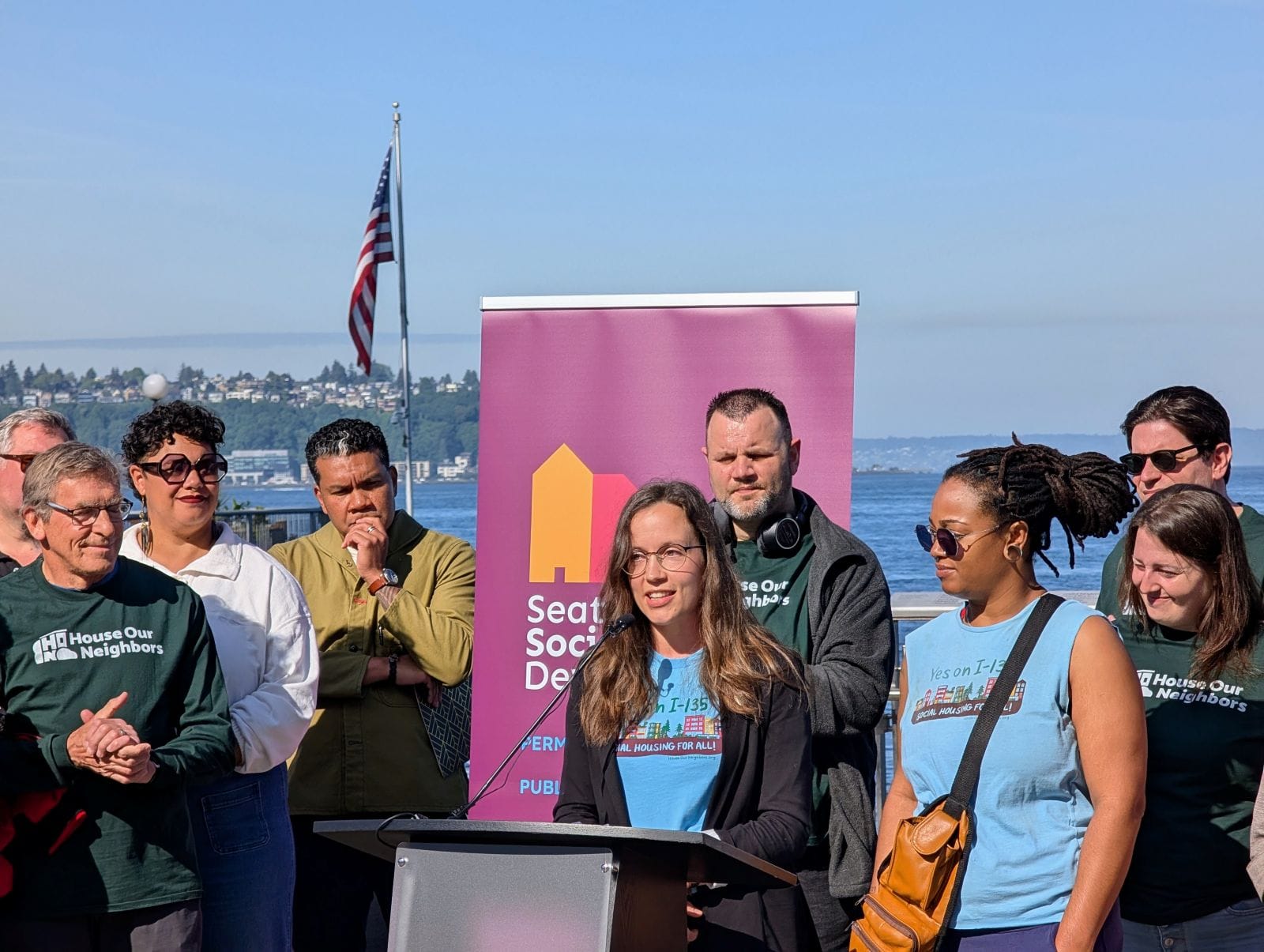
The Seattle Social Housing Developer has acquired its first building, interim CEO Tiffani McCoy announced at a media event on Friday. Elara at the Market has 150 apartments, half of which will be affordable and rented below market.

The exclusive island enclave's residents have a reputation as being anti-growth. A recent public hearing at the Bainbridge Island Planning Commission showed how many are actually clamoring for more housing options.
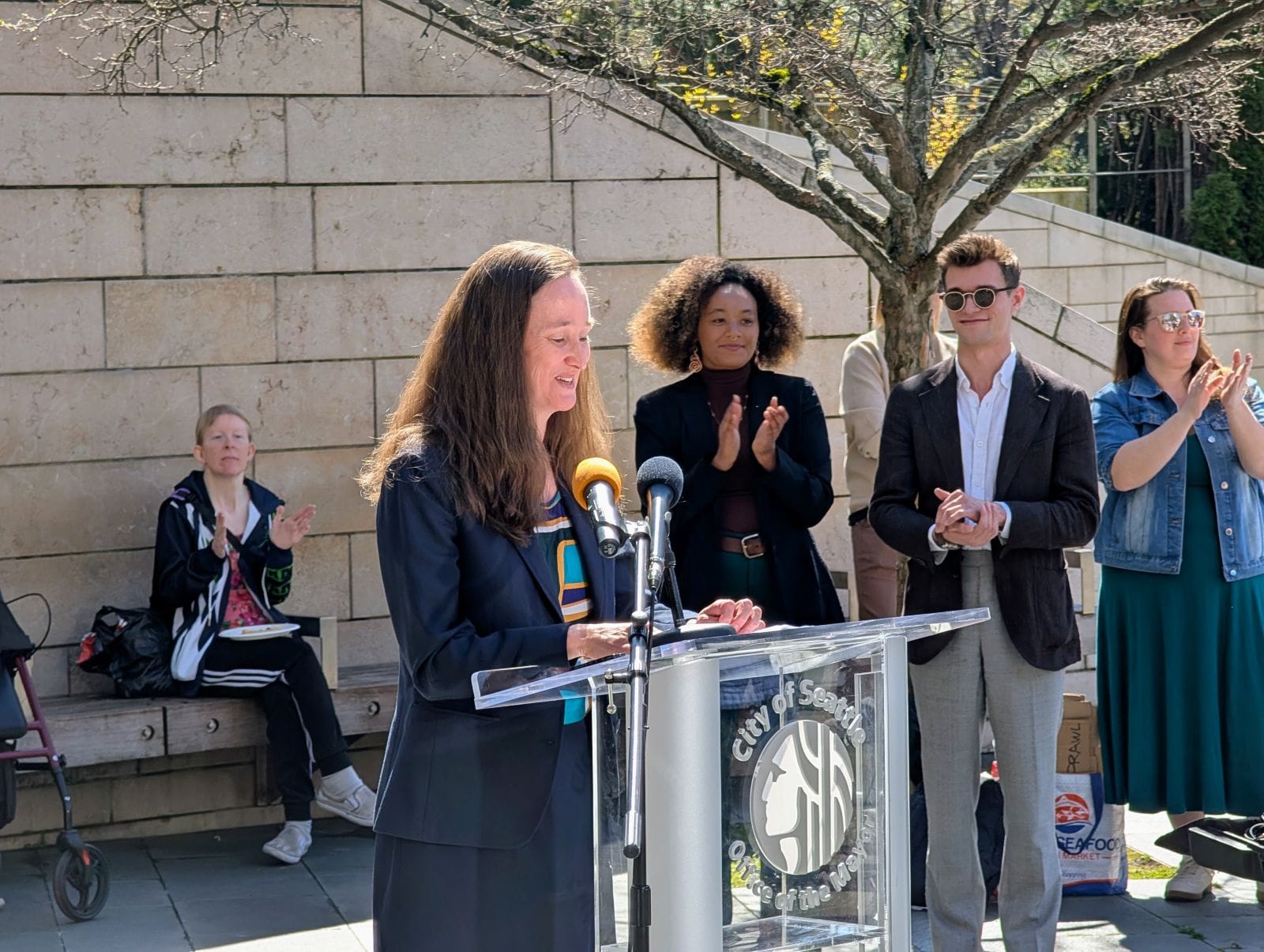
The Seattle Times editorial board opposes Seattle's "taller, denser, faster" growth plan, and they're mad enough about it to call The Urbanist "the builders' media mouthpiece." Here are the many things they got wrong in their recent editorial.
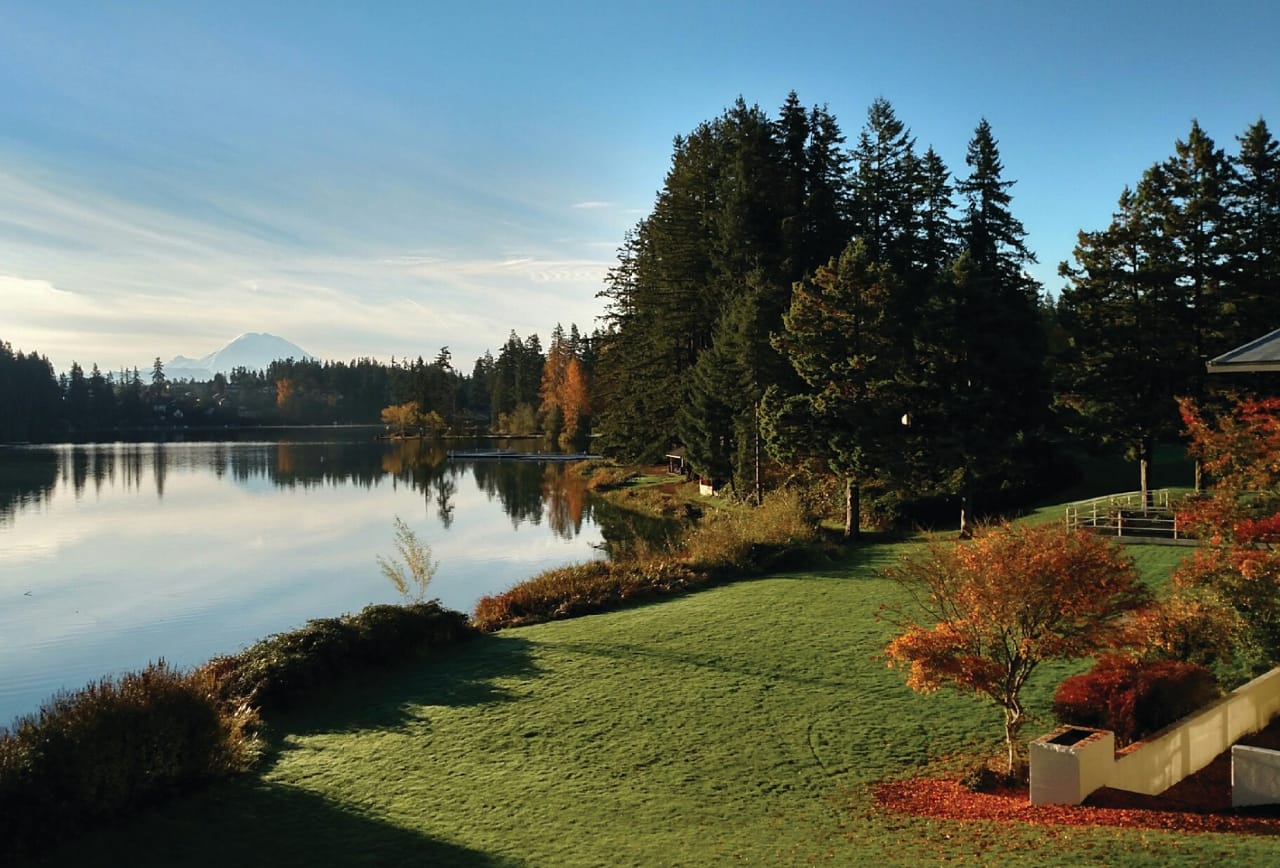
After public comments decried the idea of "tax shift" and subsidies for new housing, the Maple Valley Council voted 5-2 to pull the plug on a yet to be implemented Multifamily Tax Exemption program. The City will now have to look for additional tools to spur affordable housing or risk state censure.
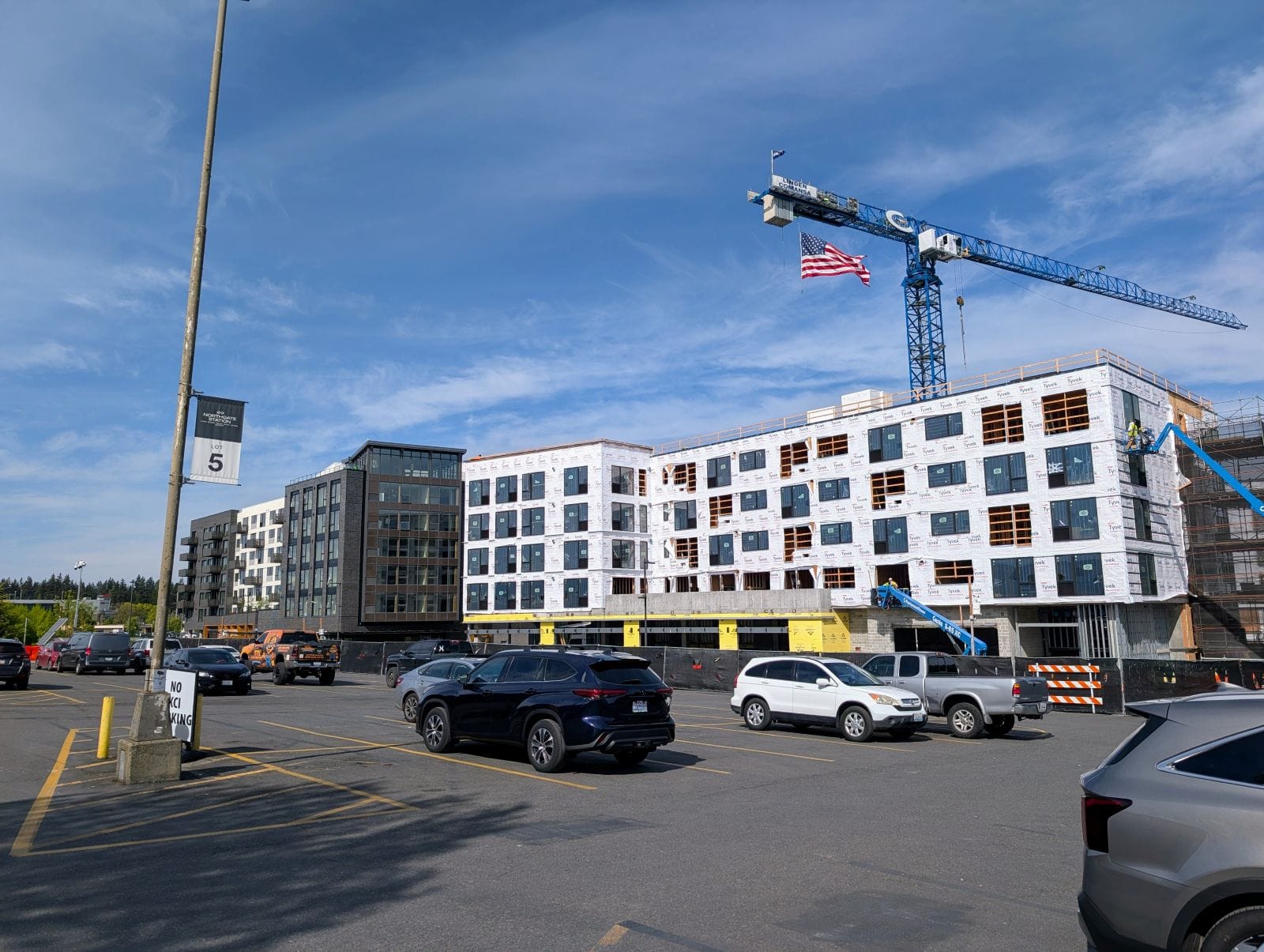
A short walk from light rail, Northgate Mall landlord Simon Property Group is about to open a "Texas Donut" – 420 apartments wrapped around a 569-stall, nine-story parking garage. Bundling parking cost into rents will disadvantage car-free tenants.
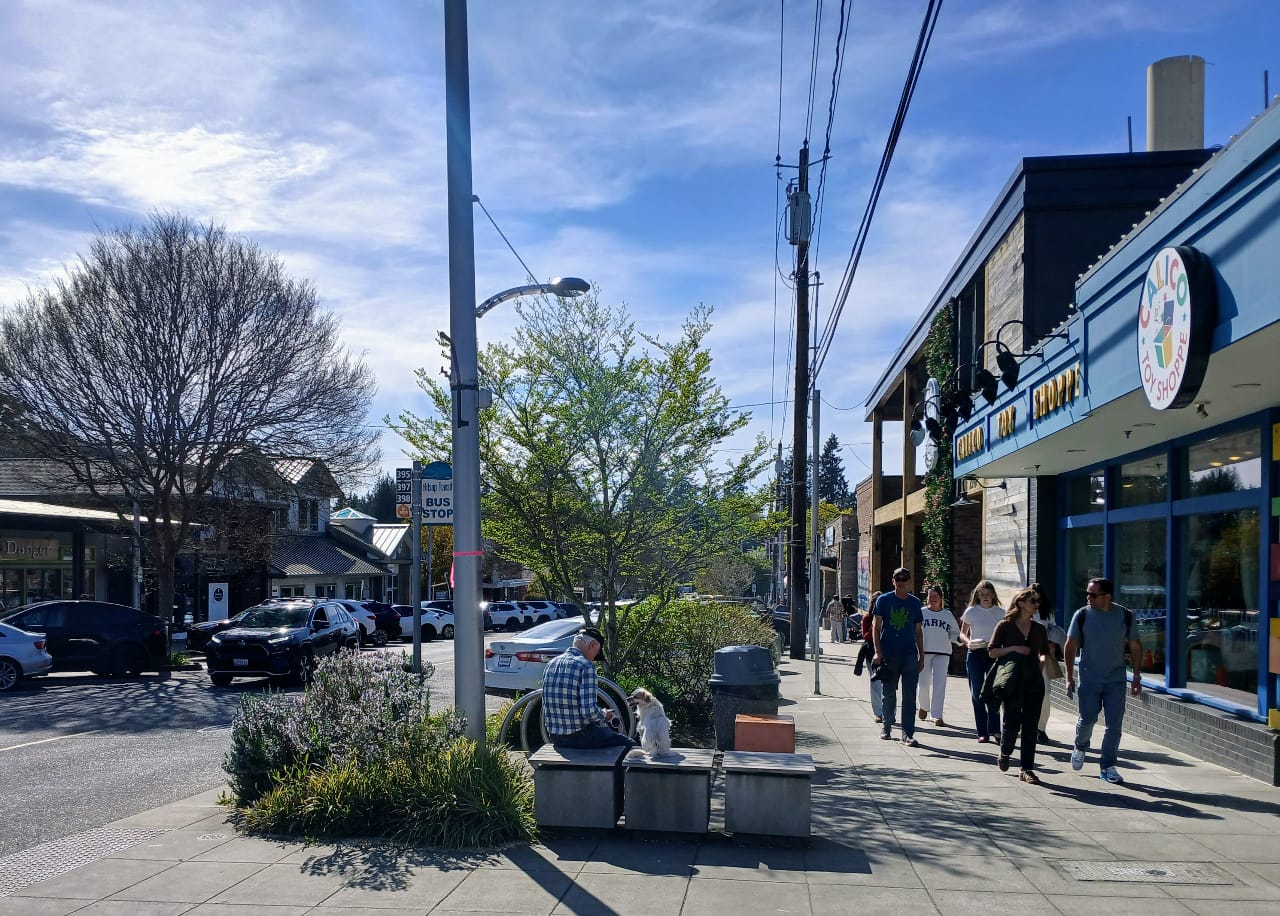
A letter from the state's Commerce Department officially starts the clock on a requirement for Bainbridge to update its housing growth plan. If it's still not up to snuff after the deadline, the door could open to any affordable housing project being approved, regardless of zoning.
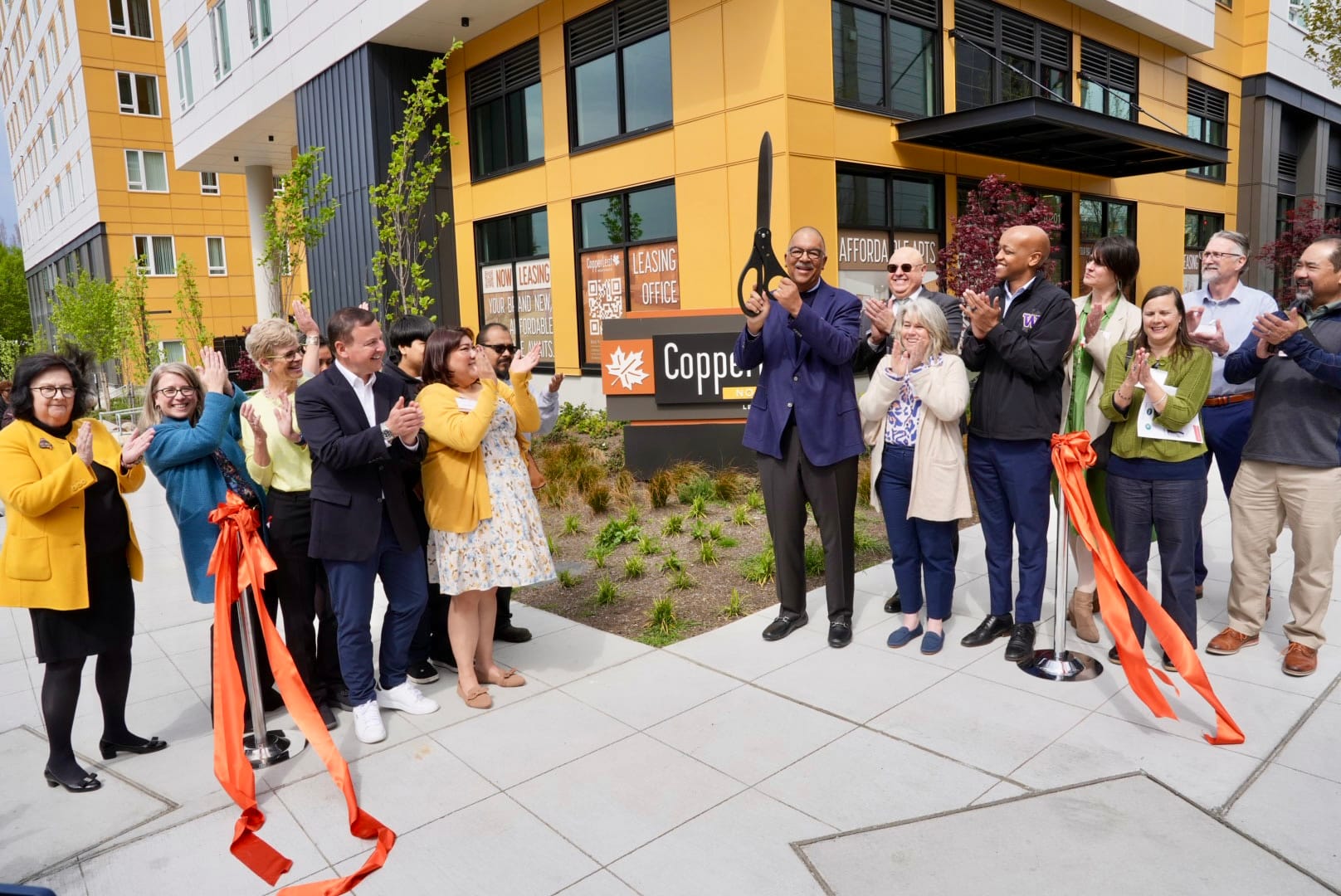
Dignitaries cut the ribbon this week on 235 low-income apartments next door to Northgate's light rail station. Phase 2 of the project, for the remaining five acres of King County Metro's land, is stuck in planning limbo.
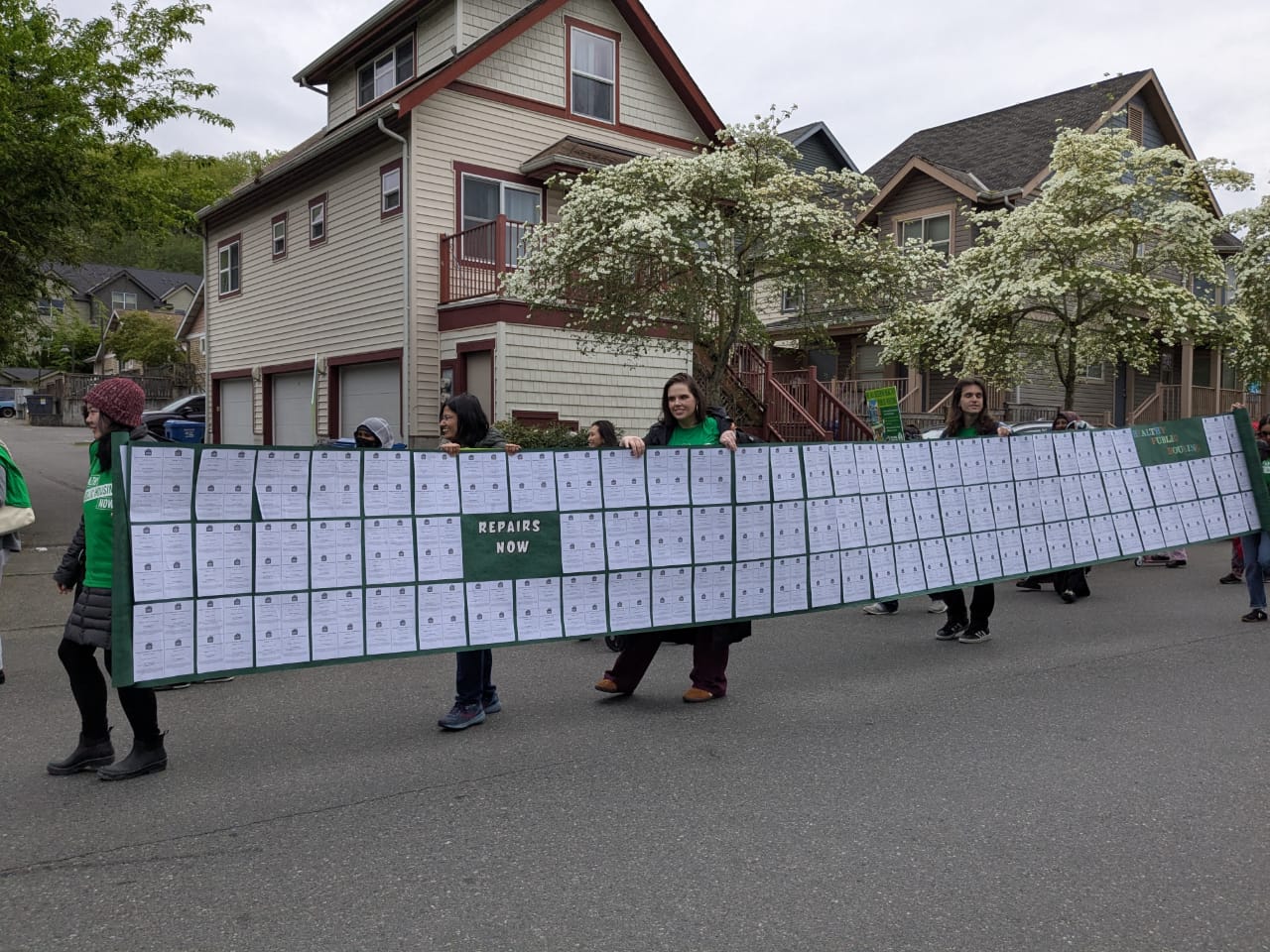
The report, produced by Got Green, asserts that 95% of Seattle Housing Authority units have unmet maintenance needs. SHA refutes its findings, painting a rosier picture of Seattle's largest affordable housing provider.
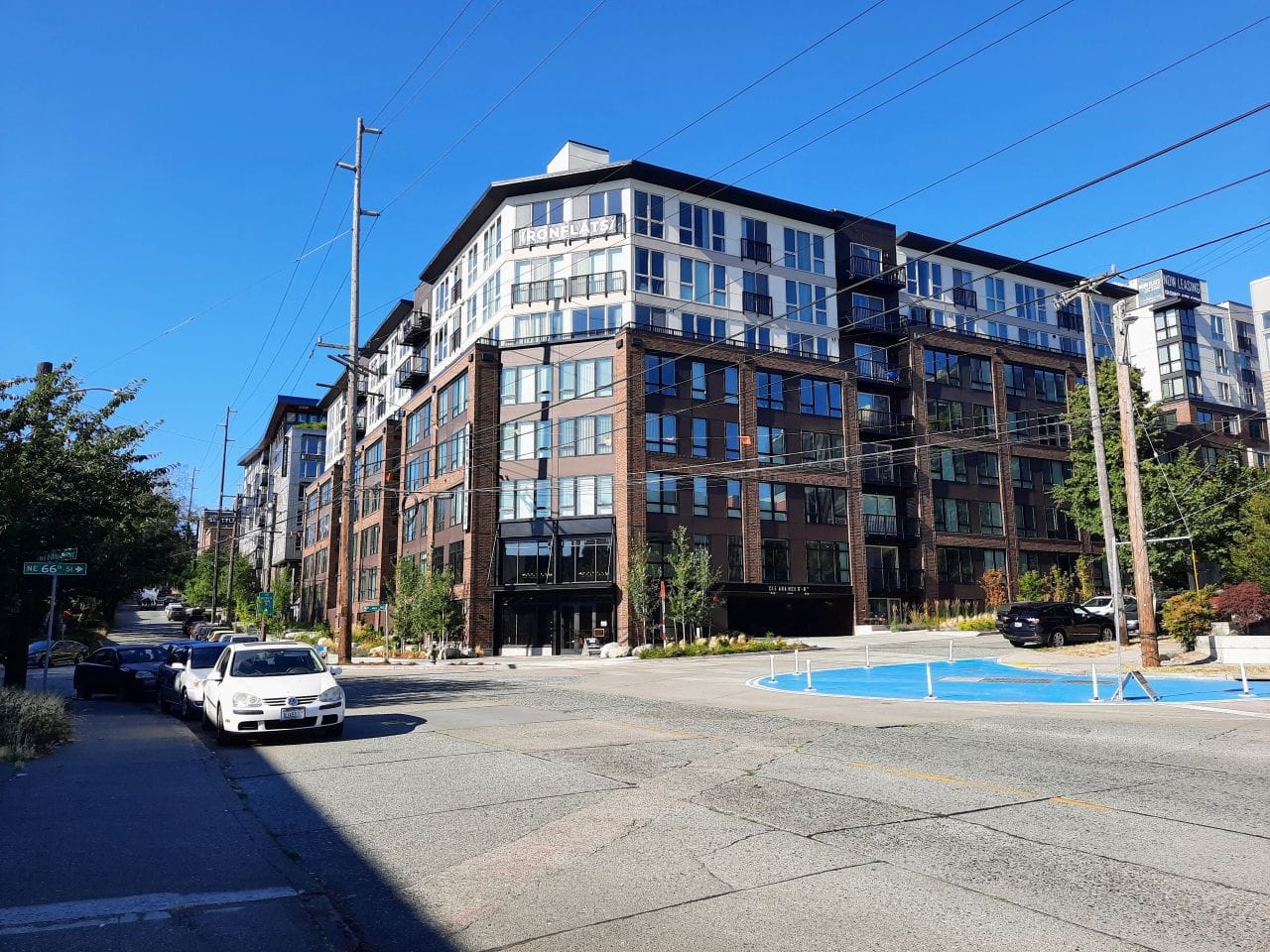
Seattle YIMBY lays out the case for overhauling Seattle's MHA inclusionary zoning program, with funding to offset builder costs in high-density zones, and a repeal of the affordability requirements in lowrise zones.
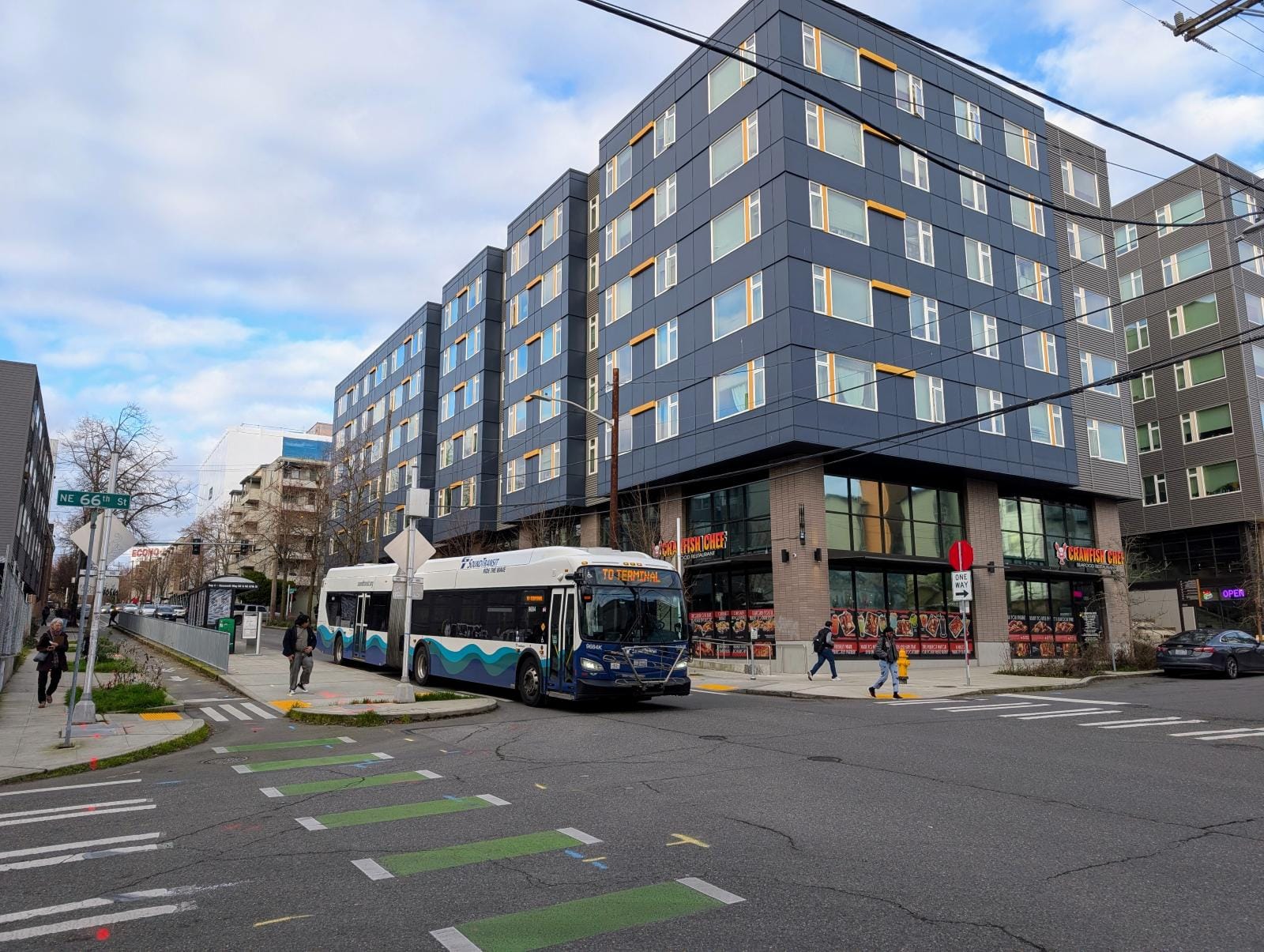
A group of builders is urging Seattle to reduce Mandatory Housing Affordability fees for three years with the aim of kickstarting a sputtering homebuilding industry. They say 125 stalled projects encompassing 12,000 units could be resurrected.
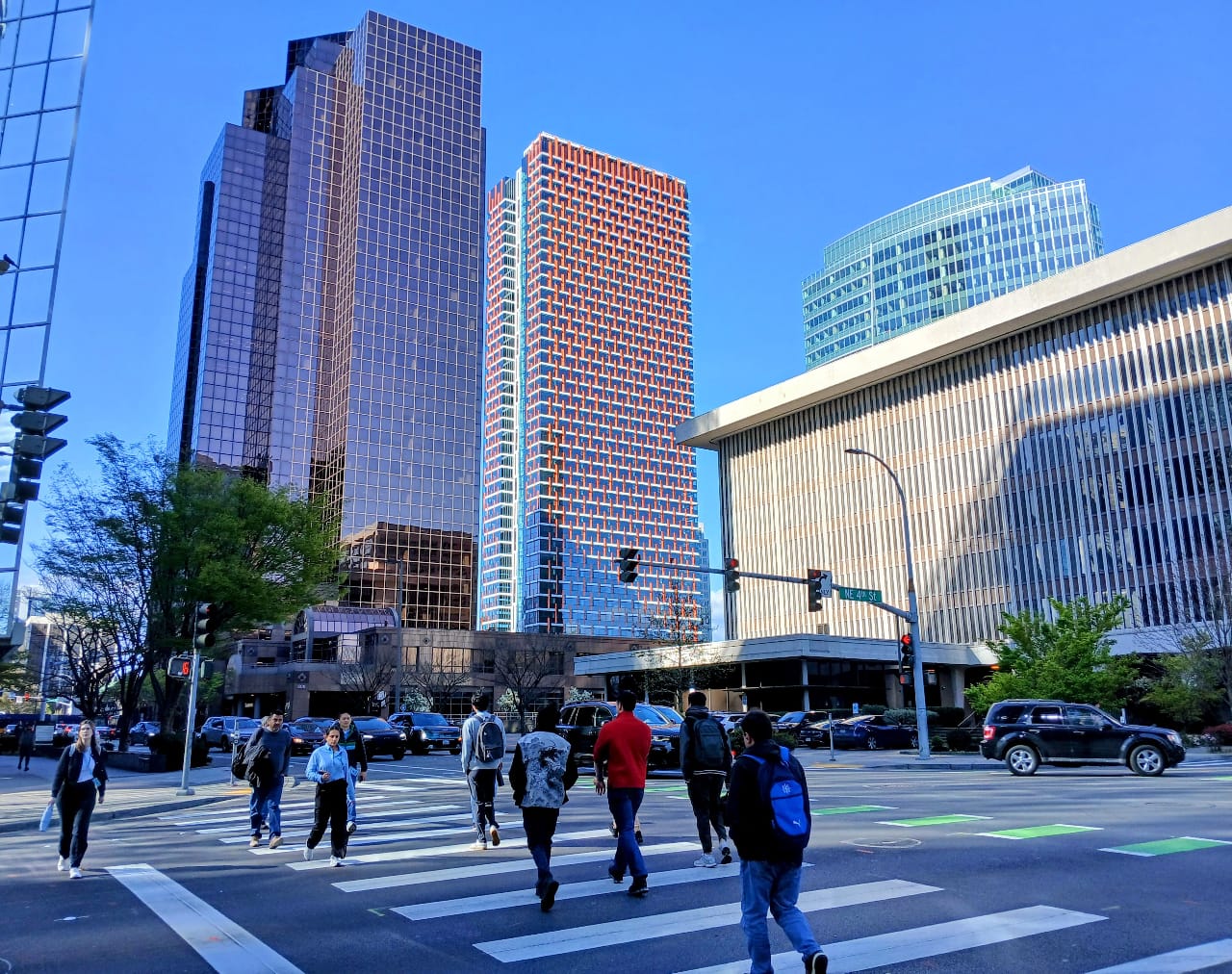
Completion of the full 2 Line has brought Bellevue so much closer to the rest of the region. That's set to provide Bellevue's slate of elected leaders, transformed to match the city in recent years, with major opportunities to advance progressive citybuilding.
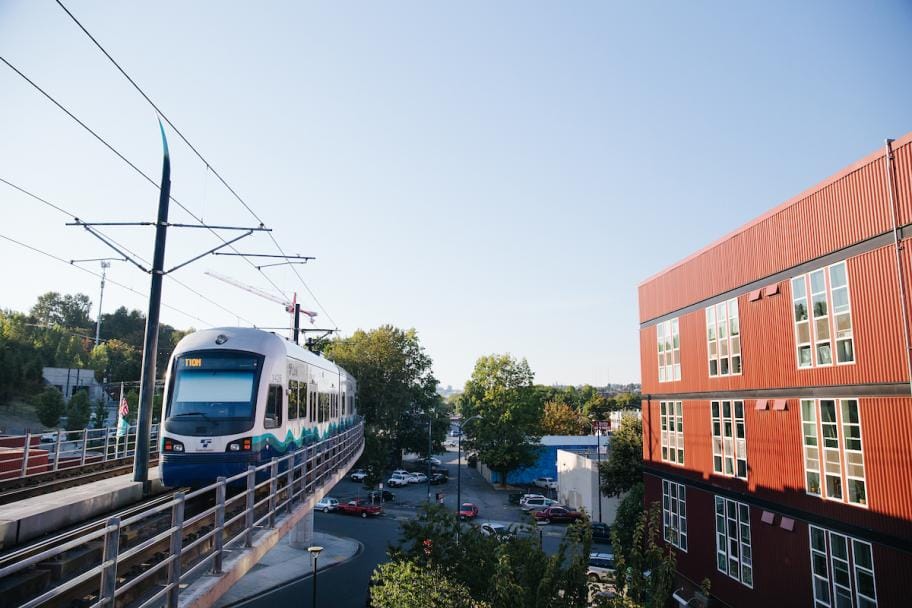
Seattle's Mount Baker light rail station opened in 2009, but two sites that Sound Transit acquired for construction staging are finally moving forward with redevelopment plans that could add hundreds of homes.
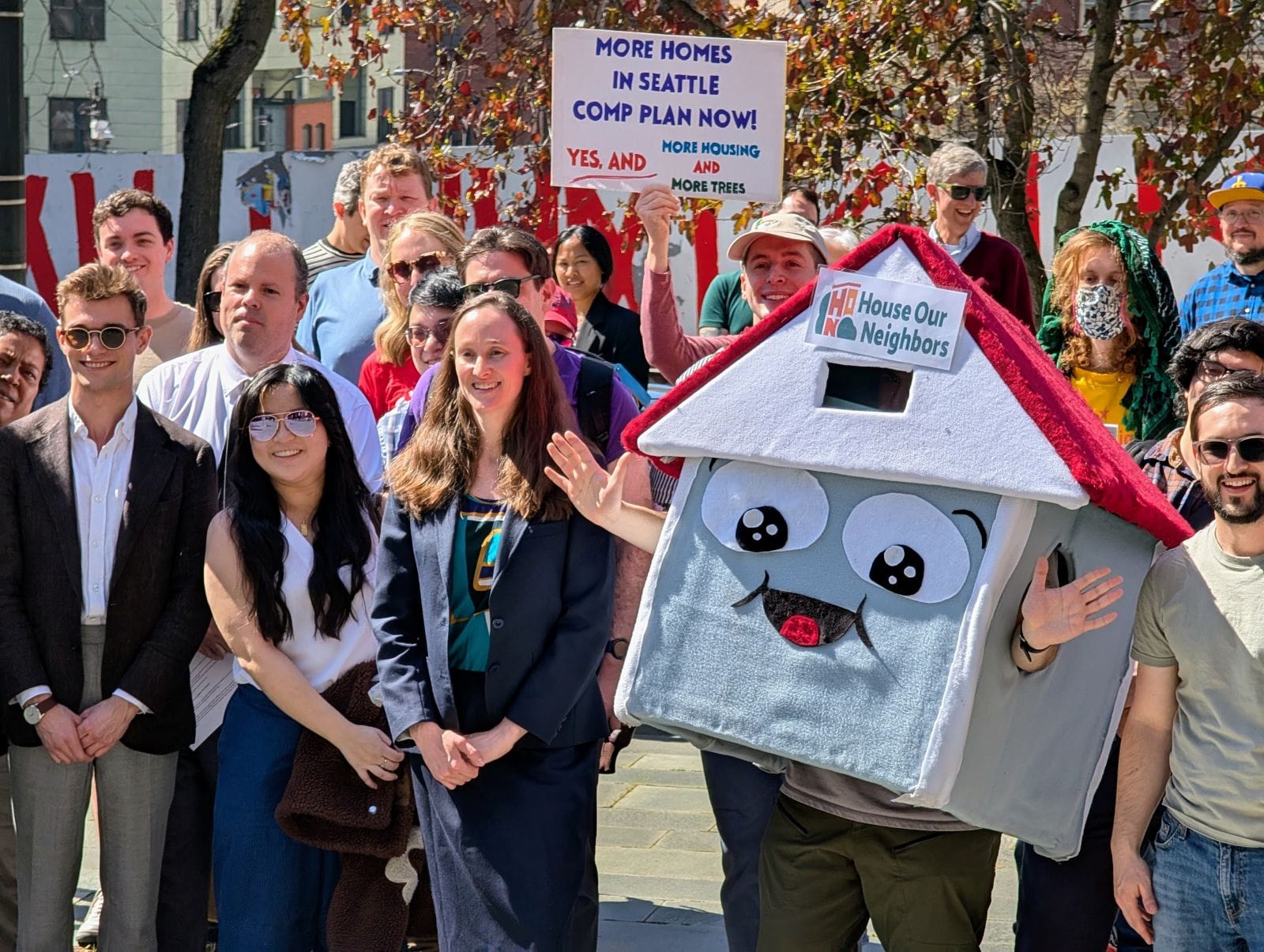
At a rally Monday, Seattle housing advocates pushed for broader corridor upzones within a 10-minute walk of frequent transit, enlisting a powerful supporter to their side in Mayor Katie Wilson. Wilson has already pledged a "taller, denser, faster" housing plan.
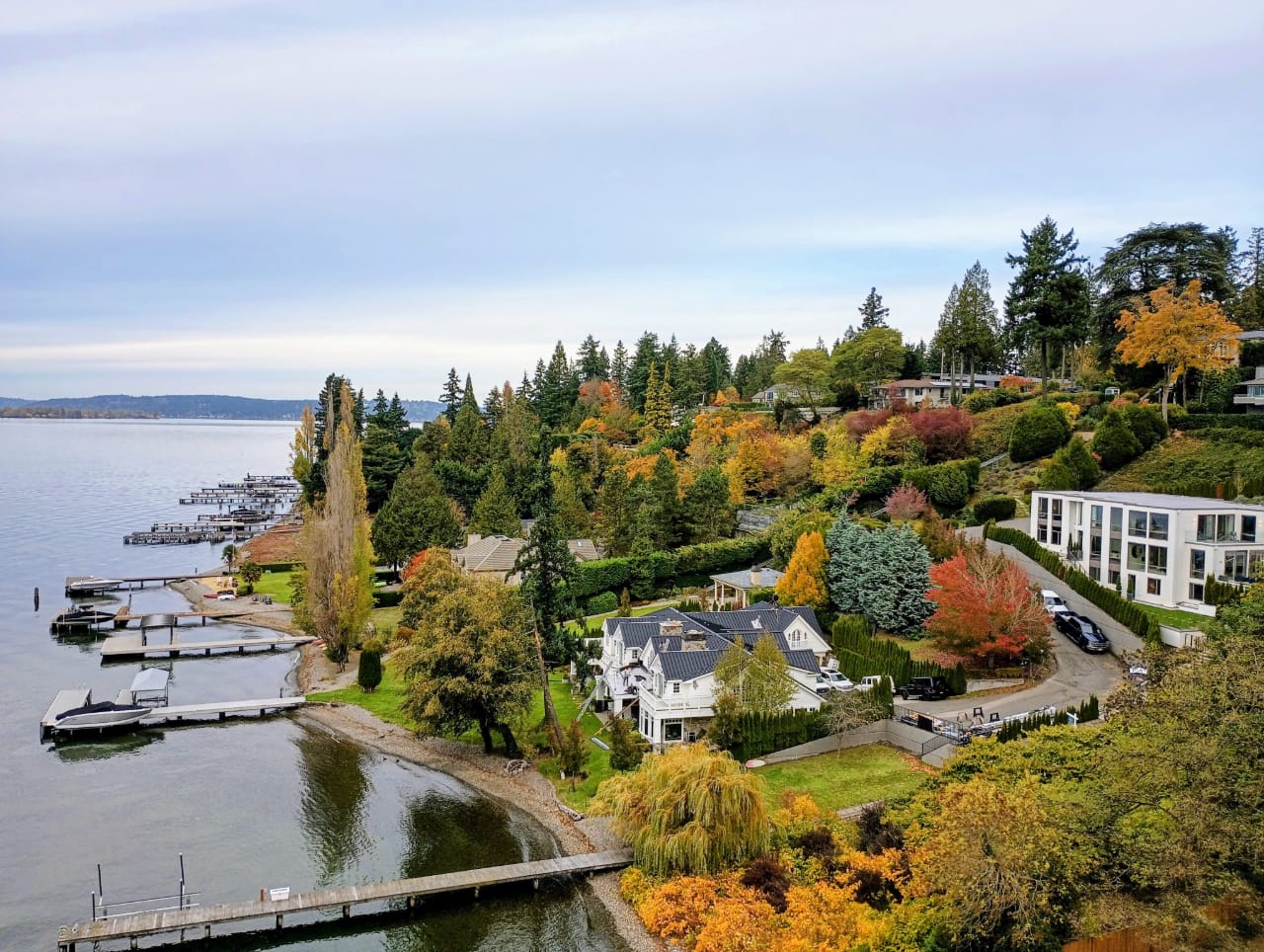
As one of the region's most exclusive cities, 3,000-resident Medina's building code is already very restrictive about what can be built. The new regulations add setback requirements and fully eliminate a height bonus program that had existed for years, all in the name of improving "bulk and scale."
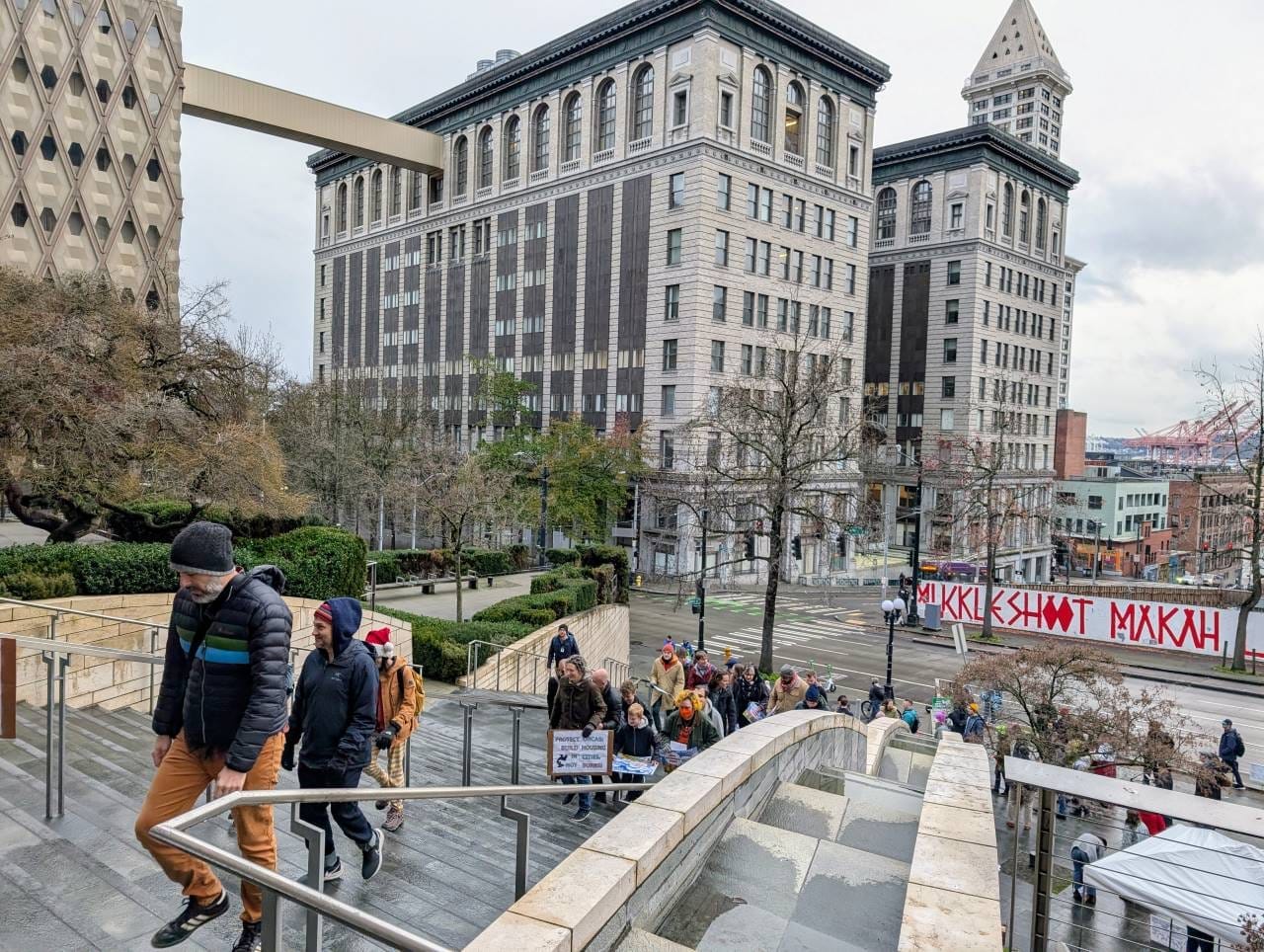
Join advocates for a housing rally at noon Monday, April 6th before City Council’s first public hearing on Phase 2 of Seattle’s growth plan. Here’s how we can improve the plan to promote housing affordability and abundance.

This week, Mayor Katie Wilson announced Seattle would would be taking a "taller, denser, faster" approach to its growth plan. A greatly expanded scope for Phase 3 would mean more growth centers and wider transit corridor rezones. Just how wide is not yet clear.

On Tuesday, King County Executive Girmay Zahilay unveiled his "Breaking the Cycle" Initiative tackling the housing and homelessness crisis, which could include a countywide affordable housing levy that could go before voters as early as 2027.
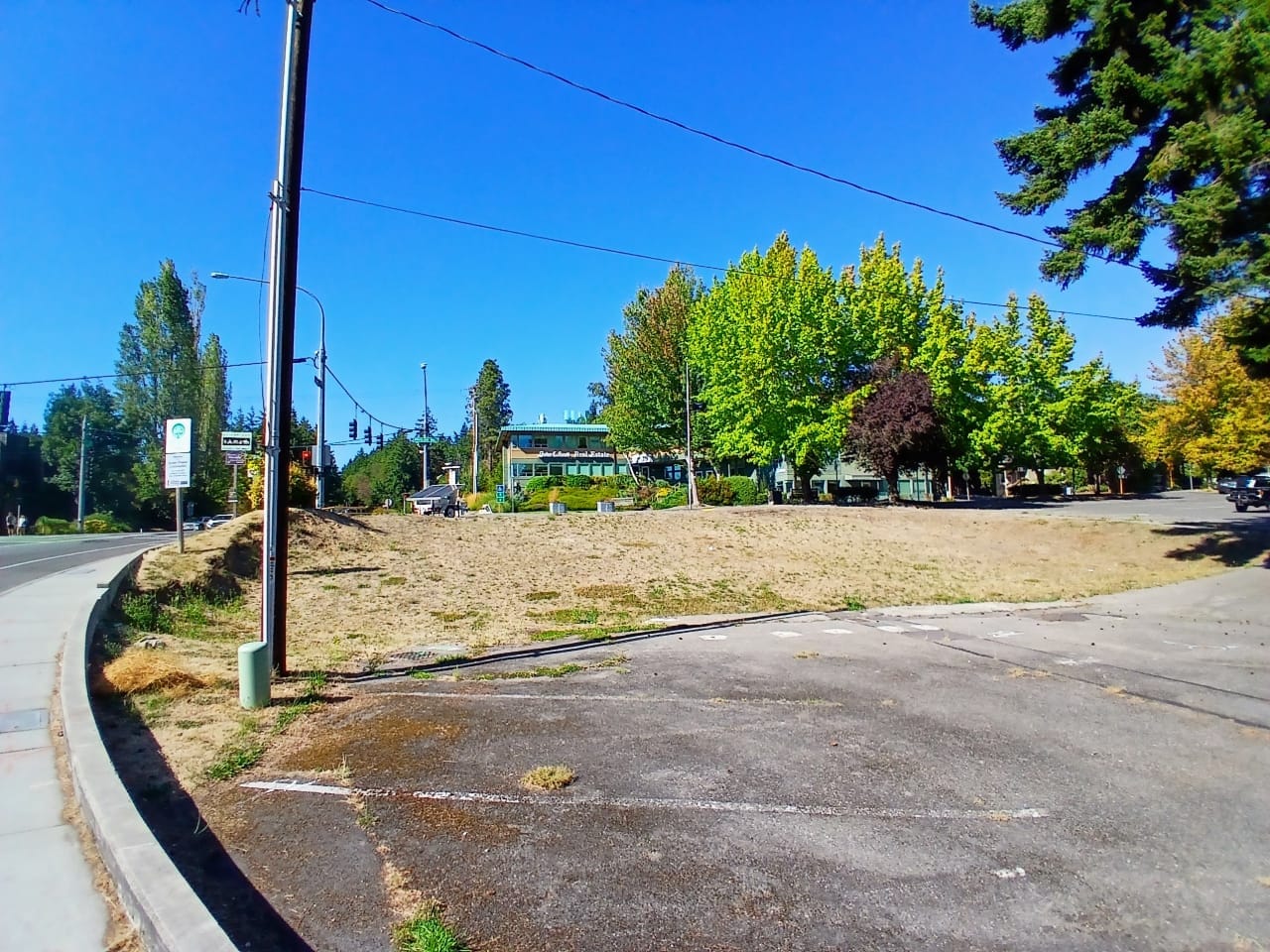
The Low Income Housing Institute's plans for 90 units of workforce housing have been in limbo since the appeal was filed in September. Ultimately, the project appears unlikely to advance until Bainbridge Island updates its overall housing growth plan.
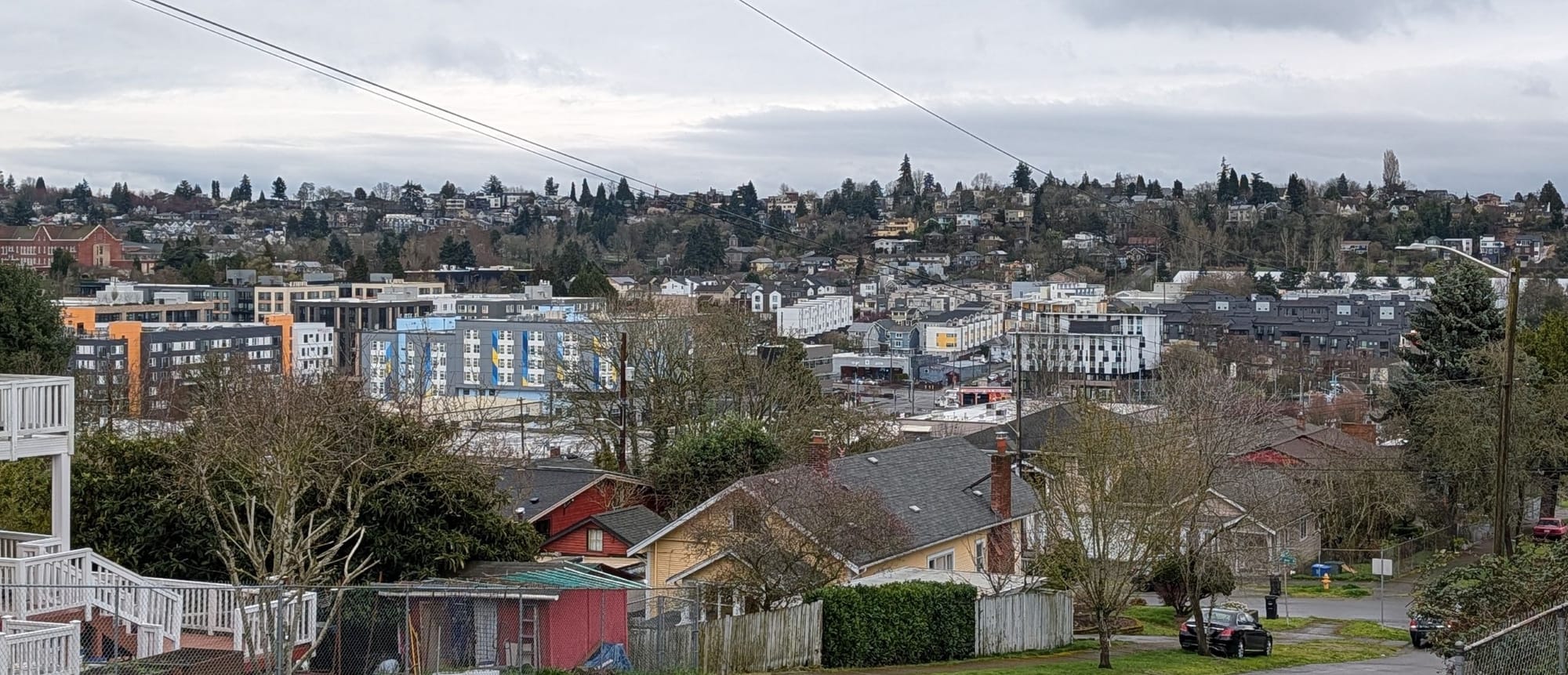
Near Judkins Park Station, builders have added more than 2,000 homes since 2018, plus new schools and retail. This includes 600-plus townhomes and 700-plus income-restricted affordable homes. Another 900-plus homes are in the development pipeline.
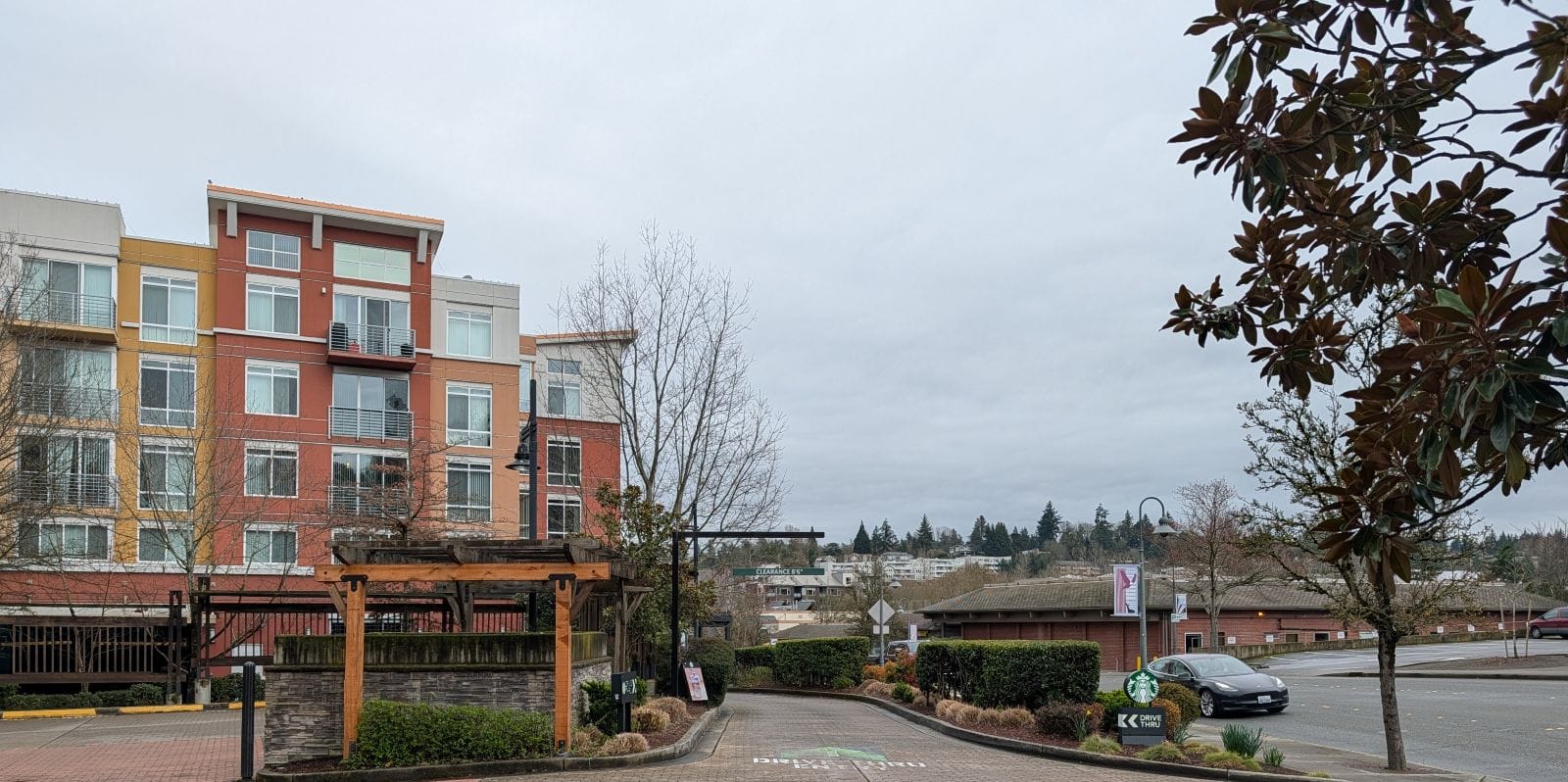
Since 2010, Mercer Island has added just 549 housing units in its "Town Center" on the doorstep of a brand new light rail station opening this weekend. State intervention could force more housing to get built, but a big opportunity has been missed so far.

Under threat of state sanctions, Mercer Island is set to upzone its relatively dense Town Center area to eight stories, along with new provisions intended to create affordable housing. But a broader zoning overhaul that would fully optimize the city's light rail connection is still years away.
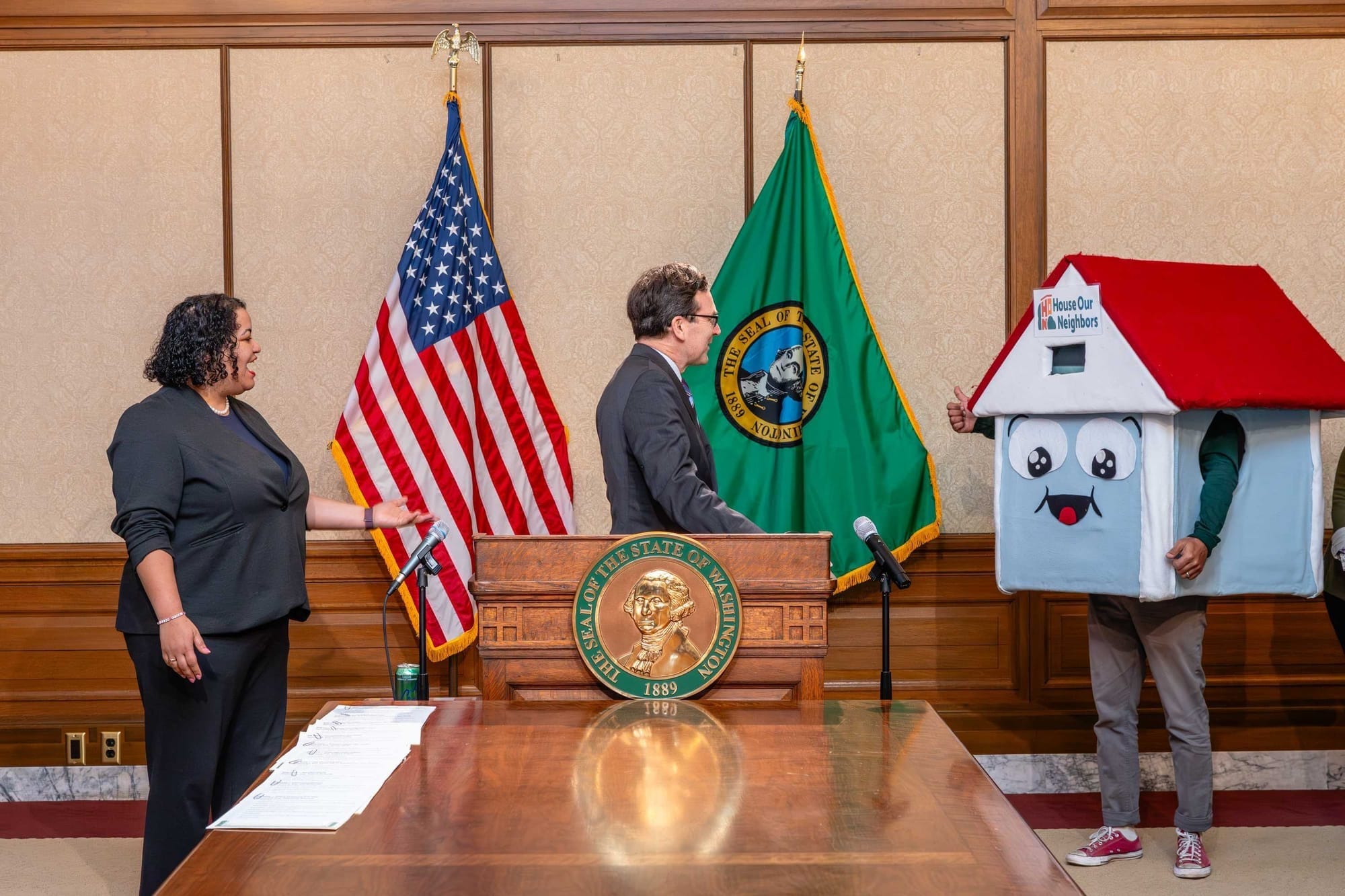
Earlier this week, Governor Bob Ferguson signed the Seattle Social Housing Developer's priority bill, granting new powers to collaborate with state and local government and receive access to public land.
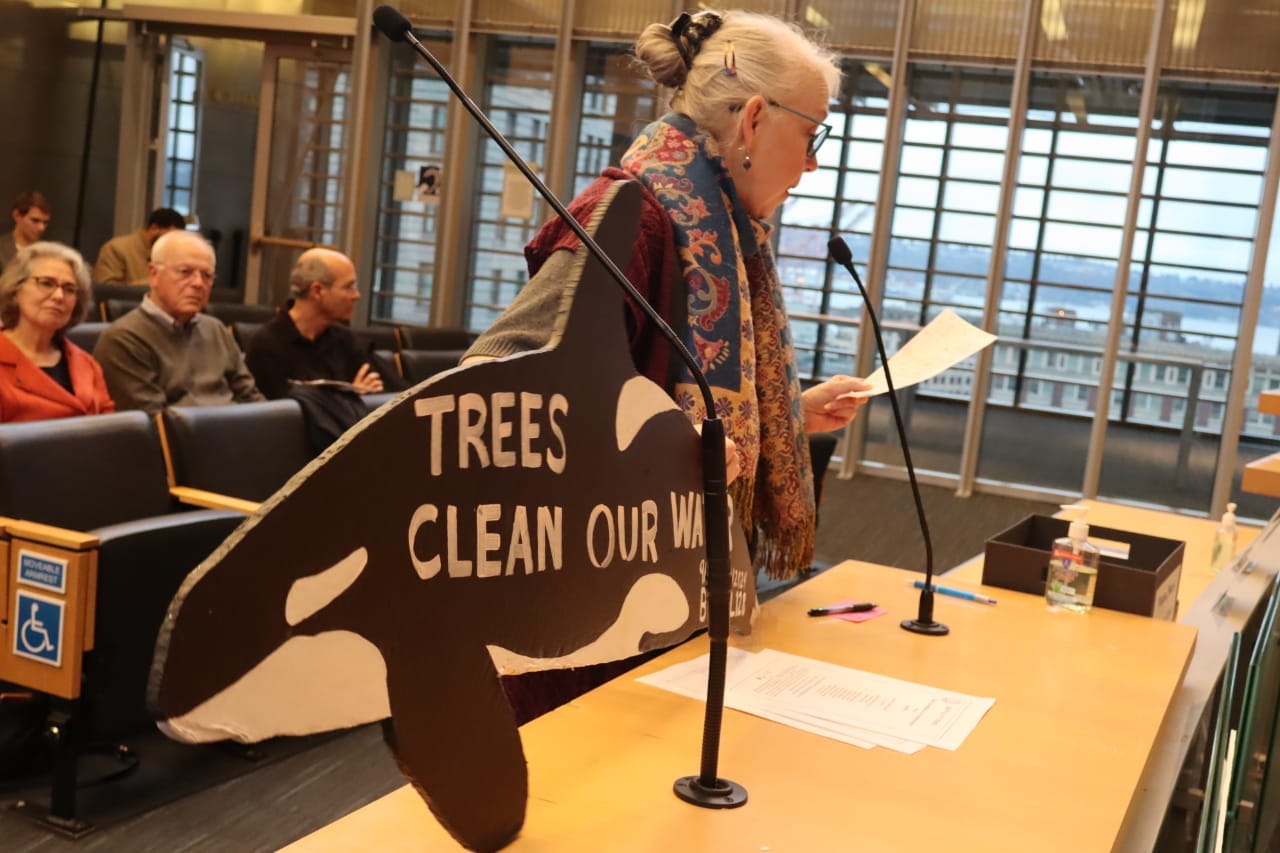
Washington's Court of Appeals will decide whether the legislature left a major loophole in place when it passed recent laws to prevent zoning changes that increase housing capacity in cities from being mired in lengthy legal appeals.
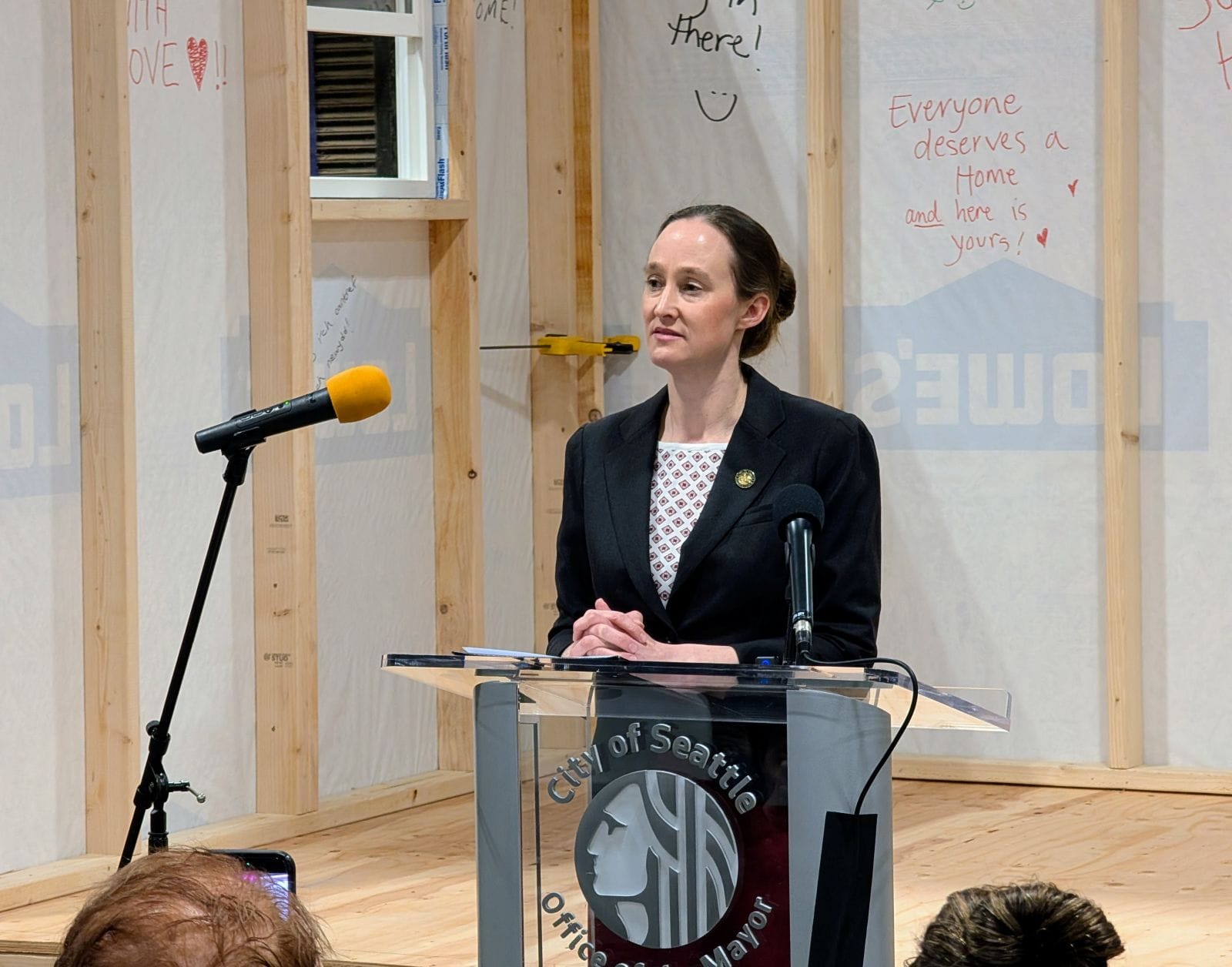
Seattle Mayor Katie Wilson rolled out new legislation intended to expedite production of emergency housing and homeless shelter at the Hope Factory in SoDo. She aims to produce 1,000 units in her first year.
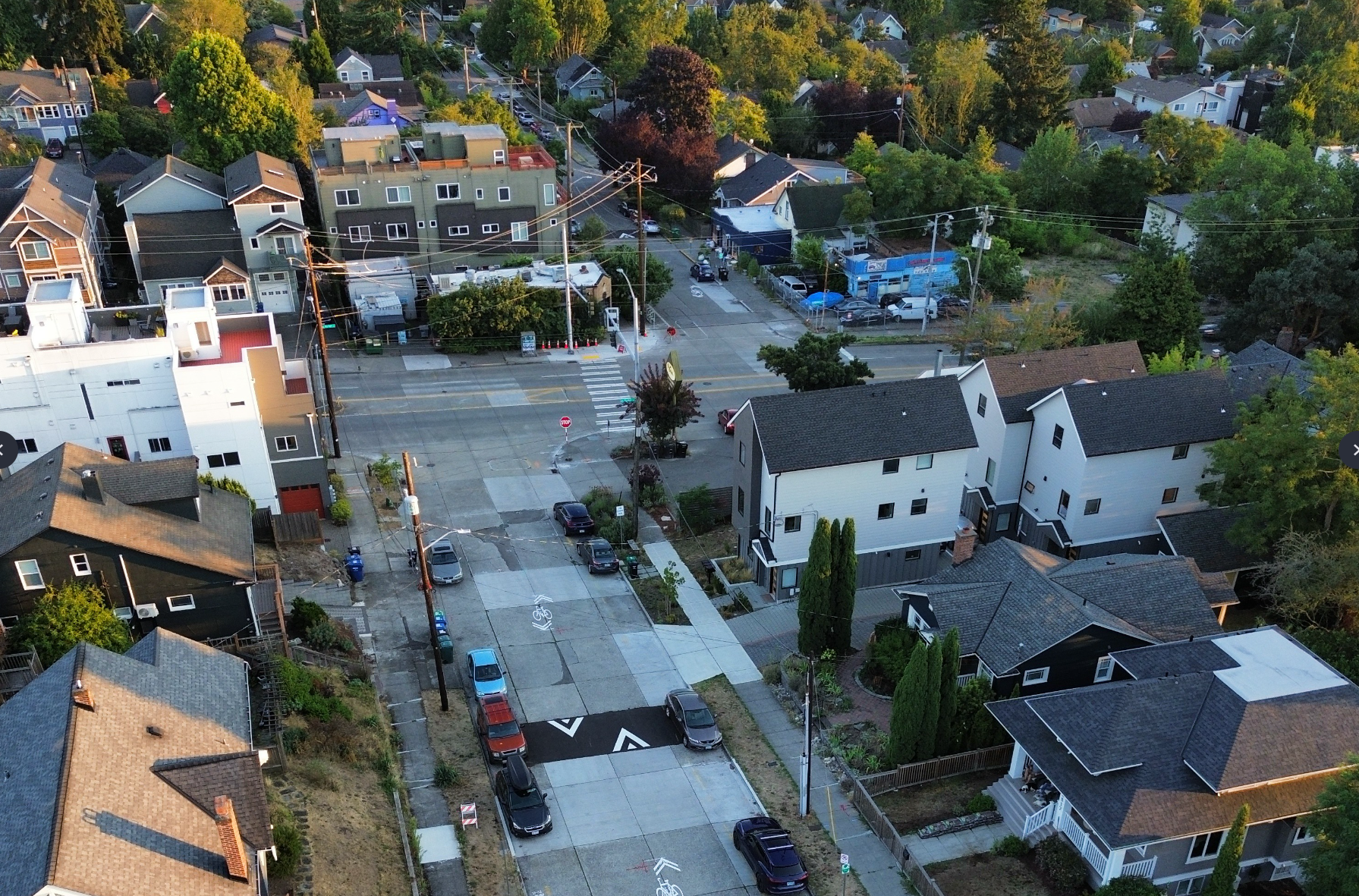
Seattle Mayor Katie Wilson’s administration is queuing up housing density increases within two blocks of all frequent transit corridors, planning director Rico Quirondongo revealed at a recent meeting of the Seattle Planning Commission, which pushed for the idea and greeted the plan warmly.

A Sightline Institute study quantified the impact of growing up, not sprawling out, estimating that the Seattle metro area’s slightly less-sprawling growth since 2000 was keeping 1 million tons of greenhouse gases out of the atmosphere every year, compared with what Seattleites would have been emitt
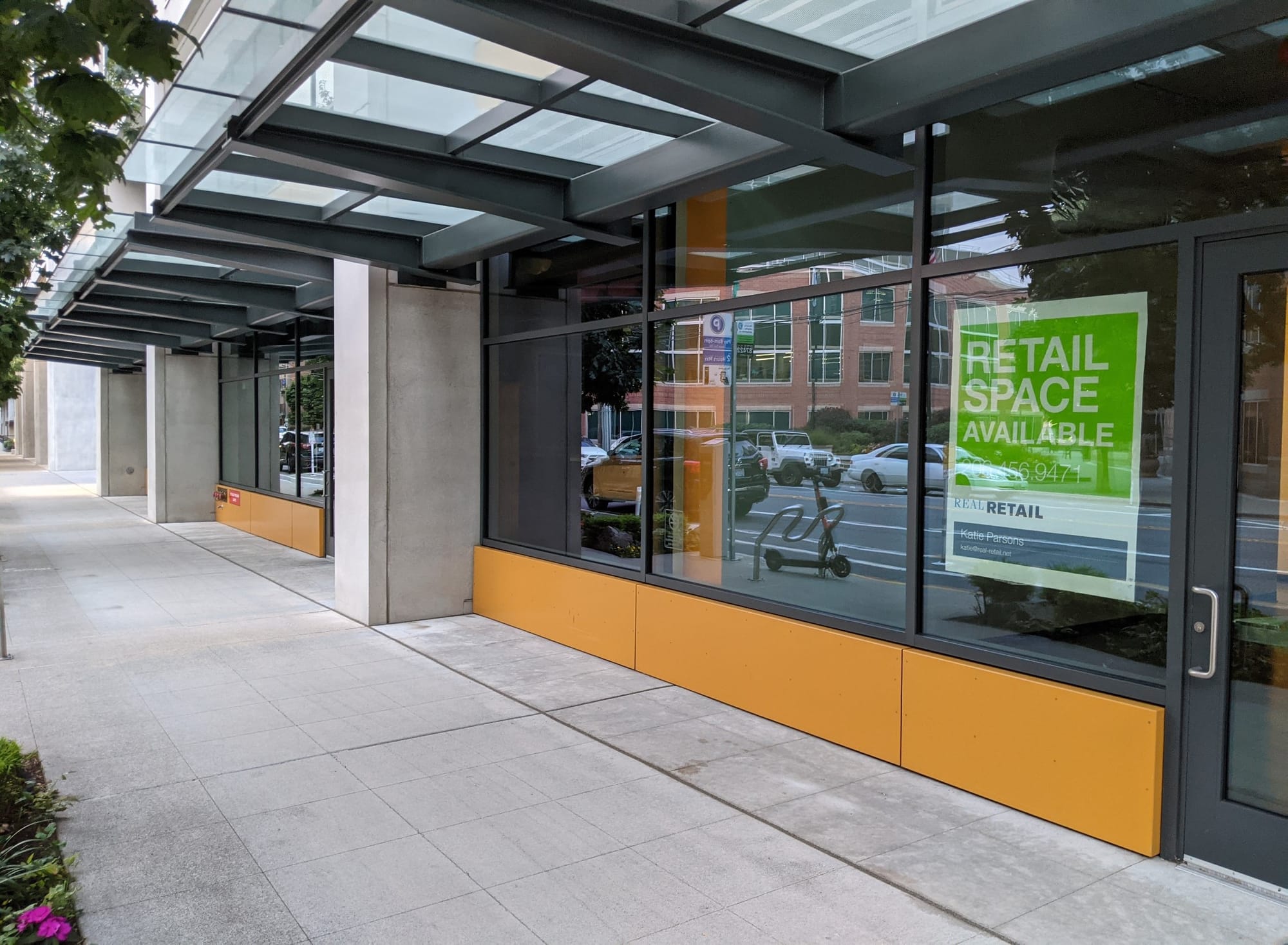
After concerns were raised by city officials around removing flexibility to create vibrant and walkable neighborhoods, the version approved by the House local government committee sets a 40% cap on mixed-use zones where ground-floor retail spaces can be required.
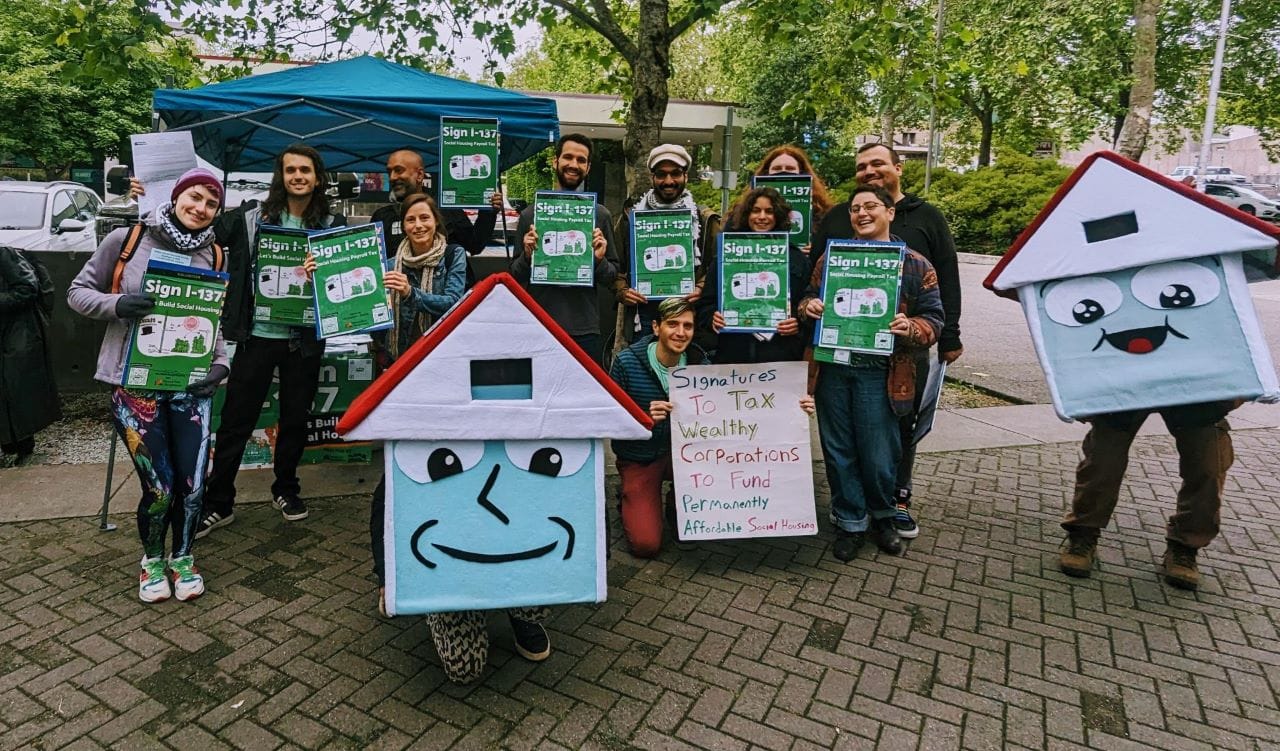
The Seattle Social Housing Developer smashed projections and pulled in more than double the amount expected from a recently voter-approved “excess compensation tax.” Social housing advocates’ priority bill at the state legislature is also making significant progress.
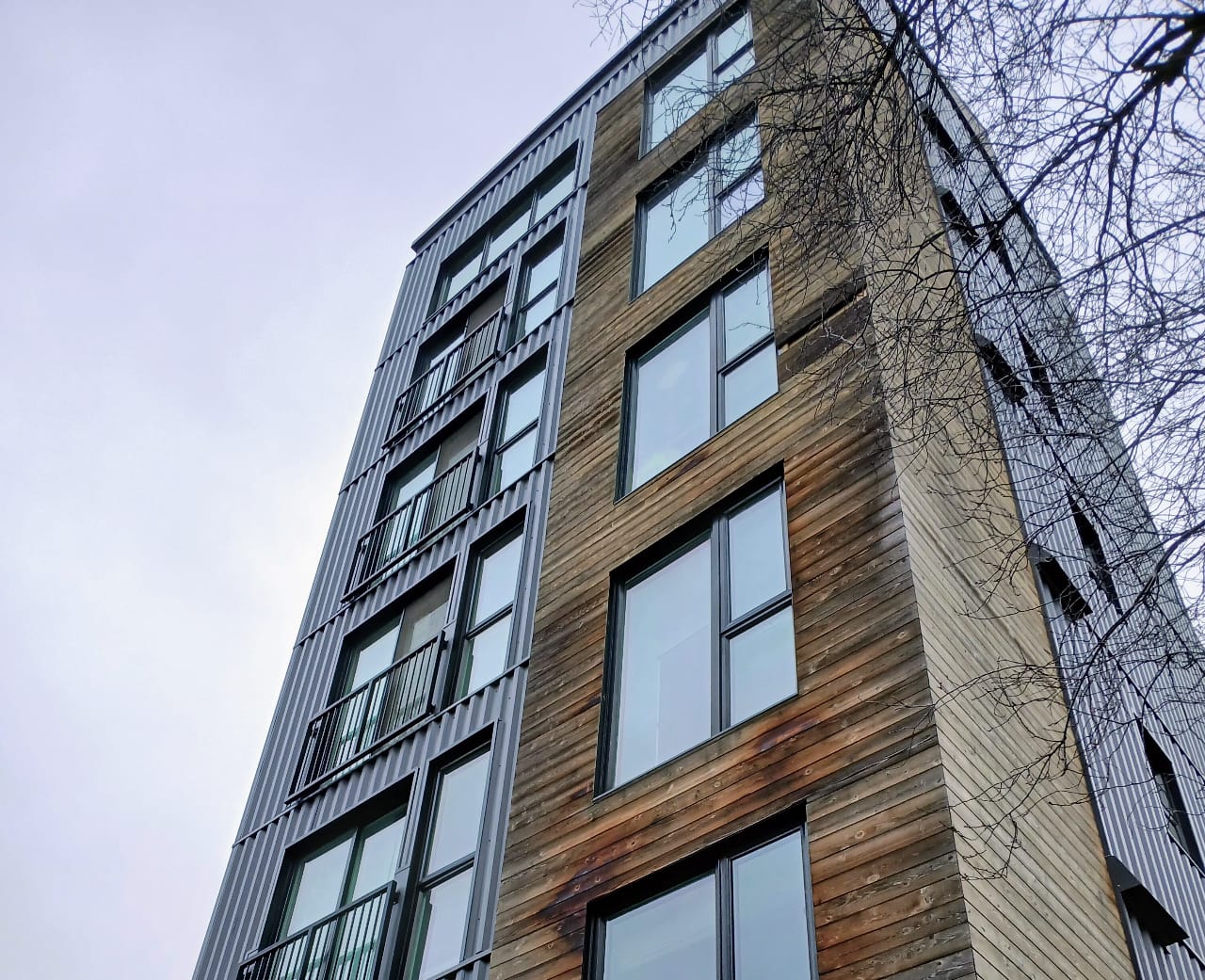
The 41-7 vote in the Washington State Senate advances a proposal that would allow builders more flexibility to install smaller elevators in smaller apartment buildings, a small step toward bringing U.S. elevator costs more in line with the rest of the world.
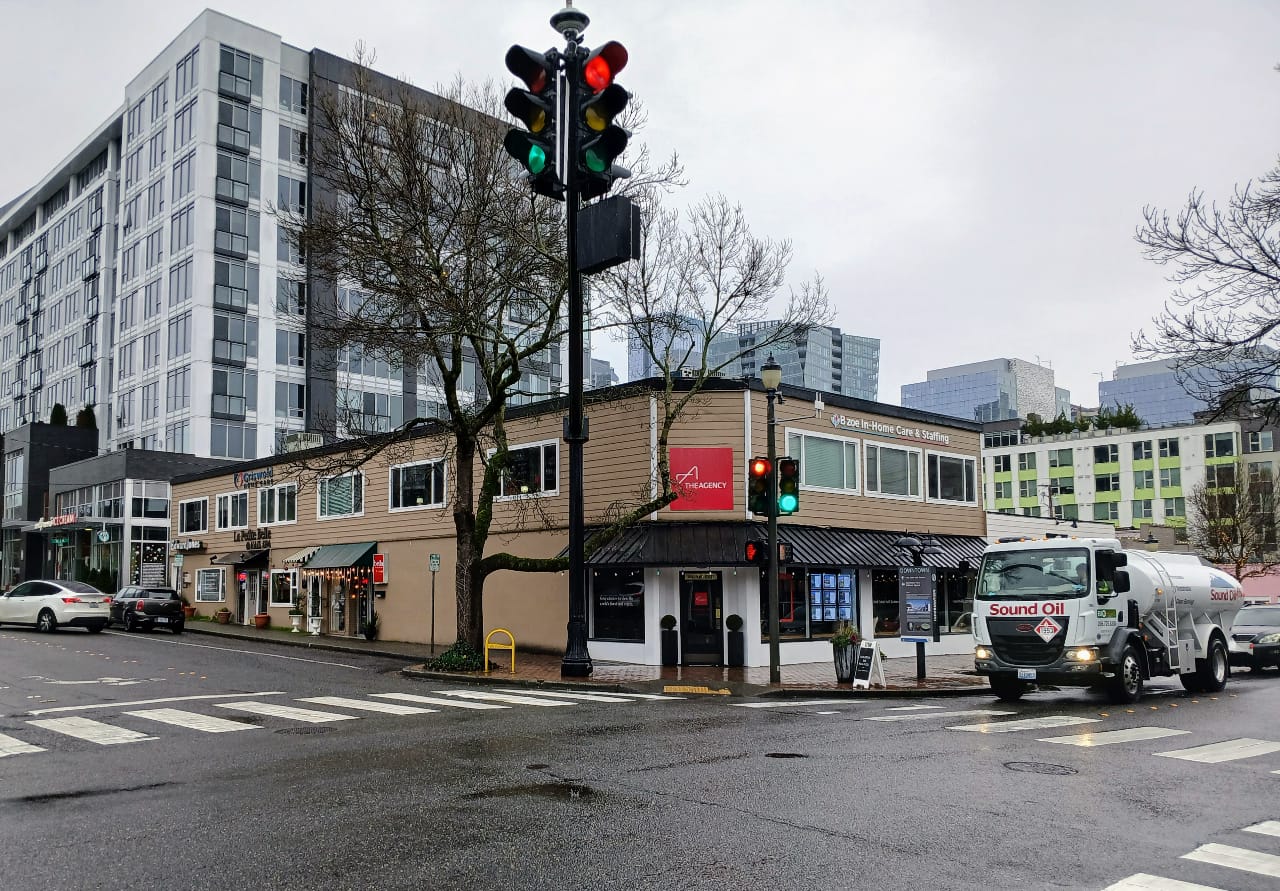
The new regulations, which will stay in place for at least six months, require either façade preservation for older buildings or new façades that match them. Though the goal is to maintain Main Street’s pedestrian friendly atmosphere, little remains in place to prevent small business displacement fr
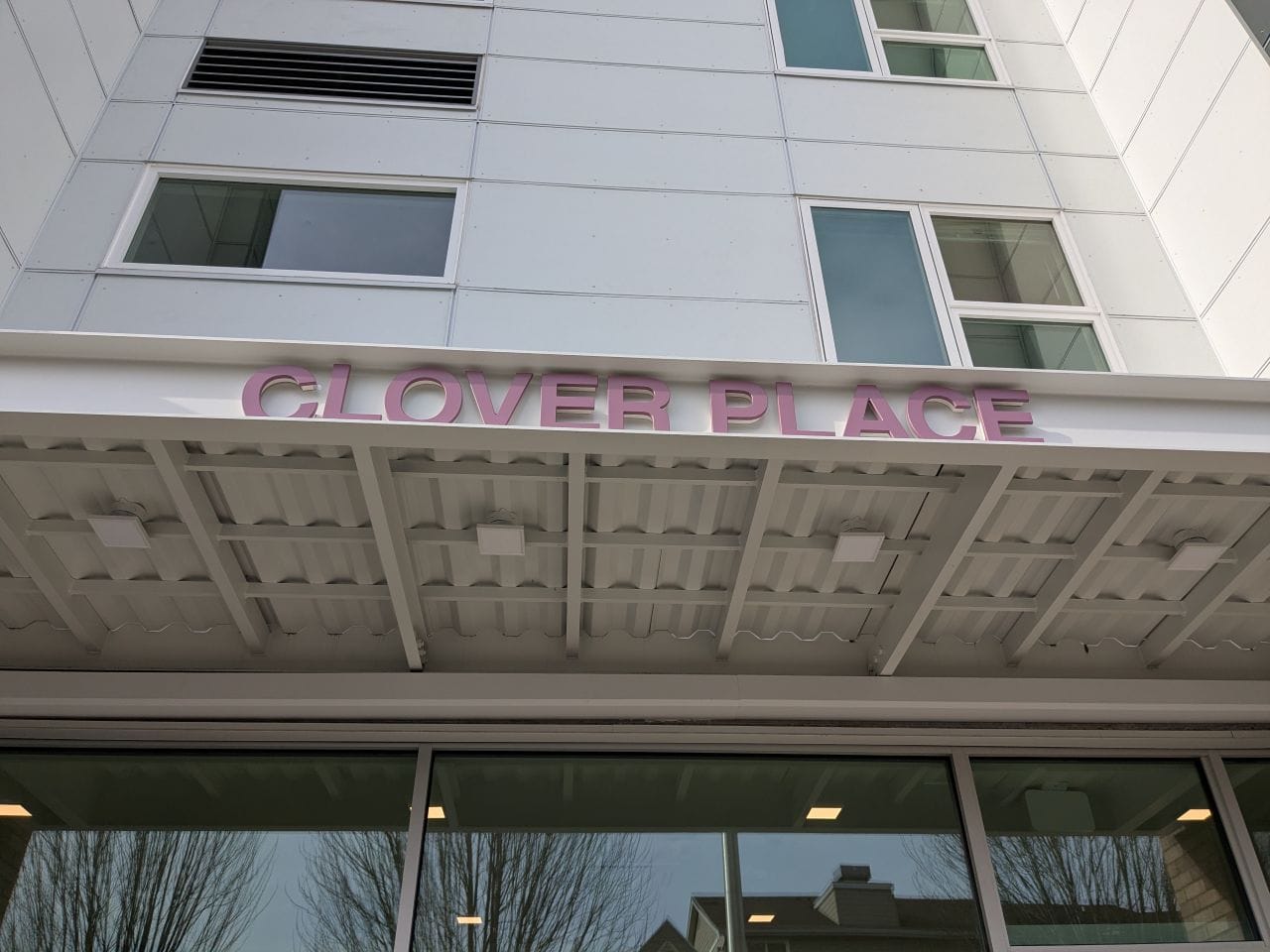
DESC opened 95 supportive housing units last week in Upper Fremont. Seattle Mayor Katie Wilson attended the ribbon-cutting celebration, noting the positive step toward addressing the homelessness crisis, but Trump cuts could slow the pace of similar project openings.
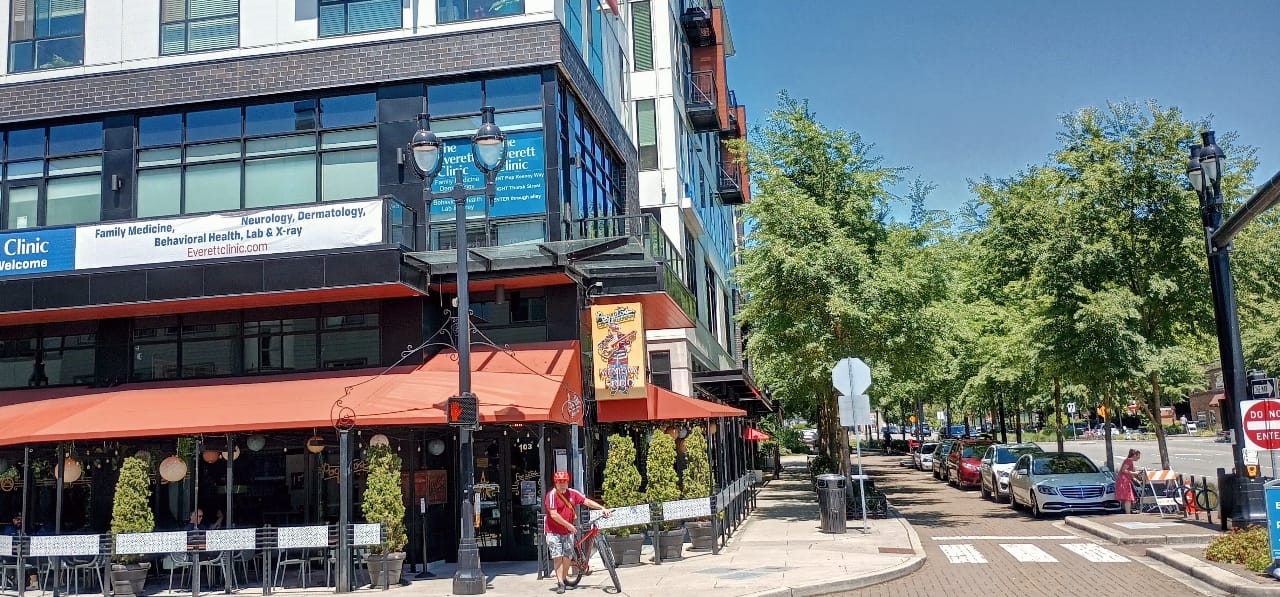
Pre-applications for new housing units in Bothell last year topped 1,000 for the first time in recent history, a big indicator of interest following major changes to Bothell’s zoning code in 2024. Such activity makes Bothell well-positioned to buck a regional downturn in housing starts.
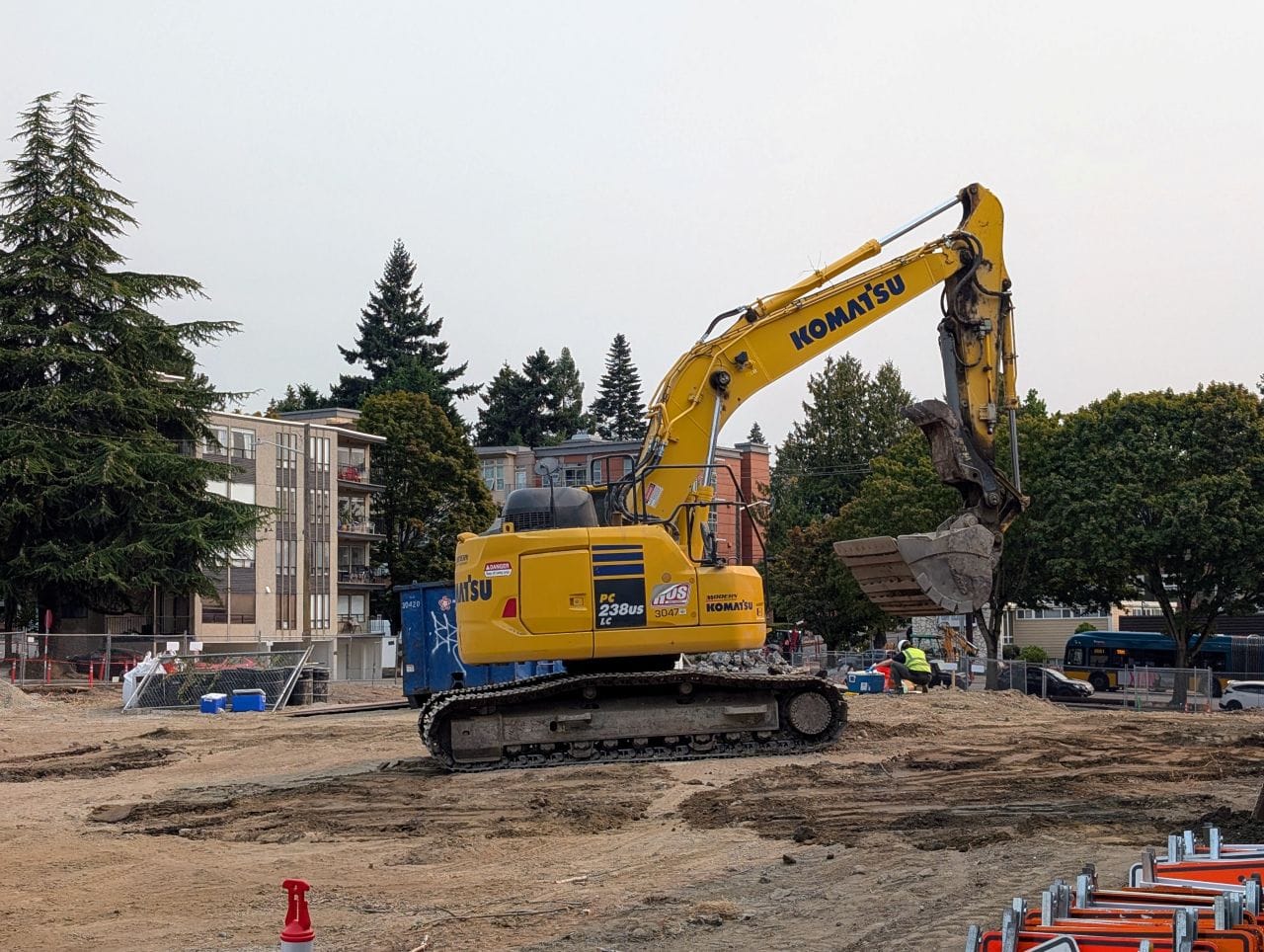
The Seattle City Council is proposing to scale back the range of construction projects required to get project-level State Environmental Policy Act (SEPA) review in a bid to boost homebuilding. The proposal will go to full council on February 10.

Mayor Katie Wilson is promoting inspections director Sam Steele to interim director of the Seattle Department of Construction and Inspections, she announced Tuesday. Steele has pledged to streamline processes to make it easier to build housing and emergency shelter.
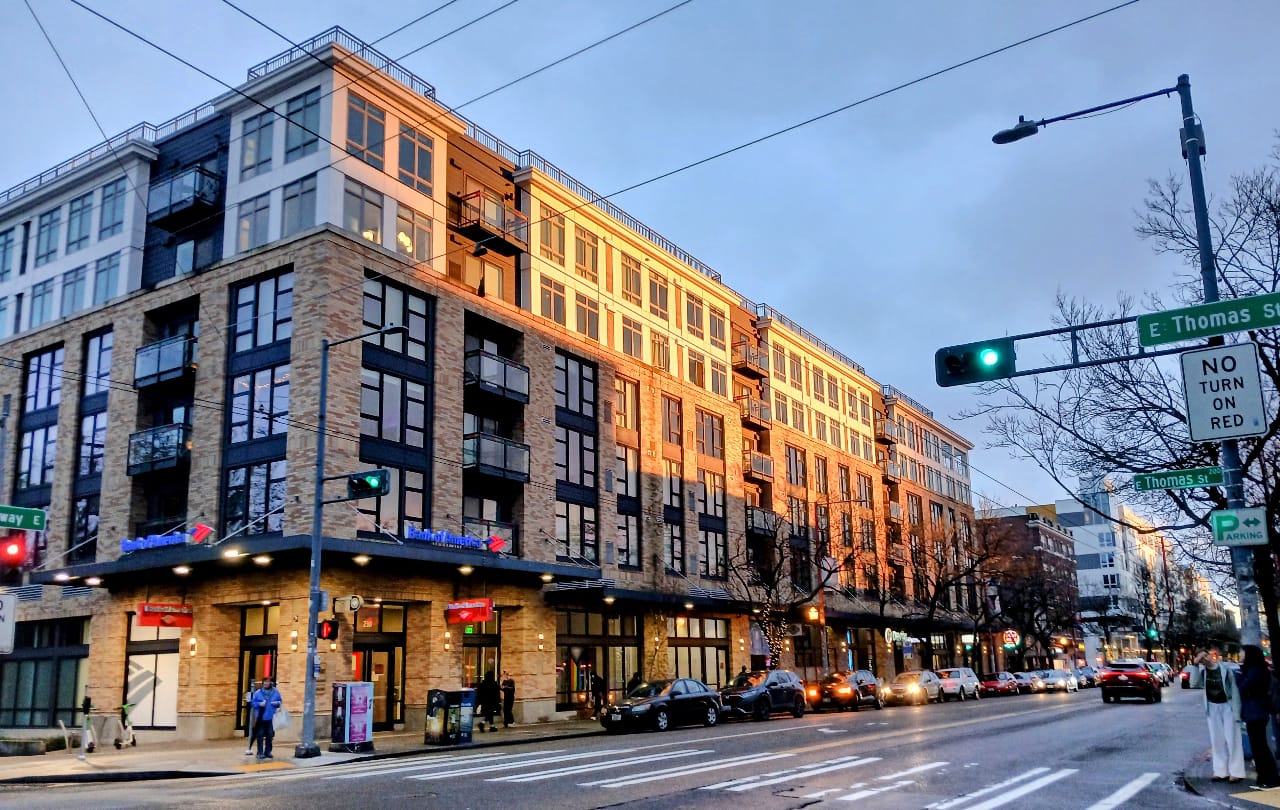
Intended to reduce barriers that are preventing lower-density commercial buildings from getting redeveloped into housing, Senate Bill 6026 would target mandates for storefronts in new housing projects. After concerns were raised around impacts on neighborhood vibrancy, the proposal was scaled back a

Zoning maps for 30 new neighborhood growth centers, a handful of urban center expansions, and narrow transit corridor rezones dropped on Thursday. With the patchy current vision driven by the Harrell administration, new Mayor Katie Wilson has pledged to come back and expand the plan.
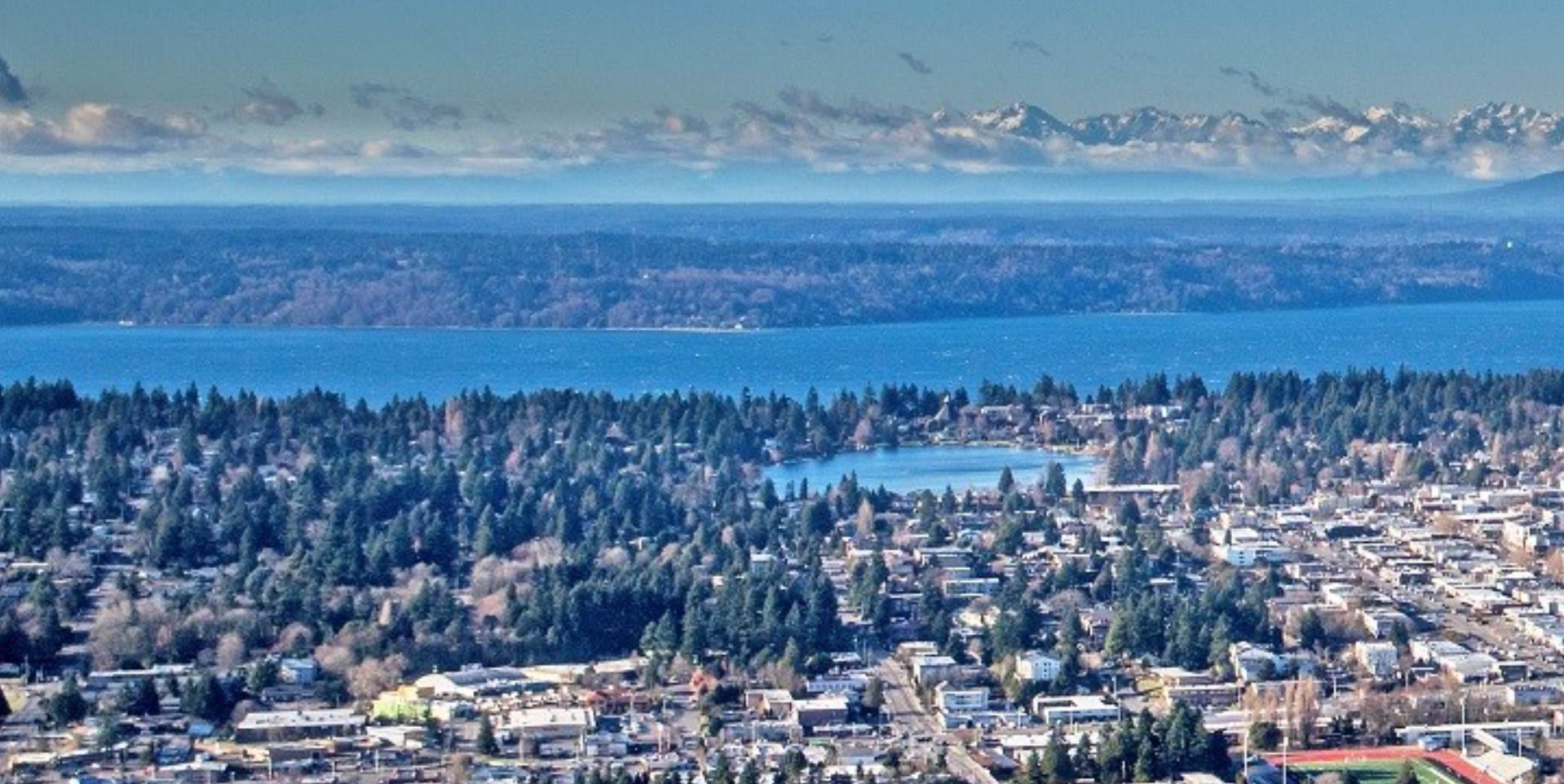
The close vote earlier this week was a strong signal of a change in direction for Burien, which saw a 5-2 moderate council majority flip to a 4-3 progressive one last November.
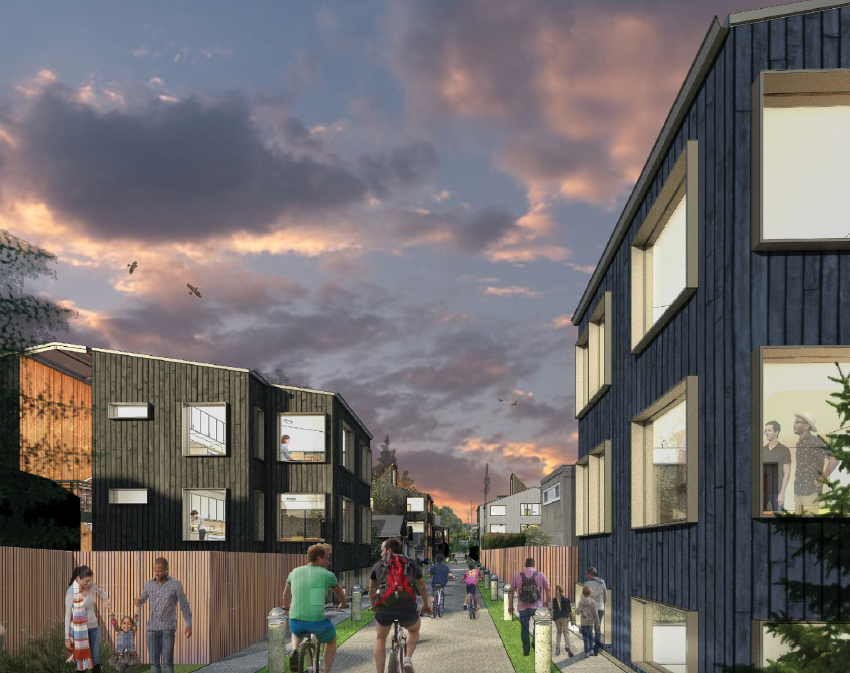
Building more dense housing within vibrant walkable neighborhoods is a key climate strategy, argues IPCC author Michael Gillenwater. The Seattle Comprehensive Plan could further those opportunities.
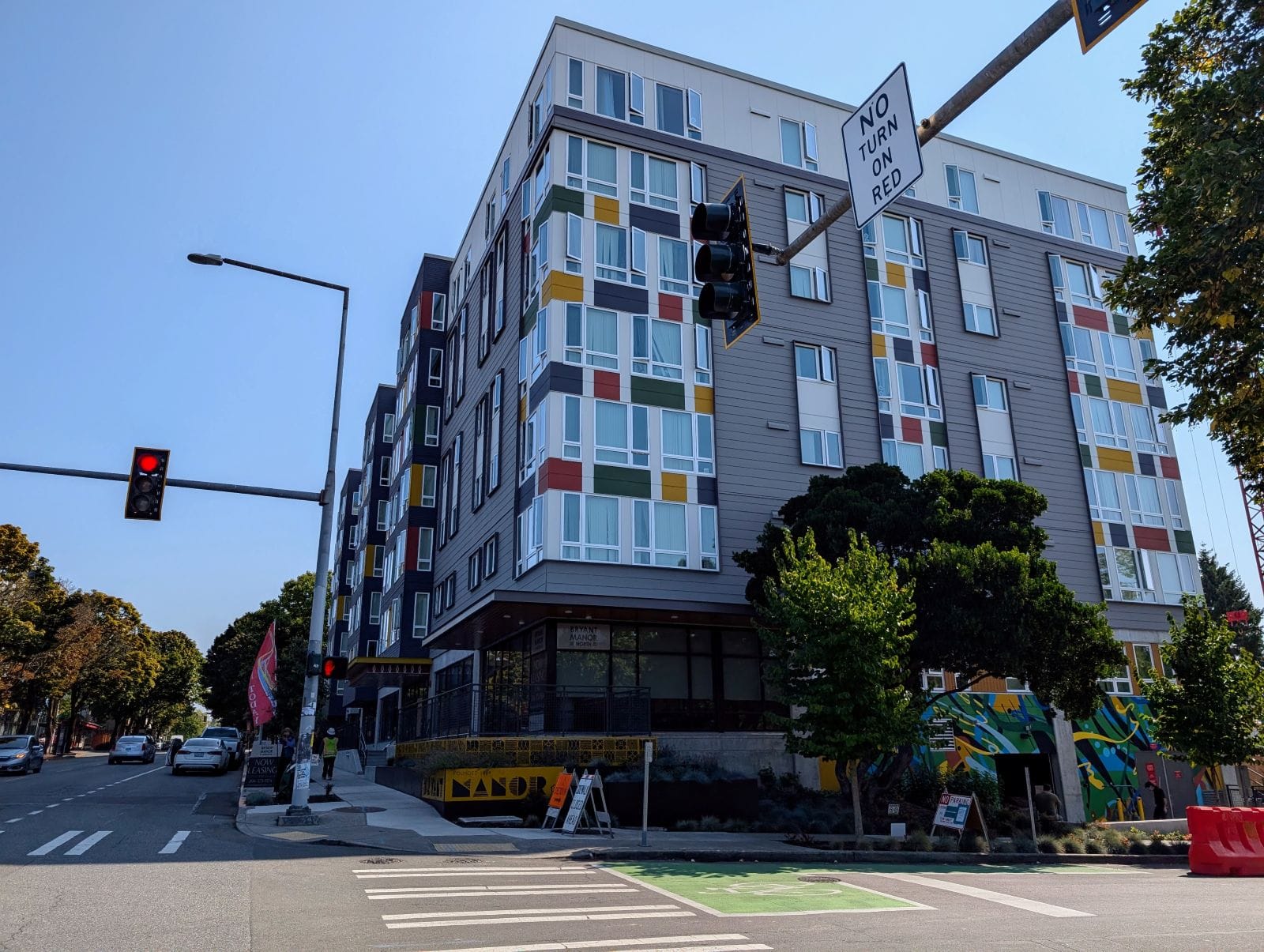
Over the last decade, the Seattle metro area produced the most affordable housing in the nation, with more than 24,000 new income-restricted apartments. New revenue streams helped the region get there, but more work is needed to alleviate the affordability crisis and hit long-term goals.

Birds Connect Seattle, Thornton Creek Alliance, and the Orca Conservancy are among the groups trying to send the City of Seattle back to the drawing board on its housing growth plan. They’re pushing on behalf of an appeal that has been working its way through the courts since April.
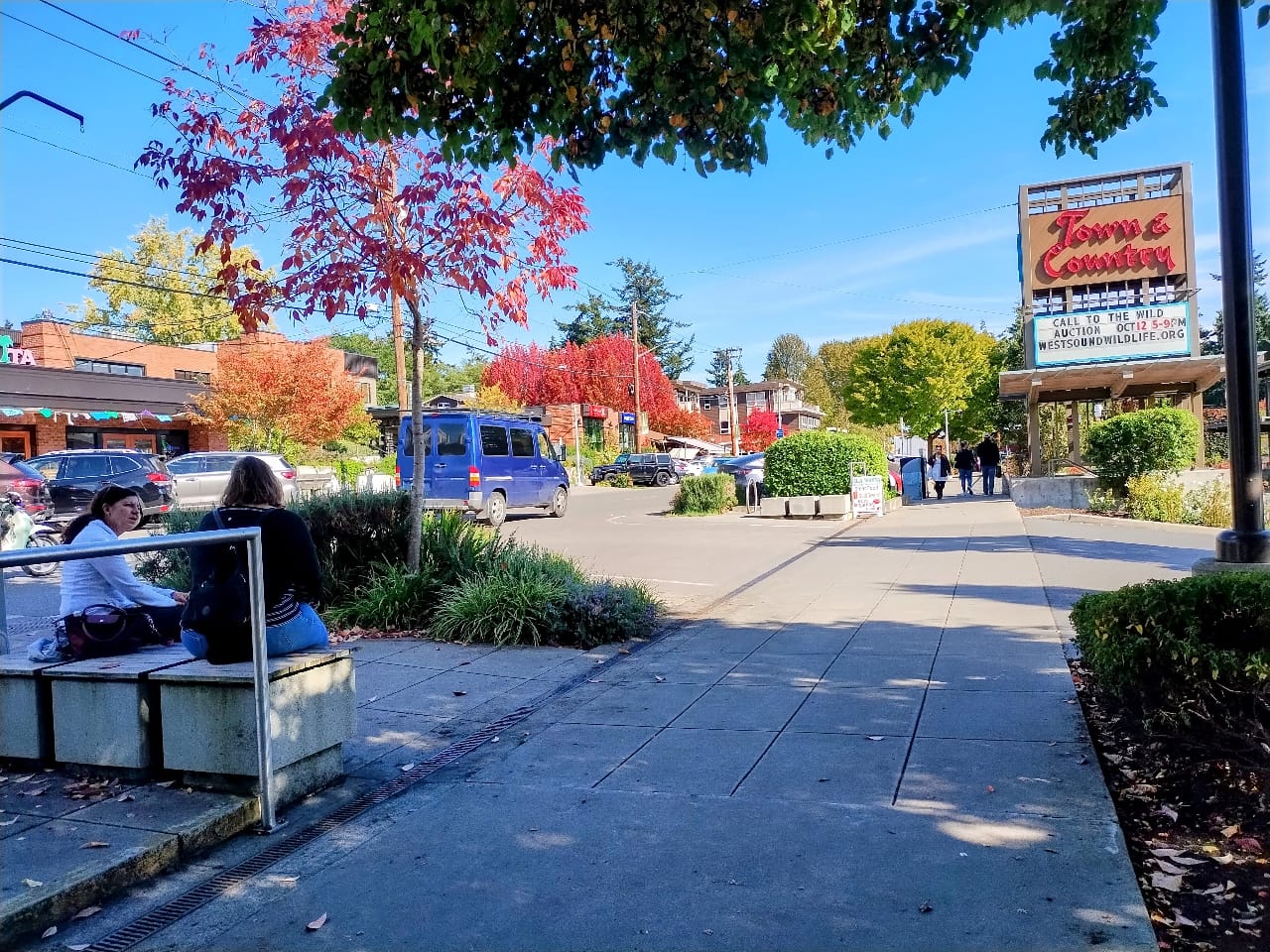
The reviews are the first to take place under the 2025 Housing Accountability Act, intended to spur housing construction by reducing barriers added at the local level. Growth plan reviews are one step in a process that could lead to ramifications for governments that don’t make changes, including th
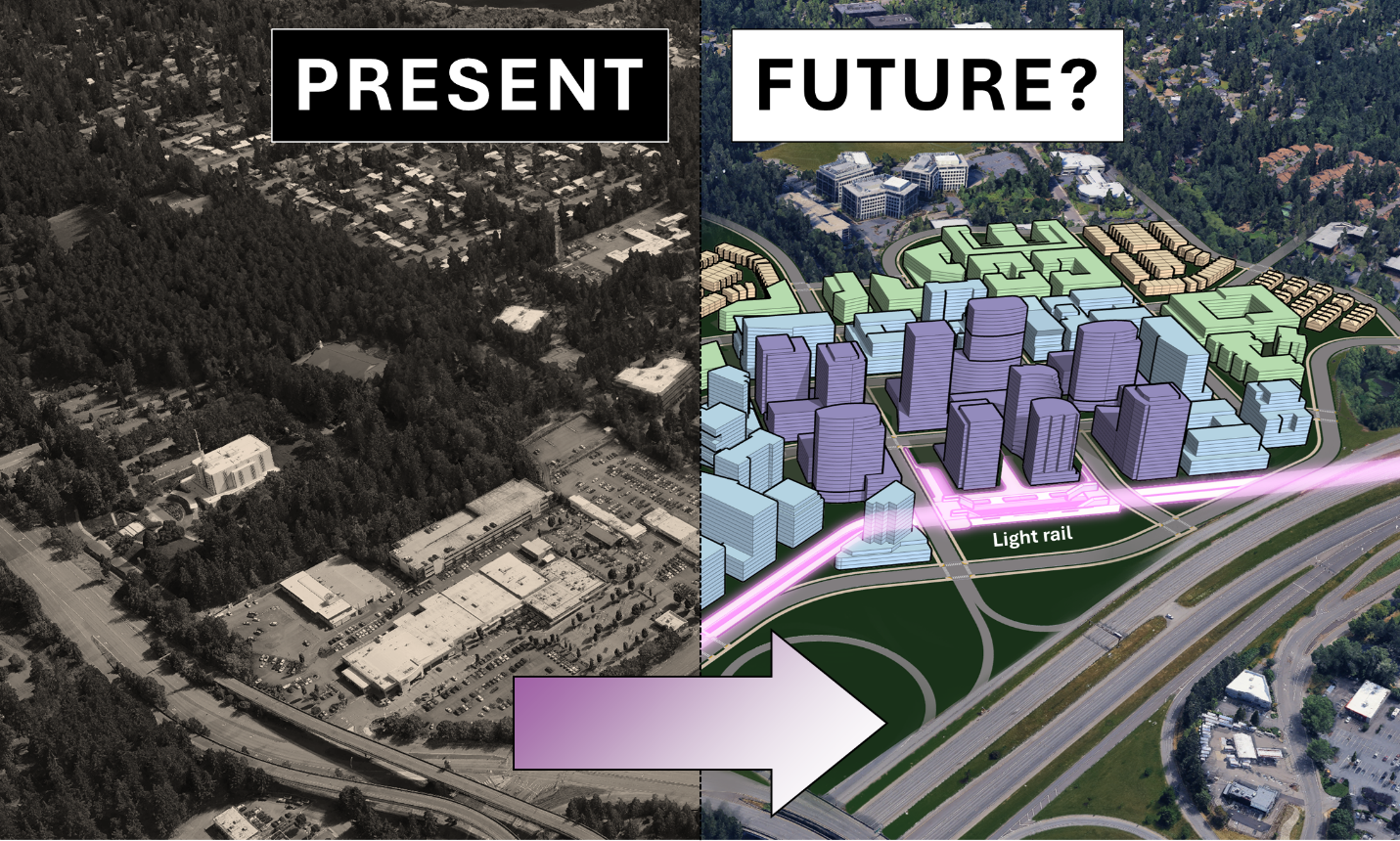
Adding a light rail stop next to Bellevue’s decommissioned airport could unlock more than 100 acres for dense urban development, boosting the potential of the planned line to Issaquah. Like Bel-Red or the Spring District, Eastgate could be the next Bellevue neighborhood to transform with transit-ori

In this video, Uytae Lee of About Here teamed up with Seattle-based environmental thinktank Sightline Institute to talk about North America’s elevator problem. Elevators have been made rare and costly by clunky regulations, which may be ripe for serious reform to make elevators affordable and desira
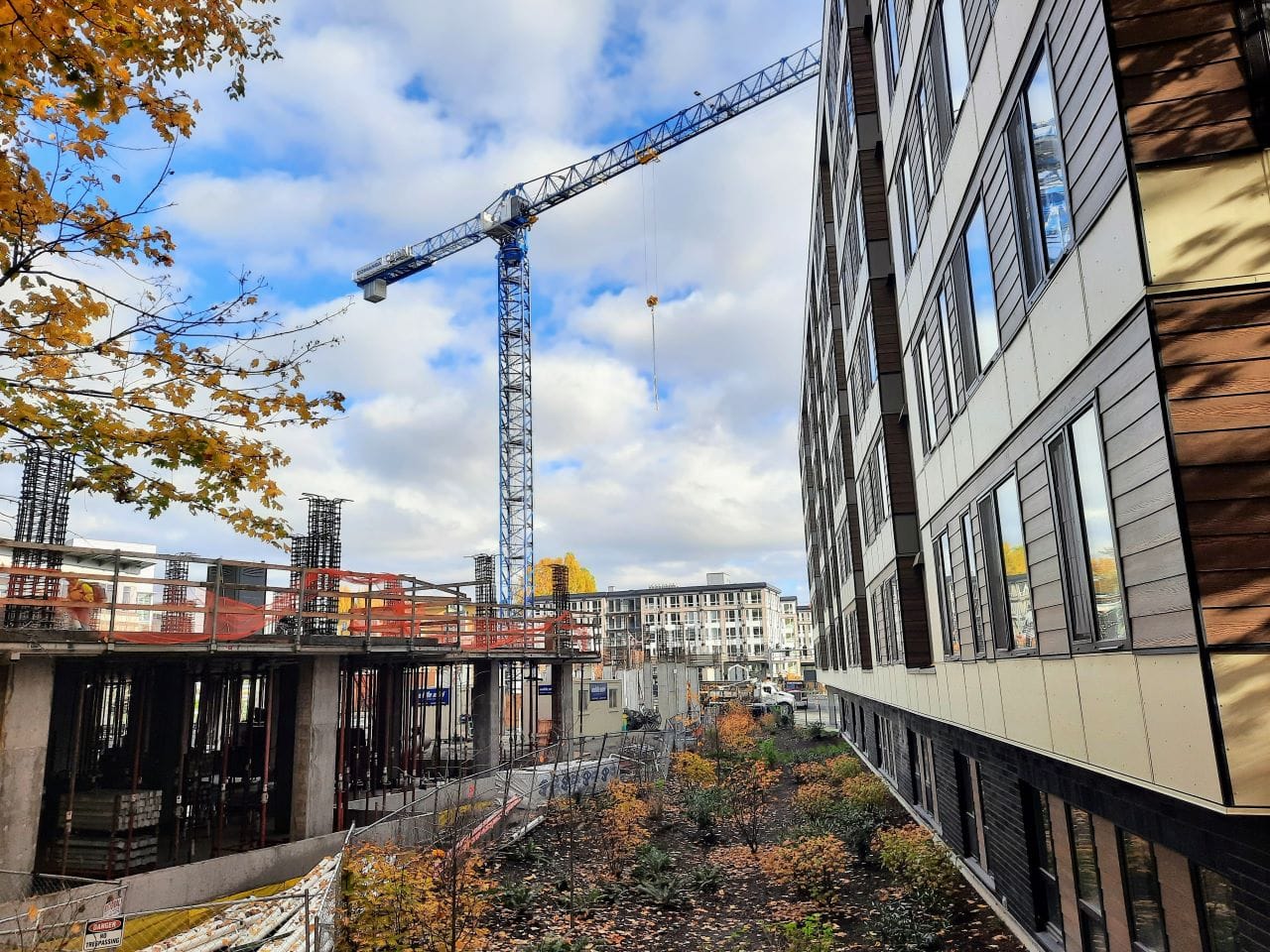
Seattle Mayor Katie Wilson and Rico Quirindongo, the city’s planning director, seem to be on the same page about revamping the city’s growth plans to allow for additional housing density. The City appears set to largely stay the course on scheduled rezone work in 2026, but queue up additional growth

With middle housing, transit-oriented development, and parking reform all checked off the list, the Washington legislature’s 2026 session looks to be more sedate when it comes to housing. But there are still some impactful reforms on deck tackling some of the smaller issues inhibiting housing produc

Seattle City Councilmember Dionne Foster took office Tuesday, echoing Mayor Katie Wilson’s call for “bread and roses” to tackle the city’s affordability crisis while strengthening the social and cultural fabric.
Ray Delahanty of CityNerd debunks the myth that vacant homes could single-handedly solve the housing crisis, explaining with data why America doesn’t have anywhere close to 15 million homes readily available to fill the national housing shortage.
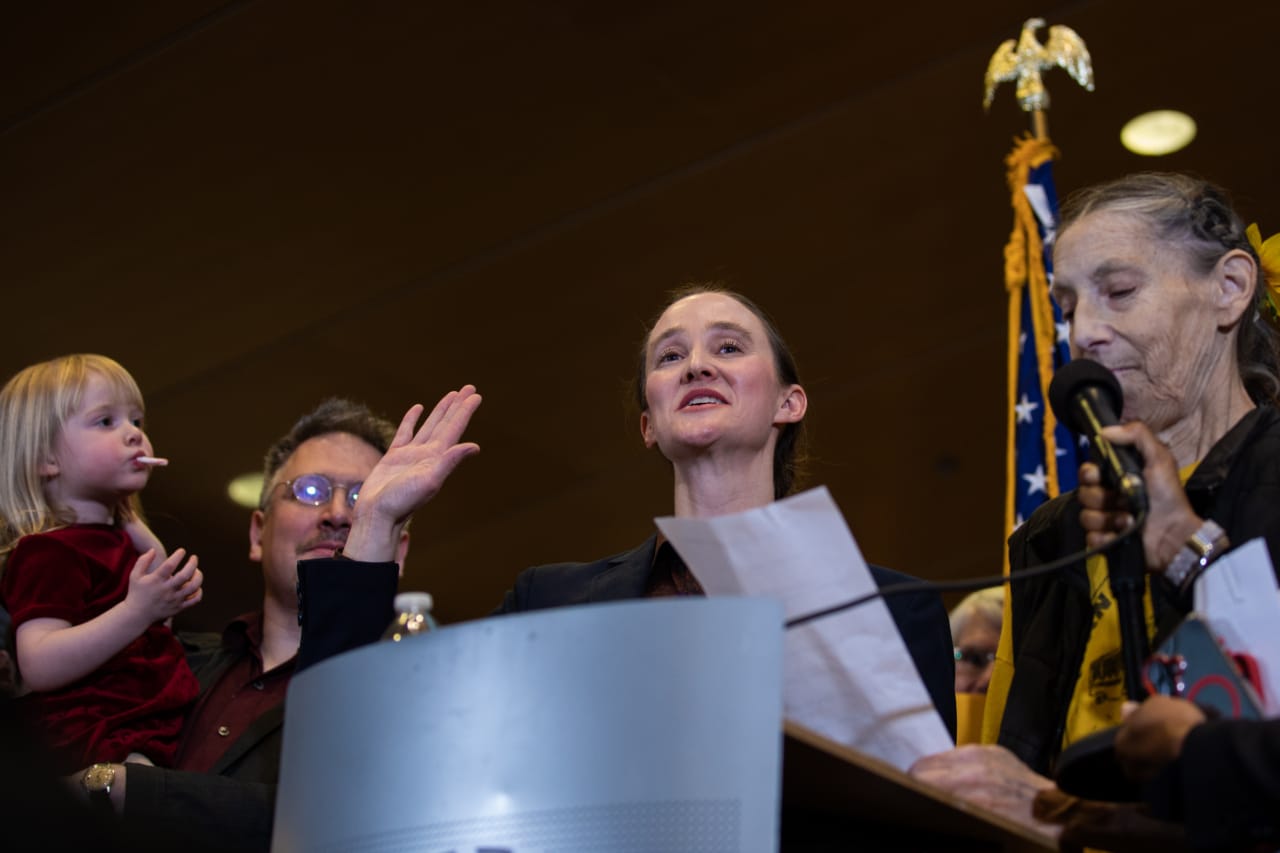
In remarks after being sworn in as Seattle’s 58th mayor, Katie Wilson painted a vision of improving the daily lives of residents that was explicitly urbanist: focused around livability and ensuring that no one gets pushed out of the city.
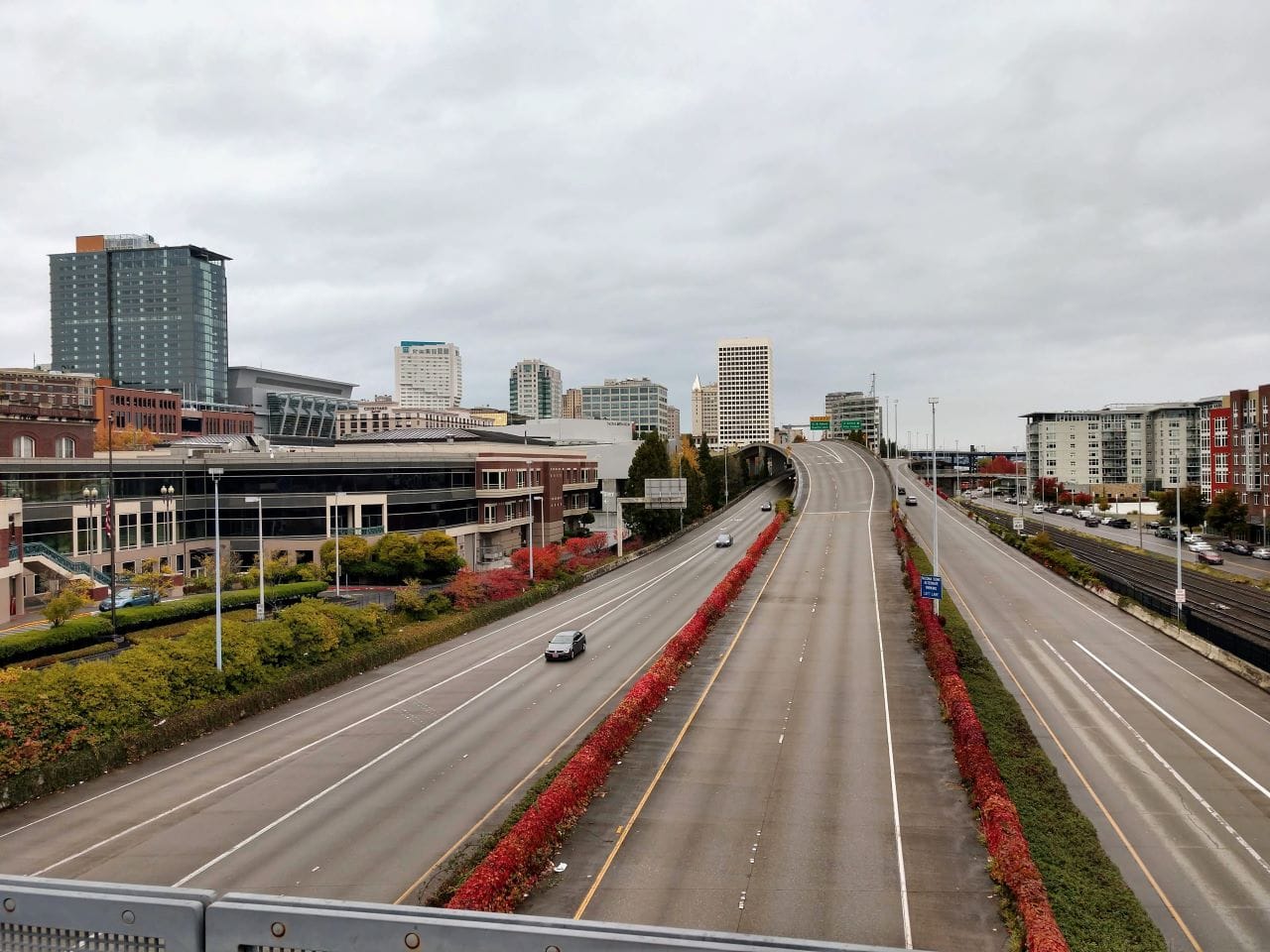
Tacoma’s new impact fee regime, which goes into effect next summer, will charge developers based on expected generation of car trips. Despite work to delicately calibrate the new fees, the proposal still drew criticism when it comes to adding costs to needed housing development.
Funded inclusionary zoning unlocks the benefits of inclusionary zoning while offsetting its harms. It’s a path to more market-rate housing and more subsidized affordable housing. While funded inclusionary zoning risks creating a dangerous rift in our pro-housing coalition, amending this policy to al
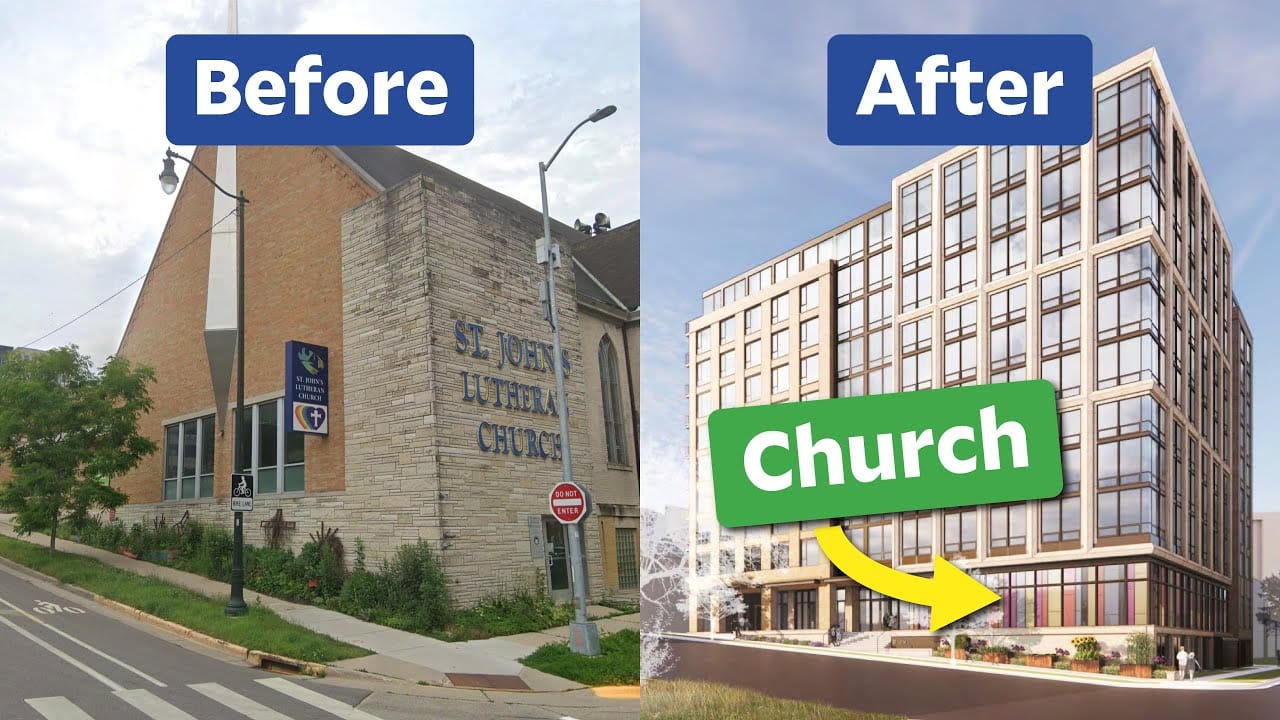
In this video, Dave Amos of City Beautiful talks about a growing national movement of faith-based organizations that are seeking to put their landholdings to work for housing, known as Yes-In-God’s-Backyard (YIGBY), and the obstacles that the movement faces.
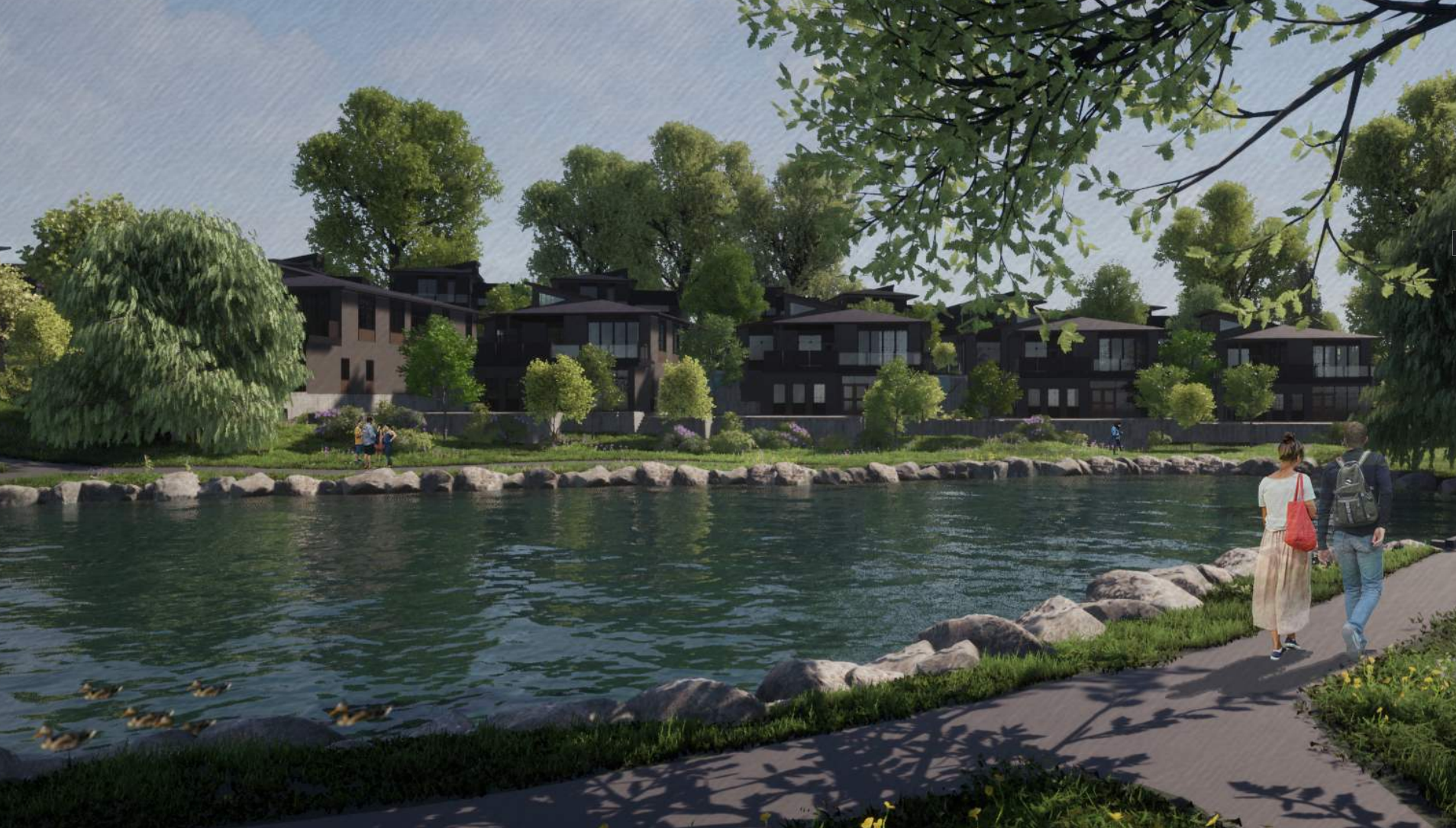
The $64 million sale of the hotly contested Talaris property in Laurelhurst surprised housing advocates who had long been fighting sprawl and pushing for a more forward-thinking urban vision. But with considerable roadblocks to redevelopment still in place, Talaris’s future remains uncertain.